
Agriculture
Buni grants approval for agribusiness support programme in Yobe


Buni grants approval for agribusiness support programme in Yobe
By Yahaya Wakili
Governor Mai Mala Buni of Yobe state has said that his administration has granted approval for the continuation of the agribusiness programme in the state beyond the joint financing as earlier proposed.
Governor Buni the state government in conjunction with the World Bank, African Union and the Federal Government completed the implementation of a 5-year Climate Change Adaptation and Agribusiness support programme in March this year as such informed the government’s decision to continue with the programme beyond the joint financing.
Governor Buni disclosed this today when he Flag-off the Fertilizer Sales, Distribution for the 2022 cropping season in Damaturu.
According to him, his administration would continue to give the sector the priority attention it deserves, and be in tune with the Federal Government’s policy on agriculture as one of the most important sectors of our natural economy.
He command President Muhammadu Buhari on the Federal/Yobe State joint funding of the Jakusko–Nasari livestock development centre and other agricultural incentives provided to both crops and livestock farmers across the country.
Buni further revealed that this administration is dedicated to creating the right platform to support our citizens to generate employment, enhance self-reliance, and food sufficiency and contribute to the national agricultural policy for the attainment of food security in Nigeria.
“As you may be aware, the United Nations has warned of anticipated food scarcity and shortage due to some human and natural factors, adding that, here in Nigeria, the security challenge in some part of the country may affect food production.”
“We should therefore take advantage of the improved security situation in the state to boost our agricultural production, and to also engage in irrigation farming.” The Governor added.
He appeals to our teeming farmers in the state to avoid reselling the fertilizer but ensure its utilization for their agricultural production and an anticipated income generation.


Agriculture
Senator Abubakar Kyari: Food Security Data Must Serve Nigerians, Not Political Propaganda

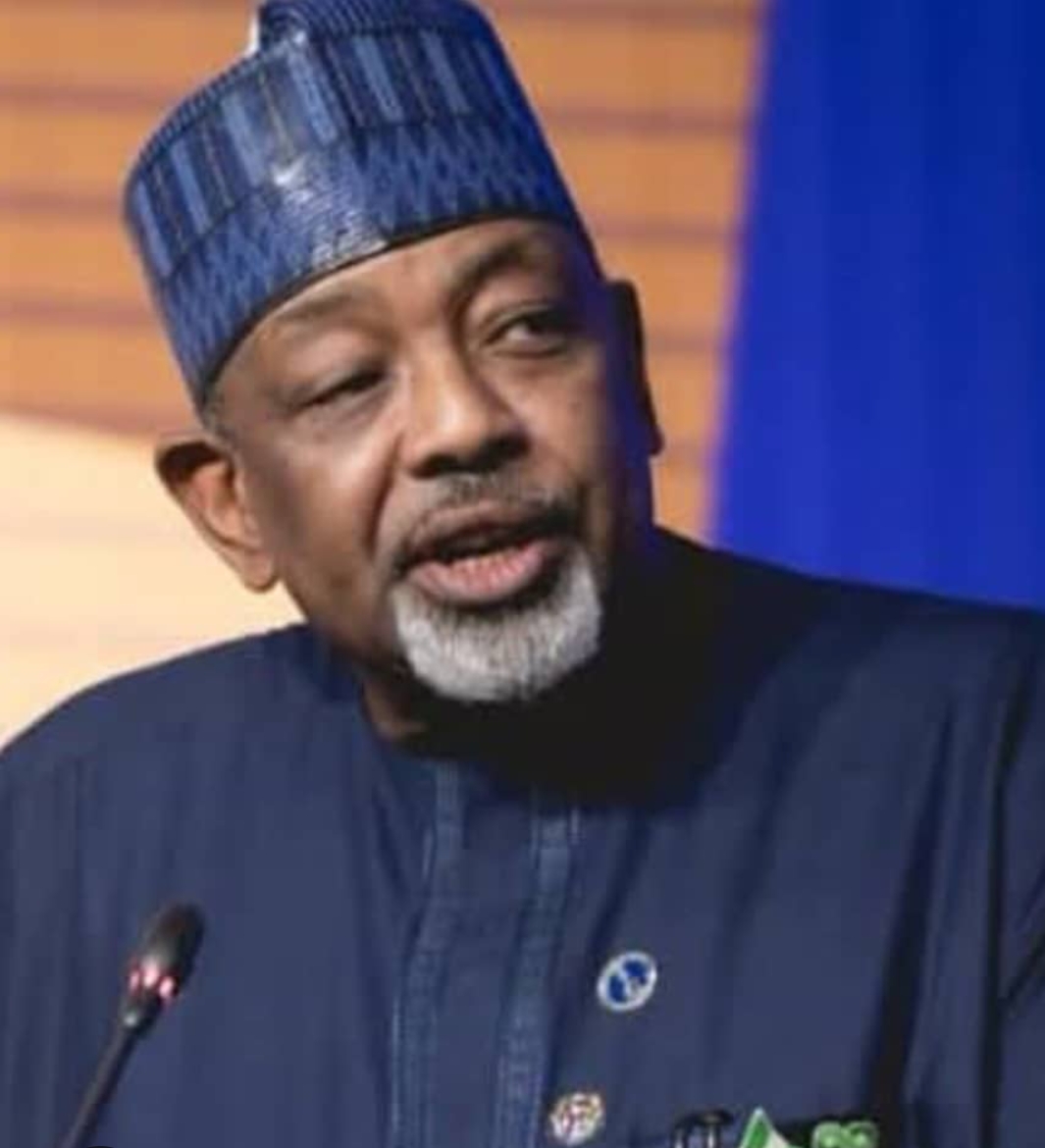
Senator Abubakar Kyari: Food Security Data Must Serve Nigerians, Not Political Propaganda
By: Dr. James Bwala
The Minister of Agriculture and Food Security, Senator Abubakar Kyari, CON, has rightly challenged attempts to turn Nigeria’s latest food security assessment into a political weapon ahead of the 2027 general elections. His response to the viral interpretation of the October 2026 Cadre Harmonisé assessment is important because it draws attention to a matter that should transcend partisan politics: the food, nutrition, and livelihood security of millions of Nigerians.
Food insecurity is a serious national challenge. It demands honest analysis, effective policy, and sustained action. It should not be reduced to campaign slogans or manipulated to create fear and political advantage. While the government must remain open to scrutiny and criticism, public debate must be based on facts rather than deliberate distortions of technical data.
The Cadre Harmonisé is not an electoral forecasting instrument, nor is it a political scorecard. It is a food and nutrition security assessment framework designed by the Permanent Inter-State Committee for Drought Control in the Sahel, commonly known as CILSS, in collaboration with regional and technical partners. Organizations such as the Food and Agriculture Organization, the World Food Programme, FEWS NET, UNICEF, and the Integrated Food Security Phase Classification support the framework.
READ ALSO: https://newsng.ng/2027-opposition-politics-must-not-distort-nigerias-food-security-crisis/
Its purpose is to identify populations and communities that may face food and nutrition insecurity so that governments, humanitarian agencies, and development partners can respond early. It is an early-warning and planning tool. It does not determine who will win an election, nor does it claim that food insecurity is caused automatically by the continuation of a particular administration.
The projected figure of 33.5 million Nigerians facing severe food and nutrition insecurity between June and August 2027 must therefore be understood in its proper context. It is a projection for a specific period, not a declaration of political failure, and it does not prove any party or candidate will cause hunger. More importantly, the projected figure represents a decline from the 34.8 million people projected to face similar conditions during the corresponding period in 2026.
This decline does not mean that Nigeria’s food security challenges have been solved. It does, however, demonstrate why data must be presented accurately. Consider a reduction in the projected number of affected people, even if it does not support a preferred political narrative. Conversely, the existence of a large projected vulnerable population must not be dismissed simply because it may be politically inconvenient for the government. Responsible public discourse requires that both the progress and the continuing difficulties be acknowledged.
READ ALSO: https://newsng.ng/2027-opposition-politics-must-not-distort-nigerias-food-security-crisis/
The seasonal nature of food insecurity is another reason the assessment must not be misrepresented. The June-to-August period is often associated with the agricultural lean season, when household food stocks may be depleted and the next harvest is not yet available. Food prices, rainfall patterns, market access, insecurity, and household income all affect the situation during this period. Consequently, a projected figure for those months cannot be treated as a permanent statement about Nigeria’s food security position throughout the year.
It is also important to recognize that the Cadre Harmonisé is a forward-looking assessment. It identifies possible risks before or during the period under review. It is not necessarily designed to conduct a retrospective audit after the projected period and determine whether every forecast was exactly right or wrong. Its value lies in helping decision-makers identify vulnerabilities early enough to intervene. Treating the assessment as though it were a political verdict misunderstands its methodology and weakens its usefulness.
Nigeria’s food insecurity has several causes, many of which are complex and beyond the control of any single administration. Climate change is one of the most significant. Inconsistent rainfall, prolonged dry spells, flooding, desertification, and changing weather patterns have made farming increasingly difficult, particularly for smallholder farmers who depend heavily on rain-fed agriculture. The Super El Niño phenomenon has also disrupted weather conditions in different parts of the world, affecting planting seasons and crop production.
READ ALSO: https://newsng.ng/2027-opposition-politics-must-not-distort-nigerias-food-security-crisis/
Other factors include insecurity, displacement, high input costs, inadequate storage facilities, poor rural infrastructure, limited access to finance, post-harvest losses, and weak market linkages. In some areas, farmers have been unable to reach their farms because of attacks, criminality, or fear. In others, farmers may cultivate their land but struggle to transport or sell their produce because roads are poor or markets are distant. These structural problems have developed over many years and cannot be attributed to one administration alone.
This broader context does not excuse government inaction. On the contrary, it increases the responsibility of government to respond decisively. Early-warning assessments are valuable only when they lead to practical interventions. If data indicates that particular regions, communities, or livelihood groups may be at risk, public authorities must use that information to expand social protection, support farmers, improve food production, and strengthen access to nutritious food.
According to the minister, the federal government is implementing a range of measures in response to these challenges. These include expanding access to fertilizer and other agricultural inputs, increasing mechanization, expanding irrigation and dry-season farming, strengthening agricultural financing, improving access to farmland, investing in storage and processing, developing agricultural value chains, and promoting climate-resilient agriculture.
READ ALSO: https://newsng.ng/2027-opposition-politics-must-not-distort-nigerias-food-security-crisis/
These interventions are necessary. Nigeria cannot achieve lasting food security by depending mainly on emergency food distribution or imports. The country must increase domestic production, reduce post-harvest losses, strengthen agricultural markets, and help farmers adapt to changing climatic conditions. Irrigation, improved seeds, extension services, mechanization, and affordable credit can help farmers produce more consistently beyond the traditional rainy season.
Local fertilizer blending and more efficient distribution are also important. Fertilizer must reach farmers at the right time and at a price they can afford. Mechanization partnerships can reduce the burden of labor-intensive farming, while investment in storage and processing can prevent food from spoiling and allow farmers to earn better returns. Agricultural policy must focus not only on production but also on the entire value chain, from inputs and cultivation to transportation, processing, marketing, and consumption.
Security is equally central to food security. Farmers can only produce food if they can safely reach their fields. Improvements in security in farming communities can therefore have a direct effect on agricultural output and household livelihoods. The minister’s reference to areas such as Marte and Guzamala in Borno State illustrates this point. Where communities previously remained inaccessible to farmers and data collectors, improved stability can enable both agricultural production and more accurate food security assessments.
READ ALSO: https://newsng.ng/2027-opposition-politics-must-not-distort-nigerias-food-security-crisis/
The relationship between security and agriculture must not be underestimated. When farmers abandon their land, food production falls, prices rise, and displaced families become more dependent on humanitarian assistance. When farmers return safely to their farms, they can restore livelihoods, increase local food supplies, and contribute to the economic recovery of their communities. Security operations and agricultural policies should therefore be coordinated rather than treated as separate areas of government activity.
At the same time, government claims of progress must be supported by transparent evidence. Citizens have the right to know how many farmers have benefited from fertilizer distribution, how much farmland has been brought under irrigation, whether agricultural loans are reaching smallholder farmers, and how much food is being lost because of storage or transportation problems. Progress should be measured not only by announcements but also by outcomes: higher production, lower post-harvest losses, better farmer incomes, more affordable food, and improved nutrition.
Constructive criticism is essential in a democracy. The Tinubu and Shettima administration, like any government, must be prepared to explain its policies and accept legitimate scrutiny. Opposition parties have a right to question government performance, identify failures, and propose alternative solutions. However, political criticism must not rely on the deliberate misrepresentation of technical assessments.
READ ALSO: https://newsng.ng/2027-opposition-politics-must-not-distort-nigerias-food-security-crisis/
There is a clear difference between stating that millions of Nigerians may experience food insecurity and falsely claiming that the assessment predicts hunger because a particular president will be re-elected. The first is a serious discussion of a national challenge. The second is an attempt to exploit the suffering of vulnerable citizens for political purposes.
Such exploitation is harmful regardless of the political party responsible. Hunger, malnutrition, and poverty are not campaign materials. Behind every statistic is a household struggling to provide food for its members, a farmer facing rising costs, a child at risk of malnutrition, or a community dealing with the consequences of insecurity and environmental change. Political actors should not turn these human difficulties into instruments of fear or manipulation.
The media and social media users also have a responsibility. Information about food security should be checked against the original assessment and credible official sources before it is shared. Headlines and short videos can easily remove important context, while emotionally charged messages often spread faster than accurate explanations. Public figures, journalists, and influencers should therefore avoid presenting projections as certainties or technical data as political predictions.
READ ALSO: https://newsng.ng/2027-opposition-politics-must-not-distort-nigerias-food-security-crisis/
Senator Kyari’s position that government must act when data identifies a risk is the correct principle. Hiding from difficult information would be irresponsible. A government that denies food insecurity cannot solve it. At the same time, a government that acknowledges the challenge but fails to implement effective policies would also fall short of its responsibility. The appropriate response is honesty combined with action.
The Cadre Harmonisé should be treated as a planning instrument for improving food and nutrition security. Its findings should guide investment, emergency preparedness, agricultural support, climate adaptation, market interventions, and social protection. Governments at the federal, state, and local levels should use the data to identify vulnerable populations and ensure that interventions reach those who need them most.
Ultimately, Nigeria’s food security challenge requires cooperation rather than political opportunism. Government agencies, farmers, private businesses, research institutions, civil society organizations, and development partners all have roles to play. Long-term progress will depend on policies that remain consistent beyond election cycles and on investments that address the structural weaknesses of the agricultural sector.
READ ALSO: https://newsng.ng/2027-opposition-politics-must-not-distort-nigerias-food-security-crisis/
The projected figure of 33.5 million Nigerians facing food insecurity should therefore be neither sensationalized nor ignored. It should prompt serious action. The decline from the previous projection should be acknowledged as a sign of progress, while the continuing scale of vulnerability should inspire greater urgency.
Food security is too important to become a partisan slogan. Nigerians need accurate information.
* James Bwala, PhD, writes from Abuja
Senator Abubakar Kyari: Food Security Data Must Serve Nigerians, Not Political Propaganda
Agriculture
In Ethiopia, VP Shettima moves to strengthen Nigeria’s nutrition future through agricultural value-chain transformation.
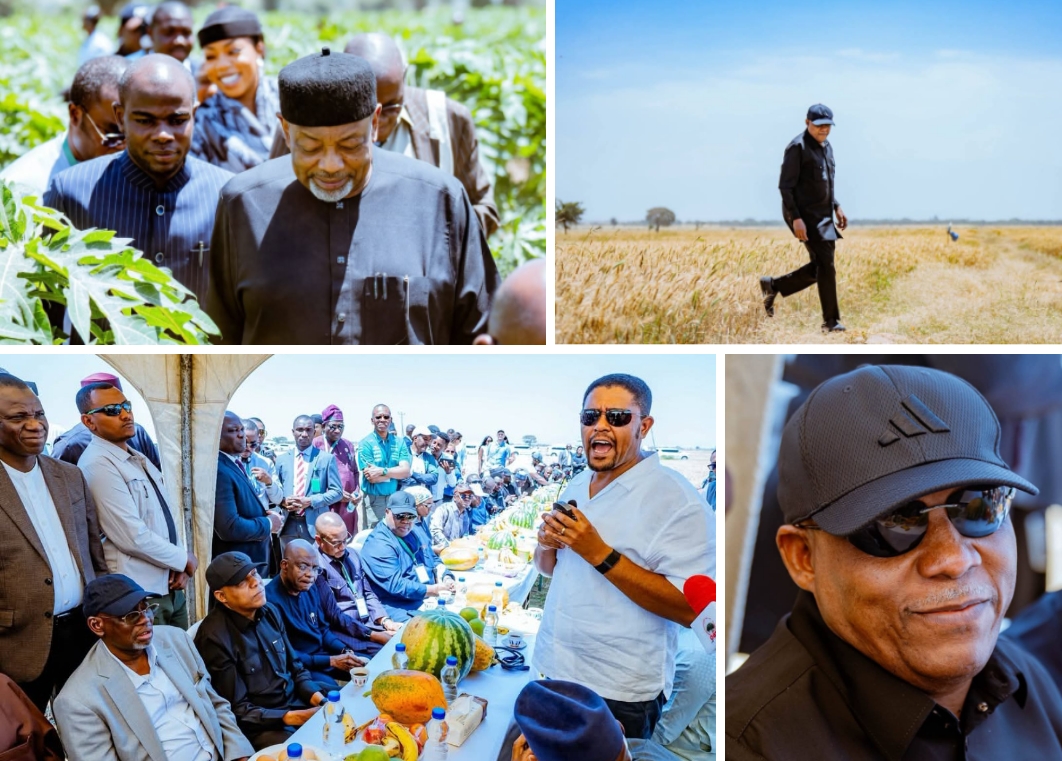
In Ethiopia, VP Shettima moves to strengthen Nigeria’s nutrition future through agricultural value-chain transformation.
By: Dr James Bwala
Vice President Kashim Shettima’s visit to a wheat farm in Ethiopia’s Oromia Region represents more than a diplomatic engagement or a symbolic agricultural tour. It offers an important opportunity for Nigeria to examine how agricultural production, food systems and value-chain development can be deliberately connected to the urgent challenge of improving nutrition. The first field engagement of Day Two of the Ethiopia–Nigeria Leadership Exchange, themed “Moving the Needle on Nutrition”, reflects a timely recognition: food security cannot be measured only by the quantity of food produced but also by the quality, accessibility and nutritional value of that food.
Hosted by the President of Oromia National Regional State, H.E. Shimelis Abdissa, the Vice President and the Nigerian delegation are being exposed to an agricultural model with lessons that could support Nigeria’s own development priorities. Therefore, we should view the visit as a call for practical action. Nigeria must move beyond a narrow focus on increasing agricultural output and build an integrated food system that delivers affordable, nutritious and safe food to every citizen. A transformed agricultural value chain is one of the most effective ways to achieve this objective.
Nigeria possesses enormous agricultural potential. Its diverse climate, extensive arable land, large population and significant pool of young people provide the foundation for a productive agricultural economy. Yet this potential has not translated into adequate nutrition for all Nigerians. Many households face rising food prices, limited access to diverse diets and inadequate intake of essential nutrients. The country continues to confront multiple forms of malnutrition, including undernutrition, micronutrient deficiencies and obesity. These challenges are often most severe among children, pregnant women, low-income households and communities affected by conflict or climate-related shocks.
READ ALSO: https://newsng.ng/senator-abubakar-kyari-protecting-farmers-is-protecting-nigerias-food-security/
The problem is not simply that Nigeria produces too little food. Often, the deeper challenge lies in what the agricultural system produces, how food is processed, where it is distributed and who can afford it. A food system that prioritises calories without sufficient attention to nutrition may increase food availability while leaving millions vulnerable to poor health. This is why the focus of the Ethiopia–Nigeria Leadership Exchange is significant. “Moving the Needle on Nutrition” demands a shift from isolated interventions to coordinated strategies that link farming, processing, markets, health and social protection.
The wheat farm visit in Oromia provides a useful entry point for this discussion. Wheat is an important staple in Nigeria, widely consumed in bread, pasta, noodles and other products. However, Nigeria has historically depended heavily on wheat imports, exposing consumers and businesses to fluctuations in global prices, foreign exchange pressures and disruptions in international supply. Strengthening domestic wheat production can improve national resilience and create jobs. More importantly, it can become part of a broader nutrition strategy if production and processing are designed to support healthier food choices.
Domestic wheat production, for example, can reduce import dependence while supporting local farmers, millers, processors and transporters. It can also encourage investment in improved seeds, irrigation, storage and research. But increasing wheat production alone will not automatically improve nutrition. The value chain must be organised in a way that promotes food quality, affordability and dietary diversity. Wheat should complement, rather than displace, other nutritious crops such as legumes, vegetables, fruits, grains and animal-source foods.
READ, ALSO: https://newsng.ng/senator-abubakar-kyari-protecting-farmers-is-protecting-nigerias-food-security/
This distinction is essential. Agricultural policy can unintentionally encourage excessive concentration on a few staple crops. When farmers are rewarded primarily for producing commodities with the strongest commercial demand, nutritious but less commercially organised foods may receive insufficient attention. Nigeria’s agricultural transformation must therefore pursue two objectives at the same time: raising productivity and expanding the availability of diverse, nutrient-rich foods.
Oromia’s experience may provide valuable insights into linking regional agricultural production with broader economic and social goals. A successful value chain does not end at the farm gate. It includes access to quality inputs, extension services, irrigation, mechanisation, storage, processing, transportation, finance, markets and reliable information. Weakness in any one of these areas can reduce farmers’ incomes, increase post-harvest losses and raise the price of food for consumers.
Nigeria loses a substantial amount of agricultural produce after harvest because of inadequate storage, poor roads, limited cold-chain facilities and inefficient market systems. These losses are not only economic; they are nutritional. Fruits and vegetables that spoil before reaching consumers represent lost opportunities to improve diets. Grain losses reduce supplies and increase prices. Poor handling and contamination can compromise food safety. By investing in modern storage and processing infrastructure, Nigeria can preserve food, stabilise prices and make nutritious products available for longer periods.
READ ALSO: https://newsng.ng/senator-abubakar-kyari-protecting-farmers-is-protecting-nigerias-food-security/
Processing also has a central role in nutrition. Local processing can improve shelf life, reduce waste and create more convenient food products. However, it must be guided by appropriate nutritional standards. Highly processed foods that contain excessive salt, sugar or unhealthy fats may be affordable and convenient without contributing positively to public health. Nigeria should encourage processing that retains or enhances nutritional value, including fortification where appropriate, while ensuring clear labelling and effective regulation.
The wheat value chain illustrates both the opportunities and the risks involved. Wheat flour can be fortified with essential micronutrients to help address deficiencies, particularly when fortified products are widely consumed. Yet fortification should not become a substitute for dietary diversity. Nigerians need access to balanced diets that include vegetables, legumes, whole grains, eggs, fish, meat and other nutritious foods. Public policies should support all these sectors rather than allowing one commodity to dominate the national food strategy.
A major lesson from agricultural value-chain transformation is that farmers must be treated as participants in a business system, not merely as recipients of government assistance. Smallholder farmers require predictable markets, fair prices, affordable credit, insurance and access to quality inputs. They also need stronger producer organisations that can improve bargaining power and facilitate links with processors and large buyers. When farmers earn better incomes, they are more able to invest in their farms and provide nutritious food for their own households.
READ ALSO: https://newsng.ng/senator-abubakar-kyari-protecting-farmers-is-protecting-nigerias-food-security/
The role of women must receive particular attention. Women are central to food production, processing, household nutrition and child care, yet they often face limited access to land, finance, technology and decision-making structures. Supporting women farmers and entrepreneurs can produce wide-ranging nutritional benefits. Evidence from many development settings shows that when women control more resources, household spending is more likely to support children’s food, health and education. Nigeria’s agricultural policies should therefore include targeted financing, training, land access and market opportunities for women.
Young people must also be included in the transformation. Nigeria’s large youth population is often described as a challenge, but it can become a major asset if agriculture is presented as a modern and profitable sector. Opportunities exist not only in farming but also in logistics, agricultural technology, equipment maintenance, food processing, quality control, digital marketing and data services. A modern value chain can attract young Nigerians by offering careers that combine technology, entrepreneurship and social impact.
The government has an important role in creating the conditions for this transformation. It must provide consistent policies, invest in rural infrastructure and strengthen agricultural research and extension. Farmers cannot plan effectively when policies change unpredictably or when support programmes are poorly coordinated. National and subnational institutions must work together to align production targets with nutrition priorities. Ministries responsible for agriculture, health, education, water resources, trade and finance should not operate in isolation. Nutrition is a shared responsibility that requires an integrated policy framework.
READ ALSO: https://newsng.ng/senator-abubakar-kyari-protecting-farmers-is-protecting-nigerias-food-security/
Schools and public institutions can also support agricultural and nutrition goals through strategic procurement. School feeding programmes, hospitals and other public institutions represent significant markets for farmers and food processors. If these programmes prioritise locally produced, safe and nutritious foods, they can create stable demand while improving the diets of vulnerable populations. Such an approach would connect agricultural development with human capital development.
Nutrition education is equally important. Consumers need information about balanced diets, food preparation, hygiene and the value of locally available nutritious foods. However, education alone is insufficient when healthy food is unaffordable or unavailable. It must be combined with policies that lower the cost of nutritious products, improve household incomes and protect vulnerable families during periods of inflation or crisis.
The Ethiopia–Nigeria exchange is valuable because it creates space for both countries to learn from one another. Agricultural systems cannot be copied mechanically from one country to another; they must be adapted to local conditions. Nevertheless, exchanges of this kind can reveal practical solutions, strengthen institutional cooperation and encourage leaders to view agriculture as a central part of national development. The visit to Oromia should lead to sustained partnerships in research, irrigation, seed development, extension, processing and market organisation.
READ ALSO: https://newsng.ng/senator-abubakar-kyari-protecting-farmers-is-protecting-nigerias-food-security/
For Nigeria, the most important outcome should be a clear commitment to implementation. Field visits and policy dialogues are useful only when they result in measurable action. The country needs specific targets for reducing post-harvest losses, increasing the production of nutritious foods, improving food affordability, expanding irrigation and strengthening local processing. Progress should be monitored through indicators that measure not only agricultural output but also dietary diversity, child nutrition, household food security and farmers’ incomes.
Vice President Shettima’s engagement in Oromia therefore carries a message that extends beyond wheat. It highlights the need to build a food system capable of feeding Nigerians well, not merely feeding them adequately. It demonstrates that agricultural production, economic opportunity and public health are interconnected. It also reinforces the argument that Nigeria’s agricultural future should be based on value addition, cooperation, technology and nutrition-sensitive planning.
Nigeria should seize this opportunity to move decisively from fragmented agricultural programmes to a coordinated national food-system strategy. Such a strategy must support farmers, empower women and young people, modernise infrastructure, promote diverse production, improve processing and ensure that nutritious food reaches consumers at affordable prices. The goal should not be agricultural growth for its own sake, but agricultural growth that improves the quality of life of the Nigerian people.
READ ALSO: https://newsng.ng/senator-abubakar-kyari-protecting-farmers-is-protecting-nigerias-food-security/
The wheat farm visit in Oromia can become a starting point for that ambition. By learning from Ethiopia’s regional agricultural experience and adapting relevant lessons to Nigerian realities, the country can strengthen its food systems.
* James Bwala, PhD, writes from Abuja.
In Ethiopia, VP Shettima moves to strengthen Nigeria’s nutrition future through agricultural value-chain transformation.
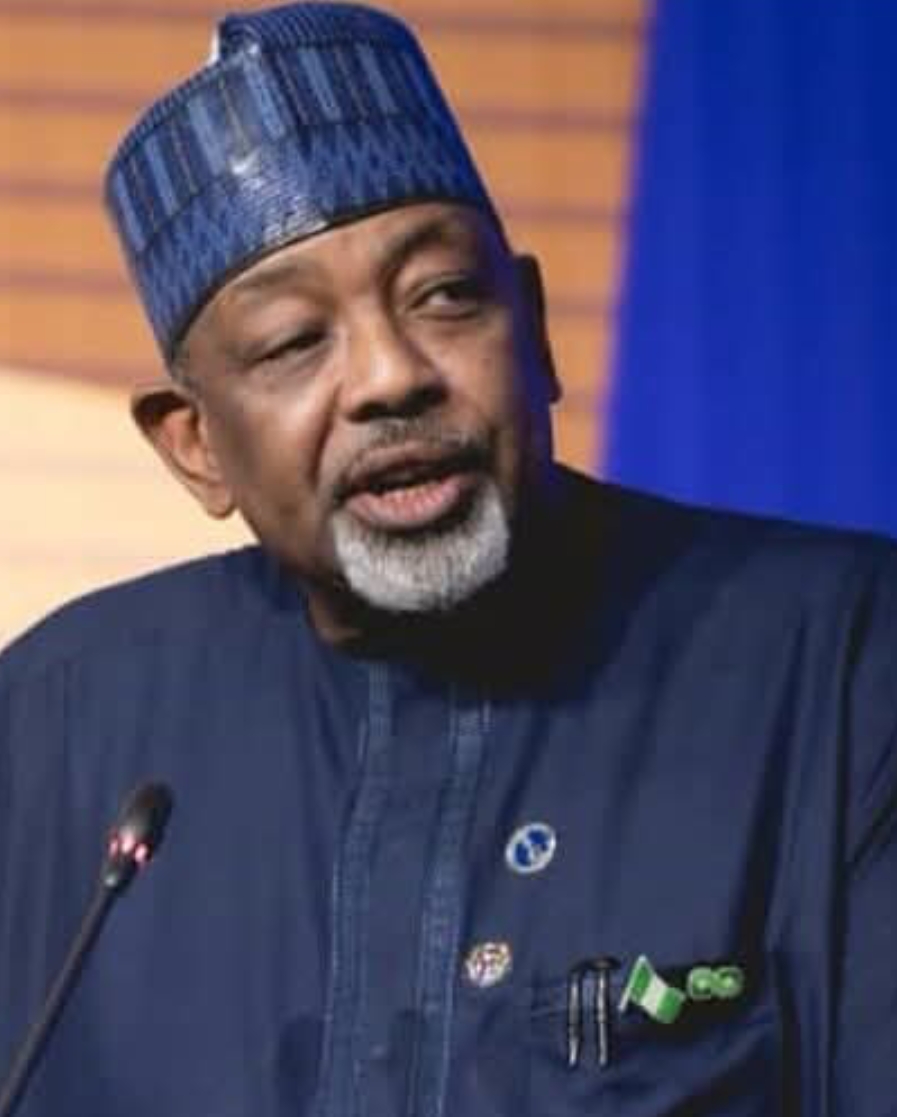
Senator Abubakar Kyari: A Renewed Hope for Nigeria’s Agricultural Revolution
By: Dr. James Bwala
Food security stands as one of the most pressing challenges in the world today, and the role of agricultural leadership has become so important in shaping sustainable futures. The recent ascent of Senator Abubakar Kyari as Nigeria’s Hon. Minister of Agriculture and Food Security is not merely a political event; it marks a transformative era for Nigeria’s agricultural landscape. With the support of President Bola Ahmed Tinubu and the invaluable partnership with the International Fund for Agricultural Development (IFAD), Kyari is poised to rebrand Nigeria’s agricultural sector and address the multifaceted issues of rural economies, employment creation, and food security. The recognition of Senator Kyari’s contributions and potential impact on agriculture, while elucidating the strategic importance of his leadership and partnerships in achieving these ambitious goals, is his unmatched scorecard.
Senator Abubakar Kyari embodies a blend of experience, passion, and vision, all crucial attributes for any leader not only in agriculture but also in governance at any given stage. His election as chairperson to lead IFAD at its 49th session is a testament to his capabilities and global trust. Being loved by delegates from over 120 countries signifies his diplomatic acumen and capacity to communicate Nigeria’s agricultural needs effectively on an international platform. Kyari’s focus on transforming rural economies through agricultural innovation reflects his understanding of the socio-economic dynamics that govern food production and distribution in Nigeria.
READ ALSO: https://newsng.ng/ifad-when-kyari-speaks-of-president-tinubus-continued-support-for-agriculture-and-food-security-in-nigeria/
Kyari recognizes that agricultural sustainability cannot be achieved solely through policy changes; it requires a collaborative approach that involves farmers, entrepreneurs, researchers, and international bodies. This perspective leads to participatory governance, where those directly affected by agricultural policies play an integral role in shaping them.
The significance of the partnership with IFAD cannot be overstated. IFAD has been instrumental in funding and implementing programs that aim to enhance rural livelihoods and food security around the globe. Under Kyari’s leadership, Nigeria can leverage this partnership to access technical expertise, financial resources, and innovative agricultural practices that have been successful in other regions.
READ ALSO: https://newsng.ng/ifad-when-kyari-speaks-of-president-tinubus-continued-support-for-agriculture-and-food-security-in-nigeria/
While rebranding Nigeria’s approach to agriculture, Kyari envisions an industry that not only feeds the nation but also generates substantial income for rural youths. This strategy prioritizes modern farming techniques, agro-processing, and value chains that ensure profitability for smallholder farmers. He understands that empowering these farmers goes beyond mere provision of inputs; it encompasses education, access to markets, and the establishment of cooperative societies, fostering a sense of community among agri-preneurs.
Job creation remains one of the most challenging issues facing Nigeria today. The agricultural sector holds immense potential for employment, especially for the youth. Senator Kyari’s endeavors to strengthen food security hinge upon the belief that a robust agricultural industry can serve as a catalyst for job creation. By promoting initiatives that encourage entrepreneurship within agriculture, such as agribusiness training programs and access to microfinance, Kyari is effectively paving the way for young Nigerians to secure livelihoods in this vital sector.
READ ALSO: https://newsng.ng/ifad-when-kyari-speaks-of-president-tinubus-continued-support-for-agriculture-and-food-security-in-nigeria/
His focus on strengthening food security through agricultural modifications will stabilize prices, improve accessibility, and encourage local consumption of Nigerian produce. This not only enhances national self-sufficiency but also reduces dependency on foreign imports, thereby reinforcing the local economy. Through his strategies, Kyari aims to inspire a new generation of agriculturalists who see agriculture not merely as a means of survival but as a gateway to prosperity.
With the steady increase in the global population, food security continues to be a priority for nations worldwide. In Nigeria, the urgency to address this issue is further exacerbated by conflicts, climate change, and economic instability. Senator Abubakar Kyari recognizes these challenges and is committed to fortifying food security within the country. His leadership plans to implement policies that support climate-smart agriculture, focusing on resilience and sustainability, are creating a wave of hope for both women and men holding to the renewed hope initiative in agriculture.
READ ALSO: https://newsng.ng/ifad-when-kyari-speaks-of-president-tinubus-continued-support-for-agriculture-and-food-security-in-nigeria/
Under his stewardship, there is a growing emphasis on research and development tailored to Nigeria’s unique climatic conditions. Collaborations with universities and research institutions can lead to innovations in crop varieties, pest management, and sustainable farming techniques. Investing in technology will not only enhance productivity but also attract young people to agriculture, ensuring that the sector evolves in line with modern demands.
The youth demographic in Nigeria is burgeoning; thus, engaging them meaningfully in agriculture is imperative for long-term sustainability. Senator Kyari’s vision resonates particularly well with the aspirations of young Nigerians who seek viable career paths. Through targeted outreach programs that highlight success stories in agribusiness, as well as mentorship opportunities, Kyari can inspire a sense of ownership and pride in the agricultural sector.
READ https://newsng.ng/ifad-when-kyari-speaks-of-president-tinubus-continued-support-for-agriculture-and-food-security-in-nigeria/
Additionally, leveraging modern technological advancements—such as mobile applications for market information, e-learning platforms for skill acquisition, and social media for awareness campaigns—will play a key role in reaching out to the tech-savvy younger generation. These strategies will not only promote agricultural practices but can also serve as pathways to connect aspiring agri-preneurs with established practitioners, ensuring knowledge transfer and business networking.
President Tinubu’s support for Senator Kyari’s initiatives is crucial, as it offers the political backing necessary for impactful reforms in agriculture. A strong policy framework that facilitates investment in infrastructure—such as irrigation systems, roads for efficient transportation of goods, and storage facilities—will significantly reduce post-harvest losses, a critical issue facing Nigerian farmers today.
READ ALSO: https://newsng.ng/ifad-when-kyari-speaks-of-president-tinubus-continued-support-for-agriculture-and-food-security-in-nigeria/
The legislative measures that protect smallholder farmers and ensure fair trade practices are essential for cultivating a favorable environment for agricultural growth. The commitment to creating a vibrant agricultural sector must resonate throughout government levels, ensuring that policies align with the larger vision of economic transformation.
Senator Abubakar Kyari stands at the forefront of a critical juncture for Nigerian agriculture. His leadership, fueled by a partnership with IFAD and political support from President Tinubu, positions him uniquely to facilitate transformative changes in the agricultural landscape of Nigeria. By emphasizing rural economic development, job creation, and food security, Kyari embodies the hope of many Nigerians aspiring to revitalize and modernize agriculture in the country.
READ ALSO: https://newsng.ng/ifad-when-kyari-speaks-of-president-tinubus-continued-support-for-agriculture-and-food-security-in-nigeria/
As Kyari pursues his goals, it becomes imperative for stakeholders at all levels—government, private sector, and civil society—to rally behind these initiatives, ensuring that the vision of a prosperous agricultural future is realized. Together, we can foster a resilient agricultural sector that not only secures food for our populace but also drives economic growth, generates employment, and ultimately leads Nigeria towards its rightful place as a leader in global food security.
James Bwala, PhD, writes from Abuja.
Senator Abubakar Kyari: A Renewed Hope for Nigeria’s Agricultural Revolution

WAHO Pledges Support for Nigeria’s Ebola Response, Donates 20,000 Thermometers

Nigeria Secures Key Commonwealth Role as Bianca Emerges CMAG Vice-Chair

Okpebholo, Oba of Benin Back Marwa’s Drug War, as NDLEA Moves to Replace Cannabis Farming in Edo

Roger Federer’s Shock as DNA Results Reveal Myla and Charlene Are Not His Biological Children

THE PLIGHT OF FARIDA

FAILED COUP IN BURKINA FASO: HOW TRAORÉ NARROWLY ESCAPED ASSASSINATION PLOT AMID FOREIGN INTERFERENCE CLAIMS
-
 News3 years ago
Roger Federer’s Shock as DNA Results Reveal Myla and Charlene Are Not His Biological Children
-
Opinions5 years ago
THE PLIGHT OF FARIDA
-
 News2 years ago
FAILED COUP IN BURKINA FASO: HOW TRAORÉ NARROWLY ESCAPED ASSASSINATION PLOT AMID FOREIGN INTERFERENCE CLAIMS
-
 Opinions5 years ago
POLICE CHARGE ROOMS, A MINTING PRESS
-

 News3 years ago
EYN: Rev. Billi, Distortion of History, and The Living Tamarind Tree
-

 ACADEMICS3 years ago
A History of Biu” (2015) and The Lingering Bura-Pabir Question (1)
-

 Columns3 years ago
Army University Biu: There is certain interest, but certainly not from Borno.
-

 Politics1 year ago
2027: Why Hon. Midala Balami Must Go, as Youths in Hawul and Asikira/Uba Federal Constituency Reject ₦500,000 as Sallah Gift
