
News
Christmas, New Year: Shaibu reaffirms commitment to professional, combat-ready Nigerian Army


Christmas, New Year: Shaibu reaffirms commitment to professional, combat-ready Nigerian Army
By: Zagazola Makama
As Nigerians join Christians around the world to celebrate Christmas 2025 and look ahead to the New Year 2026, the Chief of Army Staff (COAS), Lt.-Gen. Waidi Shaibu, has used the festive season to reaffirm the Nigerian Army’s resolve to remain a professional, adaptable and combat-ready force in the defence of the nation.
In a goodwill message to officers, soldiers, civilian staff and their families, Shaibu described Christmas as a season of reflection, renewal of faith and thanksgiving, noting that the values it represents love, sacrifice, compassion, peace and unity are also central to the ethos of the Nigerian Army.
According to him, the past year has been marked by significant challenges and notable achievements across various theatres of operation, where troops have continued to demonstrate resilience and professionalism in the face of evolving security threats.
“The Nigerian Army continues to demonstrate exceptional professionalism in all theatres of operation in the defence of our fatherland,” the army chief said, attributing these achievements to divine guidance and the commitment of personnel.
A major focus of the COAS’ message was the sacrifice of troops deployed in operational areas who, he noted, would be unable to celebrate the yuletide season with their families due to the demands of duty. He described their absence from home as a profound sacrifice that underscores their dedication to national service.
Shaibu assured personnel that his leadership would continue to prioritise professionalism, combat readiness and sound administration, with increased attention to welfare, recognition of excellence, and a transparent reward and sanction system.
He explained that these measures align with his command philosophy of advancing the transformation of the Nigerian Army into a force capable of decisively discharging its constitutional responsibilities within a joint and multi-agency environment.
Beyond the troops at the frontlines, the COAS paid glowing tribute to the families of officers and soldiers, describing them as the “unseen strength” behind the success of the army. He said the Nigerian Army remained committed to improving welfare programmes designed to support military families.
The message also illustrates the importance of collaboration, as Shaibu acknowledged the support of sister services, security and intelligence agencies, ministries and departments, as well as state governors, traditional rulers and host communities.
He said such cooperation and synergy remained critical to sustaining peace and security across the country.
Looking ahead to 2026, the army chief expressed optimism, pledging that the Nigerian Army would intensify efforts to address emerging threats, consolidate gains already achieved, strengthen intelligence capabilities and further boost morale and welfare.
He urged officers and soldiers to remain disciplined and security-conscious during the festive season, while upholding the highest standards of conduct.
Shaibu also used the occasion to honour fallen heroes, noting that their gallantry and sacrifice had contributed immensely to national security. He assured that the army would continue to support their families and preserve their legacy.
In the message, the COAS expressed profound gratitude to President Bola Tinubu, the Commander-in-Chief of the Armed Forces, for his unwavering support to the Nigerian Army.
He cited improved funding for critical operations, enhanced training infrastructure, acquisition of modern equipment, strengthened welfare initiatives and an increased recruitment quota as key outcomes of the president’s commitment to national security.
According to him, these interventions have significantly improved the army’s operational readiness and morale.
As the festive season unfolds, Shaibu wished all officers, soldiers, civilian staff and their families a Merry Christmas and a prosperous New Year 2026, expressing confidence that the Nigerian Army would enter the coming year more united, disciplined and resolute in the service of the nation.
Christmas, New Year: Shaibu reaffirms commitment to professional, combat-ready Nigerian Army


Zulum Rolls Out 20 Electric Buses to Cushion Petrol Price Hike
By: Our Reporter
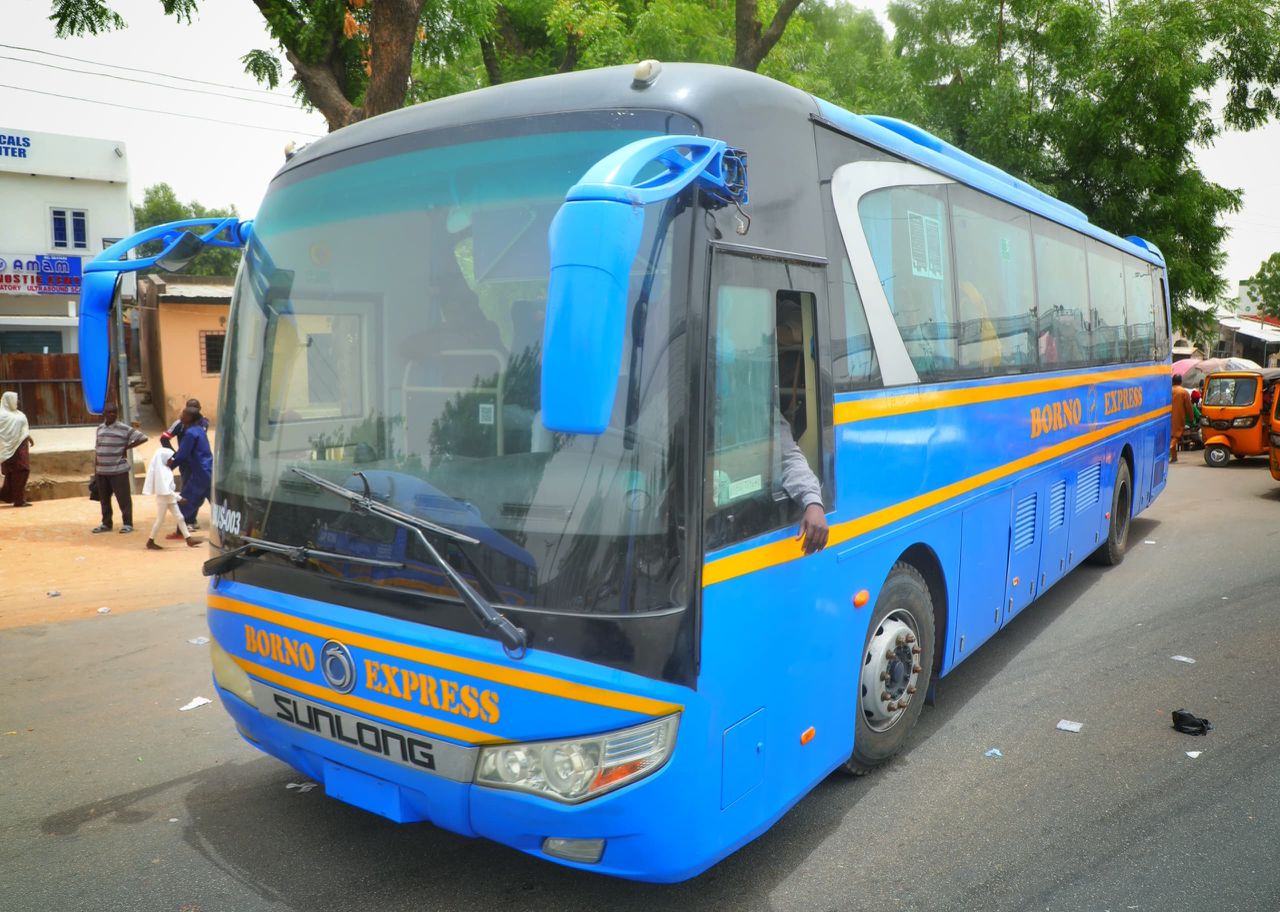
Borno State Governor, Professor Babagana Umara Zulum, has directed the immediate deployment of 20 luxury electric buses for public use as part of measures to cushion the impact of the recent petrol price hike on residents.
The buses, which were inaugurated by President Bola Ahmed Tinubu on 20th December, 2025, alongside 3,000 electric bicycles, 500 electric tricycles, and 100 electric vehicles aimed at improving transportation services across the state.

The rollout of the buses, which commenced on Friday, 3rd April, features a fleet of 17 buses with 49 seating capacity, two 37-seaters, and one 28-seater. They are currently being deployed across major routes within Maiduguri metropolis and its environs to ease the burden of rising transport costs on commuters.
The Fully air-conditioned and energy-efficient vehicles can cover over 400 kilometres on a single charge. This initiative complements the existing fleet of buses and salon cars earlier procured by the Zulum administration to enhance urban mobility.
To ensure seamless operations, the governor has also established the largest electric vehicle charging terminal in the country, with the capacity to charge up to 50 vehicles at a time.
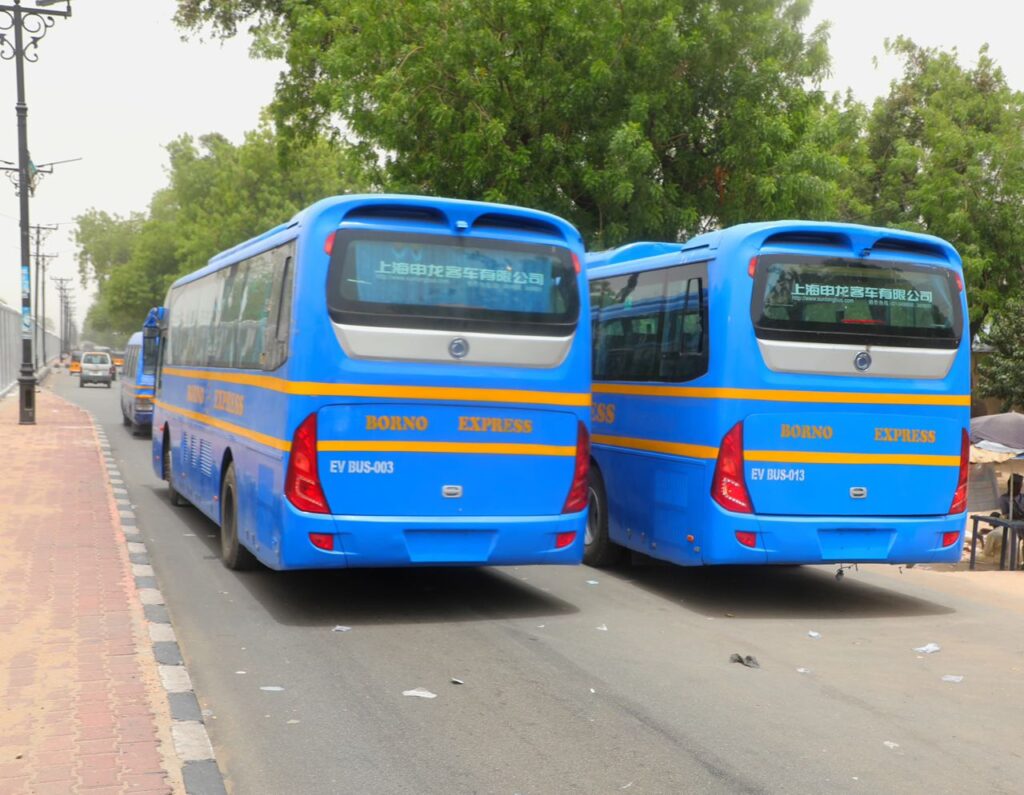
To further protect residents from the ripple effects of the global energy crisis, Governor Zulum directed Borno Express Transport Service to maintain a subsidised fare of N50 per drop.
The intervention has already begun to yield positive results, with noticeable reductions in congestion and improved access to affordable transportation for students, civil servants, traders, and other residents.
Commuters have since commended the initiative, describing it as timely and impactful.
“This transport initiative is indeed commendable. We are not feeling the impact of the rising transportation costs, as fares remain at N50 per drop. We thank Governor Zulum for the gesture”.
The initiative forms part of Governor Zulum’s effort to promote green energy, modernise transportation system and provide relief to the vulnerable.
Zulum Rolls Out 20 Electric Buses to Cushion Petrol Price Hike
Youth Exclusion Could Derail Development Goals, UN Issues Urgent Warning
By: Michael Mike
A senior United Nations official has issued a strong warning that governments and institutions risk deepening instability and policy failure if they continue to sideline young people, insisting that meaningful youth inclusion is now a critical condition for peace, stability, and sustainable development.
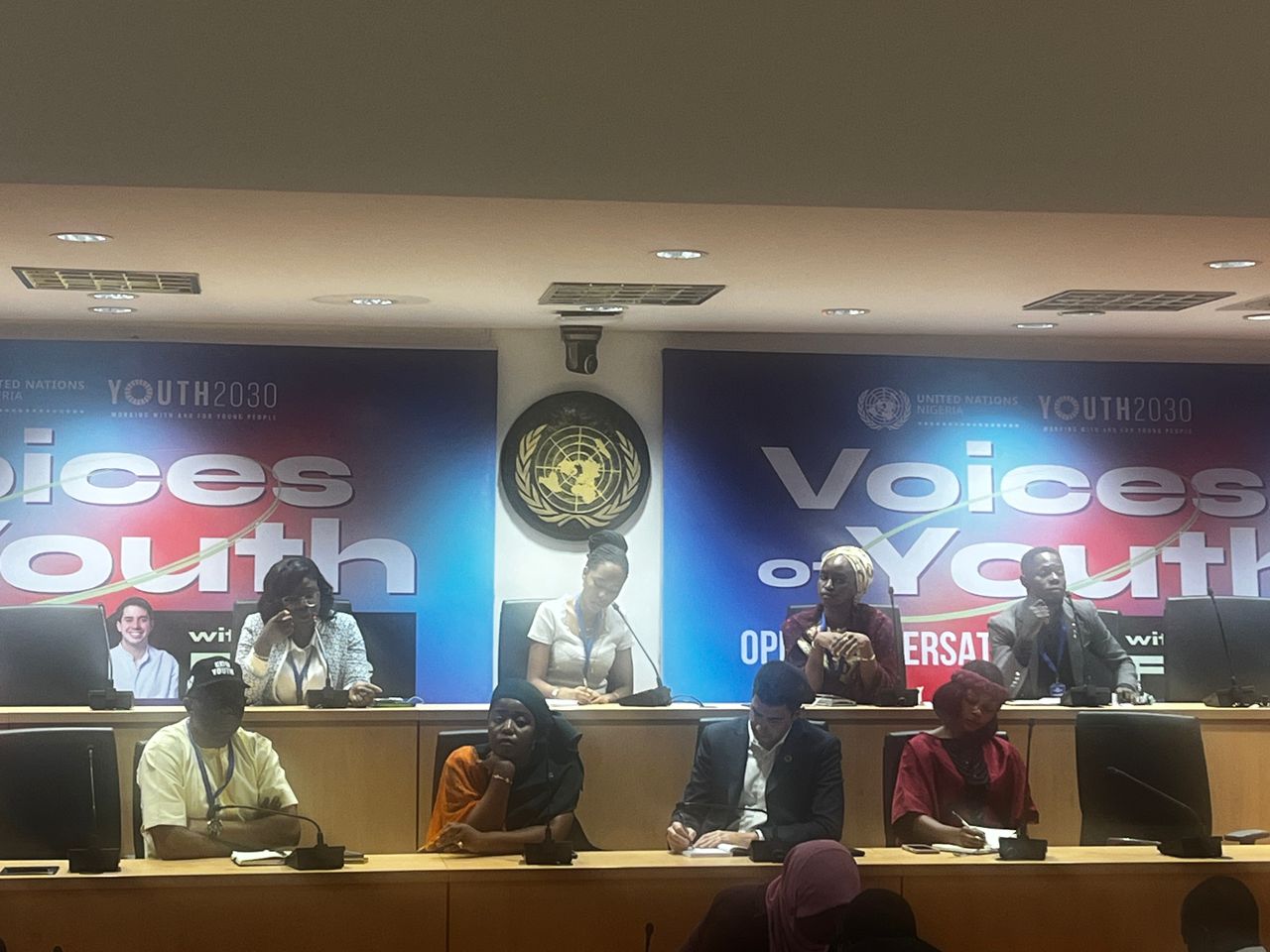
Speaking in Abuja at an interactive session with youth, the United Nations Assistant Secretary General for Youth Affairs and Head of UN Youth Affairs, who is currently on an official visit to Nigeria, Mr. Felipe Paullier, said global institutions are failing to evolve at the pace required to match today’s rapidly changing realities, particularly the demographic shift driven by an unprecedented youth population.
The event, themed “Open-Door Youth Engagement,” convened youth-led organizations, young women’s groups, youth peacebuilders, innovators, students, young professionals, persons with disabilities, and underserved youth communities for an interactive dialogue with representatives of the Government and the United Nations.
According to Paullier, young people now represent the largest, most educated, and most interconnected generation in history, especially in developing countries like Nigeria. However, this demographic advantage is being undermined by persistent gaps in access to quality education and limited opportunities for meaningful participation in governance.
He noted that: “Engaging young people in policy is not just an option—it is a condition if we want to achieve peace, stability, and effective solutions.”
He said the UN acknowledged a growing disconnect between policy formulation and real-world impact, describing the process of closing this gap as complex but urgent.
He admitted that while global frameworks exist, including the United Nations Sustainable Development Goals (SDGs) and youth-focused strategies, implementation at the national level remains inconsistent.
LHe emphasized that governments must move beyond rhetoric and adopt clear, actionable commitments that integrate youth voices into decision-making processes.
He said central to this effort is the UN’s broader development roadmap, which includes commitments to embed youth participation not only at global levels but also within country-level governance and policy execution.
Addressing concerns over the sustainability of policies, he warned that many initiatives fail because they are not designed to endure or adapt over time. The solution, the official argued, lies in institutionalizing youth engagement rather than treating it as a temporary or symbolic exercise.
He noted that nearly half of the world’s population under 30, and significantly higher percentages across Africa, the stakes are even higher for countries on African continent.
He said: “Youth engagement should not be seen as a project—it must be embedded at the heart of governance, financing, and development planning.”
The UN also called for increased investment in youth-driven innovation, noting that young Nigerians are already transforming sectors such as agriculture, technology, and the creative economy through ingenuity and entrepreneurship.
Youth Exclusion Could Derail Development Goals, UN Issues Urgent Warning
News
Nigeria’s Skills Crisis Deepens as Government, Experts Push Urgent Overhaul of Technical Education
Nigeria’s Skills Crisis Deepens as Government, Experts Push Urgent Overhaul of Technical Education
By: Michael Mike
Growing concerns over Nigeria’s widening skills gap took centre stage in Abuja on Wednesday, as education stakeholders warned that the country risks undermining its industrial ambitions without a radical overhaul of its technical training system.
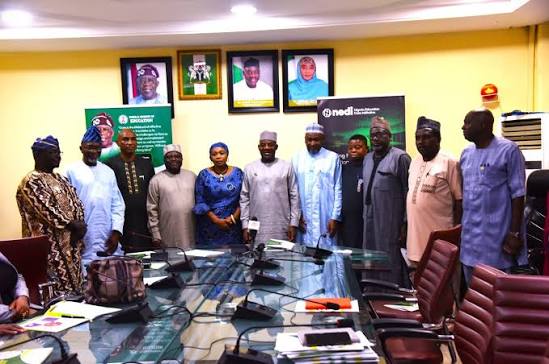
At a high-level session of the BEAR III Programme convened by United Nations Educational, Scientific and Cultural Organisation (UNESCO), the Federal Ministry of Education Nigeria acknowledged that current training models are failing to keep pace with the rapidly evolving demands of industry—particularly in agro-processing, a sector seen as critical to job creation and economic diversification.
Director of Technology and Science Education, Mrs. Patricia Ogungbemi,, delivered a blunt assessment: Nigeria is producing graduates who are increasingly disconnected from the realities of modern workplaces.
While investments in infrastructure and technology have grown, she warned that the human capacity needed to drive those systems remains weak.
“There is a dangerous mismatch between what is taught and what is required,” she said. “Machines are evolving, industries are advancing, but the workforce is not keeping up at the same speed.”
Ogungbemi pointed to emerging trends such as automation, smart packaging, and sustainable production systems, noting that many Technical and Vocational Education and Training (TVET) institutions have yet to integrate these realities into their curricula.
She described the ongoing Labour Market Analysis (LMA) as a critical diagnostic tool, but stressed that data alone would not solve the problem without decisive policy action and sustained funding.
“What we are confronting is not just a training issue—it is a structural challenge that affects productivity, competitiveness, and national growth,” she added.
The warning comes amid rising youth unemployment and growing frustration among employers who say graduates often lack practical, job-ready skills.
Stakeholders at the event argued that unless Nigeria urgently retools its education system to prioritise hands-on, industry-driven learning, sectors like agro-processing—despite their vast potential—may struggle to absorb the millions entering the labour market each year.
Kano State Commissioner for Education, Ali Makoda, reinforced the urgency, describing work-based learning as a “non-negotiable pathway” to addressing the crisis.
According to him, states are beginning to recognise that traditional classroom models alone cannot solve unemployment challenges.
“We must embed learning within the workplace,” he said. “The future of education is not just in classrooms, but in factories, farms, and production lines.”
Makoda said Kano State is scaling up partnerships with industry players to ensure students gain real-world experience before graduation, aligning training with both national development goals and global standards.
Despite these commitments, participants acknowledged persistent obstacles, including underfunded institutions, outdated equipment, and weak collaboration between academia and industry.
They also stressed the need for stronger private sector involvement, arguing that employers must play a more active role in shaping curricula and offering apprenticeship opportunities.
With support from international partners, including the Government of the Republic of Korea, the BEAR III initiative is expected to drive reforms in skills development, particularly in agriculture-linked industries.
However, observers said the success of such programmes will ultimately depend on Nigeria’s willingness to translate policy discussions into concrete, system-wide change.
As deliberations continue, one message remains clear: without a skilled workforce aligned to industry needs, Nigeria’s economic aspirations may remain out of reach.
Nigeria’s Skills Crisis Deepens as Government, Experts Push Urgent Overhaul of Technical Education

Zulum Rolls Out 20 Electric Buses to Cushion Petrol Price Hike

Youth Exclusion Could Derail Development Goals, UN Issues Urgent Warning

West Africa’s Child Protection Laws Under Scrutiny as ECOWAS Lawmakers Confront “Implementation Failure”

Roger Federer’s Shock as DNA Results Reveal Myla and Charlene Are Not His Biological Children

THE PLIGHT OF FARIDA

FAILED COUP IN BURKINA FASO: HOW TRAORÉ NARROWLY ESCAPED ASSASSINATION PLOT AMID FOREIGN INTERFERENCE CLAIMS
-
 News2 years ago
Roger Federer’s Shock as DNA Results Reveal Myla and Charlene Are Not His Biological Children
-
Opinions4 years ago
THE PLIGHT OF FARIDA
-
 News12 months ago
FAILED COUP IN BURKINA FASO: HOW TRAORÉ NARROWLY ESCAPED ASSASSINATION PLOT AMID FOREIGN INTERFERENCE CLAIMS
-

 News2 years ago
EYN: Rev. Billi, Distortion of History, and The Living Tamarind Tree
-
 Opinions4 years ago
POLICE CHARGE ROOMS, A MINTING PRESS
-

 ACADEMICS2 years ago
A History of Biu” (2015) and The Lingering Bura-Pabir Question (1)
-

 Columns2 years ago
Army University Biu: There is certain interest, but certainly not from Borno.
-

 Opinions2 years ago
Tinubu,Shettima: The epidemic of economic, insecurity in Nigeria
