
Military
COAS urges stronger unit training and weapons proficiency to boost operational readiness

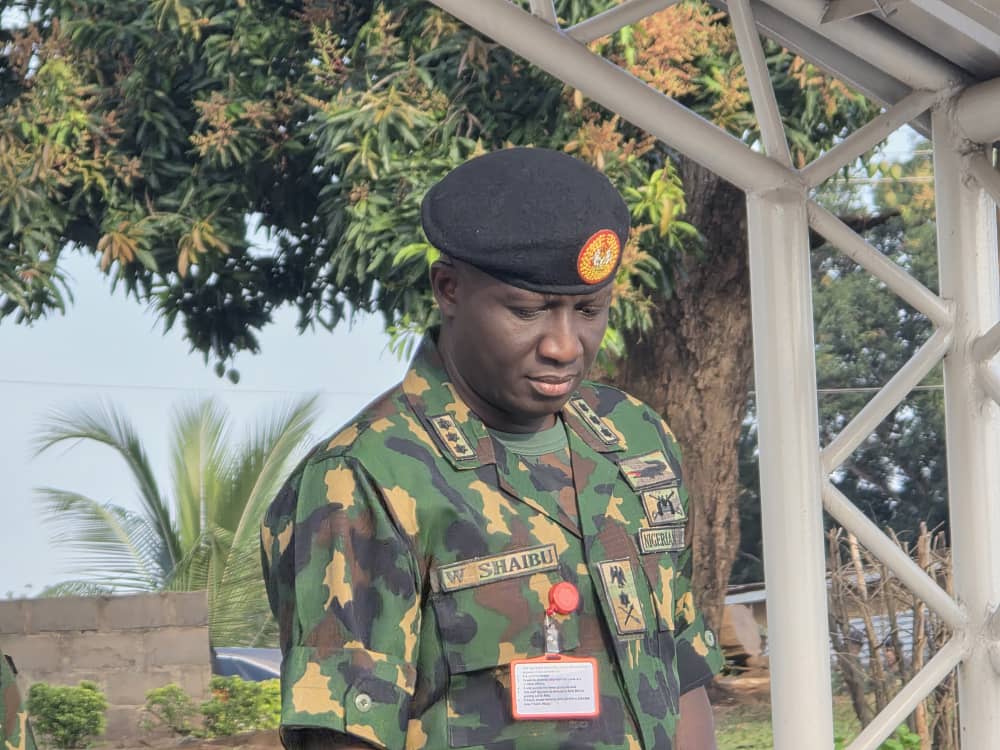
COAS urges stronger unit training and weapons proficiency to boost operational readiness
By: Zagazola Makama
The Chief of Army Staff (COAS), Lt.-Gen. Waidi Shaibu, has urged Nigerian Army personnel to intensify unit-level training, emphasising weapons handling, tactical proficiency, and operational readiness to enhance combat effectiveness.
Addressing troops of 82 Division in Enugu on Thursday, Lt.-Gen. Shaibu highlighted the critical role of senior non-commissioned officers (NCOs) and unit leaders in preparing soldiers for active operations and future security challenges.
Shaibu commended troops deployed in Enugu State for their professionalism during the recently concluded Anambra State elections, urging them to continue upholding Army core values, obey lawful orders, and exercise due diligence in all assigned tasks.
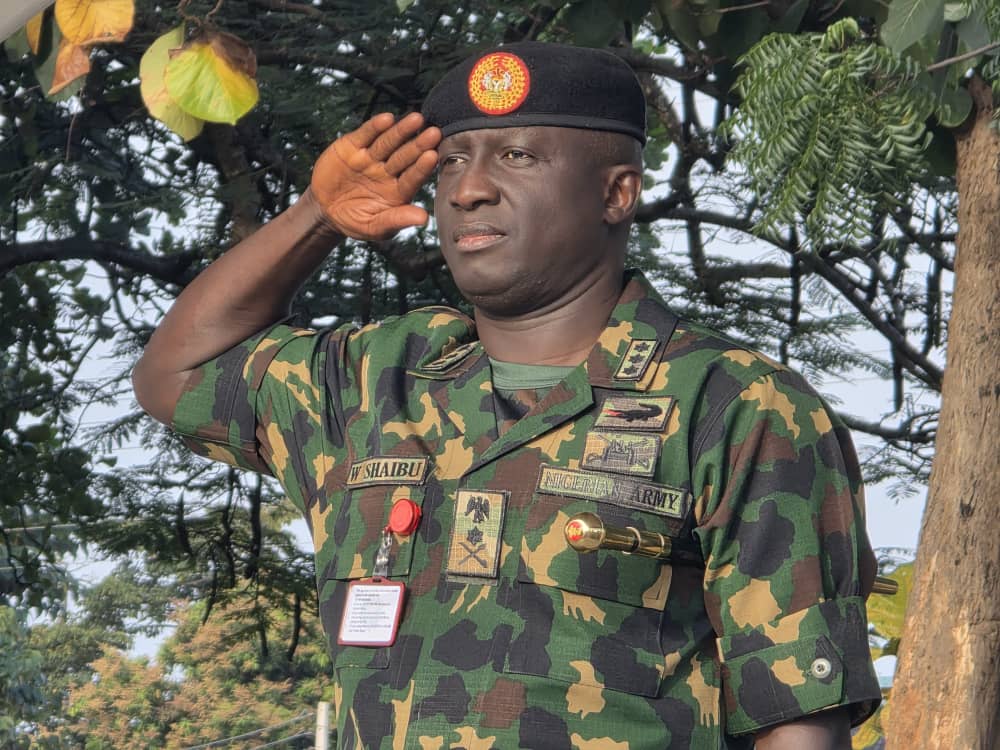
He congratulated the division for ensuring the successful conduct of the elections, noting that the outcome would not have been possible without their discipline and commitment.
“Are you promising me you will uphold that?” the COAS asked, receiving affirmations from the troops.
The COAS also reaffirmed the Army’s commitment to the welfare of all personnel, highlighting the “soldier-first” concept. He assured that the well-being of every officer and soldier would be properly safeguarded, and urged troops to remain resolute and focused in the execution of their missions.
The COAS urged troops to remain committed and resolute in the execution of all missions, highlighting the direct impact of their presence on maintaining security and enabling normal civic activities.
He encouraged soldiers to take pride in their work, noting that their dedication directly contributes to maintaining operational effectiveness and security stability.
“Operational readiness is more than mere presence; it is about consistent unit training, basic tactics, and supervision at every level,” he said. “Senior NCOs must ensure that all soldiers are thoroughly trained on the fundamentals of weapon handling, minor tactics, and operational principles.”
The COAS specifically stressed the importance of weapons proficiency, instructing troops to know the effective ranges of their arms, including the SLR and AK-47.
“If you see an enemy at 300 or 400 metres, you should be able to neutralise them. This is not theoretical; it is what makes a soldier effective in combat,” he added.
Lt.-Gen. Shaibu also encouraged officers and NCOs to supervise closely, mentor younger soldiers, and instil discipline and operational competence at the unit level.
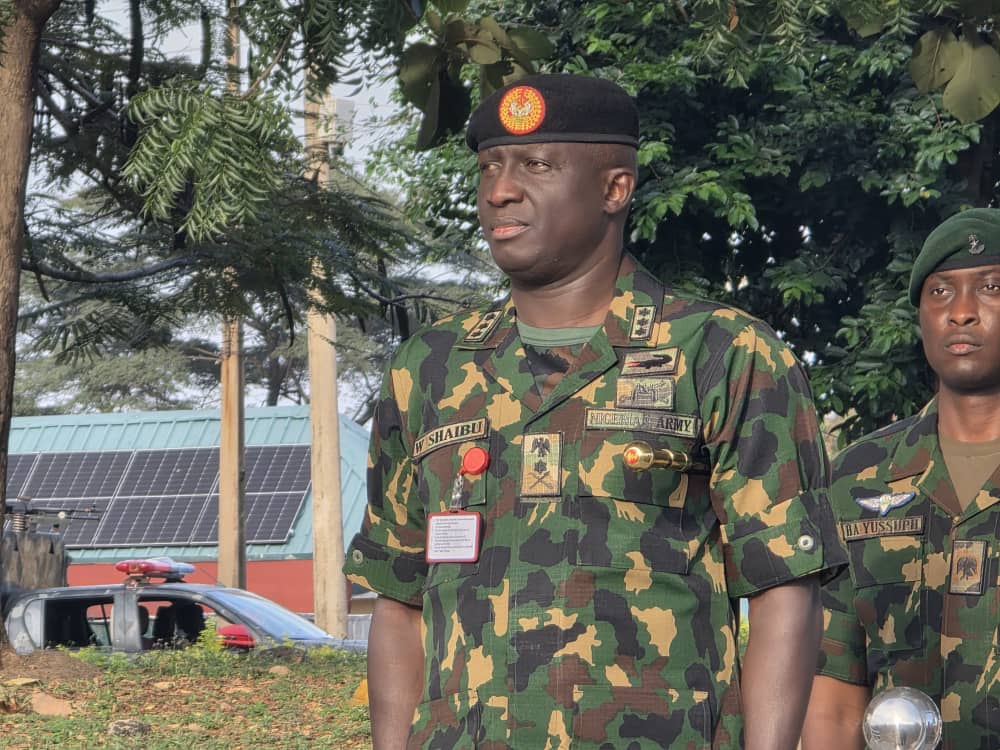
He pointed out the pivotal role of NCOs in ensuring that soldiers are capable of responding decisively during crises or skirmishes.
“You are the key link in preparing soldiers for operations. Take unit training very seriously. Your supervision determines the operational effectiveness of your troops,” he said, seeking and receiving verbal commitments from all senior NCOs and young officers present.
The COAS further reiterated the Army’s “soldier-first” philosophy, stressing that the welfare of officers and soldiers would continue to be a priority, ensuring that personnel remain motivated and mission-ready.
The RSM Convention, attended by senior officers, Regimental Sergeant Majors, formation commanders, and representatives from other security agencies, featured interactive lectures and practical sessions designed to strengthen regimental standards, leadership, discipline, and operational efficiency.
Lt.-Gen. Shaibu said the insights and best practices shared at the convention should be taken back to individual units to sustain combat readiness, improve morale, and enhance the overall effectiveness of the Nigerian Army.
He noted that all enablers have been provided to the troops and urged them to ensure professionalism in their operations while assuring them that their welfare will be well taken care of.
COAS urges stronger unit training and weapons proficiency to boost operational readiness


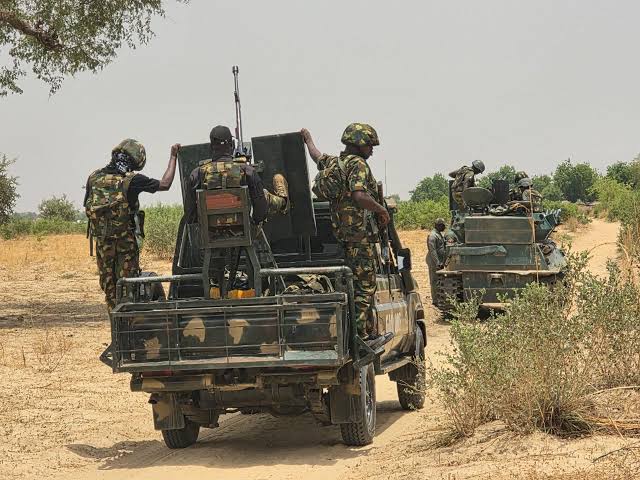
Troops Recover 50 Rustled Cattle, Repel Suspected Rustlers in Kaduna
By Zagazola Makama
Troops deployed at the Forward Operating Base (FOB) Kankomi have recovered 50 rustled cattle after repelling suspected cattle rustlers during an ambush operation in Chikun Local Government Area.
Security sources told Zagazola Makama that the troops responded to a distress call at about 9:55 a.m. on July 4 over the activities of suspected rustlers at Ungwan Gontu community.
According to the sources, the troops swiftly laid an ambush and made contact with the fleeing suspects, forcing them to abandon the stolen livestock and escape into the surrounding area.
During the operation, the troops recovered 50 rustled cattle, which were subsequently identified and handed over to their rightful owner.
Military sources said efforts are ongoing to track down the fleeing suspects as security operations continue to combat cattle rustling and other criminal activities across Kaduna State.
Troops Recover 50 Rustled Cattle, Repel Suspected Rustlers in Kaduna
Military
Mutiny: Presidential Guard Tightens Security Around Niger Presidency Amid Reports of Military Protest
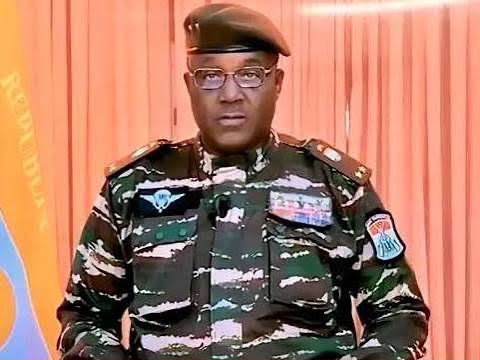
Mutiny: Presidential Guard Tightens Security Around Niger Presidency Amid Reports of Military Protest
By Zagazola Makama
Security was significantly reinforced around Niger’s Presidential Palace in Niamey following reports of unrest involving elements of the country’s armed forces, security sources told Zagazola Makama.
According to multiple security sources, the heightened deployment of the Presidential Guard, supported by armoured vehicles around the Presidential Palace on the night of July 3 and into July 4, followed what was described as a limited protest by personnel of an armoured unit within the Niger Armed Forces (FAN).
The sources said some soldiers reportedly declined deployment to frontline positions in northern Tillabéri Region, particularly around Inatès and Chinagodrar, citing inadequate heavy equipment and insufficient operational resources to confront the growing security threats in the area.
The protest was described by one source as a “small mutiny,” although there has been no official confirmation from the Nigerien authorities.
Security sources said the development triggered concern within the country’s leadership, prompting the reinforcement of security around the Presidential Palace and temporary restrictions on movement in the surrounding area as a precautionary measure.
The Tillabéri Region remains one of Niger’s most volatile security zones, with recurrent attacks by armed extremist groups, including factions linked to the so-called Islamic State in the Greater Sahara (ISGS).
As of the time of filing this report, the Nigerien government and military authorities had not issued any official statement regarding the reported protest or the increased security presence around the Presidency.
The situation remains under close observation.
Mutiny: Presidential Guard Tightens Security Around Niger Presidency Amid Reports of Military Protest
Military
COAS commissions 6 Division RSM House, reaffirms frontline leadership role of regimental sergeant majors
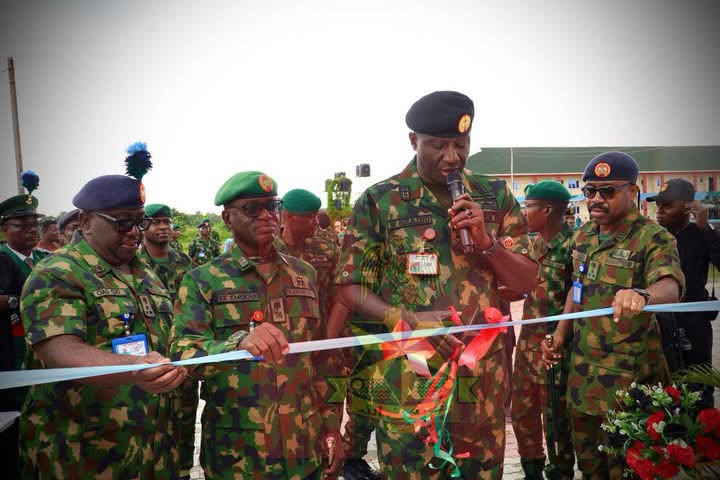
COAS commissions 6 Division RSM House, reaffirms frontline leadership role of regimental sergeant majors
By Zagazola Makama
The Chief of Army Staff (COAS), Lieutenant General Waidi Shaibu, has reaffirmed the critical role of Regimental Sergeant Majors (RSMs) in strengthening discipline, leadership and operational effectiveness across the Nigerian Army.
The COAS made the remarks on Friday during the commissioning of the newly constructed 6 Division Regimental Sergeant Major’s House in Port Harcourt as part of activities marking the 163rd Nigerian Army Day Celebration (NADCEL 2026).
Speaking at the event, Lt.-Gen. Shaibu described RSMs as the backbone of regimental administration and custodians of discipline, standards and morale within the Army.

He said the provision of dedicated accommodation for RSMs was not merely a welfare initiative but a strategic investment aimed at enhancing leadership at the unit level and improving operational efficiency.
According to the Army Chief, RSMs play a vital role in translating command directives into action, maintaining troop cohesion and ensuring effective implementation of operational orders across various theatres of operation.
He added that the senior non-commissioned officers also serve as the crucial link between officers and soldiers, fostering professionalism, mutual trust and esprit de corps within formations and units.

Shaibu noted that the influence of RSMs in mentoring soldiers, enforcing discipline and sustaining troop morale remains indispensable to the success of military operations.
He stressed that providing conducive accommodation for key regimental leaders would enhance their ability to discharge their responsibilities effectively and contribute to improved operational readiness.
The COAS reiterated that under his “Soldier First” philosophy, the welfare of personnel, particularly those occupying critical leadership positions, remains a top priority.
He maintained that sustained investment in welfare infrastructure and leadership development would continue to strengthen the Nigerian Army’s capacity to remain a resilient, professional and combat-ready force capable of addressing the country’s evolving security challenges.
COAS commissions 6 Division RSM House, reaffirms frontline leadership role of regimental sergeant majors

Troops Arrest Suspected Military Impostor in Katsina

Troops Recover 50 Rustled Cattle, Repel Suspected Rustlers in Kaduna

Troops Arrest Suspected Terrorist in Kogi, Suspect Confesses to Group Membership

Roger Federer’s Shock as DNA Results Reveal Myla and Charlene Are Not His Biological Children

THE PLIGHT OF FARIDA

FAILED COUP IN BURKINA FASO: HOW TRAORÉ NARROWLY ESCAPED ASSASSINATION PLOT AMID FOREIGN INTERFERENCE CLAIMS
-
 News2 years ago
Roger Federer’s Shock as DNA Results Reveal Myla and Charlene Are Not His Biological Children
-
Opinions4 years ago
THE PLIGHT OF FARIDA
-
 News1 year ago
FAILED COUP IN BURKINA FASO: HOW TRAORÉ NARROWLY ESCAPED ASSASSINATION PLOT AMID FOREIGN INTERFERENCE CLAIMS
-

 News2 years ago
EYN: Rev. Billi, Distortion of History, and The Living Tamarind Tree
-
 Opinions5 years ago
POLICE CHARGE ROOMS, A MINTING PRESS
-

 ACADEMICS2 years ago
A History of Biu” (2015) and The Lingering Bura-Pabir Question (1)
-

 Columns2 years ago
Army University Biu: There is certain interest, but certainly not from Borno.
-

 Politics1 year ago
2027: Why Hon. Midala Balami Must Go, as Youths in Hawul and Asikira/Uba Federal Constituency Reject ₦500,000 as Sallah Gift
