
News
Concern as over 40 Nigerian Security Personnel Arrested for Arming Terrorists

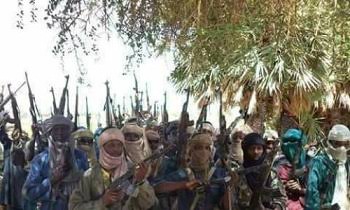
Concern as over 40 Nigerian Security Personnel Arrested for Arming Terrorists
By: Zagazola Makama
A shocking trend of security personnel selling arms and ammunition to terrorists has reached a boiling point in Nigeria, with over 40 mobile policemen and soldiers arrested in recent months across the country.
This disturbing phenomenon was uncovered during discreet investigations into the proliferation of weapons used by terrorists and bandits, conducted by intelligence agencies in collaboration with the Nigerian Army Military Police.
The alarming revelation underscores a critical breach in Nigeria’s internal security, where individuals sworn to protect the nation are instead fueling violence and aiding criminal elements.
The National Security Adviser (NSA), Nuhu Ribadu, had previously raised concerns over the illegal sale of arms by security agents to bandits and terrorists. Speaking at an event organized by the National Centre for the Control of Small Arms and Light Weapons in Abuja, Ribadu condemned the betrayal by these personnel.
“The worst human being is a policeman or a soldier who takes arms from his formation and sells them to bad people, enabling them to kill his own colleagues and fellow citizens,” Ribadu stated.
He stressed the urgent need to halt these practices, warning that they not only embolden terrorists but also exacerbate insecurity in Nigeria and the broader West African region.
The involvement of security personnel in arming terrorists not only compromises national security but also undermines regional efforts to combat terrorism.
This situation has also added to the proliferation of Small Arms and Light Weapons(SALW) in view of the growing threat of terrorism in Nigeria, where the country is struggling to contain the infiltration of terrorists groups from countries like Niger, Mali and Burkina Faso.
Intelligence sources confirmed to Zagazola Makama that these individuals were apprehended during discreet investigations
into the proliferation of weapons used by criminal elements, including terrorists and bandits in the North East, North West, North Central and South East part of the country.
Details of the Illicit Network
Investigations revealed that some of the arrested security personnel had amassed significant wealth from their illicit acts. A soldier was discovered to have over ₦50 million in his account from arms sales, while a mobile policeman had accumulated over ₦80 million.
AK47 riffle are holding ranging from N500,000 to N750,000 while other weapons like Anti Aircraft gun are sold from N1million and above.
These transactions highlight an organized and lucrative network of illicit arms trading between rogue soldier elements and the police.
The proliferation of these weapons has worsened insecurity in regions such as the North-East, North-West, North-Central, and South-East, where bandits, terrorists, and separatist groups continue to launch deadly attacks on communities.
Calls for Action
It is advised that DHQ should check involvement of security personnel in arms racketeering with a view to nipping the aspect in the bud while ONSA should direct the National Centre for the Control of Small Arms and Light Weapons (NCCSALW) to investigate the arms trade and dismantle the networks facilitating these transactions.
Concern as over 40 Nigerian Security Personnel Arrested for Arming Terrorists


Military
Mutiny: Presidential Guard Tightens Security Around Niger Presidency Amid Reports of Military Protest
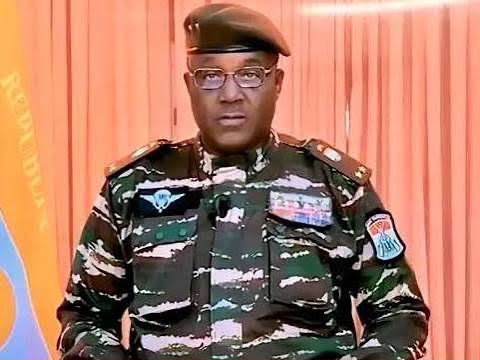
Mutiny: Presidential Guard Tightens Security Around Niger Presidency Amid Reports of Military Protest
By Zagazola Makama
Security was significantly reinforced around Niger’s Presidential Palace in Niamey following reports of unrest involving elements of the country’s armed forces, security sources told Zagazola Makama.
According to multiple security sources, the heightened deployment of the Presidential Guard, supported by armoured vehicles around the Presidential Palace on the night of July 3 and into July 4, followed what was described as a limited protest by personnel of an armoured unit within the Niger Armed Forces (FAN).
The sources said some soldiers reportedly declined deployment to frontline positions in northern Tillabéri Region, particularly around Inatès and Chinagodrar, citing inadequate heavy equipment and insufficient operational resources to confront the growing security threats in the area.
The protest was described by one source as a “small mutiny,” although there has been no official confirmation from the Nigerien authorities.
Security sources said the development triggered concern within the country’s leadership, prompting the reinforcement of security around the Presidential Palace and temporary restrictions on movement in the surrounding area as a precautionary measure.
The Tillabéri Region remains one of Niger’s most volatile security zones, with recurrent attacks by armed extremist groups, including factions linked to the so-called Islamic State in the Greater Sahara (ISGS).
As of the time of filing this report, the Nigerien government and military authorities had not issued any official statement regarding the reported protest or the increased security presence around the Presidency.
The situation remains under close observation.
Mutiny: Presidential Guard Tightens Security Around Niger Presidency Amid Reports of Military Protest
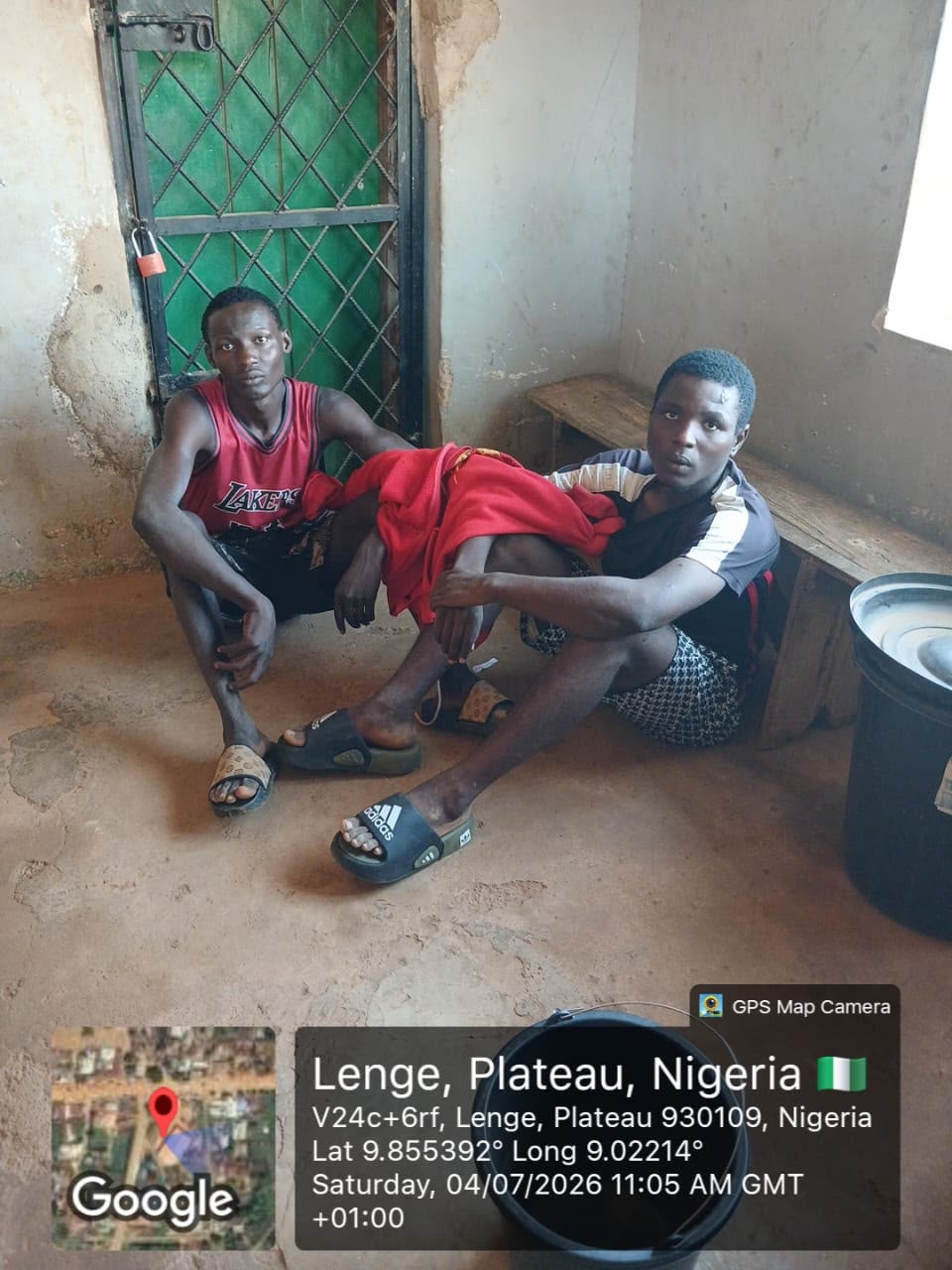
Two suspected criminals arrested during patrol in Plateau
By: Zagazola Makama
Troops of Sector 1 under Operation Enduring Peace have arrested two suspected criminals during a routine patrol in Jos East Local Government Area of Plateau.
Security sources disclosed that the suspects, identified as Azi Ezekiel, 21, and Ajiji Emmanuel, 19, were apprehended at about 10:30 a.m. on Saturday along the road leading to Forbur Village.
The sources said the suspects were intercepted by troops of Sector 1, Sub-Sector 12, while conducting a routine patrol in the area.
According to the sources, the two suspects have been handed over to the Keystone Police Station in Forbur for further investigation and possible prosecution.
The arrest forms part of ongoing security operations aimed at combating criminal activities and enhancing safety across Plateau State.
Two suspected criminals arrested during patrol in Plateau
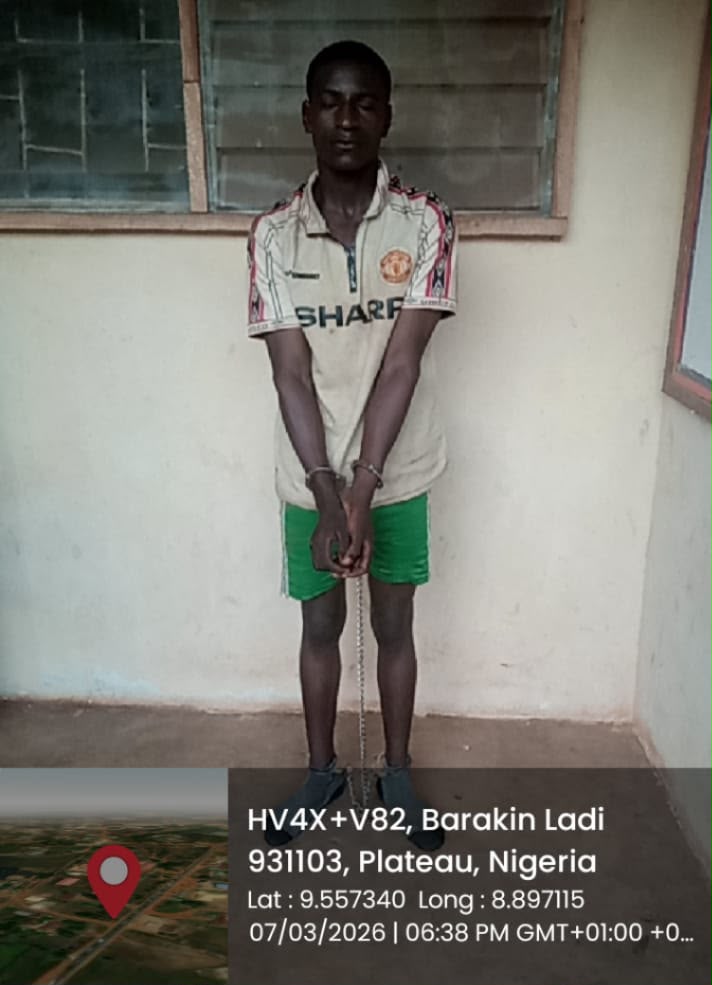
Troops arrest suspected kidnapper in Plateau community
By: Zagazola Makama
Troops of Sector 4 of Operation Enduring Peace have arrested a suspected kidnapper during a security operation in Barkin Ladi Local Government Area of Plateau.
Security sources said the suspect, identified as Mohamdu Surajo, 29, was arrested at about 6:45 p.m. on Friday at Sabon Layi Village following sustained security operations in the area.
The sources disclosed that the suspect is currently in military custody and is undergoing preliminary interrogation to aid ongoing investigations.
They added that the arrest is part of continued efforts by security forces to dismantle criminal networks and enhance security across Plateau State.
Troops arrest suspected kidnapper in Plateau community

President Tinubu Flags Off the Construction of Dikwa–Gamboru Ngala, Bama–Banki International Road Projects

Mutiny: Presidential Guard Tightens Security Around Niger Presidency Amid Reports of Military Protest

Troops Arrest Two Suspected Berom Militia Linked to NIPSS Attack as Security Sources Say Investigation Supports Earlier Leads

Roger Federer’s Shock as DNA Results Reveal Myla and Charlene Are Not His Biological Children

THE PLIGHT OF FARIDA

FAILED COUP IN BURKINA FASO: HOW TRAORÉ NARROWLY ESCAPED ASSASSINATION PLOT AMID FOREIGN INTERFERENCE CLAIMS
-
 News2 years ago
Roger Federer’s Shock as DNA Results Reveal Myla and Charlene Are Not His Biological Children
-
Opinions4 years ago
THE PLIGHT OF FARIDA
-
 News1 year ago
FAILED COUP IN BURKINA FASO: HOW TRAORÉ NARROWLY ESCAPED ASSASSINATION PLOT AMID FOREIGN INTERFERENCE CLAIMS
-

 News2 years ago
EYN: Rev. Billi, Distortion of History, and The Living Tamarind Tree
-
 Opinions5 years ago
POLICE CHARGE ROOMS, A MINTING PRESS
-

 ACADEMICS2 years ago
A History of Biu” (2015) and The Lingering Bura-Pabir Question (1)
-

 Columns2 years ago
Army University Biu: There is certain interest, but certainly not from Borno.
-

 Politics1 year ago
2027: Why Hon. Midala Balami Must Go, as Youths in Hawul and Asikira/Uba Federal Constituency Reject ₦500,000 as Sallah Gift
