
News
Conflict Trauma: 8 in 10 Displaced Nigerian Children Suffer PTSD — FG

Conflict Trauma: 8 in 10 Displaced Nigerian Children Suffer PTSD — FG
By: Michael Mike
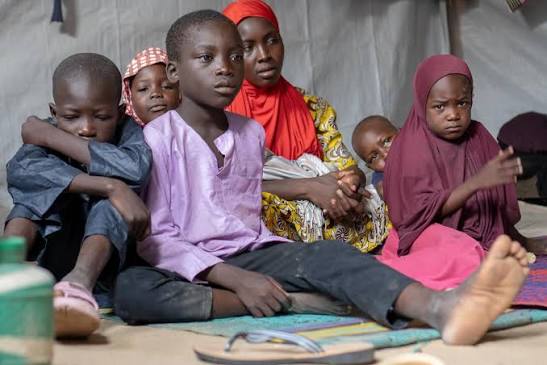
The Federal Government has raised the alarm over a growing mental-health crisis among children displaced by conflict, revealing that nearly eight in every 10 affected children suffer post-traumatic stress disorder, while more than four in five battle depression.
The government said the crisis was no longer only a humanitarian concern but a threat with potential consequences for Nigeria’s education system, public health and national security if the psychological wounds of childhood displacement were left untreated.
Minister of Humanitarian Affairs and Poverty Reduction, Dr Bernard Doro, disclosed this on Wednesday in Maiduguri, Borno State, at the National Dialogue on the Psychosocial Impact of Conflict on Children in Nigeria.
According to the minister, 79.7 per cent of displaced Nigerian children have PTSD, 84.8 per cent experience depression, while 90.7 per cent suffer functional impairments that affect their learning, relationships and sleep.
Doro said the statistics provided measurable evidence of the hidden cost of years of insurgency, terrorism and displacement, arguing that humanitarian interventions could no longer focus exclusively on food, shelter and physical safety.
“A child who has been fed, but not healed in mind, has not truly been rescued,” he said.
He warned that children carrying untreated trauma into adulthood could place a substantial burden on Nigeria’s schools, hospitals and security institutions for years to come.
“None of this is a charity; it is an investment. Untreated trauma in a generation of children is a cost that returns to our schools, our clinics, and our security architecture for decades,” Doro said.
The minister said evidence from Borno further illustrated the severity of the problem, citing a study in Chibok which found that 41.5 per cent of children exposed to Boko Haram insurgency met the clinical threshold for PTSD.
He also referenced a continent-wide analysis that estimated conflict-related PTSD among African children at about 36 per cent.
Doro said mental health had historically received less attention than physical health because its symptoms were often less visible, but insisted that Nigeria could no longer afford to treat psychological wellbeing as a secondary issue.
“Globally, there is a bias towards physical health compared to mental health. Because mental health manifests with subtle symptoms, healthcare professionals and policymakers do most times ignore mental health. This narrative needs to change,” he said.
The minister disclosed that more than one million children in the North-East had been uprooted from their homes by conflict, while more than 7,000 women and girls had been held by Boko Haram.
He said the human consequences were visible in the behaviour of children from communities such as Bama, Konduga, Gwoza and Chibok.
“These are the children of Bama, Konduga, Gwoza, Chibok. Children we have all met, I’m sure, in our interactions. And they go quiet in mid-sentences, manifesting the very symptoms of mental illness,” he said.
To address the crisis, Doro said his ministry would work with the Office of the Special Adviser to the President on Health and other partners to establish stronger community referral systems through which distressed children identified in schools and displacement camps could receive appropriate care.
He also announced plans to incorporate trauma exposure into the National Social Registry, alongside economic vulnerability, to help government identify households and communities with significant psychosocial needs.
The ministry, he added, would support the training of teachers and frontline humanitarian personnel to recognise warning signs among affected children.
“A child spends more hours with a teacher than a therapist,” Doro said.
Earlier, the Special Adviser to the President on Health, Dr Salma Ibrahim Anas, said the decision to hold the dialogue in Maiduguri was deliberate, given Borno’s prolonged exposure to insurgency.
Anas said the gathering was designed to move the discussion from isolated interventions to a national policy response based on research and evidence.
She recalled the case of a woman who escaped from Bama with seven children but arrived at the Dalori Internally Displaced Persons camp with only one, without knowing what had happened to the others.
For Anas, such experiences demonstrate that displacement does not end when a person reaches a camp or another place of safety.
“Some have been born only in this crisis,” she said, warning that children who spend their formative years surrounded by violence may carry its consequences into adulthood and pass unresolved trauma to another generation.
The humanitarian dimension of the crisis was reinforced by the United Nations Office for the Coordination of Humanitarian Affairs.
Representing OCHA, Ballama Mustapha said 7.8 million people required humanitarian assistance across Borno, Adamawa and Yobe under the 2025 Humanitarian Response Plan, including approximately 1.8 million children.
He said the 2026 plan identified 5.9 million people for assistance, but available funding remained insufficient to meet the scale of humanitarian needs.
“The wounds we cannot see must not become the reason we fail to act,” Mustapha said.
The UNICEF representative, Francis Otuochi, said an estimated 270,864 children in Borno, Adamawa and Yobe required mental health and psychosocial support under the 2026 humanitarian needs and response plan.
He added that more than 161,000 adults and over 23,000 persons living with disabilities also required such support.
Otuochi urged government to move psychosocial services from the margins of humanitarian programmes into mainstream child protection, education, healthcare and social welfare systems.
“Conflict continues to cause profound harm on children, including fear, anxiety, family separation, disrupted learning, and exposure to violence and trauma,” he said.
The North East Development Commission also warned that psychological recovery must accompany the physical reconstruction of communities devastated by conflict.
Representing the commission’s Managing Director, Mohammed Goni Alkali, the Borno State Coordinator, Engineer Muhammadu Umaru Maska, said rebuilding schools, hospitals, roads, markets, water systems and homes should be viewed as part of a wider peacebuilding strategy.
He said youth empowerment, livelihood restoration, support for internally displaced persons and social cohesion were equally necessary to prevent communities from sliding back into violence.
“Development should be regarded not as a mere economic activity, but as a powerful instrument of conflict prevention and peacebuilding,” Maska said.
The representative of the National Council of Traditional Rulers of Nigeria, Zanna Lawan Maina, District Head of Damboa, stressed the importance of traditional institutions in rebuilding trust, mobilising communities and supporting reconciliation.
The dialogue was convened by the Office of the Special Adviser to the President on Health in partnership with NEDC and the Borno State Government.
Stakeholders at the meeting agreed that Nigeria’s recovery from years of conflict must go beyond physical reconstruction. Without deliberate investment in the mental wellbeing of children who have grown up amid violence, the country could face a second crisis—one measured not in destroyed buildings, but in a generation struggling with trauma, disrupted development and diminished capacity to build peaceful communities.
Conflict Trauma: 8 in 10 Displaced Nigerian Children Suffer PTSD — FG


Okada rider killed in suspected robbery attack in Jos East
By: Zagazola Makama
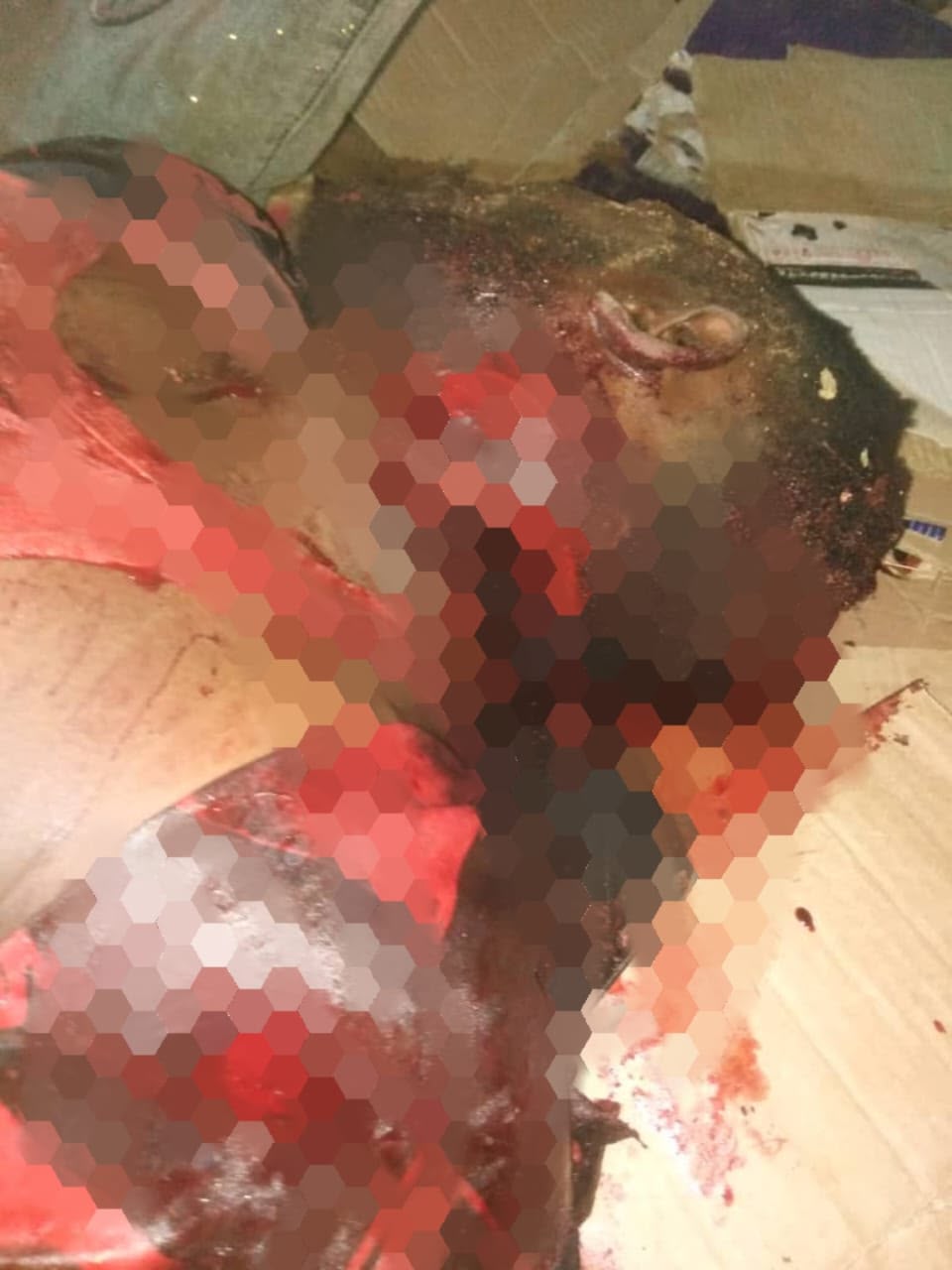
An Okada rider, identified as 30-year-old Moses Inyam, has been killed after he was allegedly attacked and robbed by suspected assailants while returning home in Nabur Dutse Village, Jos East Local Government Area of Plateau State.
Security sources told Zagazola Makama that the incident occurred at about 11:30 a.m. on Sept. 24, 2026, when troops of Sector 1, Sub-Sector 12, responded to a distress report concerning an armed robbery attack in the area.
The source said Inyam, who was reportedly riding home when he was attacked, sustained severe machete wounds during the incident and was dispossessed of an undisclosed amount of money and other valuables.
“Upon arrival at the location, the troops found the victim with machete cuts and immediately evacuated him to the Jos University Teaching Hospital (JUTH) for medical attention.
“He was, however, later confirmed dead by medical personnel,” the source said.
The circumstances of the attack, including the identity and number of the assailants, are still being established.
The security forces have commenced offensive operations and a manhunt for the perpetrators, with efforts ongoing to identify and apprehend those responsible.
Zagazola Makama reports that the incident comes amid continued security concerns in parts of Plateau State, where armed attacks and criminal activities have occasionally targeted commuters, farmers and commercial motorcycle operators.
Security agencies have continued to urge residents to promptly report suspicious movements and provide useful information that could assist ongoing operations.
Okada rider killed in suspected robbery attack in Jos East
Beyond Diplomacy: Nigeria, China Turn Culture Into New Front in Bilateral Ties
…Hunan showcase opens fresh push for youth exchanges, creative jobs, tourism
By: Michael Mike
Nigeria and China are seeking to move their expanding bilateral relationship beyond government agreements and economic cooperation, using culture, tourism and the creative economy as new channels for connecting their people and opening opportunities for young Nigerians.
The emerging cultural diplomacy push took centre stage in Abuja on Thursday as Hunan Province brought its performing arts and cultural heritage to Nigeria, with officials calling for sustained exchanges that could produce collaborations, tourism opportunities and jobs in the creative sector.
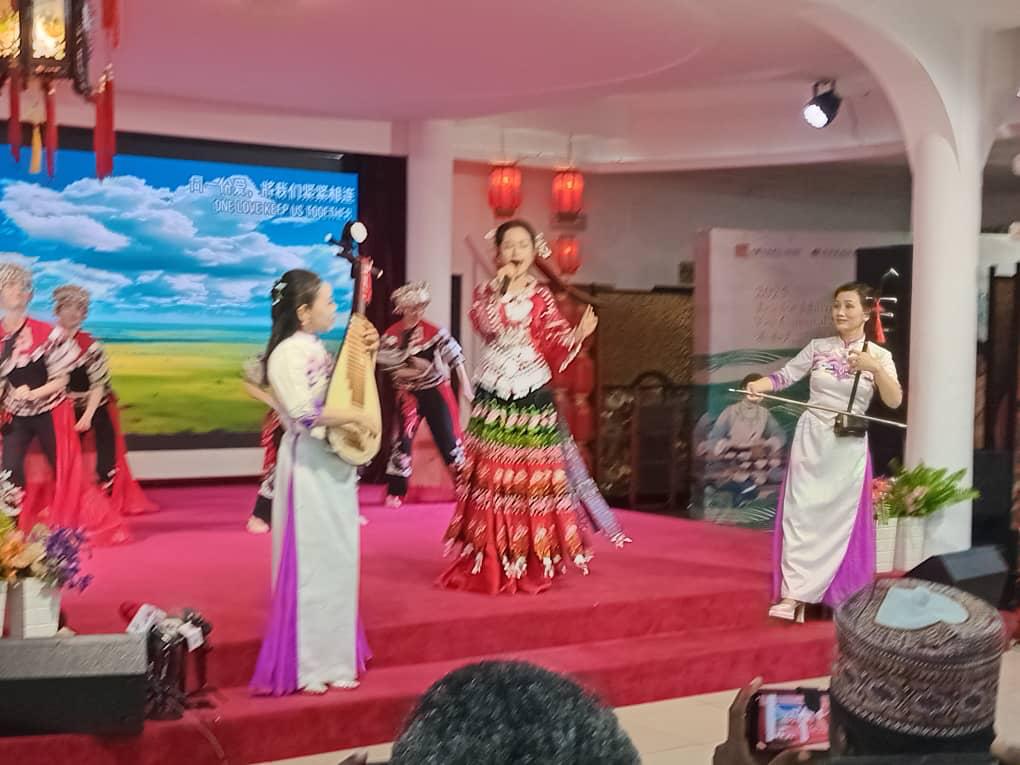
The showcase, titled “Shared Moon, Shared Moment, Meet in Africa – Hunan Culture and Tourism in Nigeria,” was held at the China Cultural Centre in Abuja, where the Hunan Song and Dance Theater Troupe presented a mix of songs, dances, acrobatics and other artistic performances.
But beyond the colourful performances, the event exposed an emerging dimension of Nigeria-China relations: the use of cultural engagement to build connections between citizens after years of predominantly government and economic-focused interaction.
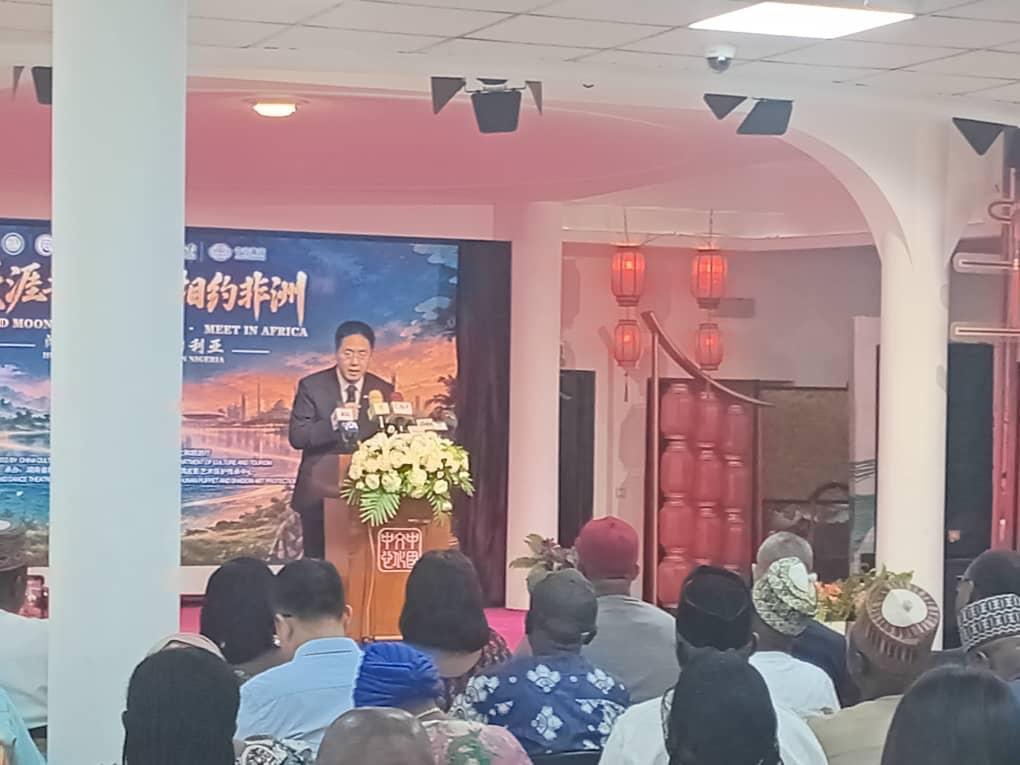
Speaking at the programme, Cultural Counsellor of the Chinese Embassy and Director of the China Cultural Centre in Nigeria, Yang Jianxin, said cultural exchanges could provide a bridge for Nigerians and Chinese to understand one another beyond official diplomatic channels.
Yang said the Hunan delegation was in Nigeria not simply to display Chinese culture but to create an avenue for mutual learning and people-to-people friendship.
He drew parallels between China’s Mid-Autumn Festival and Nigerian traditions, particularly the emphasis on family, reunion, harmony and peace.
“Although China and Nigeria are thousands of miles apart, our shared appreciation of family, friendship and a better life brings our hearts closer together,” Yang said.
The Chinese cultural official also invoked President Xi Jinping’s Global Civilization Initiative, which advocates respect for civilisational diversity and increased exchanges and mutual learning among cultures.
He used the occasion to showcase Hunan as a potential destination for Nigerian tourists and cultural enthusiasts, noting that the province has three World Heritage sites and nine elements on UNESCO’s Representative List of the Intangible Cultural Heritage of Humanity.
Yang expressed the hope that the exchange would encourage more Nigerians to visit Hunan and experience its heritage and hospitality firsthand.
For Nigeria, however, the cultural engagement also presents an opportunity to turn cultural diplomacy into an economic instrument.
The Permanent Secretary of the Federal Ministry of Arts, Culture and the Creative Economy, Abdulkarim Ozi Ibrahim, represented at the event by Musa Alhamdu, said stronger cultural engagement could generate opportunities for Nigerian creatives while strengthening international relations.
He argued that culture could overcome barriers of language and geography and provide countries with an avenue to discover their shared humanity.
According to him, Nigeria’s cultural diplomacy agenda could promote tourism, creative collaboration, skills development and greater participation of young Nigerians in the global creative economy.
He said Nigeria and China both possessed diverse and deeply rooted cultural traditions spanning music, dance, theatre, visual arts, festivals, crafts, fashion, film and literature.
The emphasis on young people could become particularly significant as Nigeria seeks to expand its creative economy and develop alternative pathways for employment and skills development.
Chairman of the Society of Nigerian Artists, Muhammad Sulaiman, said cultural diplomacy could help convert agreements between governments into relationships between ordinary citizens.
Sulaiman called for more cultural festivals, youth exchanges and joint productions in film, music and the arts, arguing that sustained interaction could generate jobs and opportunities for young people while encouraging mutual respect.
The call effectively places the creative industries alongside traditional diplomatic and economic channels as a potential driver of Nigeria-China relations.
The Abuja event also demonstrated that cultural exchange need not be one-directional. While the Hunan troupe presented Chinese traditions, Nigerian cultural performances were incorporated into the programme, creating a platform for both sides to showcase their identities.
For the organisers and participants, the objective was therefore broader than a single night of entertainment.
It was an attempt to create a sustained cultural bridge linking artists, young people, tourists, creative entrepreneurs and cultural institutions in both countries.
As Nigeria and China continue to strengthen their comprehensive strategic partnership, the Hunan showcase has opened another potential frontier—one in which music, art, tourism and young creative talent become instruments of diplomacy and economic opportunity, rather than merely cultural displays.
Beyond Diplomacy: Nigeria, China Turn Culture Into New Front in Bilateral Ties
NSCDC CG Visits Minna Emir, Families of Dead Detainees, Vows No Shield for Culprits
….Audi assures presidential panel of full cooperation, says officers in protective custody
By: Michael Mike
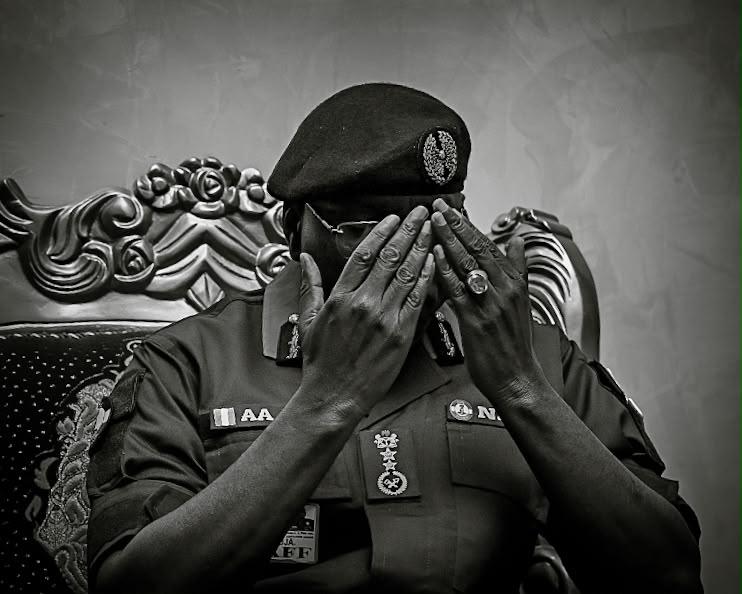
The Commandant-General of the Nigeria Security and Civil Defence Corps (NSCDC), Prof. Ahmed Audi, has assured the families of detainees who died in the Corps’ custody in Niger State that no officer found culpable in the incident will be shielded from justice.
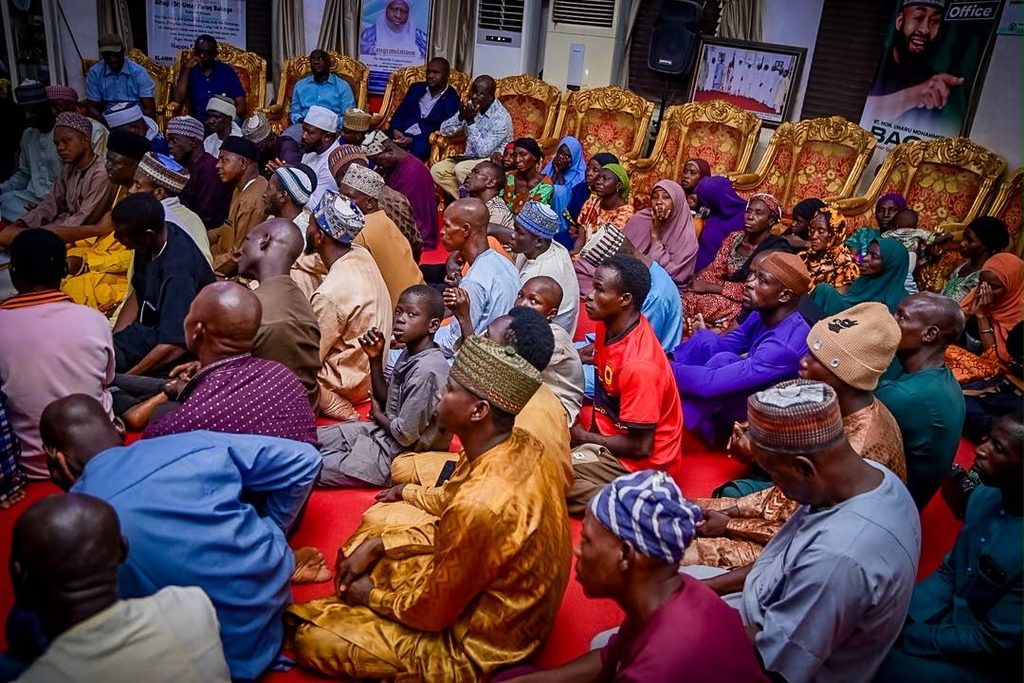
Audi gave the assurance during a condolence visit to the Emir of Minna, Alhaji (Dr.) Umar Farouk Bahago, as well as the parents of the deceased and the family of the survivor.
The visit came as the Federal Government continues its investigation into the deaths, with the Presidency having constituted a high-powered committee to establish the circumstances surrounding the incident and determine responsibility.
The NSCDC boss, who personally met with the affected families, expressed condolences over the deaths and acknowledged the grief suffered by the families and the wider community.

He pledged that the Corps would cooperate fully with the presidential investigative committee, stressing that justice and transparency would take precedence over institutional considerations.
Audi said relevant NSCDC personnel had already been placed in protective custody to ensure their availability to investigators and facilitate an unhindered investigation.
“The Corps will not shield anyone found culpable,” the NSCDC chief assured the families, according to a statement by the Corps’ National Public Relations Officer, Babawale Afolabi.
The development marks a further step by the Corps to demonstrate cooperation with the federal investigation into the controversial deaths in custody.
Audi also used the visit to participate in the third- and seventh-day prayers for the deceased, noting the cultural and spiritual importance of the observances to the bereaved Muslim families.

He prayed for the repose of the souls of the deceased and strength for their families as they mourned their loss.
Responding on behalf of the traditional institution and the affected families, the Emir of Minna expressed appreciation to the NSCDC commandant-general for personally visiting the community and identifying with the families during their period of mourning.
The traditional ruler also acknowledged the administrative measures taken by the Corps and Audi’s assurance of cooperation with the presidential investigative committee.
The NSCDC said the visit was intended not only as a condolence gesture but also as an opportunity to reassure the affected families and the public that the circumstances surrounding the deaths would be subjected to investigation.
The Corps maintained that all relevant personnel and records would be made available to the presidential panel as it works to establish the facts surrounding the incident.
NSCDC CG Visits Minna Emir, Families of Dead Detainees, Vows No Shield for Culprits

Kashim Shettima At UNGA: A STRONG VOICE FOR NIGERIA AND AFRICA

Okada rider killed in suspected robbery attack in Jos East

Beyond Diplomacy: Nigeria, China Turn Culture Into New Front in Bilateral Ties

Roger Federer’s Shock as DNA Results Reveal Myla and Charlene Are Not His Biological Children

THE PLIGHT OF FARIDA

FAILED COUP IN BURKINA FASO: HOW TRAORÉ NARROWLY ESCAPED ASSASSINATION PLOT AMID FOREIGN INTERFERENCE CLAIMS
-
 News3 years ago
Roger Federer’s Shock as DNA Results Reveal Myla and Charlene Are Not His Biological Children
-
Opinions5 years ago
THE PLIGHT OF FARIDA
-
 News1 year ago
FAILED COUP IN BURKINA FASO: HOW TRAORÉ NARROWLY ESCAPED ASSASSINATION PLOT AMID FOREIGN INTERFERENCE CLAIMS
-

 News3 years ago
EYN: Rev. Billi, Distortion of History, and The Living Tamarind Tree
-
 Opinions5 years ago
POLICE CHARGE ROOMS, A MINTING PRESS
-

 ACADEMICS3 years ago
A History of Biu” (2015) and The Lingering Bura-Pabir Question (1)
-

 Columns3 years ago
Army University Biu: There is certain interest, but certainly not from Borno.
-

 Politics1 year ago
2027: Why Hon. Midala Balami Must Go, as Youths in Hawul and Asikira/Uba Federal Constituency Reject ₦500,000 as Sallah Gift
