
News
DSS Under Ajayi: Institutional Restraint That Should Earn Applause, By Sufuyan Ojeifo

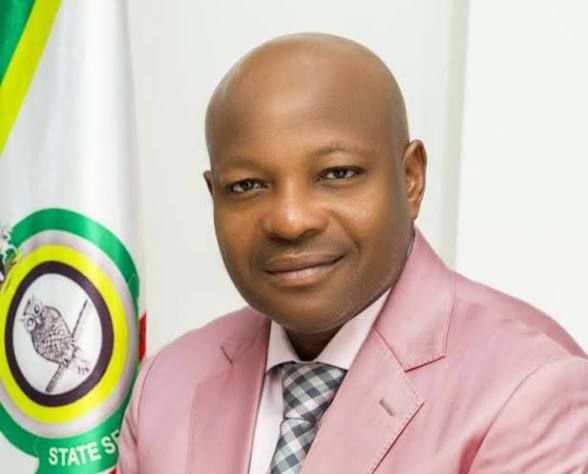
DSS Under Ajayi: Institutional Restraint That Should Earn Applause, By Sufuyan Ojeifo
By: Zagazola Makama
The decision by the Director-General of the Department of State Services (DSS), Oluwatosin Adeola Ajayi, to approach the Federal High Court over the possibility of suspending the prosecution of African Action Congress (AAC) presidential candidate, Omoyele Sowore, until after the 2027 presidential election is one that deserves careful consideration—and, indeed, applause.
At a time when actions involving opposition figures are easily viewed through partisan lenses, Ajayi has demonstrated something often missing in public administration: institutional restraint. More importantly, he has placed a politically sensitive question before the court rather than attempting to resolve it through administrative discretion alone.
The request to pause the proceedings should not be mistaken for weakness, political favouritism or an attempt to place anyone above the law. On the contrary, it reflects an understanding that the rule of law also requires fairness, proportionality and respect for the democratic process.
The DSS is not asking the court to terminate the case. Nor is it asking the court to determine Sowore’s innocence or guilt. It is asking the court to consider whether continuing the prosecution during an election period could unnecessarily complicate the democratic process. That distinction is fundamental.
Sowore, like every other Nigerian, remains subject to the law. A presidential candidacy does not confer immunity from criminal prosecution, just as an allegation does not amount to a conviction. If the court approves a postponement, the allegations do not disappear. The prosecution can resume after the election, allowing the legal process to proceed without creating avoidable controversy around a presidential candidate at a particularly sensitive political moment.
This distinction matters because the credibility of the proposal rests on the fact that it neither extinguishes the case nor predetermines its outcome. It merely asks the judiciary to consider whether timing, in the peculiar circumstances of an electoral contest, warrants a temporary adjustment to the proceedings.
This is precisely where Ajayi’s approach deserves commendation.
Security agencies wield enormous powers, and the manner in which those powers are exercised matters greatly. An institution that knows when to act firmly and when to exercise restraint demonstrates confidence in its own professionalism. The exercise of power is ultimately judged not only by what an institution can do, but by whether it knows the limits of what it should do.
The Foundation for Democracy in Africa (FDA), in commending the DSS leadership, described the decision as consistent with democratic principles, due process, the rule of law and the integrity of elections. That assessment deserves attention.
Nigeria’s democracy does not only depend on elections taking place; it also depends on citizens believing that institutions are not being used to influence electoral outcomes. That confidence can be fragile, particularly when a candidate challenging the political establishment is simultaneously facing prosecution by a security agency. Even where the prosecution is entirely lawful, its timing can become a subject of political contestation.
By placing the matter before the Federal High Court, Ajayi has allowed the judiciary to determine the appropriate course of action. That is a significant point. Rather than unilaterally making a politically sensitive decision, the DSS is seeking judicial guidance. The court remains free to accept, reject or modify the request on the basis of the law and the facts before it. That is how institutional restraint should work in a constitutional democracy. Such an approach reinforces institutional accountability.
Ajayi’s record, as highlighted by the FDA, also provides useful context. Since assuming office in August 2024, he has been credited with efforts to strengthen due process within the service, including the release of persons allegedly detained in error and compensation for affected individuals.
At the same time, the DSS under his leadership has continued to perform its core national-security responsibilities, including operations against terrorism and insurgency and the arrest and prosecution of high-profile suspects.
These two dimensions should not be presented as mutually exclusive. A security service does not become less effective because it respects due process. If anything, a professional security institution should be capable of combining operational effectiveness with a disciplined regard for the law.
This combination of firmness on security and restraint where democratic sensitivities are involved is precisely what Nigerians should expect from a modern security institution.
There is sometimes a mistaken assumption that a strong security agency must always be seen taking the toughest possible position. But strength is not measured solely by arrests, prosecutions or enforcement actions. Sometimes, the greater demonstration of institutional strength is knowing when restraint serves the national interest better. That appears to be the thinking behind the Ajayi initiative.
There is, however, an important caveat. Institutional restraint should not become selective restraint. The credibility of this approach will ultimately depend on whether the same principle can be applied impartially, regardless of the identity, popularity or political affiliation of the person involved.
The 2027 elections will be an important test of Nigeria’s democratic institutions. Political parties will compete vigorously, candidates will make competing claims and public institutions will inevitably come under scrutiny.
In such an environment, every effort to reduce unnecessary institutional tension should be welcomed, provided it remains firmly anchored in law. The judiciary, rather than the DSS or any political actor, must have the final say on whether the proposed postponement is legally and procedurally justified.
The proposed pause in Sowore’s prosecution can therefore be viewed as an attempt to protect the credibility of the electoral process without compromising the justice system.
It is also important to stress that the decision does not create a special legal status for Sowore. It establishes no permanent immunity and does not erase the case. It simply creates the possibility of allowing the election to take place without an ongoing prosecution becoming an additional source of political controversy. That is a reasonable position question for the DSS to place before the court. Whether it is the right remedy is properly a matter for the court to decide.
Indeed, the principle should be bigger than any individual or political party. If Nigeria is serious about building institutions that command public confidence, security agencies must be prepared to demonstrate impartiality, professionalism and respect for judicial authority regardless of the political identity of the person involved. Ajayi’s approach offers an example of how this can be done.
It is worth stressing this because the real value of the episode should not be reduced to whether one candidate benefits from a postponement. The more consequential question is whether Nigeria’s institutions are learning to manage politically sensitive cases in ways that protect both the integrity of the law and public confidence in the democratic process.
The DSS must remain tough against terrorism, violent extremism, threats to national security and other criminal activities. But that firmness must coexist with respect for constitutional rights and democratic institutions. That balance is not a contradiction. It is the hallmark of responsible security leadership.
For that reason, the FDA’s commendation of Ajayi is understandable. His decision to seek judicial consideration rather than simply allowing a politically sensitive prosecution to become another flashpoint demonstrates an appreciation of the bigger picture.
It also sends an important institutional message: that the DSS recognises that its authority is exercised within a constitutional order, not above it.
In the end, democracy is strengthened not only by the enforcement of laws but also by the responsible exercise of institutional power.
The DSS under Ajayi appears to be demonstrating that restraint can be a sign of strength, not weakness. And for that If that restraint is consistently applied, transparently justified and firmly anchored in law, the DSS leadership deserves applause.
● Sufuyan Ojeifo, MNGE, MGOCOP, MNIPR, is a journalist and public affairs analyst.
DSS Under Ajayi: Institutional Restraint That Should Earn Applause, By Sufuyan Ojeifo


Beyond Diplomacy: Nigeria, China Turn Culture Into New Front in Bilateral Ties
…Hunan showcase opens fresh push for youth exchanges, creative jobs, tourism
By: Michael Mike
Nigeria and China are seeking to move their expanding bilateral relationship beyond government agreements and economic cooperation, using culture, tourism and the creative economy as new channels for connecting their people and opening opportunities for young Nigerians.
The emerging cultural diplomacy push took centre stage in Abuja on Thursday as Hunan Province brought its performing arts and cultural heritage to Nigeria, with officials calling for sustained exchanges that could produce collaborations, tourism opportunities and jobs in the creative sector.
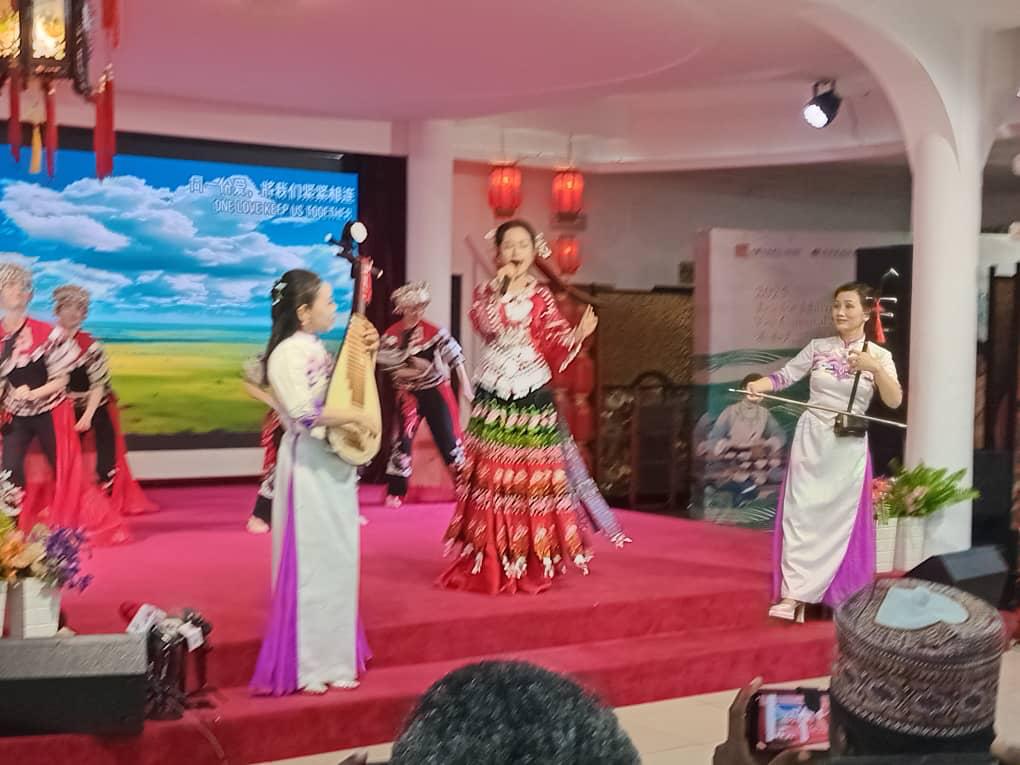
The showcase, titled “Shared Moon, Shared Moment, Meet in Africa – Hunan Culture and Tourism in Nigeria,” was held at the China Cultural Centre in Abuja, where the Hunan Song and Dance Theater Troupe presented a mix of songs, dances, acrobatics and other artistic performances.
But beyond the colourful performances, the event exposed an emerging dimension of Nigeria-China relations: the use of cultural engagement to build connections between citizens after years of predominantly government and economic-focused interaction.
Speaking at the programme, Cultural Counsellor of the Chinese Embassy and Director of the China Cultural Centre in Nigeria, Yang Jianxin, said cultural exchanges could provide a bridge for Nigerians and Chinese to understand one another beyond official diplomatic channels.
Yang said the Hunan delegation was in Nigeria not simply to display Chinese culture but to create an avenue for mutual learning and people-to-people friendship.
He drew parallels between China’s Mid-Autumn Festival and Nigerian traditions, particularly the emphasis on family, reunion, harmony and peace.
“Although China and Nigeria are thousands of miles apart, our shared appreciation of family, friendship and a better life brings our hearts closer together,” Yang said.
The Chinese cultural official also invoked President Xi Jinping’s Global Civilization Initiative, which advocates respect for civilisational diversity and increased exchanges and mutual learning among cultures.
He used the occasion to showcase Hunan as a potential destination for Nigerian tourists and cultural enthusiasts, noting that the province has three World Heritage sites and nine elements on UNESCO’s Representative List of the Intangible Cultural Heritage of Humanity.
Yang expressed the hope that the exchange would encourage more Nigerians to visit Hunan and experience its heritage and hospitality firsthand.
For Nigeria, however, the cultural engagement also presents an opportunity to turn cultural diplomacy into an economic instrument.
The Permanent Secretary of the Federal Ministry of Arts, Culture and the Creative Economy, Abdulkarim Ozi Ibrahim, represented at the event by Musa Alhamdu, said stronger cultural engagement could generate opportunities for Nigerian creatives while strengthening international relations.
He argued that culture could overcome barriers of language and geography and provide countries with an avenue to discover their shared humanity.
According to him, Nigeria’s cultural diplomacy agenda could promote tourism, creative collaboration, skills development and greater participation of young Nigerians in the global creative economy.
He said Nigeria and China both possessed diverse and deeply rooted cultural traditions spanning music, dance, theatre, visual arts, festivals, crafts, fashion, film and literature.
The emphasis on young people could become particularly significant as Nigeria seeks to expand its creative economy and develop alternative pathways for employment and skills development.
Chairman of the Society of Nigerian Artists, Muhammad Sulaiman, said cultural diplomacy could help convert agreements between governments into relationships between ordinary citizens.
Sulaiman called for more cultural festivals, youth exchanges and joint productions in film, music and the arts, arguing that sustained interaction could generate jobs and opportunities for young people while encouraging mutual respect.
The call effectively places the creative industries alongside traditional diplomatic and economic channels as a potential driver of Nigeria-China relations.
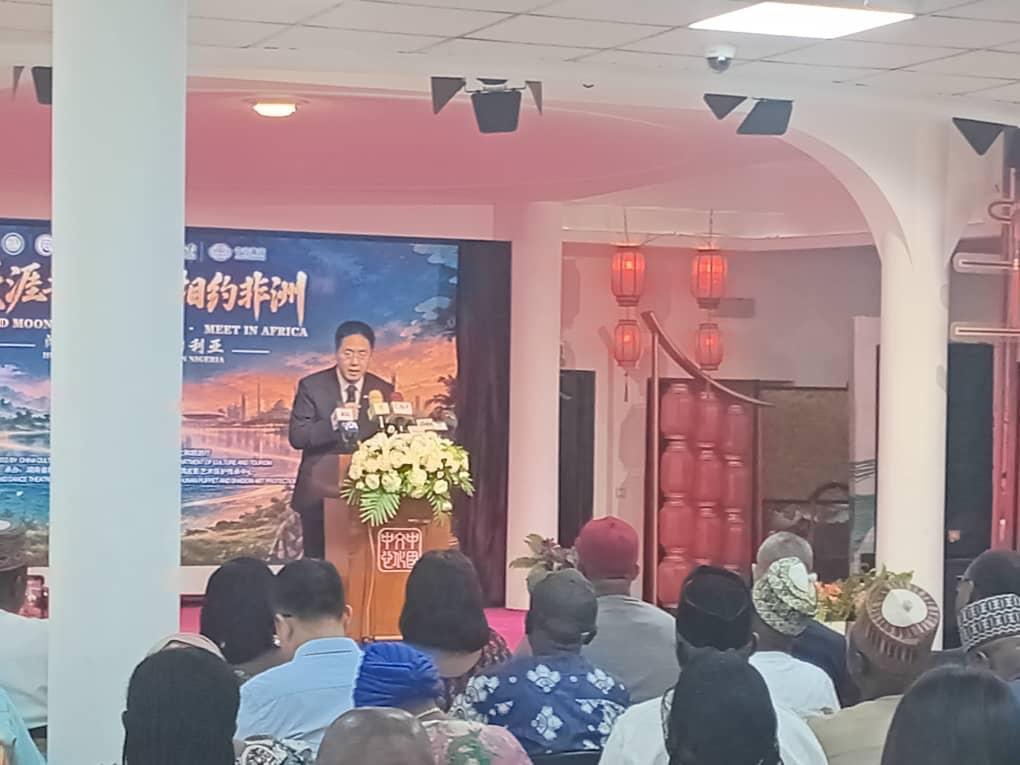
The Abuja event also demonstrated that cultural exchange need not be one-directional. While the Hunan troupe presented Chinese traditions, Nigerian cultural performances were incorporated into the programme, creating a platform for both sides to showcase their identities.
For the organisers and participants, the objective was therefore broader than a single night of entertainment.
It was an attempt to create a sustained cultural bridge linking artists, young people, tourists, creative entrepreneurs and cultural institutions in both countries.
As Nigeria and China continue to strengthen their comprehensive strategic partnership, the Hunan showcase has opened another potential frontier—one in which music, art, tourism and young creative talent become instruments of diplomacy and economic opportunity, rather than merely cultural displays.
Beyond Diplomacy: Nigeria, China Turn Culture Into New Front in Bilateral Ties
NSCDC CG Visits Minna Emir, Families of Dead Detainees, Vows No Shield for Culprits
….Audi assures presidential panel of full cooperation, says officers in protective custody
By: Michael Mike
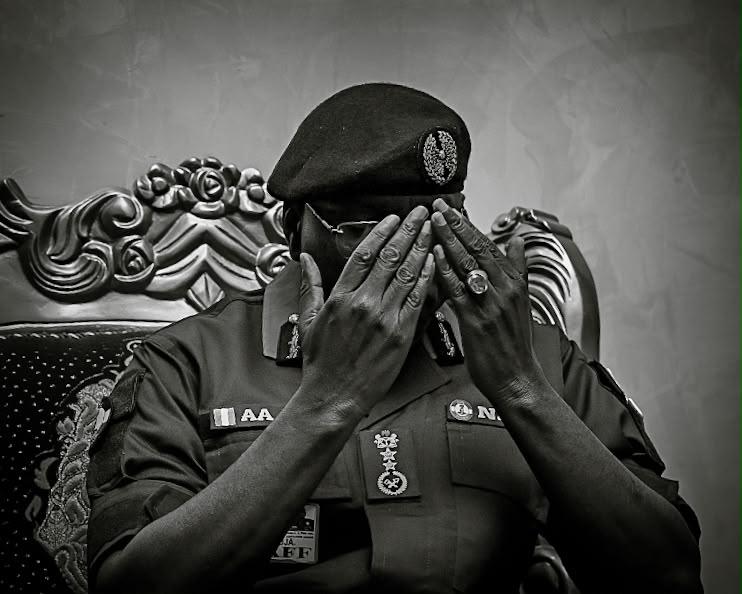
The Commandant-General of the Nigeria Security and Civil Defence Corps (NSCDC), Prof. Ahmed Audi, has assured the families of detainees who died in the Corps’ custody in Niger State that no officer found culpable in the incident will be shielded from justice.
Audi gave the assurance during a condolence visit to the Emir of Minna, Alhaji (Dr.) Umar Farouk Bahago, as well as the parents of the deceased and the family of the survivor.
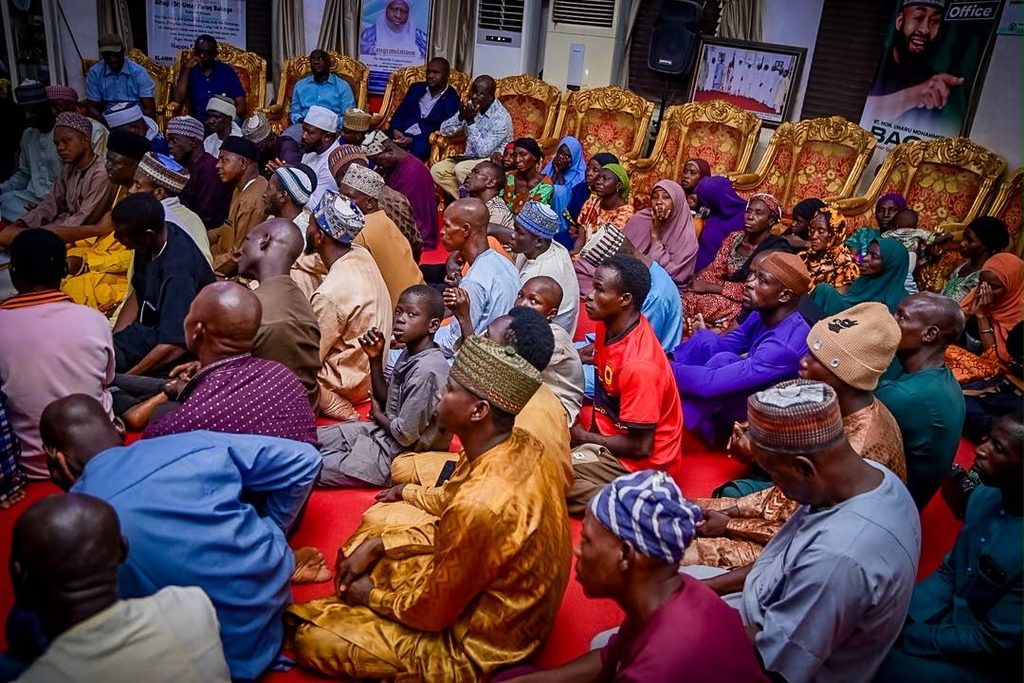
The visit came as the Federal Government continues its investigation into the deaths, with the Presidency having constituted a high-powered committee to establish the circumstances surrounding the incident and determine responsibility.
The NSCDC boss, who personally met with the affected families, expressed condolences over the deaths and acknowledged the grief suffered by the families and the wider community.

He pledged that the Corps would cooperate fully with the presidential investigative committee, stressing that justice and transparency would take precedence over institutional considerations.
Audi said relevant NSCDC personnel had already been placed in protective custody to ensure their availability to investigators and facilitate an unhindered investigation.
“The Corps will not shield anyone found culpable,” the NSCDC chief assured the families, according to a statement by the Corps’ National Public Relations Officer, Babawale Afolabi.
The development marks a further step by the Corps to demonstrate cooperation with the federal investigation into the controversial deaths in custody.
Audi also used the visit to participate in the third- and seventh-day prayers for the deceased, noting the cultural and spiritual importance of the observances to the bereaved Muslim families.

He prayed for the repose of the souls of the deceased and strength for their families as they mourned their loss.
Responding on behalf of the traditional institution and the affected families, the Emir of Minna expressed appreciation to the NSCDC commandant-general for personally visiting the community and identifying with the families during their period of mourning.
The traditional ruler also acknowledged the administrative measures taken by the Corps and Audi’s assurance of cooperation with the presidential investigative committee.
The NSCDC said the visit was intended not only as a condolence gesture but also as an opportunity to reassure the affected families and the public that the circumstances surrounding the deaths would be subjected to investigation.
The Corps maintained that all relevant personnel and records would be made available to the presidential panel as it works to establish the facts surrounding the incident.
NSCDC CG Visits Minna Emir, Families of Dead Detainees, Vows No Shield for Culprits

NIGCOMSAT Fires Back: No Manipulation in NIGCOMSAT-2A, 2B Deal
By: Michael Mike
Satellite firm challenges bid-rigging claims, says BPP rules guided multi-billion-naira procurement
The Nigerian Communications Satellite Limited (NIGCOMSAT) has thrown out allegations of manipulation in the procurement of the NIGCOMSAT-2A and NIGCOMSAT-2B satellites, declaring that the multi-billion-naira exercise was subjected to uniform technical, financial, security and compliance scrutiny in line with public procurement rules.
The satellite operator, in a detailed response to a September 18 report by Daily Post, rejected suggestions that the procurement was structured to favour particular bidders, describing the publication as a combination of “unverified assertions and selective accounts” that could give a false impression of a compromised process.
NIGCOMSAT’s defence comes amid scrutiny of the procurement of the two satellites, which the company described as a critical component of Nigeria’s digital infrastructure and communications security architecture.
The company insisted that no bidder was given preferential treatment, stressing that every participant was assessed against the same requirements under applicable procurement laws, guidelines and procedures of the Bureau of Public Procurement (BPP).
It said the successful bidders were not selected on the basis of a single technical or financial criterion but emerged from an overall assessment covering technical responsiveness, financial compliance, delivery capacity, project risks, security considerations and long-term value to the Federal Government.
“The successful bidders emerged from that overall assessment, not from the preference or influence of any individual or interest group,” NIGCOMSAT said.
The company also rejected an apparent argument that a bidder’s previous contractual relationship with NIGCOMSAT or performance under an earlier contract should have translated into an automatic advantage in the new competition.
According to the satellite firm, previous participation in government contracts does not confer an entitlement to future awards, adding that failure to win a fresh competitive procurement could not, on its own, constitute evidence of manipulation.
NIGCOMSAT maintained that each procurement exercise must be judged on its own evaluation criteria and the evidence presented by competing bidders.
The company said interpreting the non-selection of a previous contractor as proof of wrongdoing would undermine the principle of competitive procurement.
It further pushed back against issues raised about the administration of the organisation, revealing that its current management inherited a salary structure that had remained unchanged for 17 years.
NIGCOMSAT said it had initiated steps to review the structure through the relevant government approval channels.
It also disclosed that management was working to resolve outstanding obligations associated with official assignments while tightening internal procedures governing authorisation and reimbursement.
A significant part of NIGCOMSAT’s response centred on the selection of Hughes Network Systems’ JUPITER platform, with the company rejecting what it called speculative conclusions drawn from reported Chapter 11 proceedings involving Hughes Satellite Systems.
NIGCOMSAT said the report did not demonstrate that the proceedings had impaired Hughes Network Systems’ technical capacity, contractual obligations or ability to deliver the ground infrastructure required under the satellite programme.
It argued that the financial or corporate circumstances of a related entity could not automatically be transferred to the specific company involved in the procurement without evidence establishing an impact on its ability to perform the contract.
“A reported corporate or financial development involving a related entity does not, on its own, establish that NIGCOMSAT’s procurement decision was defective,” the company said.
NIGCOMSAT said any assessment of the deal should instead be based on technical evaluation, contractual due diligence and verified evidence.
The satellite company challenged any bidder or interested party with substantive objections to the procurement to invoke the statutory mechanisms provided for procurement reviews.
Rather than using media reports to challenge the outcome, it urged parties with legitimate grievances to pursue the formal channels established under the procurement framework.
NIGCOMSAT, however, acknowledged the media’s role in scrutinising public institutions and government expenditure, saying such scrutiny remained important in a democracy.
But it insisted that reporting on sensitive public procurements should be grounded in accuracy, balance and a proper understanding of the processes involved.
Beyond the controversy, NIGCOMSAT said the NIGCOMSAT-2A and NIGCOMSAT-2B programme was designed to strengthen Nigeria’s strategic communications infrastructure.
The company said the satellites would help improve communications resilience and extend broadband services to underserved communities while supporting national security, education, healthcare, broadcasting and other sectors of the economy.
Given the strategic and financial implications of the project, NIGCOMSAT said it had incorporated technical, financial, legal and project-continuity safeguards into the procurement and implementation framework.
The company consequently stood by both the integrity of the procurement process and its outcome, declaring that external pressure and commercial interests would not be allowed to compromise the project.
Its response effectively shifts the focus of the controversy from allegations of procurement manipulation to the documentary evidence underpinning the evaluation, award and due-diligence processes for a satellite programme expected to play a significant role in Nigeria’s digital and communications infrastructure.
NIGCOMSAT Fires Back: No Manipulation in NIGCOMSAT-2A, 2B Deal

Beyond Diplomacy: Nigeria, China Turn Culture Into New Front in Bilateral Ties

NSCDC CG Visits Minna Emir, Families of Dead Detainees, Vows No Shield for Culprits

NIGCOMSAT Fires Back: No Manipulation in NIGCOMSAT-2A, 2B Deal

Roger Federer’s Shock as DNA Results Reveal Myla and Charlene Are Not His Biological Children

THE PLIGHT OF FARIDA

FAILED COUP IN BURKINA FASO: HOW TRAORÉ NARROWLY ESCAPED ASSASSINATION PLOT AMID FOREIGN INTERFERENCE CLAIMS
-
 News3 years ago
Roger Federer’s Shock as DNA Results Reveal Myla and Charlene Are Not His Biological Children
-
Opinions5 years ago
THE PLIGHT OF FARIDA
-
 News1 year ago
FAILED COUP IN BURKINA FASO: HOW TRAORÉ NARROWLY ESCAPED ASSASSINATION PLOT AMID FOREIGN INTERFERENCE CLAIMS
-

 News3 years ago
EYN: Rev. Billi, Distortion of History, and The Living Tamarind Tree
-
 Opinions5 years ago
POLICE CHARGE ROOMS, A MINTING PRESS
-

 ACADEMICS3 years ago
A History of Biu” (2015) and The Lingering Bura-Pabir Question (1)
-

 Columns3 years ago
Army University Biu: There is certain interest, but certainly not from Borno.
-

 Politics1 year ago
2027: Why Hon. Midala Balami Must Go, as Youths in Hawul and Asikira/Uba Federal Constituency Reject ₦500,000 as Sallah Gift
