
News
COUNCIL CHAIR MOVES AGAINST ILLICIT DRUGS


COUNCIL CHAIR MOVES AGAINST ILLICIT DRUGS
***Calls For Collaboration With NDLEA.
By: Our Reporter
Transition Council Chairman for Hawul Local Government Area in Borno state, Inuwa Bwala, has expressed concern over emerging trends in drug addiction with unconventional drugs gaining grounds.
He was speaking when he played host to the Area Commander for Southern Borno, of the National Drugs Law Enforcement Agency, NDLEA, Auwal Babayo Kumo.
Mr Bwala told the visiting NDLEA commander, along with his officers that, new drugs like “Gumm, “Soak and Die,” “Akurkura” and ethanol: all of which are not listed in the International list of prohibited drugs, are now common in the rural areas.
While calling for the speedy signing of the amended NDLEA Act, which may reflect such dangerous substances as an addition to the international list, Bwala said some of them are even more dangerous that cocaine and heroin or Marijuana.
He told the visiting NDLEA team that, Government is ready to collaborate with the anti drugs agency in discouraging the circulation and consumption of all non rated local drugs.
According to Bwala, gumm: a chewable local herb, with very high nervous and mental effects, is very common even amongst women, while soak and die, a combination of chemicals used for the preservation of corpses has gained currency amongst youths.
Akukura, also a local combination is common with drivers, while tramadol, has become a daily drug menu amongst labourers at building and other construction sites.
While agreeing with an earlier observation by the NDLEA commander, that many youths in Hawul have been exposed to these drugs, the council chairman called for collaboration with other Local Government chairmen 8n Southern Borno for the establishment of a rehabilitation center in Biu, which products could be ready intakes 8nto the newly built skills aquisition centers in the area.
He noted that youth could still be made useful citizens after exposure to drugs after rehabilitation and enrollment into skills aquisition centers, which are being built in all Local Government Areas by Governor Babagana Umara Zulum.
Leader of the NDLEA delegation Auwal Babayo Kumo had earlier briefed the council chairman that, he has been going round to introduce himself as the new helmsman in the area, and to seek for collaboration towards a planned public enlightenment campaign.
He said the area command of the agency has mapped out a multi pronged approach to the fight against trafficking and consumption of illicit and prohibited drugs.
COUNCIL CHAIR MOVES AGAINST ILLICIT DRUGS


News
Athena Raises Alarm Over ‘Shrinking Democratic Space’ as EFCC Action, Campaign Fees Trigger Electoral Concerns
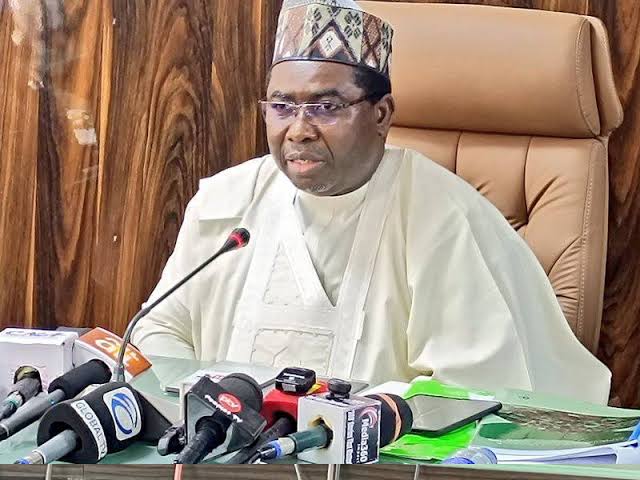
Athena Raises Alarm Over ‘Shrinking Democratic Space’ as EFCC Action, Campaign Fees Trigger Electoral Concerns
By: Michael Mike
Concerns over Nigeria’s electoral environment have intensified following warnings by the Athena Election Observatory that recent actions by public institutions, though within their legal mandates, could undermine confidence in democratic competition if not guided by stronger safeguards.
The election monitoring body, in a statement on Thursday, cautioned that the exercise of state power during election periods must be balanced with the need to protect political participation, institutional neutrality and public trust.
The warning comes after the Economic and Financial Crimes Commission (EFCC) restricted access to an account belonging to the Osun State Government on Aug. 5, as part of an investigation into alleged diversion of public funds — a move that attracted controversy because it occurred just days before the Aug. 15 Osun governorship election.
The Osun State Government has denied any wrongdoing.
President Bola Tinubu later directed the EFCC to take steps to reverse the restriction, while maintaining that the anti-graft agency remained independent.
Athena described the President’s intervention as a significant corrective action but said the episode exposed a deeper institutional challenge: the need for public agencies to anticipate how the timing and impact of their decisions may affect perceptions of electoral fairness.
The group stressed that anti-corruption investigations must not be suspended because of elections, noting that public resources must remain protected and institutions must continue to perform their statutory duties. However, it argued that actions capable of affecting an election environment require exceptional judgement, transparency and safeguards against unintended political consequences.
According to the Observatory, “legal authority should be accompanied by necessity, proportionality, transparency and safeguards against avoidable electoral disruption.”
The group’s concerns extended beyond the Osun development to controversial campaign advertising fees announced by Abia and Anambra States, which it said could create financial barriers capable of limiting political competition.
In Abia State, campaign advertising permit charges reportedly introduced by the state signage agency require presidential candidates to pay ₦200 million, governorship candidates ₦150 million, senatorial candidates ₦100 million, House of Representatives candidates ₦50 million and State House of Assembly candidates ₦20 million.
Anambra State has also announced advertising permit fees of ₦50 million for presidential candidates, ₦20 million for senatorial candidates, ₦5 million for House of Representatives candidates and ₦1.5 million for State House of Assembly candidates.
The regulations reportedly cover not only traditional outdoor advertisements such as billboards and posters but also branded materials, public address systems, rallies and other campaign-related activities.
Athena argued that while state governments have the authority to regulate public spaces, environmental standards and outdoor advertising, such powers must not become tools for imposing additional hurdles on electoral participation.
The group highlighted the financial implications of the Abia charges, noting that the fees consume a substantial portion of candidates’ legally permitted campaign spending limits under the Electoral Act 2026.
It pointed out that a ₦20 million permit fee for a State House of Assembly candidate represents one-fifth of the ₦100 million statutory expenditure limit for that election, before candidates spend money on campaign materials, logistics, mobilisation and other activities.
The Observatory warned that such requirements could disproportionately affect smaller political parties and less wealthy candidates, potentially strengthening the influence of money in politics rather than reducing it.
“Campaign expenditure limits are intended to restrain the influence of money and promote fair competition,” the group said, arguing that state-imposed political fees that consume a significant portion of those limits work against that objective.
Athena maintained that Nigeria’s democratic framework is built on the principle that elections should be governed by transparent and uniform rules, rather than additional conditions created by administrative authorities.
It called on Abia and Anambra States to withdraw candidate-specific campaign advertising fees and instead apply ordinary advertising regulations that are content-neutral and applicable to all users of public spaces.
The organisation also urged the Independent National Electoral Commission (INEC) to issue national guidance clarifying that state and local regulatory powers cannot be used to introduce new conditions for participation in elections conducted under the Constitution and Electoral Act.
Athena said its position was not based on the interests of any political party, candidate or government involved in the controversies, but on protecting the integrity of Nigeria’s democratic institutions.
“Accountability, regulation and democratic competition should reinforce one another,” the group said. “Administrative power must not shrink democratic space.”
The warning comes as Nigeria approaches a new cycle of major elections, with civil society organisations increasingly urging state institutions to ensure that enforcement actions, regulations and administrative decisions are applied in ways that preserve public confidence in the neutrality of government institutions.
Athena Raises Alarm Over ‘Shrinking Democratic Space’ as EFCC Action, Campaign Fees Trigger Electoral Concerns
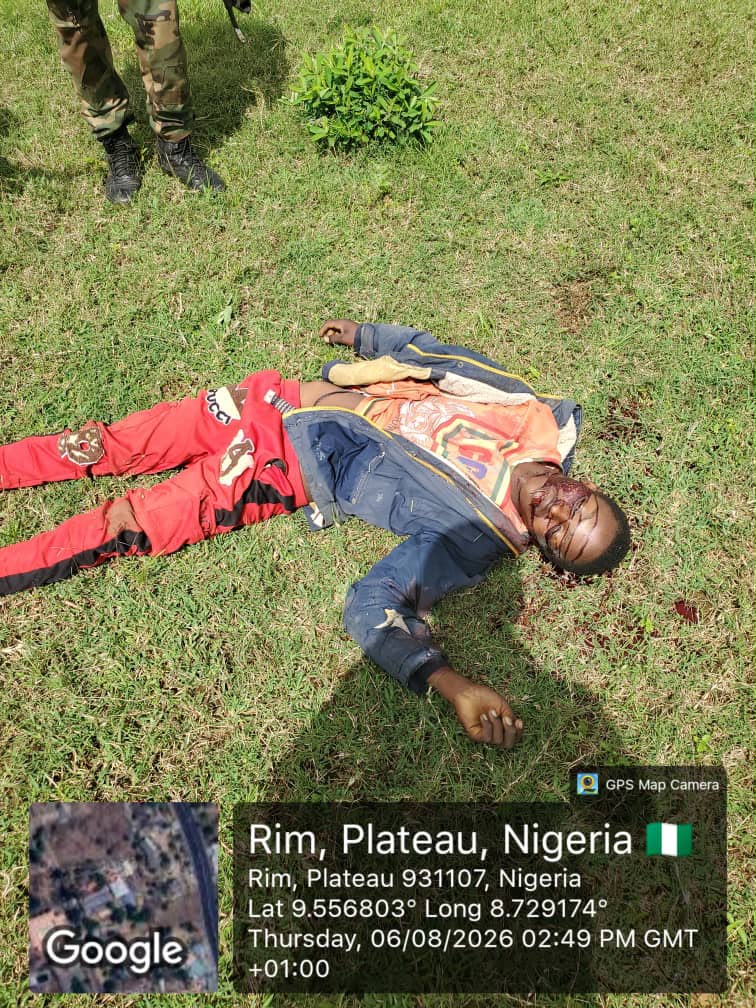
Berom Militia Killed four Fulani Harders, shots 25 Cattle in Fresh Attack in Plateau’s Riyom
By Zagazola Makama
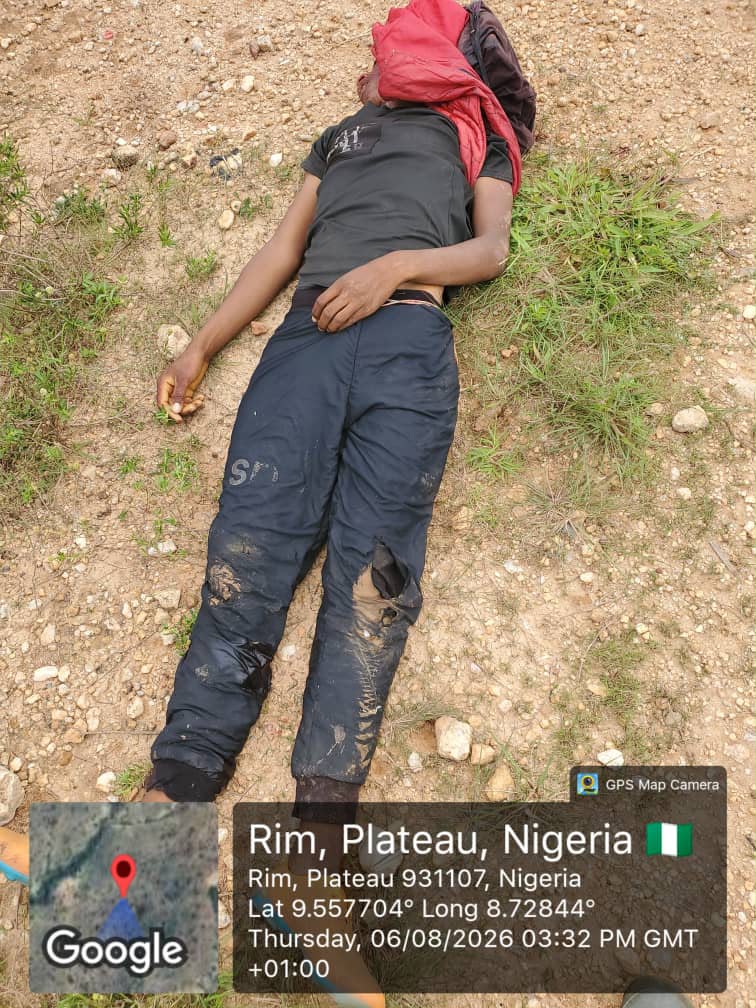
Four herders have been brutally killed and two others injured in a deadly attack by suspected Berom militia in Wereng Community of Riyom Local Government Area of Plateau State.
Intelligence sources told Zagazola Makama that troops of Sector 6 under Operation Enduring Peace responded at about 2:00 p.m. on Aug. 6 following reports of gunshots around Wereng Community.
On arrival, the troops combed the area and discovered the bodies of three herders, while two other victims were found with gunshot wounds and rescued.
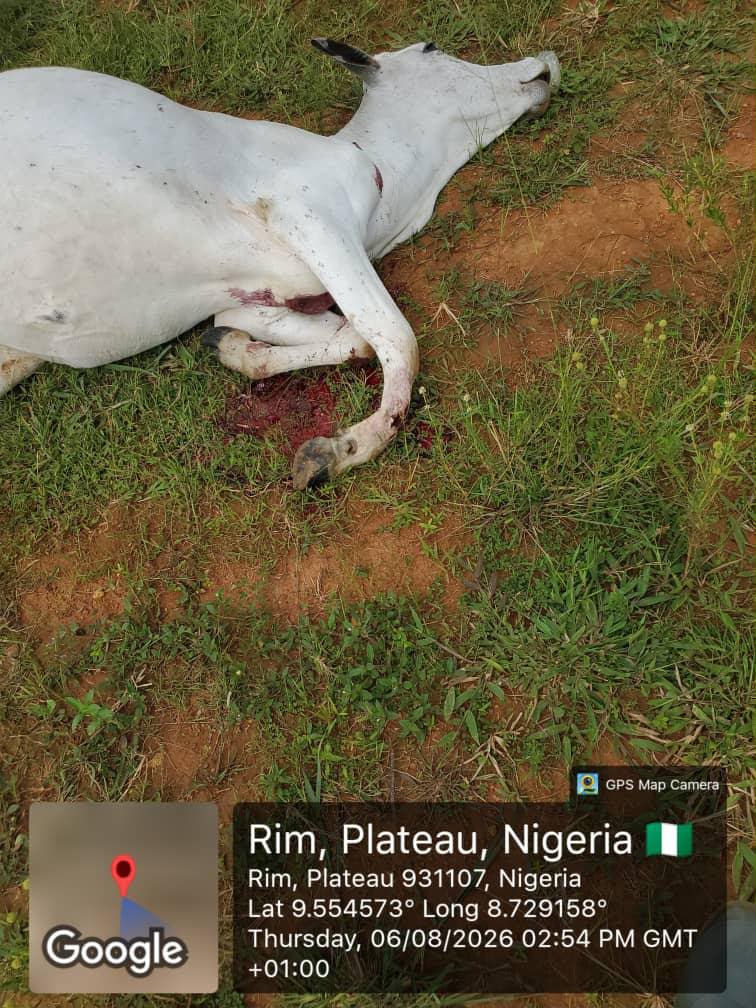
The sources said the troops also found that 14 cattle had been killed during the attack, while another 11 cattle sustained gunshot injuries.
Preliminary investigations indicated that the affected herders were from Gwarim Community in Riyom Local Government Area and were allegedly attacked by suspected Berom militia operating from Angwan Wereng Community.
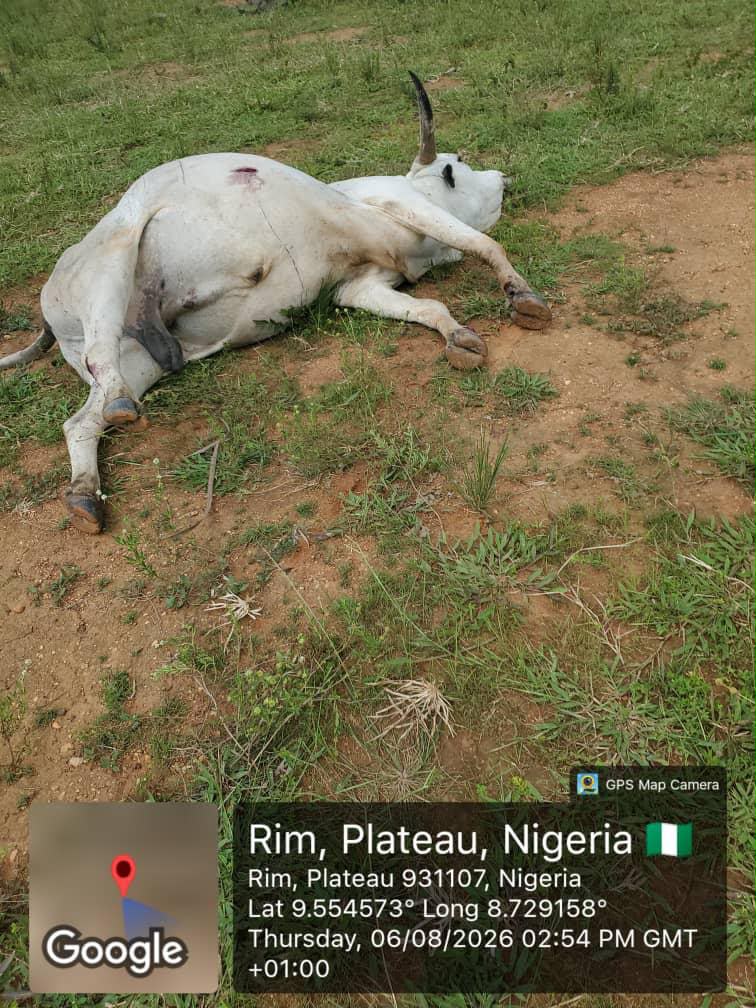
The bodies of the deceased were recovered by the troops, while the injured herders were evacuated to the Jos University Teaching Hospital (JUTH) for medical treatment.
Security sources said troops have intensified efforts to identify and apprehend those responsible for the attack.
They added that security personnel have continued to dominate the area to prevent any reprisal attack and maintain law and order as investigations into the incident continue.
Berom Militia Killed four Fulani Harders, shots 25 Cattle in Fresh Attack in Plateau’s Riyom

CP calls on residents to support security agencies in Yobe
By: Yahaya Wakili
Yobe State Commissioner of Police, CP Usman Kanfani JJibrin, PSC, MSPSP, SM. ICM has called on residents of Yobe State to continue supporting security agencies by providing timely, credible, and actionable information.
He said the prevailing peace and security in the state can only be sustained through mutual trust, collaboration, and coordinated efforts among all security agencies.
CP Usman Kanfani Jibrin revealed this while receiving the newly posted state commandant of the Nigeria Security and Civil Defence Corps (NSCDC), CC Hassan Owuna, at his office.
He maintained that the command’s unwavering commitment to fostering stronger inter-agency collaboration through intelligence-led policing, joint security building, and other coordinated strategies aimed at preventing and combating crime, protecting critical national assets, and ensuring the safety of lives and property across the state.
Earlier, the NSCDC Yobe State Commandant, CC Hassan Owuna, reaffirmed his commitment to strengthening the existing partnership between the police command and the NSCDC in Yobe State.
He emphasised the need for sustained cooperation, intelligence sharing, and operational synergy among security agencies to effectively address emerging security challenges and enhance public safety.
CC Owuna expressed appreciation for the warm reception accorded to him and his members of his management team.
CP calls on residents to support security agencies in Yobe

Troops Arrests Fulani Youth Leader Over Terror Attack in Kaduna Community

Athena Raises Alarm Over ‘Shrinking Democratic Space’ as EFCC Action, Campaign Fees Trigger Electoral Concerns

Berom Militia Killed four Fulani Harders, shots 25 Cattle in Fresh Attack in Plateau’s Riyom

Roger Federer’s Shock as DNA Results Reveal Myla and Charlene Are Not His Biological Children

THE PLIGHT OF FARIDA

FAILED COUP IN BURKINA FASO: HOW TRAORÉ NARROWLY ESCAPED ASSASSINATION PLOT AMID FOREIGN INTERFERENCE CLAIMS
-
 News2 years ago
Roger Federer’s Shock as DNA Results Reveal Myla and Charlene Are Not His Biological Children
-
Opinions4 years ago
THE PLIGHT OF FARIDA
-
 News1 year ago
FAILED COUP IN BURKINA FASO: HOW TRAORÉ NARROWLY ESCAPED ASSASSINATION PLOT AMID FOREIGN INTERFERENCE CLAIMS
-

 News2 years ago
EYN: Rev. Billi, Distortion of History, and The Living Tamarind Tree
-
 Opinions5 years ago
POLICE CHARGE ROOMS, A MINTING PRESS
-

 ACADEMICS2 years ago
A History of Biu” (2015) and The Lingering Bura-Pabir Question (1)
-

 Columns2 years ago
Army University Biu: There is certain interest, but certainly not from Borno.
-

 Politics1 year ago
2027: Why Hon. Midala Balami Must Go, as Youths in Hawul and Asikira/Uba Federal Constituency Reject ₦500,000 as Sallah Gift
