
News
Cross-Border Crimes: Experts Urge Stronger Control, Community Trust-Building in Northern Nigeria

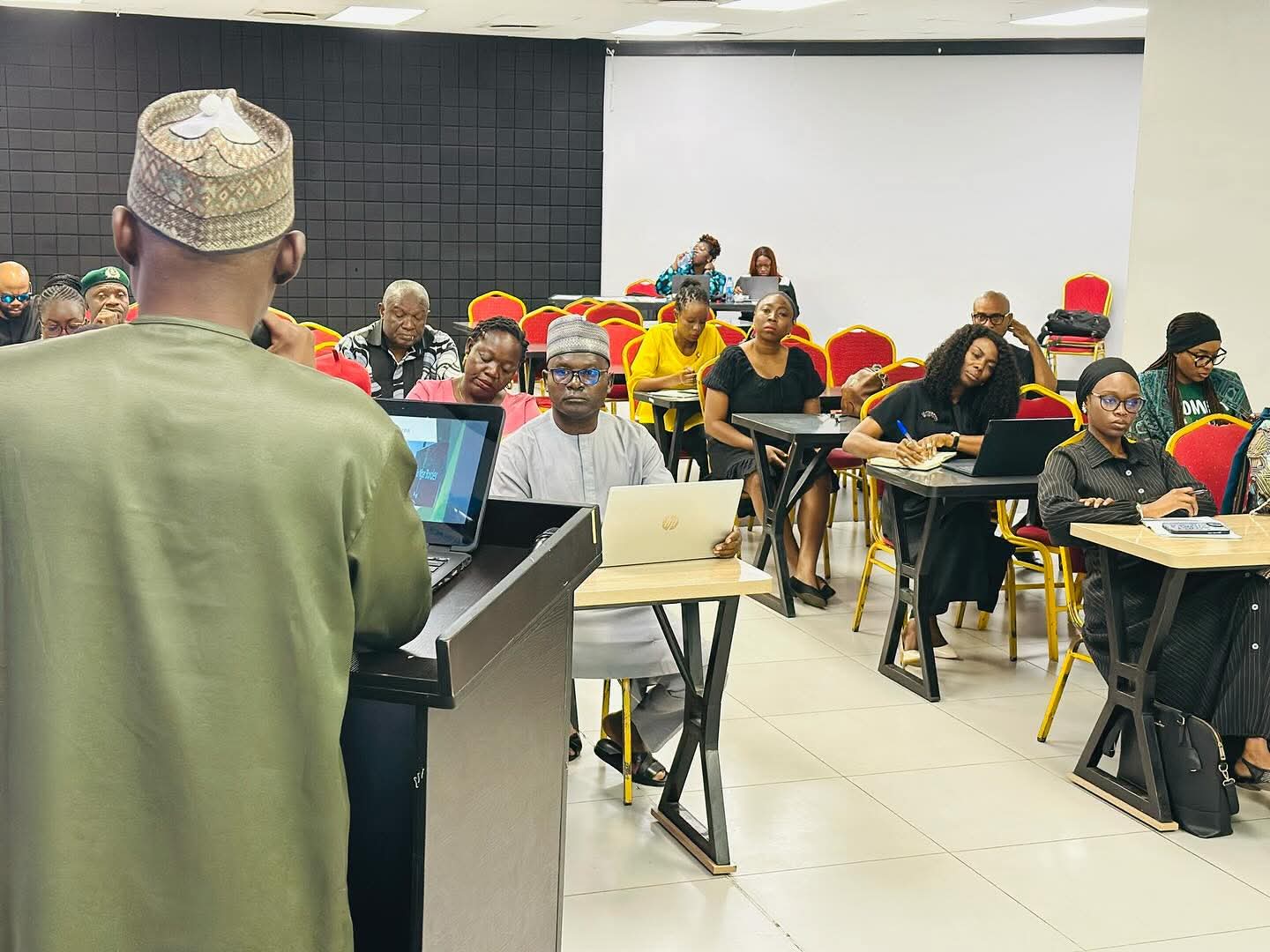
Cross-Border Crimes: Experts Urge Stronger Control, Community Trust-Building in Northern Nigeria
By: Michael Mike
As insecurity continues to escalate across the Sokoto–Zamfara–Katsina axis, security experts and stakeholders have called for urgent measures to strengthen border control, enhance government commitment, and deepen collaboration among civil society organisations (CSOs), security agencies, and local communities in tackling cross-border crimes.
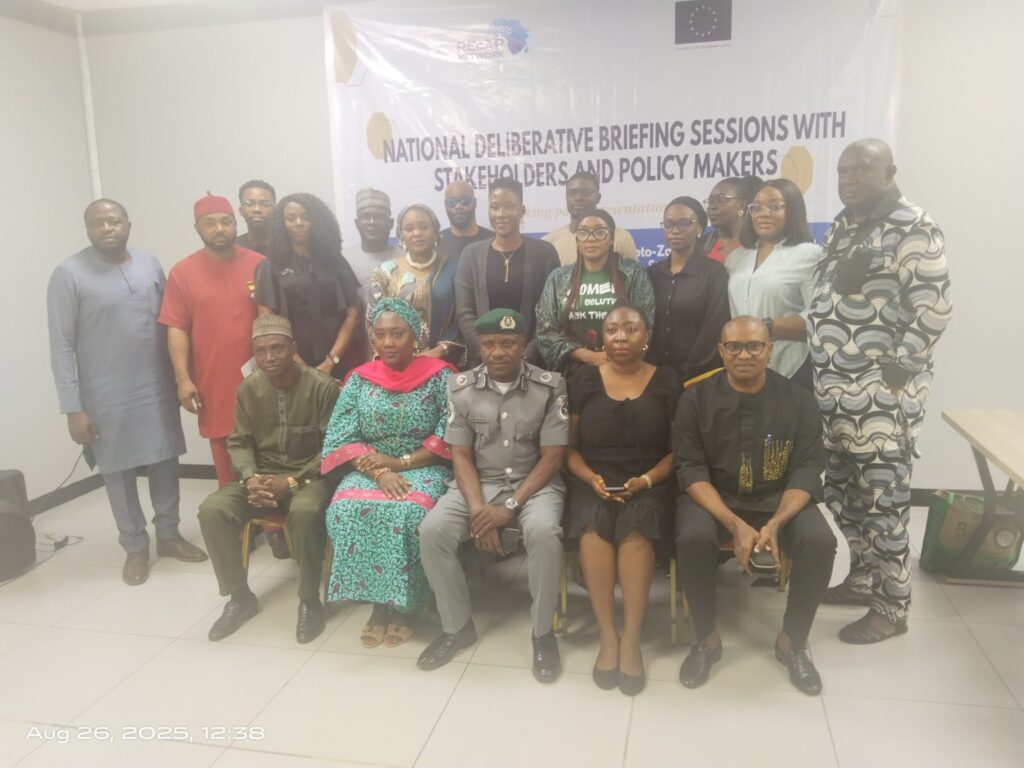
The call was made on Tuesday during a national deliberative session organised by the West Africa Network for Peacebuilding (WANEP) and the Research and Action for Peace (REcAP) Project, in collaboration with the Danish Refugee Council (DRC) and the Stockholm International Peace Research Institute (SIPRI), with funding support from the European Union. The theme of the session was: “Curbing Cross-Border Crimes in the Sokoto–Zamfara–Katsina Axis of the Nigeria–Niger Borderlands through Strengthened Stakeholders’ Partnership and Collaboration.”
Speaking at the session, Francis Onyekwue, National Coordinator of the Trauma Awareness and Resilience Initiative, identified the legacy of colonial border demarcations as a significant root cause of persistent security challenges in the region.
“The borders were drawn by colonial masters without regard for ethnic and linguistic realities. For example, Hausa is spoken across both sides of the Nigeria–Niger border, yet porous borders have facilitated arms smuggling, especially from the Sahel region and the Libyan crisis,” he said.
Onyekwue urged the government to move beyond symbolic border posts and adopt technology-driven surveillance and effective patrol systems. He also stressed the role of climate change in aggravating insecurity, noting that shrinking grazing land has pushed pastoralists into new territories and intensified clashes over resources.
“Countries like Libya and Burkina Faso have invested in greening dry lands to reduce migration pressures. What stops Nigeria from doing the same in the North?” he queried.
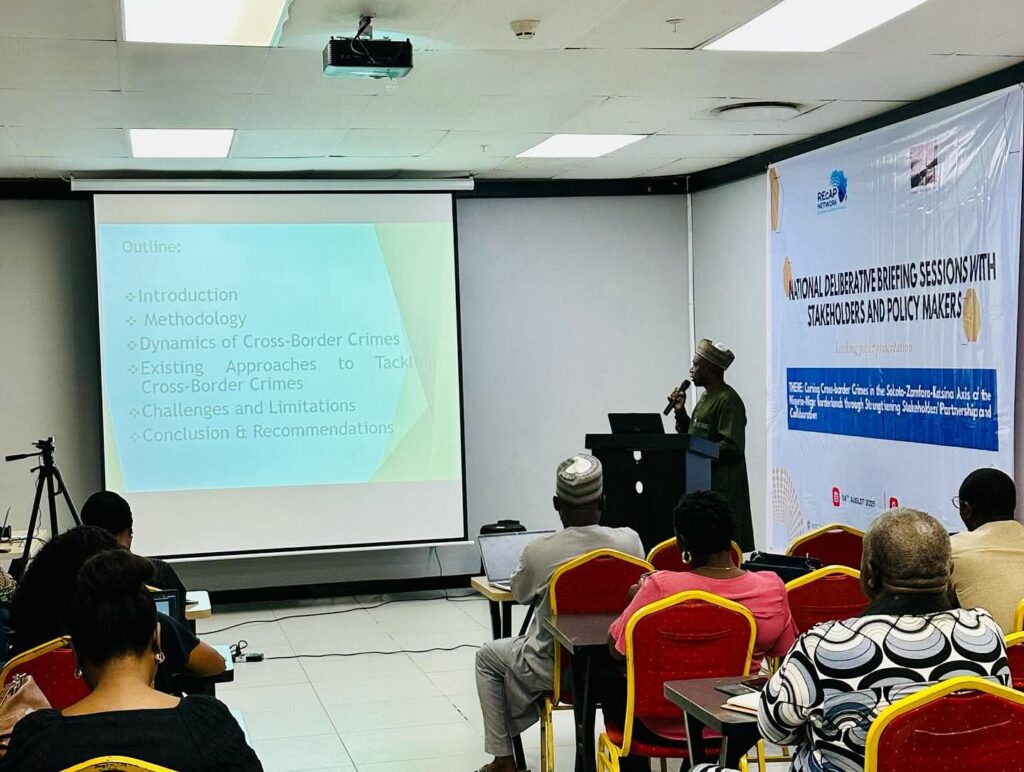
Presenting a working paper titled “Calculating Cross-Border Crimes in the So-Called Borders and the Axes of the Nigeria–Niger Border through Strengthened Stakeholders’ Partnership and Collaboration,” Dr. Abubakar Suma’ila of Usman Danfodiyo University traced the historical importance of the Sokoto–Zamfara–Katsina axis as a pre-colonial hub linking Sahel trade and culture. He noted that while colonial-era partition weakened these systems, post-colonial states have failed to sustain effective border management.
According to him, cross-border crimes have evolved significantly: “Armed groups now target civilians more than government forces, with criminal networks linked to arms smuggling and banditry spreading across communities. The ethnicization of this conflict is a dangerous myth. Evidence shows that many criminal actors operate irrespective of ethnic lines.”
Suma’ila called for coordinated intelligence-sharing, robust community engagement, and multi-stakeholder partnerships to address the complexity of emerging threats.
Also speaking, Kumah L.J., Assistant Comptroller of Customs, emphasised building trust with border communities as a critical step toward improving security.
“Cross-border insecurity is a national issue and cannot be solved overnight. Security personnel must work closely with local communities to gather frontline intelligence beyond surface-level information. Agencies must collaborate and share intelligence for effective operations,” he stated.
Manji Mangrock, Programme Manager at WANEP Abuja, highlighted the complementary role of CSOs in peacebuilding and security.
“Our work focuses on peace education, good governance, and conflict documentation. CSOs provide raw data and advocacy support to security agencies. What is needed now is a stronger partnership and coordination to avoid duplication of efforts and maximise impact.”
Similarly, Jennifer Alaeda, Principal Relief Officer at the National Emergency Management Agency (NEMA), underscored the importance of youth inclusion in countering insecurity. She called for education, advocacy, and mentorship programs to break the cycle of violence while urging research institutions to share challenges and lessons to strengthen collective responses.
Cross-Border Crimes: Experts Urge Stronger Control, Community Trust-Building in Northern Nigeria


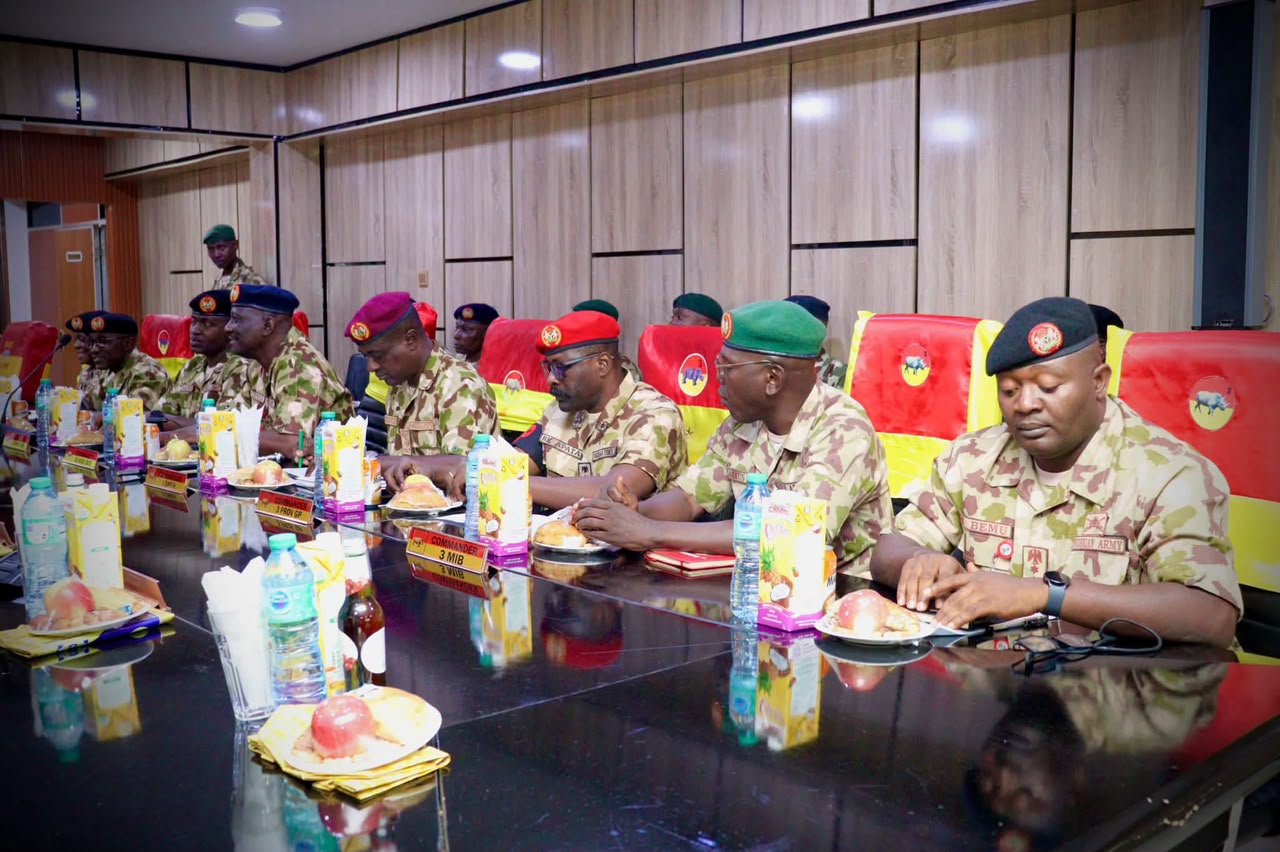
COAS charges Plateau troops to sustain security gains, strengthen peace efforts
By: Zagazola Makama
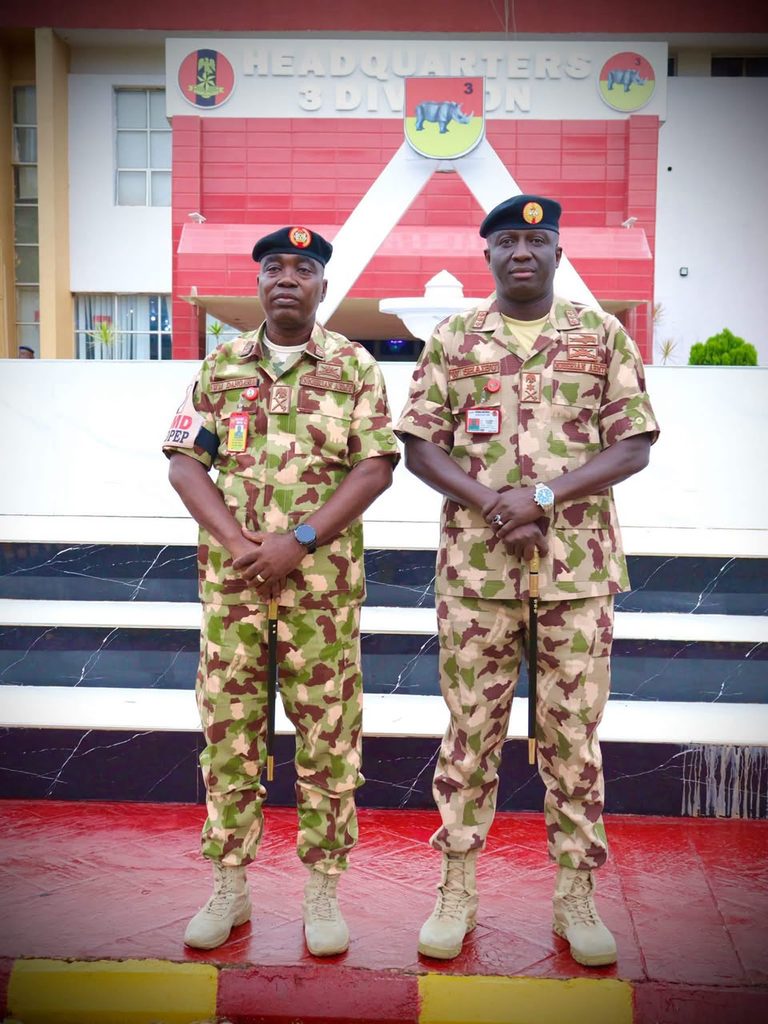
Chief of Army Staff (COAS), Lt. Gen. Waidi Shaibu, has charged troops of the 3 Division Nigerian Army and Operation ENDURING PEACE (OPEP) to sustain pressure on criminal elements and strengthen efforts to consolidate peace and stability in Plateau State.
Shaibu gave the charge on Monday, Sept. 14, 2026, during an operational visit to the headquarters of 3 Division and OPEP, where he reviewed the security situation, ongoing operations and measures to protect vulnerable communities.
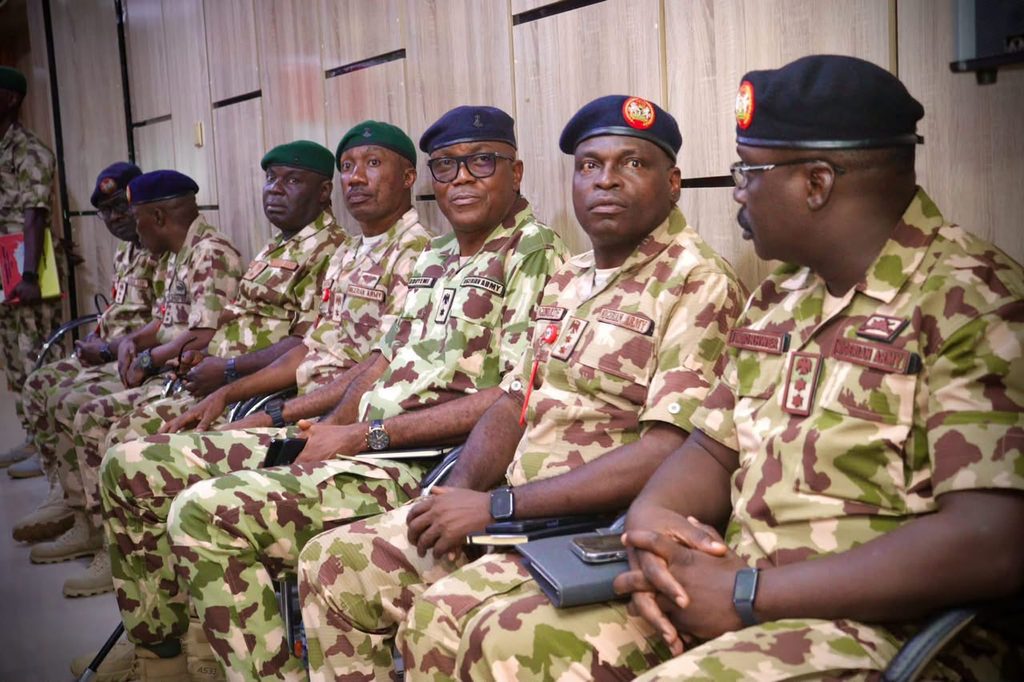
During the visit, the COAS inspected the ongoing construction of the Nigerian Army Remotely Piloted Aircraft System (RPAS) Control Station, a facility expected to boost the Army’s Intelligence, Surveillance and Reconnaissance (ISR) capabilities when completed.
The system is also expected to provide commanders with improved real-time situational awareness and timely intelligence to support operational decision-making.
The General Officer Commanding 3 Division and Commander OPEP, Maj. Gen. Maxwell Dangana, briefed the COAS on security developments within the Division’s area of responsibility, including ongoing operations and engagements with stakeholders aimed at preventing violence and sustaining peace.
Shaibu commended the troops for their courage, professionalism and commitment to duty, urging them to remain vigilant and disciplined while maintaining close cooperation with other security agencies, traditional institutions and community leaders.
He stressed that military operations must be complemented by dialogue, reconciliation and other peace-building initiatives to prevent criminal elements from undermining the gains recorded in the state.
The COAS directed the troops to respond decisively to security threats while maintaining professionalism and respect for the rights of law-abiding citizens.
He assured the personnel of continued support from the Nigerian Army and reaffirmed the military’s commitment to protecting lives and property and creating an environment where communities can live and pursue their legitimate livelihoods without fear.
Shaibu also called on residents to provide timely and credible information to security agencies, stressing that sustainable peace in Plateau requires collective responsibility among security forces, government authorities, traditional institutions, community leaders and citizens.
COAS charges Plateau troops to sustain security gains, strengthen peace efforts

NiDCOM Boss Honours Nigerians Killed in 9/11 Attacks
By: Michael Mike
The Chairman/CEO of the Nigerians in Diaspora Commission (NiDCOM), Hon. Abike Dabiri-Erewa, has paid tribute to Nigerians and persons of Nigerian origin who lost their lives in the September 11, 2001 terrorist attacks in the United States, saying their names and stories must not be erased by time.
Dabiri-Erewa, in a statement marking the 25th anniversary of the tragedy signed by the Director of Media, Public Relations and Protocols, NiDCOM. Abdur-Rahman Balogun, remembered Godwin O. Ajala, Ignatius Udo Adanga, Olabisi Shadie Layeni-Yee, Sadie Ini Ette and Ayodeji Awe among those whose lives were cut short in the attacks that claimed thousands of lives and altered the course of global history.
She said the passage of a quarter of a century had not diminished the pain of losing loved ones, stressing that behind the statistics associated with September 11 were individuals with families, careers, aspirations and dreams.
“ We remember them. We remember their families. We remember the lives they lived and the dreams they carried. Twenty-five years later, they are not forgotten. Their names remain, and their stories must continue to be told,” she said.
The NiDCOM boss extended her thoughts and prayers to the families and loved ones of the victims, noting that remembrance was particularly important for younger generations who did not witness the tragedy.
She said the Nigerian victims represented the far-reaching presence of Nigerians across the world and the enduring connections they had built in the communities where they lived, worked and contributed.
According to her, the anniversary should not only serve as a painful reminder of lives lost but also as an opportunity to celebrate the lives the victims lived and the legacies they left behind.
Dabiri-Erewa reaffirmed NiDCOM’s commitment to recognising and honouring the lives, contributions and experiences of Nigerians in the diaspora, stressing that every Nigerian life mattered, regardless of where the individual lived in the world.
She prayed for the peaceful rest of the victims and for strength, comfort and healing for their families and loved ones who continue to bear the pain of their loss.
NiDCOM Boss Honours Nigerians Killed in 9/11 Attacks
NHRC Raises Alarm Over Insecurity, Hate Speech Ahead of 2027 Polls
…Commission records 297,943 complaints in August, demands probe into Benue, Niger killings
By: Michael Mike
The National Human Rights Commission (NHRC) has raised concerns over the worsening human rights implications of insecurity, hate speech and political violence ahead of the 2027 general elections, warning that failure to address the emerging threats could undermine Nigerians’ fundamental rights.
The Commission said it received 297,943 complaints nationwide in August 2026, describing the figure, alongside intelligence from its Human Rights Observatory, as an important indicator of the country’s human rights situation.
The Executive Secretary of the NHRC, Dr Tony Ojukwu disclosed this on Monday while presenting the Commission’s August 2026 Human Rights Situation Dashboard.
Ojukwu said insecurity remained a dominant feature of the human rights landscape during the month, with renewed attacks on rural communities in Benue and Niger States despite ongoing security operations.
He called for comprehensive and transparent investigations into the killings and urged the authorities to ensure that those responsible were prosecuted without further delay.
“Rescue must be followed by appropriate medical, psychosocial, family-reunification and other forms of support necessary for the recovery and reintegration of survivors,” he said.
The Executive Secretary, however, pointed to several successful security interventions during the month as evidence of what could be achieved through effective intelligence gathering and inter-agency collaboration.
He cited the rescue on August 5 of 308 Nigerians abducted in Niger and Kwara States in a coordinated, intelligence-led operation.
According to him, security agencies also secured the release of several people held captive in Benue State, while 15 National Youth Service Corps (NYSC) members abducted in Kogi State while travelling from Abuja after their passing-out ceremony in Bayelsa State were also rescued.
Ojukwu commended the agencies involved in the operations but stressed that such coordinated responses should become routine rather than exceptional.
“These outcomes demonstrate what can be achieved when intelligence, political will and inter-agency coordination come together. It is a standard the Commission expects to see consistently, not occasionally,” he said.
Beyond physical insecurity, the NHRC expressed concern over the rise in inflammatory rhetoric and political violence involving political and religious actors as the country moves towards the 2027 elections.
The Commission said it had condemned statements attributed to Sheikh Sani Jingir and Senator Francis Fadahunsi, describing them as hate speech and incitement to violence respectively, and had called for their investigation and prosecution.
Ojukwu warned that the coming election season required heightened vigilance because political participation was inseparable from a broad range of fundamental rights.
He said the rights to association, peaceful assembly, freedom of expression and movement, as well as the rights to life and dignity, were all closely connected to the integrity of the electoral process.
“As we begin the campaigns for the 2027 General Elections, the NHRC will remain vigilant to ensure that political actors play by the rules,” he said.
The Commission also waded into the controversy surrounding the Foreign Aid Bill before the National Assembly, acknowledging the government’s interest in ensuring transparency and accountability while drawing attention to concerns raised by civil society organisations, the media and international partners.
Ojukwu said the NHRC was particularly concerned about any possible impact of the proposed legislation on civic space and the independence of organisations engaged in human rights work.
He urged the National Assembly to engage stakeholders on concerns relating to freedom of association, freedom of expression and the operational independence of civil society organisations.
“The Commission will continue to monitor the legislative process from a human rights perspective and, where necessary, make appropriate interventions within its mandate,” he said.
The NHRC Executive Secretary stressed that the Commission’s responsibility extended beyond responding to violations after they had occurred, insisting that prevention remained a central component of its mandate.
He said the monthly dashboard and the Commission’s Human Rights Observatory were designed to provide early warning, identify emerging threats, support investigations and referrals, and ensure that evidence gathered from across the country translated into concrete action.
Ojukwu cautioned against treating the 297,943 complaints recorded in August as mere statistics, saying each figure represented a human rights concern requiring appropriate institutional attention.
“The figures before us today should therefore not be understood merely as statistics. Our responsibility is to ensure that the data we collect informs action whether through investigation, referral, policy engagement, early warning or accountability,” he said.
He also acknowledged the contributions of development partners, civil society organisations and the media to the Commission’s work, noting that their support had strengthened systems for documenting rights violations and turning evidence into action.
The NHRC said it would continue to monitor developments across the country, particularly as Nigeria approaches the 2027 electoral cycle, while pressing for accountability for violations and recognising instances in which state institutions had responded effectively to threats to citizens’ rights.
NHRC Raises Alarm Over Insecurity, Hate Speech Ahead of 2027 Polls

COAS charges Plateau troops to sustain security gains, strengthen peace efforts

NiDCOM Boss Honours Nigerians Killed in 9/11 Attacks

NHRC Raises Alarm Over Insecurity, Hate Speech Ahead of 2027 Polls

Roger Federer’s Shock as DNA Results Reveal Myla and Charlene Are Not His Biological Children

THE PLIGHT OF FARIDA

FAILED COUP IN BURKINA FASO: HOW TRAORÉ NARROWLY ESCAPED ASSASSINATION PLOT AMID FOREIGN INTERFERENCE CLAIMS
-
 News3 years ago
Roger Federer’s Shock as DNA Results Reveal Myla and Charlene Are Not His Biological Children
-
Opinions5 years ago
THE PLIGHT OF FARIDA
-
 News1 year ago
FAILED COUP IN BURKINA FASO: HOW TRAORÉ NARROWLY ESCAPED ASSASSINATION PLOT AMID FOREIGN INTERFERENCE CLAIMS
-

 News2 years ago
EYN: Rev. Billi, Distortion of History, and The Living Tamarind Tree
-
 Opinions5 years ago
POLICE CHARGE ROOMS, A MINTING PRESS
-

 ACADEMICS3 years ago
A History of Biu” (2015) and The Lingering Bura-Pabir Question (1)
-

 Columns3 years ago
Army University Biu: There is certain interest, but certainly not from Borno.
-

 Politics1 year ago
2027: Why Hon. Midala Balami Must Go, as Youths in Hawul and Asikira/Uba Federal Constituency Reject ₦500,000 as Sallah Gift
