
News
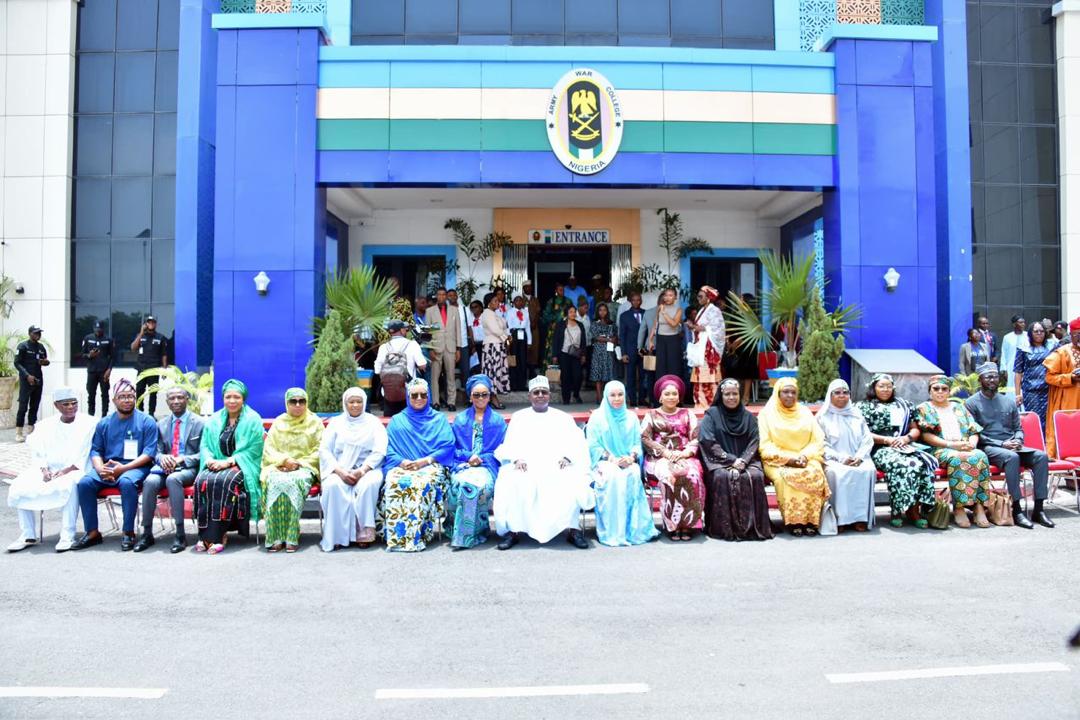
Drug war: First Lady, UNODC, Marwa Charge States on Community-based Interventions

Drug war: First Lady, UNODC, Marwa Charge States on Community-based Interventions
State governments have been charged to embrace and entrench community-based interventions that will curb the impact of the scourge of substance abuse and illicit drug trafficking at the grassroots in line with the National Drug Control Master Plan (NDCMP).
The charge was the highpoint of remarks by the First Lady, Senator Oluremi Tinubu; Chairman/Chief Executive Officer of the National Drug Law Enforcement Agency, (NDLEA), Brig. Gen. Buba Marwa (Rtd), Country Representative of the United Nations Office on Drugs and Crime (UNODC), Cheikh Toure as well as ECOWAS representative, Dr. Daniel Amankwaah at a training workshop organized by NDLEA for the Nigeria Governors Spouses’ Forum in Abuja on Tuesday.
The First Lady, in her keynote address to the gathering, commended the NDLEA, and NGSF for the initiative aimed at advancing drug control efforts to the grassroots across the country. She specifically commended Marwa and his team “for courageously confronting the fight against illicit drug abuse and trafficking in the country.”
Senator Tinubu, who was represented by wife of the Deputy Senate President, Hajiya Laila Jibrin Barau said: “This training cannot be coming at any better time than now when statistics and daily life experiences are revealing that drugs have infiltrated every nook and cranny of our communities. As a nation, we are confronted with a growing crisis, one that affects the very core of our society, the health, safety, and future of our children.
“The rising tide of drug and substance abuse amongst adolescents is a challenge that we must no longer ignore or tackle in isolation. It requires concerted efforts, community-driven response, one that integrates enforcement, education, family support, and sustained intervention. Our presence at this training testifies to the collective resolve we display in ensuring that we strengthen, secure, and safeguard families and communities.
“Today’s training will ensure that we are adequately armed with the right knowledge, tools, skills, and competencies necessary to effectively tackle this complex issue. It is my hope that this capacity-building workshop, through honest discussions and sharing of best practices, will provide valuable insights into evidence-based strategies for prevention, early intervention, and holistic treatment approaches, especially targeting marginalized and vulnerable communities.
“I urge us to utilize the knowledge gathered at this training to develop viable solutions while collaborating with relevant stakeholders, especially the National Drug Law Enforcement Agency, other law enforcement agencies, MDAs, civil society organizations, healthcare providers, educators, and community leaders.
“Let us always bear in mind that as state First Ladies, you owe our people the duty to lead by example, to bear their burden, and share in their pain as we jointly confront drug abuse in our society. I urge us to continue to provide the right direction through prevention initiatives, advocating for those whose voices have been silenced by addiction, providing community interventions to support recovery and reintegrate people into communities after treatment.
“Let us approach the formidable task ahead with humility, doggedness, and commitment to enable us to build communities where our children are protected from harm and empowered to thrive. Together, we can change the narrative, restore dignity to our communities, and ensure a healthier, safer future for all Nigerians.”
In his welcome address, Marwa noted that the drug scourge obstructs progress and dims prospects in an already beleaguered world. “Regrettably, Nigeria is not immune to this scourge, which steadily infiltrates every stratum of our society. Statistics, academic research, and lived experiences alike reveal a grim reality about illicit drug use and consequences in the country. The magnitude and impact of the drug crisis render the attainment of our national aspiration—improving the health and security of all who dwell within our borders, as enshrined in the National Drug Control Master Plan 2021–2025—a daunting yet inevitable task for any government and people worthy of the name.”
He also said it is imperative for all stakeholders at the workshop to adopt urgent, holistic, and inclusive strategies to dismantle the drug menace. According to him, “Over the past four years, the NDLEA has pursued this mission with renewed and unwavering zeal, ensuring that Nigeria’s hard-won global and regional drug control successes are not merely preserved but expanded.
“Permit me to inform this distinguished gathering that over the four years, the NDLEA has deployed substantial resources towards a comprehensive assault on the drug problem, yielding significant outcomes. Under the drug supply reduction mandate—encompassing drug seizures, arrests, prosecutions, and convictions—we recorded the arrest of 62,595 drug suspects (Including 68 drug barons), the seizure of 10,317,137.55 kilograms of assorted drugs, and secured the conviction of 11,628 offenders. Furthermore, 1,330.56553 hectares of cannabis farms were identified and destroyed.
“To ensure a balanced approach in accordance with international best practices, equal emphasis has been placed on drug demand reduction. Between January 2021 and March 2025, a total of 24,375 drug users received counselling and treatment at NDLEA facilities, primarily through brief interventions. Concurrently, 10,501 drug sensitisation programmes were conducted nationwide under the auspices of the War Against Drug Abuse (WADA) social advocacy campaign, reaching diverse target groups within communities. In parallel, a remarkable 3, 843, 789 participants were mobilized to partake in these enlightenment initiatives undertaken across the nation.”
He charged the stakeholders not to surrender to despair over the menace of drug abuse. “As patriots and vanguards of our nation’s well-being, it falls on us to strengthen our resolve, to move with deliberate speed towards practical and lasting resolutions that will, God willing, break the vicious cycle of drug abuse. This capacity building event represents a stride, small though it may seem, in the proper direction.
“Since it is at the community level that the burden of the drug menace is most acutely felt, it is vital that stakeholders, including all of us gathered here today, address the different dimensions of the problem from a community-centred perspective. This gathering must strive for common ground, developing indigenous and pragmatic solutions that go beyond mere statistics and harrowing headlines, addressing instead the real and harrowing human toll of drug abuse.”
He also expressed confidence that the training will strengthen capacities, harness community resources, and unlock the potential needed to formulate and implement evidence-based interventions that will salvage and rejuvenate every segment of beleaguered communities. “Let us, as frontliners, ever remember: the cost of inaction is infinitely higher than the cost of collective action. Your Excellencies, your roles as mothers, changemakers, and drivers of the State Drug Control Committees (SDCC) place upon you a sacred trust—a responsibility not to be borne lightly. Through your ingenuity, your states may yet emerge as shining examples, immortalised in gold as bastions of hope that defied the tides of darkness.
“The SDCCs remain a potent platform for fostering multisectoral collaboration in the crucial task of drug demand reduction at the state level. I must fervently implore you to ensure the establishment, strengthening, and revitalisation of these Committees across your respective states. Let us always remember that the value of these training events lies not in the richness of their content alone, but in the continued motion and effectiveness of the SDCCs—moving resolutely towards our collective aspiration of a drug-free, resilient Nigeria”, he added.
Also speaking at the workshop, UNODC Country Rep Cheikh Toure stated that “If the root of this crisis lies in our neighborhoods, schools, and homes, then the solution must too. The National Drug Control Master Plan and the WADA initiative remind us of that national framework alone cannot heal fractured communities. Lasting change begins when states and local governments own this fight.”
He reminded the first ladies that their influence transcends politics, adding that “you are the custodian of trust in your states. When you speak, community listens. When you act, local governments follow. Today, I urge us to channel this unique power into three pillars of action. Number one, state-led resource mobilization. Every state must prioritize dedicated budget for prevention and treatment. This means establishing a state-specific drug control task force to align with NDLEA’s national efforts, allocating local government funds to build community drop-in centres, safe space for counseling, and care within walking distance of those in need.”
The UNODC chief stated further that states must adopt evidence-based programmes to their cultural contexts, and decentralize treatment access. The head of ECOWAS Drug Prevention and Control Division, Dr. Daniel Amankwaah spoke in same light in his goodwill message, urging state governments to invest in prevention and treatment efforts at the state and community-levels.
Experts who served as resource persons during the technical session of the workshop include: Dr. Martins Agwogie, Prof. Akintunde Oyedokun, Dr. Akanidomo Ibanga, Dr. Kunle Adeshina, Dr. Abubakar Salami, Dr. Kunle Adeshina and Dr. Ngozi Madubuike.
Drug war: First Lady, UNODC, Marwa Charge States on Community-based Interventions


Nigerian Children in Crisis ‘Fiscally Invisible’ as New Report Exposes Funding Failure
…Study warns millions of children caught in conflict, displacement and hunger are being overlooked in government budgets; journalists launch accountability network to push for reforms
By: Michael Mike
Nigeria’s youngest and most vulnerable children are being failed by a financing system that does not even recognise them in public budgets, a new report has warned, raising fresh concerns over the country’s worsening humanitarian and human capital crisis.
The report, Financing Early Childhood Development in Crisis (ECDiC) in Nigeria: From Fiscal Invisibility to Child-Level Results, released in Abuja on Wednesday by the Moving Minds Alliance (MMA) in partnership with Whole Child Advisors, paints a grim picture of how children aged between zero and eight years living in conflict, displacement, climate emergencies and poverty are largely excluded from government financing despite overwhelming evidence that the early years determine a child’s lifelong prospects.
According to the report, Nigeria’s Human Capital Index stands at just 0.36, meaning a child born today is expected to achieve only 36 per cent of his or her productive potential because of poor health, inadequate nutrition and weak learning outcomes.
The findings come at a time when Nigeria continues to grapple with one of Africa’s largest humanitarian emergencies. Insurgency in the North-East, widespread banditry and communal violence across the North-West and North-Central, alongside climate-induced disasters and economic hardship, have displaced millions of people and disrupted access to healthcare, nutrition and education for children.
The report estimates that 4.9 million children require life-saving humanitarian assistance, while 3.6 million people were forcibly displaced in 2025. It also notes that about 31 million Nigerian children are under the age of five, with between 33.8 and 40 per cent suffering from stunting, an indication of chronic malnutrition that permanently affects brain development and future productivity.
It further revealed that severe acute malnutrition cases surged to about 1.8 million children in 2025, representing a 69 per cent increase over previous estimates, while Nigeria’s under-five mortality remains among the highest globally at 105 deaths per 1,000 live births.
Despite these alarming indicators, the report found that Early Childhood Development in Crisis (ECDiC) has no dedicated budget line in either federal or state budgets, effectively rendering vulnerable children “fiscally invisible.”
The analysis identified five major weaknesses responsible for the financing gap: the absence of dedicated budget lines, poor implementation of approved budgets, fragmented funding channels, recurrent expenditure that crowds out essential child services, and an uneven distribution of humanitarian resources heavily concentrated in Borno, Adamawa and Yobe, leaving crisis-hit communities in the North-West and North-Central with inadequate support.
The report noted that less than five per cent of education spending benefits early childhood or emergency learning programmes.
It concluded that the existing financing framework prioritises institutions rather than children’s actual needs.
“The system is built to fund structures, not children,” the report stated, warning that Nigeria cannot realise its human capital ambitions without creating a financing architecture capable of delivering predictable resources directly to frontline services supporting young children in emergencies.
To reverse the trend, the report recommended seven urgent reforms, including establishing a federal policy framework for Early Childhood Development in Crisis, introducing dedicated budget tags across federal and state budgets, protecting releases of funds, simplifying financing channels, expanding results-based financing tied to measurable child outcomes, redistributing resources according to vulnerability rather than geography, and creating a blended investment mechanism involving government, humanitarian agencies and philanthropic organisations.
Speaking at the launch, the Nigeria Early Childhood Development in Crisis Coalition Coordinator, Arome Agenyi, stressed that the future of millions of Nigerian children depends on decisions taken today.
He said: “Behind every successful adult is an early childhood story. The question is not whether children are developing; they are. The question is whether they are developing to their full potential. In this regard, the stories journalists choose to tell today can shape the policies, investments, and public actions that determine the future of millions of Nigerian children, especially those in crisis contexts across Nigeria.”
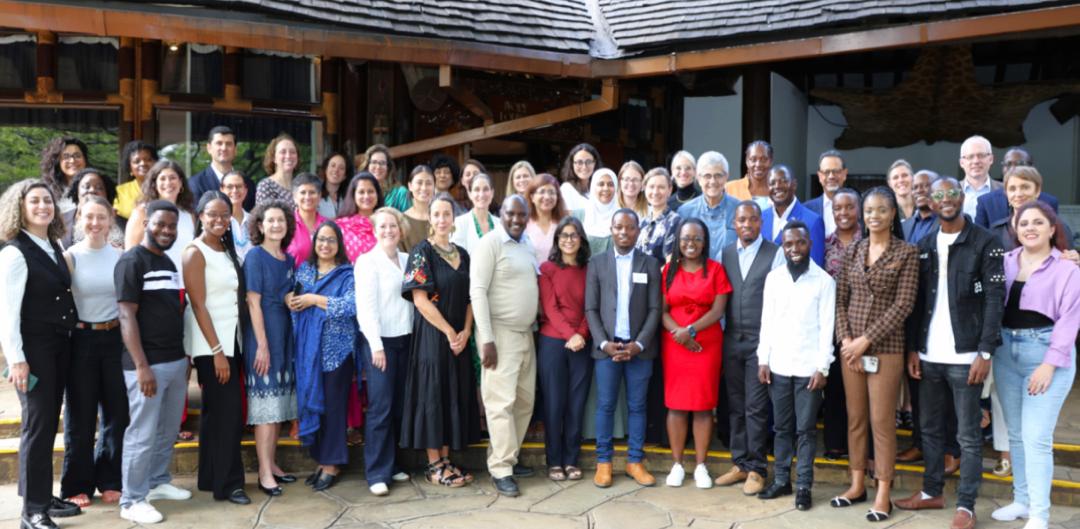
As part of efforts to sustain public attention on the issue, the Moving Minds Alliance also inaugurated the Nigerian chapter of the Reporters for Early Childhood in Humanitarian Crisis (REACH) Network, bringing together journalists committed to evidence-based reporting on children affected by humanitarian emergencies.
Global Co-Chair of the REACH Network, Mojeed Alabi, said children who are invisible in government budgets often become invisible in politics and public discourse.
“When children living through conflict, displacement, climate shocks and economic hardship become fiscally invisible, they also risk becoming politically invisible,” Alabi said.
“The launch of the REACH Network in Nigeria is a commitment by journalists to change that narrative. Through sustained, evidence-based reporting, we will amplify the voices of the youngest and most vulnerable children, hold leaders accountable for their commitments, and ensure that early childhood development remains at the heart of public policy and national development.”
Also speaking, Interim Director and Co-Chair of the Moving Minds Alliance, Dr. Katie Murphy, described the report as the clearest roadmap yet for reforming child financing in Nigeria.
“This new report gives us something we haven’t had before: a clear picture of where Nigeria’s investment in its youngest children in crisis is falling short, and exactly what it will take to close that gap,” she said.
Murphy added that the planned Act for Early Years Financing Summit in 2027 would seek commitments from governments, donors and development partners to move from fragmented financing to a system that delivers resources directly to children.
The coalition hopes that by 2028, both federal and state governments will have introduced dedicated ECDiC budget tags, released at least 70 per cent of allocated funds annually, and achieved measurable improvements in child development outcomes across local government areas.
For child development advocates, the report is more than a financial audit; it is a warning that unless Nigeria changes how it invests in children during their earliest years, particularly those growing up amid conflict and displacement, the country risks entrenching poverty, inequality and lost human potential for generations.
Nigerian Children in Crisis ‘Fiscally Invisible’ as New Report Exposes Funding Failure
Military
Establishment of Army Depot in South-East Reflects FG’s Commitment to National Unity, Security and inclusiveness– COAS
Establishment of Army Depot in South-East Reflects FG’s Commitment to National Unity, Security and inclusiveness– COAS
By Zagazola Makama
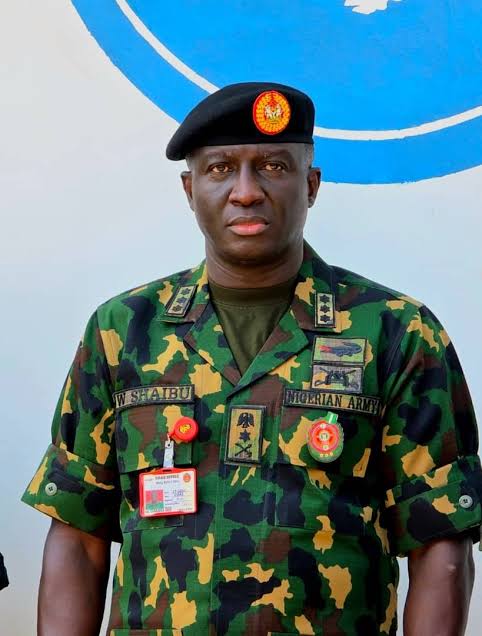
The Chief of Army Staff (COAS), Lt.-Gen. Waidi Shaibu, has said that the establishment of the Depot Nigerian Army in Amasiri-Edda, in Ebonyi State is a clear demonstration of the Federal Government’s commitment to national security, inclusiveness, national integration and balanced development across the country.
Shaibu made the remarks while addressing dignitaries during activities marking the inauguration of the newly established military training institution in Abakaliki, Ebonyi State.
According to the Army Chief, the depot, which is the first primary recruit training institution of the Nigerian Army in the South-East geopolitical zone, represents a strategic investment by President Bola Ahmed Tinubu’s administration in strengthening national security and promoting equitable distribution of critical national institutions.
“The establishment of this depot reflects the Federal Government’s commitment to national security, inclusiveness, national integration and balanced development,” Shaibu said.
He described the inauguration of the facility as a landmark achievement in the ongoing transformation of the Nigerian Army under President Tinubu, noting that it would significantly enhance the Army’s capacity to train professionally competent and combat-ready soldiers.
The COAS disclosed that the first set of recruits trained at the new depot would graduate the following day, describing the event as a historic milestone not only for the institution but also for the evolution of recruit training within the Nigerian Army.
“Their graduation will not only mark the successful completion of basic military training but will also usher in a new chapter in the evolution of recruit training in the Nigerian Army,” he said.
Shaibu explained that since its establishment, the depot had steadily developed into a modern recruit training institution designed to produce disciplined, professional and capable soldiers in line with the Nigerian Army’s transformation agenda and long-term strategic vision.
He said the facility forms part of the Federal Government’s broader efforts to modernise the Armed Forces and expand military capacity to address Nigeria’s dynamic security environment.
The Army Chief expressed profound appreciation to President Tinubu for approving the establishment of the institution and providing the necessary resources for its successful implementation.
He noted that the new depot would not only improve military training capacity but also strengthen the strategic importance of the South-East within Nigeria’s security architecture.
According to him, locating the institution in Ebonyi State underscores the government’s determination to ensure that all parts of the country benefit from national development initiatives while fostering greater national cohesion.
Shaibu also commended Ebonyi State Governor Francis Nwifuru for his unwavering support towards the establishment and successful take-off of the depot.
He said the state government provided accommodation, logistics and other essential support that contributed significantly to the successful training of the pioneer batch of recruits.
“From facilitating the historic groundbreaking ceremony to providing sustained support for this institution, the governor has demonstrated remarkable patriotism and an enduring commitment to national security,” he said.
The COAS further described the Government and people of Ebonyi State, as well as the entire South-East, as indispensable partners in the establishment and growth of the institution.
He also acknowledged the contributions of traditional rulers, political leaders, religious leaders, community leaders and residents of the state for creating a peaceful and conducive environment for the depot to thrive.
Shaibu reaffirmed the Nigerian Army’s commitment to deepening its partnership with host communities and stakeholders, stressing that sustained collaboration between the military and the people remains critical to enhancing national security and maintaining lasting peace.
According to him, the state’s sustained support demonstrates a strong commitment to national security, peace and development.
The Army Chief further commended traditional rulers, community leaders, members of the State Development Committee, political and religious leaders, and other stakeholders for fostering a peaceful environment that enabled the successful establishment of the Depot.
He reaffirmed that the Nigerian Army values its partnership with the state and pledged to continue strengthening collaboration in pursuit of improved security and national development.
The COAS also paid tribute to distinguished retired senior military officers from the region for their contributions to the growth and development of the Nigerian Army.
The establishment of the Depot Nigerian Army in Ebonyi is widely regarded as one of the landmark military infrastructure projects under the Tinubu administration, aimed at expanding recruit training capacity while promoting inclusiveness, national integration and balanced development across Nigeria’s six geopolitical zones.
Establishment of Army Depot in South-East Reflects FG’s Commitment to National Unity, Security and inclusiveness– COAS
Troops, CJTF Arrest Suspected ISWAP Informant Accused of Identifying Kidnap Targets in Borno
By Zagazola Makama
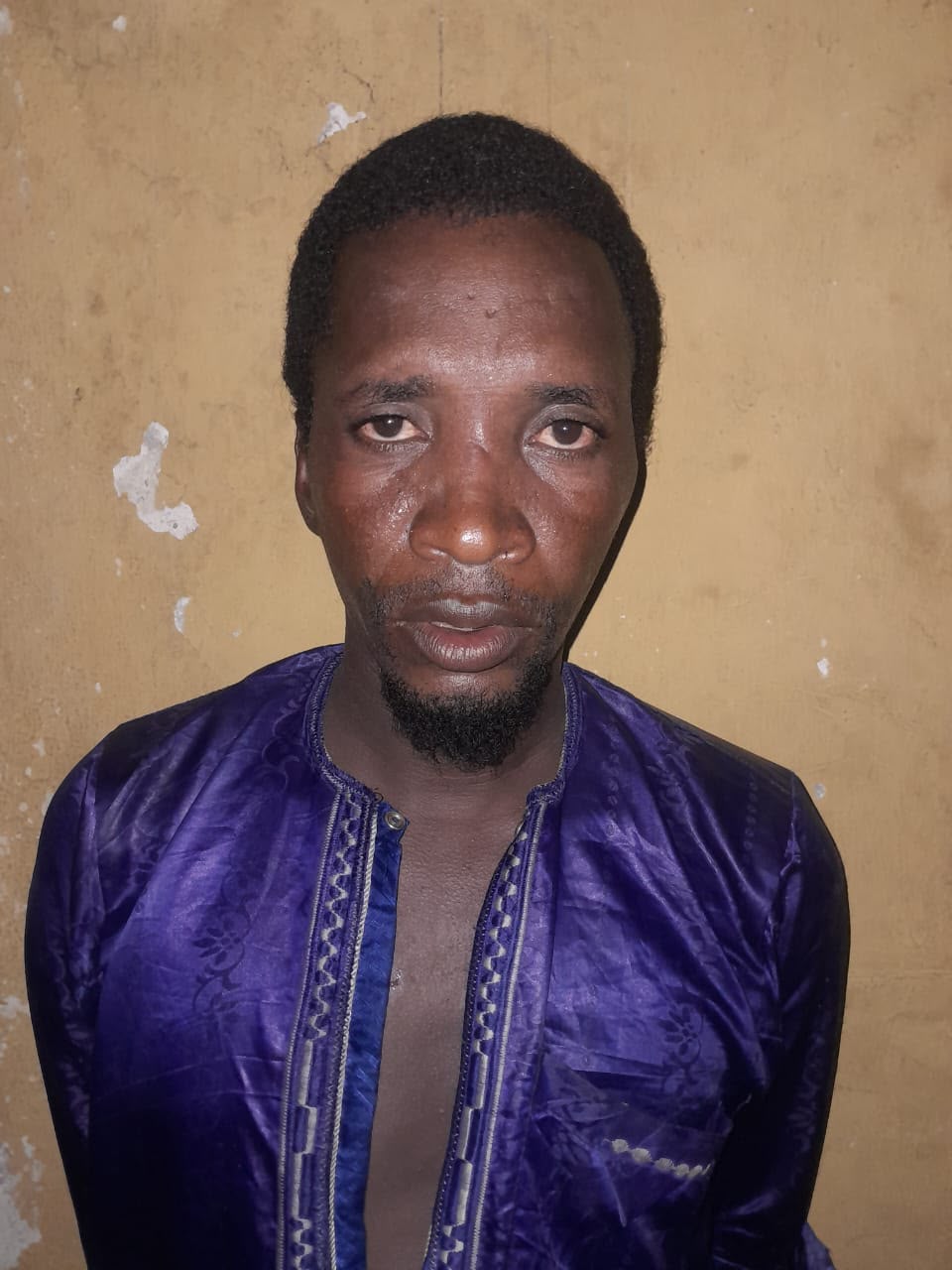
Operatives of the Military Intelligence Brigade (MIB) under Sector 3 of Operation HADIN KAI, working in collaboration with the Civilian Joint Task Force (CJTF), have arrested a suspected Islamic State West Africa Province (ISWAP) informant in Monguno Local Government Area of Borno State.
Intelligence sources told Zagazola Makama that the suspect, identified as Isa Janyu, 30, was tracked and apprehended at about 7:20 p.m. on July 4 during a targeted intelligence-led operation at Kasuwan Shanu in Monguno town.
According to the sources, items recovered from the suspect included a Tecno mobile phone, a knife, a comb, a mirror, and ₦10,000 in cash.
Preliminary investigation revealed that the suspect is a native of Arianna Mai Massallachi Village in Kukawa Local Government Area and allegedly specialised in identifying wealthy residents for ISWAP elements to facilitate kidnapping operations for ransom.
The suspect is currently in the custody of the Headquarters Sector 3 Military Intelligence Brigade for further investigation and other necessary actions.
Military sources said the arrest was part of ongoing intelligence-driven operations aimed at dismantling terrorist support networks and disrupting the activities of informants providing critical information to insurgent groups in the North-East.
They added that although the general security situation across the theatre remains relatively calm, it is still unpredictable, with troops maintaining a high level of operational readiness and sustained offensive pressure against terrorist elements.
Troops, CJTF Arrest Suspected ISWAP Informant Accused of Identifying Kidnap Targets in Borno

Sokoto donates 62 armoured vehicles, 320 motorcycles to security agencies

Troops foil attack on commuters, kill eight terrorists in Katsina

Nigerian Children in Crisis ‘Fiscally Invisible’ as New Report Exposes Funding Failure

Roger Federer’s Shock as DNA Results Reveal Myla and Charlene Are Not His Biological Children

THE PLIGHT OF FARIDA

FAILED COUP IN BURKINA FASO: HOW TRAORÉ NARROWLY ESCAPED ASSASSINATION PLOT AMID FOREIGN INTERFERENCE CLAIMS
-
 News2 years ago
Roger Federer’s Shock as DNA Results Reveal Myla and Charlene Are Not His Biological Children
-
Opinions4 years ago
THE PLIGHT OF FARIDA
-
 News1 year ago
FAILED COUP IN BURKINA FASO: HOW TRAORÉ NARROWLY ESCAPED ASSASSINATION PLOT AMID FOREIGN INTERFERENCE CLAIMS
-

 News2 years ago
EYN: Rev. Billi, Distortion of History, and The Living Tamarind Tree
-
 Opinions5 years ago
POLICE CHARGE ROOMS, A MINTING PRESS
-

 ACADEMICS2 years ago
A History of Biu” (2015) and The Lingering Bura-Pabir Question (1)
-

 Columns2 years ago
Army University Biu: There is certain interest, but certainly not from Borno.
-

 Politics1 year ago
2027: Why Hon. Midala Balami Must Go, as Youths in Hawul and Asikira/Uba Federal Constituency Reject ₦500,000 as Sallah Gift
