
News
Nigerian kidnappers posing as white lovers lure, abduct Ghanaian women in Port Harcourt

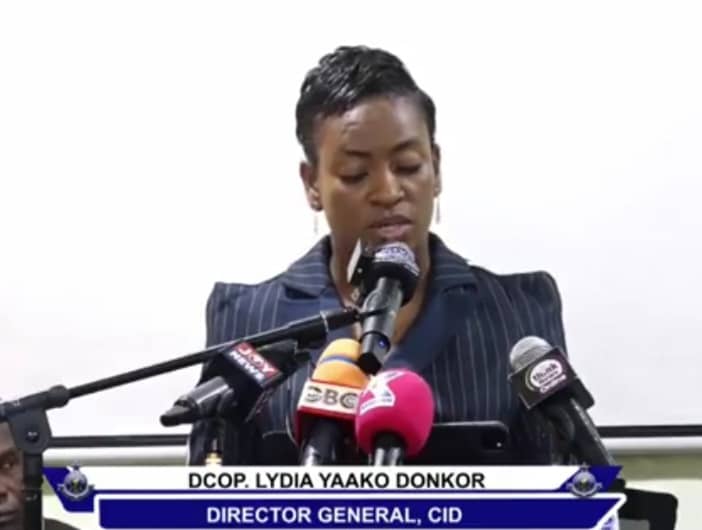
Nigerian kidnappers posing as white lovers lure, abduct Ghanaian women in Port Harcourt
By: Zagazola MakamA
Two Ghanaian women have been rescued from captivity in Nigeria after they were lured through social media by a group of Nigerian kidnappers who posed as white men in search of romantic partners.
Zagazola Makama understands that the victims, Anastasia Beidou and Evelyn Sewa Kunedu, were deceived into traveling separately to Nigeria, where they were abducted, tortured, and held for ransom.
At a press briefing held on Tuesday at the Criminal Investigations Department (CID) Headquarters in Accra, the Ghana Police Service confirmed that eight suspects have been arrested five in Ghana and three in Nigeria in connection with the kidnapping.
The Director-General of the CID, COP, Lydia Yaako Donkor, said the suspects used social media platforms to initiate romantic conversations with the victims while pretending to be foreign nationals seeking marriage.
The victims, unaware of the trap, accepted the marriage proposals. On April 22, 2025, both women traveled to Nigeria separately but arrived at the same location in Port Harcourt, Rivers State. Upon arrival, they were seized by the gang and held captive.
The kidnappers demanded a ransom of 500,000 Ghana Cedis from each victim’s family. Videos sent to their relatives showed the victims bound and pleading for help, prompting immediate police investigations in Ghana.
A coordinated operation involving the Ghana Police Service, Nigeria Police Force, and the National Signals Bureau led to the arrest of five suspects in Ghana. These included Christian Emeka, and Basil Okonkwo, both Nigerians; and Titus Imba Awuni, Alfred Amalbio, and Mama Mahaseni Matei, all Ghanaians.
Three more suspects Peter Okoye, Paulinos Chidokwe, and Chinonso Okafo, were arrested in Port Harcourt and Onitsha by Nigerian authorities. The victims were rescued unharmed and are currently undergoing trauma care.
Investigations revealed that the suspects used Ghanaian SIM cards fraudulently registered with stolen Ghana Card details to receive ransom payments. One suspect, Titus Imba Awuni, a mobile money vendor, confessed to acquiring SIM cards through a telecom company employee who provided login credentials to register the cards illegally.
The suspects used the SIM cards to receive a total of 13,200 Ghana Cedis in ransom, which was later transferred into a Nigerian bank account under the name Cecilia Williams.
The victims reported that while in captivity, they were stripped naked, beaten with shards of glass, wrapped in orange bedsheets, and threatened with death. The gang recorded the abuse to pressure their families for ransom.
DCOP Donkor warned the public, especially young women, to exercise caution in online interactions, noting that criminal syndicates are increasingly using social media to exploit and abduct unsuspecting individuals.
She added that efforts are ongoing to extradite the suspects to Ghana for prosecution and reaffirmed the commitment of the Ghana Police to combating cross-border crime through collaboration with regional and international partners.
Nigerian kidnappers posing as white lovers lure, abduct Ghanaian women in Port Harcourt


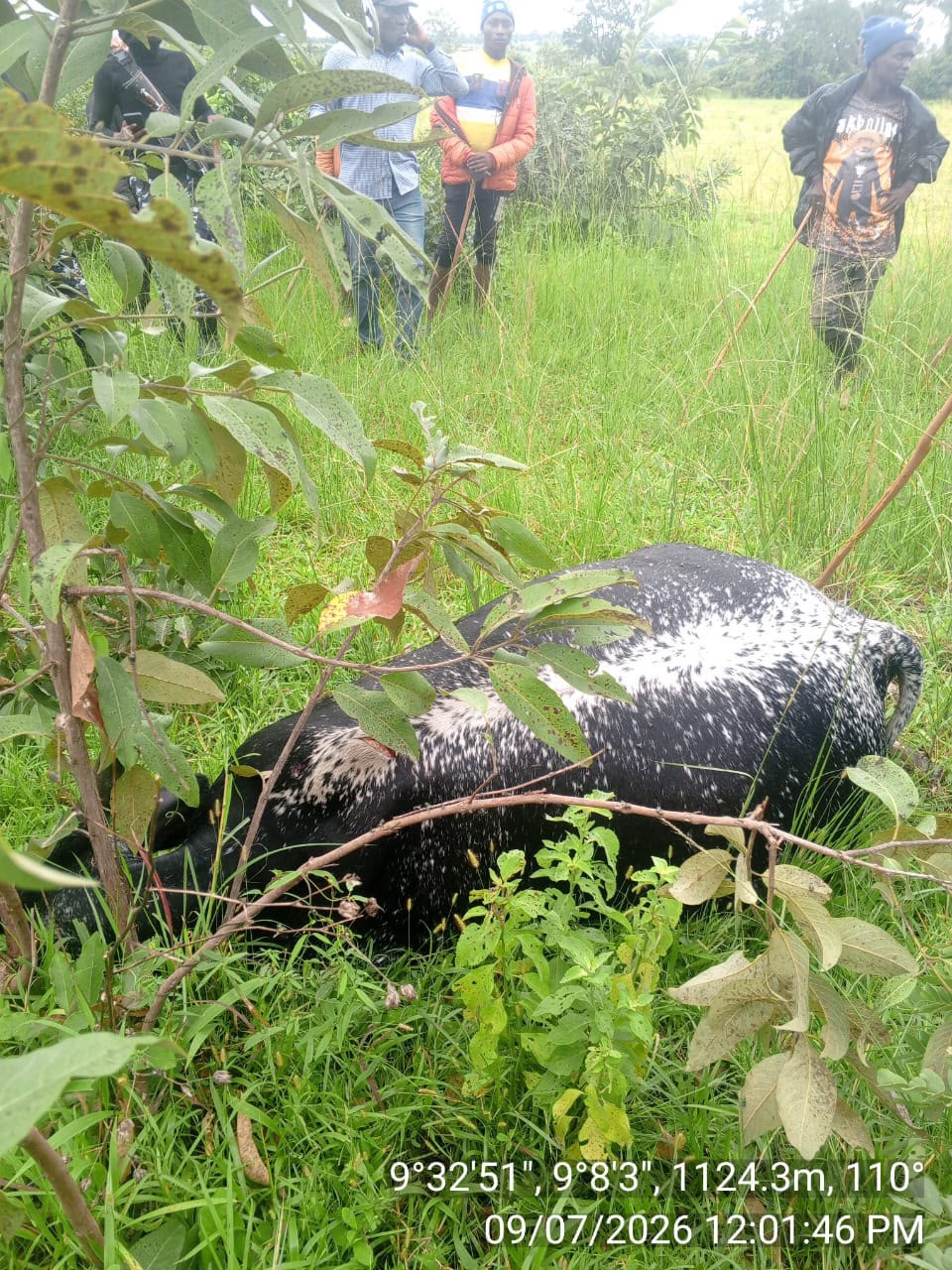
Missing herder, four livestock killed by suspected militia elements in Mangu, Plateau
By: Zagazola Makama
Troops of Operation Enduring Peace have recovered the body of a 13-year-old herder who was declared missing after he went out to graze cattle in Mangu Local Government Area of Plateau State, with four livestock also found dead in what military authorities suspect was an attack by armed militia.
Sources said the victim, identified as Mustapha Abdul Kadir, left home on July 8 to graze cattle around the bushes near Gauge Village but failed to return, prompting concern among family members and the community.

According to the sources, troops of Sector 8, Sub-Sector 81, in conjunction with local security personnel and community members, launched a search-and-rescue operation in the area.
The operation led to the discovery of the teenager’s body on Thursday in a shallow well, alongside four dead cattle believed to have been killed during the attack.
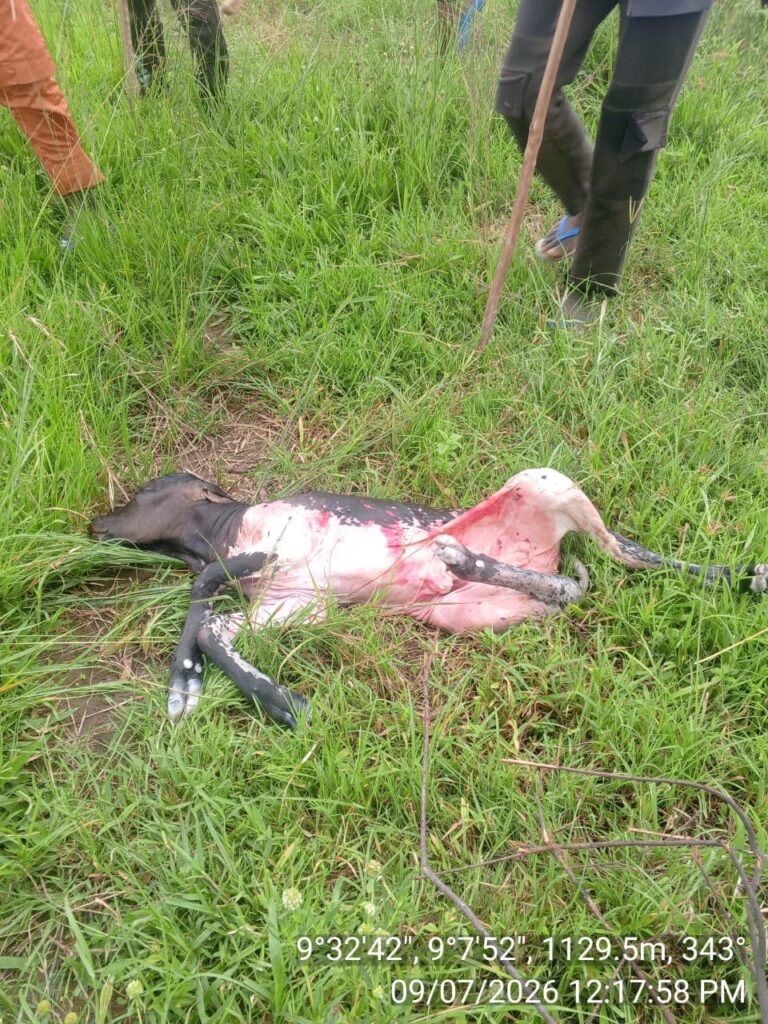
The military said preliminary findings indicated that the victim was attacked by suspected militia while grazing the livestock before his body was dumped in the well.
The remains of the deceased were handed over to his family for burial in accordance with local customs.
The military said stakeholders in the community had been engaged to prevent any breakdown of law and order and to avert possible reprisal attacks.
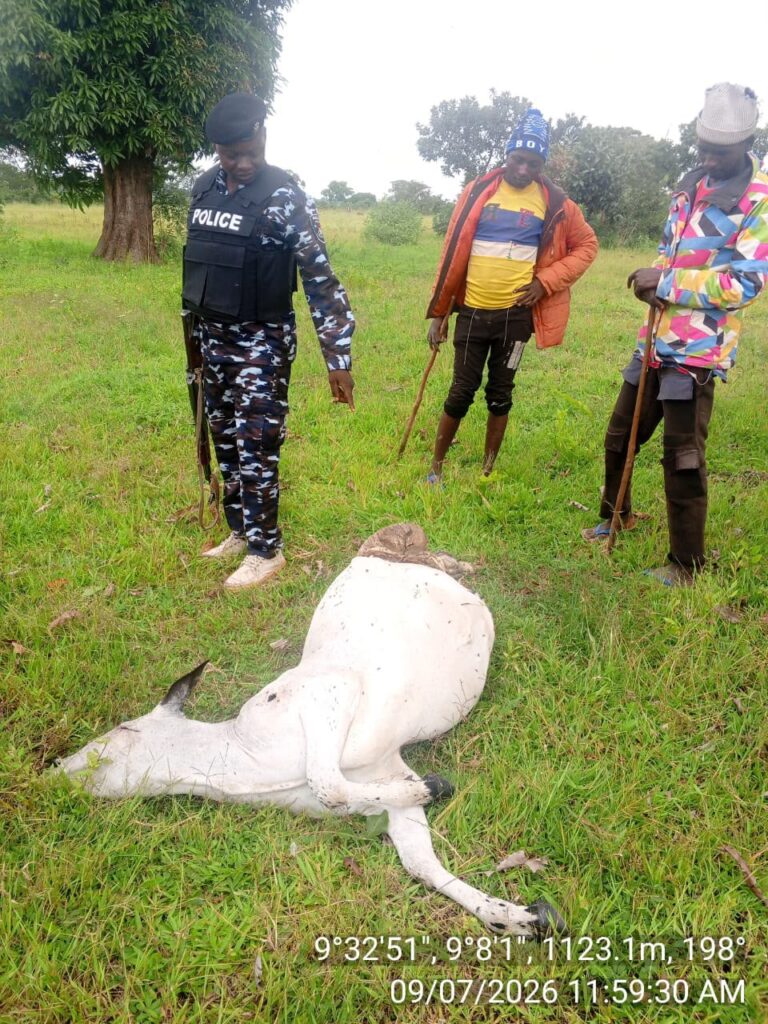
It added that efforts were ongoing to track down and arrest the perpetrators, while troops had intensified patrols across the Operation Enduring Peace Joint Operations Area to protect communities, schools and other critical national infrastructure.
The incident is the latest in a series of security challenges affecting parts of Mangu LGA, where attacks linked to armed groups have continued to threaten lives and livelihoods.
Security sources said community leaders and other stakeholders had been engaged to calm tensions and prevent reprisals, while efforts were underway to identify and arrest those responsible for the attack.
The killing comes amid persistent violence in parts of Plateau State, where recurring clashes involving farming and herding communities have claimed scores of lives and destroyed property over the years.
Attacks targeting either farmers or herders often trigger immediate retaliatory violence, reinforcing a cycle of reprisals that has remained one of the major drivers of insecurity in the state.
Missing herder, four livestock killed by suspected militia elements in Mangu, Plateau
News
Police, Troops Rescue Kidnapped INEC Staff, Repel Bandits, Recover Hundreds of Rustled Cattle in Zamfara
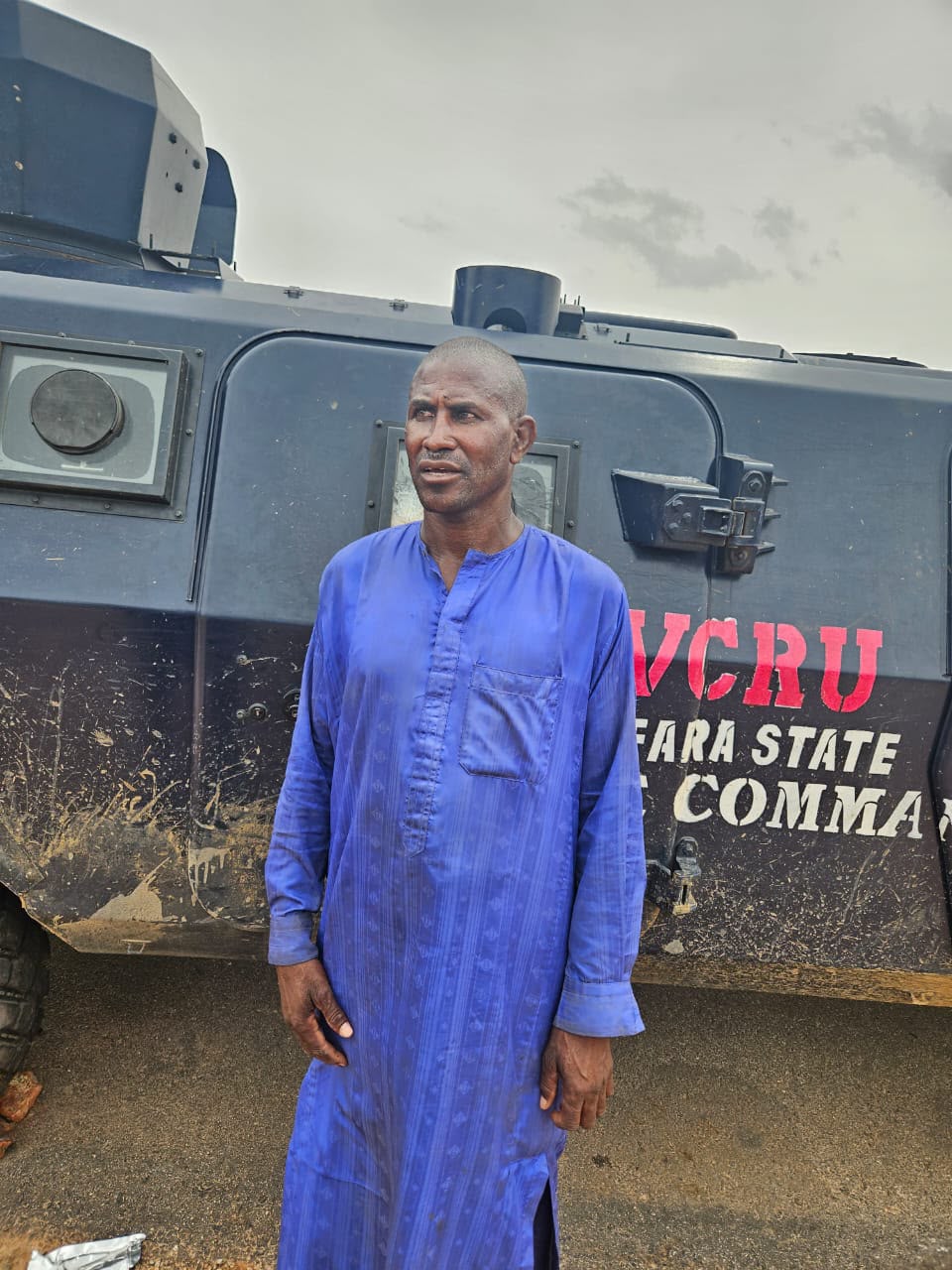
Police, Troops Rescue Kidnapped INEC Staff, Repel Bandits, Recover Hundreds of Rustled Cattle in Zamfara
By Zagazola Makama
A joint security operation involving the Zamfara State Police Command and military personnel has rescued a kidnapped staff member of the Independent National Electoral Commission (INEC), thwarted coordinated bandit attacks, and recovered hundreds of rustled cattle following separate operations in Gummi, Talata Mafara and Gusau Local Government Areas of Zamfara State.
Intelligence sources told Zagazola Makama that the operations followed a series of coordinated attacks launched by heavily armed bandits across the affected communities.
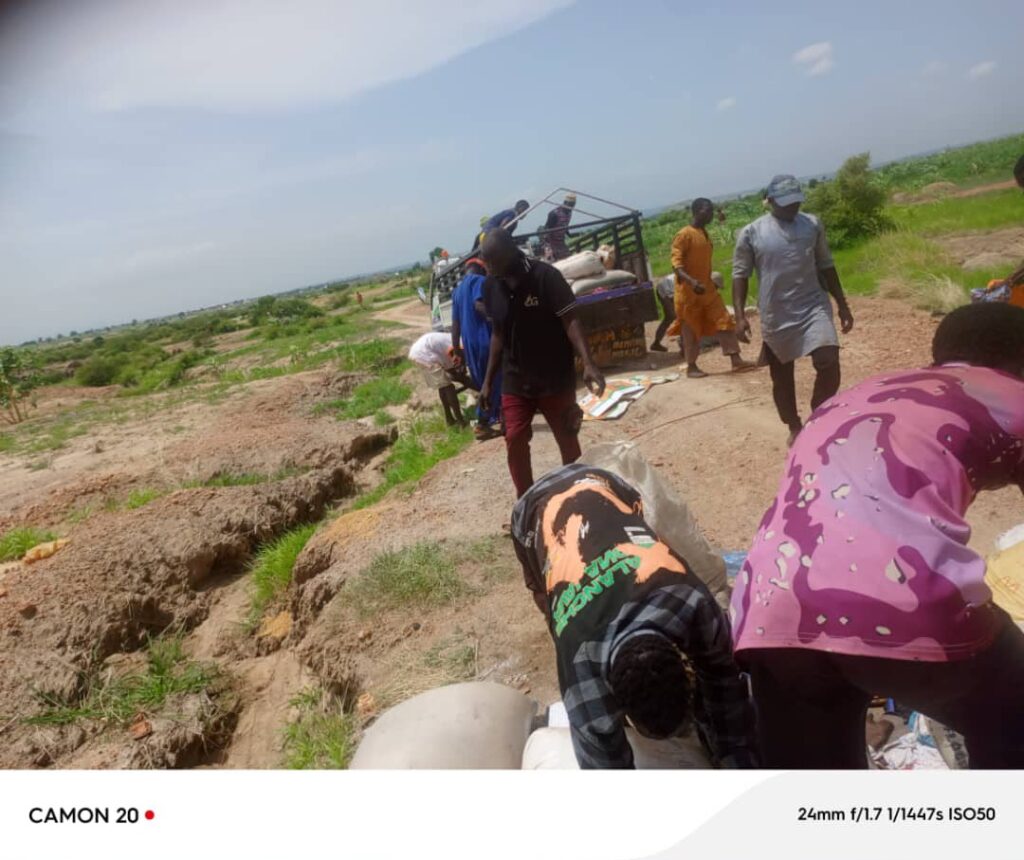
The sources said that at about 3:30 p.m. on July 7, a large group of armed bandits riding on about 50 motorcycles stormed villages in the Ruwan Bore District of Talata Mafara Local Government Area, rustling hundreds of cattle during the attack.
A woman sustained a gunshot injury from a stray bullet and was evacuated to the General Hospital in Talata Mafara, where she is receiving treatment.
The attackers subsequently advanced toward Gummi Local Government Area, where they abducted Mr. Aliyu Mohammed, an INEC staff member who was on official assignment with the National Examinations Council (NECO). The official had transported examination scripts collected from secondary schools in Gummi to Sokoto before he was intercepted and kidnapped along the Gummi–Sokoto Road.
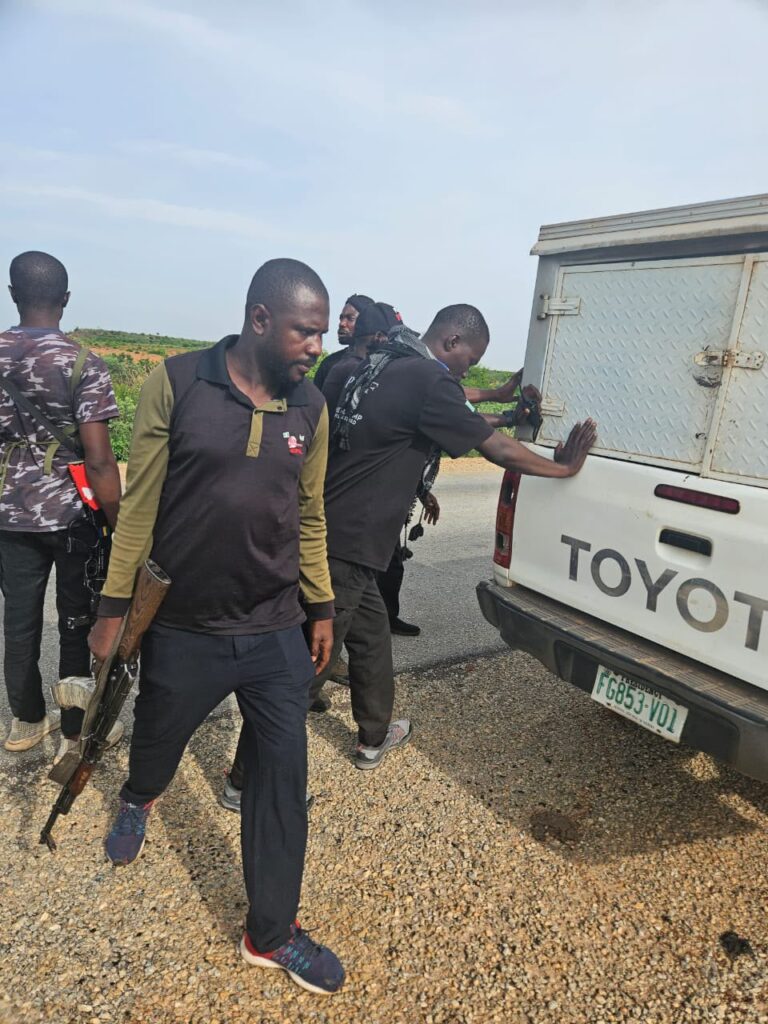
Security sources said the victim’s official white Toyota Hilux vehicle with registration number FG 853-V01 was later found abandoned at Tafkin Area.
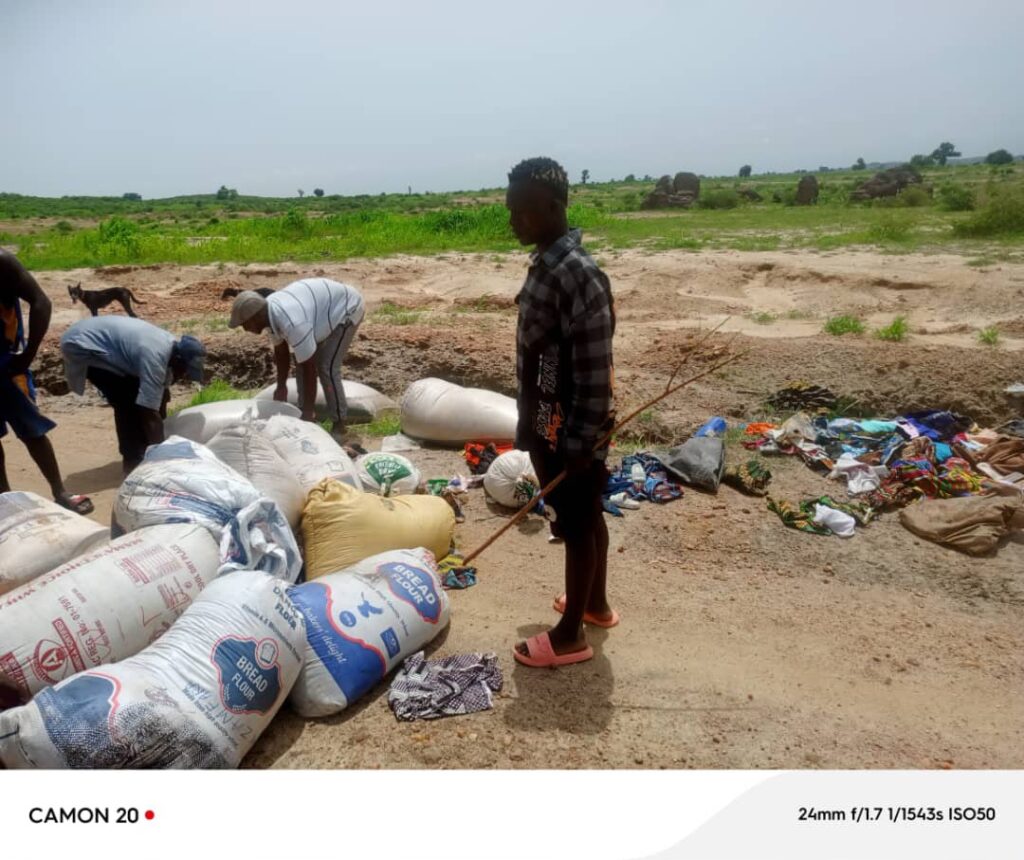
Police operatives from Gummi Division responded promptly, recovered the abandoned vehicle and secured the examination scripts, which were subsequently handed over to the Principal of Government Unity Secondary School, Gummi, Mr. Ashiru Umar, for onward transmission to the appropriate NECO office in Sokoto.
Following intelligence that a large concentration of armed bandits had regrouped inside Gando Forest after inviting reinforcements from neighbouring Sokoto and Kebbi States to retaliate against recent security operations, the Zamfara State Police Command deployed its Violent Crime Response Unit (VCRU) to reinforce military troops already conducting operations in the area.
The combined security team engaged the bandits in a fierce gun battle that began at about 2:45 a.m. on July 8.
According to the sources, the superior firepower of the joint force overwhelmed the bandits, forcing them to flee into the forest with significant casualties, while several escaped with gunshot wounds.
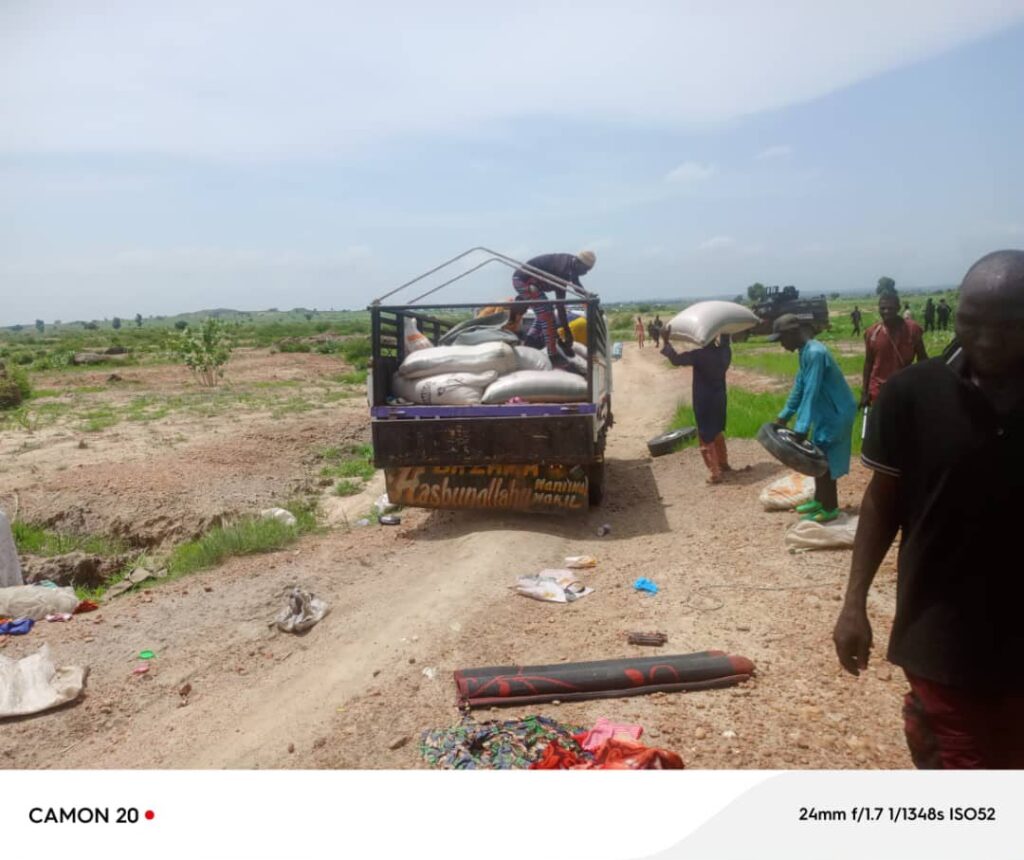
During the operation, the kidnapped INEC official and another abducted victim were rescued unhurt. Security operatives also recovered hundreds of rustled cattle, which were subsequently returned to their rightful owners.
In a related operation on July 8 at about 9:55 a.m., security operatives responded to a distress call reporting the abduction of several motorists and farmers at Kwanar Ganuwa in Gusau Local Government Area.
Personnel of the VCRU, supported by the Police Mobile Force (PMF), engaged the bandits in a gun battle, compelling them to abandon their captives and flee into the surrounding forest.
All the victims were rescued unharmed and evacuated to safety.
The Commissioner of Police in Zamfara State, CP A.M. Bello, reaffirmed the Command’s commitment to sustaining offensive operations against banditry and other violent crimes across the state. He also urged residents to continue supporting security agencies with timely and credible information to enhance ongoing efforts to restore peace and security.
Police, Troops Rescue Kidnapped INEC Staff, Repel Bandits, Recover Hundreds of Rustled Cattle in Zamfara
South African Security Forces Arrest 137 in Major Illegal Mining Crackdown in Gauteng
By Zagazola Makama
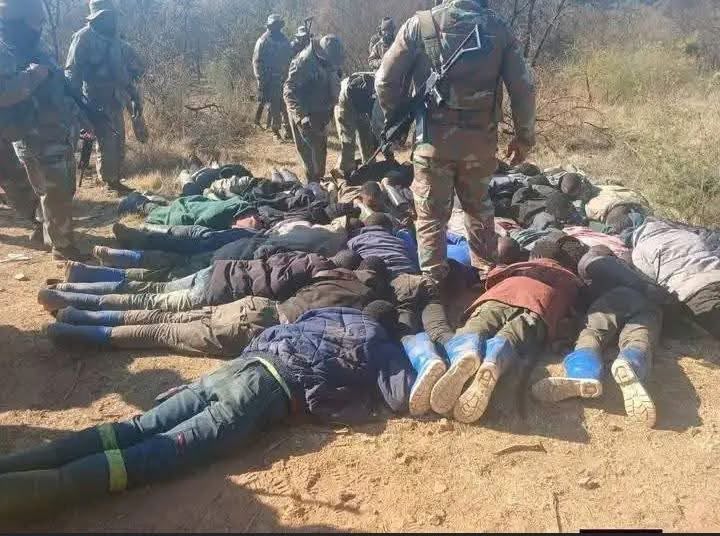
South African security agencies have arrested 137 suspects during a coordinated operation targeting illegal mining activities in Gauteng Province, authorities said.
The operation was carried out by the South African Police Service (SAPS) in conjunction with the South African National Defence Force (SANDF), Sibanye Protection Services, and Fidelity Specialised Services as part of ongoing efforts to dismantle illegal mining syndicates operating across the province.
According to security officials, the suspects include undocumented foreign nationals from Nigeria, Mozambique, Zimbabwe, and Lesotho who were allegedly engaged in unlawful mining activiti.p
Two additional suspects were also arrested for unlawful possession of ammunition and for allegedly aiding and abetting illegal immigrants.
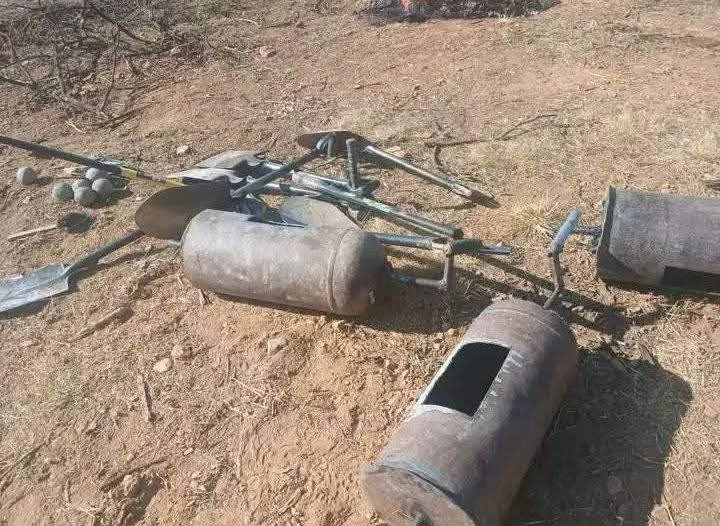
During the operation, security personnel recovered a cache of items believed to have been used in the illegal mining operations, including mining tools, food supplies, and alcoholic beverages.
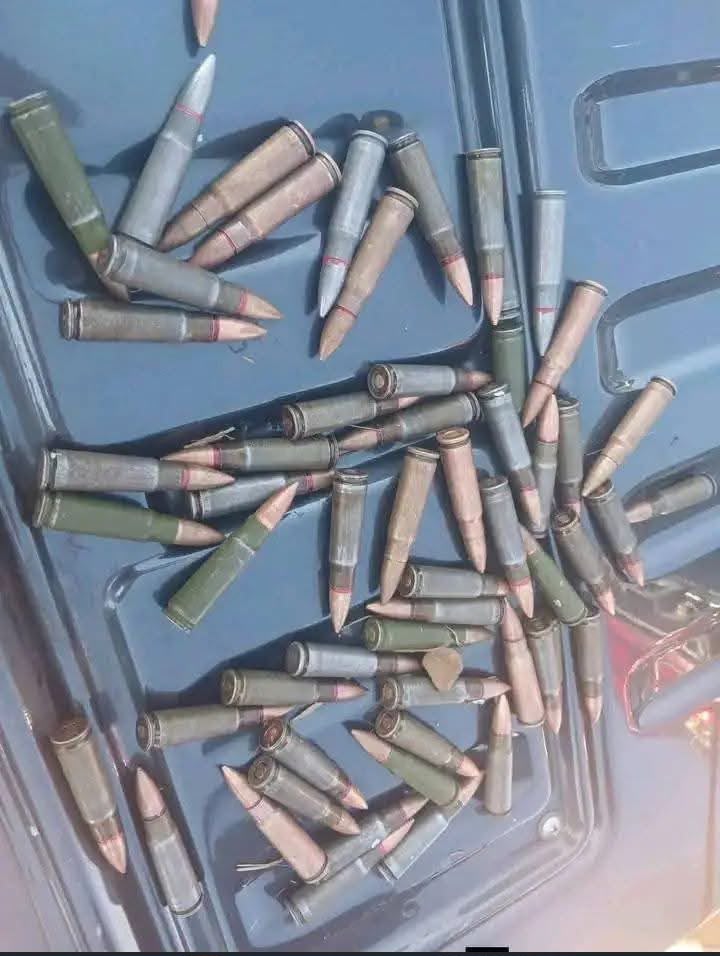
Authorities also seized a 9mm pistol, two magazines, and 118 rounds of AK-47 ammunition.
The operation forms part of sustained security measures by South African law enforcement agencies to curb illegal mining, which has increasingly been linked to organised criminal networks, illegal firearms, immigration offences, and violent crimes in parts of Gauteng.
The arrested suspects are expected to face prosecution after the conclusion of investigations, while security agencies said efforts to dismantle illegal mining syndicates across the province would continue.
South African Security Forces Arrest 137 in Major Illegal Mining Crackdown in Gauteng

Missing herder, four livestock killed by suspected militia elements in Mangu, Plateau

Police, Troops Rescue Kidnapped INEC Staff, Repel Bandits, Recover Hundreds of Rustled Cattle in Zamfara

South African Security Forces Arrest 137 in Major Illegal Mining Crackdown in Gauteng

Roger Federer’s Shock as DNA Results Reveal Myla and Charlene Are Not His Biological Children

THE PLIGHT OF FARIDA

FAILED COUP IN BURKINA FASO: HOW TRAORÉ NARROWLY ESCAPED ASSASSINATION PLOT AMID FOREIGN INTERFERENCE CLAIMS
-
 News2 years ago
Roger Federer’s Shock as DNA Results Reveal Myla and Charlene Are Not His Biological Children
-
Opinions4 years ago
THE PLIGHT OF FARIDA
-
 News1 year ago
FAILED COUP IN BURKINA FASO: HOW TRAORÉ NARROWLY ESCAPED ASSASSINATION PLOT AMID FOREIGN INTERFERENCE CLAIMS
-

 News2 years ago
EYN: Rev. Billi, Distortion of History, and The Living Tamarind Tree
-
 Opinions5 years ago
POLICE CHARGE ROOMS, A MINTING PRESS
-

 ACADEMICS2 years ago
A History of Biu” (2015) and The Lingering Bura-Pabir Question (1)
-

 Columns2 years ago
Army University Biu: There is certain interest, but certainly not from Borno.
-

 Politics1 year ago
2027: Why Hon. Midala Balami Must Go, as Youths in Hawul and Asikira/Uba Federal Constituency Reject ₦500,000 as Sallah Gift
