
International
Ecological Distress in the Horn of Africa: Ethio‑Egyptian Hydropower Relations and the Strategic Significance of Hydropower Investments

Ecological Distress in the Horn of Africa: Ethio‑Egyptian Hydropower Relations and the Strategic Significance of Hydropower Investments
By: Yechale Degu
Over the past two decades, Ethiopia has invested heavily on hydropower as a means to accelerate energy access, economic growth, and development and ensure control of its water resources. Though not without political costs affecting its diplomatic ties, hydropower was planned as a central pillar of the country’s energy security. Despite persistent domestic shortfalls in extending electricity to rural communities, the initiative has achieved notable success. Ethiopia has emerged as a regional hydroelectric hub, supplying power to nearly all neighboring states, with prospects for expansion beyond the region, generating significant hydro-dollar in return.
The hydropower strength more acquired following the completion of the Grand Ethiopian Renaissance Dam (GERD) represents a landmark achievement, overcoming colonial-era restrictions that limited upstream countries such as Ethiopia in managing their water resources. The dam’s completion, financed largely through domestic means, marked a breakthrough against financial constraints imposed by global financial architectures over financing of controversial projects like GERD.

Withstanding sustained diplomatic challenges from Egypt, a country with deeper international entrenchment than Ethiopia, and its allies and organizations Egypt associated with such as Arab League/AR and Organization of Islamic Cooperation/OIC, Ethiopia emerge as a regional or continental hydropower. The dam becomes a new magna carta governing water relations for the future to come between Ethiopia and Egypt in particular and all Nile riparian states in general signaling the possible dominance of states in the head of the water systems.
Although Ethiopia constructed and filled the dam without any formal framework of agreement with downstream states such as Egypt, the hydropower rivalry between the two countries was largely settled following Ethiopia’s near completion and filling of the GERD in August 2024 and its inauguration on 9 September 2025. In this process, Ethiopia’s argument that the dam would not diminish the volume of water flowing to downstream countries gained political acceptance among diplomatic communities. Ultimately, Egypt, albeit reluctantly and painfully, acknowledged Ethiopia’s effective control over the Nile. However, the recent weather and environmental developments in the Horn of Africa/HoA will shape the Ethio-Egyptian water relations and put a question over the sustainability of hydropower investments as weather would affect the water volume and energy generations significantly.
The weather and environment intelligence report recently released by a USA based organization called Famine Early Warning Systems Network/FEWS-Net indicated that El Niño, a periodic warming of the ocean surface, related dryness is already emerging in the HoA. According to the report the HoA countries including Ethiopia has experienced a delayed and below-average rainfall season in the months between March to September. Prolonged dry spell is also expected in the months to come. The same report indicated that the Above-Average Temperatures Most Likely into Early 2027 increasing likelihood of extreme warm temperatures, affecting streams and water volumes. The region is expected to register a likely 0.5-3°C temperature rise and it will be hotter than typical level of temperature in the region. This significant rainfall deficits, rising temperature and dry spell is an indicative of drought conditions in the HoA and significantly shaping the Ethio-Egyptian relations and putting a strategic question over the sustainability of hydropower.
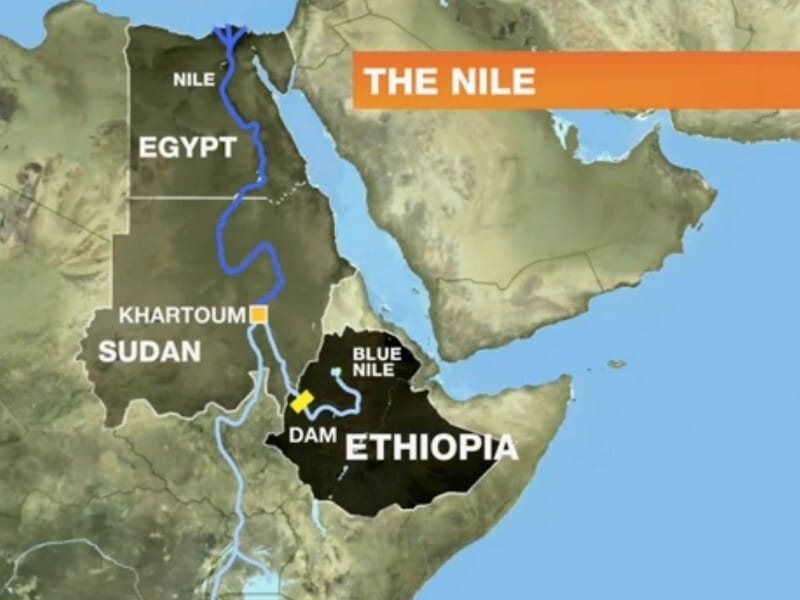
The FEWS‑Net report, though primarily directed at humanitarian actors such as World Food Program/WFP to prompt immediate interventions in response to rising temperatures and declining rainfall, the issue extends far beyond humanitarian concerns. It constitutes a fundamental driver of instability and a critical factor shaping future investments and reliance on hydropower. In addition to exacerbating humanitarian crises and inflating food prices, the projections underscore that climate‑induced reductions in water availability could reignite hydropower rivalries between lower and upper Nile riparian states. These climatic conditions are likely to intensify Ethiopia‑Sudan‑Egypt tensions over the Nile, as reflected in recent complaints by Sudan and Egypt regarding water releases from GERD. While the GERD can generate near‑optimal hydropower without causing significant downstream deficits under wet, average, or short‑term drought scenarios, this balance can be disrupted during prolonged dry seasons in Ethiopia and the wider HoA. Egypt, in particular, may seize upon such environmental developments not as temporary misfortunes but as strategic opportunities to reintroduce drought‑contingent operating principles into diplomatic negotiations.
Compounding the ecological pressures in the HoA are the high‑intensity conflicts in Ethiopia’s three northern regions, where the government has alleged that Egypt is playing a critical role and declared persona non grata over one Egyptian diplomat who ordered to leave in 48 hours on October 1, 2026. Therefore, these environmental stresses are likely to reignite regional controversies at a time of heightened tension and looming conflict in Northern Ethiopia, particularly between the Cooperation of Ethiopian People’s Forces for Survival and the federal government. The convergence of ecological strain, political instability and tit-for-tat actions between Ethiopia and Egypt one expelling the diplomat of the other carries significant security implications for Ethiopia and the wider HoA. Egypt, in this context, may exploit the situation to exert diplomatic and coercive pressure on the Ethiopian government, seeking operating agreements over Nile and GERD that include concessions favorable to its interests.
The prevailing environmental trends and ecological pressures in the HoA underscore the urgency of a strategic shift away from over‑reliance on hydropower investments toward a diversified energy portfolio that is less vulnerable to climatic variability. It signal the need to reconsider development pathways that depend heavily on electricity generated from water sources. While hydropower will remain a cornerstone of the global renewable energy transition, its reliability is increasingly undermined by climate change‑induced shifts in hydrological cycles, imparting new dimensions to its strategic significance.
For Ethiopia, this ecological distress raises critical questions about the sustainability of its heavy reliance on hydropower and highlights the necessity of diversifying national energy sources. Pursuing a balanced energy mix strategy, supported by adaptive planning and management, will be essential to ensure hydropower continues to play a pivotal role in the country’s power infrastructure while meeting the rising national demand.
Climate change has triggered significant shifts in hydrological patterns, profoundly affecting the hydropower rivalry between Ethiopia and Egypt and raising broader questions about the reliability of hydropower investments across Africa, particularly in Ethiopia. Diplomatic tensions between the two states over water access and control are increasingly shaped by environmental and climatic dynamics. Concerns are mounting that the previously near‑settled hydropower rivalry will re-surface due to escalating ecological pressures. These developments have the potential to fundamentally alter relations between upper and lower riparian states and heighten the strategic importance of the Nile River. Egypt, framing the Nile as a matter of national security, has repeatedly issued televised warnings that any disruption of water flows would be regarded as an ‘act of war.’ This extension of the Nile discourse from civilian politics to military commitments underscores the gravity of the regional security threat as a result of environmental distress. In light of recent environmental and climatic shifts, Egypt is likely to intensify efforts to re‑internationalize the Nile issue, presenting itself as a vulnerable downstream state while pursuing a diplomatic campaign against Ethiopia. The objective would not necessarily be to compel Ethiopia to relinquish its upstream dominance or release additional water, but rather to impose greater political and reputational constraints on Ethiopia’s exercise of its headwater rights.
In conclusion, extreme weather events are expected to disrupt streamflow and create significant variability in water volumes, leading to substantial reductions in availability. In this context, any future water allocation treaties between Ethiopia and the major downstream states should avoid rigid prescriptions of fixed allocations. Given the region’s environmental vulnerabilities, such agreements must be guided by adaptive strategies that prioritize flexibility and responsiveness to hydrological variability in the headwaters. This approach stands in contrast to colonial‑era frameworks that imposed predictable spheres of utilization while disregarding the impacts of environmental fluctuations. A modern treaty framework should therefore embed adaptive principles, ensuring that water governance reflects ecological realities rather than static allocations.
He is an independent Horn of Africa security analyst and researcher and can be contacted at Ziyinyechale@gmail.com
Ecological Distress in the Horn of Africa: Ethio‑Egyptian Hydropower Relations and the Strategic Significance of Hydropower Investments


WAHO Pledges Support for Nigeria’s Ebola Response, Donates 20,000 Thermometers
By: Michael Mike
The West African Health Organisation (WAHO) has reaffirmed its commitment to supporting Nigeria’s health emergency preparedness and response, following confirmation of the country’s first Ebola case.
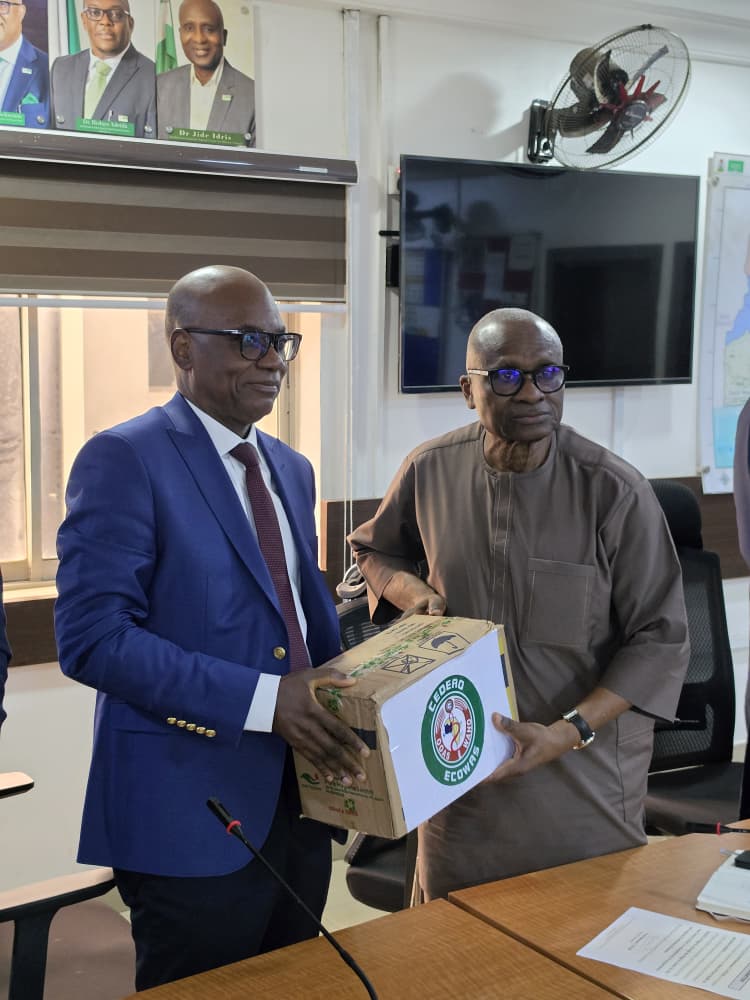
The organisation also announced the donation of 20,000 non-contact infrared thermometers and 1,200 bottles of alcohol-based hand sanitiser to the Nigeria Centre for Disease Control and Prevention (NCDC) as part of efforts to strengthen the country’s response to the outbreak.
The Director-General of WAHO, Prof. Palokinam Pitche, gave the assurance when he led a delegation to the NCDC headquarters in Abuja on November 2, 2026, to discuss regional support for Nigeria’s health emergency preparedness and response.
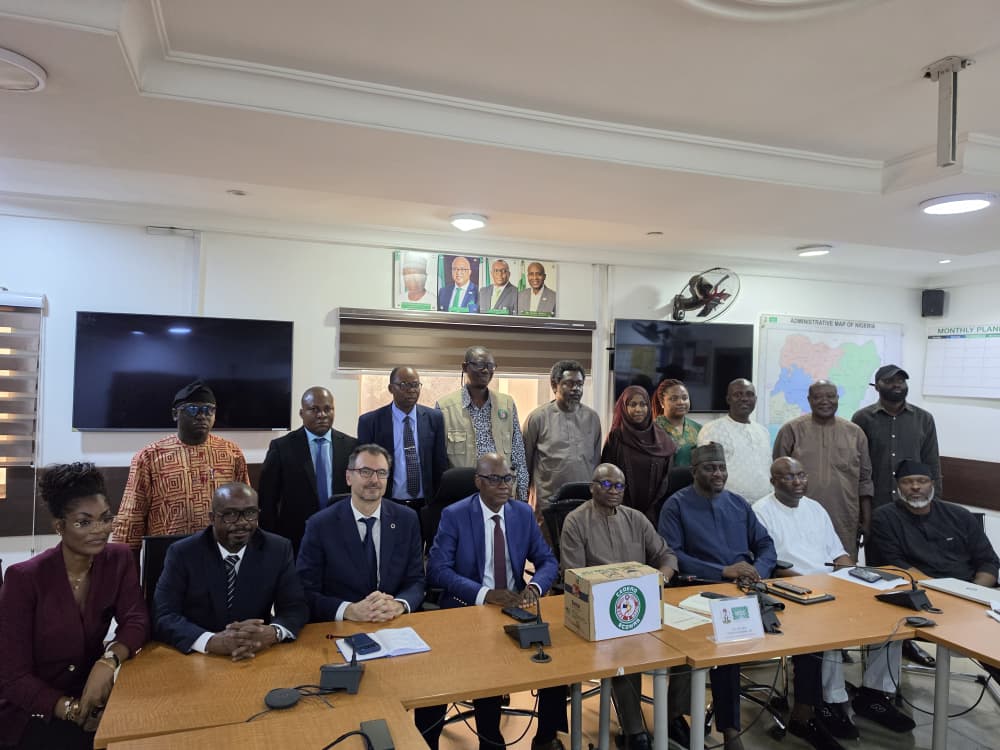
The delegation included the Executive Director of the ECOWAS Regional Centre for Surveillance and Disease Control (RSCDC), Dr Mamadou Diarrassouba, and the Acting Director of Public Health and Research at WAHO, Prof. Joseph Olorunda.
The meeting was attended by officials of the NCDC and representatives of the World Health Organisation (WHO) and Africa Centres for Disease Control and Prevention (Africa CDC).
Discussions centred on aligning international and regional assistance with Nigeria’s national priorities, avoiding duplication of interventions and ensuring effective utilisation of available resources.
Pitche reaffirmed WAHO’s readiness to support Nigeria, stressing that health threats confronting the country had implications for the wider West African region and required coordinated regional action.
He recalled the organisation’s ongoing collaboration with Nigeria in disease surveillance, laboratory capacity development and technical assistance, noting that clearly identified needs would guide further support and strengthen collective responses to shared health challenges.
Welcoming the delegation, the Director-General of NCDC, Dr Jide Idris, expressed appreciation for WAHO’s continued support, stressing that effective management of public health emergencies required sustained collaboration among national, regional and international institutions.
Idris highlighted the need for a coordinated response covering surveillance, disease detection, case management, risk communication and logistics, particularly in tackling health threats capable of spreading across national borders.
Representatives of WHO and Africa CDC also pledged to work with WAHO to align their contributions with Nigeria’s government-led response plan.
They emphasised the need for assistance to be guided by clearly established priorities, defined institutional responsibilities and accountability mechanisms, while ensuring that each organisation deployed its technical expertise effectively.
The partners further reaffirmed their commitment to ensuring that emergency interventions translated into sustainable improvements in Nigeria’s preparedness and overall health system capacity.
WAHO’s technical and financial assistance is being channelled towards implementing the incident management plan following confirmation of the first Ebola case in Nigeria.
The donation of the thermometers and hand sanitisers is also expected to support infection prevention and control measures as the country strengthens its preparedness and response capacity.
WAHO Pledges Support for Nigeria’s Ebola Response, Donates 20,000 Thermometers

Venezuela Solidarity Campaign Demands Release of Maduro, Flores
By: Michael Mike
The Venezuela Solidarity Campaign in Nigeria (VSCN) has demanded the immediate and unconditional release of Venezuelan President Nicolás Maduro and his wife, Cilia Flores, whom it accused the United States government of detaining illegally.
The campaign, in a statement issued on Friday by its Coordinator, Dimeji Macaulay, said the continued detention of the Venezuelan leaders represented an assault on national sovereignty and international law.
It called on Washington to end what it described as political persecution of Venezuela, abandon its interference in the affairs of sovereign nations and respect the right of the Venezuelan people to determine their political future without external pressure.
The group also condemned the reported expansion of criminal charges against Maduro and Flores, alleging that the US administration was using its judicial system to exert political pressure on governments opposed to its interests.
“We reject the use of military power, economic coercion and politically motivated prosecutions as instruments for determining the political future of Venezuela,” the statement said.
The campaign further demanded an end to economic sanctions against Venezuela and the US economic blockade of Cuba, arguing that the measures imposed hardship on ordinary citizens, including workers, children and vulnerable communities.
It described the restrictions as collective punishment for the political and economic choices of the two countries, insisting that their populations should not suffer because of their governments’ preferred systems of social and economic organisation.
The VSCN expressed solidarity with Cuba, citing its achievements in education, healthcare, international solidarity and social development, and urged Washington to end what it called economic strangulation of the Caribbean nation.
Beyond Venezuela and Cuba, the campaign criticised the global capitalist system, arguing that the concentration of wealth in the hands of billionaires had worsened inequality while millions of people continued to face hunger, homelessness, inadequate healthcare and limited educational opportunities.
It cited the wealth accumulated by billionaires, including Elon Musk, as an example of what it described as an unequal economic order in which a small minority controlled resources generated through the collective labour of millions.
The group called on workers, peasants, students, trade unions, socialist organisations and progressive movements worldwide to unite in pursuit of what it described as a socialist system founded on equality, democracy, solidarity and collective ownership of productive resources.
On Western Sahara, the campaign reaffirmed its support for the Sahrawi people’s right to self-determination, rejecting any attempt to impose Morocco’s autonomy proposal as a substitute for a democratic decision on the territory’s political future.
It called for a free, fair and internationally supervised referendum that would allow the Sahrawi people to choose their future, including independence.
The group noted that Western Sahara remained on the United Nations list of Non-Self-Governing Territories and argued that its people should not be denied the right to determine their political status.
It maintained that self-determination should apply equally to the peoples of Palestine, Western Sahara and Venezuela, as well as other nations facing occupation, domination or foreign interference.
Venezuela Solidarity Campaign Demands Release of Maduro, Flores
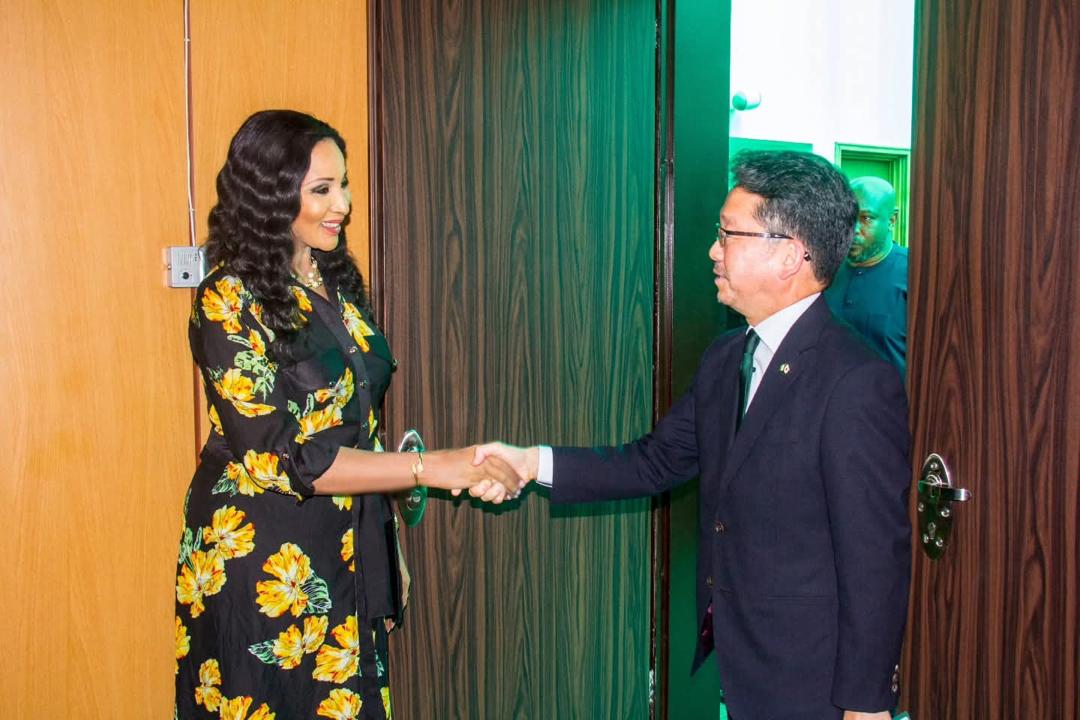
Nigeria, Japan Move to Set Up Industrial Hub to Unlock Investment
…Abuja seeks Japanese capital, technology transfer as Tokyo promises faster visa processing
By: Michael Mike
Nigeria is seeking to establish a joint industrial and investment hub with Japan to attract foreign capital, accelerate technology transfer and position local businesses to tap into Japanese supply chains and the wider African market.
The proposal, put forward by the Minister of Foreign Affairs, Ambassador Bianca Odumegwu-Ojukwu, signals Nigeria’s push to turn 66 years of diplomatic relations with Japan into a stronger economic partnership driven by investment, industrialisation and job creation.
Odumegwu-Ojukwu made the proposal during a bilateral meeting with Japan’s Ambassador to Nigeria, Suzuki Hideo, urging Tokyo to work with Nigeria on a practical roadmap for the proposed Nigeria–Japan Industrial and Investment Hub.
The initiative is expected to facilitate joint ventures, connect investors with credible Nigerian businesses, promote skills development and encourage Japanese companies to establish stronger industrial links with Africa’s largest economy.
The minister stressed that existing bilateral agreements must translate into concrete investment commitments and measurable development outcomes, rather than remain diplomatic declarations.
“The outcomes of the Forum must be translated into concrete programmes, investment commitments and measurable development outcomes,” she said.
She urged both countries to implement the agreements reached at the 10th Nigeria–Japan Special Partnership Forum, held in Abuja on August 27, through practical programmes and regular consultations between their foreign ministries.
To strengthen private-sector participation, Odumegwu-Ojukwu called for more partnerships between Nigerian and Japanese companies through joint ventures, local content development, skills transfer and the integration of Nigerian businesses into Japanese supply chains.
She also sought greater engagement by the Japan External Trade Organization (JETRO) to link Japanese investors with Nigerian enterprises and public-sector partners.
Beyond manufacturing and trade, Nigeria is seeking Japanese investment in solid minerals, gas development, cleaner energy technologies and industrial decarbonisation, with the minister highlighting the strategic importance of resilient energy and critical-mineral supply chains.
The proposed investment push comes alongside Japan’s development cooperation in infrastructure, healthcare, agriculture, education and technical training through the Japan International Cooperation Agency (JICA).
Odumegwu-Ojukwu welcomed a $10 million JICA-supported initiative to strengthen Nigeria’s startup ecosystem through catalytic capital and institutional development, in partnership with the Nigeria Sovereign Investment Authority.
She also called for sustained Japanese support for peacebuilding, humanitarian assistance and stabilisation in Nigeria and West Africa, reaffirming Nigeria’s commitment to regional stability through the African Union and the Economic Community of West African States.
On mobility and business exchanges, the minister urged continued dialogue to resolve visa-related challenges affecting businesspeople, students, researchers, government officials and tourists.
Responding, Suzuki said Japan was desirous of deepening cooperation with Nigeria, which he described as a strategic African giant.
He also assured that visa-related issues would be handled expeditiously, an undertaking that could help facilitate business and people-to-people exchanges between the two countries.
Odumegwu-Ojukwu said the existing cordial relations between Nigeria and Japan offered an opportunity to build a more dynamic partnership anchored on investment, industrialisation, technology transfer and shared prosperity.
The renewed engagement comes as both countries seek to move beyond decades of diplomatic relations towards stronger commercial ties, with the proposed industrial hub emerging as a potential platform for converting bilateral goodwill into investments and economic opportunities.
Nigeria, Japan Move to Set Up Industrial Hub to Unlock Investment

Reps FCT Committee Hails Betara at 60, Celebrates Legislative Leadership

BAMA, KONDUGA SPEAKS LOUD: MASSIVE 2027 TURNOUT REAFFIRMS GUBIO’S GROWING POLITICAL MOMENTUM IN BORNO

Troops Launch Search-and-Rescue Operation After Woman Is Kidnapped in Jos

Roger Federer’s Shock as DNA Results Reveal Myla and Charlene Are Not His Biological Children

THE PLIGHT OF FARIDA

FAILED COUP IN BURKINA FASO: HOW TRAORÉ NARROWLY ESCAPED ASSASSINATION PLOT AMID FOREIGN INTERFERENCE CLAIMS
-
 News3 years ago
Roger Federer’s Shock as DNA Results Reveal Myla and Charlene Are Not His Biological Children
-
Opinions5 years ago
THE PLIGHT OF FARIDA
-
 News2 years ago
FAILED COUP IN BURKINA FASO: HOW TRAORÉ NARROWLY ESCAPED ASSASSINATION PLOT AMID FOREIGN INTERFERENCE CLAIMS
-
 Opinions5 years ago
POLICE CHARGE ROOMS, A MINTING PRESS
-

 News3 years ago
EYN: Rev. Billi, Distortion of History, and The Living Tamarind Tree
-

 ACADEMICS3 years ago
A History of Biu” (2015) and The Lingering Bura-Pabir Question (1)
-

 Columns3 years ago
Army University Biu: There is certain interest, but certainly not from Borno.
-

 Politics1 year ago
2027: Why Hon. Midala Balami Must Go, as Youths in Hawul and Asikira/Uba Federal Constituency Reject ₦500,000 as Sallah Gift
