
News
ECOWAS Court Restates Commitment to Protection of Human Rights

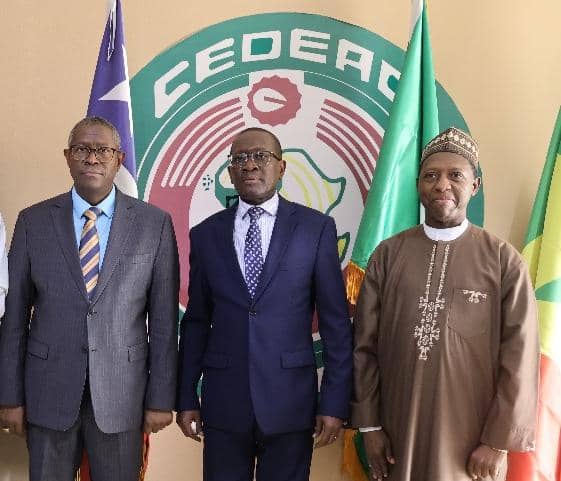
ECOWAS Court Restates Commitment to Protection of Human Rights
By: Michael Mike
The Economic Community of West African States (ECOWAS) Community Court of Justice has restated its unwavering commitment to the protection of human rights and human dignity across West Africa region.
The commitment was given on Wednesday at an occasion hosted by the court to commemorate the 2025 International Human Rights Day, with the theme “Human Rights: Our Everyday Essential”, with legal scholars and jurists emphasizing the Court’s growing influence in shaping human rights jurisprudence in the region.
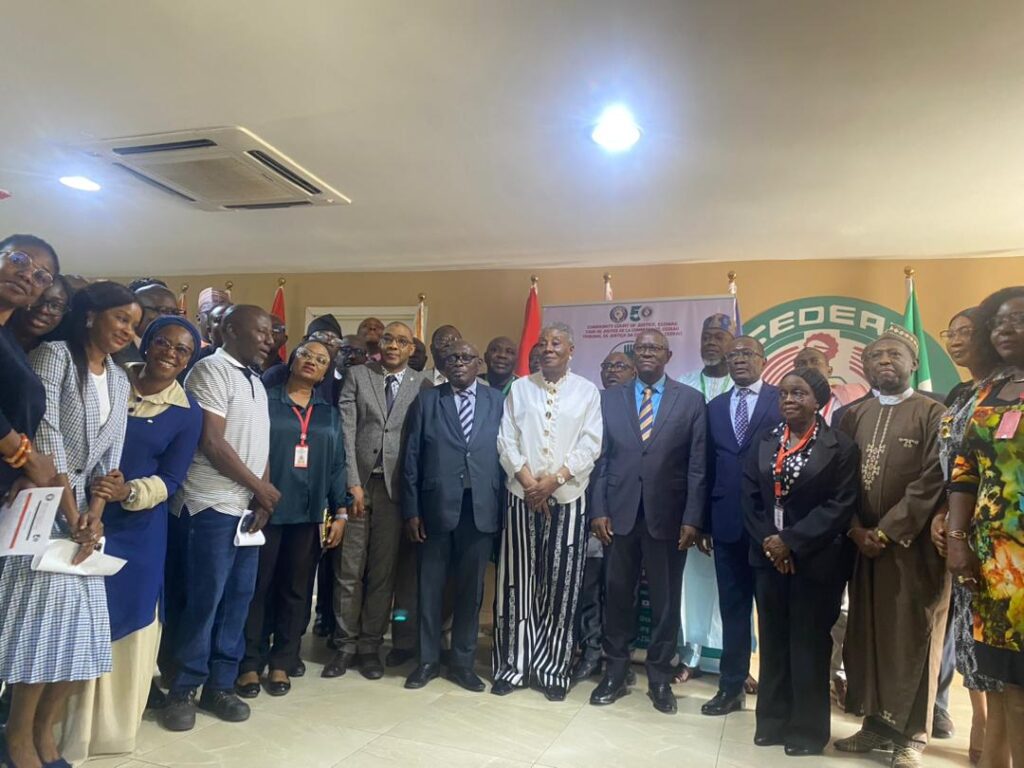
Prof. Muhammed Tawfiq Ladan emphasized that Human Rights Day is not merely a ceremonial event but a deliberate moment for nations and institutions to reflect on their progress in protecting human rights.
He said: “Every year we commemorate Human Rights Day as a point of reflection,not to recount what civil and political rights are, nor what socio-economic or third-generation rights like the right to development are ,but to underscore the impact of the ECOWAS Court of Justice’s contribution to the development of human rights experience on member states, community citizens, Africa, and even globally.”
He stressed that states in the ECOWAS region often rush to sign and ratify human rights treaties fully, yet drag their feet during implementation.
He noted that: “Promotion and protection of human rights is not a charity work by member states or national governments; it is not optional. It is first a constitutional obligation and second, a treaty obligation. Our governments are always in a hurry to sign and ratify every human rights treaty, but when it comes to implementation, the same governments or their agencies begin to provide grounds for resistance.”
Ladan emphasized that ECOWAS cannot function effectively if member states undermine the institutions established to protect citizens’ rights.
He said: “You cannot be part of a regional economic integration agenda like that of ECOWAS, set up regional institutions to take decisions for and on your behalf and on behalf of your citizens, and then fail to commit to their effective performance. Member states voluntarily join ECOWAS because they believe there are benefits, and therefore they must strengthen and respect institutions such as the ECOWAS Court of Justice.”
He highlighted that human rights obligations to protect against discrimination, marginalization, and exploitation are embedded in constitutions and treaties that West African countries have adopted.
He added that: “It is not a charity when national governments put mechanisms in place to protect vulnerable groups against disadvantage, discrimination, and marginalization.
“These obligations are found in our constitutions and in the treaties we have signed and ratified. When citizens feel a sense of non-discrimination, equality, and equal opportunities, it forms the basis for peace and security and the betterment of all.”
He noted that the 2005 Supplementary Protocol, which grants individuals direct access to the Court without exhausting local remedies, has transformed the Court into a powerful human rights tribunal.
He said: “Direct access for individuals introduced through the 2005 Supplementary Protocol has led to about 90% of the ECOWAS Court’s cases being human rights related. This statistical reality shows the Court’s importance as a forum for redress, where citizens and civil society actors can come when national systems fail or delay justice.”
Ladan explained that the ECOWAS Court’s influence extends beyond rulings; it shapes national reforms, applies global human rights standards, and empowers civil society.
He said: “The Court has issued landmark judgments,from modern slavery cases to the right to education and freedom of expression which now influence legal thinking across the globe. It applies a wide range of regional and international human rights instruments in its judgments, effectively domesticating and enforcing global standards within the West African context. These are measurable indicators of its impact.”
He stressed the indivisibility of rights, explaining that the enjoyment of socio-economic rights is essential to human dignity and the realization of other rights.
“You cannot meaningfully enjoy the right to life when you are deprived of the right to health, the right to human dignity, or the right to a clean and healthy environment. The Court has consistently ruled that ongoing violations of socio-economic rights whether education, health, or environmental protection,are not barred by time limits. This has been a major win for victims over the last seven to eight years.”
Ladan warned that widespread poverty, weak social safety nets, and corruption across West Africa continue to undermine citizens’ ability to enjoy their fundamental rights particularly socio-economic rights.
He emphasized that without political will and accountability, human rights progress will remain slow.
“Poverty undermines the exercise of human rights because many poor people are not covered by any form of social safety net. Statistics in West Africa are not favorable many community citizens still grapple with poverty.
National governments must demonstrate real political will and cooperate in stamping out corruption so that resources can be freed to provide essential socio-economic infrastructure for citizens. If you deprive any group of their everyday essentials, you deny them progress and development.”
On his part, the Honourable President of ECOWAS Court, Justice Ricardo Gonçalves, emphasized that Human Rights Day is rooted in the historic adoption of the Universal Declaration of Human Rights in 1948, reminding all nations that fundamental freedoms belong to every human being, regardless of identity or circumstance.
“December 10 is symbolic because more than 70 years ago, the Universal Declaration of Human Rights was enacted. It was the first global expression of the rights that everyone should enjoy, regardless of where they were born, the circumstances of their birth, their gender, race or any other factor.
On this day, we reflect on our common humanity and the challenges we face to build a community where everyone can enjoy the rights granted by God and God’s Son without discrimination.”
The President stressed that human rights are not theoretical concepts but necessary conditions that allow individuals to live with dignity.
He noted that many West Africans still lack basic needs such as education, food, healthcare, and justice.
“Human rights are not abstract ideals, but a necessity for all individuals to live a free and meaningful existence. Across our community, many still struggle for access to the essentials of life adequate food, drinking water, education, healthcare, housing, a healthy environment, and access to justice. These shortfalls remind us why the defence of human rights remains urgent and relevant.”
Hon. Justice Gonçalves recalled that ECOWAS Heads of State adopted the 2005 Human Rights Protocol to ensure that individuals could seek justice before the regional court. Since then, the Court has significantly shaped rights protection in the region.
“It was with the aim of protecting the individual voice that the Authority of Heads of State and Government adopted the 2005 Human Rights Protocol, granting this Court the mandate to hear cases of human rights violations. Since then, the Court has delivered several decisions covering the right to life, freedom of expression, education, work, unionisation, and a healthy environment, thereby aligning national laws and policies with human rights obligations assumed freely by member states.”
The President expressed deep concern over the persistent failure of some member states to implement the Court’s judgments. He warned that this undermines the credibility of the Court and reduces human rights protection to mere symbolism.
“The Court is concerned that member states have not yet implemented most of its judgments. Without effective and sincere implementation, the promise of protection offered by the 2005 Protocol becomes a mirage. Rights must be real, not ideas on paper. Victims deserve genuine access to justice, and that requires states to apply our decisions fully so that reparations bring meaningful change to people’s lives.”
Hon. Justice Gonçalves highlighted the growing challenges in West Africa ranging from military coups to terrorism, shrinking civic spaces, weak judicial systems, and climate change,warning that these trends place millions at risk.
“Across our community, we witness military coups, attempted coups, the narrowing of civic space, terrorist insurgency, under-resourced national justice systems, and the increasing effects of climate change. These are serious threats. Member states have a duty to confront them and work with all stakeholders to ensure that everyone in our community can enjoy their human rights freely and without discrimination.”
The Court urged national governments, institutions, civil society, and the media to intensify cooperation with the ECOWAS Court to strengthen the regional human rights framework. He paid tribute to those who defend human dignity across West Africa.
“We appeal to all member states to renew their commitment to the ECOWAS legal framework, the African Charter on Human and Peoples’ Rights, and all international human rights instruments. National bodies, human rights commissions, and justice institutions must collaborate with the Court, while civil society, the media, and human rights defenders must be respected and protected. Today, we pay tribute to all who work tirelessly,often at great personal risk to uphold justice and the dignity of human life. Their dedication transforms the promises of international instruments into real human rights every day.”
Director of Research and Documentation, ECOWAS Court, Dr. Ousmane Diallo, noted that 2025 is the first time the Court has formally included this event in its official calendar of activities. He highlighted that this year’s commemoration serves as a reminder of 70 years of struggle in the fight for human rights.
“While much has been achieved, the journey is far from complete. Each of us must continue to work tirelessly to enforce these rights, recognizing that the fight for justice and dignity is a collective and ongoing responsibility.”
The General Statistics on cases and judgments implementation, as presented by Deputy Chief Registrar of the ECOWAS Court of Justice, Mr. Guye Sowe, provided an overview of the Court’s statistics, highlighting both progress and challenges in enforcing judgments across member states.
According to Sowe, a total of 775 cases have been filed before the Court, with 492 judgments delivered and 116 cases still pending. Of the delivered judgments, 192 are enforceable, reflecting the work remaining to ensure implementation.
“More than half of the cases filed before this court get dismissed,” the Deputy Chief Registrar said, noting that 54% of the 419 judgments involving AES countries were dismissed for procedural or substantive reasons.
Enforcement of court decisions remains uneven. Nigeria leads in pending enforcement, with 125 cases filed, 67 dismissed, 10 enforced, and 50 yet to be enforced. Other countries facing significant enforcement challenges include Togo with 58 judgments, 26 dismissed, 29 unenforced, 1 partially enforced, 1 amicably settled, and 1 withdrawn; Guinea with 25 judgments, 7 dismissed, and 18 unenforced; Liberia with 15 judgments, 10 dismissed, 4 unenforced, and 1 enforced; Sierra Leone with 18 judgments, 6 dismissed, 11 unenforced, and 1 enforced; Senegal with 35 judgments, 23 dismissed, 9 unenforced, and 3 enforced; Benin with 19 judgments, 13 dismissed, and 6 unenforced; Cape Verde with 3 judgments, 2 dismissed, and 1 unenforced; and the ECOWAS Commission with 36 judgments, 18 dismissed, 14 enforced, 3 unenforced, and 1 amicably settled.
Mr. Sowe stressed that the total number of unenforced judgments across member states now stands at 153, underscoring the need for stronger mechanisms to ensure compliance.
“These numbers reflect both the growing trust in the ECOWAS Court and the work that remains. Member states must ensure that judgments are fully implemented so that human rights protections become a living reality for all citizens.”
End


Digital Identity Becomes New Battleground for Nigeria’s Economic Transformation — eTranzact
By: Michael Mike
Nigeria’s push to build a truly digital economy is increasingly being anchored on a less visible but critical infrastructure: the ability to securely identify every participant in the digital space.
This emerged in Abuja as eTranzact International Plc reaffirmed its commitment to strengthening Nigeria’s digital identity ecosystem, warning in effect that the country’s ambitions for digital finance, secure public services and wider economic inclusion depend on trusted identity infrastructure.
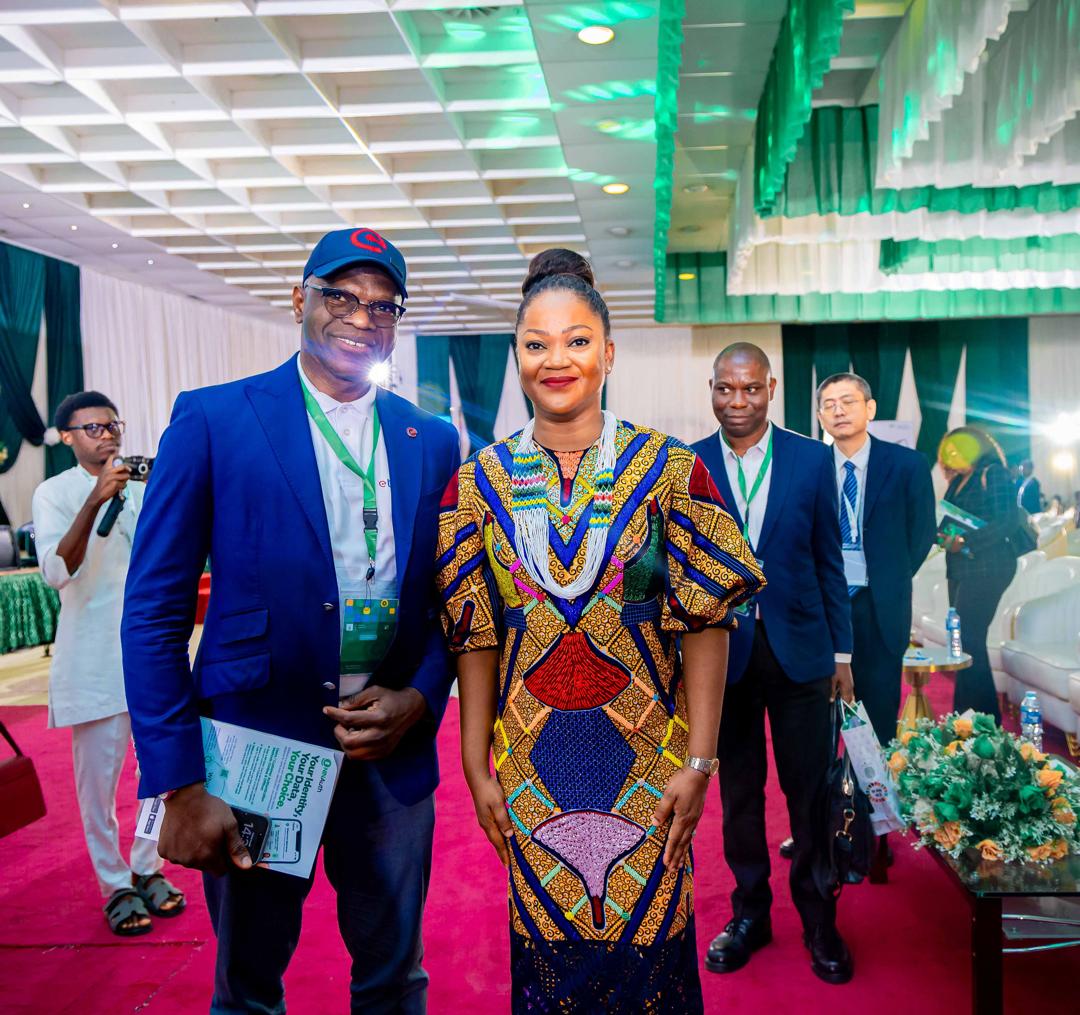
The financial technology company made the commitment at the 2026 International Identity Day celebration held at the State House Banquet Hall, Abuja, where government officials, technology companies, identity solution providers and private-sector stakeholders examined the role of digital public infrastructure in Nigeria’s economic transformation.
The event, themed “Nigeria’s Digital Public Ecosystem Powering Africa’s Digital Economy,” underscored the growing importance of digital identity beyond the traditional question of identification.
At a time when banking, payments, government interventions, credit, telecommunications and other essential services are increasingly moving online, the ability to establish that an individual is who they claim to be has become fundamental to participation in the digital economy.
A stronger identity ecosystem could make it easier for citizens to access financial services, government programmes and other technology-enabled services, while providing institutions with more reliable tools for verification, compliance and protection against identity-related fraud.
It could also help bridge gaps in financial inclusion by enabling more Nigerians to establish verifiable identities needed to access bank accounts, digital payment platforms, credit and other formal financial services.
It was against this backdrop that eTranzact, which works with the National Identity Management Commission (NIMC), renewed its commitment to supporting the country’s digital public infrastructure.
The Managing Director/Chief Executive Officer of eTranzact, Niyi Toluwalope, represented by the company’s Executive Director, Government Relations and Strategic Initiatives, Abubakar Achimugu, said the company’s participation demonstrated its commitment to public-sector partnerships and technology solutions capable of advancing Nigeria’s digital transformation.
The company’s position places digital identity within the broader conversation about the infrastructure required to make Nigeria’s digital economy work at scale.
Without dependable identity verification, digital services can face challenges involving fraud, duplication, exclusion and difficulties establishing the eligibility of users and beneficiaries.
Conversely, an identity system that is secure, interoperable and accessible can provide a common foundation upon which financial institutions, government agencies and technology companies can build services.
The issue is therefore no longer simply about issuing identity credentials. It increasingly concerns how those credentials can securely connect citizens to the wider digital ecosystem.
Stakeholders at the Abuja event consequently stressed the importance of collaboration between government and private-sector technology providers in developing an ecosystem capable of supporting Nigeria’s rapidly changing digital economy.
For financial technology companies such as eTranzact, the development has direct implications for the future of digital payments and financial services, where secure customer identification is central to transactions and regulatory compliance.
For government, a stronger digital identity architecture can support more efficient delivery of public services and interventions.
For citizens, it could determine how easily they participate in an economy in which an increasing number of everyday transactions and services are being delivered digitally.
The challenge, however, is ensuring that the expansion of digital identity does not create new barriers for people who are already underserved.
Stakeholders will therefore have to balance security and verification requirements with accessibility, interoperability and inclusion if Nigeria’s digital public infrastructure is to serve the entire population.
The discussions in Abuja thus highlighted a broader reality: Nigeria’s digital transformation will not be driven by applications and payment platforms alone.
Behind the visible digital economy must be an identity infrastructure capable of establishing trust between citizens, businesses and government.
As Nigeria seeks to deepen its digital transformation and strengthen its position in Africa’s technology economy, eTranzact said sustained public-private collaboration would remain critical to building the secure and inclusive digital ecosystem required to support that ambition.
Digital Identity Becomes New Battleground for Nigeria’s Economic Transformation — eTranzact
Troops arrest two suspects, recover suspected stolen goods in Plateau
By: Zagazola Makama
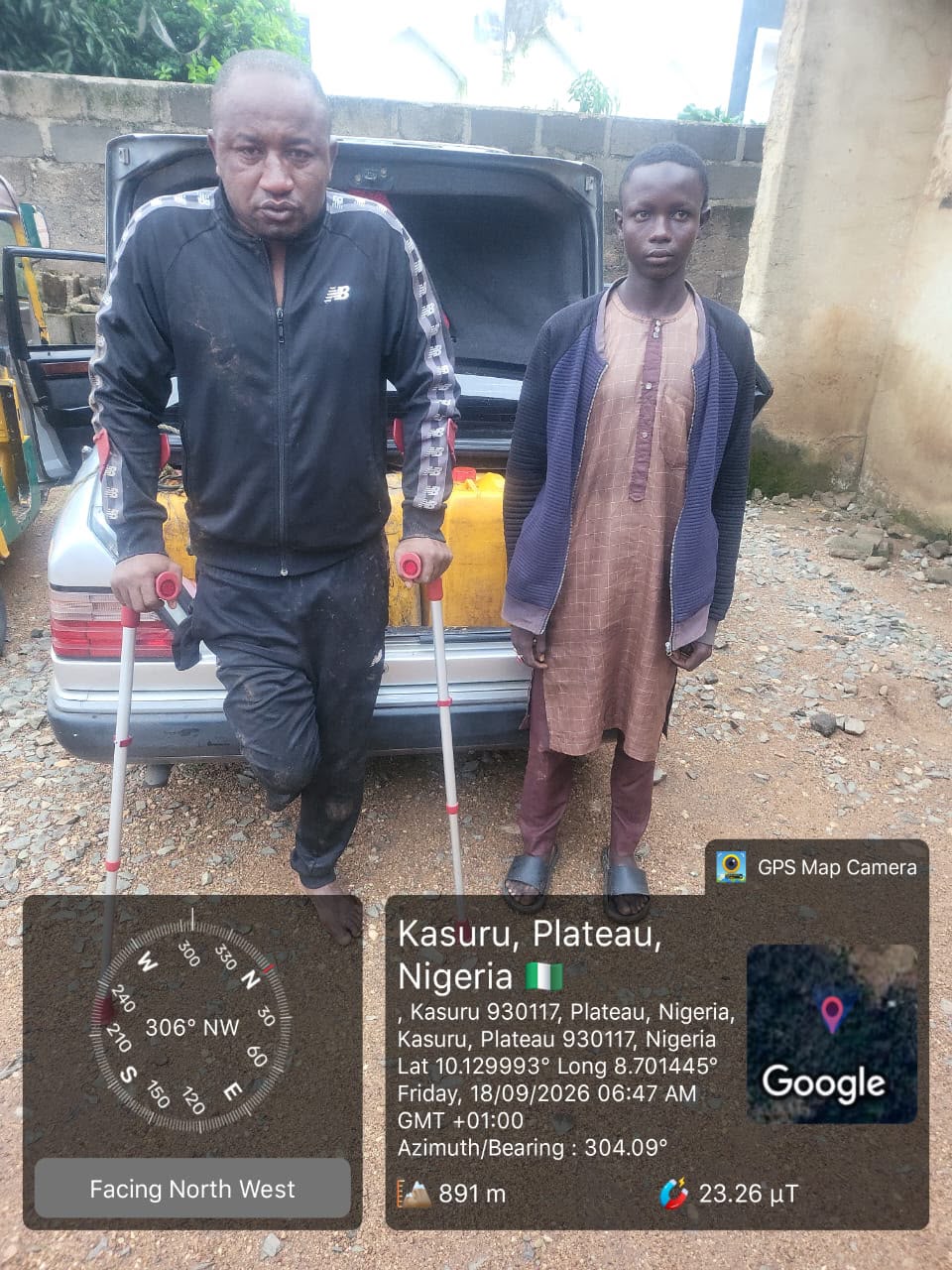
Troops of Sector 1, Operation Enduring Peace, have arrested two suspected criminals and recovered a vehicle loaded with suspected stolen items at Berger Junction, Mista-Ali, in Bassa Local Government Area of Plateau State.
The suspects were arrested at about 4:00 a.m. on September 18, 2026, following information about suspected criminals allegedly offloading stolen goods at the location.
The troops, acting on the report, swiftly mobilised to the area and arrested two suspects identified as Ibrahim Sulaiman, 33, and Ibrahim Husaini, 23.
The troops also recovered a Mercedes-Benz E220 vehicle allegedly loaded with suspected stolen items.
The recovered items included eight 25-litre containers of palm oil, four 4-litre containers of palm oil, two 50kg bags of rice, one 50kg bag of sugar, one carton of Maggi seasoning and an empty 25-litre jerrycan.
The suspects and recovered items were subsequently handed over to the Keystone Mista-Ali Outpost for further investigation and appropriate legal action.
Security sources said the arrest followed sustained intelligence gathering and patrol operations aimed at disrupting criminal activities and recovering stolen property in the area.
Troops arrest two suspects, recover suspected stolen goods in Plateau
GOC 3 Division engages Bokkos stakeholders over farmer-herder conflicts
By: Zagazola Makama
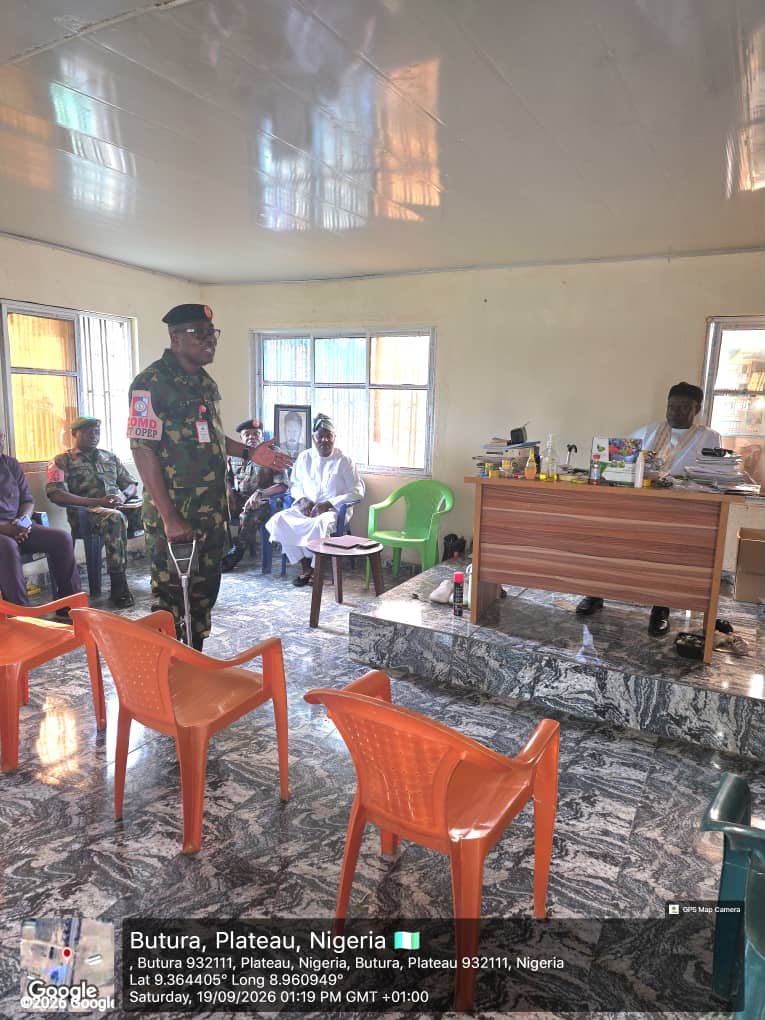
The General Officer Commanding 3 Division and Commander, Operation Enduring Peace, Maj. Gen. W.M. Dangana, has engaged district heads and other stakeholders in Bokkos Local Government Area of Plateau State as part of efforts to address recurring farmer-herder conflicts in the area.
Maj. Gen. Dangana arrived at the headquarters of Sector 5, Operation Enduring Peace, in Bokkos at about 1:00 p.m. on September 19, 2026, where he was received by the Sector Commander.
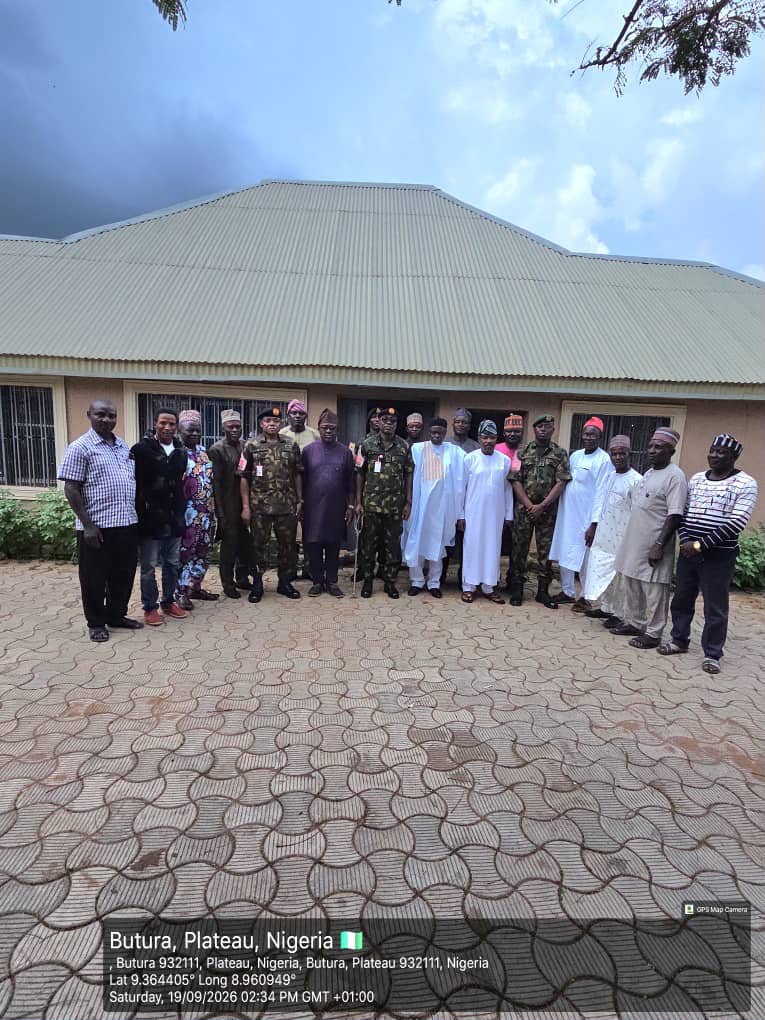
The GOC thereafter proceeded to the Palace of the Saf Bokkos, where he held an engagement meeting with district heads and other stakeholders from across the local government area.
The engagement formed part of ongoing non-kinetic efforts by the military and other stakeholders to address the underlying tensions between farming and herding communities and promote peaceful coexistence.
Discussions with traditional leaders and community stakeholders are expected to support the identification of local grievances, strengthen communication with security agencies and help prevent disputes from escalating into violence.
The engagement was conducted peacefully and without any incident.
GOC 3 Division engages Bokkos stakeholders over farmer-herder conflicts

Digital Identity Becomes New Battleground for Nigeria’s Economic Transformation — eTranzact

2027: Tinubu’s trip to America puts an end to the chatter about his supposed inability to enter the United States.

Troops arrest two suspects, recover suspected stolen goods in Plateau

Roger Federer’s Shock as DNA Results Reveal Myla and Charlene Are Not His Biological Children

THE PLIGHT OF FARIDA

FAILED COUP IN BURKINA FASO: HOW TRAORÉ NARROWLY ESCAPED ASSASSINATION PLOT AMID FOREIGN INTERFERENCE CLAIMS
-
 News3 years ago
Roger Federer’s Shock as DNA Results Reveal Myla and Charlene Are Not His Biological Children
-
Opinions5 years ago
THE PLIGHT OF FARIDA
-
 News1 year ago
FAILED COUP IN BURKINA FASO: HOW TRAORÉ NARROWLY ESCAPED ASSASSINATION PLOT AMID FOREIGN INTERFERENCE CLAIMS
-

 News3 years ago
EYN: Rev. Billi, Distortion of History, and The Living Tamarind Tree
-
 Opinions5 years ago
POLICE CHARGE ROOMS, A MINTING PRESS
-

 ACADEMICS3 years ago
A History of Biu” (2015) and The Lingering Bura-Pabir Question (1)
-

 Columns3 years ago
Army University Biu: There is certain interest, but certainly not from Borno.
-

 Politics1 year ago
2027: Why Hon. Midala Balami Must Go, as Youths in Hawul and Asikira/Uba Federal Constituency Reject ₦500,000 as Sallah Gift
