
National News
ECOWAS Court Throw Out Human Rights Violations Case Against Mali


ECOWAS Court Throw Out Human Rights Violations Case Against Mali
By: Michael Mike
The ECOWAS Court has dismissed multiple claims of human rights violations brought by the human rights organisation, Collectif Cri de Coeur pour le Mali, against the government of Mali.
The case, premised on allegations of human rights violations during a conflict, included charges of rape, sexual violence, forced marriage, and torture by non-state actors.
The Applicant, representing the victims, sought judicial redress for these violations under various international human rights treaties, amongst which the Protocol to the African Charter on Women’s Rights in Africa (Maputo Protocol). However, the Court on Monday concluded that the Applicant’s claims lacked sufficient evidence and legal grounding to hold the government responsible.
The Applicants told the Court that since January 2012, Mali has been a theatre of armed conflicts, especially the northern part of the country which has been under control of armed groups. They claimed that, during the occupation of the town of Gao from April 2012 to January 2013, many acts of sexual violence were committed against women and under-aged girl.
Some of the Applicants, who were among victims of the alleged violations, said they lodged complaints and claims for indemnification through their lawyers as far back as 2016. They alleged that the trial judge held their files for an unreasonable time before sending them to the Public Prosecutor of the Republic in Gao. They claimed that the latter returned their files after five months, informing them of his incompetence on the ground that the alleged facts constituted a terrorism crime and could only be handled by a specialised court.
The Applicants said they have not been able to access their files since, moreover no other decision has been taken to advance proceedings in the case. They claimed that they have been denied justice and that, by its inaction, Mali violated and continued to violate its obligation resulting from international conventions it freely adhered to.
They prayed the Court to declare that the State of Mali has violated their rights to fair trial and effective remedy, the rights of children to health care and health services and their rights to compensation. They asked the Court to order the Respondent to open investigations and prosecutions against the perpetrators, provide judicial, legal assistance, medical and psychological care to the victims. Finally, they asked the Court to order the payment of 40,000,000 FCFA for physical harm and 15,000,000 FCFA for moral harm to each of the victims.
The State of Mali contested the association’s claims, asserting the Court’s lack of jurisdiction and the inadmissibility of the case. The Court, while recognizing its jurisdiction and the admissibility of the case, ultimately dismissed the Applicants’ claims on the merits.
In respect with the violation of the rights to fair trial and the right to effective remedy, the Court held that the Applicants have not supported their claims with compelling facts and evidence to establish a derogation of the guarantees under Article 7 of the African Charter on Human and Peoples’ Rights (ACHPR).
On the violation of the Applicant’s rights to prosecution of perpetrators under the Maputo Protocol, the Court held that the Respondent having established mechanism to discharge its obligation, did not breach the rights of the Applicants. Other claims were dismissed by the Court for lack of quality evidence necessary to be successful.
Members of the panel of judges were Justices Edward Amoako Asante (Presiding) and Gberi-bè Ouattara and Sengu M. Koroma (Judge Rapporteur).
ECOWAS Court Throw Out Human Rights Violations Case Against Mali



AWALCO Nominates NUJ FCT Chair Grace Ike for November Award
By: Michael Mike
The Association of West African Legislative Correspondents (AWALCO) has commended the achievements of the Chairman of the Nigerian Union of Journalists (NUJ), FCT Council, Comrade Grace Ike, and nominated her for an award scheduled for November.
The association announced the nomination when its executives, led by President Innocent Odoh, paid a courtesy visit to the NUJ FCT Council Chairman in Abuja.
Odoh said Ike’s achievements since assuming leadership of the council had been impressive, describing her emergence as the first woman to chair the NUJ FCT Council as a significant milestone.
He said her leadership had demonstrated courage, commitment and the ability to take charge, adding that AWALCO was encouraged by the changes recorded under her leadership.
“We are indeed very impressed and inspired. It takes somebody with this kind of courage and commitment, and someone who will take charge of things, and we are really seeing the change,” Odoh said.
He explained that Ike’s nomination followed discussions within the association on journalists and leaders who had made significant contributions to the profession and public service.
According to him, her achievements, including her previous leadership of the House of Representatives Press Corps, placed her among those shortlisted for recognition.
Odoh disclosed that AWALCO had initially planned the award ceremony last year to coincide with the 25th anniversary of the ECOWAS Parliament, but the event was postponed after the Parliament scheduled its own award ceremony.
He said the proposed award was also part of AWALCO’s broader effort to promote awareness and strengthen collaboration with the NUJ FCT Council.
The association, he said, intends to work with the council to organise seminars, workshops and conferences focused on democracy, good governance, development and legislative accountability.
He described Parliament as the nucleus of a democratic system and said legislative correspondents had an important role to play in interrogating democratic principles and examining how legislation could translate into development for citizens.
With West Africa’s population exceeding 400 million, Odoh said stronger collaboration between AWALCO and the NUJ could help spread important democratic and governance messages across ECOWAS member states.
Responding, Ike welcomed the AWALCO delegation and expressed appreciation for the recognition.
She assured the association that the NUJ FCT Council was ready to partner with AWALCO in areas that would advance journalism, democracy and development.
“I really don’t take this award for granted. I’m honoured,” she said.
Ike urged journalists to uphold the principles of accuracy, fairness, balance and ethical reporting, stressing that the media remained a critical pillar of society.
She encouraged journalists to move beyond their traditional areas of coverage and report issues capable of positively affecting society and the wider West African region.
The NUJ FCT chairman also emphasised the importance of journalists’ welfare, describing it as a key priority of her leadership.
She urged AWALCO members to ensure accountability and transparency in their activities and said the NUJ would provide publicity support for initiatives and statements presented by the association as part of their proposed partnership.
Ike further challenged journalists to use their platforms to interrogate emerging issues affecting democracy in West Africa, including electoral reforms and proposals such as direct primary elections.
She said issues that could strengthen democratic governance should be properly examined and brought to public attention.
The NUJ FCT chairman also urged leaders in the journalism profession to build lasting legacies through diligent and responsible service.
“Leadership is not easy. If you are a leader, you must do everything possible to leave a legacy behind,” she said.
She urged younger journalists to remain committed to changing the narrative about leadership and public service, stressing that journalists should produce stories capable of touching lives and positively influencing society.
Also speaking on the nomination of the FCT NUJ Chairman, the Financial Secretary of AWALCO, Favour Olise, commended Ike’s leadership and urged her to continue supporting younger journalists.
Olise said Ike’s achievements had made her worthy of recognition, particularly her efforts to attract reputable organisations to partner with the NUJ.
“Younger ones not in age, younger ones in the Journalism profession, carry them along as you are already doing and keep doing the good works,” she said.
She described Ike’s efforts as encouraging and said her leadership was contributing positively to the image and development of the journalism profession.
AWALCO said it looked forward to strengthening its partnership with the NUJ FCT Council, particularly in promoting legislative journalism, democratic accountability, good governance and development across Nigeria and the wider West African region.
AWALCO Nominates NUJ FCT Chair Grace Ike for November Award

EU Releases €2.3m to Fight Cholera as Nigeria Gets €1.5m
…61,888 cases, 1,230 deaths recorded across Africa in five months
By: Michael Mike
The European Union has released €2.3 million in emergency humanitarian funding to Nigeria and three other African countries to contain the spread of cholera, as the disease continues to pose a major public health threat across the continent.
Nigeria is to receive the largest share of the intervention, €1.5 million, to strengthen its response to the outbreak, including the deployment of additional intervention teams, provision of cholera kits and intensified water, sanitation and hygiene measures.
The European Commission announced the funding on Monday, saying the money would also support epidemiological surveillance, particularly in hard-to-reach areas, improve case management and strengthen risk communication and community sensitisation.
The intervention comes against the backdrop of a significant cholera burden across Africa. The World Health Organisation reported 61,888 cholera cases and 1,230 deaths across 16 African countries between January 1 and May 31, 2026. Nigeria alone recorded 6,860 cases and 80 deaths during the period covered by the WHO report.
The WHO data showed that Nigeria recorded 5,798 new cases and 54 deaths in May alone, making it one of the countries reporting the highest number of cases in the African Region that month.
The latest EU intervention is therefore expected to provide additional resources for Nigeria’s efforts to prevent further transmission and reduce deaths from the disease, particularly in communities where access to safe water, sanitation and healthcare remains limited.
Under the Nigerian component of the funding, the EU said intervention teams would be increased, while essential cholera supplies would be provided to affected communities.
The funding will also support the treatment of public water points and household water, intensify disease surveillance in inaccessible areas and strengthen measures for detecting and managing cases.
Risk communication and community sensitisation will equally be expanded to help communities understand how cholera is transmitted and the steps required to prevent infection.
Cameroon will receive €100,000 for outbreak containment and case management.
The allocation will support additional humanitarian personnel, essential medicines, additional cholera treatment units and oral rehydration points in some of the country’s worst-affected villages.
The Central African Republic will receive €500,000 to scale up case management and vaccination, alongside water, sanitation and hygiene interventions.
The funds will also strengthen risk communication, community engagement, surveillance and case detection, while supporting dignified and safe burials.
Chad will receive €200,000 to help break the chain of transmission through improved access to water, sanitation and hygiene, as well as community support for surveillance and case management.
The EU Commissioner for Preparedness and Crisis Management, Hadja Lahbib, said the emergency funding was necessary because cholera continues to threaten lives in communities without adequate access to safe water and healthcare.
“Cholera is preventable and treatable. Yet it still threatens lives when people lack something as basic as safe water and healthcare,” Lahbib said.
She added that the intervention was coming at a time when humanitarian needs were increasing while available resources were shrinking.
“Europe is not looking away. This emergency funding will help our partners act quickly, contain the outbreaks and protect the communities most at risk,” she said.
Cholera is an acute diarrhoeal infection caused by the bacterium Vibrio cholerae. It is most commonly transmitted through contaminated food or water and can cause severe dehydration and death within hours in serious cases if treatment is not provided.
The WHO has warned that cholera outbreaks are increasingly difficult to control because of factors including conflict, population displacement, climate-related events, poor infrastructure and limited access to healthcare, particularly in rural and flood-affected communities.
The scale of the 2026 outbreak has also highlighted the continuing vulnerability of African countries to diseases linked to inadequate water and sanitation infrastructure.
WHO data show that the Democratic Republic of Congo recorded the highest number of cases in Africa between January and May, with 28,567 cases and 815 deaths, followed by South Sudan with 7,712 cases and Mozambique with 7,500 cases. Nigeria’s 6,860 cases placed it among the countries with the highest reported burdens during the period.
The WHO has cautioned, however, that reported figures may be affected by under-reporting, reporting delays and differences in surveillance systems and case definitions across countries.
Nigeria has also been receiving broader international support to strengthen its capacity to detect and respond to disease outbreaks. In May, the EU and WHO launched a €4.2 million programme aimed at strengthening selected Nigerian public health institutions, including their ability to detect outbreaks earlier and share information more rapidly.
With the latest €1.5 million cholera allocation, the immediate priority is expected to be containing transmission, expanding access to treatment and ensuring that communities at greatest risk have access to safe water, sanitation and reliable public health information.
The EU said the broader emergency response was intended to help its humanitarian partners move quickly, contain the outbreaks and protect communities most at risk.
EU Releases €2.3m to Fight Cholera as Nigeria Gets €1.5m
FG Readies 10,000 E-Vehicles for Northeast, Targets 100,000 Jobs
…Maiduguri plant set for Tinubu’s inauguration as NEDC links green transport to rural economy
By: Michael Mike
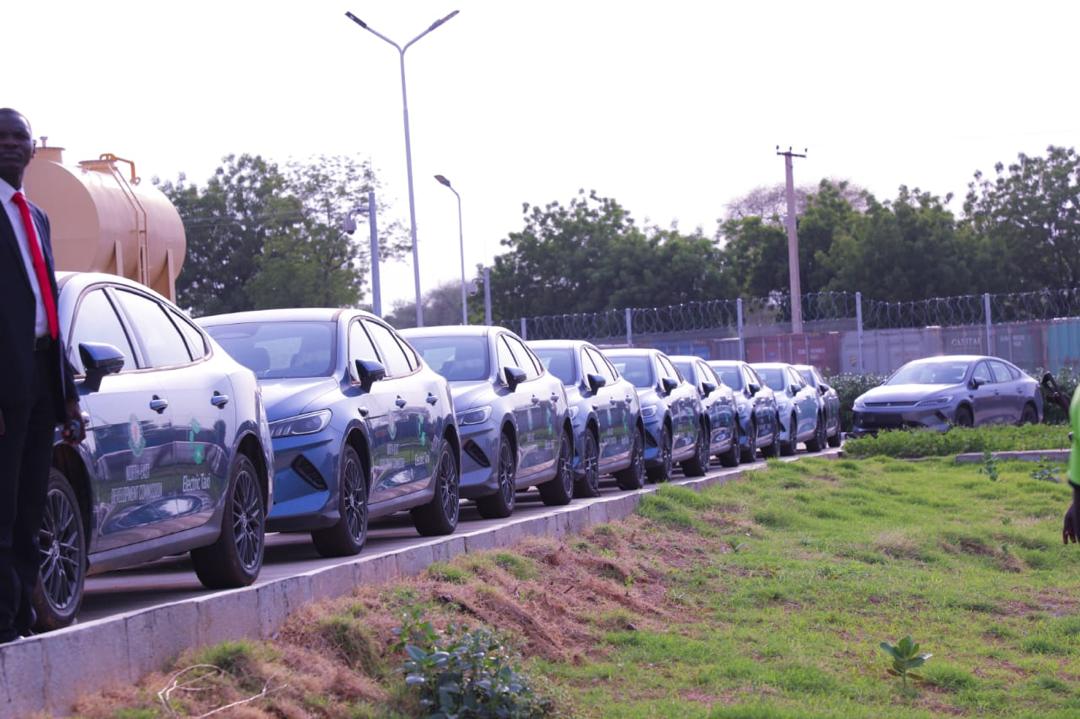
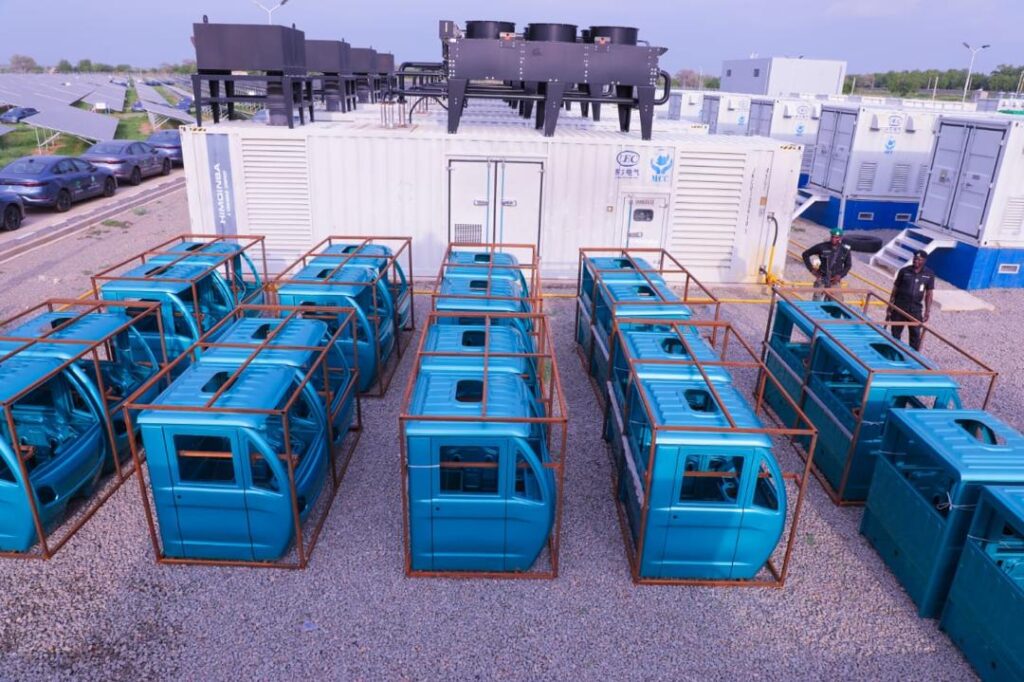
The Federal Government is set to launch a major electric mobility programme in the North-East, with an assembly plant in Maiduguri, Borno State, preparing to roll out 10,000 electric vehicles and tricycles in an initiative projected to generate employment for up to 100,000 people during the assembly process.
The Minister for Regional Development, Abubakar Momoh, disclosed this yesterday after inspecting the electric vehicle assembly facility being managed by the North-East Development Commission (NEDC) ahead of its planned inauguration by President Bola Ahmed Tinubu.
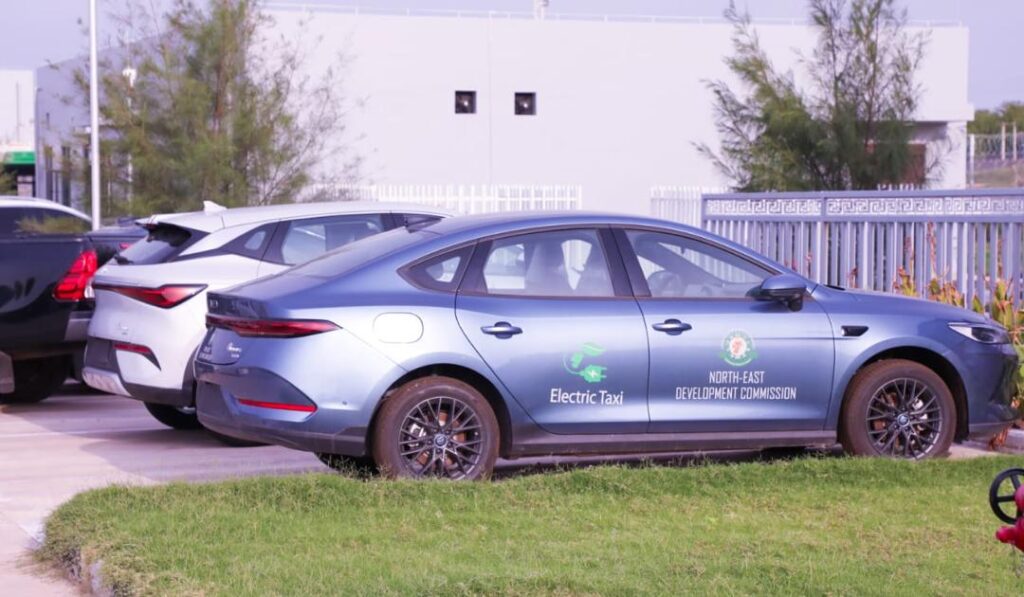
Momoh said the project had moved substantially beyond the planning stage, with nearly all the targeted vehicles already at the facility and assembly operations underway.
He said the fleet, comprising electric buses, taxis and tricycles, would be deployed across the six states of the North-East, with charging infrastructure incorporated into the programme.
The minister described the project as a significant demonstration of the administration’s transformation agenda, particularly its efforts to combine infrastructure development, youth employment, cleaner transportation and economic recovery in the region.
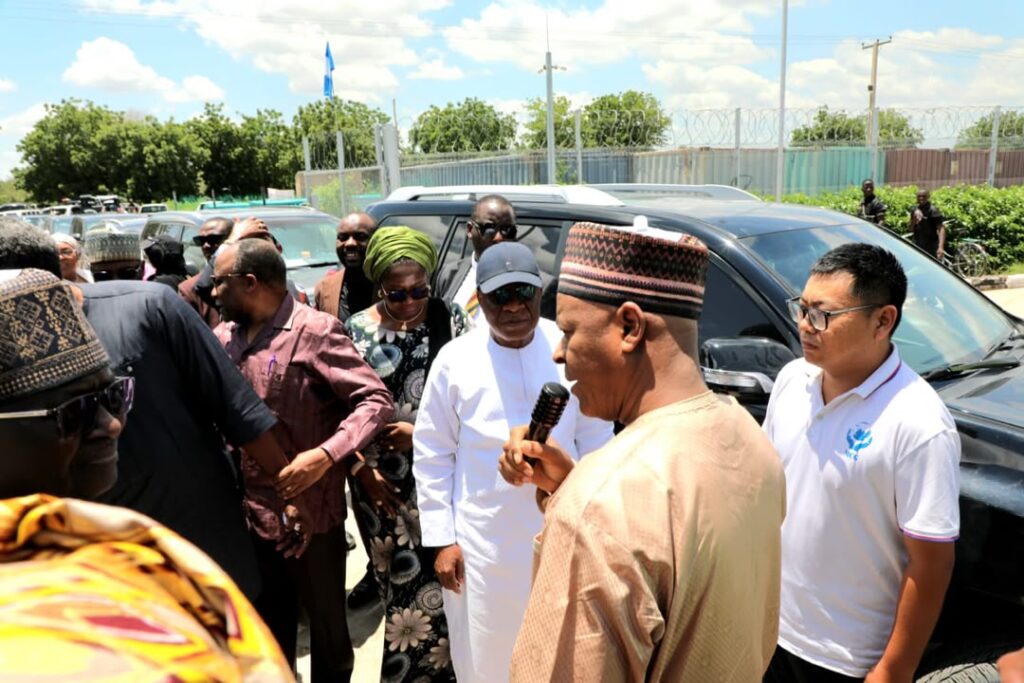
“Apart from the fact that it will help to improve commuting of people, and create more job opportunities for the youths,” Momoh said, adding that the assembly process itself was already generating employment.
One of the most significant aspects of the initiative is its potential employment impact.
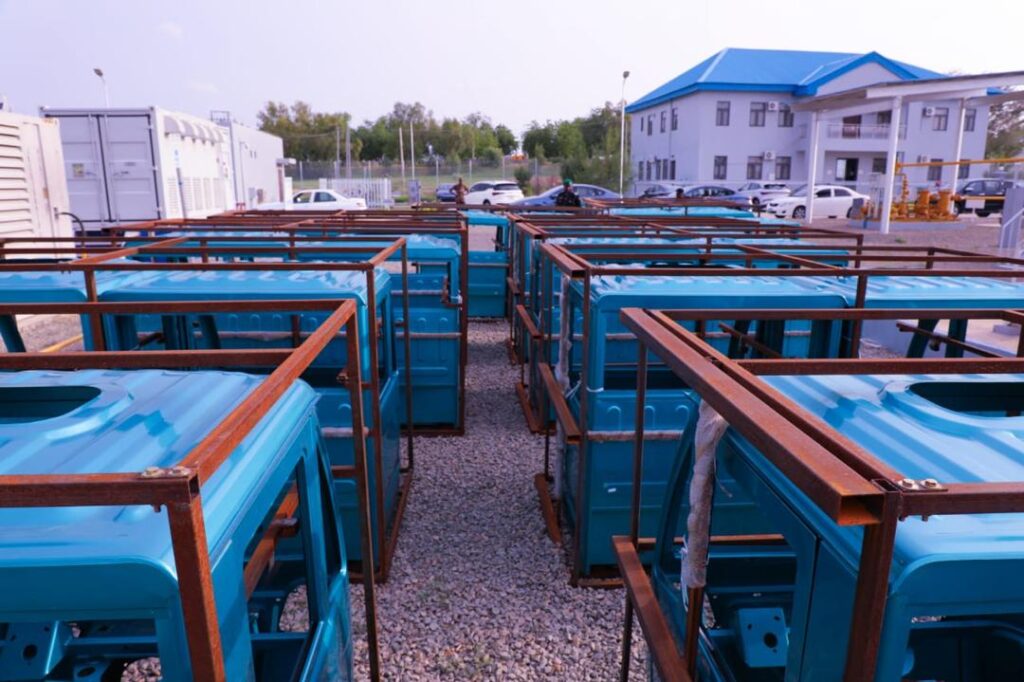
According to the minister, the project’s Director of Operations briefed him that the assembly of the 10,000 vehicles could provide employment for not less than 100,000 people before the target is completed.
The claim places the Maiduguri project at the centre of the Federal Government’s broader effort to make infrastructure spending translate into direct economic opportunities for young Nigerians, rather than merely producing physical assets.
The vehicles are also expected to create jobs beyond the assembly line through transportation operations, servicing, maintenance and supporting infrastructure once deployed across the region.
The project has an additional dimension that could prove particularly important to the North-East’s predominantly agrarian economy.
Momoh said some of the electric tricycles were designed to carry both passengers and agricultural produce, potentially allowing farmers in remote communities to move their commodities to urban markets more efficiently.
He therefore directed attention to the relationship between the e-vehicle programme and ongoing rural road construction.
According to him, the combination of improved roads and appropriate transport could strengthen the connection between rural producers and city markets.
The minister specifically urged the NEDC leadership to ensure that communities along newly rehabilitated road corridors were not excluded from the distribution of the vehicles.
He said rural residents needed the vehicles to evacuate agricultural produce from their communities to urban centres.
The Maiduguri project is not a new policy idea. The NEDC announced plans in 2024 to introduce 10,000 electric vehicles across the North-East as part of an effort to modernise transportation, reduce carbon emissions and respond to climate-change concerns.
The original plan envisaged a mix of nine-seater solar-powered tricycles, four-seater taxis and 40-seater buses, with deployment across Adamawa, Bauchi, Borno, Gombe, Taraba and Yobe states.
The commission had said the programme would be implemented in two phases of 5,000 vehicles each, while charging points would be established across the six states. Plans also included solar-power installations along major routes to support charging infrastructure.
The current inspection indicates that the initiative has now reached the assembly and deployment stage, bringing the long-planned regional mobility scheme closer to implementation.
For the North-East, the project comes against the backdrop of years of infrastructure deficits, disrupted economic activity and major transportation challenges.
The region comprises vast rural areas where poor transport connectivity can raise the cost of moving farm produce and limit access to markets, schools, healthcare and other essential services.
The NEDC was established specifically to coordinate reconstruction, rehabilitation and development interventions in the six North-Eastern states.
The electric mobility programme consequently fits into a wider regional-development strategy rather than being merely a vehicle procurement exercise.
The commission’s plan to link the vehicles with rural roads is particularly significant because better roads without affordable transport can leave rural communities economically isolated, while vehicles without passable roads cannot deliver their full value.
The initiative also places the North-East within Nigeria’s broader transition towards cleaner transportation.
Nigeria has been pursuing electric mobility as part of its energy-transition strategy, with the Federal Government increasingly promoting local assembly, charging infrastructure and technology transfer.
In January 2026, the National Automotive Design and Development Council disclosed that the Federal Government had signed an agreement with South Korea’s Asia Economic Development Committee for an electric vehicle manufacturing project and charging infrastructure. That separate national initiative envisages an eventual production capacity of 300,000 vehicles and about 10,000 jobs, alongside development of battery, component and charging ecosystems.
The broader policy objective is to move Nigeria beyond dependence on imported vehicles and fossil-fuel-powered transportation by developing local manufacturing capacity and the technical workforce required to sustain an electric-vehicle economy.
During his Maiduguri tour, Momoh also inspected rural road projects, including the Ngwom/Kushebe/Gadamari corridor towards Gongulong, and said he had observed substantial improvement.
He linked the road projects directly to the e-vehicle programme, arguing that improved roads would increase the usefulness of the vehicles, particularly for agricultural communities.
The minister also inspected the ongoing construction of the NEDC headquarters in Maiduguri and expressed satisfaction with the pace of work.
He said the project, which was at basement level during his previous visit, had progressed considerably, with the basement completed and another section of the building already under construction. He expressed confidence that the headquarters would be completed within 18 to 24 months.
For the Tinubu administration and the NEDC, the forthcoming inauguration will mark only the beginning of the real test.
The success of the programme will ultimately depend on whether the 10,000 vehicles remain operational after deployment, whether charging infrastructure is reliable, whether spare parts and technical expertise are locally available, and whether rural communities receive a meaningful share of the fleet.
If those challenges are effectively addressed, the Maiduguri project could become more than a transport intervention: it could provide the North-East with a new industrial ecosystem built around electric mobility, youth employment, clean energy, rural commerce and local technical skills.
And with nearly 10,000 vehicles already at the assembly facility, the region’s long-awaited shift towards electric mobility appears to be moving from policy promise to production reality.
FG Readies 10,000 E-Vehicles for Northeast, Targets 100,000 Jobs

Strike: Gombe tertiary institutions issue 14-Day ultimatum over unpaid entitlements

Buni calls on emirs to lead peace missions in Yobe

Buni urged youths in Yobe to actively participate in elections for competent candidates

Roger Federer’s Shock as DNA Results Reveal Myla and Charlene Are Not His Biological Children

THE PLIGHT OF FARIDA

FAILED COUP IN BURKINA FASO: HOW TRAORÉ NARROWLY ESCAPED ASSASSINATION PLOT AMID FOREIGN INTERFERENCE CLAIMS
-
 News2 years ago
Roger Federer’s Shock as DNA Results Reveal Myla and Charlene Are Not His Biological Children
-
Opinions5 years ago
THE PLIGHT OF FARIDA
-
 News1 year ago
FAILED COUP IN BURKINA FASO: HOW TRAORÉ NARROWLY ESCAPED ASSASSINATION PLOT AMID FOREIGN INTERFERENCE CLAIMS
-

 News2 years ago
EYN: Rev. Billi, Distortion of History, and The Living Tamarind Tree
-
 Opinions5 years ago
POLICE CHARGE ROOMS, A MINTING PRESS
-

 ACADEMICS2 years ago
A History of Biu” (2015) and The Lingering Bura-Pabir Question (1)
-

 Columns2 years ago
Army University Biu: There is certain interest, but certainly not from Borno.
-

 Politics1 year ago
2027: Why Hon. Midala Balami Must Go, as Youths in Hawul and Asikira/Uba Federal Constituency Reject ₦500,000 as Sallah Gift
