
News
ECOWAS Speaker Decries Rising Terrorism Violent Extremism , Organised Crime in West Africa

ECOWAS Speaker Decries Rising Terrorism Violent Extremism , Organised Crime in West Africa
By: Michael Mike
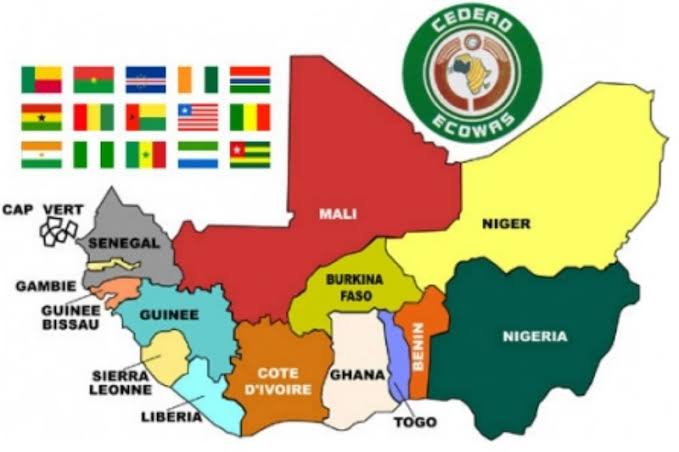
Speaker of the Economic Community of West African States (ECOWAS) Parliament, Hadja Mémounatou Ibrahima, has decried the increasing surge in the threat of terrorism, violent extremism and organised crime in West African sub-region.
Speaking during the 2024 First Ordinary Session of the ECOWAS Parliament in Abuja, Ibrahima expressed gratitude to Almighty God, Creator and Originator of all things, saying that out of His unending kindness, he has enabled the parliament to meet at the National Assembly, which is highly symbolic of the Parliament’s commitment to viable and sincere sub-regional integration.
Ibrahima who said that the session is taking place in a difficult international context for the entire planet earth, insisted that as the world had barely emerged from pandemics and epidemics, although not fully, but still grappling with a number of scourges and challenges, such as poverty, climate change, the Russian-Ukrainian crisis and the conflict in the Middle East, to name but a few.
She said: “Unfortunately, the problems are compounded by another phenomenon of staggering proportions in the region, namely the upsurge in the threat of terrorism, violent extremism and organised crime, which is costing the lives of our valiant defence and security forces, as well as thousands of innocent people.”
Ibrahim’s said there are various political, economic and security crises in several member states which the 6th Legislature must urgently help to address, adding that:
“These include the desire expressed by three of our member states to withdraw from the Community, as well as the growing tensions between the Republics of Benin and Niger, not to mention other constant concerns in the region such as terrorism, food insecurity, irregular migration and the adverse effects of climate change.”
She noted that discussions on the various issues led to the adoption by Parliament of what is known as the “Kano Declaration,”
stressing that by means of the declaration, the ECOWAS Parliament resolved, among other things, to set up an ad hoc mediation committee to initiate and maintain not only dialogue with the authorities of the different countries, but also communication among the various populations.
She noted that the Parliament also resolved to conduct field visits to understand and help settle disagreements between the two friendly and sister nations, Benin and Niger and to encourage the ECOWAS Commission to expedite the implementation of the joint defence strategy to fight against terrorism and violent extremism.
“I want to assure you that, during its last two meetings, the Bureau of Parliament discussed these recommendations at length, and urgent actions are being taken in collaboration with other ECOWAS institutions to implement them,” Ibrahima disclosed.
In his remarks, President of the ECOWAS Commission, Omar Touray, said besides the many threats related to peace and security, as well as challenges related to poverty, the West African region is also facing the risks of disintegration.
He said: “As you all know, on January 29th, Burkina Faso, Mali, and Niger notified the Commission of their intention to leave ECOWAS with immediate effect.
“Our people – the people of West Africa – have lived within an integrated ECOWAS community for several decades. Populations have benefited from freedom of movement within our ECOWAS space and have begun to perceive the advantages of our common market where local products are traded freely in a market of over 400 million inhabitants. In addition, the use of a common passport and a common biometric identity card for travel within our community space has been introduced.
“Given these advantages, it is clear that disintegration will not only disrupt the freedom of movement and establishment of people, but it will also aggravate insecurity in the region. More specifically, the withdrawal of the three aforementioned countries will deal a severe blow to security cooperation, particularly in terms of intelligence sharing and participation in the fight against regional terrorism and other joint security initiatives, such as the operationalization of the ECOWAS standby force that our member states’ defense ministers have just agreed to activate, as well as the Accra Initiative and the Multinational Joint Taskforce,” Touray said.
Touray also said the withdrawal of the three countries could also lead to diplomatic and political isolation on the international stage, as the countries will no longer be able to benefit from bloc support when their citizens or candidates seek international positions within the African Union, the United Nations, and similar bodies.
“This withdrawal will also affect travel and immigration conditions for citizens of these three countries, as they will now have to apply for visas before traveling within the sub-region. Citizens of these countries may no longer be able to reside or freely create businesses within the facilities established by ECOWAS and may be subject to various national laws. Additionally, these three countries will have to cease using ECOWAS passports, the ECOWAS biometric national identity card, and the ECOWAS “Brown Card” automobile insurance on a regional scale.
“Economically and financially, the withdrawal of the three member states could lead to the cessation or suspension of all projects and programs implemented by ECOWAS in these countries, valued at over 500 million US dollars.
“It is also worth noting that the two regional financial institutions, namely the ECOWAS Bank for Investment and Development (EBID) and the West African Development Bank (BOAD), have significant investments in these three countries. EBID has 27 projects currently in these three countries, with a total value estimated at around 321.634 million US dollars, of which 38.1 percent are public sector projects and 61.9 percent are private sector projects. The banking portfolio in these three countries represents approximately 22.5 percent of the total bank portfolio in the 15 member states. The three countries have contributed a total of 33.135 million US dollars to the bank’s capital.
“Institutionally, it is worth noting that the withdrawal of the three countries will result in the closure of four ECOWAS regional entities in Burkina Faso, two ECOWAS regional bodies in Mali, and one ECOWAS regional office in Niger. This will also affect the job security of approximately 130 ECOWAS staff citizens of the three countries, distributed as follows: 77 from Burkina Faso; 23 from Mali; and 32 from Niger,” Touray also said.
ECOWAS Speaker Decries Rising Terrorism Violent Extremism , Organised Crime in West Africa


Missing herder, four livestock killed by suspected militia elements in Mangu, Plateau
By: Zagazola Makama
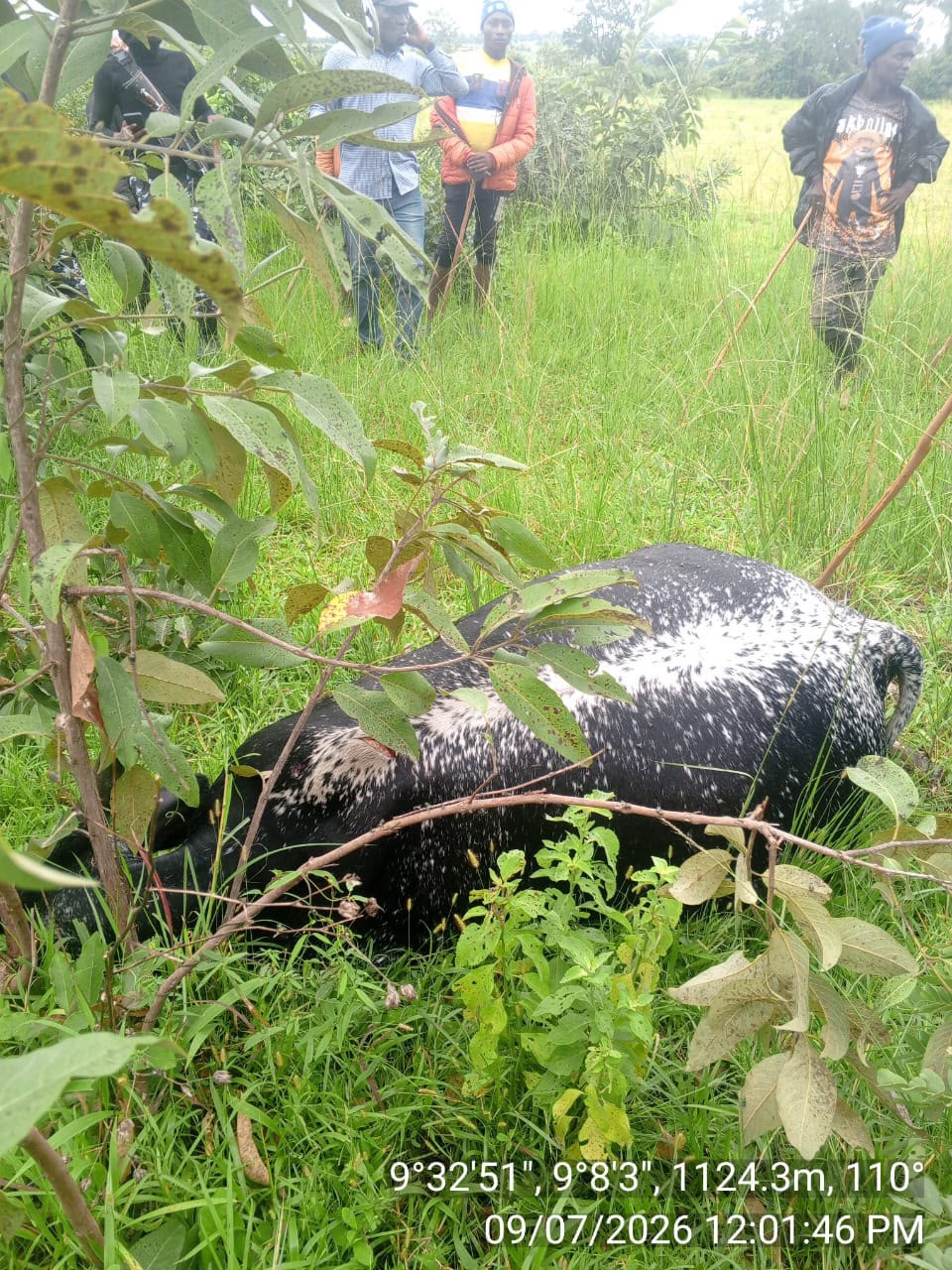
Troops of Operation Enduring Peace have recovered the body of a 13-year-old herder who was declared missing after he went out to graze cattle in Mangu Local Government Area of Plateau State, with four livestock also found dead in what military authorities suspect was an attack by armed militia.
Sources said the victim, identified as Mustapha Abdul Kadir, left home on July 8 to graze cattle around the bushes near Gauge Village but failed to return, prompting concern among family members and the community.

According to the sources, troops of Sector 8, Sub-Sector 81, in conjunction with local security personnel and community members, launched a search-and-rescue operation in the area.
The operation led to the discovery of the teenager’s body on Thursday in a shallow well, alongside four dead cattle believed to have been killed during the attack.
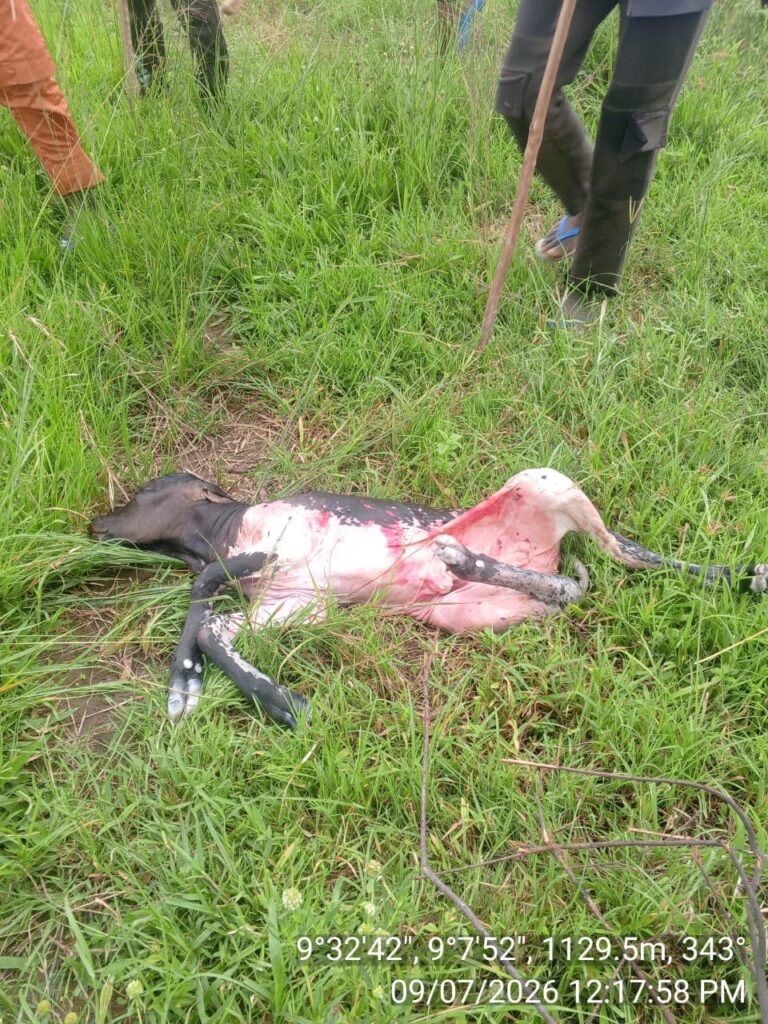
The military said preliminary findings indicated that the victim was attacked by suspected militia while grazing the livestock before his body was dumped in the well.
The remains of the deceased were handed over to his family for burial in accordance with local customs.
The military said stakeholders in the community had been engaged to prevent any breakdown of law and order and to avert possible reprisal attacks.
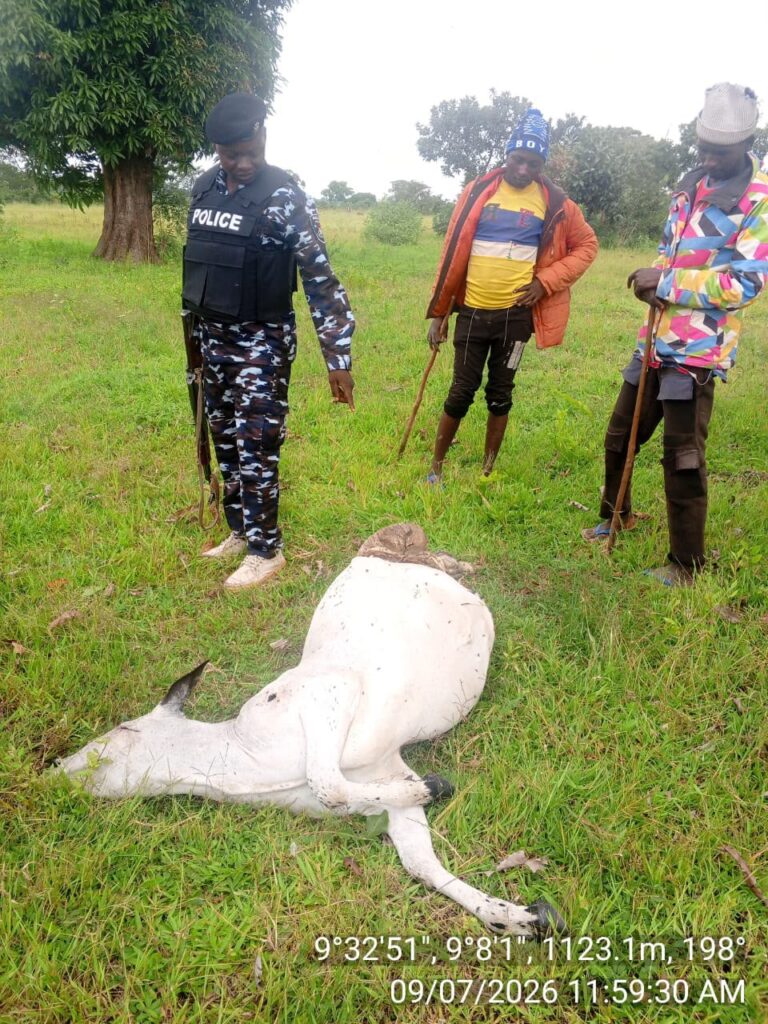
It added that efforts were ongoing to track down and arrest the perpetrators, while troops had intensified patrols across the Operation Enduring Peace Joint Operations Area to protect communities, schools and other critical national infrastructure.
The incident is the latest in a series of security challenges affecting parts of Mangu LGA, where attacks linked to armed groups have continued to threaten lives and livelihoods.
Security sources said community leaders and other stakeholders had been engaged to calm tensions and prevent reprisals, while efforts were underway to identify and arrest those responsible for the attack.
The killing comes amid persistent violence in parts of Plateau State, where recurring clashes involving farming and herding communities have claimed scores of lives and destroyed property over the years.
Attacks targeting either farmers or herders often trigger immediate retaliatory violence, reinforcing a cycle of reprisals that has remained one of the major drivers of insecurity in the state.
Missing herder, four livestock killed by suspected militia elements in Mangu, Plateau
News
Police, Troops Rescue Kidnapped INEC Staff, Repel Bandits, Recover Hundreds of Rustled Cattle in Zamfara
Police, Troops Rescue Kidnapped INEC Staff, Repel Bandits, Recover Hundreds of Rustled Cattle in Zamfara
By Zagazola Makama
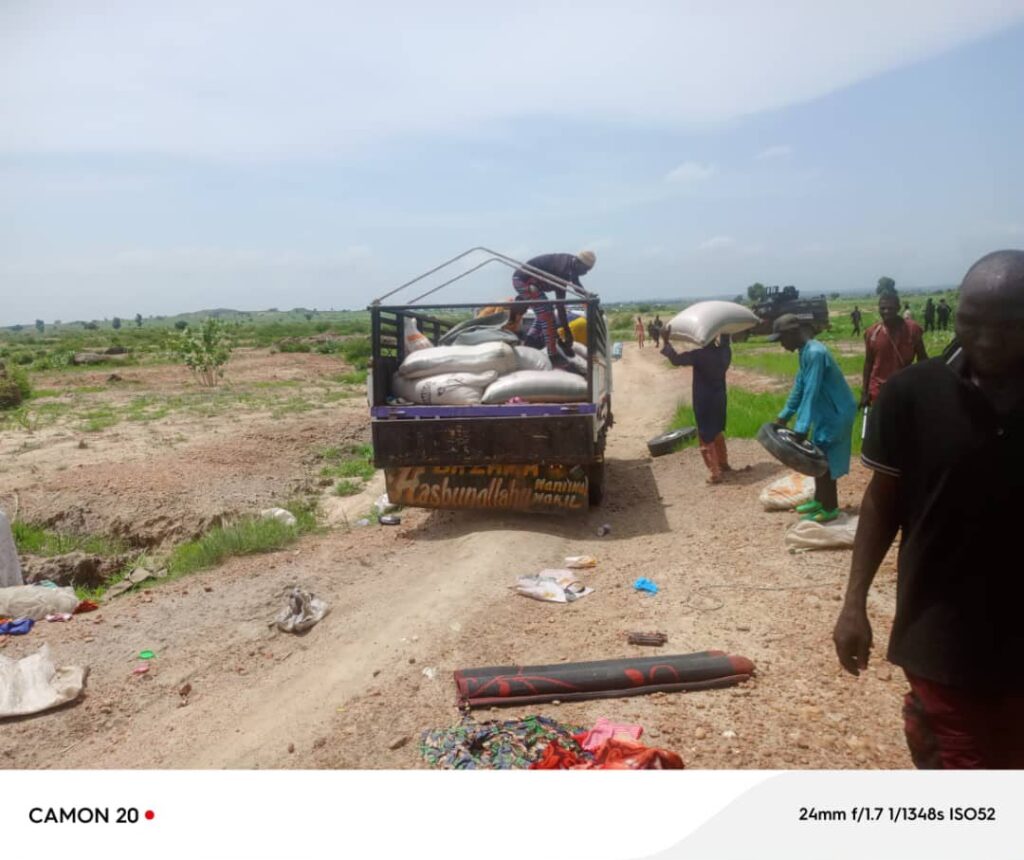
A joint security operation involving the Zamfara State Police Command and military personnel has rescued a kidnapped staff member of the Independent National Electoral Commission (INEC), thwarted coordinated bandit attacks, and recovered hundreds of rustled cattle following separate operations in Gummi, Talata Mafara and Gusau Local Government Areas of Zamfara State.
Intelligence sources told Zagazola Makama that the operations followed a series of coordinated attacks launched by heavily armed bandits across the affected communities.
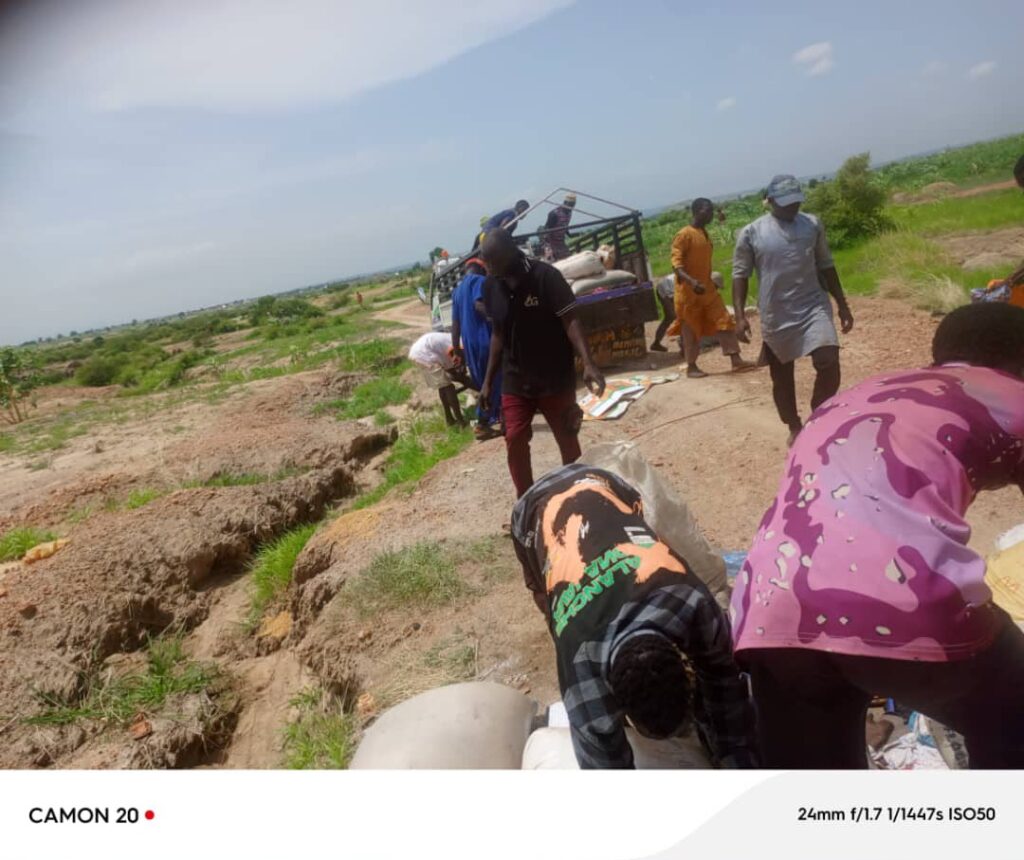
The sources said that at about 3:30 p.m. on July 7, a large group of armed bandits riding on about 50 motorcycles stormed villages in the Ruwan Bore District of Talata Mafara Local Government Area, rustling hundreds of cattle during the attack.
A woman sustained a gunshot injury from a stray bullet and was evacuated to the General Hospital in Talata Mafara, where she is receiving treatment.
The attackers subsequently advanced toward Gummi Local Government Area, where they abducted Mr. Aliyu Mohammed, an INEC staff member who was on official assignment with the National Examinations Council (NECO). The official had transported examination scripts collected from secondary schools in Gummi to Sokoto before he was intercepted and kidnapped along the Gummi–Sokoto Road.
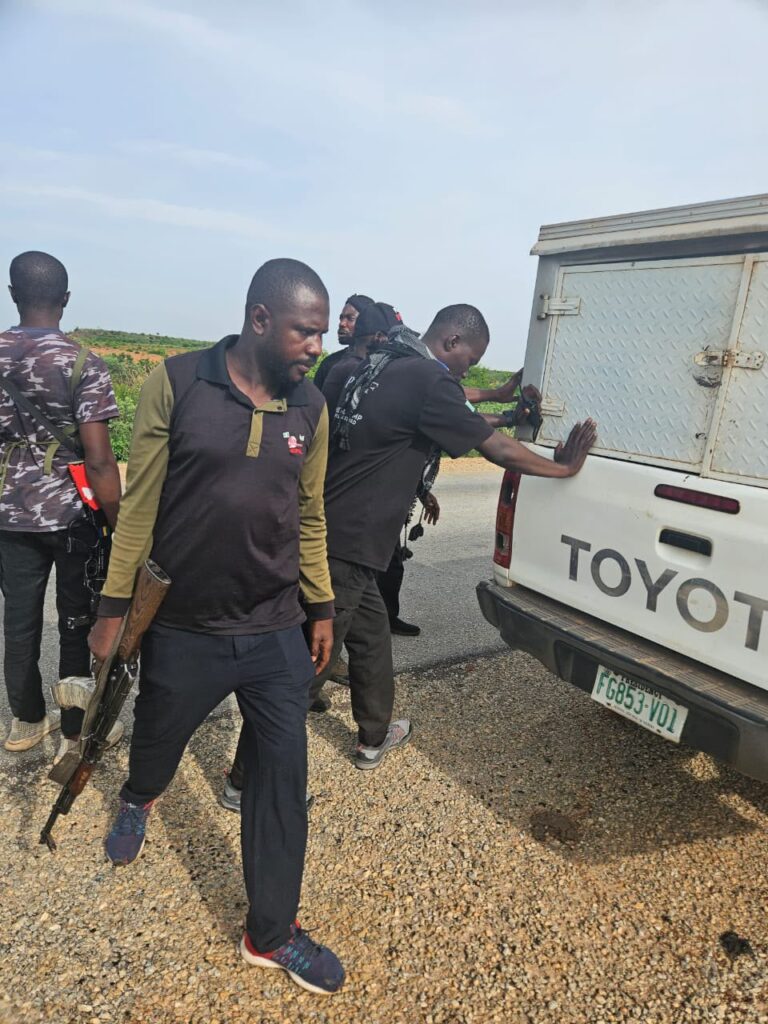
Security sources said the victim’s official white Toyota Hilux vehicle with registration number FG 853-V01 was later found abandoned at Tafkin Area.
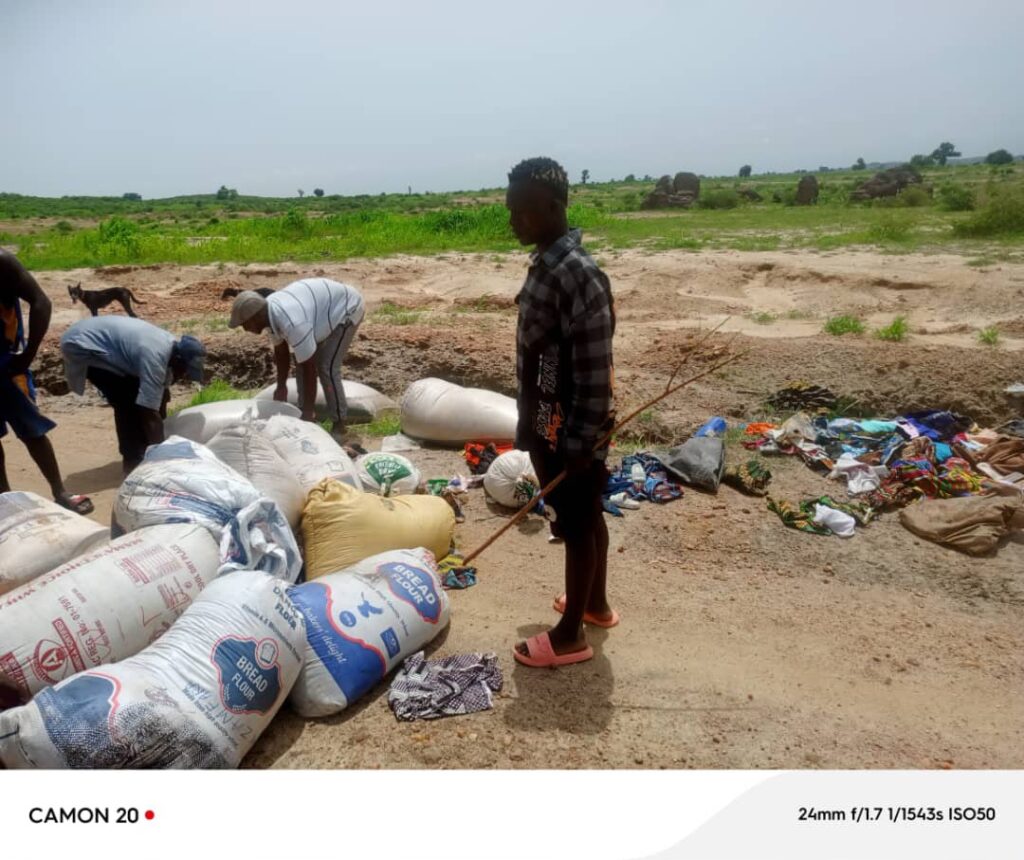
Police operatives from Gummi Division responded promptly, recovered the abandoned vehicle and secured the examination scripts, which were subsequently handed over to the Principal of Government Unity Secondary School, Gummi, Mr. Ashiru Umar, for onward transmission to the appropriate NECO office in Sokoto.
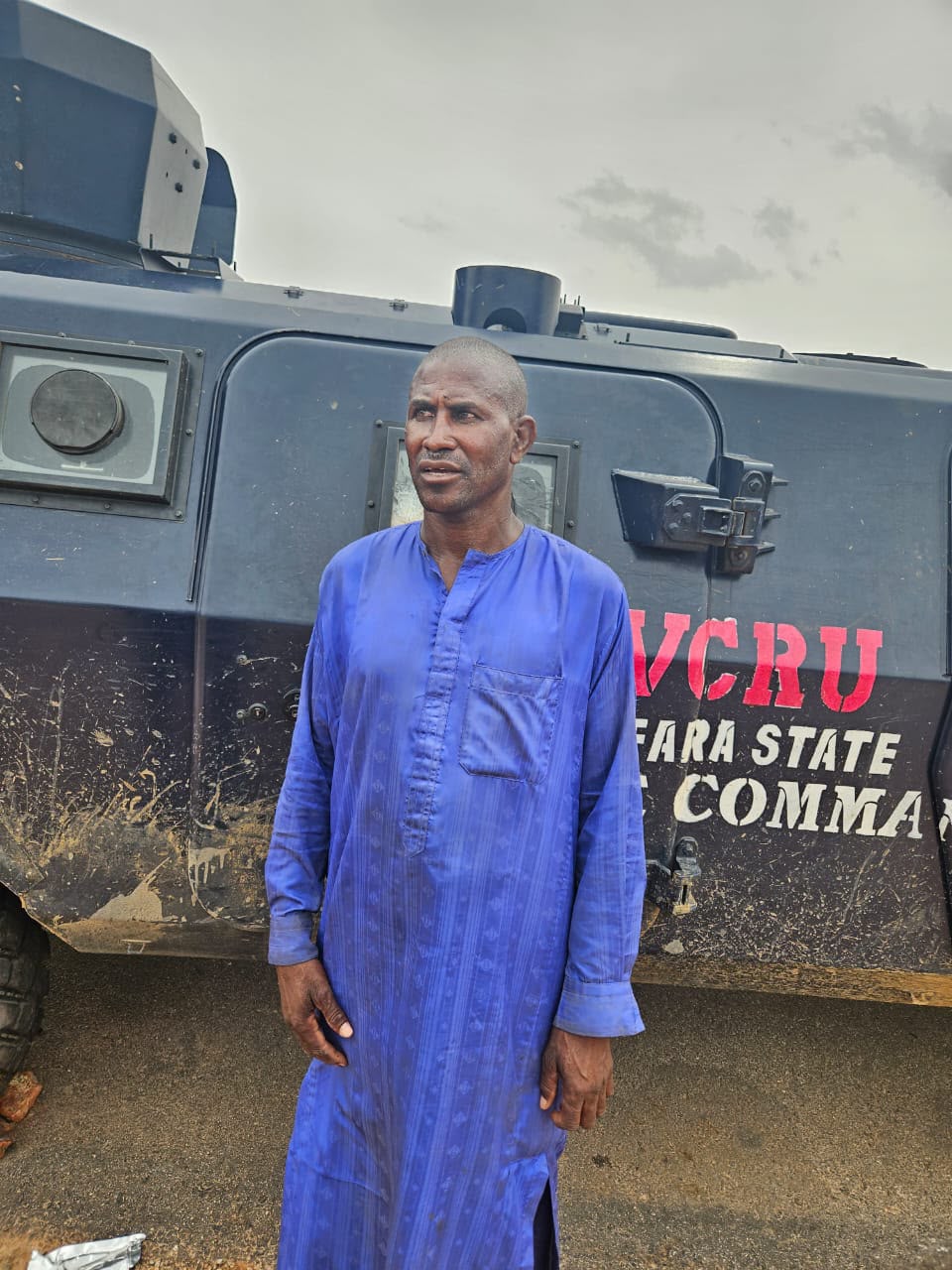
Following intelligence that a large concentration of armed bandits had regrouped inside Gando Forest after inviting reinforcements from neighbouring Sokoto and Kebbi States to retaliate against recent security operations, the Zamfara State Police Command deployed its Violent Crime Response Unit (VCRU) to reinforce military troops already conducting operations in the area.
The combined security team engaged the bandits in a fierce gun battle that began at about 2:45 a.m. on July 8.
According to the sources, the superior firepower of the joint force overwhelmed the bandits, forcing them to flee into the forest with significant casualties, while several escaped with gunshot wounds.
During the operation, the kidnapped INEC official and another abducted victim were rescued unhurt. Security operatives also recovered hundreds of rustled cattle, which were subsequently returned to their rightful owners.
In a related operation on July 8 at about 9:55 a.m., security operatives responded to a distress call reporting the abduction of several motorists and farmers at Kwanar Ganuwa in Gusau Local Government Area.
Personnel of the VCRU, supported by the Police Mobile Force (PMF), engaged the bandits in a gun battle, compelling them to abandon their captives and flee into the surrounding forest.
All the victims were rescued unharmed and evacuated to safety.
The Commissioner of Police in Zamfara State, CP A.M. Bello, reaffirmed the Command’s commitment to sustaining offensive operations against banditry and other violent crimes across the state. He also urged residents to continue supporting security agencies with timely and credible information to enhance ongoing efforts to restore peace and security.
Police, Troops Rescue Kidnapped INEC Staff, Repel Bandits, Recover Hundreds of Rustled Cattle in Zamfara
South African Security Forces Arrest 137 in Major Illegal Mining Crackdown in Gauteng
By Zagazola Makama
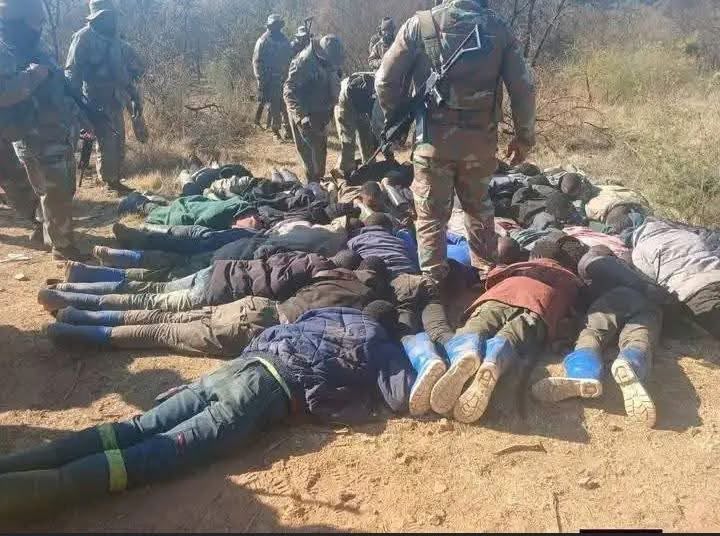
South African security agencies have arrested 137 suspects during a coordinated operation targeting illegal mining activities in Gauteng Province, authorities said.
The operation was carried out by the South African Police Service (SAPS) in conjunction with the South African National Defence Force (SANDF), Sibanye Protection Services, and Fidelity Specialised Services as part of ongoing efforts to dismantle illegal mining syndicates operating across the province.
According to security officials, the suspects include undocumented foreign nationals from Nigeria, Mozambique, Zimbabwe, and Lesotho who were allegedly engaged in unlawful mining activiti.p
Two additional suspects were also arrested for unlawful possession of ammunition and for allegedly aiding and abetting illegal immigrants.
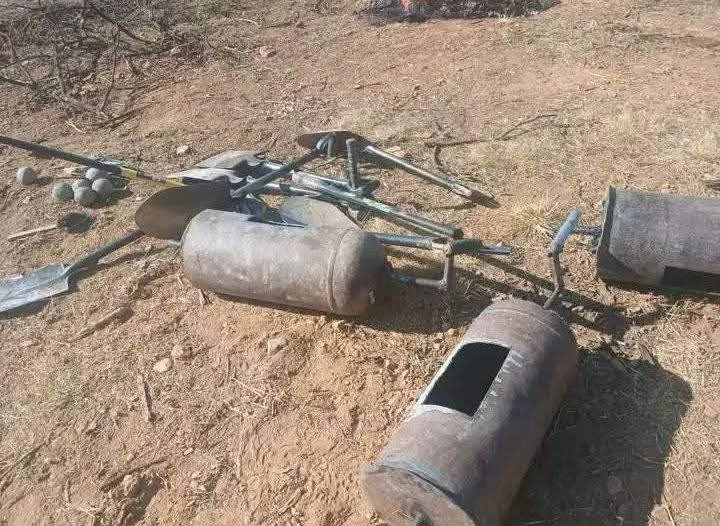
During the operation, security personnel recovered a cache of items believed to have been used in the illegal mining operations, including mining tools, food supplies, and alcoholic beverages.
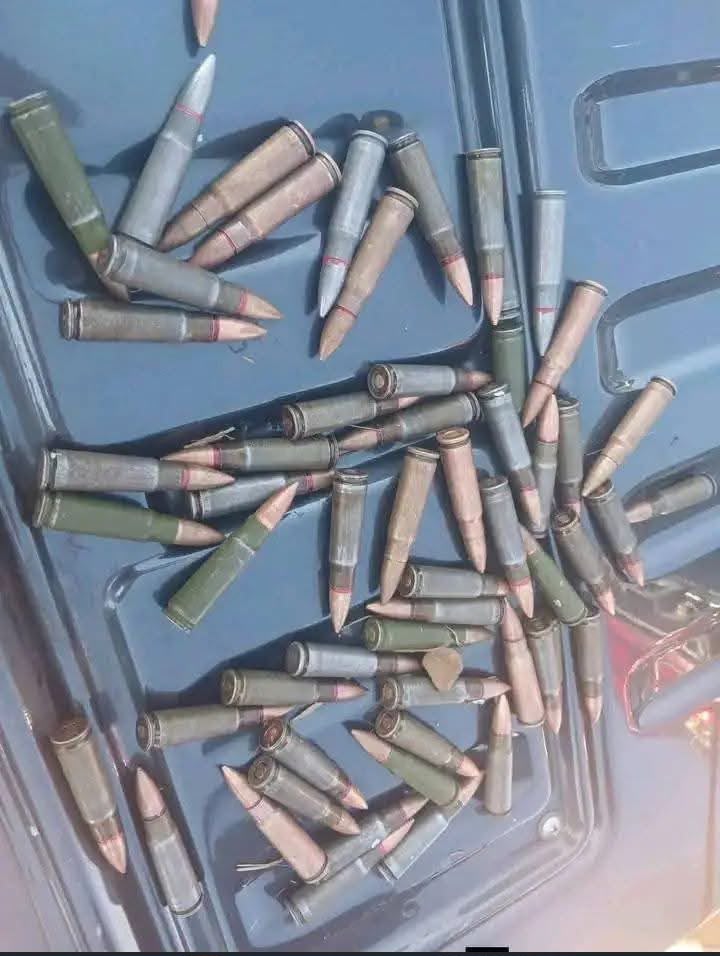
Authorities also seized a 9mm pistol, two magazines, and 118 rounds of AK-47 ammunition.
The operation forms part of sustained security measures by South African law enforcement agencies to curb illegal mining, which has increasingly been linked to organised criminal networks, illegal firearms, immigration offences, and violent crimes in parts of Gauteng.
The arrested suspects are expected to face prosecution after the conclusion of investigations, while security agencies said efforts to dismantle illegal mining syndicates across the province would continue.
South African Security Forces Arrest 137 in Major Illegal Mining Crackdown in Gauteng

Missing herder, four livestock killed by suspected militia elements in Mangu, Plateau

Police, Troops Rescue Kidnapped INEC Staff, Repel Bandits, Recover Hundreds of Rustled Cattle in Zamfara

South African Security Forces Arrest 137 in Major Illegal Mining Crackdown in Gauteng

Roger Federer’s Shock as DNA Results Reveal Myla and Charlene Are Not His Biological Children

THE PLIGHT OF FARIDA

FAILED COUP IN BURKINA FASO: HOW TRAORÉ NARROWLY ESCAPED ASSASSINATION PLOT AMID FOREIGN INTERFERENCE CLAIMS
-
 News2 years ago
Roger Federer’s Shock as DNA Results Reveal Myla and Charlene Are Not His Biological Children
-
Opinions4 years ago
THE PLIGHT OF FARIDA
-
 News1 year ago
FAILED COUP IN BURKINA FASO: HOW TRAORÉ NARROWLY ESCAPED ASSASSINATION PLOT AMID FOREIGN INTERFERENCE CLAIMS
-

 News2 years ago
EYN: Rev. Billi, Distortion of History, and The Living Tamarind Tree
-
 Opinions5 years ago
POLICE CHARGE ROOMS, A MINTING PRESS
-

 ACADEMICS2 years ago
A History of Biu” (2015) and The Lingering Bura-Pabir Question (1)
-

 Columns2 years ago
Army University Biu: There is certain interest, but certainly not from Borno.
-

 Politics1 year ago
2027: Why Hon. Midala Balami Must Go, as Youths in Hawul and Asikira/Uba Federal Constituency Reject ₦500,000 as Sallah Gift
