
News
Eid El-Kabir: Senator Lawan distributes over N200 million to constituency in Yobe


Eid El-Kabir: Senator Lawan distributes over N200 million to constituency in Yobe
By: Yahaya Wakili
The President of the 9th Senate, Senator Ahmed Ibrahim Lawan, Ph.D., GCON, Sardaunan Bade, Yobe North Senatorial District, has distributed a 222.5 million cash gift to households drawn from across 60 wards in the six local government areas of Yobe North Senatorial District to celebrate the upcoming Eid-el-Kabir Muslim festival.
In a press statement signed by Dr. Ezrel Tabiowo, FAI, FIMC, FCP, and Fsca Media Adviser to Senator Ahmed Ibrahim Lawan, Ph.D., GCON, it was shared with newsmen in Damaturu.
According to the statement, the distribution, which was carried out through a committee set up by Senator Lawan, targeted households and individuals in need within the district and beyond.
“The six local government areas that benefited from the gesture include Bade, Jakusko, Karasuwa, Yusufari, Machina, and Nguru” the statement added.
Dr. Ezrel Tabiowo revealed that cash gifts ranging from $100,000 to $20,000 were distributed to each household, including individuals, with a total of 3,430 households and individuals benefiting from the initiative sponsored by the Senator Ahmed Ibrahim Lawan (SAIL) Foundation.
The statement further said that other beneficiaries captured are traditional leaders, party executives, and stakeholders in Yobe North.
Also to be distributed are food items such as 1,500 carton boxes of spaghetti, 1,140 bags of maize and guinea corn, 1,500 clothing items for children, 800 wrappers for women, 2,000 blankets, 2,000 mats, etc.
“Beneficiaries under this category were also drawn from the six local government areas and extend to orphanages within the Senatorial District.” The statement was added.
According to the chairman of the selection and distribution committee, Alhaji Suleiman Jamo, the gesture was aimed at cushioning the economic hardship faced by many constituents owing to the high cost of living as Muslims celebrate Eid-el-Kabir.
“We understand that many of our constituents are going through difficult times, and this gift from Senator Ahmed Ibrahim Lawan is a token of his support to help them celebrate with joy and peace.” Jamo said.
Dr. Ezrel maintained that Senator Lawan, while commending the committee for a job well done, urged the beneficiaries to use the gift wisely as they enjoy the Eid celebration.
“I wish all my constituents a blessed and peaceful Eid-el-Kabir celebration. May the spirit of the season unite us and bring us closer together” he said.
Eid El-Kabir: Senator Lawan distributes over N200 million to constituency in Yobe


Calm returns to Pulka after Wednesday night attack on the town
By: Bodunrin Kayode
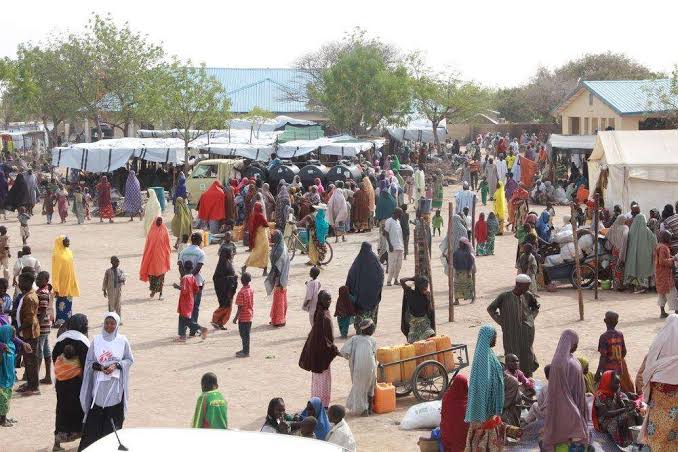
Residents of Pulka who ran to the bush yesterday night have returned home even as the troops of the Nigerian military repelled attempts by insurgents from sacking the town.
The insurgents too residents hinted did not leave without injecting their trade marks on the base of the military in the community leaving about three soldiers dead.
A source who wanted anonymity said that she had to run out of her house with her neighbors at about ten pm wednesday evening into the thick savannah to hide so that they are not attacked, killed or abducted when the criminals entered the community.
“We were all relaxing in our homes when the sounds of gun fire rented the air. Not knowing what to do we locked our doors and waited indoors while praying that the worse should not happen to us residents.
” Towards 10.30 pm the artillery blasts became intensified. Then suddenly, we heard the voices of soldiers telling us to run away into the bush showing us the safe direction to go into the dark while they stayed back to face the criminals.
” We stayed in the bush untill around 1 am when word reached one of our neighbors that the coast was clear to return to base. So by two am some of us were back into our residences trying to survive as usual.
” Nobody could sleep in the bush regardless of our tiredness which we were going through. We came back only to hear that the base of our military protectors was sacked and burnt down leaving three soldiers dead in as at the wee hours of the night.
” Very sad indeed. I feel for them because they are going to start a fresh. Sadly, this has been the routine which we have been following since a couple of years ago, I started working for my agency in this town.” She lamented.
Pulka which is about 109 km is at the foot of the Mandara mountains which is the hot bed of Boko Haram in Borno State.
Calm returns to Pulka after Wednesday night attack on the town
Zulum Rolls Out 20 Electric Buses to Cushion Petrol Price Hike
By: Our Reporter
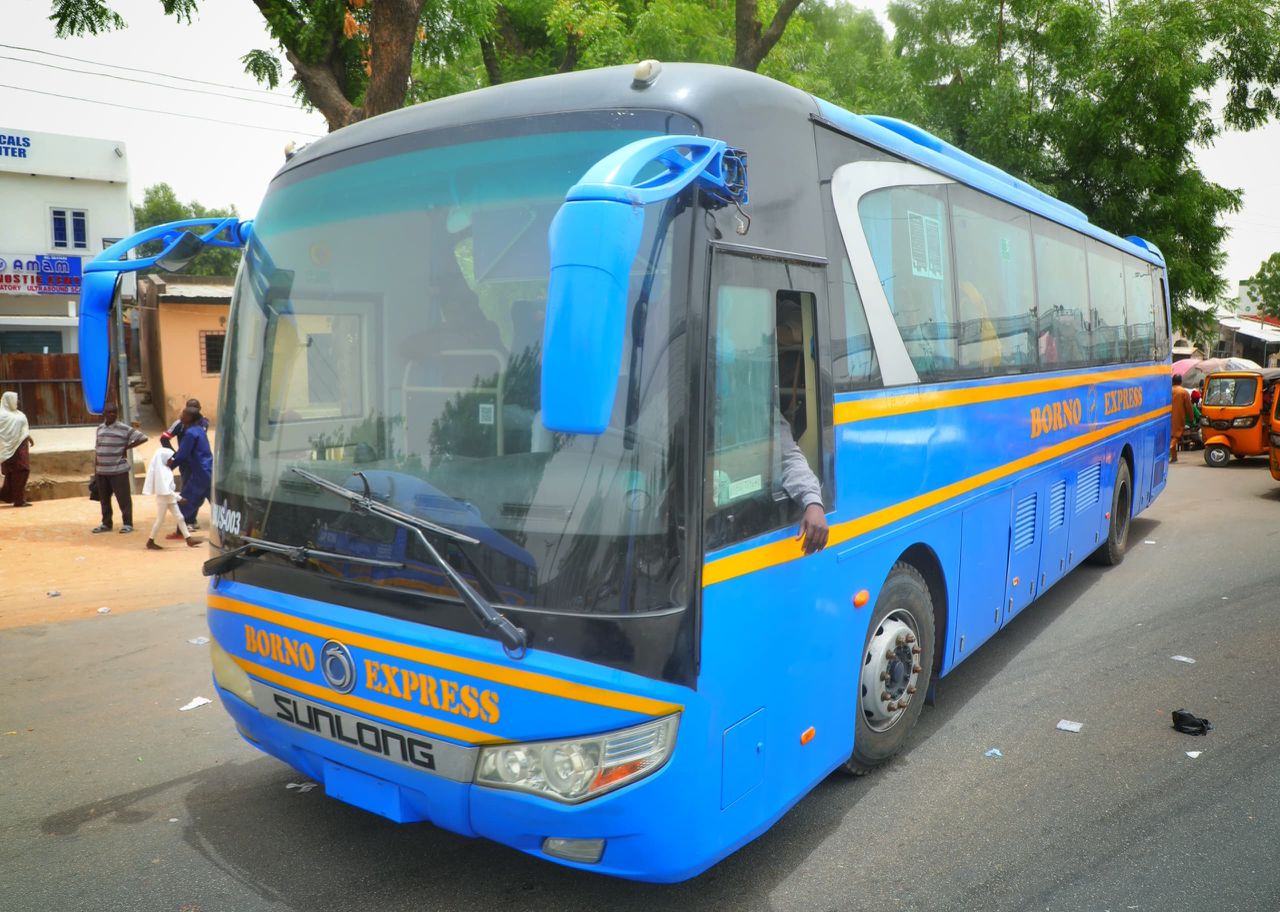
Borno State Governor, Professor Babagana Umara Zulum, has directed the immediate deployment of 20 luxury electric buses for public use as part of measures to cushion the impact of the recent petrol price hike on residents.
The buses, which were inaugurated by President Bola Ahmed Tinubu on 20th December, 2025, alongside 3,000 electric bicycles, 500 electric tricycles, and 100 electric vehicles aimed at improving transportation services across the state.
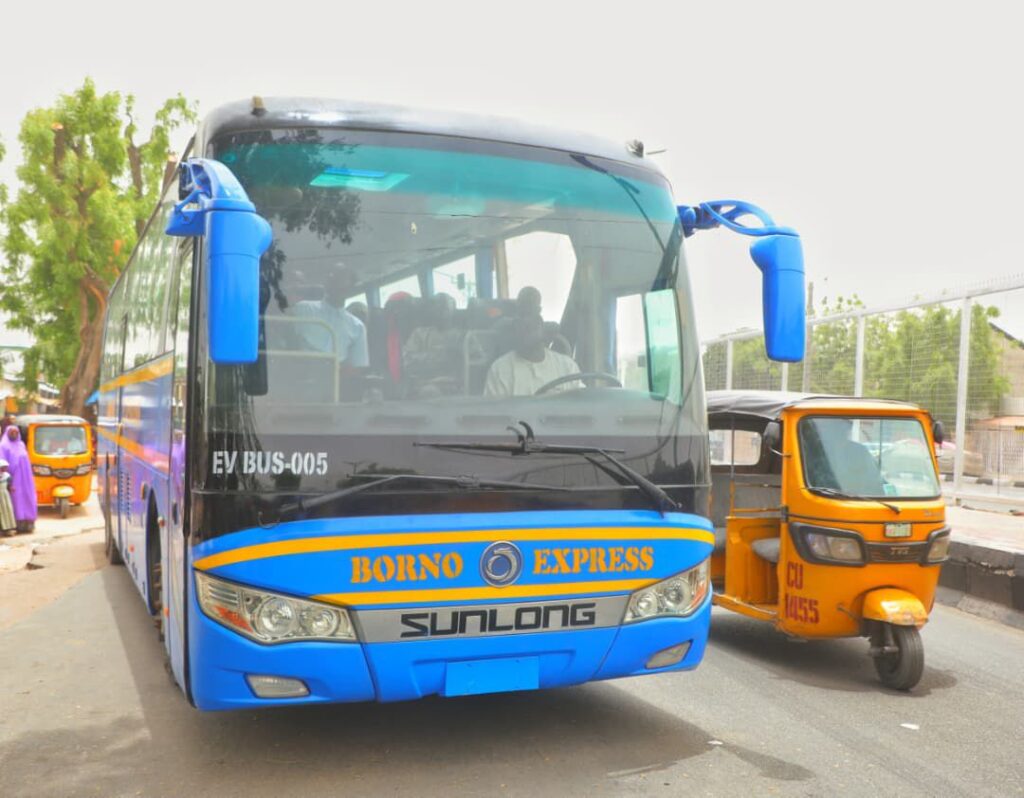
The rollout of the buses, which commenced on Friday, 3rd April, features a fleet of 17 buses with 49 seating capacity, two 37-seaters, and one 28-seater. They are currently being deployed across major routes within Maiduguri metropolis and its environs to ease the burden of rising transport costs on commuters.
The Fully air-conditioned and energy-efficient vehicles can cover over 400 kilometres on a single charge. This initiative complements the existing fleet of buses and salon cars earlier procured by the Zulum administration to enhance urban mobility.
To ensure seamless operations, the governor has also established the largest electric vehicle charging terminal in the country, with the capacity to charge up to 50 vehicles at a time.
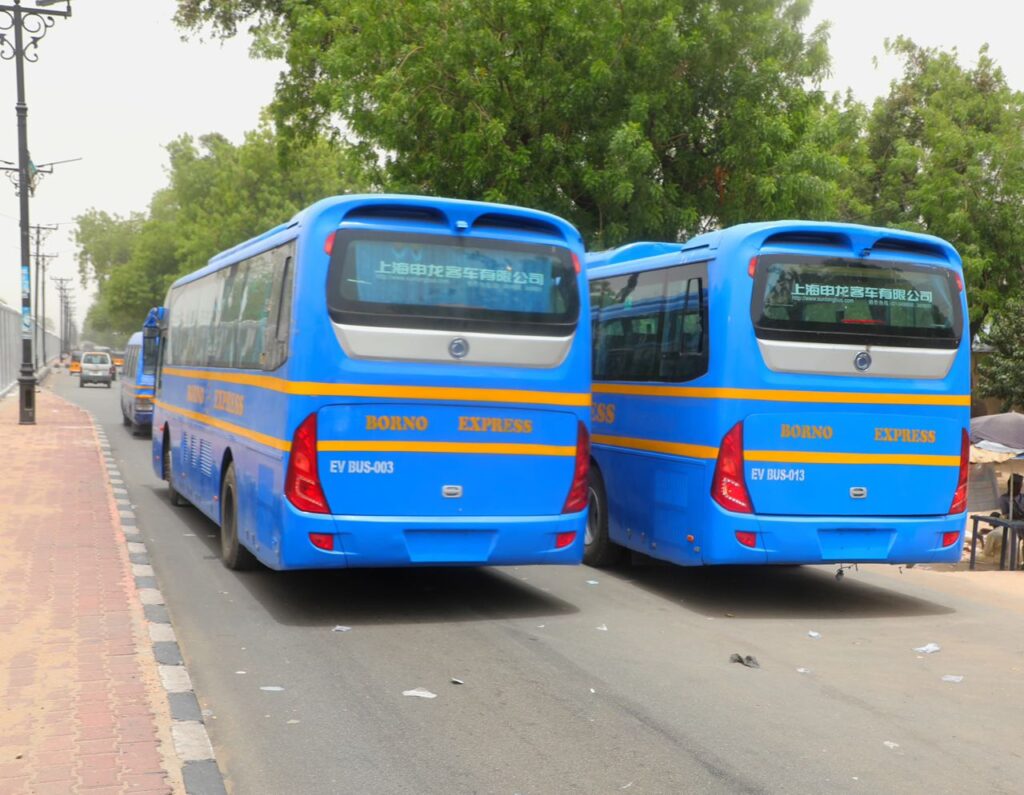
To further protect residents from the ripple effects of the global energy crisis, Governor Zulum directed Borno Express Transport Service to maintain a subsidised fare of N50 per drop.
The intervention has already begun to yield positive results, with noticeable reductions in congestion and improved access to affordable transportation for students, civil servants, traders, and other residents.
Commuters have since commended the initiative, describing it as timely and impactful.
“This transport initiative is indeed commendable. We are not feeling the impact of the rising transportation costs, as fares remain at N50 per drop. We thank Governor Zulum for the gesture”.
The initiative forms part of Governor Zulum’s effort to promote green energy, modernise transportation system and provide relief to the vulnerable.
Zulum Rolls Out 20 Electric Buses to Cushion Petrol Price Hike
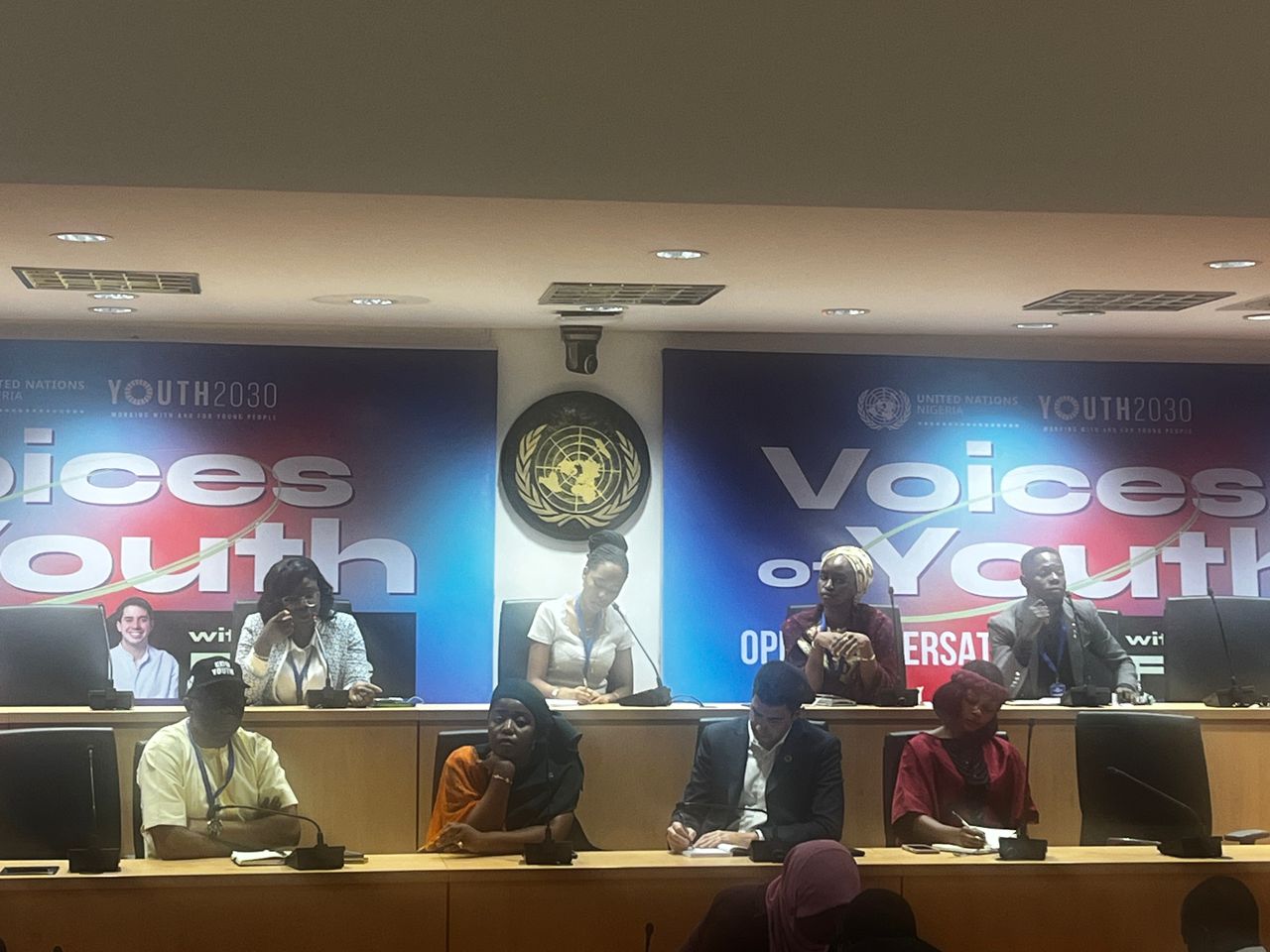
Youth Exclusion Could Derail Development Goals, UN Issues Urgent Warning
By: Michael Mike
A senior United Nations official has issued a strong warning that governments and institutions risk deepening instability and policy failure if they continue to sideline young people, insisting that meaningful youth inclusion is now a critical condition for peace, stability, and sustainable development.
Speaking in Abuja at an interactive session with youth, the United Nations Assistant Secretary General for Youth Affairs and Head of UN Youth Affairs, who is currently on an official visit to Nigeria, Mr. Felipe Paullier, said global institutions are failing to evolve at the pace required to match today’s rapidly changing realities, particularly the demographic shift driven by an unprecedented youth population.
The event, themed “Open-Door Youth Engagement,” convened youth-led organizations, young women’s groups, youth peacebuilders, innovators, students, young professionals, persons with disabilities, and underserved youth communities for an interactive dialogue with representatives of the Government and the United Nations.
According to Paullier, young people now represent the largest, most educated, and most interconnected generation in history, especially in developing countries like Nigeria. However, this demographic advantage is being undermined by persistent gaps in access to quality education and limited opportunities for meaningful participation in governance.
He noted that: “Engaging young people in policy is not just an option—it is a condition if we want to achieve peace, stability, and effective solutions.”
He said the UN acknowledged a growing disconnect between policy formulation and real-world impact, describing the process of closing this gap as complex but urgent.
He admitted that while global frameworks exist, including the United Nations Sustainable Development Goals (SDGs) and youth-focused strategies, implementation at the national level remains inconsistent.
LHe emphasized that governments must move beyond rhetoric and adopt clear, actionable commitments that integrate youth voices into decision-making processes.
He said central to this effort is the UN’s broader development roadmap, which includes commitments to embed youth participation not only at global levels but also within country-level governance and policy execution.
Addressing concerns over the sustainability of policies, he warned that many initiatives fail because they are not designed to endure or adapt over time. The solution, the official argued, lies in institutionalizing youth engagement rather than treating it as a temporary or symbolic exercise.
He noted that nearly half of the world’s population under 30, and significantly higher percentages across Africa, the stakes are even higher for countries on African continent.
He said: “Youth engagement should not be seen as a project—it must be embedded at the heart of governance, financing, and development planning.”
The UN also called for increased investment in youth-driven innovation, noting that young Nigerians are already transforming sectors such as agriculture, technology, and the creative economy through ingenuity and entrepreneurship.
Youth Exclusion Could Derail Development Goals, UN Issues Urgent Warning

Nigeria Unveils $1bn Forest Rescue Plan to Combat Climate Crisis, Halt Rapid Deforestation

Calm returns to Pulka after Wednesday night attack on the town

Zulum Rolls Out 20 Electric Buses to Cushion Petrol Price Hike

Roger Federer’s Shock as DNA Results Reveal Myla and Charlene Are Not His Biological Children

THE PLIGHT OF FARIDA

FAILED COUP IN BURKINA FASO: HOW TRAORÉ NARROWLY ESCAPED ASSASSINATION PLOT AMID FOREIGN INTERFERENCE CLAIMS
-
 News2 years ago
Roger Federer’s Shock as DNA Results Reveal Myla and Charlene Are Not His Biological Children
-
Opinions4 years ago
THE PLIGHT OF FARIDA
-
 News12 months ago
FAILED COUP IN BURKINA FASO: HOW TRAORÉ NARROWLY ESCAPED ASSASSINATION PLOT AMID FOREIGN INTERFERENCE CLAIMS
-

 News2 years ago
EYN: Rev. Billi, Distortion of History, and The Living Tamarind Tree
-
 Opinions4 years ago
POLICE CHARGE ROOMS, A MINTING PRESS
-

 ACADEMICS2 years ago
A History of Biu” (2015) and The Lingering Bura-Pabir Question (1)
-

 Columns2 years ago
Army University Biu: There is certain interest, but certainly not from Borno.
-

 Opinions2 years ago
Tinubu,Shettima: The epidemic of economic, insecurity in Nigeria
