
News
Experts Demand Stronger Research, Free Screening, Community Mobilisation to Tackle HPV in Nigeria

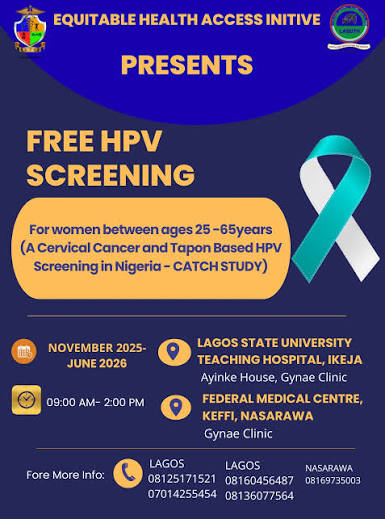
Experts Demand Stronger Research, Free Screening, Community Mobilisation to Tackle HPV in Nigeria
By: Michael Mike
Nigeria’s battle against Human Papillomavirus (HPV) must move beyond routine vaccination campaigns to embrace deeper research, free nationwide screening and aggressive grassroots engagement if the country is to defeat cervical cancer and other HPV-related diseases, medical experts declared on Wednesday in Abuja.
The call came during activities marking the 2026 International Human Papillomavirus Awareness Day, a global initiative championed by the International Papillomavirus Society to spotlight the dangers of HPV and promote prevention strategies.
Speaking at the event, Professor Imran Oludare Morhason-Bello of the University College Hospital Ibadan and the University of Ibadan warned that limiting HPV conversations to cervical cancer alone is both misleading and dangerous.
According to him, the virus is responsible not only for cervical cancer but also for cancers of the throat, mouth, anus and penis, affecting men and women alike.
“Human Papillomavirus is not a women-only issue,” he said. “It affects both genders and people of different backgrounds. We must broaden our understanding and our response.”
He urged policymakers to adopt a transdisciplinary approach that integrates medical science, social research, education, religious institutions and community leadership. He noted that vaccine hesitancy differs across regions and communities, making localised research and engagement essential for effective intervention.
Morhason-Bello stressed that policies designed without grassroots input often fail, adding that communities must be partners — not passive recipients — in the fight against HPV.
The experts acknowledged Nigeria’s progress in rolling out HPV vaccines through the National Primary Health Care Development Agency, with over 16 million girls vaccinated so far. However, they noted that with tens of millions more eligible, the country must intensify both funding and awareness to close the gap.
The LOC Chairman, IHAD IPVS-Nigeria and Nigeria Country Ambassador, IPVS, Dr. Maureen Umeakuewulu called for a nationwide advocacy movement that includes religious leaders, traditional rulers, women’s organisations, youth groups and survivors of cervical cancer.
She said misinformation — particularly claims that the vaccine causes infertility — continues to undermine progress.
“The vaccine has been in use globally for over 20 years. There is no evidence linking it to infertility,” she said. “But while we are educating communities, those spreading falsehoods are also active. We must be louder with facts.”
She further argued that cervical cancer screening should be made free in all hospitals — public and private — to eliminate financial barriers that discourage women from testing.
“If women gather the courage to seek screening and are turned back by costs they cannot afford, then our advocacy is weakened,” she said. “Screening must be accessible to every woman, regardless of her income or location.”
Also speaking, President of the Nigerian chapter of the International Papillomavirus Society, Professor Mohammed Manga,, described HPV as one of the few cancer-causing infections that is preventable through vaccination and early detection.
He said the global slogan “One Less Worry” reflects the reality that cervical cancer could become a thing of the past if countries commit fully to vaccination, screening and sustained awareness.
“This is not a battle for doctors alone,” Manga said. “It requires the media, policymakers, community leaders, caregivers and citizens. No single profession can eliminate HPV. It is a collective responsibility.”
Participants agreed that while funding remains critical, education and system efficiency are equally important. They pointed to gaps in training, misinformation among some health workers and infrastructural weaknesses within the health system.
The experts concluded that Nigeria stands at a critical moment: with vaccines available and awareness growing, the country has the tools to dramatically reduce HPV-related deaths. What remains, they said, is the political will, sustained funding and community-driven action to turn that potential into reality.
Experts Demand Stronger Research, Free Screening, Community Mobilisation to Tackle HPV in Nigeria



Nigeria, UAE Sign Pact to Crush Drug Trafficking Networks
…354.7kg illicit drugs seized on UAE-bound consignments, 47 suspects prosecuted — Marwa
…91,000 arrested, 16,469 convicted in NDLEA’s five-year war against narcotics
By: Michael Mike
The National Drug Law Enforcement Agency (NDLEA) and the United Arab Emirates’ National Drug Enforcement Authority (NDEA) have moved to tighten the noose around international drug trafficking networks operating between Nigeria and the UAE, with both countries signing a new agreement to deepen intelligence-sharing and joint enforcement operations.
The Memorandum of Understanding (MoU), signed on Saturday in Abu Dhabi on the sidelines of the ongoing 15th United Nations Congress on Crime Prevention and Criminal Justice, is expected to strengthen coordinated action against traffickers exploiting the extensive travel, trade and commercial links between the two countries.
The pact comes as NDLEA revealed that its operatives had intercepted 354.7 kilogrammes of illicit drugs concealed in consignments destined for the UAE between 2021 and 2026, leading to the arrest and prosecution of 47 suspects.
The substances seized included cocaine, cannabis, tramadol, Rohypnol, ecstasy and khat.
Chairman/Chief Executive Officer of NDLEA, Brig. Gen. Buba Marwa (rtd), who signed the agreement on behalf of Nigeria, said the development marked a new phase in the collaboration between the two anti-narcotics agencies.
Marwa said the agreement was the culmination of years of engagement between NDLEA and NDEA and would provide a stronger platform for the exchange of intelligence, operational information and technical expertise.
According to him, the volume of illicit drugs intercepted on the UAE route underscores the urgency of closer cooperation between the two countries.
He said the new framework would build on existing arrangements, including the exchange of liaison personnel, while paving the way for stronger coordination of enforcement operations.
A particularly significant component of the agreement, Marwa disclosed, is the planned provision of a comprehensive list of prohibited items by the UAE authorities to Nigerian travellers.
The measure, he said, would help Nigerians travelling to the UAE avoid inadvertently carrying substances or items prohibited under UAE laws.
The NDLEA boss also used the occasion to unveil the scale of the agency’s wider offensive against illicit drugs across Nigeria.
He said that between January 2021 and July 2026, the agency arrested more than 91,000 suspects, including 243 alleged drug barons, and seized over 15.5 million kilogrammes of illicit drugs and precursor chemicals.
Within the same period, he said, 16,469 convictions were secured, while more than 53,000 drug users received counselling, treatment and rehabilitation.
Beyond enforcement, Marwa said the agency’s preventive campaign, the War Against Drug Abuse (WADA), had reached nearly 5.9 million Nigerians through engagements in communities and schools.
He said the combination of enforcement, intelligence and prevention remained central to the agency’s efforts to reduce the supply and demand for illicit drugs.
On the UAE side, Chairman of the NDEA, Sheikh Zayed bin Hamad Al Nahyan, reaffirmed his agency’s commitment to working closely with Nigeria to disrupt trafficking networks exploiting the strong economic and human connections between the two countries.
Al Nahyan described the MoU as a natural progression of the productive relationship already established between the two agencies.
The agreement is expected to facilitate faster intelligence exchanges, improve operational coordination and strengthen efforts to identify and dismantle trafficking networks moving narcotics through the Nigeria-UAE corridor.
The development is particularly significant given the role of Nigeria and the UAE as major points in international travel and commercial networks, making cooperation between their drug enforcement authorities critical to tracing consignments and the networks responsible for them.
Both agencies expressed confidence that the new partnership would produce more effective joint operations and strengthen the disruption of transnational drug trafficking organisations.
The collaboration also aligns with the wider international framework against organised crime and illicit drug trafficking championed by the United Nations Office on Drugs and Crime (UNODC), under whose auspices the Abu Dhabi congress is taking place.
Nigeria, UAE Sign Pact to Crush Drug Trafficking Networks

Cholera outbreak kills two at Kano custodial centre
…NCoS contains outbreak, deploys medical team as Kano facility placed under intensified surveillance
By: Michael Mike
A cholera outbreak at the Kurmawa Medium Security Custodial Centre in Kano State has claimed two lives, forcing the Nigerian Correctional Service (NCoS) to intensify medical surveillance and emergency health measures at the facility.
The Service, in a statement on Saturday, said the outbreak was confirmed through laboratory investigation on September 23, 2026, following the detection of suspected cases among inmates.
One of the victims died at the custodial centre, while the second died at the Kano State Infectious Diseases Hospital, according to the press statement by the spokesperson of NCoS, Jane Osuji.
The outbreak was first detected on September 17 when an inmate developed vomiting and diarrhoea, symptoms commonly associated with cholera. The inmate was immediately admitted and treated at the centre’s medical facility.
Osuji noted that by the following morning, the NCoS medical team had activated emergency response protocols, stepped up treatment and intensified monitoring of inmates and personnel.
She added that the coordinated intervention has brought the outbreak under control, with no further deaths recorded since the diagnosis.
The development, however, has prompted the Service to sustain enhanced disease surveillance and preventive measures in collaboration with the Kano State Government and public health authorities.
According to her, the Controller-General of Corrections, Sylvester Nwakuche, who was immediately briefed on the outbreak, directed that all necessary measures be maintained to protect inmates and correctional personnel.
Nwakuche also expressed condolences over the deaths, while directing senior medical personnel from the Service’s National Headquarters to proceed to the facility for continued monitoring.
The deployment is expected to strengthen surveillance, ensure prompt identification of any new cases and support the medical team already operating at the centre.
The NCoS said it had also initiated additional preventive measures with the Kano State Government to reduce the risk of further transmission and prevent a recurrence.
The outbreak raises fresh concerns about the vulnerability of custodial facilities to infectious diseases, particularly where large numbers of people live within confined environments.
Cholera is an acute diarrhoeal infection caused by ingestion of food or water contaminated with Vibrio cholerae. Without rapid treatment, severe cases can result in life-threatening dehydration and death.
The NCoS, however, said healthcare services remained available across custodial facilities through qualified medical personnel, adding that disease surveillance, early detection and rapid medical response were being strengthened in partnership with relevant public-health authorities.
The Service further reaffirmed its obligation to safeguard the health, dignity and welfare of persons in custody in accordance with the Nigerian Correctional Service Act, 2019, and established correctional standards.
It urged members of the public to rely on verified information from official channels as monitoring of the Kurmawa facility continues.
Cholera outbreak kills two at Kano custodial centre
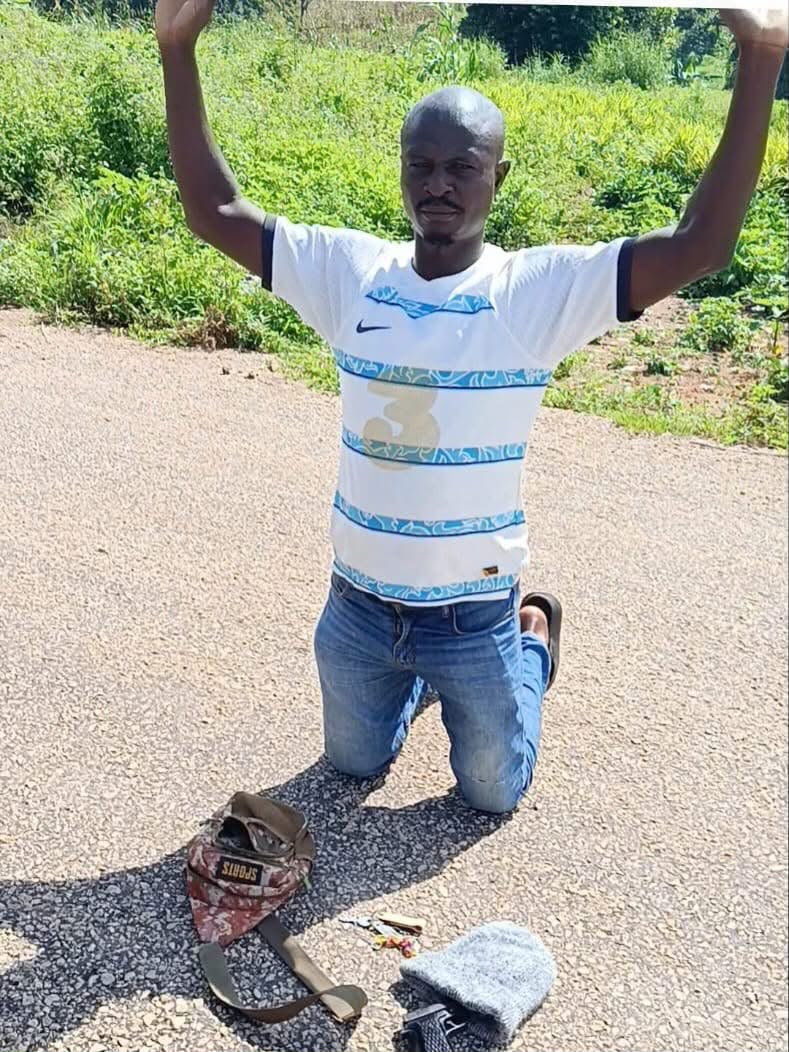
District head rescued from mob attack in Jos East
By: Zagazola Makama
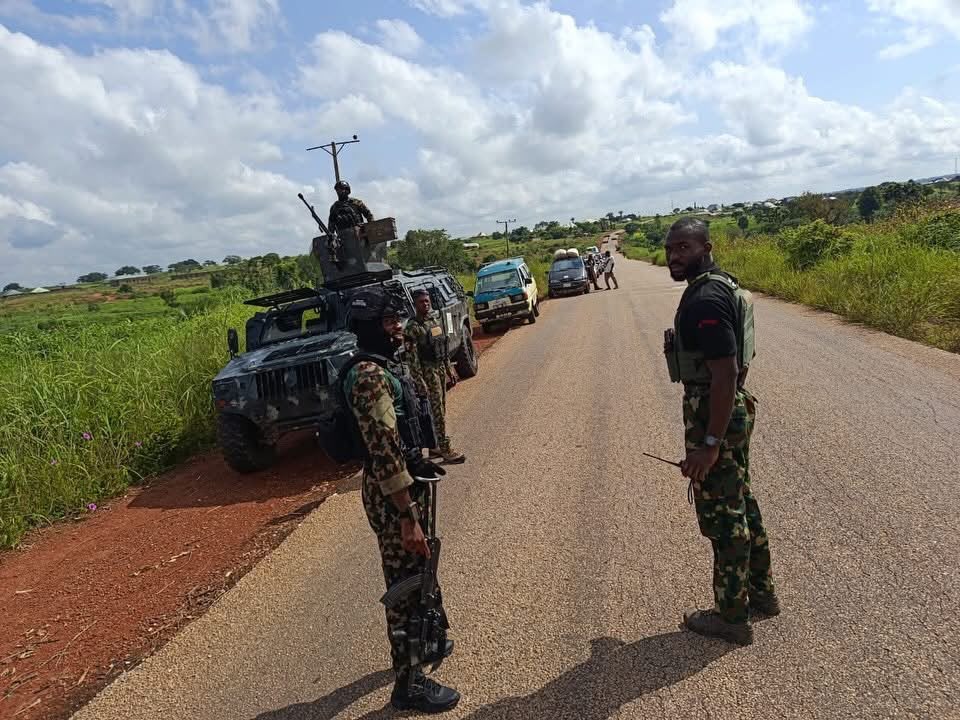
Troops of Sector 1, Sub-Sector 12, have rescued the District Head of Fursum in Jos East Local Government Area of Plateau State, Alhaji Musa Usman, from a mob attack by youths of Ninseng community.
Security sources told Zagazola Makama that the incident occurred at about 1:45 p.m. on Sept. 25, 2026, when troops responded to a report of a mob attack at the district head’s residence.
The youths reportedly attacked Usman, accusing him of allegedly supporting Fulani residents in the community.
The attack followed a reported incident in which a local was attacked and killed at an illegal mining site in Nabar Dutse community.
Troops intervened and rescued the district head, who sustained injuries during the attack.
He was subsequently evacuated to the Jos University Teaching Hospital (JUTH) for medical attention.
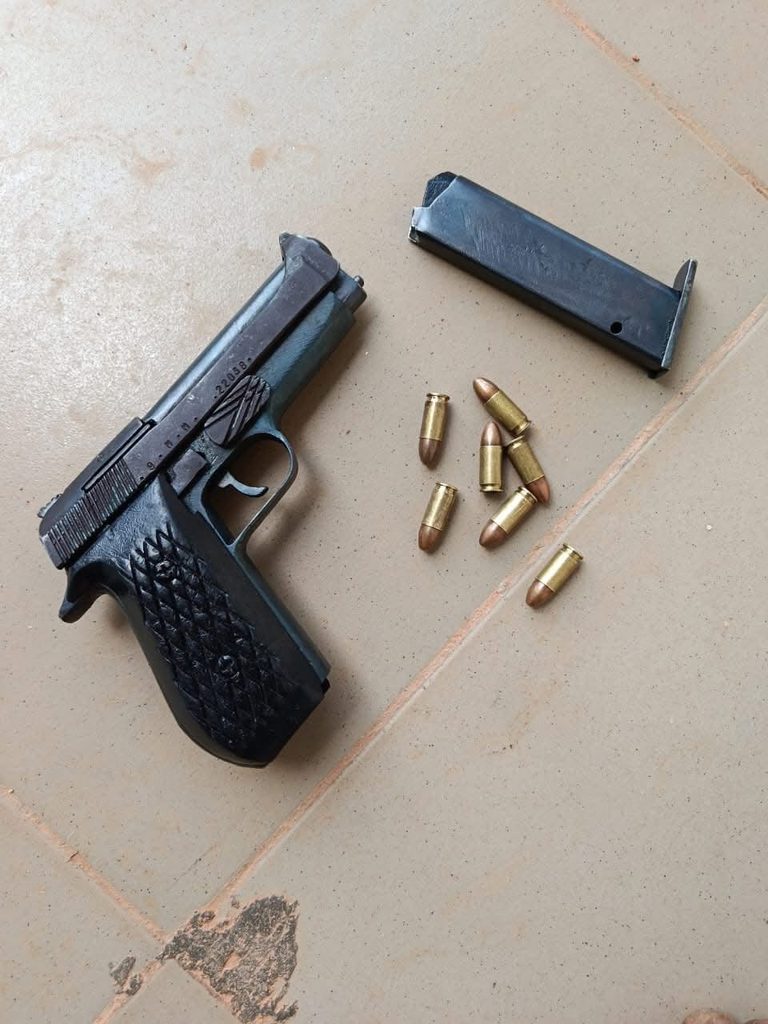
During the incident, the district head’s vehicle was also set ablaze by the attackers.
The troops brought the situation under control and dominated the general area to prevent further escalation and possible retaliatory attacks.
Security forces are maintaining a presence in the area while efforts continue to prevent further breakdown of law and order.
District head rescued from mob attack in Jos East

Nigeria, UAE Sign Pact to Crush Drug Trafficking Networks

Cholera outbreak kills two at Kano custodial centre

Herder assaulted over alleged destruction of farm crops in Jos North

Roger Federer’s Shock as DNA Results Reveal Myla and Charlene Are Not His Biological Children

THE PLIGHT OF FARIDA

FAILED COUP IN BURKINA FASO: HOW TRAORÉ NARROWLY ESCAPED ASSASSINATION PLOT AMID FOREIGN INTERFERENCE CLAIMS
-
 News3 years ago
Roger Federer’s Shock as DNA Results Reveal Myla and Charlene Are Not His Biological Children
-
Opinions5 years ago
THE PLIGHT OF FARIDA
-
 News1 year ago
FAILED COUP IN BURKINA FASO: HOW TRAORÉ NARROWLY ESCAPED ASSASSINATION PLOT AMID FOREIGN INTERFERENCE CLAIMS
-

 News3 years ago
EYN: Rev. Billi, Distortion of History, and The Living Tamarind Tree
-
 Opinions5 years ago
POLICE CHARGE ROOMS, A MINTING PRESS
-

 ACADEMICS3 years ago
A History of Biu” (2015) and The Lingering Bura-Pabir Question (1)
-

 Columns3 years ago
Army University Biu: There is certain interest, but certainly not from Borno.
-

 Politics1 year ago
2027: Why Hon. Midala Balami Must Go, as Youths in Hawul and Asikira/Uba Federal Constituency Reject ₦500,000 as Sallah Gift
