
National News
FG Inaugurates Magnificent Building for Nigeria’s Permanent Mission to ECOWAS in Abuja

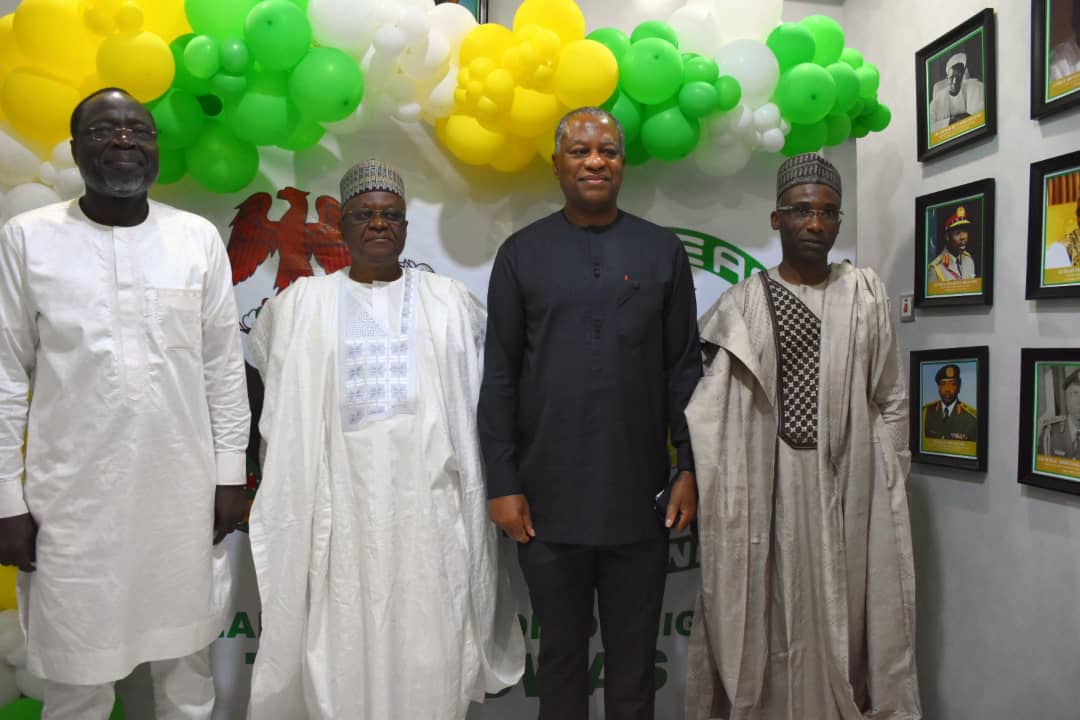
FG Inaugurates Magnificent Building for Nigeria’s Permanent Mission to ECOWAS in Abuja
By Michael Mike
The Federal Government has inaugurated a magnificent edifice in highbrow Asokoro, Abuja to house the Permanent Mission of Nigeria to the Economic Community of West African States (ECOWAS)
The Permanent Mission of Nigeria to the Economic Community of West African States (ECOWAS) is one of the over 100 Nigerian Diplomatic Missions across the world.
The request for the establishment of the Mission was approved by President Goodluck Jonathan, in 2012, in compliance with the provisions of Article 8(1a&b) of the ECOWAS 2010 Supplementary Act which defined the Roles of the Permanent Representatives of Member States to ECOWAS and mandated all Member States to accredit a Permanent Representative to the Institution.
This Mission, which is similar in function to the United States Permanent Mission to the United Nations Headquarters in New York, and the Ethiopian Permanent Mission to the African Union Headquarters in Addis Ababa, amongst others, is unique as it is based in Abuja and enjoys diplomatic status.
Since, its’ establishment this strategic Mission has been headed by three (3) substantive Ambassadors namely: Sunday Omoigiade, the pioneer Permanent Representative, Babatunde Anyinla Nurudeen, the immediate past Permanent Representative, and Musa Sani Nuhu, the incumbent Permanent Representative.
The edifice was commissioned at the weekend by the Minister of Foreign Affairs, Geoffrey Onyeama, who acknowledged the importance of having a befitting building to provide office space for the Nigerian team at the ECOWAS Commission.
The Minister of State for Foreign Affairs, Ambassador Zubairu Dada who further explained the importance of the edifice, insisted that Nigeria being a foremost country in West Africa should lead other countries from the front and with the new building the country has shown the importance it attached to ECOWAS.
He said that the office would afford the officials of the Permanent Mission of Nigeria to ECOWAS space and convenience to work in a conducive atmosphere.
The Permanent Representative of Nigeria to ECOWAS, Ambassador Musa Sani Nuhu told journalists that given the importance that Nigeria attaches to developments in the West African Sub-region, the Permanent Mission of Nigeria to ECOWAS is considered one of Nigeria’s most strategic diplomatic Missions, as well as an important platform for advancing its foreign policy objectives.
He said: “Therefore, the Mission is considered critical for the articulation and advancement of Nigeria’s positions and engagements with other West African Member States on multilateral issues and Community Institutions, on matters of regional importance. In order words, the Mission serves as a think tank for the administration of Nigeria’s foreign policy in the sub-region.”
He disclosed that although the Permanent Mission was originally designed to be a smart Mission, made up of only the Ambassador and the Finance Attaché, efforts have been made, in the last three years, to reposition the Mission and make it function as a full-blown multilateral Mission, similar to the Nigerian Missions in Addis Ababa, New York, and Geneva.
He noted that with the unfolded strategic plans for the Mission, measures were adopted to enable it keenly monitor all ECOWAS activities through the introduction of a cluster system and Officers at the Mission were trained to be conversant with each thematic/sectoral issue in ECOWAS. The Mission has also began regular but diplomatically appropriate interface with relevant Nigerian MDAs, particularly those with the mandate on ECOWAS matters, for the cross fertilization of ideas in the formulation of national positions on ECOWAS issues.
FG Inaugurates Magnificent Building for Nigeria’s Permanent Mission to ECOWAS in Abuja


National News
ECOWAS, UNDP, Nigeria Unite to Break Barriers Against Women’s Political Leadership in West Africa
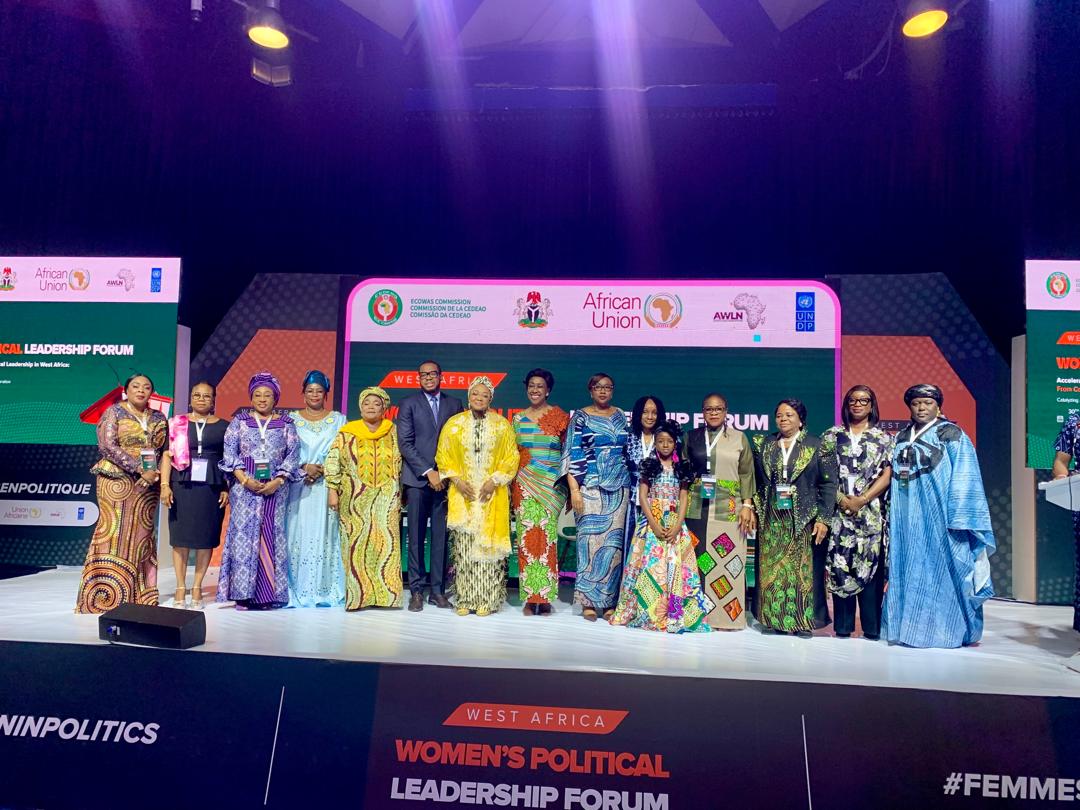
ECOWAS, UNDP, Nigeria Unite to Break Barriers Against Women’s Political Leadership in West Africa
By: Michael Mike
The Economic Community of West African States (ECOWAS) has launched a historic regional push to transform the political landscape of West Africa by dismantling the structural barriers that have kept women largely underrepresented in governance, with leaders declaring that stronger democracies and sustainable development cannot be achieved without the full participation of women.
The declaration came at the opening of the High-Level Forum on Strengthening the Representation of Women in Political Leadership in the ECOWAS Region held in Abuja on Thursday, where regional leaders, ministers, parliamentarians, development partners and gender advocates gathered to chart a practical pathway towards greater inclusion of women in political decision-making.
The declaration, which ECOWAS described as a major legacy of its 50th anniversary celebration, seeks to create an enabling environment for women to compete for elective positions, participate actively in political parties and occupy leadership roles across the region.
The forum followed the adoption by the ECOWAS Authority of Heads of State and Government of the Presidential Declaration on Strengthening the Representation of Women in Political Leadership in the ECOWAS Region at the Summit on the Future of Regional Integration in West Africa held recently in Freetown, Sierra Leone.
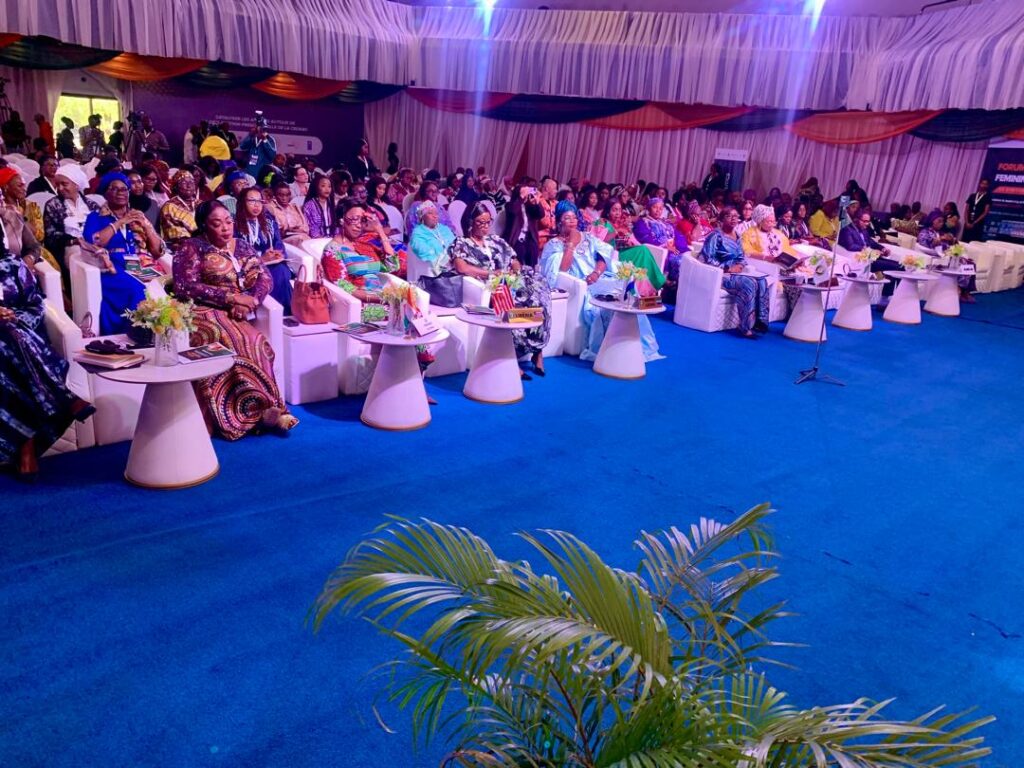
Speaking at the forum, Vice President of the ECOWAS Commission, Mrs. Damtien Tchintchibidja, said the region had reached a defining moment in its democratic journey, stressing that the future strength of West Africa depended on ensuring that women and men alike participate fully in shaping governance.
“There are moments in the life of a Community when it has the opportunity to shape history. I believe this is one of those moments,” she said.
According to her, the initiative was conceived as part of the legacy of ECOWAS at 50, not only to celebrate five decades of regional cooperation but also to establish a foundation for a new phase of integration where leadership reflects the talents, experiences and aspirations of all citizens.
She explained that the adoption of both the Pact for the Future of Regional Integration and the Presidential Declaration demonstrated the commitment of West African leaders to building a more inclusive and people-centred community anchored on ECOWAS Vision 2050.
“The strength of our democracies, the quality of our governance and the future of our development depend on the ability of all citizens, women and men alike, to participate fully in shaping the destiny of our region,” Tchintchibidja said.
Despite progress in democratic governance across West Africa, the ECOWAS Vice President said the persistent exclusion of women from political leadership remains one of the major weaknesses of the region’s democratic systems.
She noted that women constitute more than half of the population and contribute significantly to business, peacebuilding, innovation, family and community development, yet their representation in institutions where key decisions are taken remains far below their contributions to society.
Tchintchibidja said women occupy only about 15.5 per cent of parliamentary seats across West Africa, a figure significantly below the African average of 25 per cent and the global average of 26.5 per cent.
She acknowledged that some ECOWAS member states had introduced gender quotas, parity laws and other reforms aimed at expanding political opportunities for women but said progress remained uneven.
The Vice President stressed that women’s political inclusion was not only about correcting historical imbalance but also about unlocking economic potential.
Citing global economic projections, she said the International Monetary Fund estimates that closing gender gaps could increase economic output by between 10 and 35 per cent, depending on national circumstances.
She added that the World Bank had estimated that countries lose approximately 14 per cent of their human capital wealth when women are unable to fully participate in economic and public life.
“Institutions become more responsive, economies more productive and development more inclusive when we make full use of our human potential,” she said.
The ECOWAS declaration provides a regional framework requiring member states to strengthen constitutional, legal and policy measures that support women’s political participation.
It also called on political parties to review their nomination processes, internal structures and leadership practices to provide women genuine opportunities to contest elections and participate in party decision-making.
Other areas covered by the declaration include investment in leadership development, mentorship programmes, capacity building and support networks for women aspiring to political office.
It recognised political financing as one of the biggest obstacles facing female candidates and calls for measures that will improve women’s access to campaign resources and other forms of political support.
The declaration further emphasises the need to confront restrictive social and cultural norms through education, advocacy and collaboration with civil society organisations, academia and the media.
Under the framework, the ECOWAS Commission will play a central role in implementation through regional coordination, technical assistance, peer learning, exchange of best practices and monitoring of progress among member states.
Nigeria’s Minister of Women Affairs and Social Development, Hajiya Imaan Sulaiman-Ibrahim, also at the forum called for far-reaching reforms to remove barriers limiting women’s participation in politics, describing inclusive leadership as essential to stronger democracy and sustainable development.
She urged governments, political parties and institutions across the region to move beyond declarations by implementing practical measures that guarantee women equal opportunities in elective and appointive positions.
The minister identified challenges such as limited access to political financing, discriminatory practices, social barriers and institutional weaknesses as some of the factors preventing women from fully participating in political leadership.
She described the ECOWAS declaration as a significant milestone that provides an opportunity for member states to accelerate reforms and create a more inclusive political environment.
Sulaiman-Ibrahim said women’s political participation should not be viewed merely as a gender issue but as a governance necessity, noting that societies achieve better policy outcomes when women are adequately represented in decision-making.
She reaffirmed Nigeria’s commitment to working with ECOWAS, the United Nations Development Programme (UNDP) and other partners to translate the declaration into measurable action.
The United Nations Development Programme (UNDP) said it would support the implementation of the regional commitment through new initiatives aimed at building a pipeline of women leaders across Africa.
The UN Assistant Secretary-General and Director of UNDP Regional Bureau for Africa, Ahunna Eziakonwa, said women continue to face entrenched financial, institutional, social and cultural barriers that limit their entry into politics and reduce their influence even when they attain office.
She disclosed that women currently occupy only 27 per cent of parliamentary seats across Africa, nine per cent of political party leadership positions, 13 per cent of senior executive positions, 24 per cent of cabinet posts and 25 per cent of local government seats.
“That is simply not enough,” she said.
Eziakonwa argued that the challenge was not to ask women to adapt to unequal political systems but to transform those systems.
“It is really not to ask women to adapt to the unequal political systems that they face, but really to transform those systems,” she said.
She announced that UNDP, in partnership with the African Women Leaders Network and the African Union, had established the African Facility for Women in Political Leadership.
She also revealed that the African Academy for Women’s Political Leadership would be launched in Kigali, Rwanda, with an inaugural cohort of 40 women from 28 African countries and the Caribbean.
The academy, she said, would equip participants with leadership skills, strategic networks and influence required to shape policies and decisions driving Africa’s development.
UNDP would also support the African Union Commission in developing guidelines to address financial barriers preventing women from participating fully in politics.
She highlighted the African Young Women Leaders Fellowship Programme, which has supported about 95 young women across Africa, as part of efforts to create a sustainable pipeline of future leaders.
Eziakonwa urged participants at the Abuja forum to develop a practical action plan capable of addressing the financial, institutional, social, cultural and digital barriers facing women in politics.
She also called for greater involvement of men, stressing that gender parity requires male allies willing to challenge discrimination and support women’s leadership.
“Women’s political leadership is not a concession, but essential to a stronger democracy,” she said.
She challenged stakeholders to ensure the forum marks a decisive shift:
“From representation to influence. From isolated achievement to collective power. From declarations to delivery.”
For Tchintchibidja, the Abuja gathering represents not only a regional commitment but also a defining moment as she concludes her tenure as Vice President of the ECOWAS Commission.
She expressed hope that the declaration would become an enduring legacy of ECOWAS at 50 and a foundation for the regional community envisioned under Vision 2050.
“History seldom remembers those who merely recognised the need for change; instead it remembers those who had the courage to make it happen,” she said.
The forum ended with a renewed call for West African governments, political parties, civil society groups and development partners to move from commitments on paper to concrete actions that will ensure that every woman and girl in the region can see political leadership as a realistic and attainable future.
ECOWAS, UNDP, Nigeria Unite to Break Barriers Against Women’s Political Leadership in West Africa
National News
VP Shettima: We Must Praise President Tinubu For Establishing Regional Development Commissions
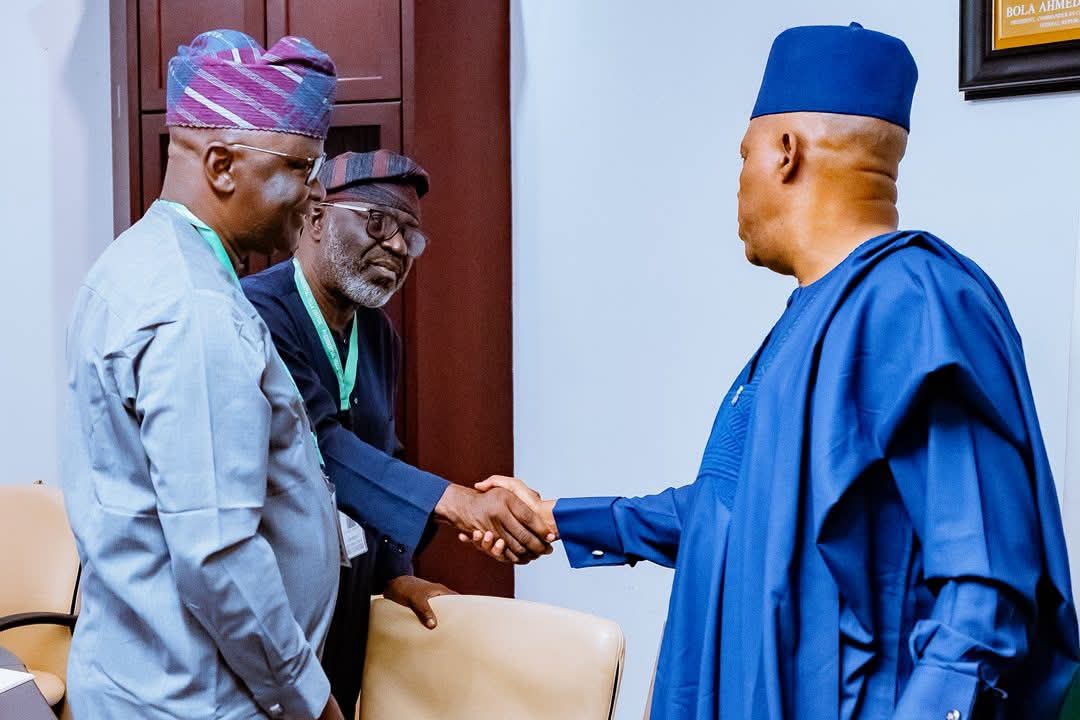
VP Shettima: We Must Praise President Tinubu For Establishing Regional Development Commissions
Charges South West Development Commission board, management on delivery, innovation, collaboration
By: Our Reporter
The Vice President, Senator Kashim Shettima, has said the vision behind the creation of new regional development commissions is to further unlock and harness the unique strengths and opportunities in the various regions for Nigeria’s collective prosperity.
He thus stated that President Asiwaju Bola Ahmed Tinubu need to be praised for such foresight and directional leadership.
He said the vision must however be backed by innovation, effective collaboration and integrity in the discharge of the mandate of the various regional development bodies, noting that the “Renewed Hope Agenda is about translating policy into tangible improvements in the lives of Nigerians.”
The Vice President stated this on Wednesday when he received the management of the South West Development Commission (SWDC) led by its board chairman, Senator Olubunmi Adetunmbi, on a courtesy visit to the Presidential Villa, Abuja.
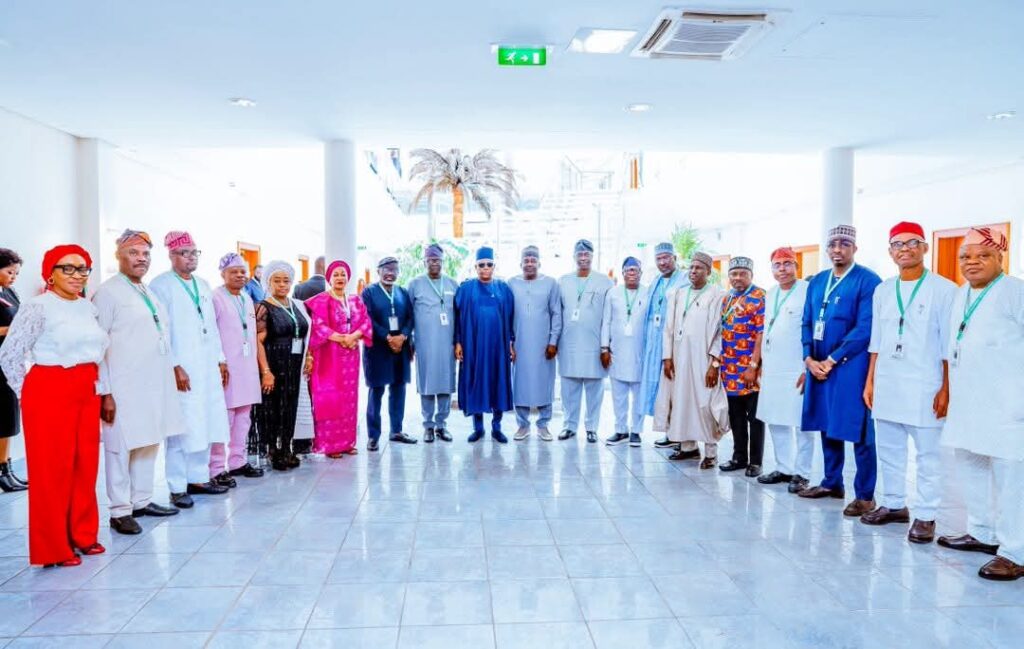
Recalling the mandate of the commission, Senator Shettima said, “The South West region, with its history of enterprise, innovation, education and industry, has a pivotal role to play in Nigeria’s development journey. Your commission must be known for delivery, not bureaucracy. Nigerians will measure your success by the quality of roads built, jobs created, businesses supported, and communities transformed.”
The VP noted that collaboration was also key in the realisation of the mandate of the South West Development Commission and the improvement of the livelihood of the people.
His words: “Across the world, successful regions are those that invest in innovation, human capital, technology and regional integration. The South-West is well-positioned to lead Nigeria in these areas. I encourage you to work closely with the state governments across the south west, traditional institutions, the private sector and development partners.
“Development succeeds when institutions collaborate, not compete. Peer review is very important. I urge you to reach out to the other regional development commissions and share ideas that will transform the fortunes of our various regions.”
On the selection and execution of projects and programmes across communities in the region, He said “every project must be transparent, measurable and capable of attracting private investment, our job as government is to create the enabling environment for investments to thrive.”
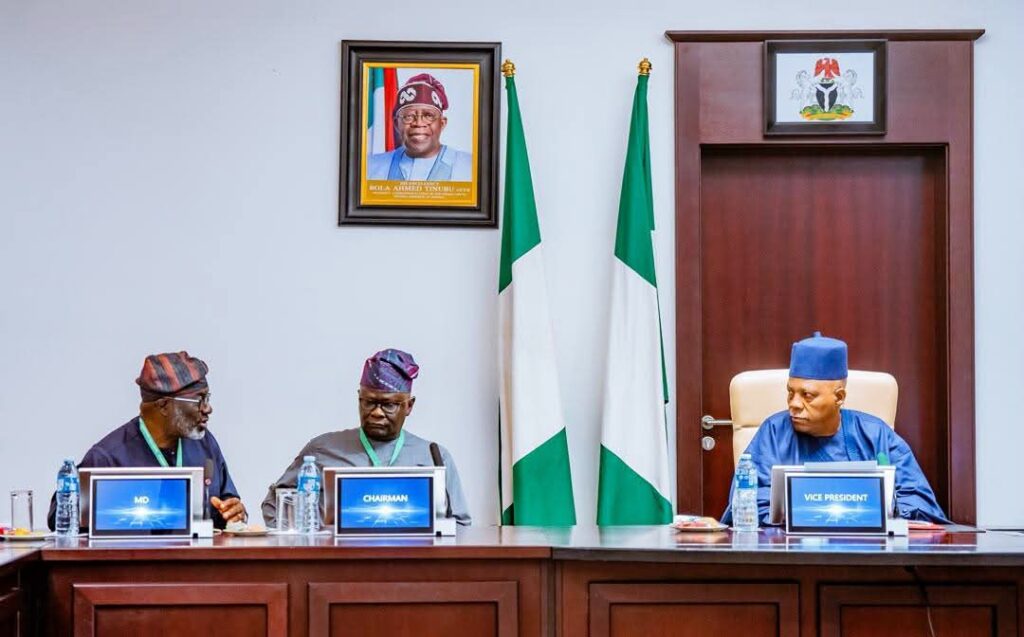
The Vice President urged the commission and other regional development bodies to be guided by integrity, innovation and results, reiterating the Federal Government’s support for every genuine effort that advances regional development and national prosperity.
Earlier, the chairman of the commission’s board, Senator Adetunmbi, commended the Tinubu administration, noting with admiration the government’s economic and structural reforms that culminated in the creation of the regional development commissions, among other benefits.
He also commended the Vice President for his leadership of the National Economic Council (NEC), which he said is transforming governance at the sub-nationals with tangible projects executed across the country.
Senator Adetunmbi briefed the Vice President on the proposed roadmap for the commission’s interventions in infrastructure, human capital development and related projects across the region, stating its plans to conduct a robust baseline study to properly guide the commission’s programmes.
The chairman also sought the Vice President’s guidance and support in working harmoniously with sub-nationals through the National Economic Council to avoid the duplication of efforts and improvement in the delivery of democracy dividends to the people.
Also present at the meeting were Managing Director of the commission, Dr Charles Akinola, executive directors and members representing the various states and geo-political zones on the board of the commission.
VP Shettima: We Must Praise President Tinubu For Establishing Regional Development Commissions
National News
Nigeria Turns to Its Global Medical Army as Tinubu, NiDCOM Launch New Drive to Rescue Healthcare Sector

Nigeria Turns to Its Global Medical Army as Tinubu, NiDCOM Launch New Drive to Rescue Healthcare Sector
…Diaspora doctors to power national health renewal as FG creates framework for investment, telemedicine, knowledge transfer
By: Michael Mike
Nigeria has begun a major push to transform its healthcare system by tapping into the expertise of millions of its citizens abroad, with President Bola Ahmed Tinubu declaring that the country’s diaspora community holds the key to unlocking a new era of medical development.
At the centre of the new strategy is the Diaspora Healthcare Impact Initiative (DHII), a programme designed to mobilise Nigerian doctors, nurses, researchers and healthcare professionals across the world to support hospitals, train local practitioners, deliver specialist services and invest in Nigeria’s health infrastructure.
The announcement was made on Friday at the 2026 National Diaspora Day celebration held at the Presidential Villa, Abuja, where the President described Nigerians abroad as “one of Nigeria’s greatest assets” and declared that their expertise must become a critical component of national development.
The celebration, themed “Harnessing Global Diaspora Medical Expertise to Strengthen Local Health Systems for National Development,” attracted Nigerian professionals and diaspora leaders from across continents, including doctors, academics, entrepreneurs, investors, diplomats and representatives of medical associations in Europe, North America, Australia and Africa.
Tinubu, who was represented by the Secretary to the Government of the Federation, Senator George Akume, said Nigeria’s diaspora population represented a reservoir of knowledge, innovation and professional excellence that must be strategically connected to national priorities.
“Our diaspora is one of Nigeria’s greatest assets. Across continents, Nigerian professionals have excelled in medicine, science, technology and innovation. They have built reputations as some of the finest doctors, researchers and healthcare leaders in the world,” the President said.
He added that beyond personal achievements abroad, Nigerians in the diaspora remained deeply connected to their homeland through expertise, networks, investments and commitment to national progress.
From Brain Drain to Brain Gain
For decades, Nigeria has faced the challenge of losing skilled professionals, particularly medical workers, to opportunities abroad. However, the Federal Government is now seeking to transform that narrative by creating pathways for Nigerians overseas to contribute their skills without abandoning their global careers.
Tinubu announced that the government would establish a permanent framework to institutionalise the Diaspora Healthcare Impact Initiative, coordinate contributions, provide incentives for professionals willing to return or invest, and ensure that interventions produce measurable national impact.
The President said the initiative would focus on expanding diaspora medical missions across Nigeria, establishing knowledge-transfer partnerships between diaspora experts and Nigerian universities and teaching hospitals, deploying telemedicine platforms to connect specialists abroad with patients and practitioners at home, encouraging diaspora investment in hospitals, pharmaceutical industries and research centres, and strengthening the capacity of the Nigerians in Diaspora Commission (NiDCOM) to coordinate engagements.
“Whether you are a surgeon in London, a researcher in Boston, a laboratory scientist in China or a nurse in Johannesburg, your skills are vital to building a resilient, inclusive and world-class healthcare system in Nigeria,” Tinubu told Nigerians abroad.
20 States Benefit From Diaspora Medical Missions
Chairman/CEO of NiDCOM, Hon. Abike Dabiri-Erewa, said the DHII had already moved beyond policy discussions into practical interventions, with diaspora medical professionals supporting healthcare delivery in more than 20 states.
She disclosed that Nigerian doctors abroad have conducted specialist medical missions, provided telemedicine services, trained local healthcare personnel and donated medical equipment worth billions of naira.
The programme adopted a zonal approach, with diaspora medical organisations leading interventions based on regional health needs.
In the North Central, the Canadian Association of Nigerian Physicians and Dentists (CANPAD) and Nigerian Medical Association Germany are supporting health systems strengthening and primary healthcare development in the Federal Capital Territory and Nasarawa State.
In the North-West, the Medical Association of Nigerians Across Great Britain (MANSAG-UK) is focusing on maternal, newborn and child health, obstetrics and neonatal care in Kano, Kaduna and Sokoto.
The Concerned Medics Foundation is supporting sickle cell screening and management in Borno State, while the Association of Nigerian Physicians in the Americas (ANPA) is delivering emergency life support, dental and eye surgeries, paediatrics and chronic disease management in the South-East.
Other interventions include gynaecological services in the South-South through the Nigerian-Australian Medical and Dental Association and advanced procedures including neurosurgery, interventional radiology and gastro-endoscopy in Lagos through the Nigerian Doctors Forum, South Africa.
Diaspora Economy Hits $21.8bn
Beyond healthcare, the Federal Government highlighted the growing economic importance of Nigerians abroad, with diaspora remittances estimated at about $21.8 billion annually.
The Minister of State for Foreign Affairs, Amb. Sola Enikanolaiye, who addressed the gathering, said the figure demonstrated that Nigerians abroad were not a burden but a strategic asset for national development.
He said Nigeria’s foreign policy under the current administration places citizens at the centre through the 4D framework of Democracy, Development, Demography and Diaspora, stressing that diaspora engagement remained a major pillar.
According to him, Nigerians abroad contribute far beyond remittances through knowledge transfer, innovation, philanthropy, technology exchange, professional networks and global partnerships.
“The Ministry of Foreign Affairs does not consider our diaspora population as a burden or a basket case of consular responsibility always in need of assistance. Government recognises the diaspora as one of the nation’s most strategic assets,” he said.
He noted that remittances from Nigerians abroad were higher than official development assistance received by Nigeria from donor countries combined, but stressed the need for stronger mechanisms to channel more diaspora resources into productive sectors.
Migration Should Be Seen as Talent Circulation
The Minister also challenged negative perceptions around migration, arguing that Nigerians living abroad represent a form of global talent circulation rather than national loss.
“Migration should not be criminalised, it should not be weaponised or demonised,” he said.
“It is a win-win situation. It is talent circulation—brain gain rather than brain loss.”
He said Nigerians overseas contribute significantly to their host countries while also creating value for Nigeria through investments, skills transfer and international connections.
He urged Nigerians abroad to continue projecting the positive image of the country, noting that the actions of a tiny minority should not define millions of responsible citizens.
“The less than one per cent of Nigerians that sometimes misbehave—the whole world now uses a broad brush to paint every Nigerian. We must engender that narrative,” he said.
Seven Years of Diaspora Transformation
Dabiri-Erewa said NiDCOM had moved from policy formulation to measurable impact since its establishment in 2019.
She highlighted the approval of the National Diaspora Policy in 2021, creation of State Diaspora Focal Point Officers, development of a national diaspora database and partnerships with government agencies and international organisations as major milestones.
She disclosed that NiDCOM, in collaboration with the National Identity Management Commission, is building a database of Nigerian professionals abroad, including doctors, engineers, academics, scientists and creatives.
The Commission has also strengthened education and technology partnerships, including collaborations with institutions in Silicon Valley to train young Nigerians in emerging technologies.
New Investment Frontiers
NiDCOM announced new efforts to deepen diaspora investment, including the Nigeria-Saudi Investment and Tourism Summit scheduled for Abuja in August and the Nigeria Diaspora Economic Conference holding in Toronto, Canada.
The Commission is also partnering with the Federal Mortgage Bank of Nigeria to launch a diaspora mortgage scheme in the United Kingdom.
Looking ahead, Dabiri-Erewa announced plans for a Diaspora Investment Fund, a National Diaspora Health Corps capable of engaging 1,000 diaspora health professionals annually, and continued advocacy for diaspora voting rights.
Unity Message to Nigerians Abroad
The Minister urged Nigerians in the diaspora to remain united and place national interest above ethnic and regional differences.
“Your focus and priority should be Nigeria and the Nigerian people, regardless of your tribe or state,” he said.
“Unity is key. Unity is key.”
As the Federal Government moves to reposition diaspora engagement, the message from Abuja was clear: Nigerians abroad are no longer viewed merely as sources of remittances but as critical partners in healthcare renewal, economic transformation, innovation and global diplomacy.
For President Tinubu and NiDCOM, the future of national development will depend not only on the talents within Nigeria’s borders, but also on the millions of Nigerians building expertise, influence and networks across the world.
Nigeria Turns to Its Global Medical Army as Tinubu, NiDCOM Launch New Drive to Rescue Healthcare Sector

NHRC Flags Implementation Gaps, Moves to Reset Human Rights Strategy

Resetting Power Sector: FG Rules Out Tariff Hike, Targets Stronger Grid and Universal Metering

NUJ Honour Validates Security-Media Partnership, Says DSS DG

Roger Federer’s Shock as DNA Results Reveal Myla and Charlene Are Not His Biological Children

THE PLIGHT OF FARIDA

FAILED COUP IN BURKINA FASO: HOW TRAORÉ NARROWLY ESCAPED ASSASSINATION PLOT AMID FOREIGN INTERFERENCE CLAIMS
-
 News2 years ago
Roger Federer’s Shock as DNA Results Reveal Myla and Charlene Are Not His Biological Children
-
Opinions4 years ago
THE PLIGHT OF FARIDA
-
 News1 year ago
FAILED COUP IN BURKINA FASO: HOW TRAORÉ NARROWLY ESCAPED ASSASSINATION PLOT AMID FOREIGN INTERFERENCE CLAIMS
-

 News2 years ago
EYN: Rev. Billi, Distortion of History, and The Living Tamarind Tree
-
 Opinions5 years ago
POLICE CHARGE ROOMS, A MINTING PRESS
-

 ACADEMICS2 years ago
A History of Biu” (2015) and The Lingering Bura-Pabir Question (1)
-

 Columns2 years ago
Army University Biu: There is certain interest, but certainly not from Borno.
-

 Politics1 year ago
2027: Why Hon. Midala Balami Must Go, as Youths in Hawul and Asikira/Uba Federal Constituency Reject ₦500,000 as Sallah Gift
