
News
FG, Partners Launch Project to Tackle Highly Hazardous Pesticides in Nigeria

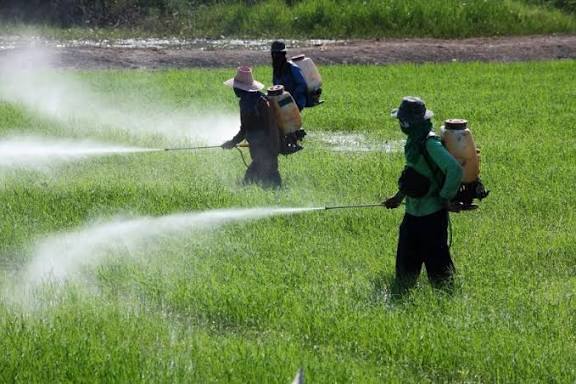
FG, Partners Launch Project to Tackle Highly Hazardous Pesticides in Nigeria
By: Michael Mike
The Federal Ministry of Environment has launched a new initiative aimed at addressing the dangers posed by highly hazardous pesticides (HHPs), which have been linked to poisoning, deaths, and serious public health risks in Nigeria.
The project, titled “Addressing Highly Hazardous Pesticides Responsible for Poisoning and Death in Nigeria for Improved Decision-Making and Effective Poisoning Prevention,” was formally introduced at an inception workshop in Abuja.
The workshop brought together key stakeholders to chart strategies for improved regulation, informed decision-making, and stronger prevention mechanisms to reduce pesticide-related harm.
Speaking on behalf of the Minister of Environment (, the Director of the Department of Pollution Control and Environmental Health (Balarabe Lawal), Engr. Bahijjahtu Abubakar, underscored the urgency of addressing the issue, noting that pesticides classified as highly hazardous continue to circulate in Nigerian markets despite being banned or heavily regulated in Europe.
She said: “This project seeks to protect the health and well-being of our citizens, especially farmers and farmworkers who are most vulnerable to pesticide exposure,” she said. “HHPs are responsible for immense damage in many developing countries, yet they are still widely used in West Africa due to weak regulatory frameworks and ineffective enforcement.”
The initiative is funded by the Centre for Pesticide Suicide Prevention (CPSP), University of Edinburgh, United Kingdom, and is jointly implemented by the Federal Ministries of Environment, Agriculture and Food Security, Health and Social Welfare, as well as the National Agency for Food and Drug Administration and Control (NAFDAC). The Ministry of Environment is serving as the lead agency.
Abubakar explained that the project aligns with Nigeria’s efforts to implement the Global Framework on Chemicals (GFC), particularly target A7, which calls for the phase-out of highly hazardous pesticides in agriculture by 2035 where safer and affordable alternatives exist.
She highlighted that pesticide poisoning in Nigeria often occurs through intentional, accidental, or occupational exposure, with rural farming communities in low and middle-income countries most at risk. “Tracking suicide and suicidal behaviour is difficult due to stigma, inadequate reporting mechanisms, and the criminalization of suicide in Nigeria, which suppresses reporting,” she added.
Beyond health risks, the Director emphasized that excessive pesticide use has also triggered food safety concerns, leading to cases where Nigerian agricultural exports were rejected in international markets due to residues exceeding permissible limits.
To tackle these challenges, the project will promote the adoption of safer alternatives, including biopesticides and Integrated Pest Management (IPM) practices, alongside stricter regulation, public awareness campaigns, and enhanced capacity building for relevant stakeholders.
Abubakar commended the CPSP for its financial and technical support and thanked participating stakeholders for their commitment. “Let us make the most of this opportunity to drive positive change. Together, we can substantially. reduce pesticide poisoning and suicide deaths in Nigeria,” she said.
End


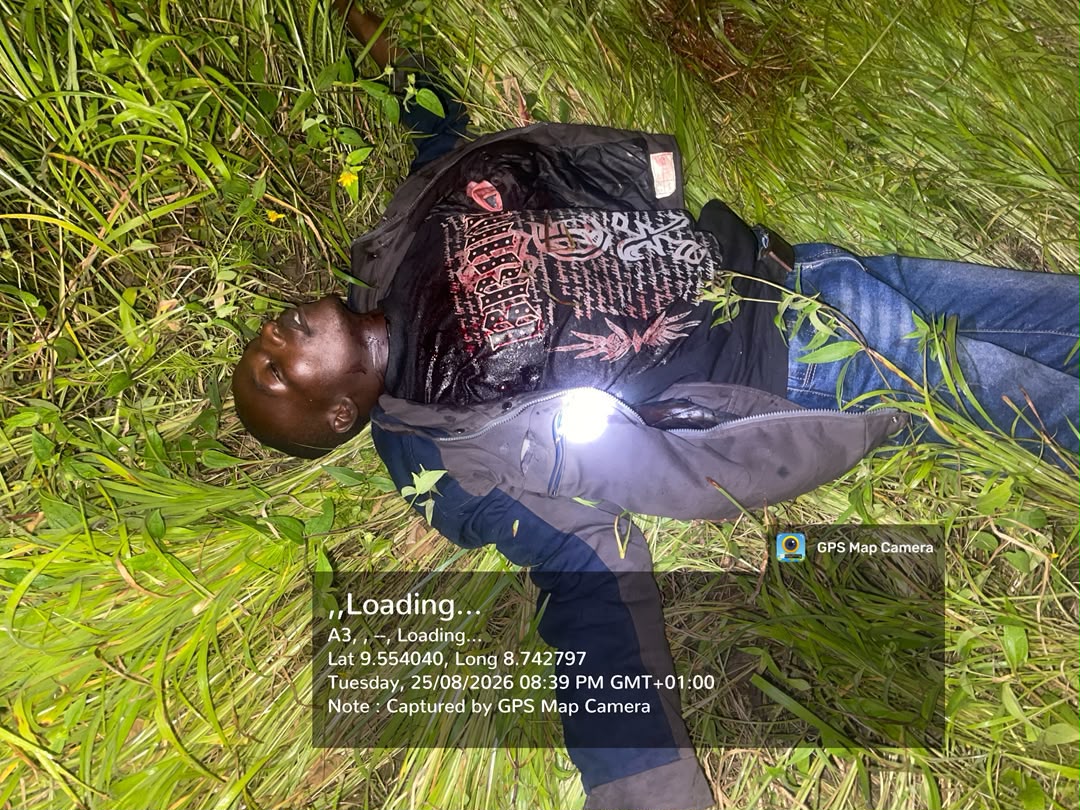
Troops foil attack on Rim community, three killed in Gwarim, Plateau
By: Zagazola Makama
Nigerian troops have foiled an attack on Rim community in Riyom Local Government Area of Plateau State, while three residents were reportedly killed in a separate incident at nearby Gwarim community.
Security sources told Zagazola Makama that the incident occurred on Tuesday, Aug. 25, when troops deployed in the area responded to an attack on Rim community at about 6:08 p.m.
The troops engaged the attackers and successfully repelled the assault without any casualty among the personnel or members of the community.
However, at about 6:46 p.m., the troops responded to another report of gunfire at Gwarim community, also in Riyom LGA.
On arrival at the location, the troops discovered the bodies of three residents who had been killed while reportedly keeping watch in the bush outside the community.
The corpses of the victims were recovered and subsequently handed over to members of the community for further necessary action.
The troops have since intensified patrols and are dominating the area in an effort to locate and apprehend the perpetrators.
The latest incidents come amid heightened security concerns in parts of Plateau State, particularly communities around Riyom and neighbouring areas.
Troops foil attack on Rim community, three killed in Gwarim, Plateau
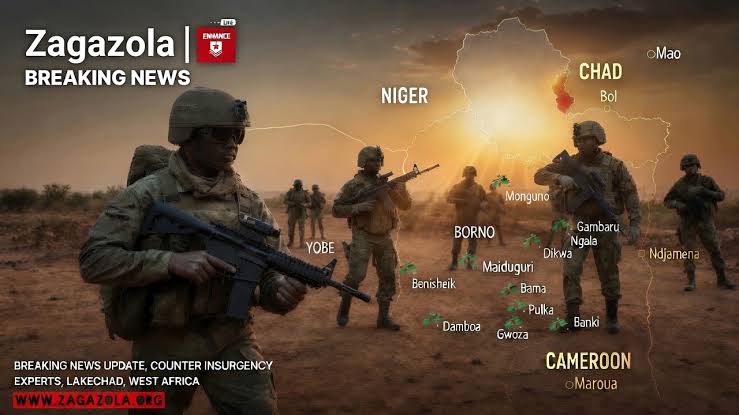
Operation Savannah Shield troops foil attempted kidnapping of farmers in Niger
By: Zagazola Makama
Troops of Operation Savannah Shield have foiled an attempt by suspected terrorists to kidnap farmers at their farmlands in Tudun Harara village, Mariga Local Government Area of Niger State.
The incident occurred at about 11:30 a.m. on Aug. 25, 2026, when troops of the NATRAC Administrative Battalion, Forward Operating Base (FOB) Kotonkoro, responded to a distress report on the attempted abduction.
Security sources told Zagazola Makama that the troops engaged the terrorists upon arrival, forcing them to withdraw into the surrounding forest.
During the encounter, the fleeing terrorists abandoned a motorcycle, which was recovered by the troops.
The operation is part of ongoing efforts by security forces to protect farming communities and deny criminal elements freedom of action across Niger State.
Operation Savannah Shield troops foil attempted kidnapping of farmers in Niger
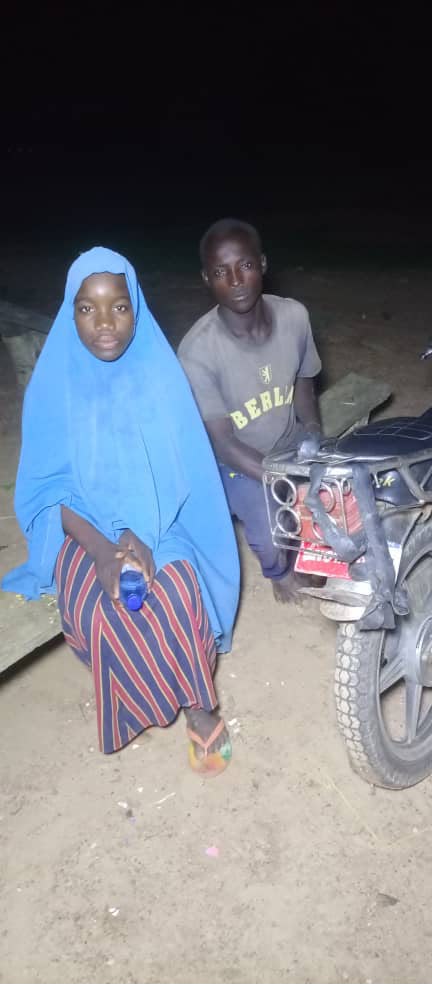
Operation Fansan Yamma troops foil ransom exchange, rescue kidnapped woman in Kebbi
By: Zagazola Makama
Troops of Sector 2, Operation Fansan Yamma, have rescued a kidnapped woman and disrupted a planned ransom exchange in Danko-Wasagu Local Government Area of Kebbi State.
The troops, conducting counter-terrorism and anti-banditry operations in the state, carried out the successful operation on Aug. 26, 2026, following credible intelligence on the planned ransom payment.
Zagazola Makama gathered from security sources that the victim had been abducted from her farm sometime last month, while the criminals were preparing to collect ransom in exchange for her release.
Acting on the intelligence, the troops swiftly mobilised to intercept the transaction.
Sources said the criminals attempted to engage the advancing troops after sighting them but were overwhelmed by the troops’ superior firepower.
The bandits subsequently fled in disarray, abandoning the hostage, who was immediately secured by the troops.
The victim was found unharmed and later transported to safety before being reunited with her family in Danko-Wasagu LGA.
Following the rescue, the troops conducted a thorough exploitation of the withdrawal route to ensure that the area was fully secured before returning to base.
In a related operation, the troops also conducted clearance and dominance patrols in Ngaski Local Government Area as part of efforts to maintain peace and deny criminal elements freedom of movement.
The patrols were completed without incident, further strengthening security presence and reassuring residents in the affected communities.
Operation Fansan Yamma troops foil ransom exchange, rescue kidnapped woman in Kebbi

Troops foil attack on Rim community, three killed in Gwarim, Plateau

Operation Savannah Shield troops foil attempted kidnapping of farmers in Niger

Army troops recover 97 rustled livestock, hand them over to owners in Kano

Roger Federer’s Shock as DNA Results Reveal Myla and Charlene Are Not His Biological Children

THE PLIGHT OF FARIDA

FAILED COUP IN BURKINA FASO: HOW TRAORÉ NARROWLY ESCAPED ASSASSINATION PLOT AMID FOREIGN INTERFERENCE CLAIMS
-
 News2 years ago
Roger Federer’s Shock as DNA Results Reveal Myla and Charlene Are Not His Biological Children
-
Opinions5 years ago
THE PLIGHT OF FARIDA
-
 News1 year ago
FAILED COUP IN BURKINA FASO: HOW TRAORÉ NARROWLY ESCAPED ASSASSINATION PLOT AMID FOREIGN INTERFERENCE CLAIMS
-

 News2 years ago
EYN: Rev. Billi, Distortion of History, and The Living Tamarind Tree
-
 Opinions5 years ago
POLICE CHARGE ROOMS, A MINTING PRESS
-

 ACADEMICS3 years ago
A History of Biu” (2015) and The Lingering Bura-Pabir Question (1)
-

 Columns2 years ago
Army University Biu: There is certain interest, but certainly not from Borno.
-

 Politics1 year ago
2027: Why Hon. Midala Balami Must Go, as Youths in Hawul and Asikira/Uba Federal Constituency Reject ₦500,000 as Sallah Gift
