
News
FG Promises to Secure Abuja from Environment, Climate Disasters

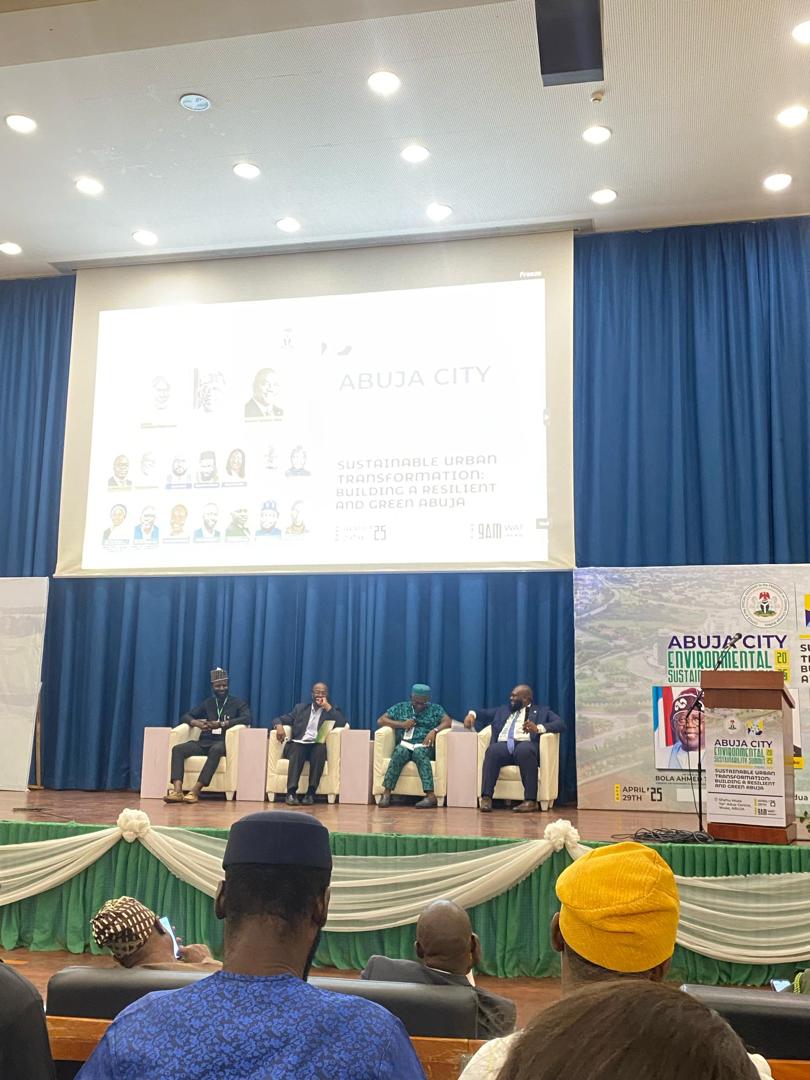
FG Promises to Secure Abuja from Environment, Climate Disasters0
By: Michael Mike
The federal government said it would be moving headlong to secure the Federal Capital Territory (FCT) Abuja from imminent environment and climate disasters.
The Minister of Environment, Malam Balarabe Lawal assured of the nation’s commitment to its environmental and climate action goals, initiated in line with the Renewed Hope Agenda of President Bola Ahmed Tinubu and through targeted policies and programmes.
Speaking Tuesday in Abuja, during the 2025 Abuja City Environmental Sustainability Summit, with the theme ‘Sustainable Urban Transformation: Building a resilient and green Abuja ‘, Lawal said climate impacts as well as great green wall and agro climate resilience in semi-arid landscape projects were undertaken by the ministry, which adapts to the impact of climate change, which promote just, equitable and inclusive growth.
Represented by the Permanent Secretary, Mahmud Kambari, the Minister said the ministry has demonstrated a growing commitment in developing and implementing policies and initiatives that integrate ecosystem restoration and sustainable management.
He noted that Abuja city faces a significant environmental and transportation related issues, ranging from frequent flooding, poor waste management to traffic congestion, air pollution and rising greenhouse gas emissions, adding that these are not just any environmental problems, but developmental issues as they impact on our health, economy, livelihood and quality of life.
He said: “We need to enhance a new flooding that reduces our environmental footprint, promotes circular economy and prioritizes people, livelihood and economies in the planet. To achieve this Sustainable pathway in Abuja’s city, a green city planning and sustainable urban transformation system prioritizing public transport, electric vehicles, cycling and walking and promote the development of green spaces, energy efficient building. Renewables and use of smart innovative technologies, to optimize resource use and reduce the environmental impact.
“It is important to note that this city are at high risk of environment and climate related disasters, which includes insecurity and other risks essential to environment and climate related issues. The ministry asalin demonstrated a growing commitment in developing and implementing policies and initiatives that integrate ecosystem restoration and sustainable management such as National clean cooking policy, national gender policy, national adaptation plan and circular economy, which aims to enhance resilience of Nigerians and reduce vulnerability.
“Climate impacts as well as great green wall and agro climate resilience in semi-arid landscape projects were undertaken by the ministry, which adapts to the impact of climate change, which promote just, equitable and inclusive growth.
“Nigeria remains committed to its environmental and climate action goals initiated in line with Renewed Hope Agenda of Mr President and through targeted policies and programs. We will continue to prioritize nature based solutions and ecosystem restoration and adaptive capacity at all levels.
“To this end we must be intentional to embark on transformative development pathway that will transition us yo low carbon economy, protect and restore. Biosafety, combat pollution, promote innovation, sustainable consumption as well as green jobs.
“I commend the organizers. Of this initiative for their dedication to driving climate change and empowering communities. With practical solutions. I also urge all stakeholders to seize this opportunity to strengthen partnership, share best practices and advance policies that will ensure more resilient and sustainable future for Nigeria.”
Speaking earlier, the Special Assistant to the President on Climate Change Matters, Comrade Yussuf Kelani, said the summit will showcase the urban redevelopment efforts currently being spearheaded by the FCTA, saying the efforts play a crucial role in mitigating climate change, promoting environmental sustainability and improving the quality of life in Abuja.
He said: “Climate change has emerged as a paramount environmental concern, standing as the most pressing issue globally, and Nigeria is no exception to its ramifications. Regrettably, a significant portion of the populace remains uninformed about the imminent perils we face and the underlying causes of major community calamities we’ve endured.
“The imperative to incorporate climate change adaptation strategies into development agendas is growing ever more urgent. Nonetheless, a lack of awareness or comprehension regarding pivotal issues surrounding vulnerability and adaptation can impede the much-needed response.
“The impacts of climate change manifest divergently across various regions of Nigeria. The Northern part contends with the adversities of drought and desert encroachment, while the Southern regions grapple with inundation due to their low-lying terrain and dense tropical vegetation. The central belt confronts gully erosion, compounded by being a focal point for communal conflicts spurred by the repercussions of climate change.
“Assuming the role of Special Assistant to the President on Climate Change Matters, I bear the responsibility of advancing the Presidency’s initiatives and programs concerning climate change intervention, fostering engagement with Nigerians and stakeholders across all pertinent sectors.
“My team is carrying out this assignment along the mandates and responsibilities of my office. We have since deployed our working strategies in realizing the aforementioned objectives and execute the above official responsibilities through the Presidential Climate Change Action and Resilience Enhancement Scheme (P-CARES), a workplan platform for my office, which was launched in May 2024 to align with President Bola Ahmed Tinubu’s Renewed Hope Agenda.
“Abuja, Nigeria’s Capital, faces numerous environmental challenges, including rapid urbanization, waste management issues, and climate change impacts. The Abuja Environmental Summit seeks to address these challenges by fostering collaboration among government entities, private sector leaders, environmental experts, and civil society organizations. The summit will focus on developing sustainable urban solutions that can be implemented to ensure Abuja’s transformation into a resilient and green city.
“This summit is designed to be a pivotal event focused on advancing sustainable urban development practices in Abuja. With the goal of accelerating the implementation of eco-conscious urbanization strategies, the summit will provide a platform for fostering collaboration among key stakeholders, including government representatives, urban planners, environmentalists, and the private sector. Additionally, it will aim to build the capacity of local government officials and engage the public in efforts to transform Abuja into a leading model of climate-resilient urban growth. Through this event, the summit seeks to catalyze meaningful change in the way urban spaces are managed, ensuring a more sustainable, and environmentally-friendly future for the city.
“With urbanization increasingly affecting our environment, it is crucial to adopt sustainable practices ensure a resilient and eco-friendly future. The summit will act as a catalyst for change and will directly contribute to the ongoing efforts of the federal government in addressing climate change and building sustainable cities. Through this summit, we aim to address these critical issues and propel Abuja to the forefront of sustainable urban development.”
He added: “This summit will showcase the urban redevelopment efforts currently being spearheaded by the Ministry of the Federal Capital Territory (FCT). Special focus will be placed on key initiatives such as tree planting and urban greening, which significantly to carbon capture and the improvement of urban air quality. These efforts play a crucial role in mitigating climate change, promoting environmental sustainability, and improving the quality of life in Abuja.
“The summit will provide targeted capacity-building Workshops for local government officials from the six area councils of Abuja. Training will focus on facility management, sustainable urban practices, and waste management. These workshops will equip officials with the skills and knowledge needed to better manage urban spaces and contribute to promoting sustainable practices at the grassroots level, further enhancing the eco-friendliness of Abuja.
“A key component of the summit will be the Waste to Wealth initiative. This program will train young people in sustainable others management practices, empowering them to view waste as a resource that can be converted into valuable products.
“Participants, including local government officials, youth, and other stakeholders, will be empowered with the knowledge and tools to drive sustainable change in Abuja.
“The summit will catalyze the development of actionable policies and strategies that support the growth of environmentally-friendly urban spaces in Abuja.
“The Waste to Wealth program will create economic opportunities for youth while contributing to environmental sustainability, making a lasting impact on both the local economy and the city’s waste management system.
“The summit will help forge lasting partnerships between the government, private sector, and civil society, which will be crucial for ongoing collaboration in the drive for sustainable urban development.”
On his part, the Secretary to the Government of the Federation (SGF), George Akume, who was represented by the Special Adviser (Technical), Prof Babatunde Bernard, said Abuja is for all Nigerians, hence we must jointly come together to be able to take care of it in a more sustainable way.
“So, it’s like I corrected one of the speakers, it’s a conscious effort by all of us, the government and the people themselves. The awareness is being created, we have a national waste management, we have now a climate change and then we have quite a lot of government efforts towards this climate change issues to have a sustainable city.
“Abuja is for all of us. It’s the capital city of Nigeria, so it’s a place for all of us and we must jointly come together to be able to take care of it in a more sustainable way,” he said.
FG Promises to Secure Abuja from Environment, Climate Disasters


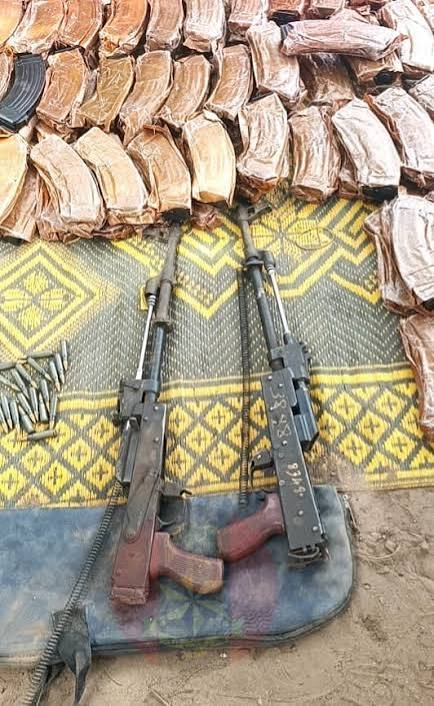
Troops Recover AK-47 Rifle in Raid on Suspected Gunrunners’ Hideout in Taraba
By: Zagazola Makama
Troops of Operation MESA have recovered an AK-47 rifle, a magazine and three rounds of 7.62mm special ammunition during a raid on a suspected gunrunners’ hideout in Gassol Local Government Area of Taraba State.
Security sources said the operation was carried out at about 12:15 a.m. on June 30 by troops of the 20 Model Battalion deployed in Gassol, in collaboration with a team from the Defence Intelligence Agency (DIA).
The sources said the joint team conducted the intelligence-led raid on a suspected gunrunners’ hideout at Kwatan Nanido Village following credible information on illegal arms activities in the area.
Although no suspect was arrested during the operation, the troops recovered one AK-47 rifle, one magazine and three rounds of 7.62mm special ammunition abandoned at the location.
The recovered items have been taken into military custody for further investigation and necessary action.
Security sources said efforts were ongoing to identify and apprehend members of the suspected gunrunning syndicate as operations continue to curb the proliferation of illegal arms and enhance security across the state.
Troops Recover AK-47 Rifle in Raid on Suspected Gunrunners’ Hideout in Taraba
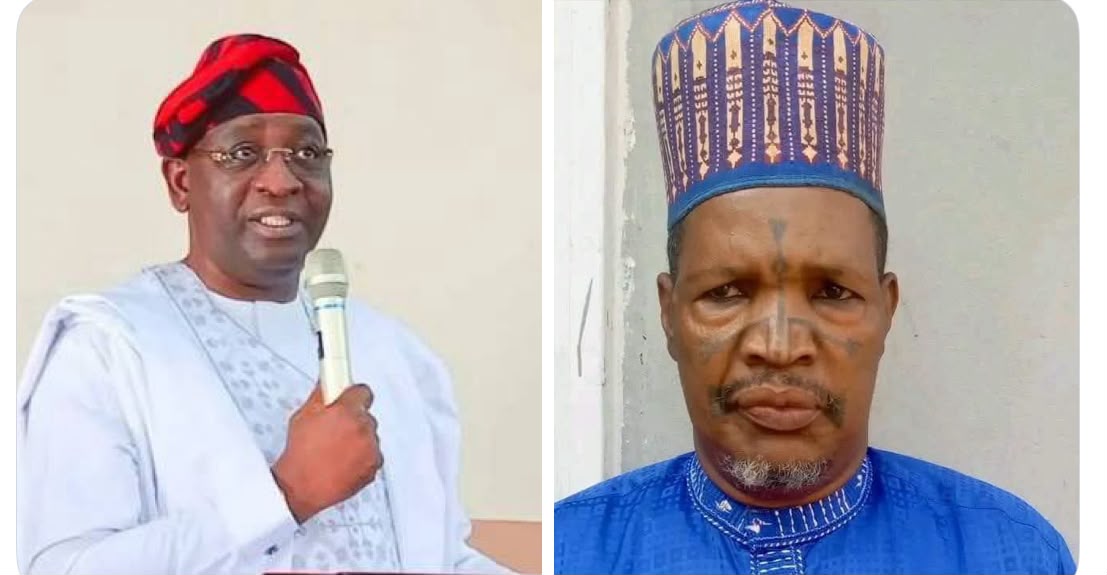
Benue Deputy Gov. Visit family Slain MACBAN Leader, Urges Calm as Police Probe Killing
By: Zagazola Makama
The Benue State Government, in collaboration with the Nigeria Police Force, has paid a condolence visit to the family of the late Fulani community leader, Alhaji Risku Muhammad, in Ohimini Local Government Area, urging residents to remain calm as investigations into his killing continue.
The condolence visit took place on Tuesday and was led by the Deputy Governor of Benue State, who represented Gov. Hyacinth Alia.
The delegation included the Assistant Inspector-General of Police in charge of Zone 4, Makurdi, the Commissioner of Police, Benue State Command, representatives of the Sultan of Sokoto, the leadership of the Miyetti Allah Cattle Breeders Association of Nigeria (MACBAN), other security agencies and relatives of the deceased from different parts of the country.
During the visit, the delegation sympathised with the bereaved family and appealed to them and members of the Fulani community not to resort to self-help or reprisals.
They urged them to allow security agencies to carry out a thorough and impartial investigation into the circumstances surrounding the killing.
The delegation assured the family that the government and security agencies were committed to ensuring that those responsible for the homicide are identified and brought to justice.
Police authorities said the case was under active investigation by the State Criminal Investigation Department (CID), adding that efforts were ongoing to unravel the circumstances surrounding the incident.
The Benue State Government reiterated its commitment to maintaining peace and security across the state and called on all residents to continue supporting security agencies with credible information that could aid the investigation.
Benue Deputy Gov. Visit family Slain MACBAN Leader, Urges Calm as Police Probe Killing
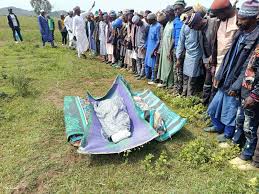
Three Herders Killed in Ambush in Plateau, MACBAN Calls for Investigation
By: Zagazola Makama
Three cattle herders were reportedly killed and one other injured in an ambush by unidentified gunmen while grazing livestock in Gero-Rafin Bauna area of Jos South Local Government Area of Plateau State.
The Chairman of the Miyetti Allah Cattle Breeders Association of Nigeria (MACBAN) in Plateau, Alhaji Ibrahim Yusuf Babayo, confirmed the incident and condemned the attack.
Babayo called on security agencies to carry out a thorough investigation into the killings and ensure that those responsible are arrested and prosecuted.
According to him, the bodies of the three victims were discovered in a forest after an extensive search by members of the community.
He alleged that the victims were brutally killed during the attack.
The MACBAN chairman further claimed that the latest incident came barely two weeks after four other herders were reportedly killed in the same general area, adding that their bodies had yet to be recovered.
Babayo urged the authorities to take urgent steps to improve security in vulnerable communities and prevent further attacks.
He also appealed to members of the affected communities to remain calm and allow security agencies to investigate the incident.
As of the time of filing this report, the Plateau State Police Command had not issued an official statement on the incident.
The circumstances surrounding the attack and the identity of the perpetrators remain unclear.
Three Herders Killed in Ambush in Plateau, MACBAN Calls for Investigation

Troops Recover AK-47 Rifle in Raid on Suspected Gunrunners’ Hideout in Taraba

Benue Deputy Gov. Visit family Slain MACBAN Leader, Urges Calm as Police Probe Killing

Three Herders Killed in Ambush in Plateau, MACBAN Calls for Investigation

Roger Federer’s Shock as DNA Results Reveal Myla and Charlene Are Not His Biological Children

THE PLIGHT OF FARIDA

FAILED COUP IN BURKINA FASO: HOW TRAORÉ NARROWLY ESCAPED ASSASSINATION PLOT AMID FOREIGN INTERFERENCE CLAIMS
-
 News2 years ago
Roger Federer’s Shock as DNA Results Reveal Myla and Charlene Are Not His Biological Children
-
Opinions4 years ago
THE PLIGHT OF FARIDA
-
 News1 year ago
FAILED COUP IN BURKINA FASO: HOW TRAORÉ NARROWLY ESCAPED ASSASSINATION PLOT AMID FOREIGN INTERFERENCE CLAIMS
-

 News2 years ago
EYN: Rev. Billi, Distortion of History, and The Living Tamarind Tree
-
 Opinions5 years ago
POLICE CHARGE ROOMS, A MINTING PRESS
-

 ACADEMICS2 years ago
A History of Biu” (2015) and The Lingering Bura-Pabir Question (1)
-

 Columns2 years ago
Army University Biu: There is certain interest, but certainly not from Borno.
-

 Politics1 year ago
2027: Why Hon. Midala Balami Must Go, as Youths in Hawul and Asikira/Uba Federal Constituency Reject ₦500,000 as Sallah Gift
