
News
FG Says Strategies are in Place to Tackle Unsustainable Agricultural Practices

FG Says Strategies are in Place to Tackle Unsustainable Agricultural Practices
By: Michael Mike
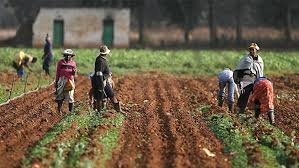
The Federal Government said it has emplaced strategies to tackle unsustainable agricultural practices, excessive logging and infrastructure deficit significantly reducing the rate of deforestation, forest degradation and adverse climate conditions.
Addressing a press briefing on Wednesday in Abuja, the Minister of Environment , Malam Balarabe Lawal while stating that forests play a crucial role in regulating the country’s climatic conditions for climate resilience, said: “The Ministry has put in place strategies to tackle unsustainable agricultural practices, excessive logging and infrastructure deficit significantly reducing the rate of deforestation, forest degradation and adverse climate conditions.
“Forests plays crucial role in biodiversity conservation, maintaining of water cycles and the provision of livelihoods for millions of people.
“It’s worthy of note that achievements have been recorded with regard to restoration of forest in Nigeria under the administration of President Bola Tinubu.”
He explained that: “Hydrocarbon Pollution Remediation Project (HYPREP) is an initiative of the Federal Government of Nigeria established to implement the recommendations of the United Nations Environment Programme (UNEP) Report on the Ogoni land oil spill.
“The Ministry initiated the world’s most extensive mangrove restoration in Ogoniland by HYPREP.
“The pilot phase of 560ha is 85 per cent completed, with over two million seedlings comprising red, black, and white mangrove species planted. This is the first mangrove restoration in Nigeria involving the planting of different species,” Lawal said.
He also revealed that the Ministry has signed an agreement with the Republic of Cameroon on Cooperation Framework Agreement on Trans-Boundary Ecosystem Conservation and Sustainable Management of Forestry and Wildlife Resources on April 19, 2024.
Lawal noted that: “This will foster collaborations between both countries in protecting shared ecosystems, including forests, wildlife and water bodies.
“It will ensure the coordinated management of trans-boundary protected areas, such as Cross River National Park (Nigeria) and Korup National Park (Cameroon), which are biodiversity hotspots in collaboration with major and strategic stakeholders.”
He noted that the goal is to improve the resilience of affected communities to climate change and climate variability in the dry lands of Nigeria.
He said one of the major achievements of the ministry include:raising of 3,850,000 Neem seedlings for the establishment of Plant Nurseries in the 11 National Agency of the Great Green Wall frontline states to provide medicinal raw materials.
“Forestry Research Institute of Nigeria (FRIN): FRIN is the leading research institution in Nigeria which focuses on forestry, forest products and environmental development initiatives.
“Its major achievements include: the digitalisation of the forests zones in Nigeria;
“National Park Service (NPS) is responsible for managing and conserving national parks and wildlife reserves of protected areas across the nation,” he said.
Lawal noted that NPS is primarily responsible for enforcing environmental laws to prevent illegal activities such as poaching, deforestation and encroachment on protected lands.
“Achievements recorded under NPS include; the enhancement of forest security, through strengthened inter-agency collaboration especially with the Nigeria Military.
He said that the collaboration is gradually yielding positive results as shown in the recovery of forest areas occupied by bandits as well as, sustaining the fight against insurgency and terrorism in our forests
FG Says Strategies are in Place to Tackle Unsustainable Agricultural Practices


Troops neutralise terrorist, recover four motorcycles in Katsina
By Zagazola Makama
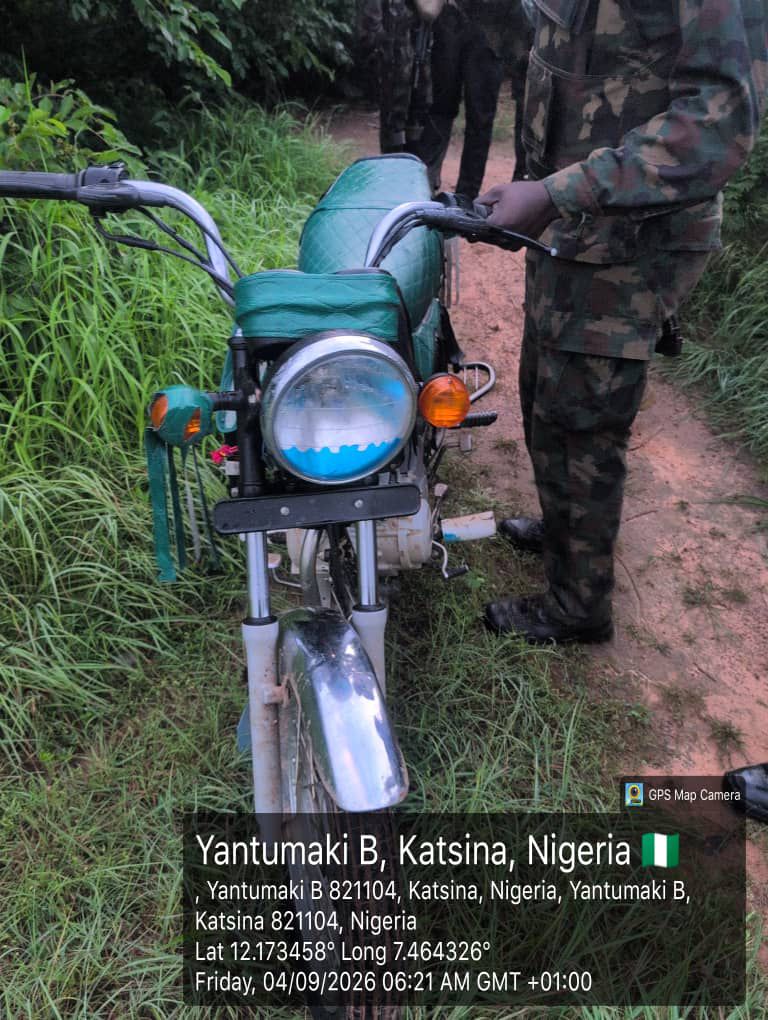
Troops of Sector 1, Joint Task Force North West, Operation Fansan Yamma, have neutralised a terrorist and recovered four motorcycles and other items during a dawn offensive operation in Dan Musa Local Government Area of Katsina State.
The operation was conducted on Sept. 4, 2026, following credible intelligence on the presence of terrorists around the Yantumaki Forest area.
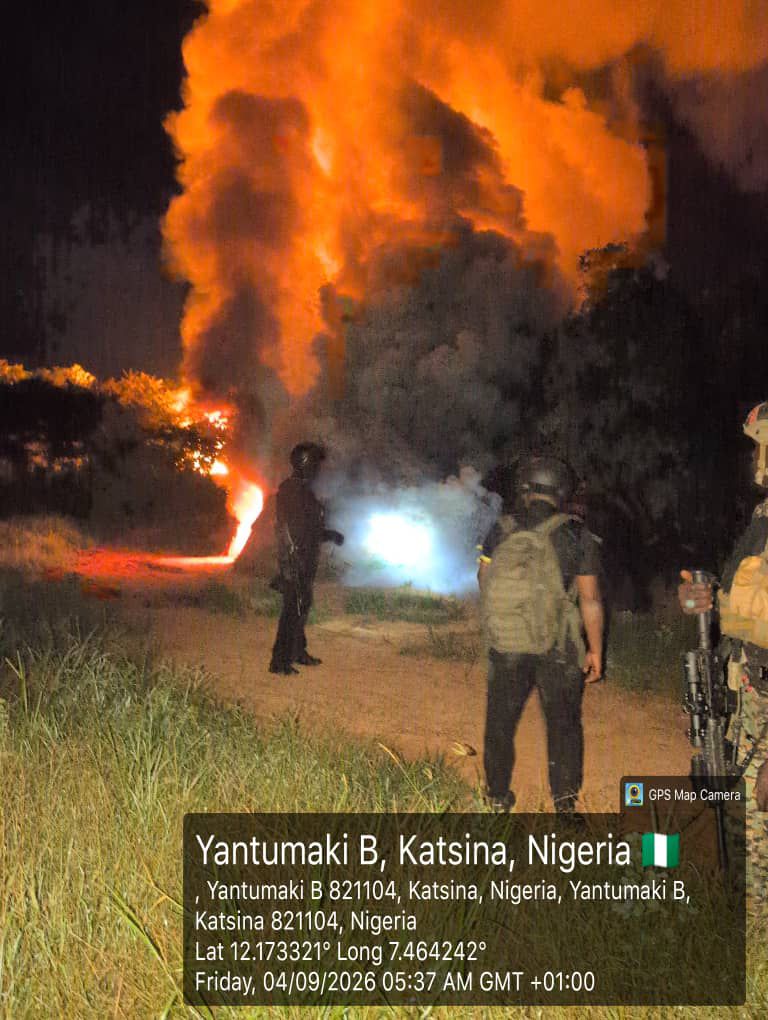
According to security sources, the troops launched a coordinated offensive against the terrorists and engaged them with superior firepower, forcing the surviving elements to flee into the surrounding bushes.
During the subsequent exploitation of the area, the troops confirmed the neutralisation of one terrorist and recovered four motorcycles, one mobile phone and five empty intravenous drip containers.
The recovered medical containers were suspected to have been used in treating wounded terrorists operating in the area.
The operation is part of ongoing efforts by Operation Fansan Yamma to sustain pressure on terrorist networks, degrade their operational capabilities and deny them freedom of movement within the Joint Operations Area.

The theatre has also urged members of the public to continue providing credible and timely information to security agencies to support ongoing operations and facilitate the eradication of terrorist elements across the Joint Operations Area.
Troops neutralise terrorist, recover four motorcycles in Katsina
Troops foil Berom Militia attack, recover locally fabricated gun in Plateau
By: Zagazola Makama
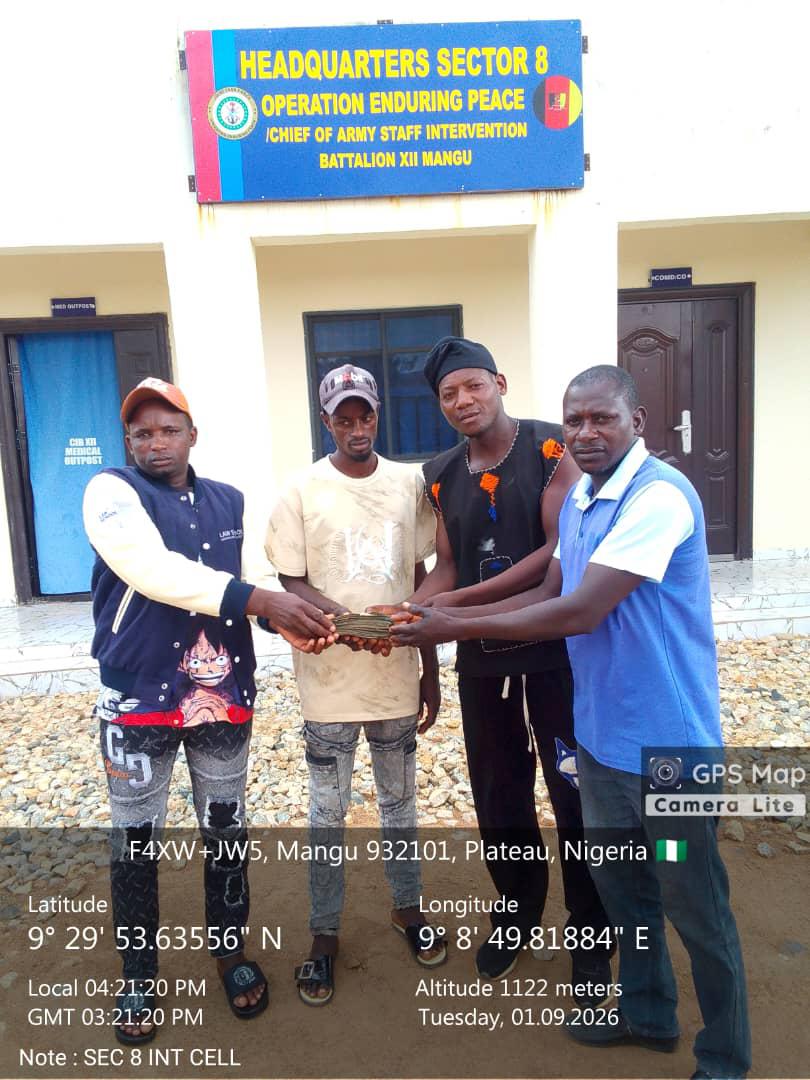
Troops of Sector 4, Sub-Sector 41, Operation Enduring Peace (OPEP), have foiled an attack by Berom militia at Zakaret Village in Barkin Ladi Local Government Area of Plateau State.
Zagazola Makama reports that the incident occurred at about 9 p.m. on Thursday, Sept. 3, when troops deployed at Ankwil 2 Guard Location responded to reports of gunshots at the residence of Mr Mubarak Shuaibu.
The troops’ prompt intervention forced the attackers to abandon their mission and flee the area.
During an exploitation of the scene, the troops found Shuaibu with a gunshot wound to his right leg.
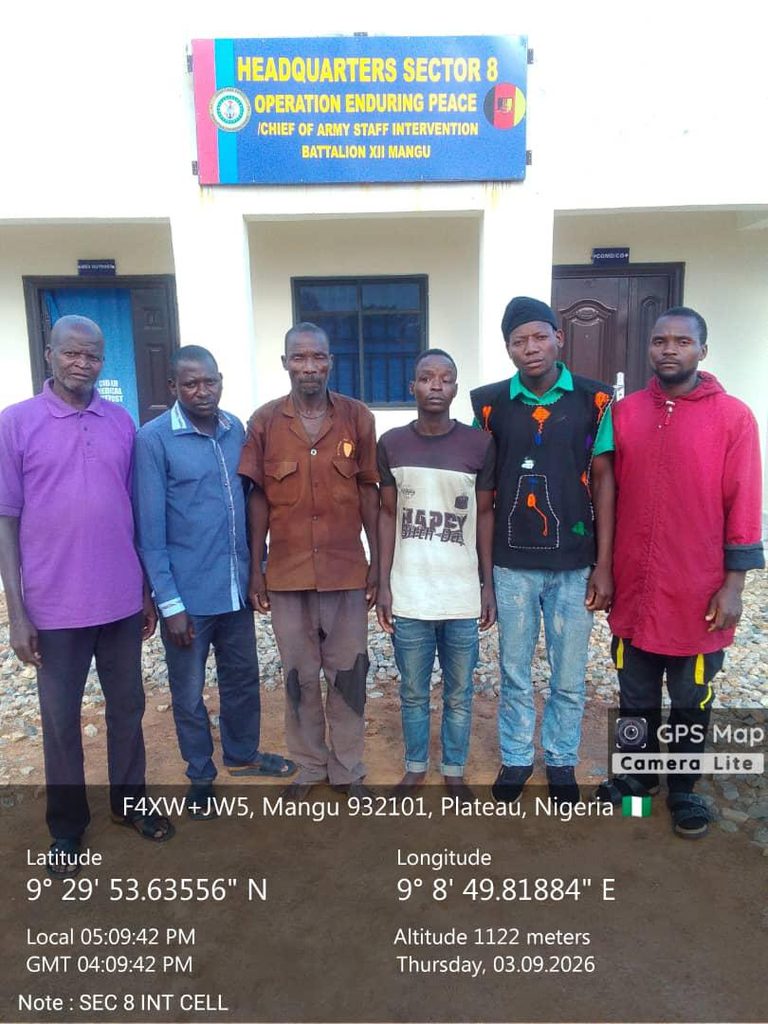
The troops also recovered one locally fabricated gun allegedly abandoned by the fleeing attackers.
The injured victim was evacuated to a clinic in Kurra Falls for medical treatment.
The recovered weapon is currently in the custody of the troops for further action, while efforts are ongoing to track and apprehend the fleeing suspects.
Troops foil Berom Militia attack, recover locally fabricated gun in Plateau
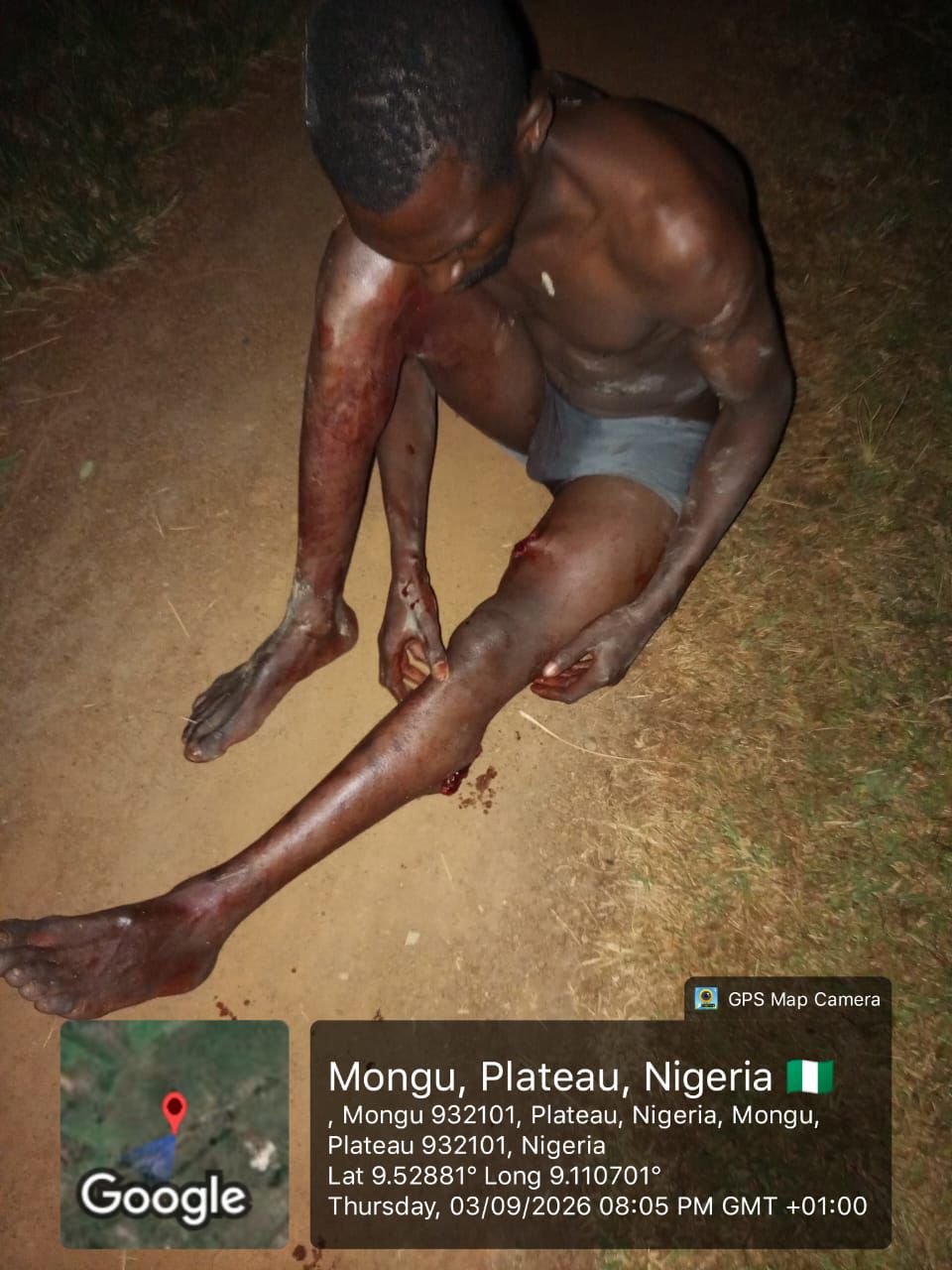
Armed militia attack leaves one injured, another dead in Plateau
By: Zagazola Makama
One person has been killed and another injured after suspected armed militias attacked two locals returning from mining activities between Gaude and Mangu Halle in Mangu Local Government Area of Plateau State.
Zagazola Makama reports that the incident occurred at about 8:10 p.m. on Thursday, Sept. 3.
Troops of Sector 8, Sub-Sector 81, deployed at Gyambwas, responded to a distress report on the attack and moved to the area.
On arrival, the troops found one of the victims, identified as Mr Lanyet Bala, with a gunshot wound to his leg, while the attackers had fled the scene.
The troops subsequently launched a search-and-rescue operation for the second victim, identified as Mr Kwonan.
During the operation, the troops discovered Kwonan’s remains within the general area.
The injured victim was evacuated to Allah Nakowa Hospital, Mangu, for medical treatment.
Meanwhile, troops are currently dominating the area and conducting offensive operations and a manhunt for the fleeing attackers.
Security sources said efforts are ongoing to track down the perpetrators and bring them to justice.
Armed militia attack leaves one injured, another dead in Plateau

Troops neutralise terrorist, recover four motorcycles in Katsina

Troops foil Berom Militia attack, recover locally fabricated gun in Plateau

Armed militia attack leaves one injured, another dead in Plateau

Roger Federer’s Shock as DNA Results Reveal Myla and Charlene Are Not His Biological Children

THE PLIGHT OF FARIDA

FAILED COUP IN BURKINA FASO: HOW TRAORÉ NARROWLY ESCAPED ASSASSINATION PLOT AMID FOREIGN INTERFERENCE CLAIMS
-
 News2 years ago
Roger Federer’s Shock as DNA Results Reveal Myla and Charlene Are Not His Biological Children
-
Opinions5 years ago
THE PLIGHT OF FARIDA
-
 News1 year ago
FAILED COUP IN BURKINA FASO: HOW TRAORÉ NARROWLY ESCAPED ASSASSINATION PLOT AMID FOREIGN INTERFERENCE CLAIMS
-

 News2 years ago
EYN: Rev. Billi, Distortion of History, and The Living Tamarind Tree
-
 Opinions5 years ago
POLICE CHARGE ROOMS, A MINTING PRESS
-

 ACADEMICS3 years ago
A History of Biu” (2015) and The Lingering Bura-Pabir Question (1)
-

 Columns3 years ago
Army University Biu: There is certain interest, but certainly not from Borno.
-

 Politics1 year ago
2027: Why Hon. Midala Balami Must Go, as Youths in Hawul and Asikira/Uba Federal Constituency Reject ₦500,000 as Sallah Gift
