
News
FG Tasks Stakeholders to Bring up Strategies to Address Climate Change


FG Tasks Stakeholders to Bring up Strategies to Address Climate Change
By: Michael Mike
The Federal Government has called on stakeholders in the nation’s environment sector to come up with adequate strategies to address hazards posed by climate change in the country.
The Permanent Secretary in the Federal Ministry of Environment, Mr Mahmud Kambari this call at meeting of the technical committee on the review and update of National Erosion and Flood Control Policy held in Abuja on Thursday.
He said the benefit of having the policy reviewed and updated for the nation is quite immense, he said it would assist in the reduction of loss and damages due to erosion and flooding.
He said: “The capacity of Government organs to respond to these concerns would be enhanced, I want to assure you that the Ministry reposes great confidence in this pool of experts to give the nation superlative results, it is therefore my pleasure to declare this Technical Committee meeting open and wish you fruitful deliberations.”
He revealed that: “The Federal Ministry of Environment in its bid to address the twin issues of erosion and flood developed the National Erosion and Flood Control Policy (NEFCOP) in 2005. The document was, approved by the Federal Executive Council and launched by President Olusegun Obasanjo.”
The Director Erosion, Flood and Coastal Zone Management Department, Federal Ministry of Environment. Mr Etigbue Dilichukwu said the revisiting and mainstreaming relevant policies into Nigeria’s national adaptation plan is of utmost importance.
Dilichukwu noted that the potential benefits of having a comprehensive and up-to-date policy in this area are enormous, not only in reducing loss and damages but also enhancing the country’s institutional framework and capacity to effectively respond to environmental concerns.
“On behalf of the Ministry, we extend our gratitude to our Partners and Collaborators for their unwavering support in tackling environmental challenges, with your continued collaboration as we strive to drive the implementation of a robust NEFCOP that will effectively address current and future challenges related to erosion and flooding.”
He however called for an open exchange of ideas and perspectives to work towards a stronger and more environmental resilient Nigeria.
The National Project Coordinator ACreSAL, Mr Abdulhamid Umar said the project is working to permanently end the issues of flooding in Nigeria.
“Issues surrounding flood control and coastal challenges in this country are very, central to reasons why the world bank hasn’t found it necessary, to intervene by making very handsome amount delegated to the implementation of this project,” he said.
He further said that the Agencies of the Agro-Climatic Resilience in Semi-Arid Landscapes (ACReSAL) project will support the implementation of all the policies that would be reached at the technical session.
Umar said the government must ensure compliance and penalties for people who illegally destroyed structures and infrastructures that are supposed to help in controlling flood hazards.
The National Erosion and Flood Control Policy and its associated documents (National Erosion and Flood Control Action Plan and the Technical Guidelines) was developed by the Ministry of Environment, approved and adopted by both FEC and NEC in 2005. It would address the widespread hazards of erosion and flood which had led to devastating loss of lives, properties, productive agricultural lands, pollution of water resources and sedimentation of rivers.
FG Tasks Stakeholders to Bring up Strategies to Address Climate Change


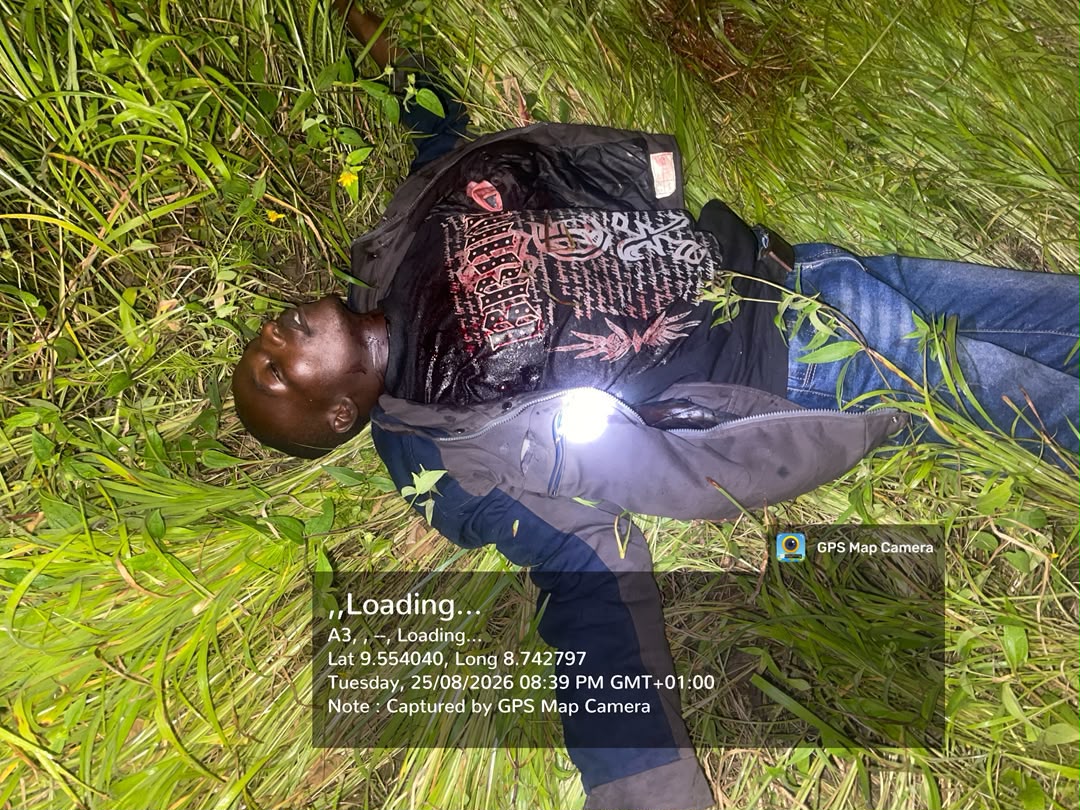
Troops foil attack on Rim community, three killed in Gwarim, Plateau
By: Zagazola Makama
Nigerian troops have foiled an attack on Rim community in Riyom Local Government Area of Plateau State, while three residents were reportedly killed in a separate incident at nearby Gwarim community.
Security sources told Zagazola Makama that the incident occurred on Tuesday, Aug. 25, when troops deployed in the area responded to an attack on Rim community at about 6:08 p.m.
The troops engaged the attackers and successfully repelled the assault without any casualty among the personnel or members of the community.
However, at about 6:46 p.m., the troops responded to another report of gunfire at Gwarim community, also in Riyom LGA.
On arrival at the location, the troops discovered the bodies of three residents who had been killed while reportedly keeping watch in the bush outside the community.
The corpses of the victims were recovered and subsequently handed over to members of the community for further necessary action.
The troops have since intensified patrols and are dominating the area in an effort to locate and apprehend the perpetrators.
The latest incidents come amid heightened security concerns in parts of Plateau State, particularly communities around Riyom and neighbouring areas.
Troops foil attack on Rim community, three killed in Gwarim, Plateau
Operation Savannah Shield troops foil attempted kidnapping of farmers in Niger
By: Zagazola Makama
Troops of Operation Savannah Shield have foiled an attempt by suspected terrorists to kidnap farmers at their farmlands in Tudun Harara village, Mariga Local Government Area of Niger State.
The incident occurred at about 11:30 a.m. on Aug. 25, 2026, when troops of the NATRAC Administrative Battalion, Forward Operating Base (FOB) Kotonkoro, responded to a distress report on the attempted abduction.
Security sources told Zagazola Makama that the troops engaged the terrorists upon arrival, forcing them to withdraw into the surrounding forest.
During the encounter, the fleeing terrorists abandoned a motorcycle, which was recovered by the troops.
The operation is part of ongoing efforts by security forces to protect farming communities and deny criminal elements freedom of action across Niger State.
Operation Savannah Shield troops foil attempted kidnapping of farmers in Niger
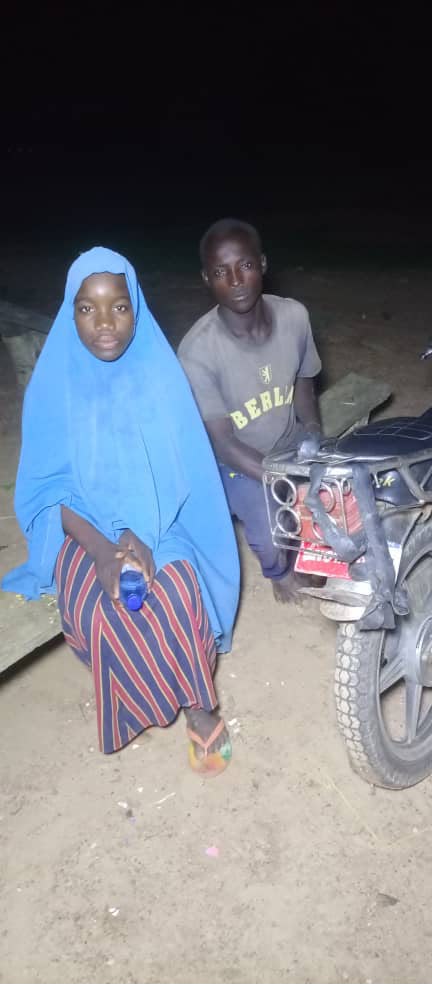
Operation Fansan Yamma troops foil ransom exchange, rescue kidnapped woman in Kebbi
By: Zagazola Makama
Troops of Sector 2, Operation Fansan Yamma, have rescued a kidnapped woman and disrupted a planned ransom exchange in Danko-Wasagu Local Government Area of Kebbi State.
The troops, conducting counter-terrorism and anti-banditry operations in the state, carried out the successful operation on Aug. 26, 2026, following credible intelligence on the planned ransom payment.
Zagazola Makama gathered from security sources that the victim had been abducted from her farm sometime last month, while the criminals were preparing to collect ransom in exchange for her release.
Acting on the intelligence, the troops swiftly mobilised to intercept the transaction.
Sources said the criminals attempted to engage the advancing troops after sighting them but were overwhelmed by the troops’ superior firepower.
The bandits subsequently fled in disarray, abandoning the hostage, who was immediately secured by the troops.
The victim was found unharmed and later transported to safety before being reunited with her family in Danko-Wasagu LGA.
Following the rescue, the troops conducted a thorough exploitation of the withdrawal route to ensure that the area was fully secured before returning to base.
In a related operation, the troops also conducted clearance and dominance patrols in Ngaski Local Government Area as part of efforts to maintain peace and deny criminal elements freedom of movement.
The patrols were completed without incident, further strengthening security presence and reassuring residents in the affected communities.
Operation Fansan Yamma troops foil ransom exchange, rescue kidnapped woman in Kebbi

Troops foil attack on Rim community, three killed in Gwarim, Plateau

Operation Savannah Shield troops foil attempted kidnapping of farmers in Niger

Army troops recover 97 rustled livestock, hand them over to owners in Kano

Roger Federer’s Shock as DNA Results Reveal Myla and Charlene Are Not His Biological Children

THE PLIGHT OF FARIDA

FAILED COUP IN BURKINA FASO: HOW TRAORÉ NARROWLY ESCAPED ASSASSINATION PLOT AMID FOREIGN INTERFERENCE CLAIMS
-
 News2 years ago
Roger Federer’s Shock as DNA Results Reveal Myla and Charlene Are Not His Biological Children
-
Opinions5 years ago
THE PLIGHT OF FARIDA
-
 News1 year ago
FAILED COUP IN BURKINA FASO: HOW TRAORÉ NARROWLY ESCAPED ASSASSINATION PLOT AMID FOREIGN INTERFERENCE CLAIMS
-

 News2 years ago
EYN: Rev. Billi, Distortion of History, and The Living Tamarind Tree
-
 Opinions5 years ago
POLICE CHARGE ROOMS, A MINTING PRESS
-

 ACADEMICS2 years ago
A History of Biu” (2015) and The Lingering Bura-Pabir Question (1)
-

 Columns2 years ago
Army University Biu: There is certain interest, but certainly not from Borno.
-

 Politics1 year ago
2027: Why Hon. Midala Balami Must Go, as Youths in Hawul and Asikira/Uba Federal Constituency Reject ₦500,000 as Sallah Gift
