
News
How cross-border smuggling increases Terrorism within the LCRBA

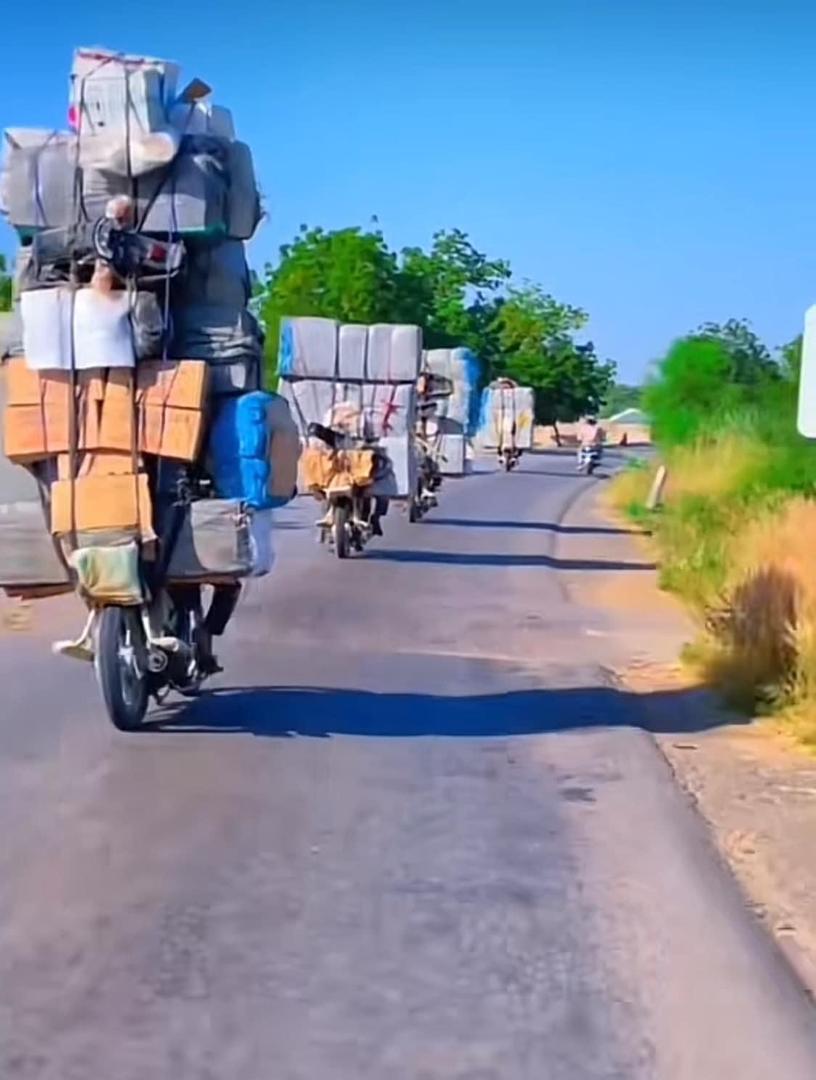
How cross-border smuggling increases Terrorism within the LCRBA
By: Zagazola Makama
The outlets and network of insurgency groups, invariably thrives on paddles of uninterrupted proliferation of smuggling of resources for survival. This is but the center of gravity of a more than a decade old insurgency campaign in the Northeast.
The network of proliferation and smuggling are tied to established strongholds, links and machinery of motions like couriers and spies who live by means to evade detection.
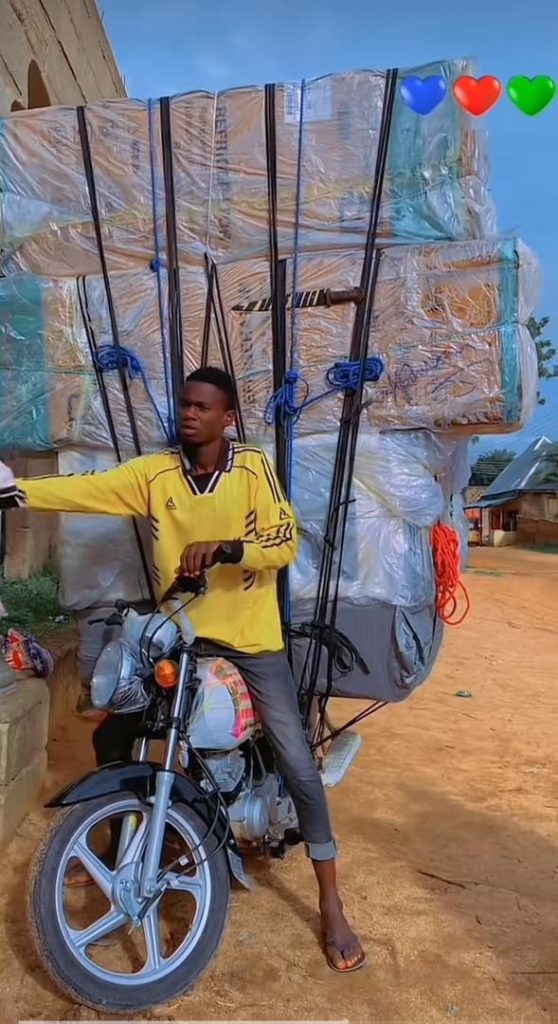
Despite means to curtail the nuisance, a persistent and sustained insecurity in the Lake Chad Basin is being threatened by exacerbated form of an intricate network of smuggling and illicit activities alongside funds and a strong ideological base that aids support to provide essential supplies to terrorist groups such as Boko Haram factions.
These networks, stretching across the Nigeria, Chad, Cameroon, Niger, the Sahel and greater SAHEL which have become disturbing, ugly and notorious lifeline for insurgency, enabling groups linked to global terrorist organisations to sustain their operations and pose significant threats to National Security always and to the wider regional stability.
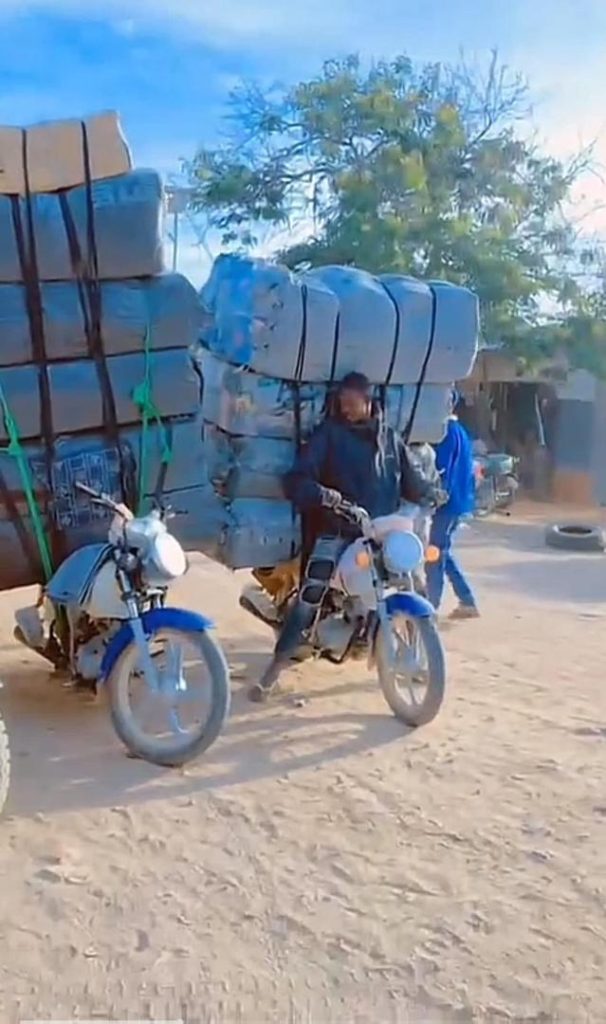
Zagazola understands that smugglers transport food, fuel, arms, and even uniforms to insurgent camps through a carefully mapped routes. Observably to be precise in the heart of the extreme north of the Cameroons, villages like Bulgaram, Cikka, Guma, Maltam, Doron Liman, and Ramin Dorina serve as critical transit points for supplies destined for terrorist-controlled areas.
This maintains an uninterrupted supply to outlets in Marte, Gamboru Ngala, Bama, Dikwa Local Government Areas areas amongst others in Borno State as well established a hub for food supplies funneled from Cameroon’s the Darak village and also amongst others. These supplies are often moved under the cover of night, leveraging market activities in towns like Kinchendi to obscure the illicit trade.
Borno state is bordered by Chad, Niger and Cameroon. With Kukawa and Abadam local government areas of the state bordering Tchad-Abadam, Mobbar bordering Niger Republic and Gamboru, Kala Balge, Bama and Gwoza bordering Cameroon. The hinterland axis provided the route for easy movement of weapons to the terrorist cells in Nigeria as well as fuel supplies.
Equally, the waterways and island lands provide the strategic location to facilitates the group movements on flying boats to enable them reach the terrorists locations with ease. These activities have recorded increase in recent times due to the withdrawal of the MNJTF maritime operation contingent in Darak. Similarly, Fuel and arms smuggling are equally rampant, with supplies transported from Kaula village in Niger to Tumbum Jaki, a notorious insurgent stronghold.
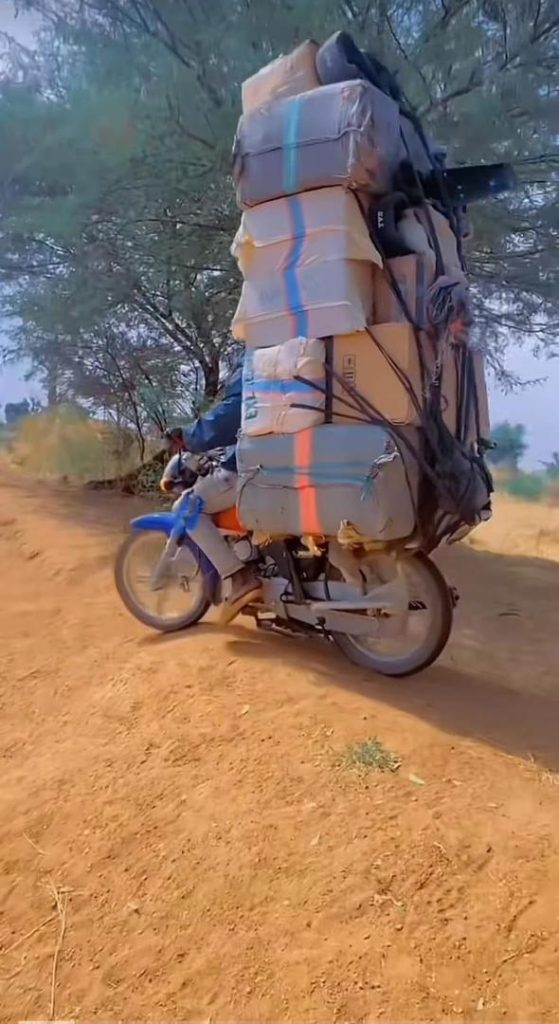
Smugglers often use firewood sellers and livestock transported in trucks as cover, allowing insurgents to blend into local communities. In Nigeria, towns like Jakana, Minok, Banishaik, Babangida, and Gaidam in Yobe State, as well as Hadejia in Jigawa State, are key points for distributing smuggled goods, fuel and arms including motorcycles used by terrorists for mobility.
Beyond logistical support, the insurgents have established revenue-generation networks. These include taxing local smugglers and merchants in areas like Gegime, Niger Republic, and engaging in fish and livestock trading through towns like Hadejia, Jigawa State as well as the sale of livestock from the Lake Chad through MONGUNO town, going to other parts of the country. This income is funneled back into their operations, perpetuating the cycle of violence and instability.
ISWAP have also have maintained a logistical support base in Kano, where agents of Bereau de-Change and other collaborators received money on behalf of the insurgents to fund activities of the insurgents in the Lake Chad. Other networks are domiciled in Maiduguri, Borno capital.
Escape routes for terrorists and collaborators also highlight the sophistication of these networks. Using points in Niger Republic such as Gigeme, or Cameroon villages like Mokolo and Bulgaram, insurgents disguise themselves and infiltrate Nigerian towns, including Madagali, and Mubi in Adamawa State, and cities like Kano and Abuja, often starting new lives or regrouping for further attacks. In many cases, they are transported through trucks conveying livestock that is heading to other part of the country.
The scale of this smuggling underscores the urgent need for coordinated action. To dismantle these networks security agencies must enhance surveillance along identified smuggling routes in Nigeria, Cameroon, and Niger. Regional collaboration between Nigeria, Cameroon, and Niger is essential. Joint task forces and intelligence-sharing mechanisms can help track smugglers and cut off supply chains to terrorist groups.
The growing sophistication of smuggling networks in the Lake Chad region not only fuels terrorism but also undermines national security. A comprehensive and sustained effort is required to dismantle these operations and restore stability to the region. The time to act is now, before these illicit activities further entrench themselves as a permanent fixture of insecurity in the Sahel and beyond.
Zagazola Makama is a Counter Insurgency Expert and Security Analyst in the Lake Chad Region.
How cross-border smuggling increases Terrorism within the LCRBA


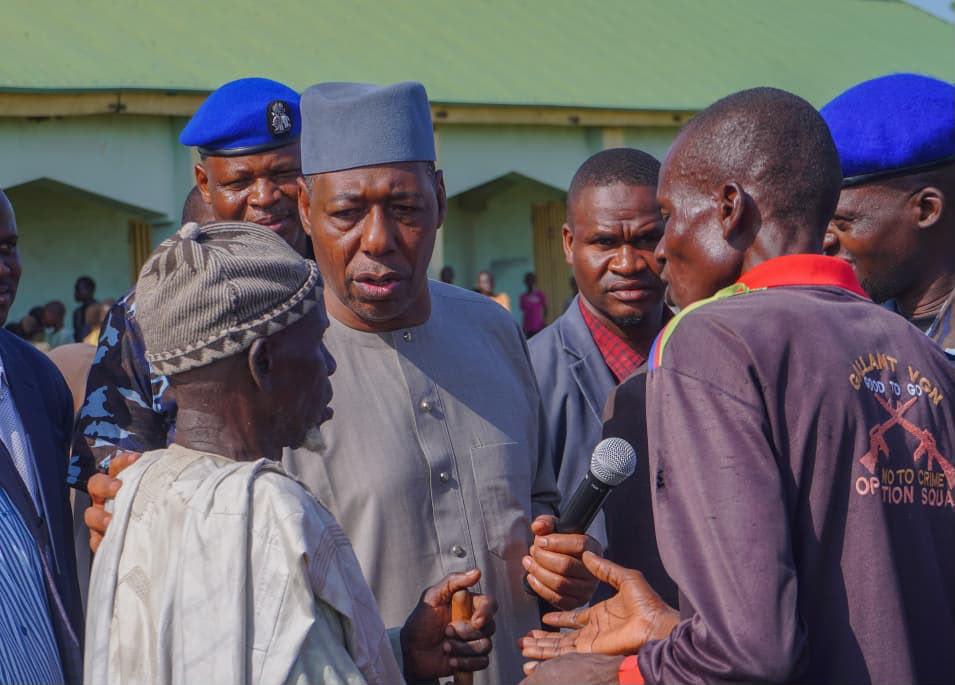
Zulum moves to resettle Konduga IDPs in four months
By: Bodunrin Kayode
Borno State Governor, Professor Babagana Zulum, has announced the planned closure of Konduga internally displaced persons (IDP) camp within the next four months.
This follows the successful closure of Bama IDP camp, the largest displacement facility outside the state capital and the planned shutdown of Gwoza camp.
Speaking to newsmen during a recent visit to the camp, Zulum, however, stressed that the relocation is entirely voluntary and no one will be forced to resettle where they are not willing to go.
The Governor has consistently maintained that returning to ancestral homes or other areas of choice must be based on the displaced persons’ expressed willingness.
He said, “We are not carrying out the resettlement process immediately; we are here to discuss with the IDPs so that in the next four months they will be resettled in a dignified manner. I believe you heard from the IDPs that they are willing to return home. Return shall be voluntary, not by force”.
During his visit to Konduga, Governor Zulum inspected resettlement houses currently under construction in Amarwa and later proceeded to Maiwa in Mafa LGA. The Amarwa resettlement city, for which the governor had earlier laid the foundation, is being built to shelter displaced persons living in camps.
In Maiwa, the state government is constructing massive housing units as part of the ongoing resettlement programme. The resettlement houses are equipped with public facilities like a primary healthcare centre, a water facility, and other basic amenities.
Zulum was accompanied by the member of the House of Representatives, Engr Bukar Talba; the Member of the House of Assembly for Konduga, Hon. Bukar Modu; the Commissioner for Local Government and Emirate Affairs, Sugun Mai Mele; and other senior government officials.
Zulum moves to resettle Konduga IDPs in four months
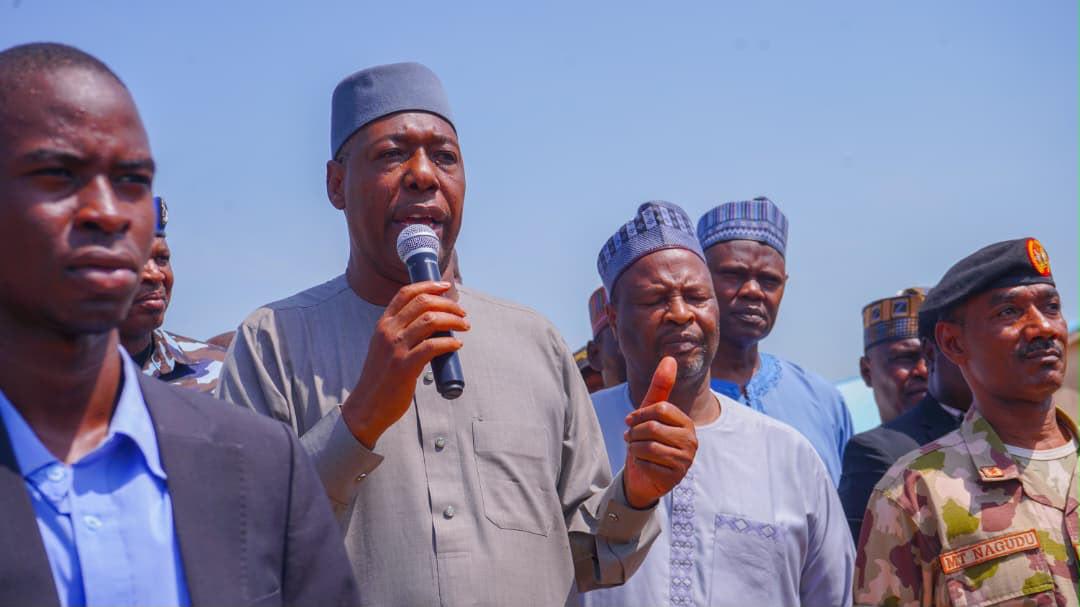
Zulum Announces Closure of Konduga IDP Camp as Borno Accelerates Resettlement Drive
…Inspects ongoing housing projects in Amarwa, Maiwa
By: Michael Mike
Borno State Governor, Professor Babagana Zulum, has announced plans to close the Internally Displaced Persons (IDP) camp in Konduga Local Government Area as part of efforts to accelerate the state’s ongoing resettlement programme.
The move comes shortly after the successful closure of the Bama IDP camp, which was the largest displacement camp outside Maiduguri, as well as preparations for the shutdown of the Gwoza IDP camp.
Governor Zulum, who disclosed the plan during a visit to Konduga, said the resettlement of displaced persons would be carried out in a dignified and voluntary manner, stressing that no resident would be forced to return to any location against their will.
The governor said the government would engage with the displaced communities before the process begins, noting that the return of IDPs must be based on their readiness and willingness.
“We are not carrying out the resettlement process immediately; we are here to discuss with the IDPs so that in the next four months they will be resettled in a dignified manner. I believe you heard from the IDPs that they are willing to return home. Return shall be voluntary, not by force,” Zulum said.
During the visit, the governor inspected ongoing construction work at the Amarwa resettlement city, where housing units are being developed for displaced families. The project, which was earlier inaugurated by the governor, is designed to provide a permanent settlement option for residents currently living in camps.
Governor Zulum also visited Maiwa in Mafa Local Government Area, where the state government is constructing additional housing units under its resettlement initiative.
The housing projects include essential social infrastructure such as primary healthcare centres, water facilities and other basic amenities aimed at ensuring sustainable living conditions for returnees.
The Borno State Government has continued to prioritise the rebuilding of communities affected by years of insurgency, with the closure of IDP camps forming part of a broader strategy to restore normalcy, rebuild livelihoods and support the safe return of displaced residents.
Governor Zulum was accompanied on the inspection tour by the member representing Bama/Ngala/Kala-Balge Federal Constituency in the House of Representatives, Engr. Bukar Talba; the Konduga State House of Assembly member, Hon. Bukar Modu; Commissioner for Local Government and Emirate Affairs, Sugun Mai Mele; and other senior government officials.
Zulum Announces Closure of Konduga IDP Camp as Borno Accelerates Resettlement Drive

Troops Arrest Two Suspected Terrorist Informants, Cattle Rustlers in Yobe Market
By Zagazola Makama
Troops of Operation HADIN KAI have arrested two suspected terrorist informants and cattle rustlers during a joint operation with local hunters at the Buni Yadi Friday Market in Gujba Local Government Area of Yobe State.
Military sources told Zagazola Makama that the operation was carried out at about 2:00 p.m. on July 24 by troops of 27 Task Force Brigade in conjunction with members of a hunters’ group acting on intelligence.
The suspects were identified as Muhammadu Sani, 32, from Mainahari in Biu Local Government Area of Borno State, and Buba Umaru, 40, from Garin Jauro in Fune Local Government Area of Yobe State.
According to the sources, the operation turned violent when one of the suspects attacked a member of the hunters’ group with a cutlass while resisting arrest.
The hunter sustained severe head injuries during the attack and was immediately attended to, while the troops overpowered and apprehended the suspects.
Preliminary investigations revealed that Muhammadu Sani confessed to serving as a logistics supplier and informant for Boko Haram terrorists for nearly seven years.
He also admitted to leading terrorists to the residences of two local residents, where the insurgents successfully rustled cattle during separate attacks.
Military sources said the confession is expected to assist ongoing intelligence efforts aimed at dismantling terrorist support networks operating within communities across the North-East.
The two suspects are currently in the custody of 27 Task Force Brigade and are undergoing further investigation to determine the extent of their involvement in terrorist logistics, intelligence gathering and cattle rustling activities.
Security officials said the arrest underscores the critical role played by local intelligence and collaboration between troops and community-based security groups in identifying individuals who provide logistical support and operational information to terrorist elements.
They added that troops of Operation HADIN KAI will continue to target terrorist collaborators, informants and logistics networks as part of ongoing efforts to deny insurgents the local support structures that sustain their operations across the North-East.
Troops Arrest Two Suspected Terrorist Informants, Cattle Rustlers in Yobe Market

Zulum moves to resettle Konduga IDPs in four months

My Binoculars: What has Remi Tinubu got to do with Akara, Kulikuli, Boli, Dodo and Ekpa

Zulum Announces Closure of Konduga IDP Camp as Borno Accelerates Resettlement Drive

Roger Federer’s Shock as DNA Results Reveal Myla and Charlene Are Not His Biological Children

THE PLIGHT OF FARIDA

FAILED COUP IN BURKINA FASO: HOW TRAORÉ NARROWLY ESCAPED ASSASSINATION PLOT AMID FOREIGN INTERFERENCE CLAIMS
-
 News2 years ago
Roger Federer’s Shock as DNA Results Reveal Myla and Charlene Are Not His Biological Children
-
Opinions4 years ago
THE PLIGHT OF FARIDA
-
 News1 year ago
FAILED COUP IN BURKINA FASO: HOW TRAORÉ NARROWLY ESCAPED ASSASSINATION PLOT AMID FOREIGN INTERFERENCE CLAIMS
-

 News2 years ago
EYN: Rev. Billi, Distortion of History, and The Living Tamarind Tree
-
 Opinions5 years ago
POLICE CHARGE ROOMS, A MINTING PRESS
-

 ACADEMICS2 years ago
A History of Biu” (2015) and The Lingering Bura-Pabir Question (1)
-

 Columns2 years ago
Army University Biu: There is certain interest, but certainly not from Borno.
-

 Politics1 year ago
2027: Why Hon. Midala Balami Must Go, as Youths in Hawul and Asikira/Uba Federal Constituency Reject ₦500,000 as Sallah Gift
