
News
How Gombe can improve public health, tackle unemployment through faecal sludge management -Stakeholders


How Gombe can improve public health, tackle unemployment through faecal sludge management -Stakeholders
Some stakeholders from Gombe State have advocated for the adoption of faecal sludge management (FSM) to tackle public health issues as well as reduce unemployment amongst youths in the state.
They gave the advice in Gombe on Thursday during a one-day Media Dialogue on Accelerating FSM Strategy Adoption in Gombe State organised by the United Nations Children’s Fund (UNICEF), in collaboration with Gombe State Rural Water Supply and Sanitation Agency (RUWASSA).
Declaring the meeting open, the Commissioner for Water, Environment, and Forest Resources, Mr Mohammed Fawu said many communities in the state rely on on-site sanitation systems such as pot latrines and septic tanks.
Fawu stated that while these systems provide basic sanitation, they pose serious public health and environmental risks when not properly managed.
He stressed that overflowing pits, indiscriminate disposal and ground water contamination were not more inconveniences, “they are threats to human dignity, water security and the health of our population.
He reaffirmed the commitment of the state government to developing a functional, inclusive, and sustainable FSM framework for the state.
In her remarks, the Chief of Field Office (CFO), UNICEF Bauchi Field Office (BFO), Dr Nuzhat Rafique stated that the aimed of the engagement was to sensitise media stakeholders in Gombe State towards pushing for the adoption of FSM in the state.
Rafique represented by Nanbam Michael, Water, Sanitation, and Hygiene (WASH) Officer, UNICEF, Bauchi State Field Office said that the dialogue was part of efforts at accelerating the attainment of open defecation free in Gombe State.
She stated that UNICEF in partnership with the state’s RUWASSA had domesticated the “the Clean Nigeria, Use a toilet” campaign in Gombe State, aimed at pushing for an ODF Gombe State and in all its communities.
She said that it is possible to attain the ODF status in Gombe State just as Jigawa State had done and that UNICEF and its partners at the state level were mobilising people to use the toilet and improve toilet.
She said that UNICEF was already looking ahead to ensure that while people were being mobilised to use the toilets, “and the question why we are here is when this toilets are filled up, now what?
“Jigawa is now ODF and the major challenge there is where to offload the toilet that has been filled up? What can of FSM do we have?
“Now as a state, Gombe has an edge to start preparing for a well FSM before we get there; this is why we are sensitising the media to take up the story on FSM.”
She said that with the ongoing efforts at mobilising communities through the Community Led Total Sanitation approach, she expressed hope that by the end of 2025, there should be communities in the state claiming ODF.
While making his presentation, Prof. Wilson Danbature of the Department of Chemical Sciences, Gombe State University who was a facilitator at the dialogue urged the state government, stakeholders and investors to harness the value chain in FSM.
Danbature said that FSM if properly harnessed had the potential to create numerous jobs across the sanitation value chain, from desludging and treatment plant operations to resource recovery and reuse.
He said that with the growing population and campaign on against open defecation resulting in a large number of toilets relying on on-site sanitation systems, FSM was crucial for addressing public health and environmental concerns while also offering economic opportunities.
“With stakeholders coming in to establish faecal sludge treatment plant (FSTP), it would help improve public health, sanitation, boost revenue for the state and create employment for youths,” he said.
For Dr Abubakar Lumumba, the Sector Lead WASH RUWASSA said proper FSM was critical to addressing concerns on public health as well as improving sanitation.
Lumumba, however called for attitudinal change to address the menace of open defecation in the state, adding that not community in the state has been confirmed ODF.
For Khalid Umar, the Gombe State chairman, Public Convenience Maintenance, who runs a commercial public convenience said he had been making money from the business for the past three decades.
Umar said he rakes in between N7000 and N4000 on daily basis which had helped in cater for his family while also engaging youths to manage his facilities around Gombe Main market.
He urged stakeholders to invest in the business while calling for support to enable them manage the faecal sludge and desludge them properly.
How Gombe can improve public health, tackle unemployment through faecal sludge management -Stakeholders


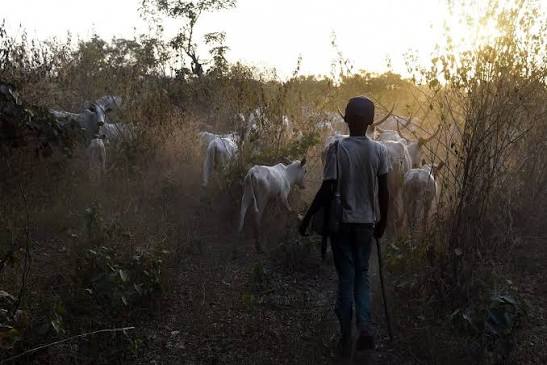
Farmer killed by Fulani bandits in fresh Plateau attack as cycle of violence deepens
By Zagazola Makama
A farmer has been killed in a fresh attack by yet-to-be-identified gunmen in Butura Gida village, Bokkos Local Government Area of Plateau State, in the latest incident pointing to the persistent cycle of violence between farming and herding communities.
Security sources told Zagazola Makama that the attack occurred at about 7:47 p.m. on Tuesday, July 8, prompting troops of Sector 5 of Operation Enduring peace to mobilise to the community after receiving a distress call.
On arrival, the troops found the victim’s lifeless body. The attackers had fled the scene before security personnel arrived, and no contact was made.
A manhunt has since been launched to identify and apprehend those responsible for the killing.
The latest incident came less than 24 hours after a 13-year-old herder, Mustapha Abdul Kadir, was found dead alongside four cattle in Mangu Local Government Area in what authorities suspected was an attack by armed militia.
Earlier the same day, two residents were also killed in Torok community in Riyom Local Government Area in an attack blamed on suspected Fulani bandits.
The succession of attacks illustrates the entrenched and increasingly vicious pattern of retaliatory violence that has continued to plague Plateau State.
Killings of farmers are often followed by attacks on herders, while attacks on herders frequently trigger reprisals against farming communities, creating a dangerous cycle that has claimed hundreds of lives and destroyed livelihoods over the years.
Despite sustained military deployments, peace meetings and community engagements, mistrust between the two groups remains deep, with criminal elements exploiting the fragile security situation to perpetrate violence.
Zagazola warn that unless perpetrators on all sides are brought to justice and local grievances addressed, the state risks remaining trapped in an endless cycle of revenge attacks.
Farmer killed by Fulani bandits in fresh Plateau attack as cycle of violence deepens
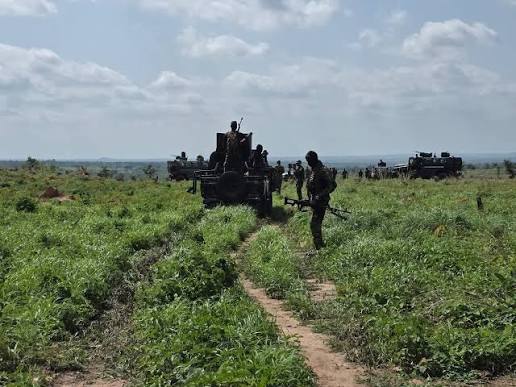
Fulani bandits kill two in fresh attack on Plateau community
By Zagazola Makama
Suspected Fulani bandits have killed two residents in a fresh attack on Torok community in Riyom Local Government Area of Plateau State, security sources told Zagazola Makama.
The attack occurred at about 7:00 p.m. on Tuesday, July 8, prompting troops of Sector 6 of Operation Enduring Peace to swiftly respond after receiving a distress report.
Sources said the assailants attacked unsuspecting locals before fleeing the area.
On arrival, troops discovered the bodies of two victims who had been killed during the assault. The remains were recovered and subsequently handed over to members of the community for burial.
Security sources said troops have launched a manhunt for the attackers, with efforts ongoing to track and apprehend those responsible for the killings.
The latest incident adds to the renewed wave of violence in Plateau State, particularly in Riyom and neighbouring local government areas, where recurring attacks and reprisals involving armed groups have continued to claim lives and heighten tensions despite sustained security operations. Troops have intensified patrols and confidence-building engagements to forestall further attacks and maintain peace in the area.
Fulani bandits kill two in fresh attack on Plateau community
Missing herder, four livestock killed by suspected militia elements in Mangu, Plateau
By: Zagazola Makama
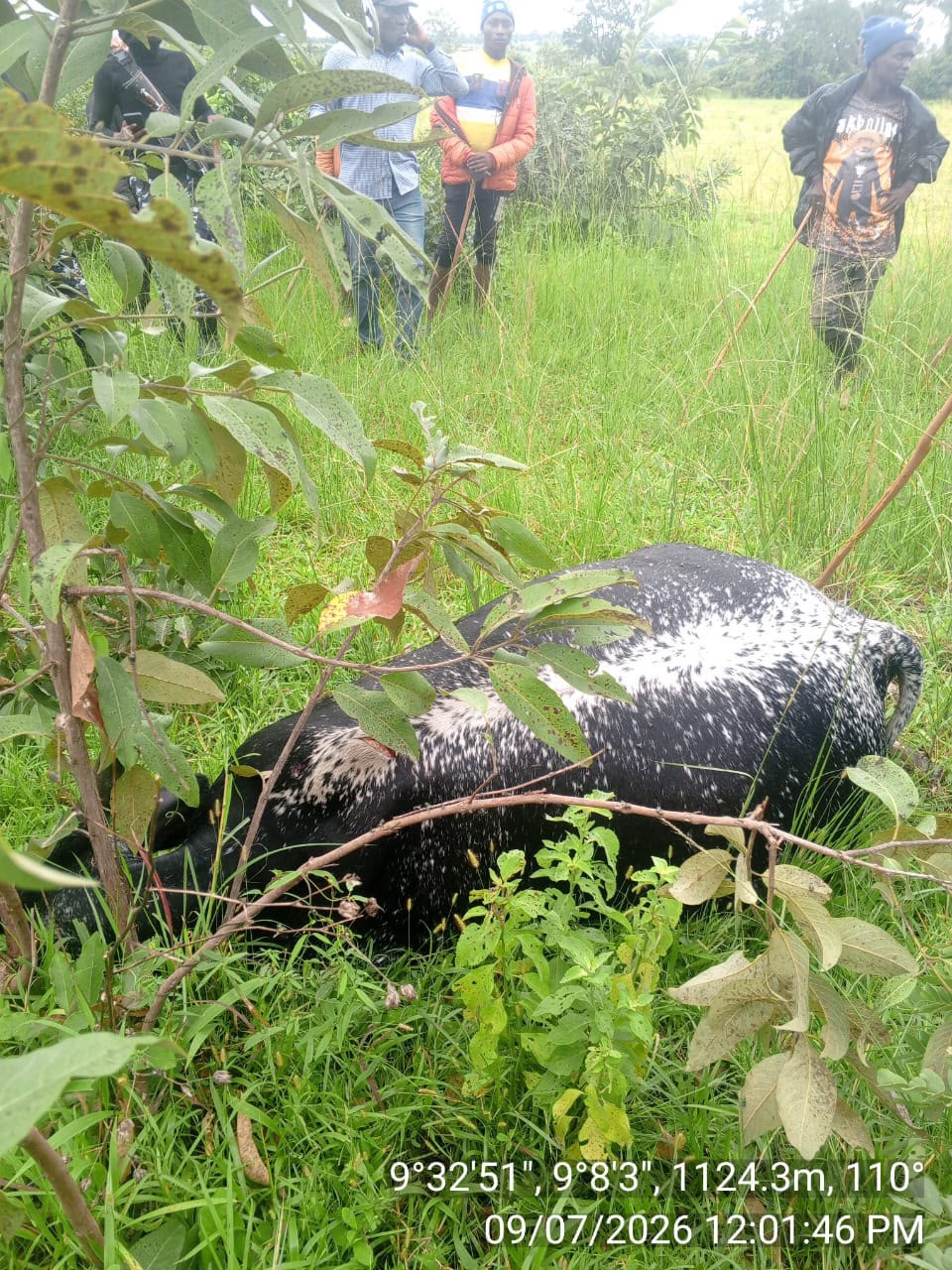
Troops of Operation Enduring Peace have recovered the body of a 13-year-old herder who was declared missing after he went out to graze cattle in Mangu Local Government Area of Plateau State, with four livestock also found dead in what military authorities suspect was an attack by armed militia.
Sources said the victim, identified as Mustapha Abdul Kadir, left home on July 8 to graze cattle around the bushes near Gauge Village but failed to return, prompting concern among family members and the community.
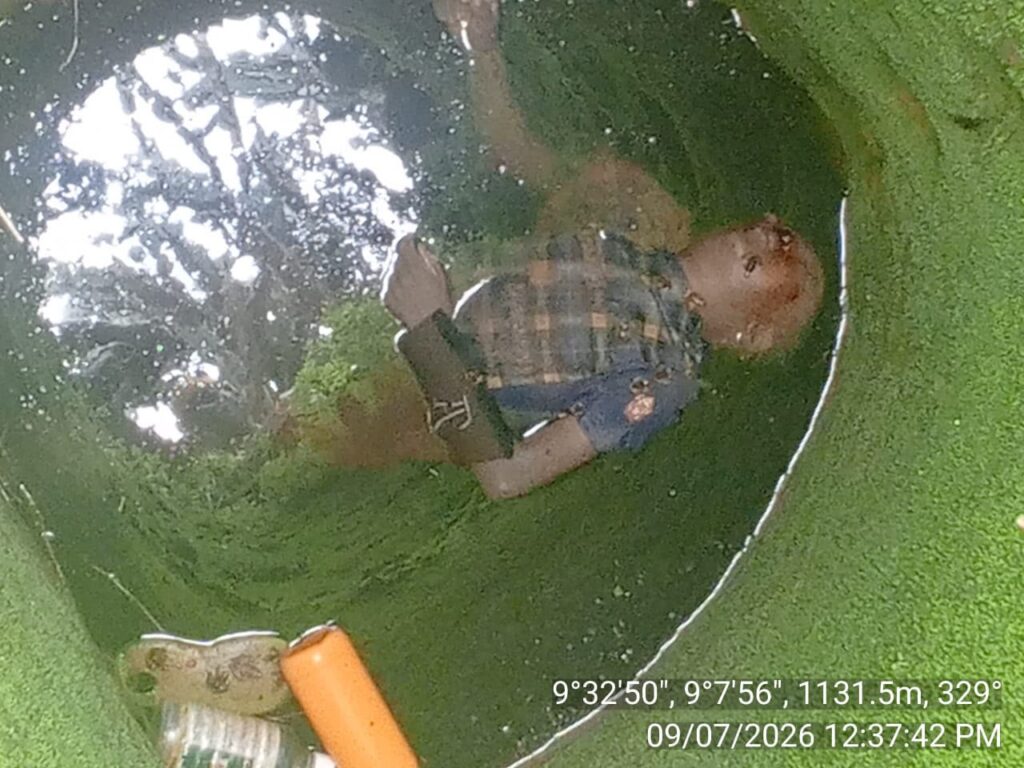
According to the sources, troops of Sector 8, Sub-Sector 81, in conjunction with local security personnel and community members, launched a search-and-rescue operation in the area.
The operation led to the discovery of the teenager’s body on Thursday in a shallow well, alongside four dead cattle believed to have been killed during the attack.
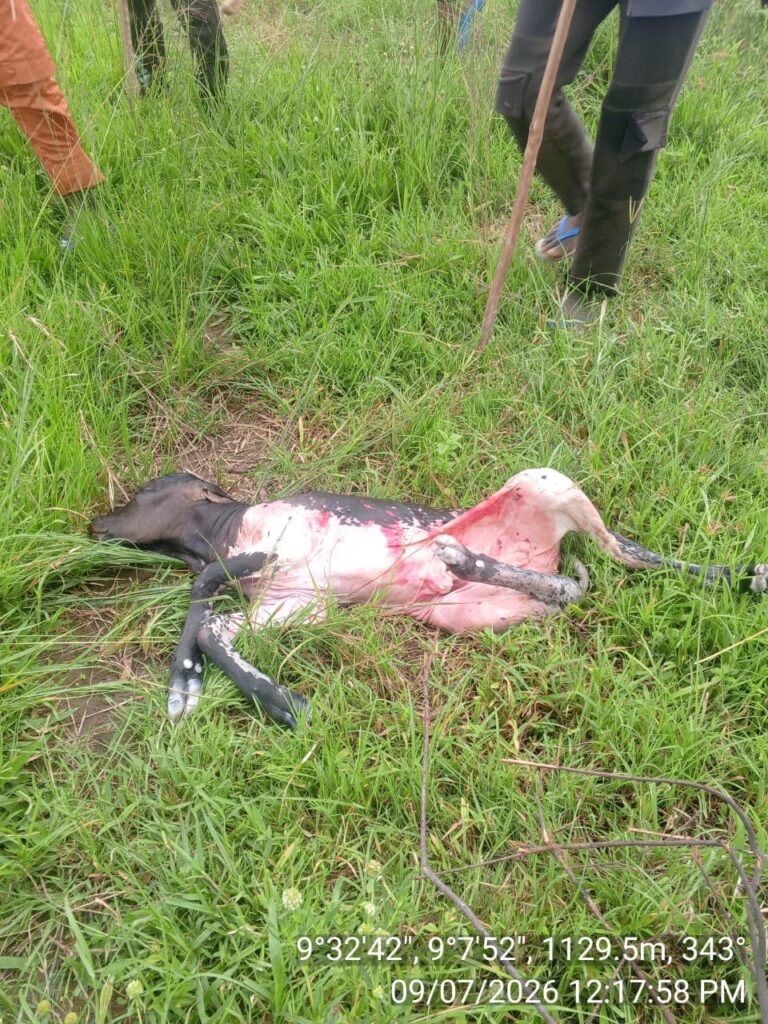
The military said preliminary findings indicated that the victim was attacked by suspected militia while grazing the livestock before his body was dumped in the well.
The remains of the deceased were handed over to his family for burial in accordance with local customs.
The military said stakeholders in the community had been engaged to prevent any breakdown of law and order and to avert possible reprisal attacks.
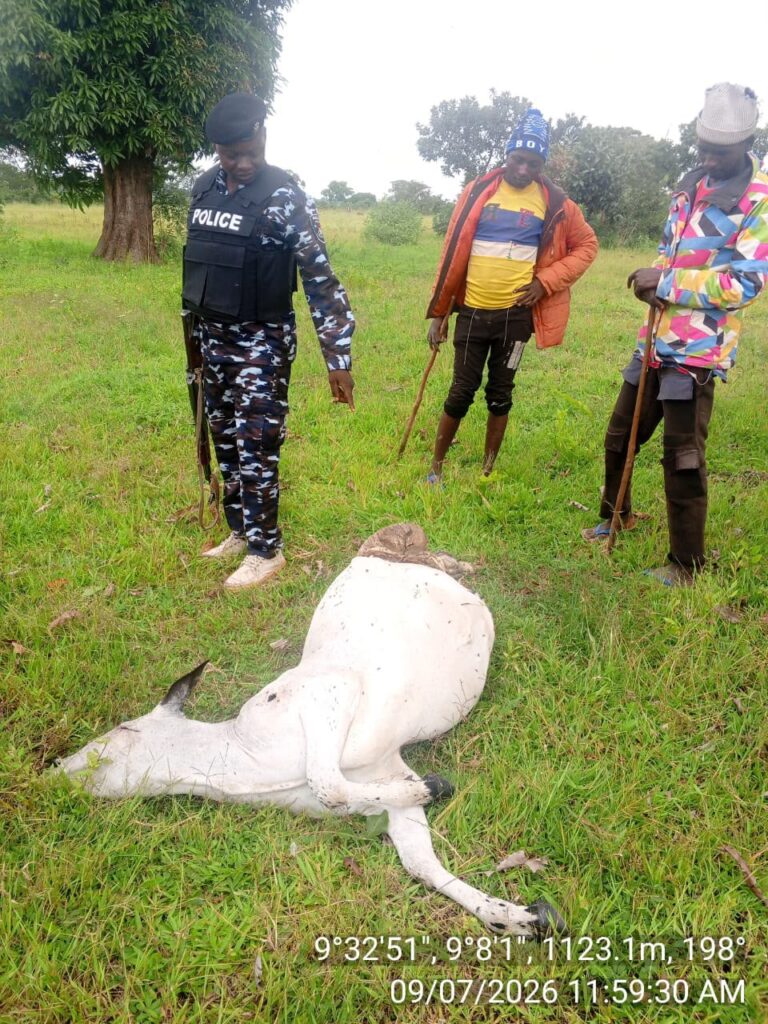
It added that efforts were ongoing to track down and arrest the perpetrators, while troops had intensified patrols across the Operation Enduring Peace Joint Operations Area to protect communities, schools and other critical national infrastructure.
The incident is the latest in a series of security challenges affecting parts of Mangu LGA, where attacks linked to armed groups have continued to threaten lives and livelihoods.
Security sources said community leaders and other stakeholders had been engaged to calm tensions and prevent reprisals, while efforts were underway to identify and arrest those responsible for the attack.
The killing comes amid persistent violence in parts of Plateau State, where recurring clashes involving farming and herding communities have claimed scores of lives and destroyed property over the years.
Attacks targeting either farmers or herders often trigger immediate retaliatory violence, reinforcing a cycle of reprisals that has remained one of the major drivers of insecurity in the state.
Missing herder, four livestock killed by suspected militia elements in Mangu, Plateau

Farmer killed by Fulani bandits in fresh Plateau attack as cycle of violence deepens

Fulani bandits kill two in fresh attack on Plateau community

Missing herder, four livestock killed by suspected militia elements in Mangu, Plateau

Roger Federer’s Shock as DNA Results Reveal Myla and Charlene Are Not His Biological Children

THE PLIGHT OF FARIDA

FAILED COUP IN BURKINA FASO: HOW TRAORÉ NARROWLY ESCAPED ASSASSINATION PLOT AMID FOREIGN INTERFERENCE CLAIMS
-
 News2 years ago
Roger Federer’s Shock as DNA Results Reveal Myla and Charlene Are Not His Biological Children
-
Opinions4 years ago
THE PLIGHT OF FARIDA
-
 News1 year ago
FAILED COUP IN BURKINA FASO: HOW TRAORÉ NARROWLY ESCAPED ASSASSINATION PLOT AMID FOREIGN INTERFERENCE CLAIMS
-

 News2 years ago
EYN: Rev. Billi, Distortion of History, and The Living Tamarind Tree
-
 Opinions5 years ago
POLICE CHARGE ROOMS, A MINTING PRESS
-

 ACADEMICS2 years ago
A History of Biu” (2015) and The Lingering Bura-Pabir Question (1)
-

 Columns2 years ago
Army University Biu: There is certain interest, but certainly not from Borno.
-

 Politics1 year ago
2027: Why Hon. Midala Balami Must Go, as Youths in Hawul and Asikira/Uba Federal Constituency Reject ₦500,000 as Sallah Gift
