
News
India Moves to Help Nigeria Cut 50% Post-Harvest Losses, Deepen Agricultural Revolution


India Moves to Help Nigeria Cut 50% Post-Harvest Losses, Deepen Agricultural Revolution
By: Michael Mike
India has unveiled an ambitious plan to support Nigeria’s drive for food security by helping the country slash post-harvest losses estimated at nearly 50 per cent, modernise livestock production and strengthen food processing, in what could mark a significant boost to bilateral agricultural cooperation.
The initiative, which comes as Nigeria battles soaring food prices, declining agricultural productivity and mounting food insecurity, also includes technology transfer, climate-smart farming, mechanisation, financing and capacity building aimed at transforming the country’s agricultural value chain.
Indian High Commissioner to Nigeria, Ambassador Abishek Singh, disclosed the plan on Thursday at the India-Nigeria Trade Forum on Agriculture and Allied Sector in Abuja, organised by the Indian High Commission in partnership with the Abuja Chamber of Commerce and Industry (ACCI).
Speaking on the theme, “Cultivating Trade, Growing Together,” Singh said Nigeria possesses enormous agricultural potential but continues to lose almost half of what its farmers produce because of inadequate storage, poor processing capacity, weak logistics and inefficient value chains.
He said India, which has transformed itself from a food-deficit nation into one of the world’s largest agricultural producers through technology and innovation, was prepared to deploy its expertise to help Nigeria reverse the trend.
“Nigeria’s agriculture contributes significantly to its GDP, and India is ready to invest in livestock, fisheries and food processing to enhance food security,” Singh said.
He added that India would support Nigeria in adopting climate-resilient farming practices to enable farmers withstand the growing impact of climate change on food production.
The envoy noted that India is a global leader in drip irrigation technology, high-yield oil palm seedlings and fertiliser production, saying these innovations could substantially improve farm productivity and reduce production costs across Nigeria.
According to him, India’s strengths in tomato processing, cold-chain logistics, food preservation and modern packaging align with Nigeria’s urgent need to reduce waste after harvest and improve value addition.
Beyond crop production, Singh announced that Indian technology companies and agritech startups are prepared to partner with Nigerian institutions by providing digital solutions, technical training and investment support.
He said financing for such partnerships could be facilitated through institutions including the Nigerian Export-Import Bank (NEXIM), the Bank of Industry and private-sector investors.
In the livestock sector, Singh said India would provide technical expertise to improve dairy farming through artificial insemination, better breeding techniques and cooperative models designed to increase milk and meat production.
He disclosed that India is already collaborating with Jigawa State to modernise livestock production by introducing improved breeding programmes and organising farmers into dairy cooperatives.
The High Commissioner further revealed that India had forwarded a proposed Memorandum of Understanding (MoU) on agriculture and allied sectors to the Federal Government, urging Nigerian authorities to expedite its approval to unlock wider areas of cooperation.
Nigeria’s Minister of Agriculture and Food Security, Senator Abubakar Kyari, welcomed the proposal, reaffirming the Federal Government’s commitment to expanding agricultural partnerships under President Bola Tinubu’s Renewed Hope Agenda.
Represented by the Director of Agribusiness and Marketing Development in the ministry, Olawumi Olajide, the minister said the government remained committed to leveraging strategic international partnerships to drive agricultural transformation.
He said collaboration with India would create jobs, promote value addition, facilitate technology transfer and strengthen Nigeria’s quest for food self-sufficiency.
Also speaking, the First Deputy President of the Abuja Chamber of Commerce and Industry (ACCI), Prof. Adesoji Adesugba, described the forum as a major step towards strengthening economic relations between both countries through agriculture.
Adesugba, who is also the National Vice President (India) of the Nigerian Association of Chambers of Commerce, Industry, Mines and Agriculture (NACCIMA), said the engagement would unlock opportunities in mechanisation, research, innovation, agro-processing and technology transfer.
He stressed that stronger Nigeria-India agricultural cooperation could accelerate economic diversification while improving food production and rural livelihoods.
The renewed agricultural partnership comes at a critical time for Nigeria, where food inflation remains one of the biggest drivers of the rising cost of living. Despite possessing more than 70 million hectares of arable land, Nigeria continues to struggle with low productivity, limited mechanisation, insecurity in farming communities, poor storage infrastructure and weak agro-processing capacity.
Agricultural experts estimate that between 30 and 50 per cent of fruits, vegetables, grains and other farm produce are lost annually before reaching consumers because of inadequate storage, transportation and processing facilities. These losses, running into billions of naira every year, reduce farmers’ incomes, discourage investment and exacerbate food shortages.
India’s proposed intervention builds on decades of growing economic relations between Abuja and New Delhi. India is already one of Nigeria’s largest trading partners, with bilateral trade spanning pharmaceuticals, energy, information technology, manufacturing and agriculture. The proposed agriculture partnership is expected to deepen those ties by introducing proven technologies that helped transform India’s own agricultural sector during and after the Green Revolution.
If implemented, the partnership could significantly reduce food losses, expand agro-industrial processing, boost dairy and livestock production, create thousands of jobs across the agricultural value chain and strengthen Nigeria’s long-term food security objectives.
India Moves to Help Nigeria Cut 50% Post-Harvest Losses, Deepen Agricultural Revolution



Congo: 10,000 confirmed Ebola cases demands rapid scale-up – NRC
By: Our Reporter
Norwegian Refugee Council (NRC) calls for urgent scale-up as outbreak continues to outstrip humanitarian operation
The Democratic Republic of the Congo (DR Congo) has now confirmed more than 10,000 cases of Ebola in the current Bundibugyo virus outbreak.
“The outbreak has affected eight provinces in DR Congo, placing an enormous burden on affected communities. The epidemic is currently concentrated in eastern parts of the country, but recent cases in Kenya and Nigeria have raised fears of a regional flare-up. Almost five thousand deaths have now been confirmed in DR Congo alone.
“The outbreak comes on the backdrop of a chronic and neglected humanitarian crisis in eastern DR Congo. NRC has been operational in the country for over two decades, and is taking part in the Ebola response, including in the most affected province of Ituri. NRC urgently calls for sustained and coordinated efforts to protect communities, strengthen access to essential services, and address the needs of people affected by the outbreak and displacement.
“As I move around Ituri I’m seeing just how hard the disease is hitting communities, and I am struck by how much more needs to be done to bring this outbreak under control,” said Silvia Beccacece, NRC emergency team leader. “Families here have been struggling for years as a result of extreme violence, forced displacement, and the lack of essential services. Ebola comes on top of that, at a point where many have exhausted their ability to cope with the additional challenge it brings. The fact remains that this response is in no way proportionate to the vast scale of the outbreak.
“Combating Ebola requires close cooperation between health authorities, humanitarian organisations, community-based organisations, and international partners. It is essential that the response is scaled up in a way that keeps communities at the centre and is grounded in local customs and traditions. NRC calls on donors and partners to increase their support for humanitarian operations in the DR Congo, particularly in areas affected by the outbreak and displacement.
“10,000 confirmed cases must be a wake-up call that this response is not getting ahead of the outbreak, and is not supporting communities with what they need to bring transmission under control. The warning signs are here for all to see: now it depends on whether leaders will take notice and take the required action,” said Beccacece.
Congo: 10,000 confirmed Ebola cases demands rapid scale-up – NRC
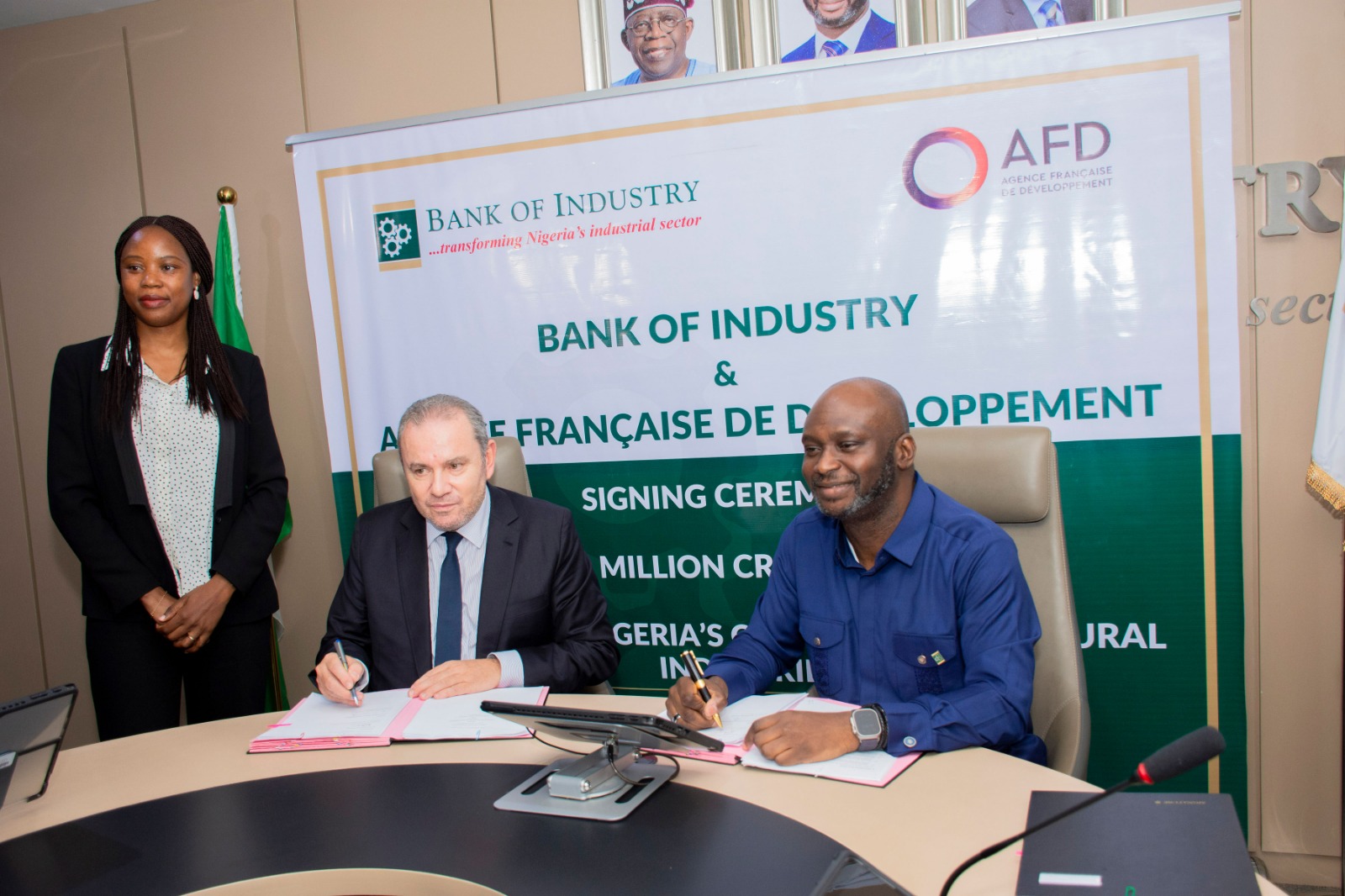
AFD, BOI Sign $30m Deal to Unlock Finance for Nigeria’s Creative Sector
…90% of facility reserved for small businesses, women and youth entrepreneurs targeted
By: Michael Mike
The French Development Agency (AFD) and the Bank of Industry (BOI) have signed a $30 million financing agreement to expand access to credit for Nigeria’s creative industry, with at least 90 per cent of the facility earmarked for micro, small and medium-sized enterprises (MSMEs).
The agreement, which includes a €500,000 technical assistance programme, is AFD’s first credit line dedicated to cultural and creative industries anywhere in the world, positioning Nigeria as the beneficiary of a financing initiative targeting one of the country’s emerging sources of jobs and economic diversification.
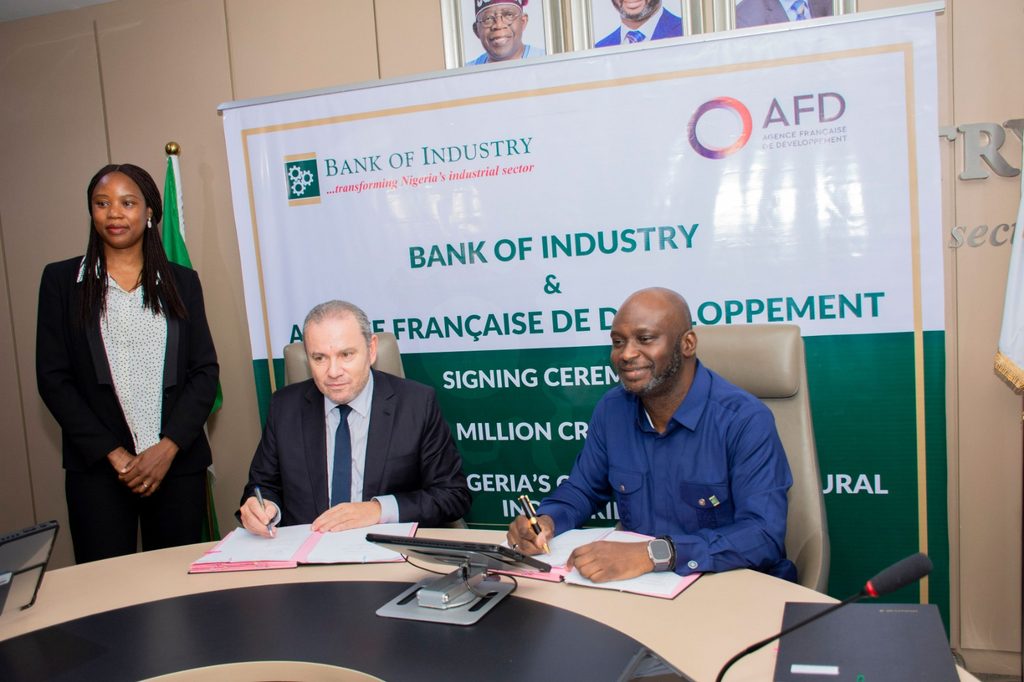
The facility, signed in Abuja during the visit of AFD Chief Executive Officer, Christophe Lecourtier, is designed to improve access to finance for businesses in fashion, design, textiles, music, film and audiovisual production, video games and visual arts.
Women-led and youth-led enterprises, as well as first-time borrowers, are among the priority beneficiaries of the programme, which seeks to address financing barriers that have constrained the growth of creative businesses.
The initiative comes as Nigeria’s cultural and creative industries account for approximately five per cent of the country’s Gross Domestic Product (GDP) and provide livelihoods for more than 4.2 million people.
Under the agreement, the BOI will deploy the credit facility to eligible businesses, while the technical assistance component will strengthen the bank’s capacity to finance the sector through staff training and the development of financial products tailored to the needs of creative enterprises.
The programme targets the training of at least 70 per cent of relevant BOI staff, alongside the development of specialised financing products to better serve businesses whose needs may differ from those of conventional industrial enterprises.
The agreement was signed by BOI Managing Director, Dr Olasupo Olusi, and Lecourtier, who represented AFD, reinforcing the longstanding partnership between the two institutions.
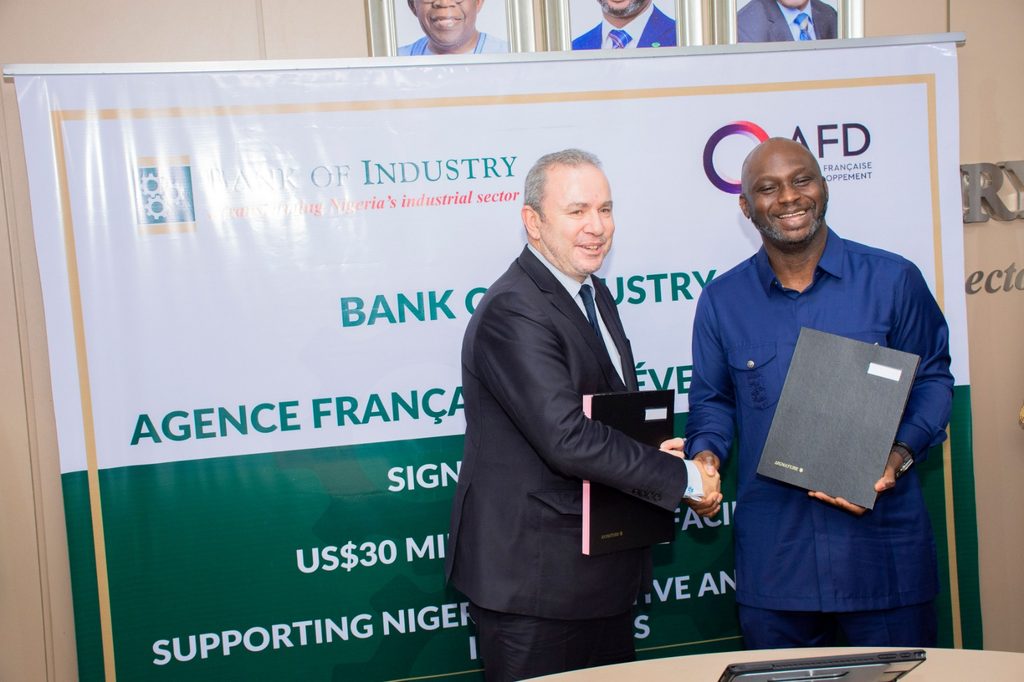
Beyond expanding access to credit, the initiative is expected to promote financial inclusion, support skilled employment and strengthen the contribution of the creative economy to Nigeria’s sustainable and inclusive growth.
Its focus on smaller businesses could prove particularly significant for entrepreneurs seeking to expand production, acquire equipment, develop new products or reach wider markets but who struggle to secure affordable financing.
The facility also aligns with the Federal Government’s Destination 2030 ambition for the creative sector, as Nigeria seeks to diversify its economy and harness industries capable of generating employment and business opportunities for its growing population.
The €500,000 technical assistance component is expected to complement the lending facility by improving BOI’s capacity to understand and meet the financing needs of creative businesses.
For AFD, the agreement represents an expansion of its development financing partnership with Nigeria, while the BOI is expected to use the facility to support enterprise development, job creation and economic diversification.
The two institutions said the programme would help remove financial and non-financial barriers to the development of Nigeria’s cultural and creative industries.
AFD, BOI Sign $30m Deal to Unlock Finance for Nigeria’s Creative Sector
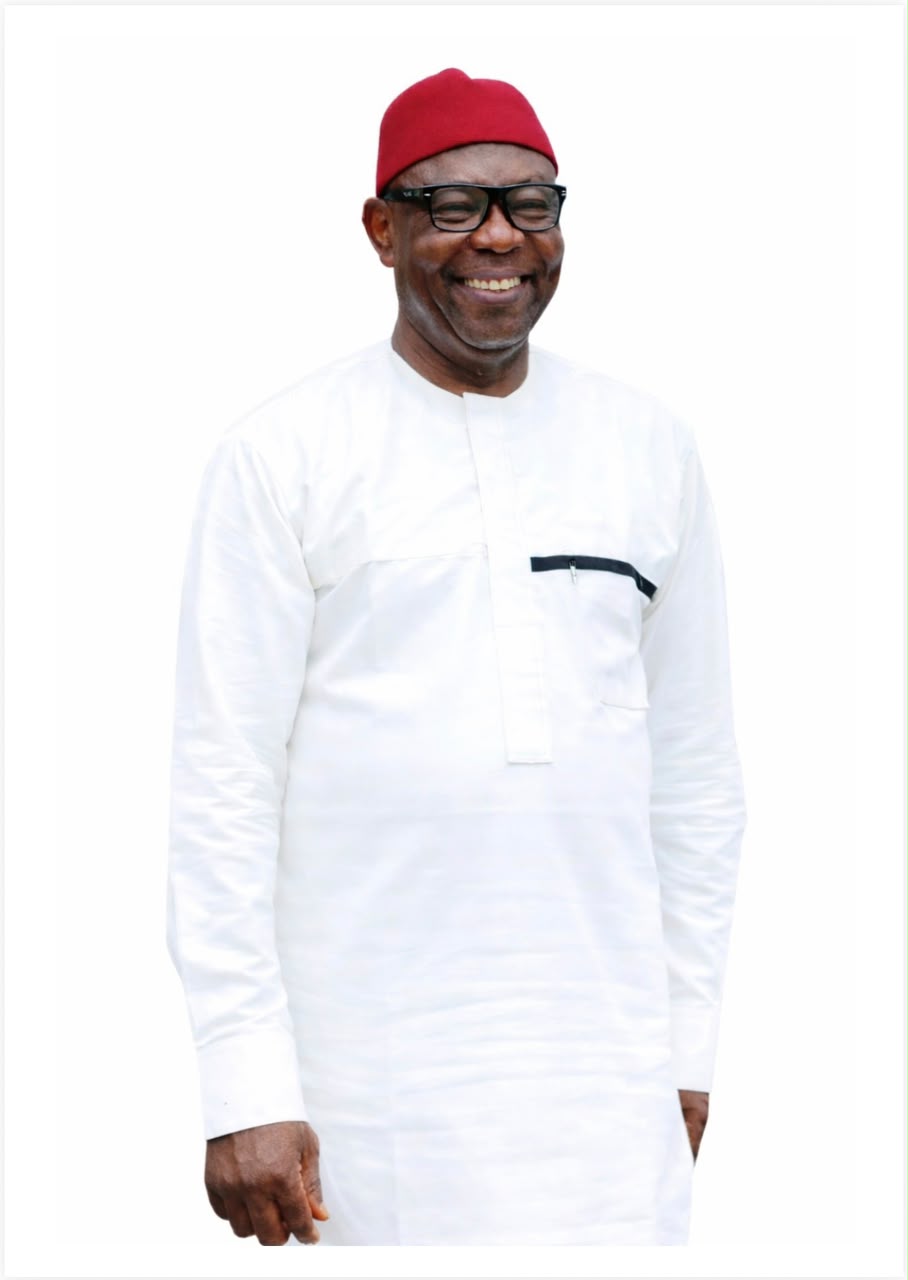
Family Seeks Fresh Probe into Missing Corpse at Anambra Hospital
By: Michael Mike
The family of a deceased engineer whose corpse allegedly disappeared from a mortuary in Anambra State has asked the Inspector-General of Police (IGP) to order a supplementary investigation into the incident, citing omissions and inconsistencies in the police report.
The family, through its lawyer, Mr Joseph Offor, said the investigation into the disappearance of Chukwunweike Okammelu’s body from the mortuary of Chukwuemeka Odumegwu Ojukwu Teaching Hospital, Amaku, Awka, had left critical questions unanswered.
In a letter dated July 6 and addressed to the IGP, Offor, counsel to Chief Osita Okammelu, urged the police chief to review the investigation and direct further inquiries into the circumstances surrounding the disappearance of the corpse.
The petition was also copied to the Deputy Inspector-General of Police in charge of the Force Criminal Investigation Department, Abuja.
Offor said the matter was referred to the IGP following the family’s complaint, after which it was assigned to the Intelligence Response Team (IRT) for investigation.
He said the IRT had concluded its investigation and issued a report, but his client identified material omissions, inconsistencies and investigative gaps that, he argued, undermined the completeness, fairness and credibility of the findings.
According to him, the report acknowledged the possibility of criminal conspiracy and systemic failures but recommended the prosecution of only the mortician, Mr Clement Ogbonna.
He further alleged that the report acknowledged that significant aspects of the investigation remained outstanding while simultaneously recommending immediate prosecution.
Offor said the findings also identified serious administrative and operational negligence without adequately investigating or recommending appropriate action against all persons who might bear criminal responsibility.
He added that the investigators relied on financial records, call data records and other documentary exhibits without making comprehensive findings from the evidence.
The lawyer said critical questions concerning the chain of custody of the corpse, the roles of other listed suspects, institutional responsibility and the circumstances surrounding the alleged unlawful release and disappearance of the body remained unresolved.
Following the disappearance, the family had reported the matter to the police and raised concerns about what it described as the unprofessional conduct and poor handling of the case by the hospital management.
Offor alleged that, rather than adequately addressing the incident, the hospital leadership relied on what the family described as “spurious narratives and falsehoods” attributed to the mortician.
“Our client has accordingly prepared a detailed analysis identifying these gaps and respectfully demonstrating why he believes the investigation requires further review,” he said.
He urged the IGP to direct a supplementary investigation, with particular attention to the issues outlined in a memorandum accompanying the petition.
“Our client firmly believes that a thorough and comprehensive investigation will ensure that truth is fully uncovered and that justice is done to all parties without fear or favour,” Offor said.
Family Seeks Fresh Probe into Missing Corpse at Anambra Hospital

Congo: 10,000 confirmed Ebola cases demands rapid scale-up – NRC

AFD, BOI Sign $30m Deal to Unlock Finance for Nigeria’s Creative Sector

Family Seeks Fresh Probe into Missing Corpse at Anambra Hospital

Roger Federer’s Shock as DNA Results Reveal Myla and Charlene Are Not His Biological Children

THE PLIGHT OF FARIDA

FAILED COUP IN BURKINA FASO: HOW TRAORÉ NARROWLY ESCAPED ASSASSINATION PLOT AMID FOREIGN INTERFERENCE CLAIMS
-
 News3 years ago
Roger Federer’s Shock as DNA Results Reveal Myla and Charlene Are Not His Biological Children
-
Opinions5 years ago
THE PLIGHT OF FARIDA
-
 News2 years ago
FAILED COUP IN BURKINA FASO: HOW TRAORÉ NARROWLY ESCAPED ASSASSINATION PLOT AMID FOREIGN INTERFERENCE CLAIMS
-
 Opinions5 years ago
POLICE CHARGE ROOMS, A MINTING PRESS
-

 News3 years ago
EYN: Rev. Billi, Distortion of History, and The Living Tamarind Tree
-

 ACADEMICS3 years ago
A History of Biu” (2015) and The Lingering Bura-Pabir Question (1)
-

 Columns3 years ago
Army University Biu: There is certain interest, but certainly not from Borno.
-

 Politics1 year ago
2027: Why Hon. Midala Balami Must Go, as Youths in Hawul and Asikira/Uba Federal Constituency Reject ₦500,000 as Sallah Gift
