
Crime
It was unthinkable to alleged Nigerian soldiers aborted 10,000 pregnancies- Former Theatre Commander


It was unthinkable to alleged Nigerian soldiers aborted 10,000 pregnancies- Former Theatre Commander
By: Michael Mike
The former theatre Commander of Operation Lafia Dole in the North East, Major General Olusegun Adeniyi has refuted Reuters’ reports of abortion of 10,000 pregnancies, infanticide and other forms of Sexual and Gender Based Violence (SGBV) against the Nigeria military, saying that it is thoughtless as a bunch of lies.
The witness who stated this in his oral testimony before the 7-Member panel Chaired by Justice Abdu Aboki (rtd) wondered why it is only Reuters as a media organisation that was privy to the said grave human rights violations and atrocious crimes allegedly committed by the Nigeria Armed Forces in the counter insurgency operations in the North East.
Adeniyi, who is presently the Director Directorate of Counter Terrorism at the Army Research Centre, said how possible is it that of all the various News Agencies, Non-Governmental Organisations, International Partners etc, it is only Reuters that publish this kind of report.
Responding to the first part of the three-tier report which focused on systematic, illegal and secret abortion programme in the North East by the military since 2013, the senior military officer said, “In Africa we don’t do such things, you will not say that because soldiers are keeping custody of these returning women you now give them injection so that the babies in their womb will be aborted.”
On the issue of Boko Haram children allegedly killing terminating pregnancies and “deleting children” believed to have been fathered by Boko Haram insurgents on the premise that they will grow into another generation of Boko Haram and carry arms against the State, Adeniyi rhetorically asked, “What is the meaning of Boko Haram babies?”
Testifying further, he disclosed that solders are not angry that they are fighting Boko Haram insurgency because they are doing their work otherwise let some of these girls whose pregnancies were reportedly terminated by soldiers come out clear and say so, that will help the panel and indeed everyone to know the truth.
According to the erstwhile Brigade Commander 37 artillery Brigade Maiduguri, Borno state it is sad that somebody clutching a cup of tea in his cozy and air-conditioned room will decide to write this kind of report that has no bearing with the situation on ground.
“The allegation that Nigerian military terminated women pregnancies is not true. Things don’t just happen in the Army. Before anything happens, resources are committed, directives are given and those asked to carry out some actions report back. Secondly if such things happen soldiers will talk among themselves or at least gossip about them. These women I hope they are alive let them come out and say this is what happened to me”, he stated..
He added that: “The military is open in what it does except in rare circumstances like operations and timing of operations, however, even the things that military is keeping open people will say it is secret. If the military buys ammunitions it is on the pages of newspapers even in the USA it is so. You will not coordinate any operation in the Army without the knowledge of the higher echelon. So the issue of troops acting outside the rules is not permitted in the Army otherwise they will be court martialled.”
Speaking further, he stated that such magnitude of infractions alleged against the military if they actually happened, they would have been in the government records and archives and people must know because there is nothing so secretive in the Nigerian Army.
“Since 1999 the military has been strictly subordinated by the democratic process therefore it will not be possible for anyone to do anything and nobody will know and administering 10,000 injections to this number of women to terminate pregnancies must be recorded somewhere.”
Besides, he recalled that even in the past most of the allegations against the Nigeria Armed Forces normally come up when the State is overpowering the insurgents, adding that it is treasonable for any soldier to commit such offences as claimed by Reuters.
He noted that: “An average Nigerian soldier is above 18 years and I did not see any Medical Officer risking his medical certificate by aborting pregnancies. These women are kidnapped after shooting and killing their family members by Boko Haram and thereafter keep them under forced protective custody even though it is wrong, so why will soldier now kill the children of such women or terminate their pregnancies.”
He said that the soldiers already know that marriage existing between the insurgents and the affected women is forced and illegal and as such would not want to subject them to further trauma by killing their children or terminating their pregnancies.
“Nobody is thinking that these women are in love with their so called Boko Haram husband and the soldiers know very well that this man is keeping these women with the use of gun thereby risking their lives because these women were not married legally”, he stated.
He, however, conceded that where there are a large number of people there will be bad eggs stressing there is no policy in the military that will permit killing of innocent civilians. “While I am not vouching for anyone there are processes that will make it impossible for you to commit such crimes”, he maintained.
The former Theatre Commander said that if the soldiers are interested in killing anyone from the camp of insurgents who are now in custody they would have started with the Boko Haram members in Army custody instead of women and children who were not bearing arms.
He said that many of the Boko Haram members who sustained injuries before they were captured are still receiving medical treatment from military hospitals and no soldier has harmed them because it is against the law to kill any combatant upon capture since he did not die in the frontline.
In furtherance of his oral evidence, he told the panel that Nigerian soldiers are not revengeful and are not wild or wired with wrong ideologies to act in such a manner that will undermine the rights of women and children in the course of military operations.
It was unthinkable to alleged Nigerian soldiers aborted 10,000 pregnancies- Former Theatre Commander


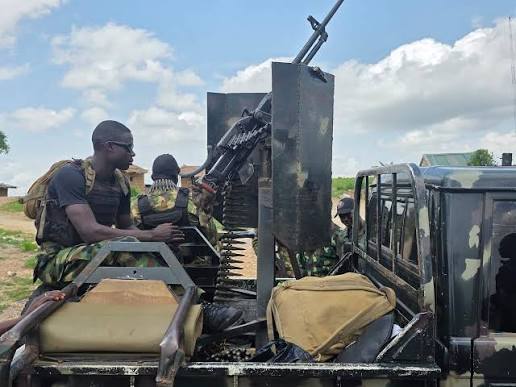
Troops Arrest Suspect Over Killing of More Than 50 Cattle in Edo
By: Zagazola Makama
Troops of Operation MESA have arrested a suspected criminal linked to the killing of more than 50 cattle belonging to Fulani herders in Esan South-East Local Government Area of Edo State.
Security sources said that the suspect was arrested at about 4:30 a.m. on Thursday following credible intelligence on his whereabouts.
According to the sources, troops of 4 Brigade operating from the Forward Operating Base (FOB) in Uromi apprehended the suspect at his residence in Oloshi Main Town.
The suspect had reportedly been on the run since May 31, when he allegedly led an attack that resulted in the killing of over 50 cattle in the Oloshi general area.
The sources said the arrest was made after sustained efforts by security agencies to track down those involved in the incident.
Following his arrest, the suspect was handed over to the Nigeria Police Force for further investigation and possible prosecution.
Security agencies have assured residents that efforts are ongoing to apprehend other individuals connected to the attack.
Troops Arrest Suspect Over Killing of More Than 50 Cattle in Edo
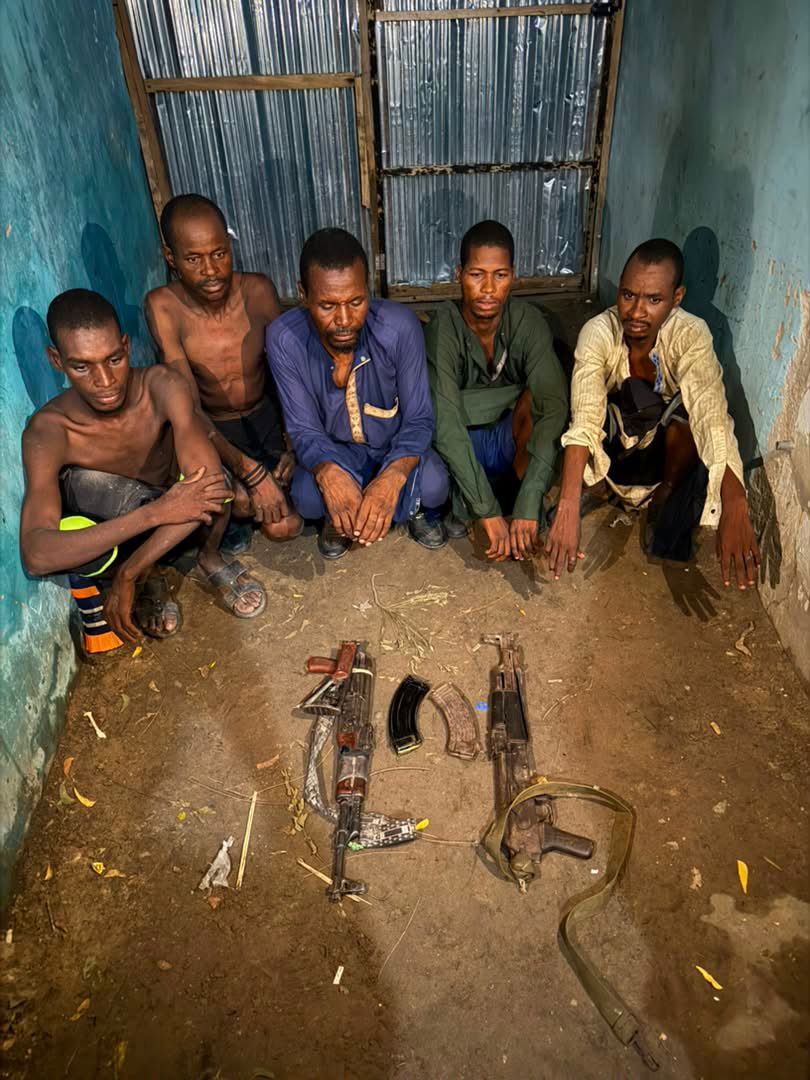
Troops Arrest Suspected Kidnappers, Recover Two AK-47 Rifles in Magumeri Borno
By: Zagazola Makama
Troops of Operation HADIN KAI conducting an ongoing operation in Magumeri Local Government Area of Borno have arrested suspected kidnappers and recovered two AK-47 rifles from them.
Sources involved in the operation disclosed on Friday that the suspects were apprehended during a targeted security operation ahead of Magumeri town.
According to the sources, the operation led to the recovery of two AK-47 assault rifles believed to have been used by the suspects in criminal activities within the area.
The sources further revealed that preliminary interrogation of the suspects had yielded valuable intelligence that could assist security agencies in tracking and arresting other members of the kidnapping network.
“The suspects have provided useful information that can aid further operations and lead to the arrest of additional members of the criminal syndicate,” the source said.
The arrests are part of ongoing efforts by security forces to dismantle kidnapping and other criminal networks operating in parts of Borno State.
Security authorities have yet to issue an official statement on the operation, while investigations and follow-up actions are continuing.
Troops Arrest Suspected Kidnappers, Recover Two AK-47 Rifles in Magumeri Borno
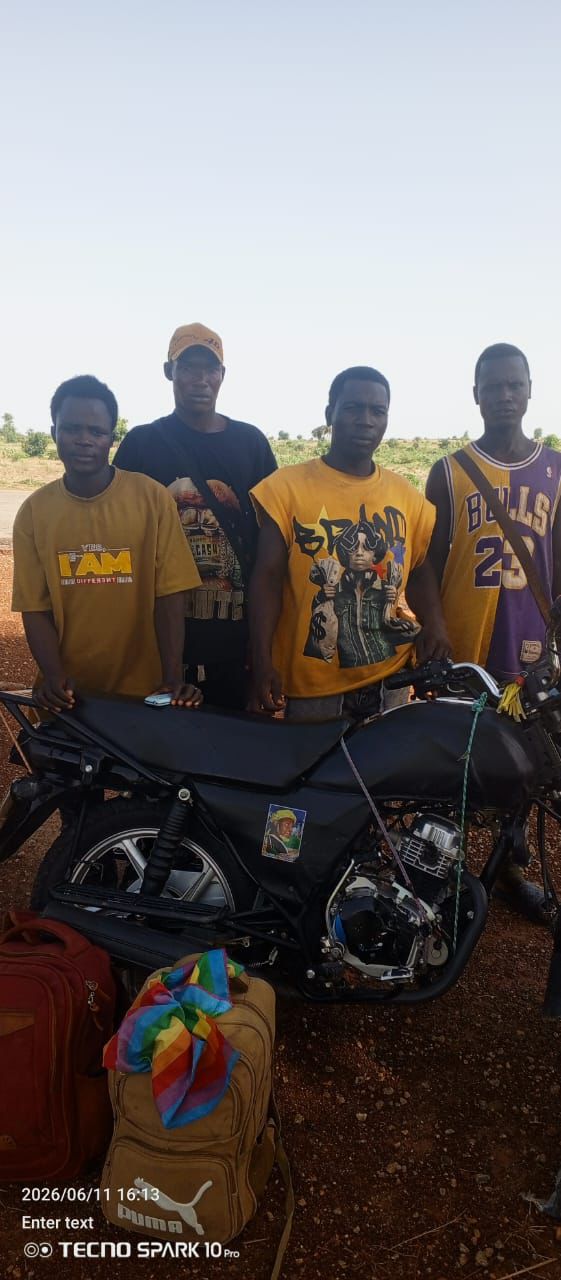
Police Rescue Six Kidnap Victims, Recover Stolen Motorcycle in Zamfara
By Zagazola Makama
Operatives of the Zamfara State Police Command have rescued six kidnapped victims and recovered a stolen motorcycle following a gun battle with armed bandits along the Anka–Gurusu Road in Zamfara State.
The command said the operation was carried out at about 4:30 p.m. on Thursday by personnel of the Violence Crimes Response Unit (VCRU) during ongoing anti-banditry operations.

According to the police, the operatives received credible intelligence that heavily armed bandits had blocked the Anka–Gurusu Road and abducted six travellers along with their two motorcycles while they were travelling from Mayanchi village in Maru Local Government Area of Zamfara to Zuru Local Government Area of Kebbi State.
Acting on the information, the police team mobilised to the area and tracked the bandits to their hideout.
Upon contact, the suspects reportedly engaged the operatives in a gun duel.
The police said the operatives responded with superior firepower, forcing the bandits to flee into the surrounding forest with suspected gunshot injuries.
As a result of the operation, all six abducted victims were rescued unhurt, while one of the stolen motorcycles was recovered.
The second motorcycle was, however, taken away by the fleeing bandits.
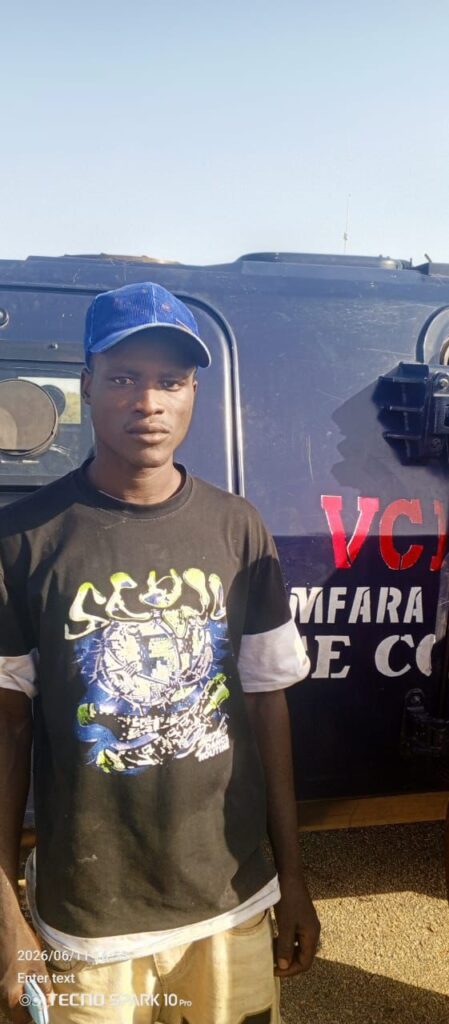
The command said efforts were ongoing to track down and arrest the suspects as well as recover the remaining motorcycle.
The Zamfara State Police Command reiterated its commitment to tackling banditry and other violent crimes across the state and urged residents to continue providing timely and actionable information to security agencies.
Police Rescue Six Kidnap Victims, Recover Stolen Motorcycle in Zamfara

Zulum Delivers Relief, Cash Support to 434 Ngoshe Residents Rescued from Boko Haram

DEMOCRACY AND THE COURAGE TO BELIEVE

Army Distributes Fertiliser to Farmers in Jigawa Under Civil-Military Cooperation Programme

Roger Federer’s Shock as DNA Results Reveal Myla and Charlene Are Not His Biological Children

THE PLIGHT OF FARIDA

FAILED COUP IN BURKINA FASO: HOW TRAORÉ NARROWLY ESCAPED ASSASSINATION PLOT AMID FOREIGN INTERFERENCE CLAIMS
-
 News2 years ago
Roger Federer’s Shock as DNA Results Reveal Myla and Charlene Are Not His Biological Children
-
Opinions4 years ago
THE PLIGHT OF FARIDA
-
 News1 year ago
FAILED COUP IN BURKINA FASO: HOW TRAORÉ NARROWLY ESCAPED ASSASSINATION PLOT AMID FOREIGN INTERFERENCE CLAIMS
-

 News2 years ago
EYN: Rev. Billi, Distortion of History, and The Living Tamarind Tree
-
 Opinions4 years ago
POLICE CHARGE ROOMS, A MINTING PRESS
-

 ACADEMICS2 years ago
A History of Biu” (2015) and The Lingering Bura-Pabir Question (1)
-

 Columns2 years ago
Army University Biu: There is certain interest, but certainly not from Borno.
-

 Politics1 year ago
2027: Why Hon. Midala Balami Must Go, as Youths in Hawul and Asikira/Uba Federal Constituency Reject ₦500,000 as Sallah Gift
