
News
NSIA, UK’s Asset Green to Launch $496 Million Dairy Mega-Project in Nigeria

NSIA, UK’s Asset Green to Launch $496 Million Dairy Mega-Project in Nigeria
By: Michael Mike
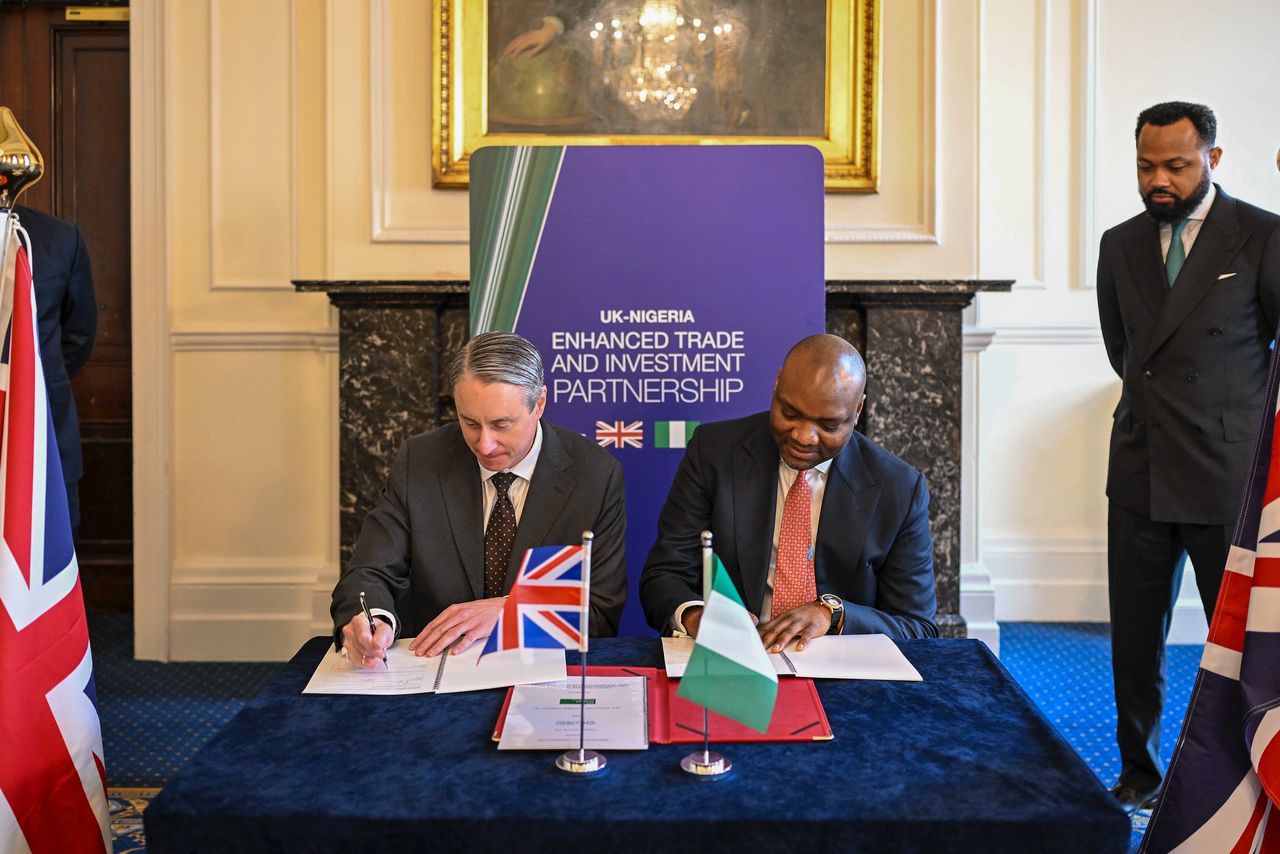
The Nigeria Sovereign Investment Authority (NSIA) has signed a landmark Memorandum of Understanding with UK-based Asset Green Ltd to develop a US$496 million integrated dairy livestock production and processing platform, a project set to modernize Nigeria’s dairy sector, boost food security, and create thousands of jobs.
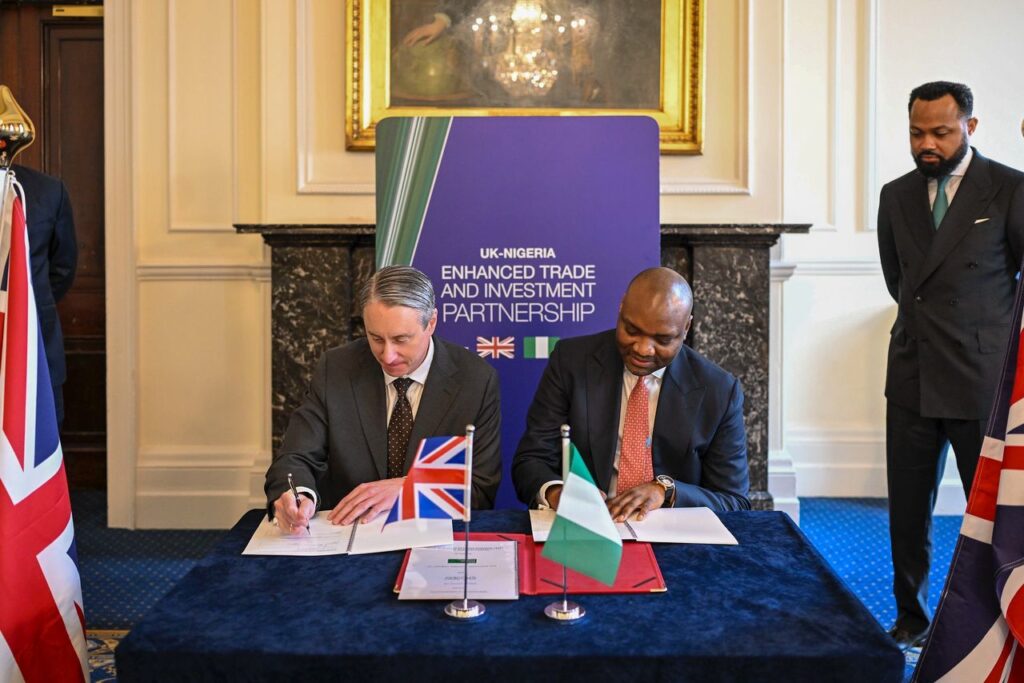
The MoU, signed in London ahead of the State Visit, laid out the framework for collaboration and project development, paving the way for a formal shareholders’ agreement.
The initiative, one of the largest integrated dairy investments ever undertaken in Nigeria, will combine 20,000 hectares of climate-smart, regenerative crop and forage production with a 10,000-milking-cow dairy operation and a state-of-the-art processing plant capable of producing fresh milk, milk powders, butter, cream, and up to 15,000 metric tonnes of infant formula annually.
Designed to reduce Nigeria’s reliance on imported milk powder, the platform will integrate up to 10,000 rural households into the supply chain through inclusive out-grower schemes and is projected to generate over US$620 million annually, while creating approximately 2,500 direct and 5,000 indirect jobs nationwide.
British Deputy High Commissioner Jonny Baxter praised the partnership, noting, “Over a decade ago, the UK provided pivotal support to Nigeria in establishing the NSIA, offering legal and financial expertise that helped lay the foundation for its successful launch and strengthening its governance and credibility. That early institutional investment has paid dividends, helping to build a resilient Nigerian institution capable of creating jobs and driving transformational, long-term development.
“The NSIA and Asset Green partnership is a powerful example of how that groundwork continues to deliver impact—a full-circle moment that reflects the long-term economic cooperation between the UK and Nigeria and the shared commitment to deepening sustainable, private-sector-driven growth.”
NSIA Managing Director & CEO Aminu Umar-Sadiq described the project as transformative, saying, “NSIA is pleased to partner with Asset Green on this transformative investment. With a project size of almost US$500 million, this is one of the most ambitious initiatives aimed at strengthening Nigeria’s food and nutrition security in a generation. By combining climate-smart farming, advanced processing capacity, and inclusive out-grower participation, we are laying the foundation for a modern, competitive dairy sector that reduces import dependence, creates meaningful jobs, and delivers long-term value for Nigerians.”
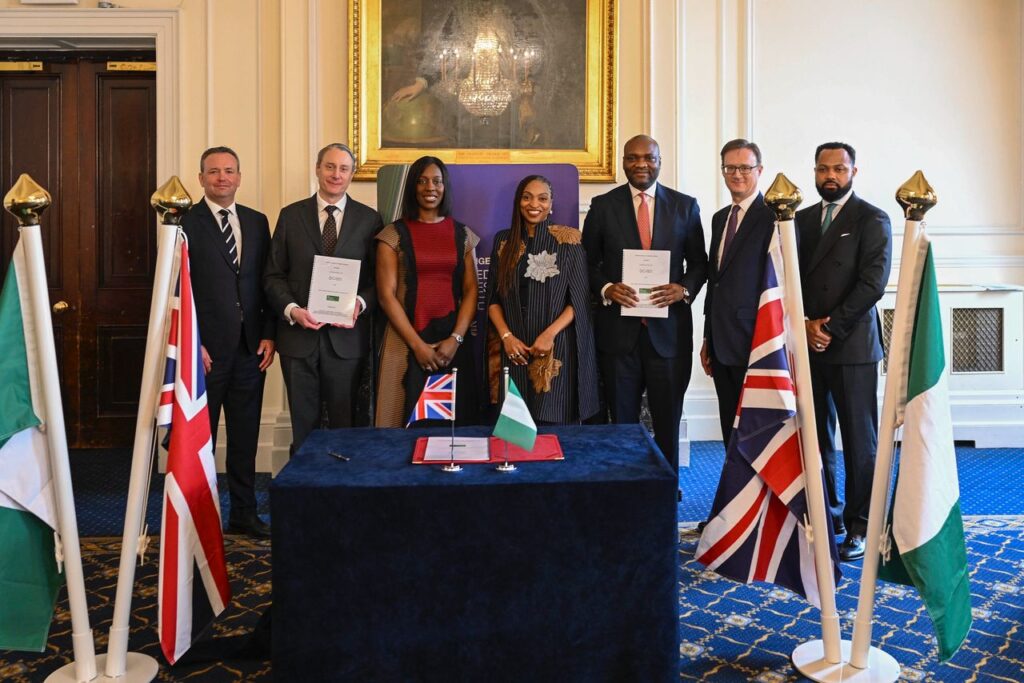
Asset Green Ltd Director and Agrium Capital Ltd CEO Rod Bassett emphasized the strategic importance of the investment, noting, “This partnership between NSIA and Asset Green is the business and investment innovation required to unlock the potential of the agriculture sector in Nigeria, with the development of such a future (dairy) food system. The foundation of the approach is one of collaborating with NSIA and their shared vision and purpose to establish a platform to catalyse the development of such a national strategic priority. We are incredibly proud to partner with Nigeria’s premier investment institution. The development of greenfield projects have consistently played a major role in our history, establishing industries or nurturing young businesses that are able to deliver catalytic transformation. This US$500 million greenfield investment in Nigeria’s dairy industry allows for the development of advanced and necessary infrastructure spanning the full production and supply system to enhance local production, reduce the reliance on the huge imports of dairy goods into Nigeria, deliver environmental services, and strengthen national food sovereignty and nutritional resilience.”
The partnership signals a major milestone in Nigeria’s agricultural modernization, leveraging private-sector investment, inclusive farming practices, and advanced processing to create a resilient, competitive dairy industry while strengthening national food and nutrition security.
NSIA, UK’s Asset Green to Launch $496 Million Dairy Mega-Project in Nigeria


Troops rescue two female kidnap victims in Kogi
By: Zagazola Makama
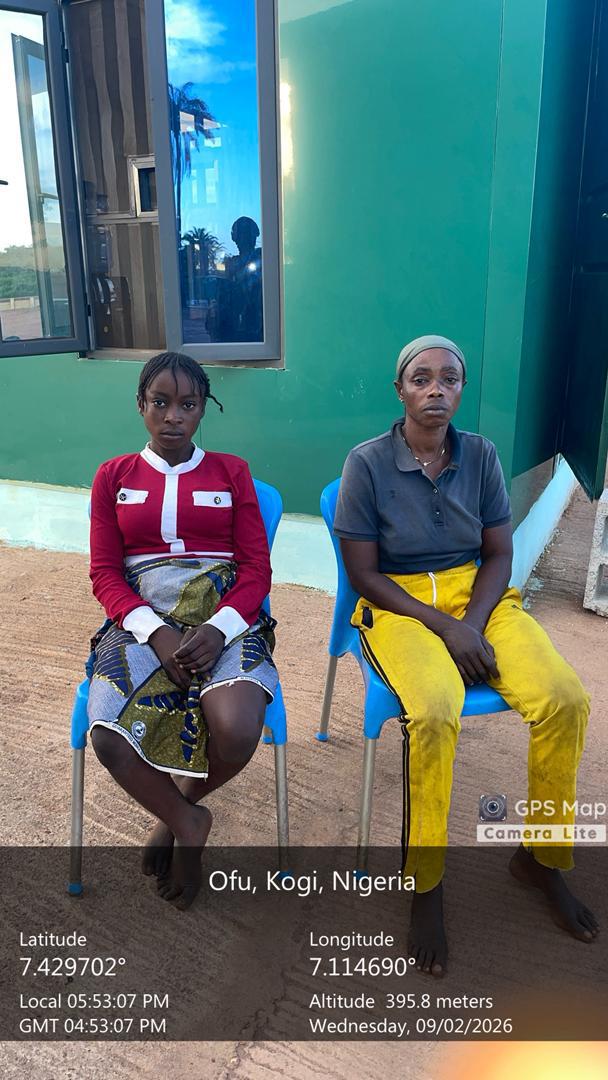
Troops of the Nigerian Army have rescued two female kidnap victims after suspected bandits invaded a farmland in Ajodomodo Village, Dekina Local Government Area of Kogi State.
The incident occurred at about 10:30 a.m. on Wednesday, Sept. 2, when the suspected bandits reportedly invaded the farmland and abducted the two victims before fleeing the area.
Troops of the 21 Battalion Quick Reaction Force swiftly responded to the incident and pursued the fleeing criminals along their withdrawal route towards Agbodakodo Forest.
According to sources the pressure from the troops forced the abductors to abandon the victims in the forest.
The victims, identified as 15-year-old Miss Mohammed Rahinat and Mrs Hassanatu Mohammed, 30, were subsequently rescued unharmed.
The two women were evacuated to the 21 Battalion Medical Reception Station for medical attention and further assessment.
The military said troops have continued operations in the area to track the fleeing suspects and prevent further attacks on farming communities.
The rescue illustrates the importance of rapid military response and timely information sharing in countering kidnapping and other criminal activities in rural communities.
Troops rescue two female kidnap victims in Kogi
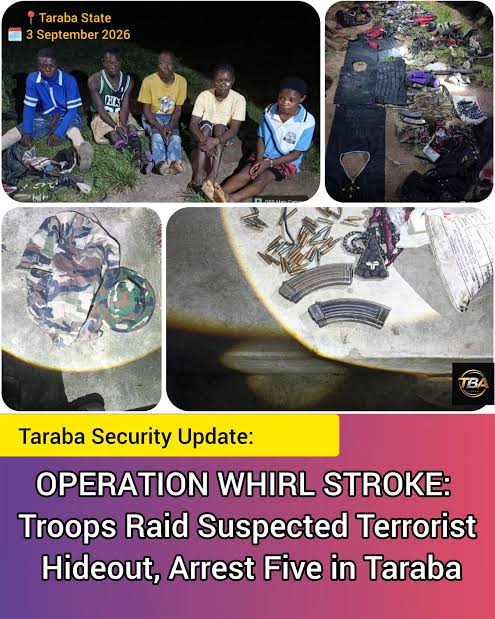
Operation Whirl Stroke troops raid suspected terrorist hideout, arrest five in Taraba
By: Zagazola Makama
Troops of Joint Task Force, Operation Whirl Stroke, have raided a suspected terrorist hideout in Peva, Takum Local Government Area of Taraba State, arresting five persons believed to be associates of a notorious bandit operating in the area.
The operation was conducted in the early hours of Thursday, Sept. 3, following credible intelligence received by the troops at about 12:30 a.m. regarding the location of the suspected criminal hideout.
Acting on the information, troops of Sector 1, in conjunction with personnel of Sector 3, both under Operation Whirl Stroke, swiftly mobilised and launched a raid on the identified location.
However, the suspected terrorists reportedly received information about the advancing troops and fled the hideout before the arrival of the security forces.
Undeterred, the troops conducted a thorough search of the area, leading to the arrest of five persons suspected to be associates of the fleeing criminal.
Items recovered during the operation included two AK-47 rifle magazines, 46 rounds of 7.62mm special ammunition, one woodland camouflage jacket, one jungle hat, four charm vests and assorted charms.
The military said the arrests and recovery of the items had provided useful leads that could support ongoing efforts to identify and apprehend other members of the criminal network.
The arrested suspects are expected to undergo further profiling and interrogation as troops intensify efforts to establish their roles and track the fleeing members of the group.
Operation Whirl Stroke assured residents across Taraba and other parts of its Joint Operations Area of continued intelligence-driven operations aimed at sustaining pressure on terrorists, bandits and other criminal elements.
The task force also urged residents to remain vigilant and provide timely and credible information to security agencies to support ongoing operations and enhance the protection of communities.
Operation Whirl Stroke troops raid suspected terrorist hideout, arrest five in Taraba
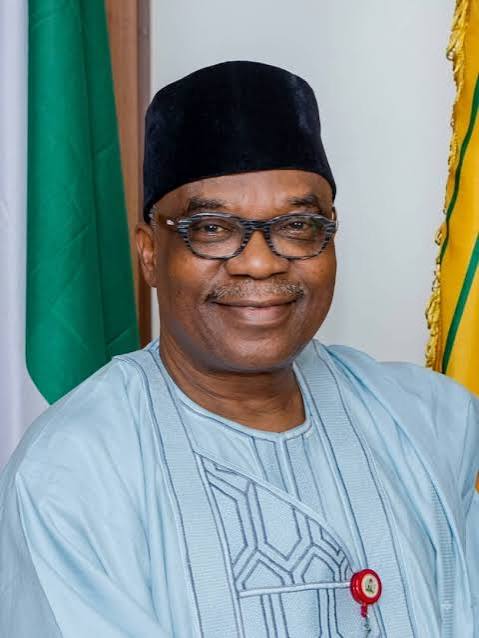
Nigeria Rejects Alleged Support for Niger Coup, Reaffirms Commitment to Democracy
By: Michael Mike
The Federal Government has rejected claims that Nigeria or the Economic Community of West African States (ECOWAS) backed the recent failed coup attempt in Niger Republic, describing the reports circulating on social media as false, mischievous and intended to damage Nigeria’s image.
Minister of State for Foreign Affairs, Ambassador Sola Enikanolaiye, said Nigeria had never supported, and would not support, any military coup or unconstitutional change of government in any country.
In a statement issued on Thursday, Enikanolaiye said Nigeria remained a defender of constitutional order, democracy and regional stability, stressing that the country would not endorse illegality “no matter who is involved or which country is concerned.”
He recalled the ministry’s August 30 statement on the situation in Niger, in which Nigeria expressed concern over developments in the neighbouring country and called for a peaceful, inclusive and participatory return to stability and constitutional order.
According to him, Nigeria’s position on unconstitutional changes of government remains unequivocal, adding that the use of force to resolve political differences was contrary to the country’s longstanding foreign policy.
“While Nigeria is a proud and committed member of ECOWAS, it is unfair, mischievous and entirely false to suggest that Nigeria endorses or condones the military coup,” the minister said.
He urged Nigerians at home and abroad to disregard videos and narratives circulating online which, he said, were aimed at sowing discord and misleading the public.
Enikanolaiye reaffirmed Nigeria’s commitment to the ECOWAS Protocol on Democracy and Good Governance as well as the African Union’s zero-tolerance policy on unconstitutional changes of government.
He said Nigeria would continue to work with ECOWAS, the AU and the international community to defend democracy, uphold the rule of law and promote peace and stability across West Africa, the Sahel and the wider African continent.
Nigeria Rejects Alleged Support for Niger Coup, Reaffirms Commitment to Democracy

Troops rescue two female kidnap victims in Kogi

Operation Whirl Stroke troops raid suspected terrorist hideout, arrest five in Taraba

Nigeria Rejects Alleged Support for Niger Coup, Reaffirms Commitment to Democracy

Roger Federer’s Shock as DNA Results Reveal Myla and Charlene Are Not His Biological Children

THE PLIGHT OF FARIDA

FAILED COUP IN BURKINA FASO: HOW TRAORÉ NARROWLY ESCAPED ASSASSINATION PLOT AMID FOREIGN INTERFERENCE CLAIMS
-
 News2 years ago
Roger Federer’s Shock as DNA Results Reveal Myla and Charlene Are Not His Biological Children
-
Opinions5 years ago
THE PLIGHT OF FARIDA
-
 News1 year ago
FAILED COUP IN BURKINA FASO: HOW TRAORÉ NARROWLY ESCAPED ASSASSINATION PLOT AMID FOREIGN INTERFERENCE CLAIMS
-

 News2 years ago
EYN: Rev. Billi, Distortion of History, and The Living Tamarind Tree
-
 Opinions5 years ago
POLICE CHARGE ROOMS, A MINTING PRESS
-

 ACADEMICS3 years ago
A History of Biu” (2015) and The Lingering Bura-Pabir Question (1)
-

 Columns3 years ago
Army University Biu: There is certain interest, but certainly not from Borno.
-

 Politics1 year ago
2027: Why Hon. Midala Balami Must Go, as Youths in Hawul and Asikira/Uba Federal Constituency Reject ₦500,000 as Sallah Gift
