
News
Leading Chinese Modernization Steadily Forward Through the Party’s Self-Revolution

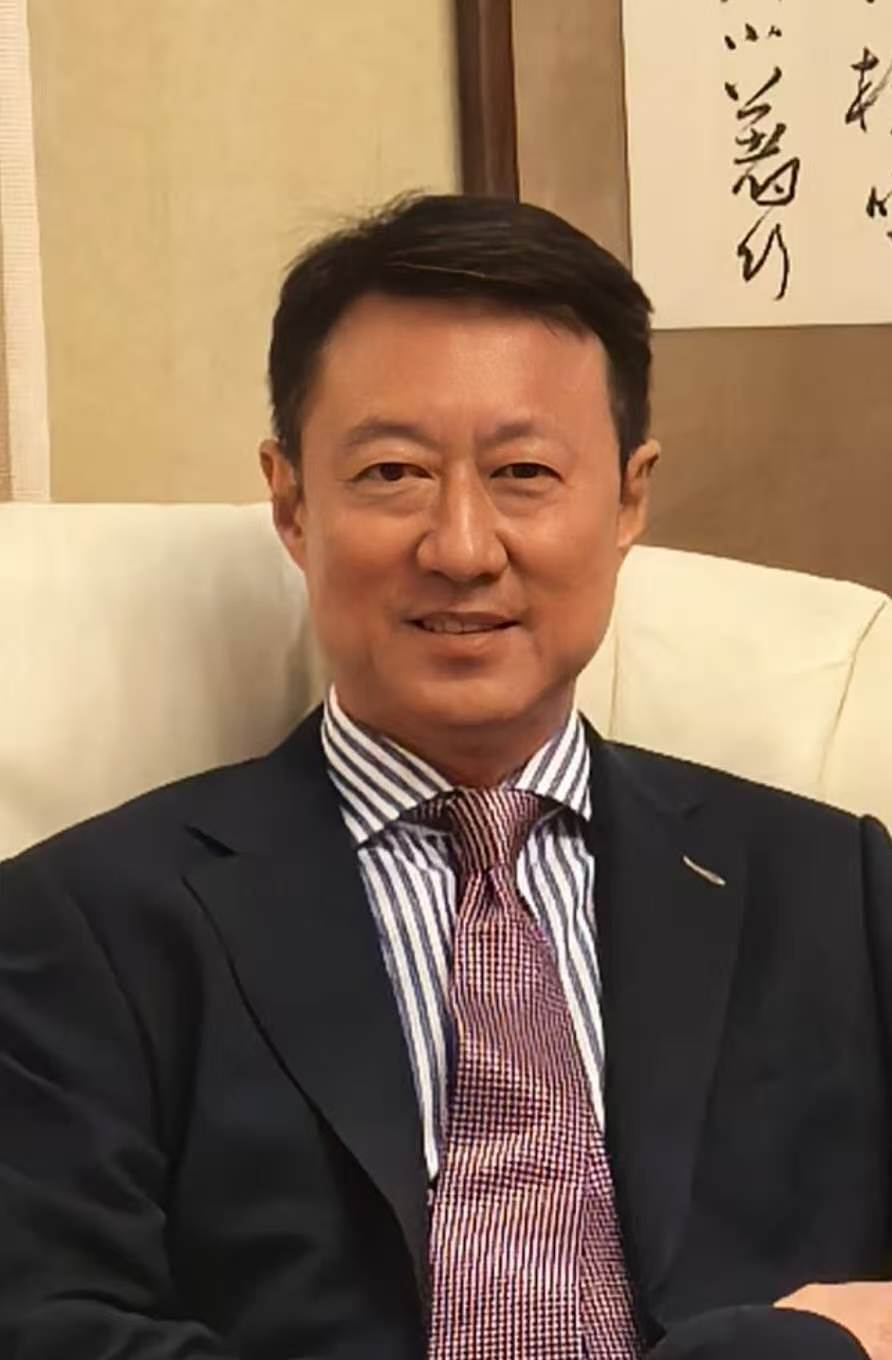
Leading Chinese Modernization Steadily Forward Through the Party’s Self-Revolution
By: Yu Dunhai, Chinese Ambassador to Nigeria
Days ago, the Fifth Plenary Session of the 20th Central Committee of the Communist Party of China concluded in Beijing. The session reviewed and adopted the Resolution of the Central Committee of the CPC on Certain Major Issues concerning Persevering with Full and Rigorous Party Self-Governance. It sets out systematic plans for continuing to exercise full and rigorous self-governance of the Party on the new journey in the new era, providing a strong political guarantee for advancing the great cause of building a strong country and achieving national rejuvenation through Chinese modernization.
Through this plenary session, the world has clearly seen that the Communist Party of China has grown stronger through self-revolution, that China’s development path has become clearer and more determined, and that China’s sincere willingness to share governance experience and work with other countries to create a better future has been further demonstrated.
To govern the country well, we must first govern the Party well; only when the Party thrives can the nation prosper. China’s success hinges on the Party, and on exercising full and rigorous Party self-governance. Since the 18th National Congress of the CPC, the Party has advanced full and rigorous self-governance with extraordinary historical courage and strategic resolve. The fight against corruption has achieved an overwhelming victory and been comprehensively consolidated. Practice has fully proven that, as the world’s largest Marxist governing party, the Communist Party of China possesses a powerful capacity to identify problems, correct deviations, and achieve self-purification, self-improvement, self-renewal, and self-enhancement through its own efforts. It has always been the core force leading China’s development and progress and safeguarding the fundamental interests of the people.
Self-revolution is not an abstract political concept; it is a realistic driving force that promotes national development and benefits hundreds of millions of people. It is precisely by consistently advancing full and rigorous Party self-governance that the CPC has been able to rally the entire society into a powerful, unified force, translating governance efficacy into tangible development results, and writing new chapters in the twin miracles of rapid economic growth and long-term social stability.
China has built the world’s largest and most complete industrial system. Its manufacturing value-added has long ranked first globally. It has nurtured a middle-income group of more than 400 million people, historically solved the problem of absolute poverty, and lifted hundreds of millions of rural residents out of poverty. These tangible development achievements are powerful evidence that the Party’s self-revolution empowers national governance and benefits the people.
China’s development cannot be separated from the world, and the world’s prosperity also needs China. As the world’s second-largest economy, China has the most promising super-large-scale market and has contributed around 30 percent to global economic growth for many consecutive years, serving as an important multiplier and stabilizer. The series of strategic arrangements made at the Fifth Plenary Session of the 20th CPC Central Committee are not only top-level designs for China’s own long-term development, but also contain development opportunities for the world.
A China that persists in self-revolution and continues to develop steadily will keep expanding high-level opening-up and inject lasting momentum into the stability of global industrial and supply chains and the recovery of the world economy.
At present, profound changes unseen in a century are accelerating, and the four deficits in peace, development, security, and governance continue to grow more pronounced. Developing countries’ desire to independently explore modernization paths is becoming ever stronger. Against this backdrop, the CPC’s practice of advancing national governance through self-revolution has drawn wide international attention.
This reflects recognition of China’s development path and governance effectiveness, as well as keen interest in the logic of self-revolution in Party and state governance.
China never exports its development model, attaches no political conditions, and never interferes in other countries’ internal affairs. We always respect every country’s independent choice of a development path suited to its national conditions and are ready to engage in equal exchanges of governance experience with political parties and organizations around the world.
China continues to put into practice the Global Development Initiative, the Global Security Initiative, the Global Civilization Initiative, and the Global Governance Initiative, working with all parties to explore solutions to global challenges and contributing Chinese wisdom, Chinese solutions, and Chinese strength to building a community with a shared future for mankind.
Africa is a continent full of hope, a key force in the Global South, and an important partner on the path of Chinese modernization. Within the framework of the Forum on China-Africa Cooperation(FOCAC), China has always upheld the principles of sincerity, real results, amity and good faith, as well as the correct approach to justice and interests, and has joined African countries in exploring modernization.
The 2024 FOCAC Beijing Summit was a success, when President Xi Jinping announced the “Ten Partnership Actions” for jointly advancing modernization, charting a clear blueprint for all-round China-Africa cooperation. Starting from 1 May this year, China has implemented zero-tariff treatment for all African countries that have diplomatic relations with China, further consolidating its position as Africa’s largest trading partner and helping African countries expand exports and advance industrial transformation.
The Communist Party of China is deepening exchanges of experience in Party governance and state administration with political parties across Africa, helping the China-Africa community with a shared future take root and becoming a vivid practice of building a community with a shared future for mankind.
Nigeria is Africa’s most populous country and a key engine driving the revitalization of the African continent. In more than two years as Chinese Ambassador to Nigeria, I have deeply felt the strong endogenous demand among all sectors of Nigerian society for good governance, stability and an independently chosen path of modernization. Nigeria is currently upholding strategic autonomy, pursuing a pragmatic foreign policy, advancing structural reforms, actively attracting foreign investment, expanding international trade, and promoting technological innovation, thereby continuously strengthening the foundations of independent development and demonstrating firm determination to follow a modernization path suited to its national conditions. Under the strategic guidance of President Xi Jinping and President Bola Ahmed Tinubu, the China-Nigeria comprehensive strategic partnership has entered a new stage of high-quality development.
The two sides continue to deepen exchanges of governance experience, closely align their development agendas, and make practical cooperation in various fields more solid, continuously benefiting the peoples of both countries.
Standing at a new historical starting point, China will take the spirit of the Fifth Plenary Session of the 20th CPC Central Committee as its guide, remain committed to the long-term task of self-revolution, unremittingly advance full and rigorous Party self-governance, firmly follow the path of Chinese modernization, unswervingly promote high-quality development and expand high-level opening-up, and steadfastly safeguard world peace and promote common development. China’s door of opening-up will only open wider.
The dividends of China’s development belong not only to the Chinese people but also to the whole world. We warmly look forward to walking hand in hand with friends in Nigeria on the path of equality, mutual learning and mutual benefit, jointly writing a new chapter of solidarity and revitalization among Global South countries.
Leading Chinese Modernization Steadily Forward Through the Party’s Self-Revolution


UK, Nigeria Deepen Creative Partnerships Ahead of 2028 Season of Culture
By: Michael Mike
The United Kingdom and Nigeria have strengthened efforts to expand creative-sector partnerships, promote international collaboration and unlock new commercial opportunities ahead of the 2028 UK-Nigeria Season of Culture.
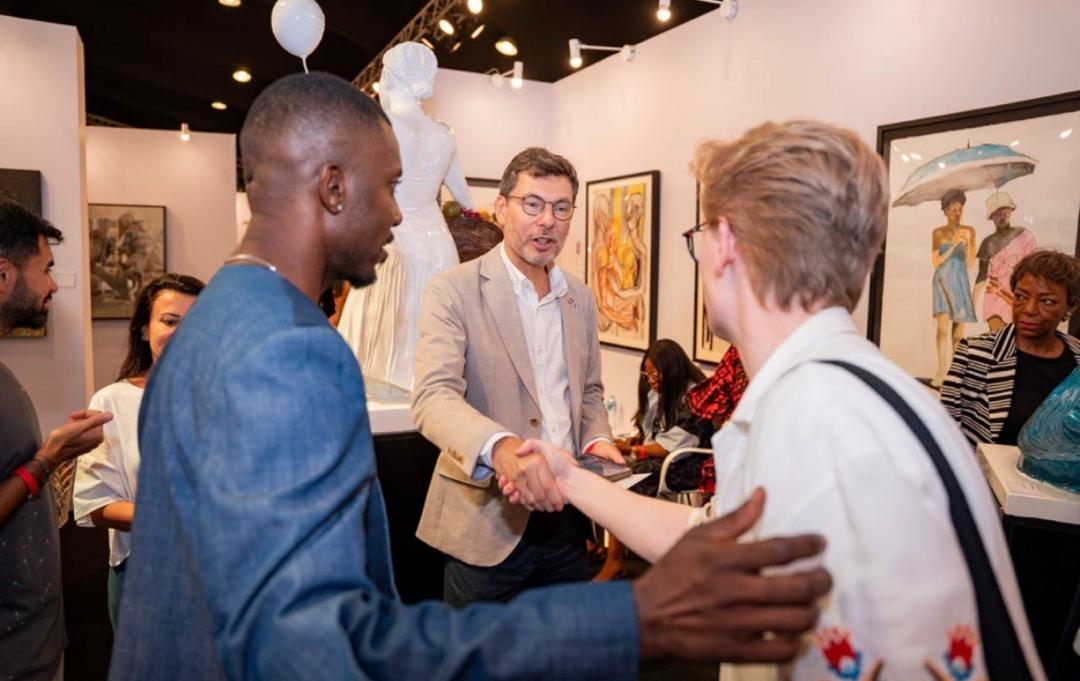
The renewed push followed a series of engagements in Lagos involving 17 UK creative professionals and Nigerian industry leaders, policymakers, businesses and cultural institutions, aimed at building partnerships, facilitating access to new markets and strengthening the commercial potential of both countries’ creative industries.
The UK Creative Sector Delegation, which comprised professionals from England, Scotland, Wales and Northern Ireland, engaged Nigerian counterparts across film, television, music, fashion, design, literature, theatre and visual arts.
The engagements, held around the Africa International Film Festival, Creative Africa Nexus Weekend, Lagos Fringe and Art X Lagos, featured targeted meetings, roundtable discussions and networking activities designed to facilitate knowledge exchange and establish professional relationships.
A major focus was how to address structural challenges limiting the growth of creative businesses, particularly skills development, intellectual property protection, rights management, access to finance, production capacity, commissioning, distribution and access to local and international audiences.
British Deputy High Commissioner in Lagos, Jonny Baxter, said the UK was committed to supporting Nigeria’s creative industries through access to expertise, networks, finance and international markets.
Baxter said the engagements were designed to create the conditions for meaningful collaboration, adding that their success would ultimately depend on sustained relationships, the removal of barriers and opportunities that deliver lasting benefits for businesses and professionals in both countries.
He described Nigeria’s creative industries as a combination of exceptional talent, entrepreneurial energy and global influence, stressing the importance of a practical and long-term partnership.
The initiative also advances the UK-Nigeria Enhanced Trade and Investment Partnership Creative Industries Technical Working Group, established in March 2025 to identify commercial opportunities, address regulatory and non-tariff barriers and promote cooperation across film and television, music, design and fashion, architecture, advertising and gaming.
Country Director of the British Council in Nigeria, Donna McGowan, said the delegation had created opportunities for creative practitioners and institutions in both countries to exchange ideas, develop professional skills and establish trusted cross-border relationships.
McGowan said the British Council was particularly interested in ensuring that cultural exchange translated into lasting value through wider access to international networks and inclusive partnerships.
She added that the relationships and insights generated by the programme would contribute to shaping an ambitious UK-Nigeria Season of Culture in 2028.
Director-General of the National Council for Arts and Culture (NCAC), Obi Asika, said Nigeria’s creative talent and intellectual property held enormous commercial potential that remained largely untapped.
Asika said the Enhanced Trade and Investment Partnership and the forthcoming Season of Culture offered opportunities to connect Nigerian creativity with wider audiences and international markets.
He stressed that the success of the initiative should be measured by tangible outcomes beyond 2028, including international tours, publishing deals, television productions, fashion partnerships and new businesses emerging from the collaborations.
According to him, the objective is to develop sustainable commercial projects that can be traced to relationships established through the cultural partnership.
Founder and Chief Executive Officer of the Black British Book Festival and member of the UK delegation, Selina Brown, described her experience in Lagos as inspiring, citing the city’s creative energy and the opportunities for professional exchange.
Brown said her engagements with emerging and established artists, writers, publishers and industry leaders had reinforced the potential for deeper UK-Nigeria cooperation.
She called for a genuinely reciprocal partnership in which both countries shared knowledge, expertise and opportunities rather than treating cultural exchange as a one-way transfer of knowledge.
Following the engagements, UK and Nigerian partners are expected to pursue priority introductions, policy discussions and partnership opportunities identified during the visit.
The programme forms part of broader efforts by both countries to position creativity as a driver of cultural connections, innovation, employment, exports and shared prosperity, with the 2028 Season of Culture expected to provide a platform for co-creation, audience development, professional exchanges and commercially viable collaborations.
UK, Nigeria Deepen Creative Partnerships Ahead of 2028 Season of Culture
ROSOWA Urges Motorists to Drive Responsibly, Protect Lives
Association calls for strict adherence to traffic rules, says every family deserves to see loved ones return home safely
By: Michael Mike
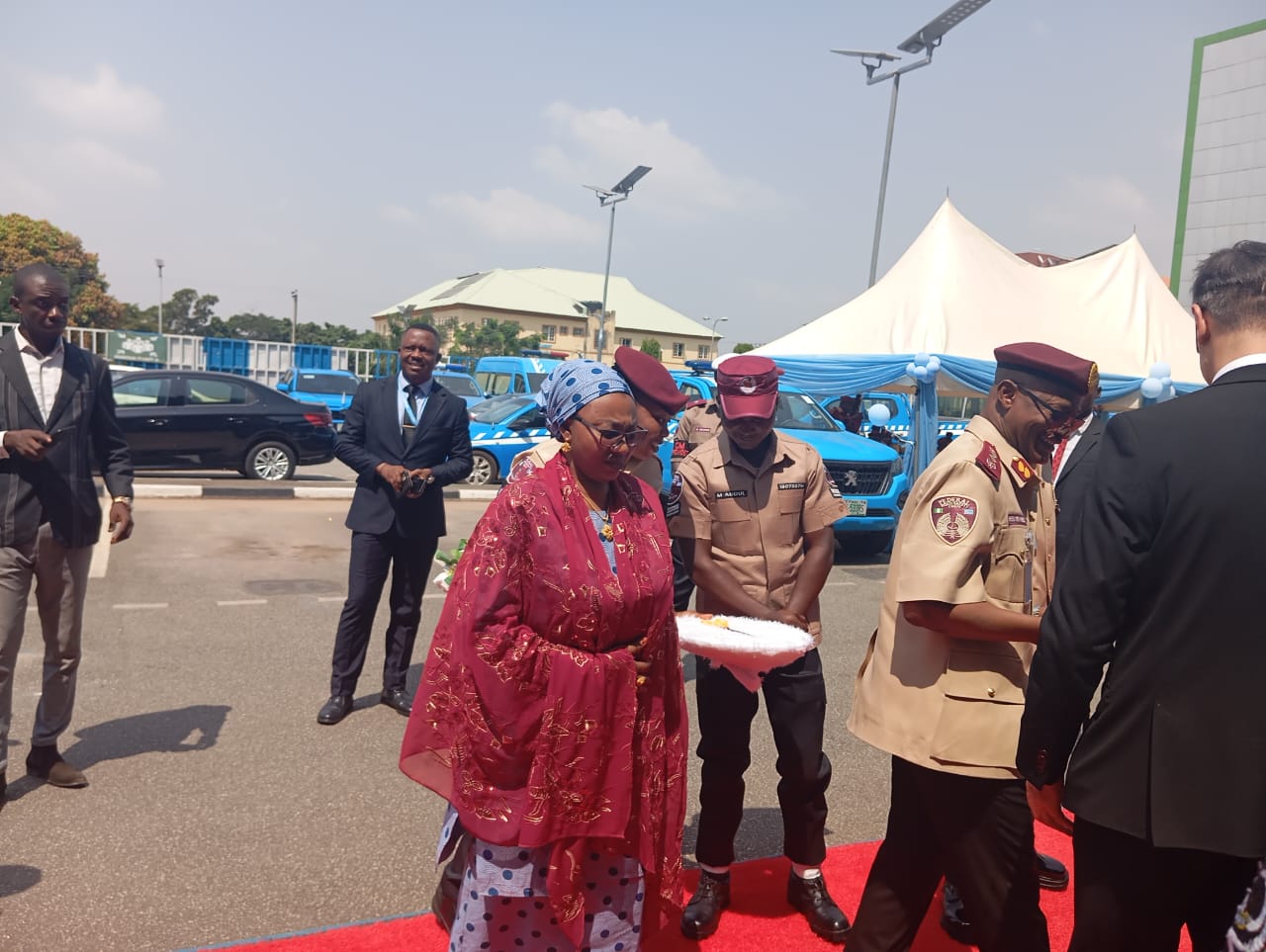
The Road Safety Officers’ Wives Association (ROSOWA) has called on motorists to embrace responsible driving and strict compliance with traffic regulations to curb avoidable road crashes and prevent further loss of lives.
The President of ROSOWA, Dr Nafisat Shehu-Mohammed, made the call at a joint press briefing organised by the Federal Road Safety Corps (FRSC) to commemorate the 2026 World Day of Remembrance for Road Traffic Victims.
Shehu-Mohammed said the annual commemoration was not merely an occasion to remember those who had died in road crashes but also an opportunity to recognise the pain, trauma and enduring losses suffered by affected families.
She expressed sympathy with mothers who had lost children, children who had lost parents and families whose lives had been shattered by road crashes.
According to her, this year’s theme, “A Light That Unites Us”, underscores the need for collective commitment and action to prevent road traffic deaths and injuries.
She said every road crash represented more than a statistic, as behind each incident were broken families, lost dreams and loved ones whose absence left lasting emotional scars.
“Behind every road crash is a broken heart, an empty seat, and a dream that may never be fulfilled. Looking at the theme, ‘A Light That Unites Us’, reminds us that even in our grief, we can unite to save lives,” she said.
The ROSOWA president urged motorists to recognise their responsibility to other road users, stressing that reckless driving and disregard for traffic regulations could have devastating consequences for families and communities.
She reminded drivers that their loved ones were waiting for them at home and urged them to make safety a priority whenever they took to the roads.
She also reaffirmed the association’s commitment to promoting road safety, saying every life mattered and every family deserved to see their loved ones return home safely.
“Let the light we kindle today shine through our actions by driving responsibly, obeying traffic rules, and protecting one another on our roads,” she said.
She further expressed solidarity with bereaved families and survivors, urging Nigerians to translate the lessons of the commemoration into practical actions that would make the nation’s roads safer.
“To the bereaved families, we share in your pain. To the survivors, we stand with you. And to every road user, please remember, someone is waiting for you at home.
“Let us turn remembrance into responsibility, grief into action, and our collective light into hope for safer roads. May the souls of the departed rest in peace,” she said.
ROSOWA Urges Motorists to Drive Responsibly, Protect Lives
UN Women, Disability Advocates Back 220-Hour Marathon to Combat Gender-Based Violence
…Eyong says legal awareness key to protecting women, girls; Alta demands accessible police stations, courts, hospitals for survivors with disabilities
By: Michael Mike
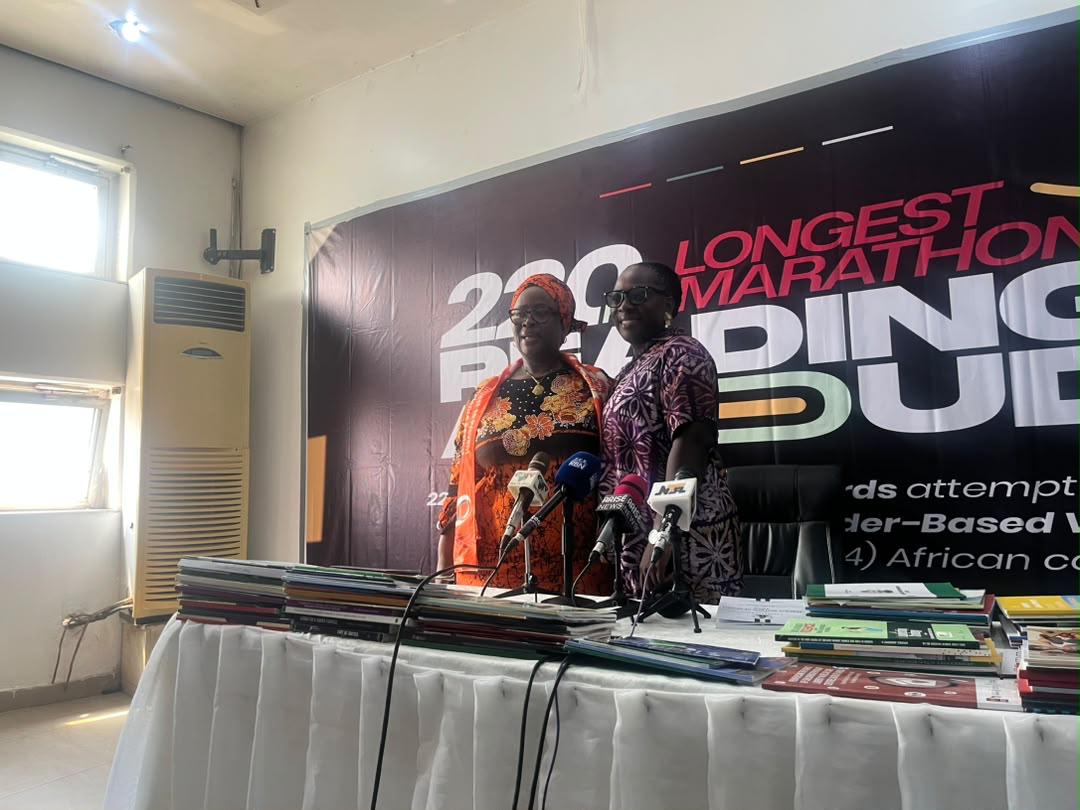
The United Nations Entity for Gender Equality and the Empowerment of Women (UN Women) and disability rights advocates have thrown their weight behind a 220-hour reading marathon aimed at exposing gaps in the protection of women and girls against sexual and gender-based violence (SGBV) across Nigeria and 14 other African countries.
The initiative, spearheaded by Olubunmi Uluba, seeks to raise public awareness of existing laws, human rights instruments and survivor protection frameworks through a nine-day, four-hour marathon reading aloud, while drawing attention to the persistent disconnect between legal protections and the ability of women and girls to access justice.
The exercise, which also seeks to set a Guinness World Record for the longest marathon reading aloud, has been described by UN Women as an opportunity to turn legal knowledge into an instrument of public education, human rights advocacy and social transformation.
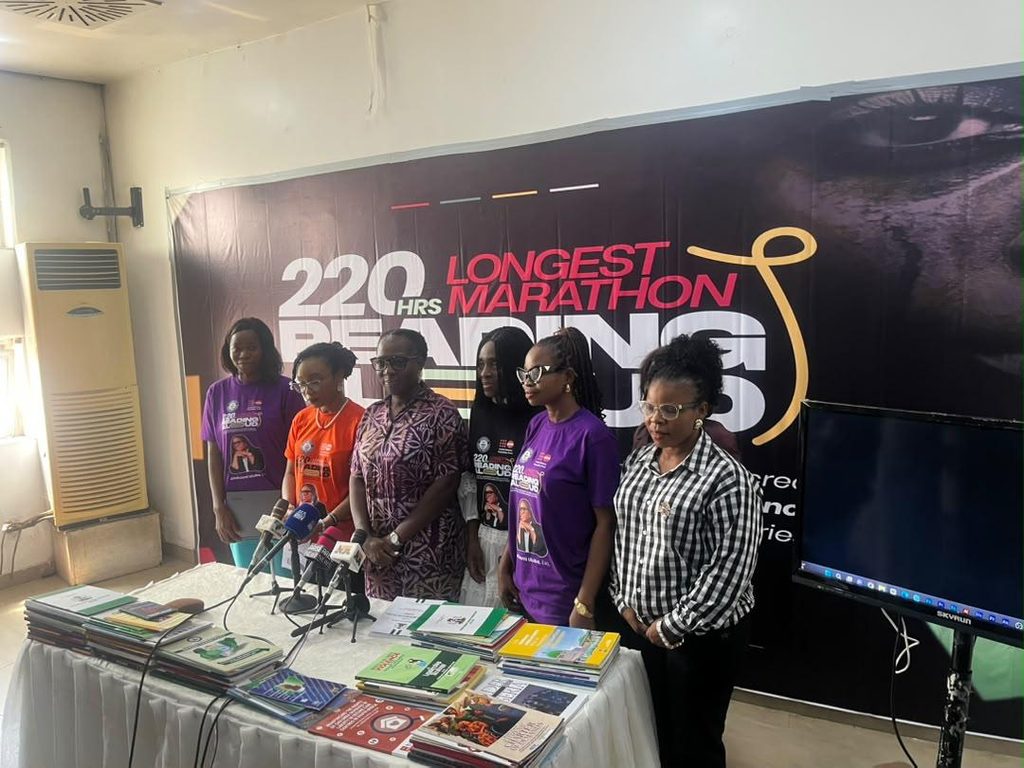
Speaking at a press conference, UN Women Country Representative to Nigeria and the Economic Community of West African States (ECOWAS), Beatrice Eyong, said the fight against gender-based violence must move beyond statistics, policies and legislative reforms to address the human experiences behind the figures.
She said behind every statistic was a survivor seeking justice, a young girl yearning for safety and a community striving to protect human dignity.
Eyong noted that SGBV remained one of the most persistent human rights challenges confronting Nigeria, Africa and the international community, identifying the gap between existing laws and public awareness of legal protections as a major obstacle to tackling the menace.
According to her, many women and girls remain unaware of their rights, the legal safeguards available to them and where to seek assistance when their rights are violated.
She said the 220-hour marathon was significant because it would bring legal frameworks and human rights instruments from 15 African countries closer to the people they were designed to protect.
Through the exercise, Uluba is expected to read relevant legal provisions and survivor protection laws, helping to translate often inaccessible legal documents into practical knowledge that can empower individuals and communities.
Eyong said every hour devoted to reading presented an opportunity for someone to understand their rights, recognise different forms of violence, appreciate the importance of consent or discover where survivors could obtain assistance.
She stressed that knowledge was an essential tool for preventing violence, protecting vulnerable populations and improving access to justice.
The UN Women representative said the initiative reflected the organisation’s conviction that gender equality and the elimination of violence against women and girls were non-negotiable.
She also situated the campaign within the framework of the United Nations Sustainable Development Goals, particularly Goal 5 on gender equality, Goal 4 on quality education and Goal 16 on peace, justice and strong institutions.
Eyong, however, emphasised that ending gender-based violence could not be left to governments or development organisations alone, calling for a collective response involving traditional and religious leaders, civil society groups, the media, families, men and boys.
She urged stakeholders to challenge harmful social norms, promote accountability and build communities where violence against women and girls was neither tolerated nor normalised.
Commending Uluba’s courage and determination, Eyong said the initiative demonstrated how individual commitment and public advocacy could inspire wider movements for social change.
She expressed UN Women’s solidarity with the organiser, wishing her strength, good health and success throughout the marathon.
However, the intervention by the disability rights community highlighted another critical dimension of the campaign: the additional barriers confronting women and girls with disabilities in accessing protection and justice when they experience sexual and gender-based violence.
Founder and President of the Network of Women with Disabilities, Hon. Lois Auta, said her organisation’s support for the initiative was driven by the need to break the silence surrounding violence against women, particularly those living with disabilities.
She observed that survivors with disabilities often faced multiple obstacles when attempting to report abuse, obtain medical attention or pursue justice.
Among the challenges she identified were inaccessible police stations, the absence of sign language interpreters, inadequate medical facilities and discriminatory practices within the justice system.
According to her, these barriers frequently discourage survivors from reporting violations and pursuing justice, leaving perpetrators with opportunities to evade accountability.
Auta argued that the existence of laws protecting women and persons with disabilities would have limited impact if survivors could not access the institutions responsible for enforcing them.
She therefore insisted that the reading marathon must go beyond reciting legal provisions to ensuring that their contents were understood, accessible and effectively implemented.
She called for legal information to be translated into Braille for visually impaired persons, simplified and easy-to-read formats for individuals with intellectual and learning disabilities, and sign language interpretation for people with hearing impairments.
The disability rights advocate also urged governments to domesticate, adequately fund and enforce disability rights legislation, while calling on the police and judiciary to strengthen the capacity of their personnel to respond appropriately to cases involving survivors with disabilities.
She stressed the need to make police stations, hospitals and courts physically and institutionally accessible, noting that equal protection under the law must extend to women and girls regardless of their disabilities.
Auta further challenged civil society organisations to move beyond token representation by actively involving women with disabilities in the design, implementation and evaluation of programmes affecting them.
She invoked the disability rights principle, “Nothing about us without us”, arguing that women with disabilities must be recognised as active participants in decisions concerning their safety, rights and welfare.
She also appealed to the media to sustain coverage throughout the nine-day exercise rather than concentrating attention on its opening ceremony, stressing that continuous public engagement was necessary to achieve the campaign’s broader objectives.
Both speakers called for a coordinated national and regional response to gender-based violence, emphasising that legislation alone could not eliminate abuse without sustained public education, effective enforcement and changes in social attitudes.
While Eyong underscored the importance of making legal protections known to the public, Alta drew attention to the practical barriers that prevent some of the most vulnerable survivors from benefiting from those protections.
Their positions converge on a fundamental challenge confronting the campaign against gender-based violence: ensuring that the rights guaranteed by law translate into protection, support and justice for every woman and girl.
For Uluba, the 220-hour marathon represents an attempt to use an extraordinary endurance challenge to sustain public attention on an issue that continues to affect millions of women and girls.
But Eyong said the ultimate achievement must extend beyond breaking a Guinness World Record to breaking the silence surrounding violence, changing attitudes and ensuring that women and girls can live with dignity, safety and freedom from abuse.
The broader test of the initiative, therefore, will be whether the knowledge generated translates into greater awareness of legal rights, improved access to support services, stronger institutional accountability and an inclusive justice system that leaves no survivor behind.
UN Women, Disability Advocates Back 220-Hour Marathon to Combat Gender-Based Violence

UK, Nigeria Deepen Creative Partnerships Ahead of 2028 Season of Culture

Troops Neutralise Suspected Fulani Bandits, Recover Four Motorcycles in Plateau

AURÄI Launches Platform to Strengthen AI Governance, Assurance

Roger Federer’s Shock as DNA Results Reveal Myla and Charlene Are Not His Biological Children

THE PLIGHT OF FARIDA

FAILED COUP IN BURKINA FASO: HOW TRAORÉ NARROWLY ESCAPED ASSASSINATION PLOT AMID FOREIGN INTERFERENCE CLAIMS
-
 News3 years ago
Roger Federer’s Shock as DNA Results Reveal Myla and Charlene Are Not His Biological Children
-
Opinions5 years ago
THE PLIGHT OF FARIDA
-
 News2 years ago
FAILED COUP IN BURKINA FASO: HOW TRAORÉ NARROWLY ESCAPED ASSASSINATION PLOT AMID FOREIGN INTERFERENCE CLAIMS
-
 Opinions5 years ago
POLICE CHARGE ROOMS, A MINTING PRESS
-

 News3 years ago
EYN: Rev. Billi, Distortion of History, and The Living Tamarind Tree
-

 ACADEMICS3 years ago
A History of Biu” (2015) and The Lingering Bura-Pabir Question (1)
-

 Columns3 years ago
Army University Biu: There is certain interest, but certainly not from Borno.
-

 Politics1 year ago
2027: Why Hon. Midala Balami Must Go, as Youths in Hawul and Asikira/Uba Federal Constituency Reject ₦500,000 as Sallah Gift
