
News
LIFE-ND Secures $32m Additional Funding, Records 95% Loan Disbursement

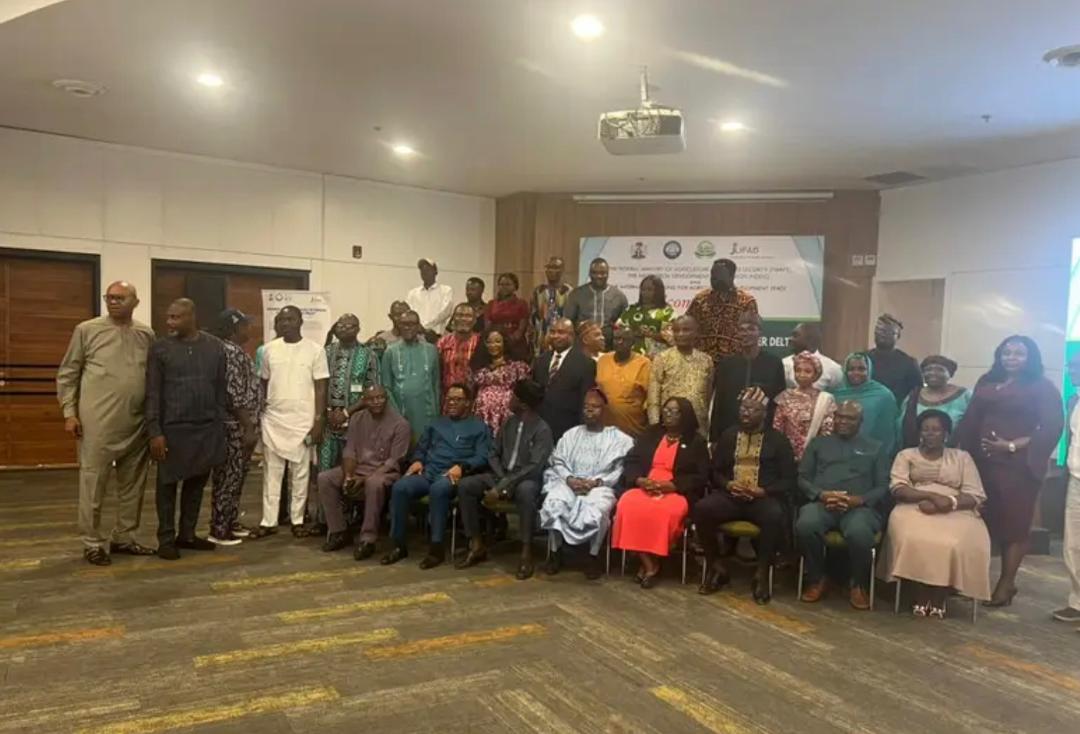
LIFE-ND Secures $32m Additional Funding, Records 95% Loan Disbursement
By: Michael Mike
The Livelihood Improvement and Family Enterprises Project in the Niger Delta (LIFE-ND) has secured an additional $32 million financing from the International Fund for Agricultural Development (IFAD) as the intervention records 95 per cent disbursement of its original IFAD loan and expands the deployment of digital and artificial intelligence-powered agricultural advisory services.
The development was disclosed in Abuja as the Federal Government, the Niger Delta Development Commission (NDDC) and IFAD commenced the sixth Joint Supervision Mission of the LIFE-ND project, a month-long exercise designed to assess implementation, resolve emerging challenges and draw lessons for the proposed second phase of the programme.
The additional financing, alongside a three-year extension, has raised the total LIFE-ND project budget from its original $97.8 million to $129.8 million, providing additional resources for expanding livelihood interventions among rural households, women and young agripreneurs across the Niger Delta.
Launched in February 2019, LIFE-ND was conceived against the backdrop of persistent livelihood and economic challenges confronting rural communities in the Niger Delta, where large sections of the population depend on agriculture and related activities but often face limited access to productive assets, finance, markets, modern technologies, skills and sustainable employment opportunities.
The project seeks to address these constraints by strengthening rural agricultural enterprises and creating pathways through which young people and women can move from subsistence-level activities into commercially viable agribusinesses.
Rather than relying solely on conventional training, LIFE-ND adopted an enterprise-incubator model, through which established and successful agribusinesses serve as mentors and coaches for younger people seeking to enter agriculture.
Under the model, mature enterprises provide practical exposure and business guidance to apprentices, allowing beneficiaries to acquire skills within functioning businesses while developing the experience required to establish or expand their own enterprises.
The project set a target of developing 900 mature enterprises to serve as incubators for 38,250 apprentices. Of this number, 25,500 are targeted across six IFAD-funded states, while another 12,750 are expected to benefit from interventions in three states supported by the NDDC.
The approach reflects a broader effort by the Federal Government and its development partners to make agriculture more attractive to young Nigerians by shifting perceptions of farming from subsistence activity towards commercially driven agribusiness and employment.
The latest project assessment indicates that the intervention is already producing measurable economic results.
According to LIFE-ND, 74 per cent of participating households recorded increased agricultural production, while 74 per cent of rural enterprises reported higher profits.
The project also reported that 82.8 per cent of participating households adopted improved agricultural technologies, demonstrating increased uptake of modern production practices among beneficiaries.
Technology has increasingly become an important component of the programme, particularly as climate variability, changing weather patterns and limited access to timely agricultural information continue to affect smallholder farmers.
More than 18,000 beneficiaries now receive real-time weather updates, while a pilot artificial intelligence-powered digital advisory system has reached 2,177 farmers.
The AI-supported intervention is designed to provide farmers with timely agricultural advice and information that can assist them in making better production decisions.
Women constitute 42 per cent of farmers reached through the pilot, while men account for 58 per cent.
The project’s intervention has also extended beyond production and enterprise development to nutrition and social inclusion.
Participation in its nutrition interventions has reached 135 per cent of the original target, while 86 per cent of participating women achieved minimum dietary diversity—well above the project’s initial target of 50 per cent.
Youth training has similarly exceeded expectations, with the number of young people comprehensively trained in crop production reaching 181 per cent of the target.
The programme has also reported improved access to agricultural land among participating incubatees, addressing one of the major constraints that can prevent young people from converting agricultural skills into viable enterprises.
Financial management has been another area of reported progress.
LIFE-ND said it had achieved 95 per cent disbursement of the original IFAD loan, attributing the performance to computerised accounting systems, compliance with audit requirements and adherence to approved work plans.
The project’s fifth Supervision Mission, conducted late last year, rated the programme “moderately satisfactory”, reflecting what the implementing partners described as encouraging progress while recognising areas requiring further attention.
The new financing represents a significant vote of confidence in the intervention.
Under the expanded financing arrangement, IFAD’s total contribution, comprising the original and additional financing, stands at $92 million. The NDDC is providing $30 million, the Federal Government $3 million, while state governments are contributing $4.8 million as counterpart funding, bringing the overall project budget to $129.8 million.
The NDDC has also disbursed two consecutive tranches of its contribution, a development expected to strengthen project implementation and demonstrate the importance of coordinated financing between government institutions and international development partners.
The sixth Joint Supervision Mission, which runs from September 1 to 30, is consequently taking place at an important point in the project’s evolution.
The exercise is expected to examine implementation across the participating states, identify bottlenecks and determine how successful components can be strengthened and scaled up.
The mission team, under the leadership of IFAD Country Director and Representative in Nigeria, Dede Ekoue, includes technical specialists in agribusiness, livestock, gender, youth development, financial management, procurement and information and communication technology for development.
As part of the field activities, the team is scheduled to travel to Asaba, Delta State, from September 2 to 8.
Among the technical leads are Abdoulaye Gonde, Project Technical Lead and Global Technical Specialist for Livestock, and Adeline Muheebwa, Lead Consultant and Programme Management Expert.
A major objective of the mission is to ensure that the experience accumulated during the implementation of LIFE-ND is not lost but translated into a stronger framework for a potential second phase.
The team will therefore document lessons learned and best practices, while also working to resolve active implementation bottlenecks and update the Procurement Risk Matrix and Integrated Project Risk Matrix.
At the end of the exercise, the partners are expected to produce an official Aide-Memoire, a comprehensive Mission Report and updated project performance indicators to guide subsequent interventions.
The significance of the programme extends beyond the number of farmers and enterprises directly reached. For the Niger Delta, where rural livelihoods are closely connected to agriculture, strengthening the capacity of young people and women to participate in productive enterprises has implications for household incomes, food security, employment and community resilience.
The LIFE-ND model also seeks to address a longstanding challenge in agricultural development: ensuring that training is connected to actual economic opportunities. By linking apprentices with established enterprises, the programme attempts to bridge the gap between acquiring agricultural knowledge and building sustainable businesses.
The additional $32 million therefore comes at a critical stage, as the government and its development partners seek to consolidate the gains recorded since the project began in 2019 and expand interventions that have demonstrated tangible results.
For the FGN, NDDC and IFAD, the immediate challenge will be to translate the reported achievements into a broader and more sustainable rural transformation programme capable of reaching more women and young people, strengthening agricultural value chains and creating enterprises that can survive beyond project funding.
The sixth supervision mission is expected to provide the operational and strategic roadmap for achieving that objective, while the proposed second phase could determine whether the innovations developed under LIFE-ND—particularly its enterprise-incubator model and emerging digital and AI advisory systems—can be taken to a much larger scale across the Niger Delta.
LIFE-ND Secures $32m Additional Funding, Records 95% Loan Disbursement


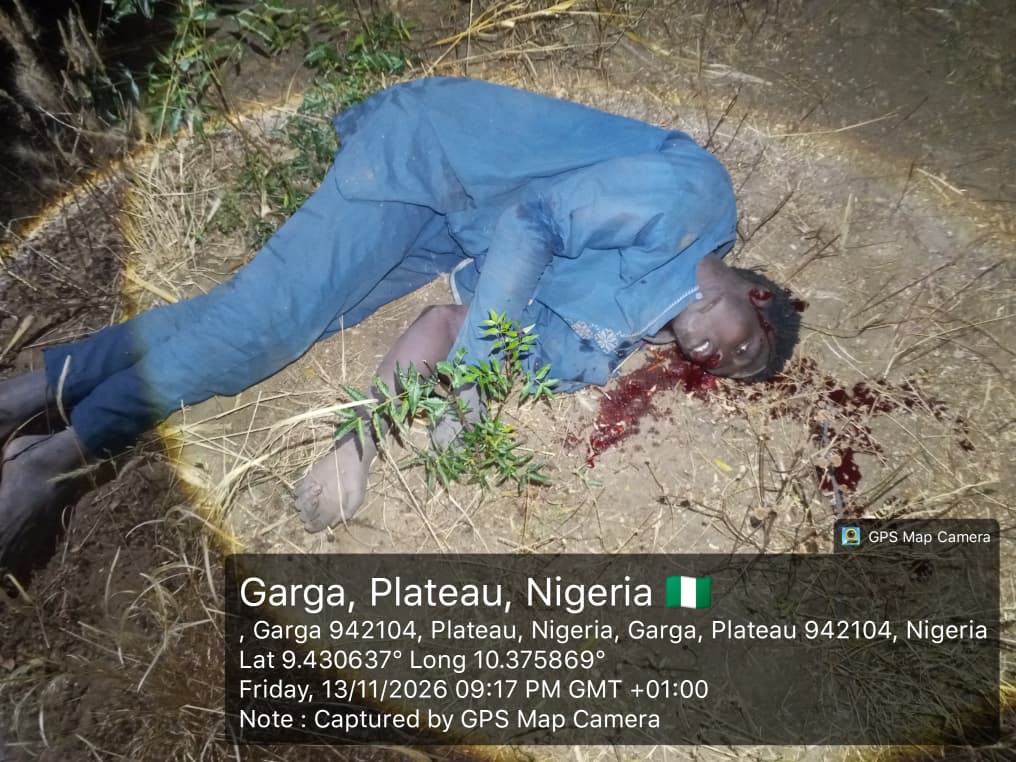
Troops neutralise Fulani terrorist, recover two motorcycles in Wase, Plateau
By: Zagazola Makama
Troops of Sector 2, Operation ENDURING PEACE (OPEP), have neutralised a suspected Fulani terrorist and recovered two motorcycles and a mobile phone during an encounter with armed elements in Wase Local Government Area of Plateau State.
Security sources said the encounter occurred at about 8:00 p.m. on November 13, when troops deployed at Kukawa, while conducting a night patrol along the Kukawa–Shuwaka–Yelwa Road, came in contact with a large number of suspected terrorists riding motorcycles.
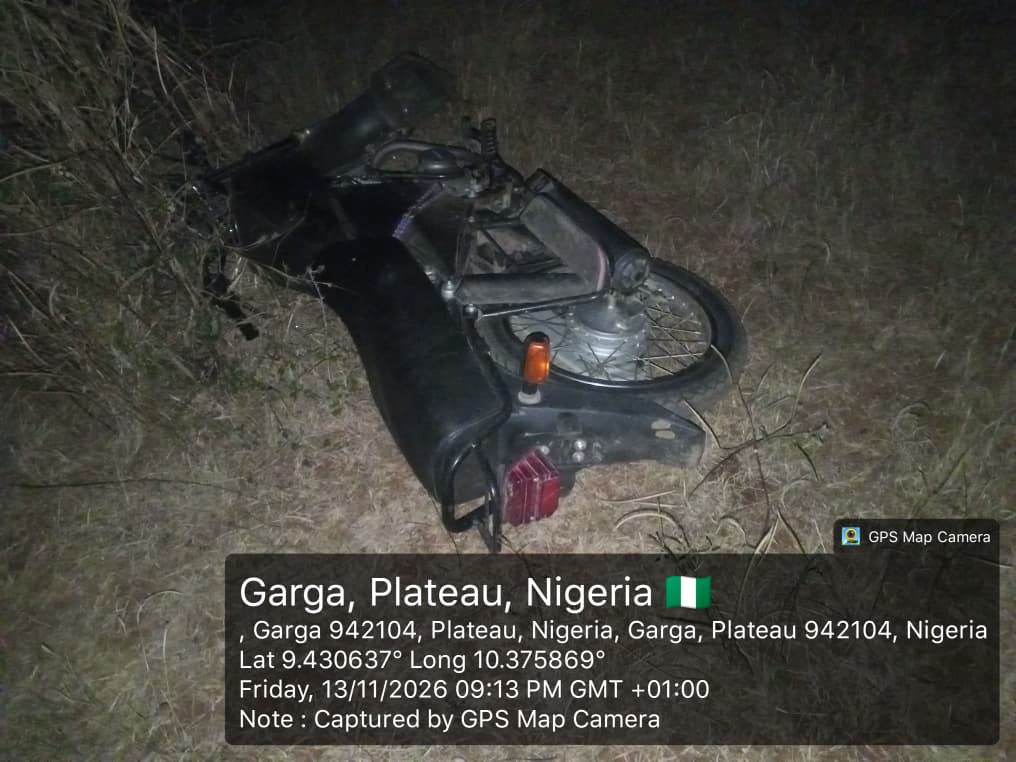
The troops engaged the armed elements in a firefight, neutralising one terrorist, while others fled the scene.
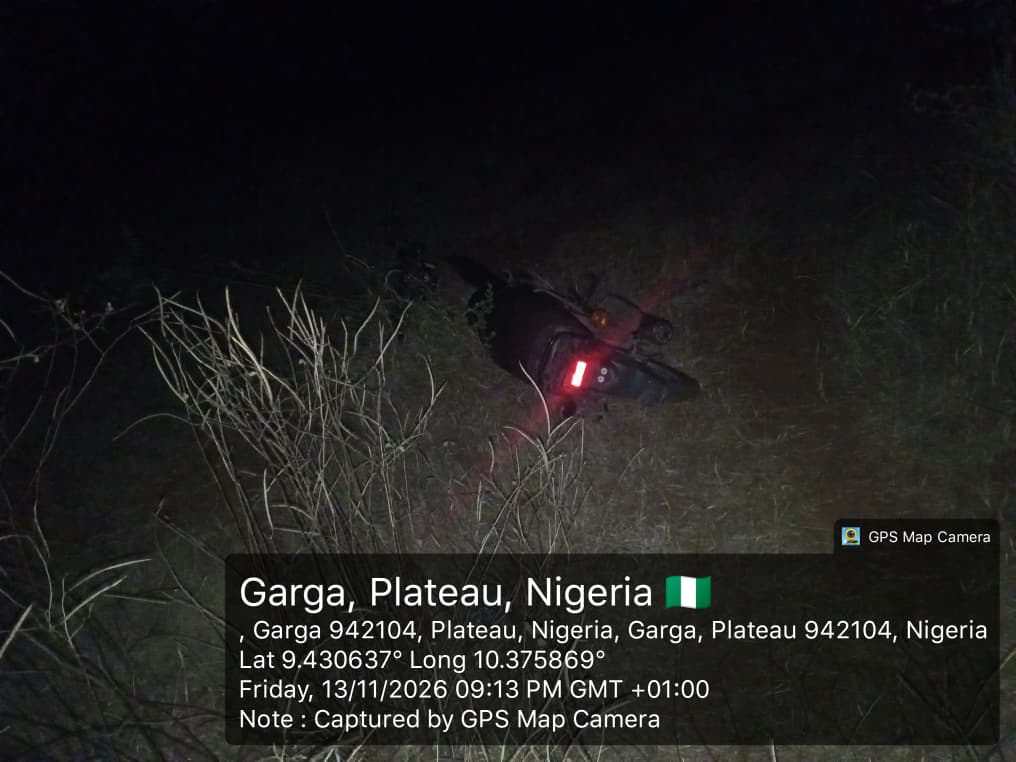
Items recovered during the operation included two motorcycles and one mobile phone.
The sources said troops had commenced efforts to track down the fleeing terrorists and prevent them from regrouping.
The operation is part of sustained offensive efforts by Operation ENDURING PEACE to dismantle criminal networks, restrict the movement of armed groups and strengthen security across Plateau State.
Troops neutralise Fulani terrorist, recover two motorcycles in Wase, Plateau
OPEP troops arrest Armed Berom Militia, recover AK-47 rifle and 22 rounds in Plateau
By: Zagazola Makama
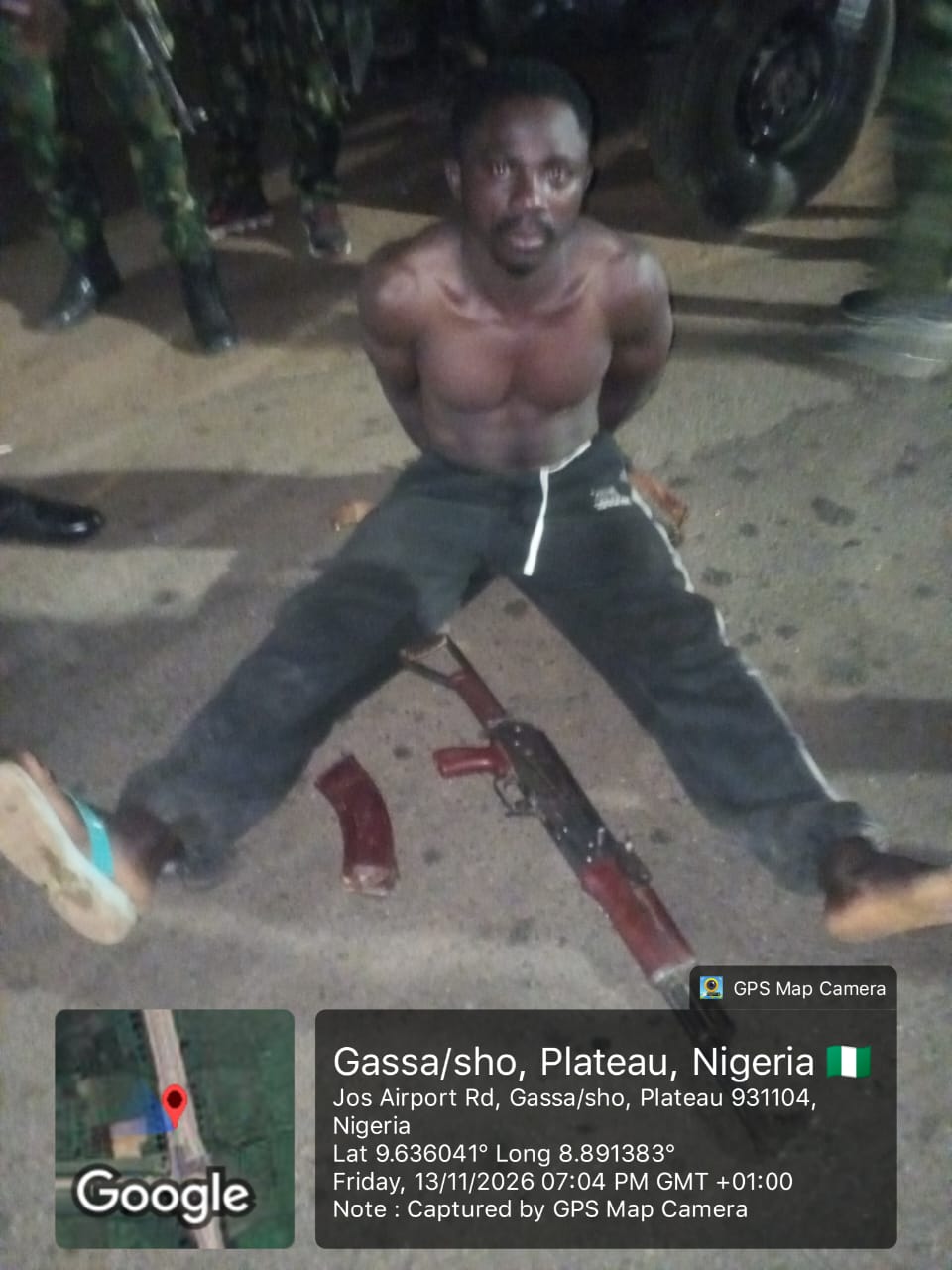
Troops of Sector 4, Operation ENDURING PEACE (OPEP), have arrested a 23-year-old suspected armed Berom Militia and recovered an AK-47 rifle and 22 rounds of 7.62mm special ammunition in Barkin Ladi Local Government Area of Plateau State.
Security sources said the suspect, identified simply as Victor, was arrested at about 7:05 p.m. on November 13 at Bisichi Village while troops were conducting a routine patrol.
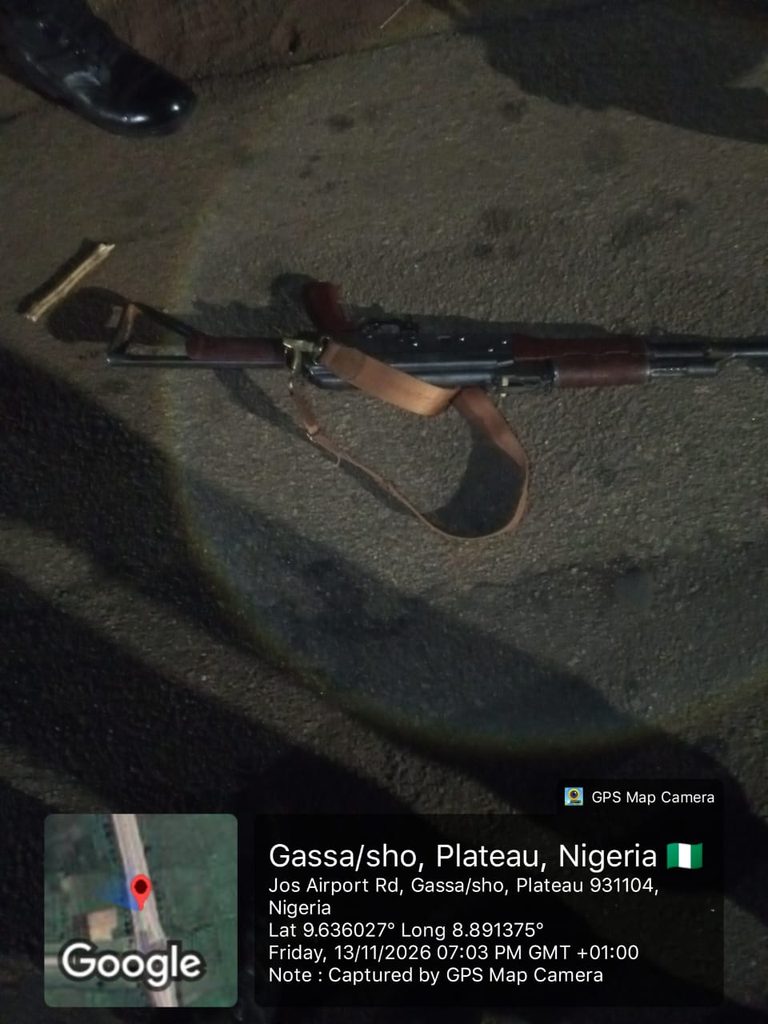
The sources said the troops discovered one AK-47 rifle and 22 rounds of 7.62mm special ammunition in the suspect’s possession.
The suspect is currently undergoing interrogation, with efforts ongoing to track down and arrest another suspected gang member who reportedly escaped upon sighting the troops.
The arrest forms part of ongoing security operations by Operation ENDURING PEACE to dismantle criminal networks, recover illegal firearms and curb armed robbery and other violent crimes across Plateau State.
OPEP troops arrest Armed Berom Militia, recover AK-47 rifle and 22 rounds in Plateau
OPEP troops intercept suspected drug dealer with two bags of Indian hemp in Plateau
By: Zagazola Makama
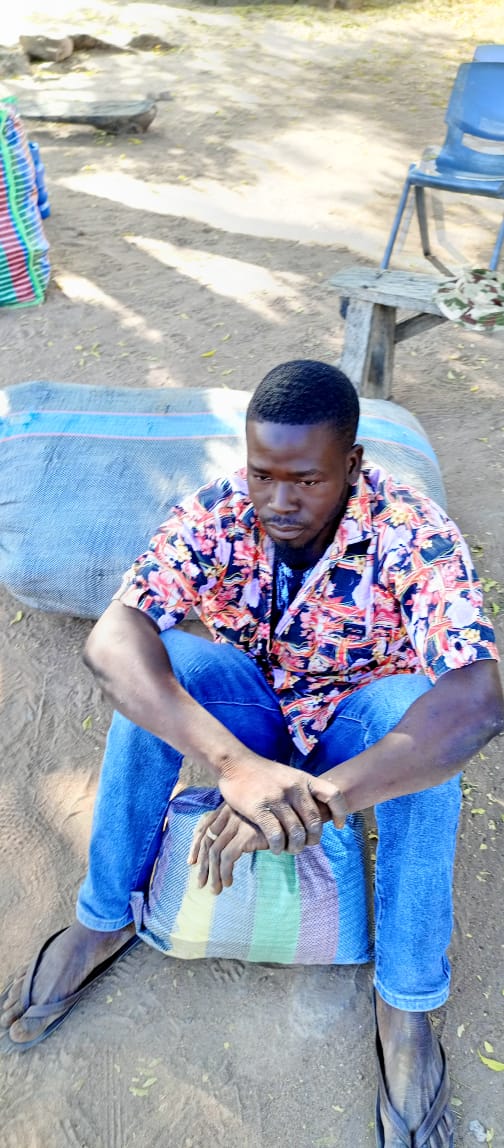
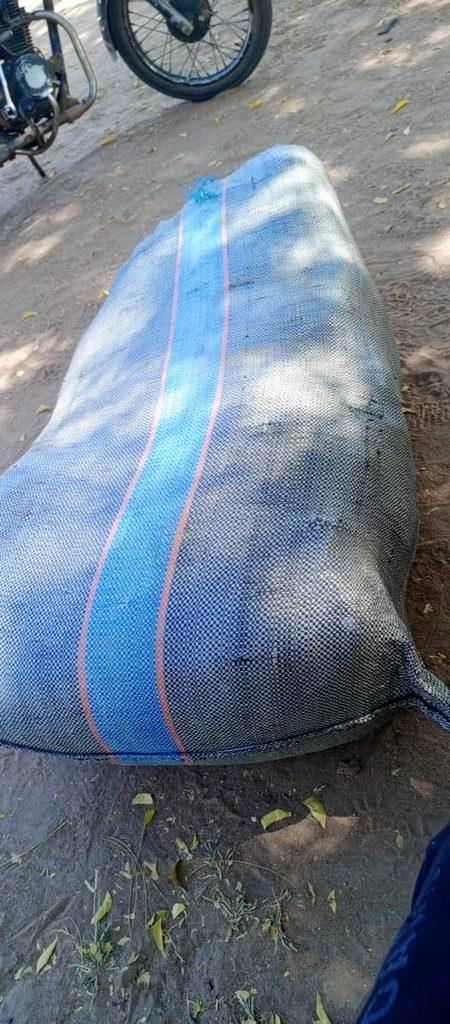
Troops of Sector 2, Operation ENDURING PEACE (OPEP), have intercepted a 30-year-old suspected drug dealer with two bags of substances suspected to be cannabis sativa, popularly known as Indian hemp, in Wase Local Government Area of Plateau State.
Security sources said the suspect, identified as Bashir Salisu, was intercepted at about 10:30 a.m. on November 14, while riding a motorcycle along the Bashar–Zak–Kampani Road.
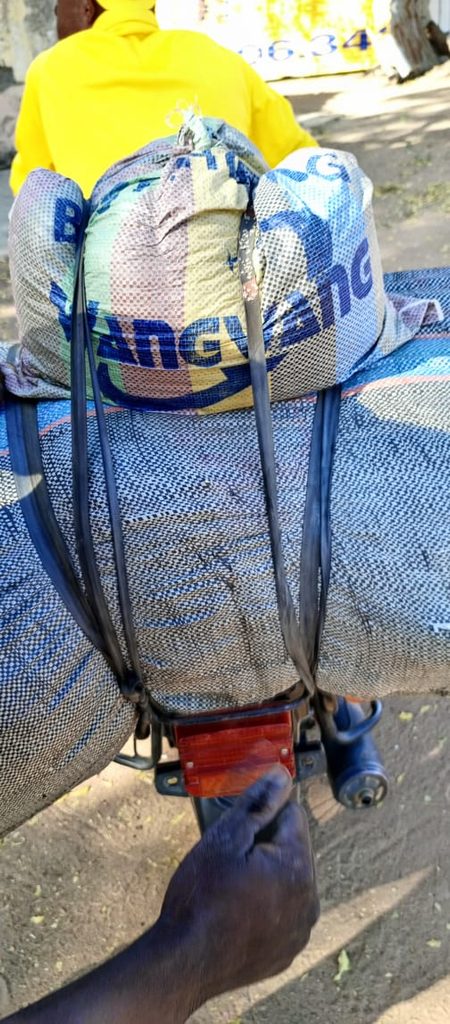
The sources said the troops, who were deployed at Zak and conducting routine patrol, stopped the suspect and discovered the two bags of suspected cannabis in his possession.
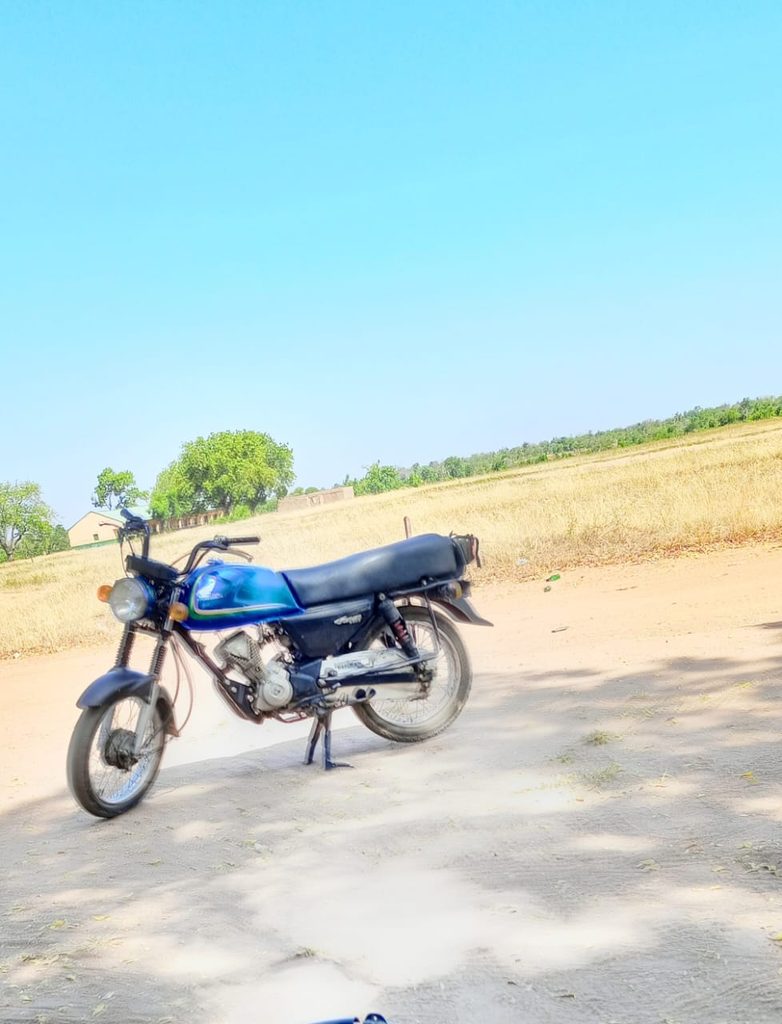
The suspect and the recovered items are currently in military custody for further investigation and necessary action.
OPEP troops intercept suspected drug dealer with two bags of Indian hemp in Plateau

Troops neutralise Fulani terrorist, recover two motorcycles in Wase, Plateau

OPEP troops arrest Armed Berom Militia, recover AK-47 rifle and 22 rounds in Plateau

OPEP troops intercept suspected drug dealer with two bags of Indian hemp in Plateau

Roger Federer’s Shock as DNA Results Reveal Myla and Charlene Are Not His Biological Children

THE PLIGHT OF FARIDA

FAILED COUP IN BURKINA FASO: HOW TRAORÉ NARROWLY ESCAPED ASSASSINATION PLOT AMID FOREIGN INTERFERENCE CLAIMS
-
 News3 years ago
Roger Federer’s Shock as DNA Results Reveal Myla and Charlene Are Not His Biological Children
-
Opinions5 years ago
THE PLIGHT OF FARIDA
-
 News2 years ago
FAILED COUP IN BURKINA FASO: HOW TRAORÉ NARROWLY ESCAPED ASSASSINATION PLOT AMID FOREIGN INTERFERENCE CLAIMS
-
 Opinions5 years ago
POLICE CHARGE ROOMS, A MINTING PRESS
-

 News3 years ago
EYN: Rev. Billi, Distortion of History, and The Living Tamarind Tree
-

 ACADEMICS3 years ago
A History of Biu” (2015) and The Lingering Bura-Pabir Question (1)
-

 Columns3 years ago
Army University Biu: There is certain interest, but certainly not from Borno.
-

 Politics1 year ago
2027: Why Hon. Midala Balami Must Go, as Youths in Hawul and Asikira/Uba Federal Constituency Reject ₦500,000 as Sallah Gift
