
News
Malnutrition crisis in northern Nigeria: mobilization is urgently needed to avoid further deaths

Malnutrition crisis in northern Nigeria: mobilization is urgently needed to avoid further deaths
By: Abdulkareem Yakubu
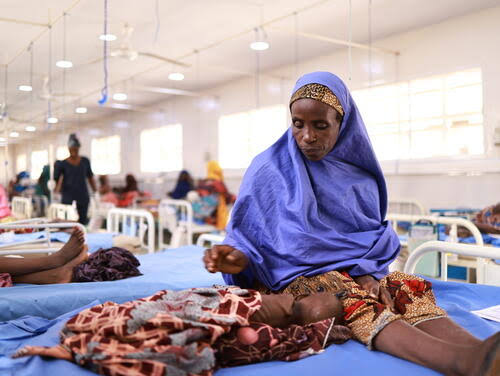
Northern Nigeria is currently facing an alarming malnutrition crisis. In Katsina State for instance, where Doctors Without Borders/ Médecins Sans Frontières (MSF) has been present since 2021, the teams are seeing an ever-increasing number of malnourished children in its therapeutic feeding centers, with increasingly severe conditions and higher mortality rates. In collaboration with the local authorities, emergency prevention distribution of nutritional supplements has started for 66,000 children in the local government area of Mashi. In the context of drastic cuts in international funding, the need for prevention and treatment of malnutrition is enormous in northern Nigeria, and urgent mobilization is required.
By the end of June 2025, nearly 70,000 malnourished children had already received medical care from our teams in Katsina State, including nearly 10,000 who were hospitalized in serious condition. Without taking into account the new healthcare facilities opened by MSF during the year in the state, this represents an increase of approximately one-third compared to last year. In addition, between January and June 2025, the number of malnourished children with nutritional oedema, the most severe and deadly form of malnutrition, rose by 208 percent compared with the same period in 2024. Unfortunately, 652 children have already died in our facilities since the nobeginning of 2025 due to a lack of timely access to care. A worrying sign of the growing severity of this major public health emergency, is that adults—particularly women, including pregnant and breastfeeding women—are also affected. A screening carried out in July in all five MSF malnutrition centers in Katsina State on 750 mothers of patients revealed that more than half of adult caregivers were acutely malnourished, including 13 percent with severe acute malnutrition.
To cope with the massive influx of children expected by the end of the lean season in October, MSF has increased its support to local authorities in several states in north Nigeria where we provide care to the population. In Katsina state for instance, we opened a new ambulatory therapeutic feeding center (AFTC) in Mashi and an additional inpatient therapeutic feeding center (ITFC) in Turai, to provide a total of 900 beds in two MSF-supported hospitals.
“The year 2024 marked a turning point in northern Nigeria’s nutritional crisis, with an increase of 25 percent from the previous year,” explains Ahmed Aldikhari, country representative of MSF in Nigeria. “But the true scale of the crisis exceeds all predictions. We are currently witnessing massive budget cuts, particularly from the United States, the United Kingdom, and the European Union, which are having a real impact on the treatment of malnourished children.”
Earlier this week, the World Food Programme (WFP) announced it will be forced to suspend all emergency food and nutrition aid for 1.3 million people in Northeast Nigeria by the end of July due to ‘critical funding shortfalls’.
“At the same time, we observe ever-increasing needs, such as in Katsina State, where an increasing number of people cannot afford to buy food anymore, even though it is available in markets,” added Aldikhari.
A food security survey carried out by humanitarian organizations in the local government area of Kaita, in Katsina state, before the lean season began at the start of 2025 revealed that over 90 percent of households had reduced the number of meals they ate each day.
Across the north, other factors worsening the malnutrition crisis include disease outbreaks worsened by low vaccine coverage, availability and accessibility of basic health services, and other socioeconomic indices complicated by insecurity and violence.
“The most urgent way to reduce the risk of immediate death from malnutrition is to ensure families have access to food,” says Emmanuel Berbain, nutrition referent at MSF. “This can be done through large-scale distribution of food or nutritional supplements, as we are currently doing in the Mashi area, or through cash distributions when and where it is possible.”
The capacity to care for and treat malnourished children must also be expanded, both by increasing the number of beds in health facilities and by providing funding and access to ready-to-use therapeutic food (RUTF). These actions must be undertaken as a priority in areas where the needs – i.e. the number of malnourished children – are greatest.
People over the age of five, who are also increasingly affected by malnutrition but are currently not covered by any assistance, should also be included in prevention programs.
On July 8, His Excellency Nigeria’s Vice President Kashim Shettima publicly sounded the alarm on the scale of malnutrition in Nigeria, warning that it deprives almost 40 percent of children under the age of five of their full physical and cognitive potential. He described the situation as a national emergency requiring urgent and collective action.
MSF treated over 300,000 malnourished children in seven northern states in 2024, a 25 percent increase from 2023. In the Northwest alone, where MSF tackles malnutrition in the states of Sokoto, Kebbi, Katsina, and Zamfara, we have already treated almost 100,000 children suffering from severe and moderate acute malnutrition in outpatient treatment centres in the first six months of 2025 and hospitalized around 25,000 malnourished children
Malnutrition crisis in northern Nigeria: mobilization is urgently needed to avoid further deaths


Farmers laud Borno security measures against clashes
By Peter Uwumarogie
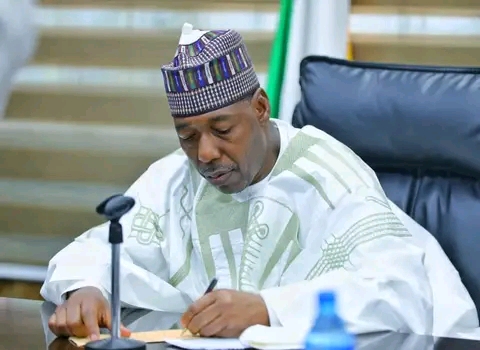
Farmers in Kwaya Kusar Local Government Area of Borno have commended the state government’s security initiatives aimed at tackling farmer-herder clashes in the area.
Alhaji Hassan Musa, Chairman, All Farmers Association of Nigeria (AFAN), Kwaya Kusar chapter, gave the commendation in an interview with the News Agency of Nigeria (NAN) in Kwaya Kusar town on Thursday.
Musa said measures adopted by the state government, including the establishment of Agro-Rangers and other security initiatives, had helped reduce farmer-herder clashes in the area.
He said since the state government, in collaboration with the local government, implemented the initiative, farmers had enjoyed safe access to their farmlands.
According to him, the council chairman, Mr Dahiru Hamma, and the Biu Emirate Council had also strengthened dialogue and community engagement to promote peaceful coexistence between farmers and herders.
“Farmers and herders are now carrying out their activities without any rancor because of the measures put in place and these have helped farmers boost productivity.
“No more destruction on our farmlands which often cause huge losses for farmers and reduce their incomes.
“We now have hunters guarding our farmlands and coordinating activities around our farmlands to ensure no encroachment until we harvest our produce.
“We thank Gov. Babagana Zulum, Mr Hamma and the Biu Emirate Council for being proactive,” he said.
Musa also commended Zulum for subsidising fertilisers for farmers in the area, providing input support for dry-season farming and distributing 500 bicycles to farmers.
He said the bicycles, which had been distributed to farmers, had ensured easier access to farmlands while reducing transportation costs.
Farmers laud Borno security measures against clashes
Borno LG boss warns residents against illegal tree felling
By Peter Uwumarogie
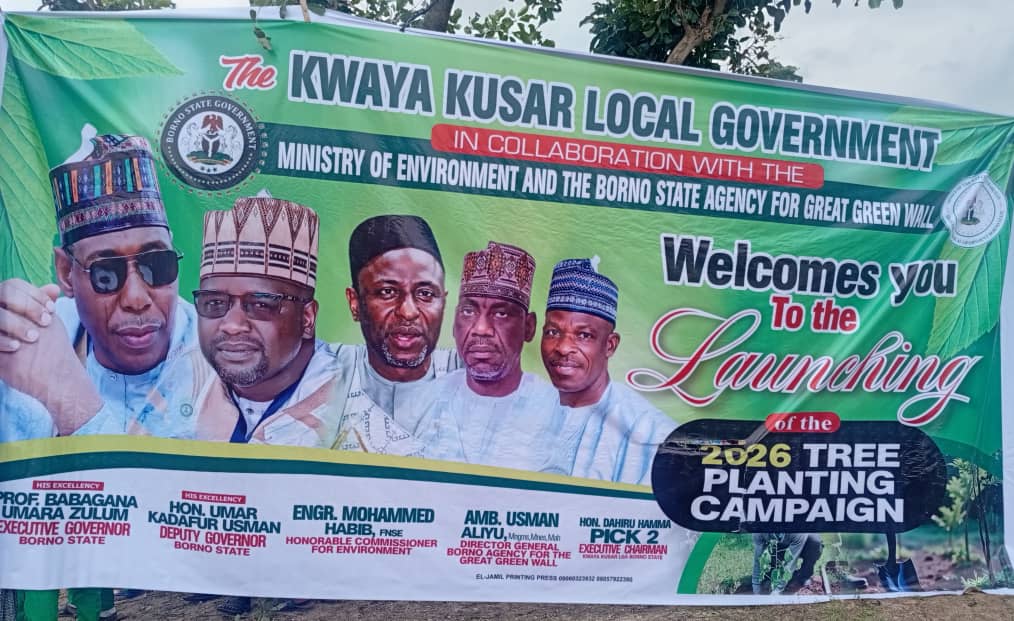
Kwaya Kusar Local Government Area of Borno State, on Thursday launched its tree planting campaign, while distributing 150, 000 tree seedlings to residents.
The campaign is in collaboration with the State’s Ministry of Environment and the state’s Agency for the Great Green Wall.
Launching the campaign in Bila Kutiki community in Kwaya Kusar LGA, Engr Mohammed Habib, Borno Commissioner for Environment commended the council for the initiative which he said aligned with Gov. Babagana Zulum’s environment agenda.
Habib, represented by Mr Aliyu Yusuf, the Director of Forestry and Wildlife Services at the Ministry stated that Borno State faced serious environmental challenges such as desertification, deforestation, soil erosion, and the impact of climate change.
He said that it was in that regard that his ministry would continue to provide support and embrace partnership to ensure the success of the afforestation initiative of the state.
He urged the Kwaya Kusar community to maintain the trees, stressing that “planting is easy, but nurturing to maturity is what will give us the real impact.”
Hon. Dahiru Hamma, the chairman of Kwaya Kusar LGA said that the move to distribute the seedlings was a response to the activities of illegal tree felling and its impact on communities in the council.
Hamma said that the gesture would complement the state government’s efforts at combating climate change and protecting the environment for the future generations to inherit a greener and healthy environment.
“We are today launching and releasing 150,000 seedlings which comprises Casia plant, black current, Mahogany, Eucalyptus, Tamarine, Cashew, malena, mango, zaytoun, Bamboo tree, neem plant, amongst others,” he said.
The chairman appealed to residents to ensure adequate protection and sustainability of the trees, while warning against illegal tree felling in the council.
According to him, anyone caught engaging in illegal tree felling will be prosecuted in accordance with the laws of the state.
He commended Zulum and the Emir of Biu, Alhaji Mustapha Umar-Mustapha II for their support and commitment to environmental restoration.
Alhaji Mohammed Abubakar, the secretary of Biu Emirate Council who represented the emir, urged residents to ensure sustainability of the trees, stating that trees among others help serve as wind breakers to protect houses.
Borno LG boss warns residents against illegal tree felling
Zulum Hosts 4th UN Offer Meeting, Seeks Stronger UN, Donor Investment for Borno’s Recovery
By: Our Reporter
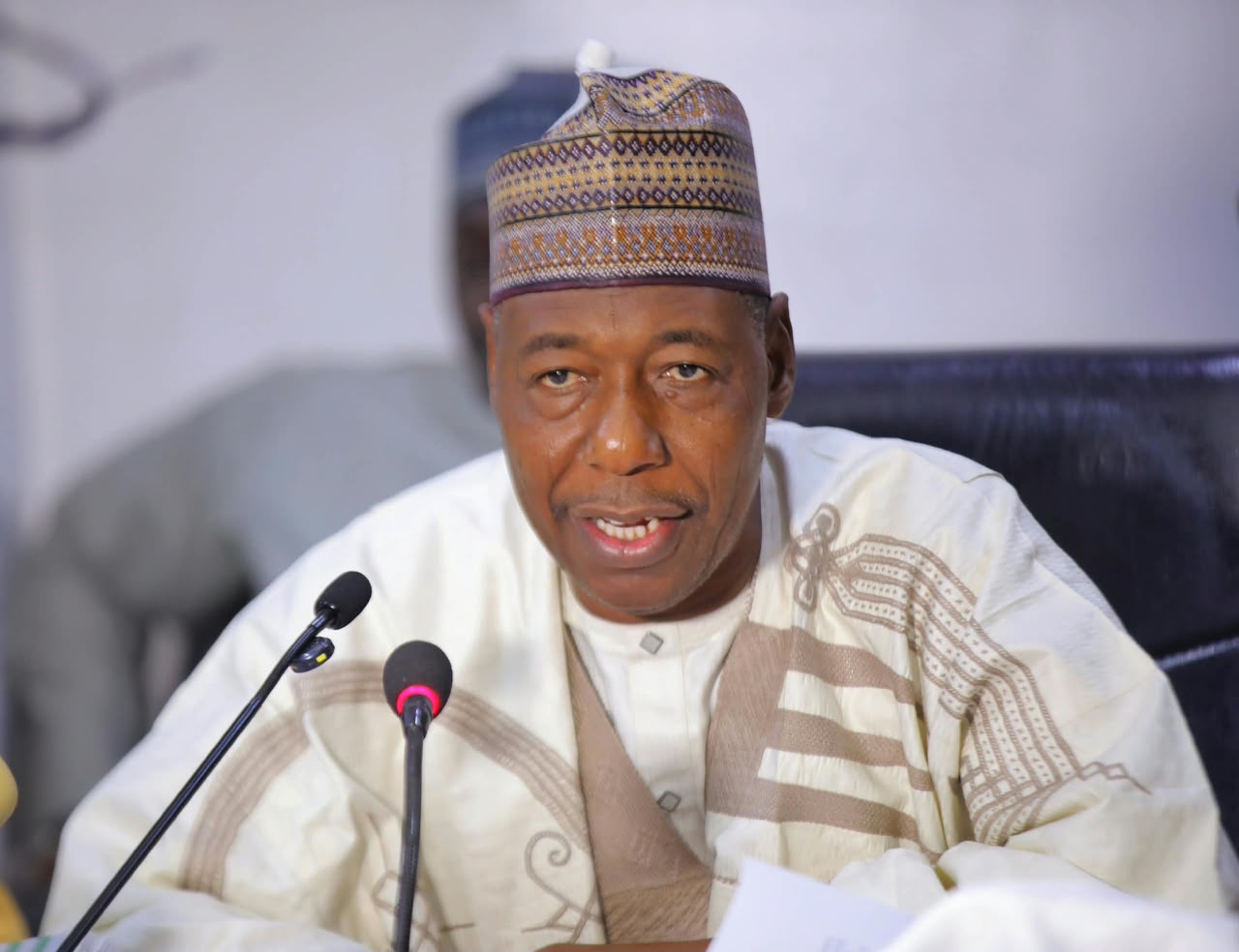
Borno State Governor, Professor Babagana Umara Zulum, has called for stronger collaboration and co-investment between the state government, the Federal Government, the United Nations, development partners, international financial institutions, and the private sector to accelerate recovery and sustainable development in the state.
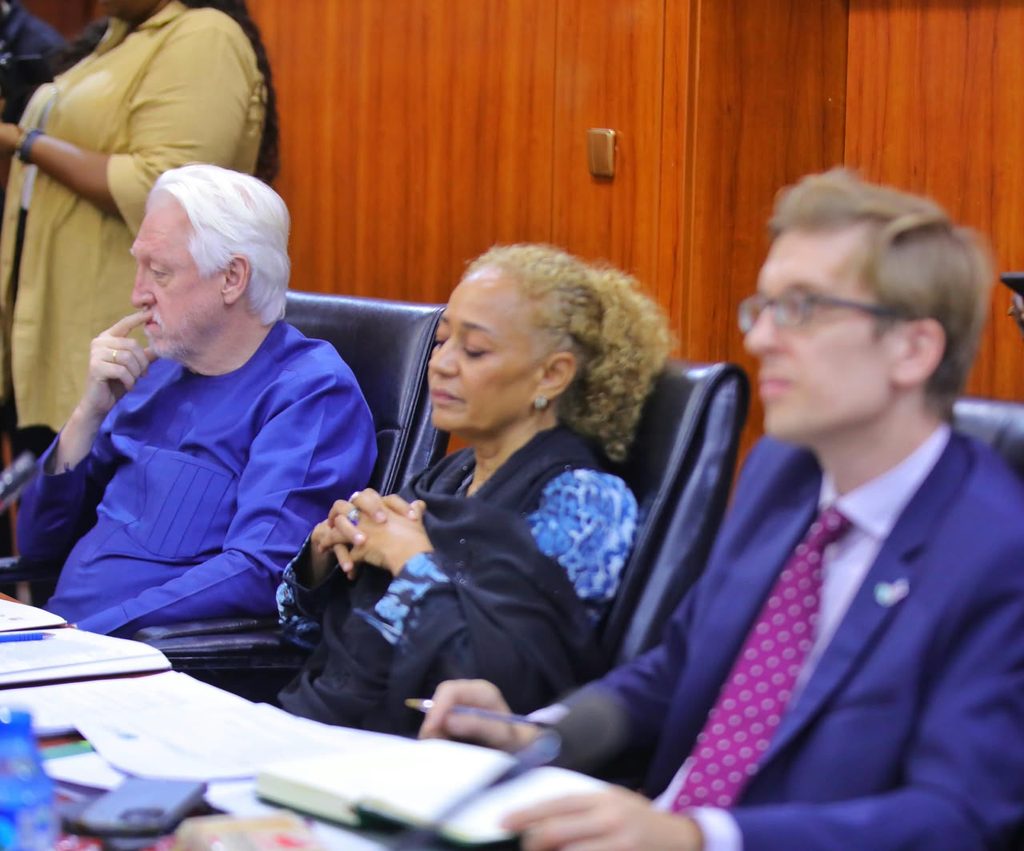
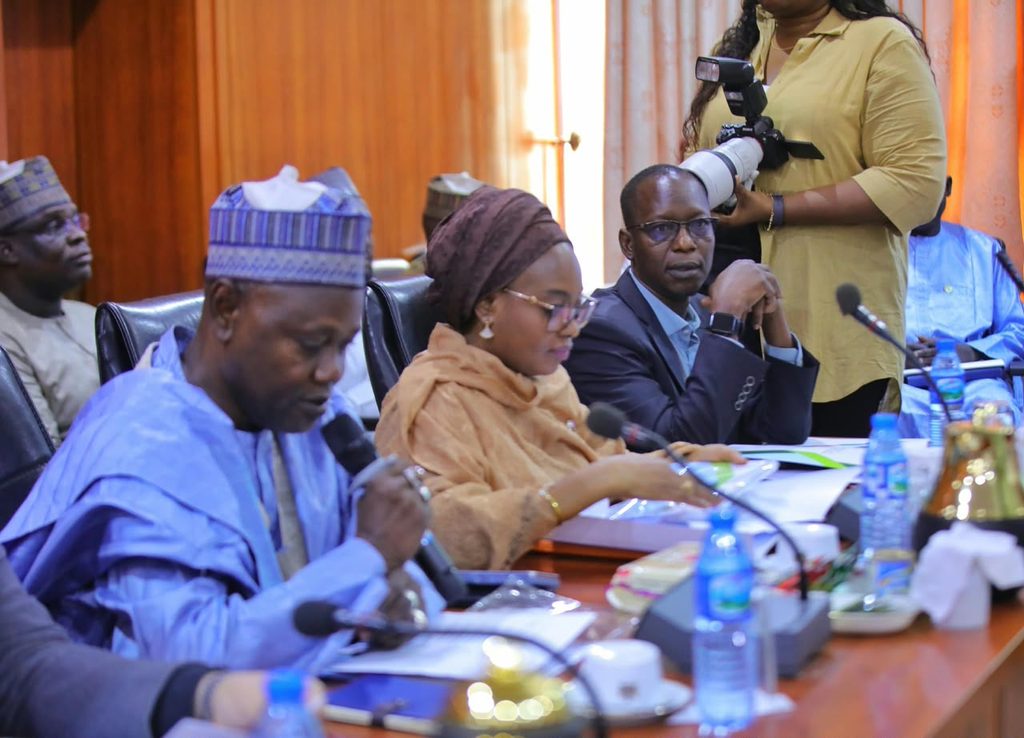
Zulum made the call on Thursday at the Council Chambers of the Government House, Maiduguri, at the fourth Project Board Meeting of the United Nations Offer to Support the Borno Model and the Steering Committee Meeting of the Peacebuilding Fund.
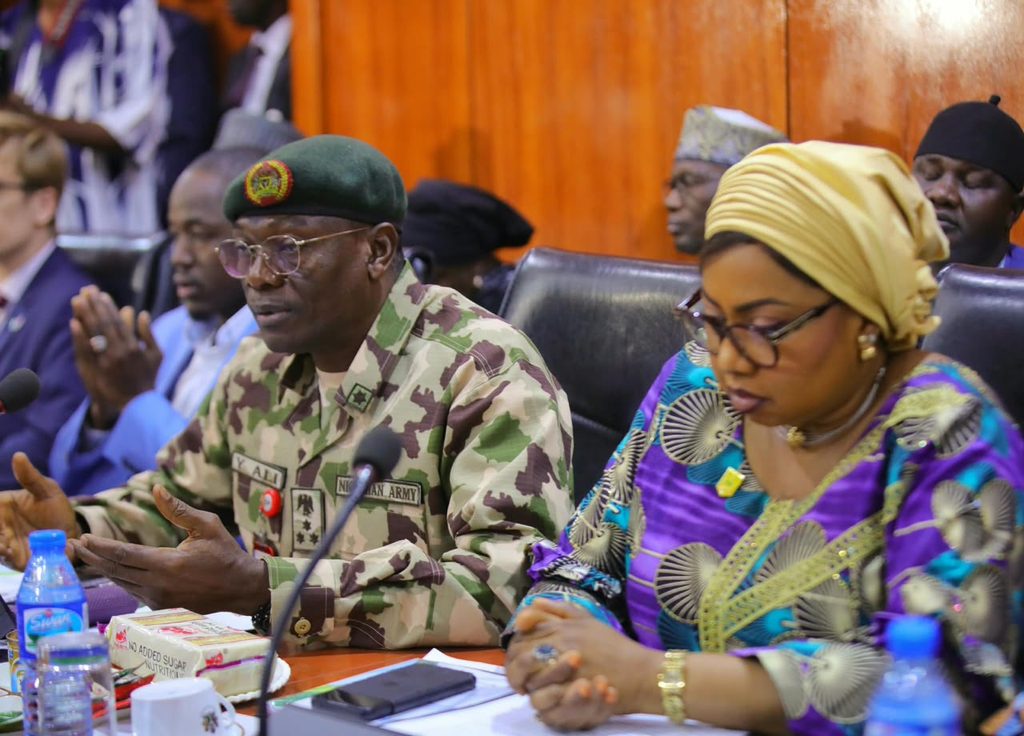
A Federal Government delegation, the United Nations, Development Partners, and Donor agencies attended the meeting.
The governor said the decision to hold the high-level meeting in Maiduguri reflected Borno’s strategic importance in national and international efforts towards peacebuilding, stabilization, recovery and sustainable development in Nigeria’s North-East.
He commended the United Nations, donor countries and development partners for their financial and technical support, noting that their interventions had improved the lives of vulnerable people and communities affected by more than a decade of insurgency.
According to Zulum, the Peacebuilding Fund and the UN Offer have helped to move support beyond immediate humanitarian relief to critical areas such as reconciliation, reintegration, livelihood support, social cohesion and institutional strengthening.
“We recognize that progress in Borno is a product of strong partnerships among the state government, the United Nations, development partners, communities, the Federal Government and other stakeholders,” Zulum stated.
He described the development of the Borno Model legal framework as a major product of the partnership between the state government and the United Nations, saying it would provide a stronger institutional foundation for peace, recovery, social cohesion and development.
Zulum said Borno was at a critical transition point, moving from humanitarian response to recovery, reconstruction, resilience and long-term development.
He identified the state’s priority areas to include rebuilding conflict-affected communities, restoring basic services, expanding education and skills development, creating jobs, supporting women and young people, strengthening local institutions, and enabling displaced and returning residents to rebuild their lives in dignity.
The governor also advocated increased investment in agriculture, small and medium-scale enterprises, vocational training, digital opportunities and value-chain development.
“With the right investment in infrastructure, skills and enterprise development, Borno can move from being viewed primarily through the lens of crisis to being recognized as a center of economic opportunity in the North-East,” he added.
The governor said the Borno State Government has committed more than 70% of its budget over the last seven years to security, support for internally displaced persons and refugees, reconstruction of schools, houses, health facilities and markets, and livelihood opportunities for people affected by the insurgency.
He said the investments aimed to restore dignity, build resilience, and sustain peace across the state.
“Our collective objective must now be to build on what has been achieved, scale up what works, and ensure that the people of Borno fully benefit from the transition from humanitarian assistance to medium- and longer-term sustainable and durable solutions,” he said.
The governor commended the Minister of Budget and Economic Planning, Senator Abubakar Atiku Bagudu; the United Nations Resident and Humanitarian Coordinator, Mr Mohammed Fall; and the UNDP Resident Representative, Ms Elsie Attafuah, for their support and commitment to Borno’s recovery.
He also acknowledged contributions by Germany, the United Kingdom, Switzerland, the Office of the National Security Adviser, the Armed Forces, the Nigeria Police Force, the Federal Ministry of Justice and other stakeholders.
Zulum reaffirmed his administration’s commitment to provide the leadership, institutional support, and coordination needed to sustain partner-supported programs beyond their project lifespan.
Minister of Budget and Economic Planning, Senator Abubakar Atiku Bagudu, noted that the challenges confronting the Northeast should not be viewed solely as humanitarian crises, but also as opportunities for long-term investment and sustainable development.
He stressed the need for coordinated financing and closer collaboration among the federal and state governments, the United Nations, and development partners to achieve the desired outcome.
The Minister particularly commended Borno State Governor, Professor Babagana Umara Zulum, for providing trusted leadership and coordinating the state’s response to the complex challenges confronting its people.
He also lauded the United Nations, development and donor partners for the continuous support to the victims of the Boko Haram conflict.
United Nations Resident and Humanitarian Coordinator,
Mr. Mohammed Malick Fall and UNDP Resident Representative, Ms. Elsie Attafuah, expressed their commitment to continue supporting the project and commended the leadership of Governor Babagana Zulum.
Zulum Hosts 4th UN Offer Meeting, Seeks Stronger UN, Donor Investment for Borno’s Recovery

Farmers laud Borno security measures against clashes

Borno LG boss warns residents against illegal tree felling

Zulum Hosts 4th UN Offer Meeting, Seeks Stronger UN, Donor Investment for Borno’s Recovery

Roger Federer’s Shock as DNA Results Reveal Myla and Charlene Are Not His Biological Children

THE PLIGHT OF FARIDA

FAILED COUP IN BURKINA FASO: HOW TRAORÉ NARROWLY ESCAPED ASSASSINATION PLOT AMID FOREIGN INTERFERENCE CLAIMS
-
 News2 years ago
Roger Federer’s Shock as DNA Results Reveal Myla and Charlene Are Not His Biological Children
-
Opinions5 years ago
THE PLIGHT OF FARIDA
-
 News1 year ago
FAILED COUP IN BURKINA FASO: HOW TRAORÉ NARROWLY ESCAPED ASSASSINATION PLOT AMID FOREIGN INTERFERENCE CLAIMS
-

 News2 years ago
EYN: Rev. Billi, Distortion of History, and The Living Tamarind Tree
-
 Opinions5 years ago
POLICE CHARGE ROOMS, A MINTING PRESS
-

 ACADEMICS2 years ago
A History of Biu” (2015) and The Lingering Bura-Pabir Question (1)
-

 Columns2 years ago
Army University Biu: There is certain interest, but certainly not from Borno.
-

 Politics1 year ago
2027: Why Hon. Midala Balami Must Go, as Youths in Hawul and Asikira/Uba Federal Constituency Reject ₦500,000 as Sallah Gift
