
News
MSF Ends Kano Diphtheria Emergency Mission After Vaccinating 835,000 Children

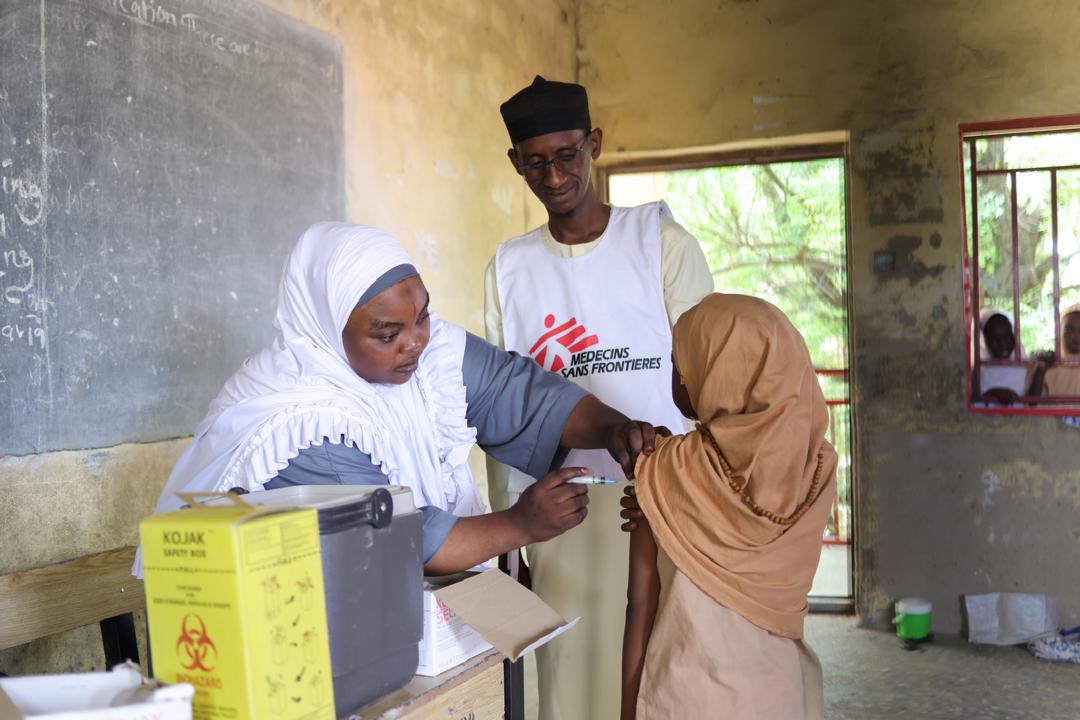
MSF Ends Kano Diphtheria Emergency Mission After Vaccinating 835,000 Children
By: Michael Mike
The humanitarian medical organisation, Médecins Sans Frontières (MSF)/Doctors Without Borders, has concluded its three-year emergency response to the devastating diphtheria outbreak in Kano State after supporting the vaccination of more than 835,000 children, describing immunisation as the key factor behind the sharp decline in infections.
The organisation, however, warned that the disease remains a major threat to children unless health authorities sustain routine immunisation, disease surveillance and rapid access to treatment.
MSF announced the end of its emergency intervention following the completion of a two-phase mass vaccination campaign carried out in partnership with the Kano State Ministry of Health.
The intervention followed one of Nigeria’s worst recorded diphtheria outbreaks, which claimed over 1,260 lives in Kano alone, most of them children.
According to MSF, more than 14,707 children received treatment during the emergency through MSF-run and supported treatment centres, including both facility-based and home-based care programmes.
The organisation also strengthened referral systems, disease surveillance, data management and community mobilisation while supporting the state’s vaccination drive.
Across two vaccination rounds, 835,028 doses of diphtheria vaccines were administered to children. The second phase, conducted between June 20 and 24, 2026, reached 486,948 children across 20 wards after the first round vaccinated 348,080 children, which ended on April 27.
MSF Project Coordinator in Kano, Abdoul-Aziz Djibrilla, said the outbreak placed enormous pressure on families, healthcare workers and health facilities across the state.
“Kano experienced a critical diphtheria outbreak that placed enormous pressure on families, healthcare workers and health facilities,” Djibrilla said.
He noted that although infections had declined considerably in recent months, largely because of the vaccination campaigns, the disease had not been eliminated.
“Although the number of cases has declined in recent months, mainly due to mass vaccination campaigns, the disease remains a serious health threat to children in Kano, driven by low immunisation coverage, overcrowding, delayed care-seeking, and malnutrition,” he added.
Kano has remained the epicentre of Nigeria’s diphtheria outbreak. According to the Kano State Ministry of Health, the state recorded more than 31,900 suspected cases and over 1,260 deaths between March 2022 and March 22, 2026.
The figures account for a significant proportion of Nigeria’s 65,759 suspected cases and 2,229 deaths reported by the Nigeria Centre for Disease Control (NCDC) since the outbreak was officially declared in 2023.
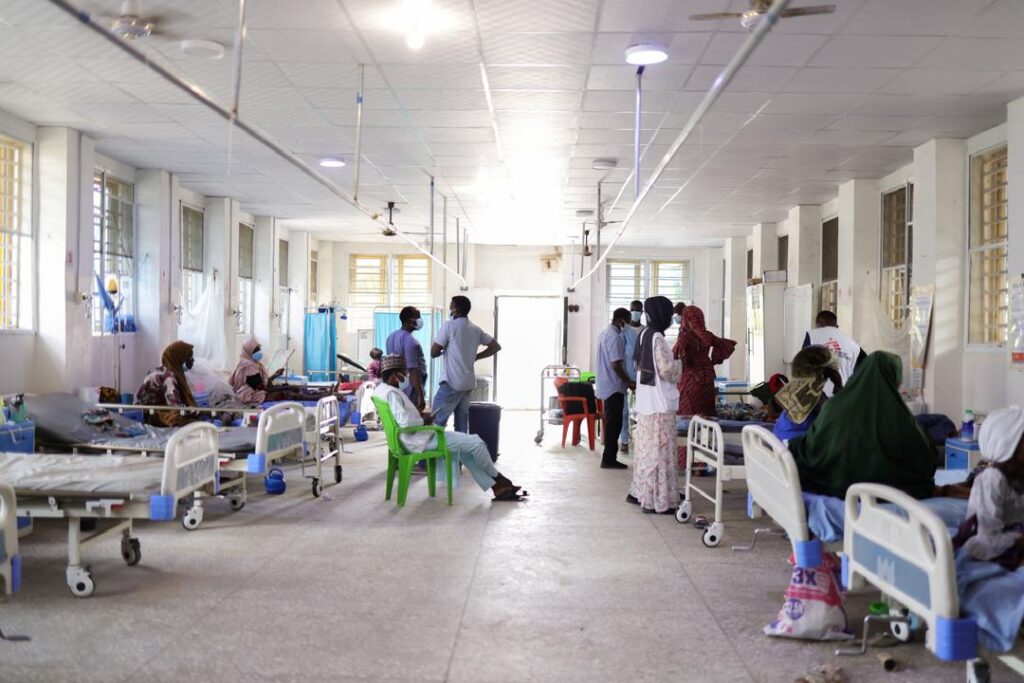
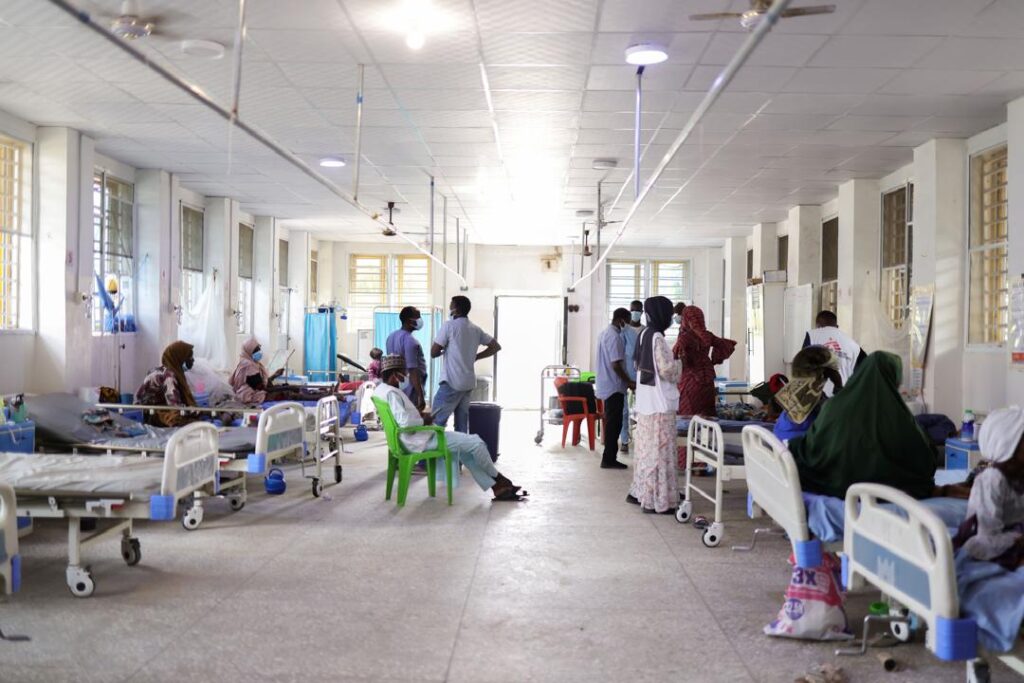
At the height of the outbreak between late 2025 and early 2026, treatment centres were overwhelmed, with more than 100 children admitted daily across supported health facilities and home-based care programmes. Bed occupancy exceeded available capacity in several facilities as healthcare workers struggled to cope with the influx of patients requiring specialised treatment.
Diphtheria is a highly contagious but vaccine-preventable bacterial infection spread mainly through respiratory droplets or contact with infected wounds. The disease causes sore throat, fever, swollen lymph nodes and the formation of a thick grey membrane that can block the airway. In severe cases, toxins produced by the bacteria can damage the heart, kidneys and nervous system, while untreated infections can be fatal in about 30 per cent of cases, particularly among young children.
The outbreak has largely affected children aged between five and 14 years, many of whom had never been vaccinated or had received incomplete immunisation.
Despite the improvement recorded through the vaccination campaigns, MSF cautioned that immunity gaps persist, leaving thousands of children vulnerable to future outbreaks.
Djibrilla stressed that sustained government commitment would determine whether the gains recorded are maintained.
“Continued commitment from health authorities and partners to sustain high immunisation coverage, strengthen surveillance, and ensure timely access to quality treatment will be critical to preventing future outbreaks and protecting the lives of children in Kano,” he said.
MSF has operated continuously in Nigeria since 1996 and currently provides free medical care in 10 states, relying largely on private donations to maintain its humanitarian independence. The organisation said it would continue supporting healthcare interventions in Nigeria beyond the conclusion of the Kano diphtheria emergency response.MSF Ends endence. The organisation said it would continue supporting healthcare interventions in Nigeria beyond the conclusion of the Kano diphtheria emergency response.
MSF Ends Kano Diphtheria Emergency Mission After Vaccinating 835,000 Children


News
NEC Approves Refinancing Of $3.3bn Project Gazelle To Optimise Cost, Unlock Additional Liquidity

NEC Approves Refinancing Of $3.3bn Project Gazelle To Optimise Cost, Unlock Additional Liquidity
**As VP Shettima demands responsive social protection policy to end poverty in Nigeria
By: Our Reporter
The National Economic Council (NEC) has approved the refinancing of the US$3.3 billion Project Gazelle Pre-Export Finance Facility through a new US$4.5 billion facility named “Project Gazelle 2”.
The approval allows NNPC Limited to refinance the outstanding balance of approximately $1.5 billion under the original 2023 facility, while unlocking an additional $3 billion in liquidity to strengthen the country’s external reserves, support ongoing fiscal and infrastructure priorities of the government.
This was the outcome of the 159th meeting of the National Economic Council (NEC) held virtually on Monday.
NEC’s approval followed a presentation by the Minster of Finance, Dr Taiwo Oyedele, which was presented by Chairman of the Council, Vice President Kashim Shettima, underscoring the importance of the project.
NEC observed the significance of unlocking additional liquidity to the federation, among other benefits, pledging its support for the actualisation of the initiative.
Speaking at a press briefing after the meeting, the finance minister explained that the refinancing has been structured on more favourable terms than the original facility, including a reduction in the volume of pledged crude oil from 90,000 barrels of oil per day (bpd) to approximately 78,750 bpd – a 12.5 percent reduction.
He noted that under the new arrangement, an additional 11,250 bpd for the federation will be released, while there will be reduction in the pledged crude volumes by NNPC limited.
Dr Oyedele added that while accessing additional liquidity on improved terms, the arrangement is freeing up resources for strategic national priorities while strengthening the country’s financing structures.
Earlier in his opening remarks, Vice President Shettima called for a responsive, scalable, and data-driven social protection policy to tackle multidimensional poverty in Nigeria.
According to him, government policies are often heard before they are seen, speak through the price of food, condition of hospitals, records in schools, strain on families, the confidence of those who invest their labour in the nation’s future, and, very importantly, the ambitions of state governments.
He implored members of Council to ensure that every decision they make assure the citizens “that their government is paying attention to the pulse of the nation and is resolved to respond with competence, compassion and purpose.”
NEC Approves Refinancing Of $3.3bn Project Gazelle To Optimise Cost, Unlock Additional Liquidity
News
‘Another Nigeria is Possible’- ActionAid, Social Movement Leaders Demand New Social Order at Cotonou Forum

‘Another Nigeria is Possible’- ActionAid, Social Movement Leaders Demand New Social Order at Cotonou Forum
…Civil society groups rally West Africa against inequality, insecurity, poor governance, shrinking civic space
By: Michael Mike
A coalition of leading civil society actors in Nigeria has renewed calls for a people-centred transformation of the country, declaring that a new Nigeria built on justice, accountability and inclusion is possible.
The call was made as the Steering Committee of the Nigeria Social Forum (NSF) and ActionAid Nigeria extended solidarity to the ongoing World Social Forum (WSF) in Cotonou, Benin, urging activists, social movements and democratic forces across the globe to unite against rising inequality, economic injustice, climate crises and threats to civic freedoms.
In a strongly worded statement on Monday, the organisations said the gathering in Cotonou represented a critical moment for citizens and movements to forge stronger alliances and develop practical solutions to challenges confronting millions of people.
“Another World Is Possible,” the groups declared, reaffirming the historic slogan of the World Social Forum, which since 2001 has served as a global platform for communities, workers, women, young people, indigenous groups and civil society organisations to advance alternatives to systems they describe as unjust and exclusionary.
The statement, signed by ActionAid Nigeria Country Director, Comrade Andrew Mamedu, NSF Chairman, Comrade Jaye Gaskia, and other prominent civil society leaders, said the ideals of the World Social Forum remain relevant as nations struggle with deepening social and economic inequalities.
The groups warned that Nigeria continues to face a combination of challenges, including widespread unemployment, insecurity, climate-related shocks, gender inequality, declining civic space and concerns over accountable governance.
“Today, these values are more urgent than ever,” the statement said, stressing that millions of Nigerians continue to experience hardship despite the country’s vast human and natural resources.
However, the civil society leaders noted that grassroots organisations and social movements have remained resilient by defending human rights, organising communities and amplifying the voices of vulnerable groups.
They argued that the challenges facing workers, women, youths, rural communities and persons living with disabilities are interconnected and require collective action rather than isolated interventions.
“When one voice is silenced, democracy grows weaker. When one community is left behind, the nation falls short of its promise. That is why solidarity is not optional; it is necessary,” the groups stated.
The coalition urged participants at the Cotonou forum to move beyond discussions by building cross-border partnerships capable of influencing policy and driving social change.
Among the key priorities outlined were strengthening alliances across West Africa and beyond, defending civic freedoms, advancing climate justice and demanding greater transparency and accountability from governments.
The organisations also called on civil society actors to ensure that resolutions from the forum translate into concrete actions within communities.
“We believe that another Nigeria is possible — a Nigeria where public institutions serve the people, where young people can realise their potential, where women participate equally in leadership, and where development leaves no one behind,” they stated.
The Nigeria Social Forum and ActionAid Nigeria reaffirmed their commitment to the principles of the World Social Forum Charter, including openness, pluralism, non-violence, solidarity and participatory democracy.
The statement was also endorsed by other members of the Steering Committee, including Comrade Otive Igbuzor, Comrade Eze Nwangu, Comrade Priscilia Achakpa, Comrade Abiola Akiyode Afolabi and Comrade Ene Obi.
The World Social Forum in Cotonou is bringing together civil society organisations, activists, social movements and community leaders from across Africa and other regions to deliberate on pathways towards a fairer, more inclusive and sustainable world.
For Nigeria’s civil society movement, the message from Cotonou is clear: without justice, inclusion and accountable leadership, development cannot be truly meaningful.
‘Another Nigeria is Possible’- ActionAid, Social Movement Leaders Demand New Social Order at Cotonou Forum
News
APC Launches Statewide Medical, Surgical Outreach in Taraba to Celebrate Prof. Nentawe Yilwatda’s 58th Birthday
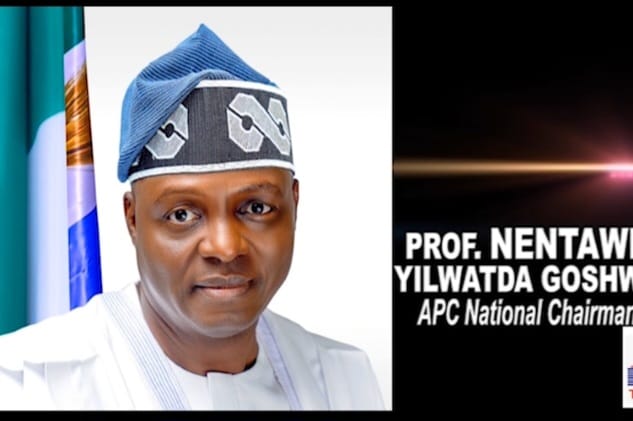
APC Launches Statewide Medical, Surgical Outreach in Taraba to Celebrate Prof. Nentawe Yilwatda’s 58th Birthday
By: Michael Mike
The All Progressives Congress (APC) has commenced a statewide medical and surgical outreach in Taraba State as part of activities marking the 58th birthday of its National Chairman, Professor Nentawe Yilwatda Goshwe.
The humanitarian initiative, organised under the party’s Renewed Hope agenda, is designed to provide free, quality healthcare services to thousands of residents across Taraba State’s three senatorial districts, with a focus on expanding access to medical care for vulnerable and underserved communities.
Paradigm News gathered at the First Referral Hospital, Sunkani, Ardo Kola Local Government Area in the Northern Senatorial District of Taraba State that the first phase of the outreach commenced at about 12:00 noon on August 3 and will run through August 7, 2026, offering five days of free, quality healthcare services. The official flag-off ceremony is scheduled for August 8, 2026, at the Federal Medical Centre (FMC), Jalingo, the state capital.
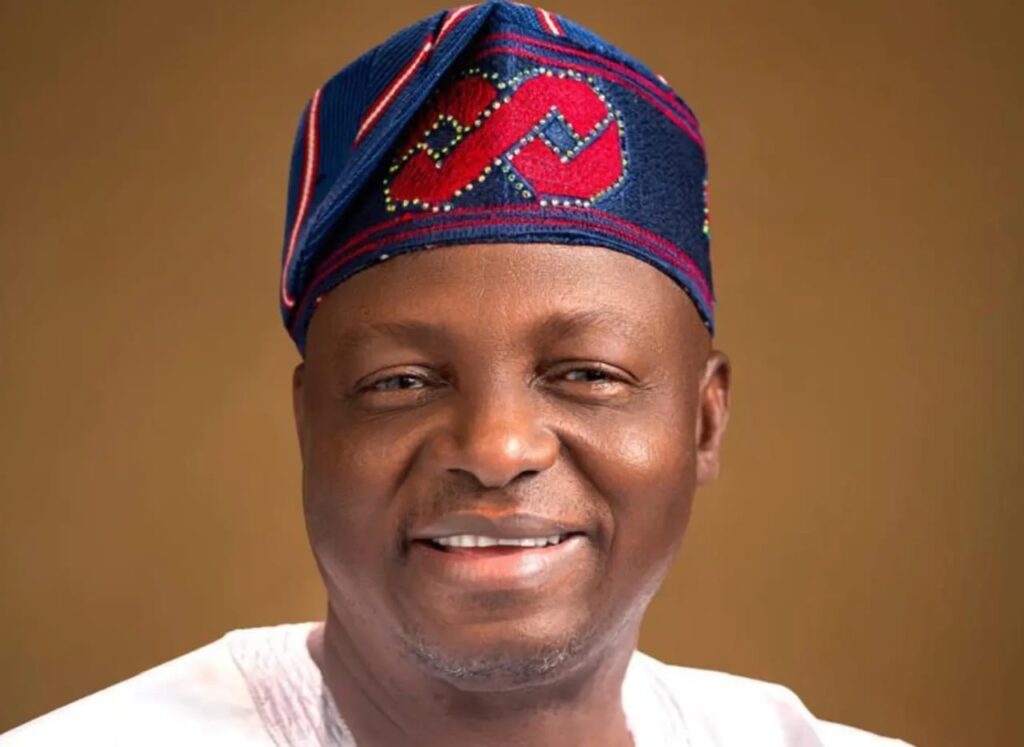
The outreach offers a comprehensive package of healthcare services, including free medical consultations and health screening, the provision of medicines and wound care, free and subsidised surgical procedures, emergency medical support, patient counselling, and health education aimed at promoting healthy living among residents.
To ensure equitable access across the state, healthcare teams have been deployed to designated medical facilities in the three senatorial districts.
In the Southern Senatorial District, services are being provided at the Federal University Teaching Hospital, Wukari, and General Hospital, Takum. In the Central Senatorial District, beneficiaries are receiving treatment at General Hospital, Bali, and General Hospital, Gembu. In the Northern Senatorial District, designated centres include General Hospital, Bambur, Karim Lamido Local Government Area, and the First Referral Hospital, Sunkani, Ardo Kola Local Government Area.
The medical outreach is being implemented in collaboration with the Taraba State Ministry of Health and the Libertad Health Foundation, reflecting a partnership aimed at improving healthcare delivery and reducing the burden of medical costs on citizens.
The initiative underscores the APC’s commitment to translating the Renewed Hope agenda into tangible social interventions that directly improve the lives of Nigerians through accessible healthcare services.
The campaign also carries the message, “Healing Lives, Restoring Hope, Building Healthier Communities,” while promoting the ideals of “Free Medical Services for All,” “Together We Celebrate Life and Service,” and “Renewed Hope, Better Health, Stronger Taraba.”
Residents across Taraba State are expected to benefit significantly from the programme, which seeks to improve health outcomes through preventive care, medical treatment, surgical interventions, and public health education.
The outreach forms part of activities marking Professor Nentawe Yilwatda Goshwe’s 58th birthday, with organisers describing the initiative as a demonstration of compassionate leadership and a commitment to improving the well-being of the people through quality healthcare services.
APC Launches Statewide Medical, Surgical Outreach in Taraba to Celebrate Prof. Nentawe Yilwatda’s 58th Birthday

NEC Approves Refinancing Of $3.3bn Project Gazelle To Optimise Cost, Unlock Additional Liquidity

Troops Arrest Two Suspected ISWAP Logistics Suppliers in Monguno, Recover Terrorists’ Gate Pass

‘Another Nigeria is Possible’- ActionAid, Social Movement Leaders Demand New Social Order at Cotonou Forum

Roger Federer’s Shock as DNA Results Reveal Myla and Charlene Are Not His Biological Children

THE PLIGHT OF FARIDA

FAILED COUP IN BURKINA FASO: HOW TRAORÉ NARROWLY ESCAPED ASSASSINATION PLOT AMID FOREIGN INTERFERENCE CLAIMS
-
 News2 years ago
Roger Federer’s Shock as DNA Results Reveal Myla and Charlene Are Not His Biological Children
-
Opinions4 years ago
THE PLIGHT OF FARIDA
-
 News1 year ago
FAILED COUP IN BURKINA FASO: HOW TRAORÉ NARROWLY ESCAPED ASSASSINATION PLOT AMID FOREIGN INTERFERENCE CLAIMS
-

 News2 years ago
EYN: Rev. Billi, Distortion of History, and The Living Tamarind Tree
-
 Opinions5 years ago
POLICE CHARGE ROOMS, A MINTING PRESS
-

 ACADEMICS2 years ago
A History of Biu” (2015) and The Lingering Bura-Pabir Question (1)
-

 Columns2 years ago
Army University Biu: There is certain interest, but certainly not from Borno.
-

 Politics1 year ago
2027: Why Hon. Midala Balami Must Go, as Youths in Hawul and Asikira/Uba Federal Constituency Reject ₦500,000 as Sallah Gift
