
News
My Binoculars: Prof of Biochemistry, Wole Shodipo bows out of Unimaid in style

My Binoculars: Prof of Biochemistry, Wole Shodipo bows out of Unimaid in style
Bodunrin Kayode
My romance with the Dons
The closest opportunity i would have had to study biochemistry as a course was in the then University of Ife when Professor Wande Abimbola was the Vice Chancellor. I had always been an average science student in secondary school so I ended up getting medical microbiology in the Joint Admission and Matriculation Board (JAMB) exams instead of “medicine” which was my first choice course and obvious preference of my father. After my first year, I knew that course was not my calling because I was not too comfortable with the blood from the little dissections we were involved in the practical classes. While we were doing Zoo 101, Bot 101, Maths 101, Maths 105, my friend Austin from Edo state with whom we stayed at the Angola hall double bunk hostel was studying Biochemistry as his major and all others we were studying including GS 001 and Lib 001. We shared tutorials of smaller classes than what we had in mighty Biological science halls and his was slightly different from his biochemistry notes I used to peep into at the Angola hall i lived before my Uncle name withheld whisked me out to live with his family on road 18.To Uncle, refusing to return the following year was a dangerous rebellion from me. My father was equally angry but i stuck to my focus to become a writer.
Today by Gods grace, I am not just a writer but a journalist who writes freely on all the adjuncts of the health sector which i rebelled against. It is this background flare that brought me close to some of the Professors in the medical and life sciences of the University of Maiduguri where experts like Professor of Biochemistry Oluwole Shodipo have given a good account of himself as an accomplished scholar. I actually got to know Professor Shodipo through Professor of Community medicine Babatunde Omotara who was very amiable and down to earth each time we met in his office along the corridors of the University of Maiduguri Teaching Hospital (UMTH). Incidentally, I got to know Prof Omotara through Professor of pediatrics Jose Ambe who i had met in my early days of visiting the UMTH to sniff for health news flying all over.
After marching me upstairs to meet Baba Omotara, Baba as we called Prof in turn introduced me to some others I needed to chat with including the late Professor John Ohu and Professor Aliyu Shugaba who later became Vice Chancellor of Unimaid. Professor Omotara became the arrow head of most of my relationships with his colleagues who were doing one thing or the other based on the demands of my editors. Often times we do meet in the home of Baba as we did when Professor Badejo retired. Or at the Mai Yoruba of Borno Kabiyesi’s Oba Hassan Yusuf’s place whenever there was something important that touched the Yoruba community. In such occasions most of the elderly Professors like Sodipo, Ohu, Omotara and many other respected yoruba elders and chiefs used to be present.
I never really had the opportunity to visit the home of Prof Shodipo to see his homely side like i know of the Omotaras. Except with his wife who was also very much a public figure by virtue of her role as the Vice chairman of the Pharmaceutical society of Nigeria (PSN). So whenever PSN invites us for special programs and Professor Funke Shodipo was the Vice Chair, he would be there to support her. This is why I really cannot claim to have captured enough through my binoculars to be able to write a befitting piece about the renowned Professor Oluwole Adebayo Shodipo who saw it all in his area of specialization biochemistry and bowed out from the University of Maiduguri (UNIMAID) this week at the ripe age of 70. Obviously because most of our meetings have been official when the national biochemistry society is meeting or during convocations.
Prof Shodipo a beacon of service and dedication
So you can imagine how blank i was when I was reliably informed that Prof was retiring from service. This is a man who has given all his youthful years into the ivy tower in-spite of all the torments of the Academic Staff Union of Universities (ASUU) he belongs to, by both past military and civilian governments. A man whose spouse is also an academic so you can imagine what happens to the entire family when one Nigerian President decides to ground the University system for eight months with threats that they will not be paid if they do not drop their demands and return to work. So many of his colleagues in the country fell during that interregnum but he survived the impasse. How can i write about such a personality without leaving important details out? How can one access an academic who got a first class from the University of Ibadan in 1978 when classes of first degrees were far more relevant than they are today? How do I pry into his academic pursuit in Leeds for his masters program and returning to Unimaid in 1982? His PhD in Ilorin? Professorial Chair in UNIMAID? How much can I write about a don who got posted to Maiduguri in 1978 by the National Youth Service Corp (NYSC) and never looked back till May 24, 2025 when he bowed out officially. Prof Shodipo is an academic whose advises would surely be needed beyond his career even as an Emeritus Professor. So much to capture from my binoculars about a man whose former students claim he had a certain swag about the way he carried himself and called them by name when their Grade Point impresses him. A scholar who students describe as cool, calculated, polished, approachable and always willing to get them educated.
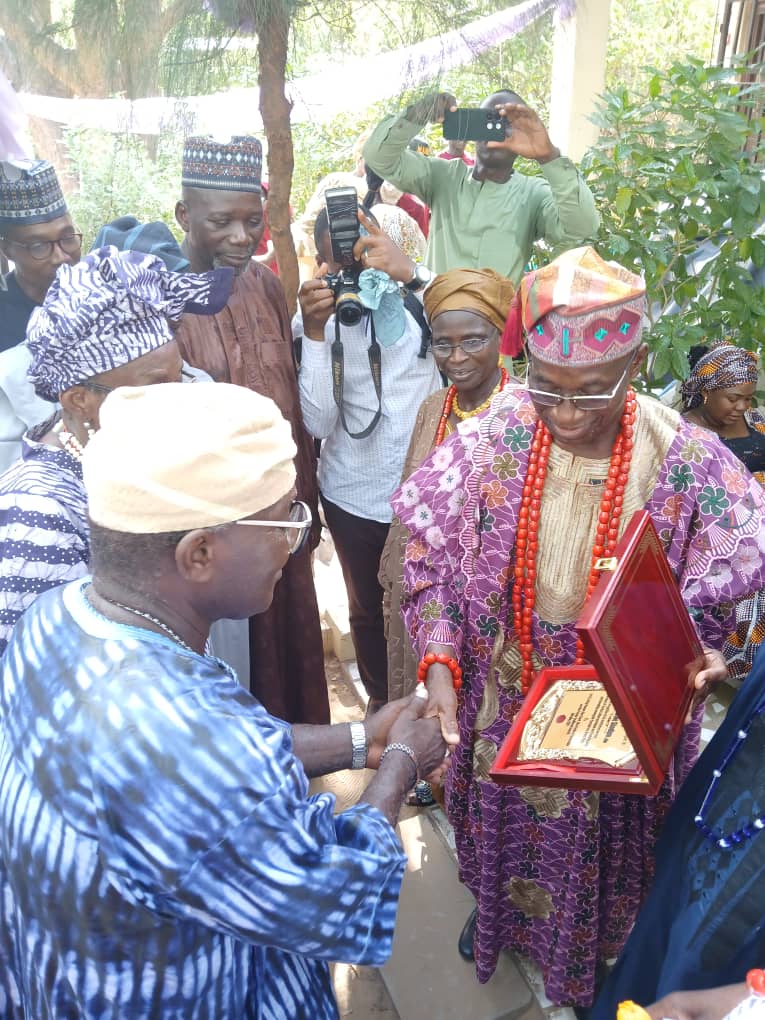
Retirement and birthday reception at his home in the main campus of UNIMAID
However from the range one could see during his retirement and birthday reception on Sunday, I knew that Prof is indeed a man of many parts. Easy going, amiable and quite accessible by all generations of students including the difficult to understand gen-zees. Quite a lot of the zee people attended his birthday reception which held at his home in the Unimaid senior staff quarters on Sunday. These genzees mostly undergraduates accorded him deep respect and the type of reverence we don’t expect to come out of people of that strange generation. That to me makes Prof Shodipo a connector who could easily synchronize with all the generations after the X generation. One particular one with recommended glasses moved in and out of the entire house and I had to give a command that he must get Prof a recording facility or a computer that can convert his voice to words so that he starts his memoirs within the next three years while waiting for madam to retire. He smiled and assured me to consider it done.
I later learnt that he was a final year student of biochemistry in UNIMAID who had adopted Prof as his father so certain details may not be within his reach. But the point here is that I was impressed at the closeness he had with the entire family. Many of them all Genzees dominated the reception even with their music. The reception in his home was attended by people from all works of life after a service at the Methodist Church pompomari bypass. Professors like Gidado, Daura a former VC who bantered extensively with him in Yoruba language, wife of the former VC Madam Shugaba and hundreds of others from across the state and the region.
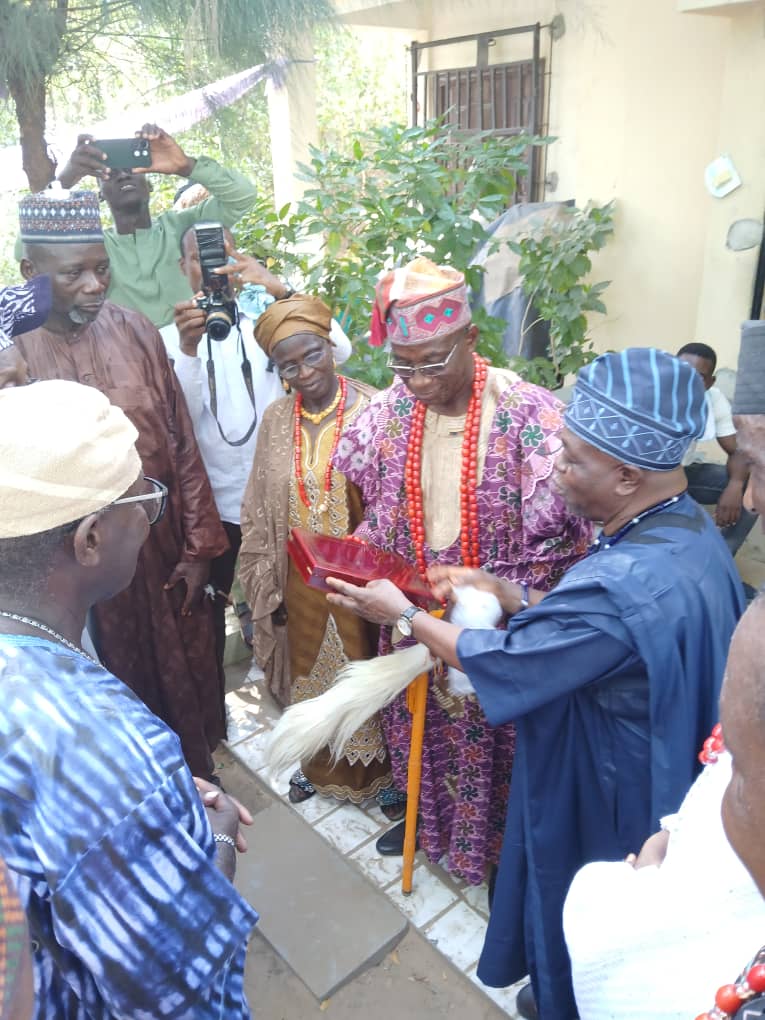
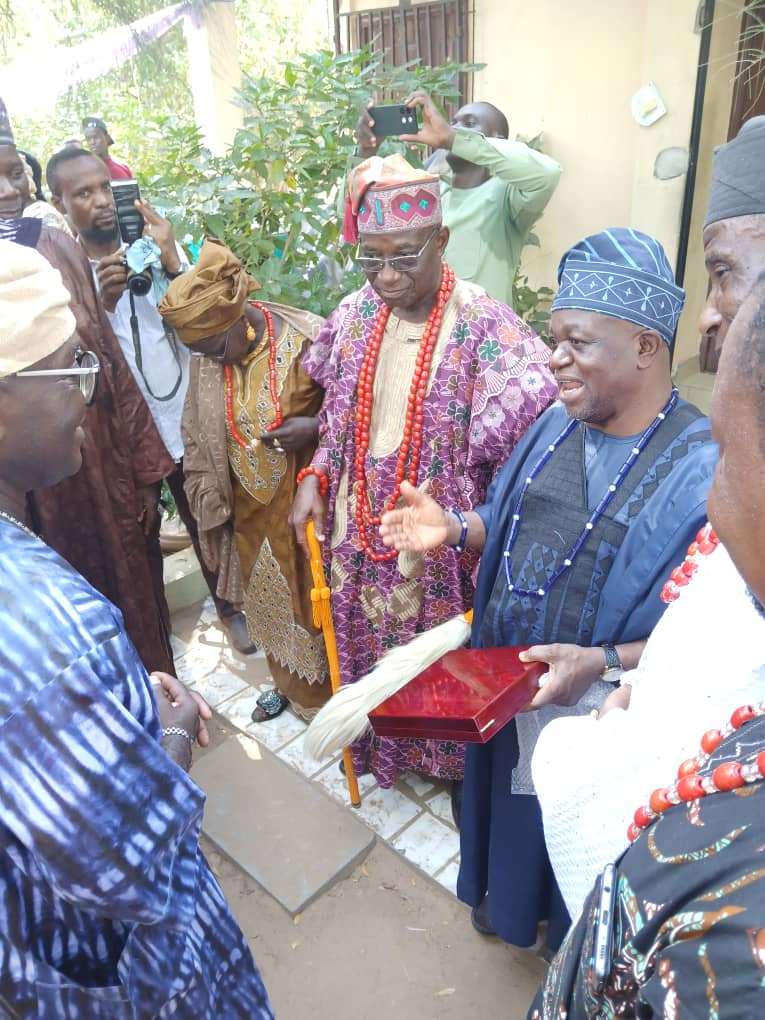
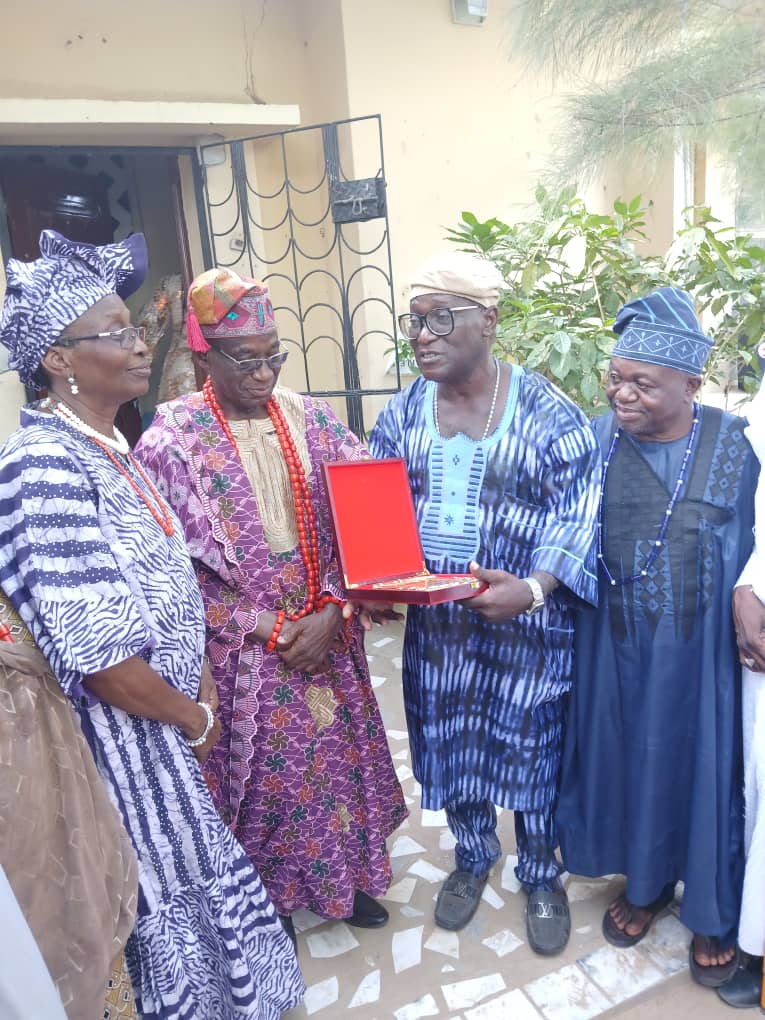
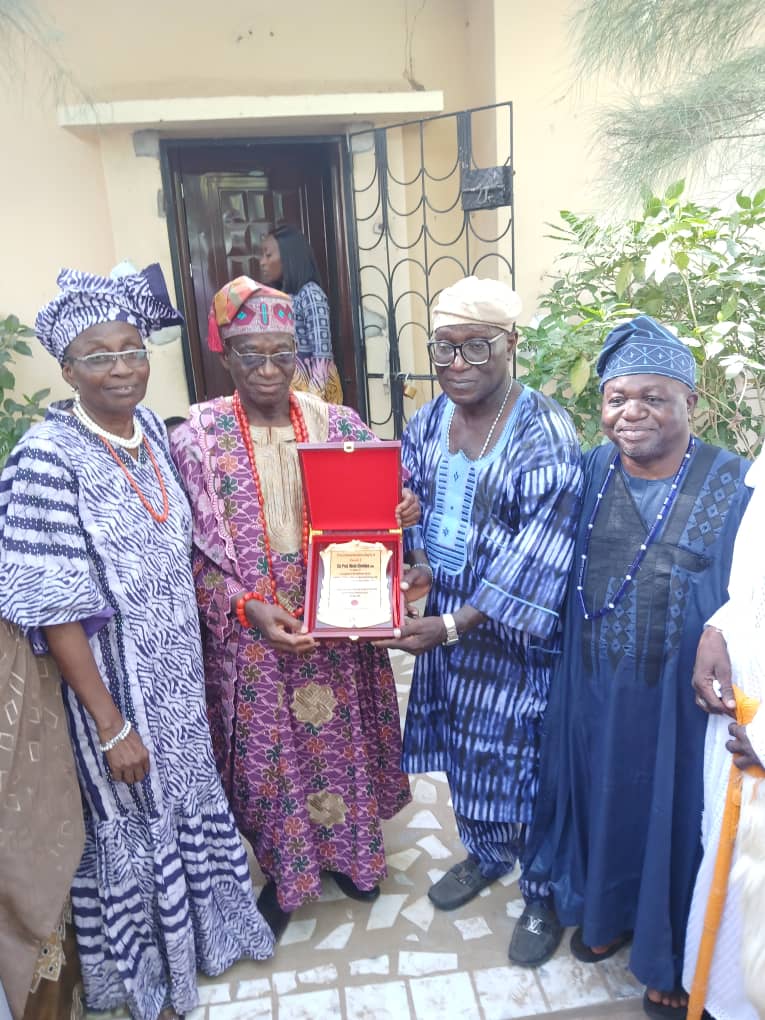
A special presentation was made by the Otunba Chief Lanre Obadiah in conjunction with the Kabiyesi Alhaji Hassan Yusuf for his dedication and contribution to the Yoruba traditional institution in Borno.
Why Prof Shodipo was the engine room of UNIMAID…. Prof Babatunde Omotara
UNIMAID has really been blessed with many brains from all over the world. If it is possible to allow certain caliber of Professors to continue teaching way beyond the retirement age, Professor Shodipo is definitely one of those management will refuse to allow to go home. A teacher of teachers and a Professor of professors. In a telephone chat recently, Prof Omotara told this reporter that Prof Shodipo was indeed a teacher of teachers because virtually every medical doctor who successfully passed out of UNIMAID studied biochemistry. That makes him a father of several mentees who have graduated and achieved leadership positions in the country today . The list is endless and it includes the present Chief Medical Director (CMD) of the University of Maiduguri Teaching Hospital (UMTH) Professor Ahmed Ahidjo, Professor Modu Sheriff and most of the Professors in the faculty of life sciences and the department of biochemistry today. Prof Shodipo has also produced two Vice Chancellors, Aliyu Shugaba who just stepped down from Unimaid and Lawan Buratai of the Army University in Biu, Southern Borno. Prof Shodipo’s students also include all the medical practitioners at the UMTH who got their degrees from UNIMAID. They are so numerous to recall including Professor Bashir Tahir who is now the CMD of the police hospital in Damaturu and many more.
Reeling out further testimonies about Baba Shodipo, Prof Omotara described him as the “engine room” of the University. He was one of those officers who ensured that every student earned his or her degree following after the main criteria of graduation which is character and learning. “He was the chair of the course system of the University which means he had to be an astute administrator to succeed as he did in such a distinguished task.” On the accommodating spirit of Prof Shodipo, Baba Omotara went on: “He is the first friend i made when i arrived the University. Himself and Professor Olatunji Folorunso were my first circle of friends. We were three friends at the beginning later we became five friends.We had a spot in front of the Delara joint. The other two were Profs Taoheed Adedoja and John Ohu who has passed.
“He was the chair of the course system in the University. He was also a member of the Senate business committee. They are responsible for the meticulous scrutiny and production of degrees for each student that merits same”. Such a committee set up to ensure that each student is fit in character and learning to go into the world and contribute to humanity is really tasking yet he had given a good account of himself even as he contributed to knowledge and published articles in international journals before retirement.”
On his advise to his friend who retired this week, Prof Omotara went on ” Nothing very special about retirement if you plan ahead mentally, physically. I have published two articles during retirement and i contribute massively to my community which is my choice but its up to him to choose which path he wants to tread.” Said Prof Omotara.
Prof Shodipo’s Adventure into ‘saponin’ is well known internationally. I am also aware that he contributed to the production of Saponin, a derivative from the NIM tree.” Said Omotara.
As he retires, he has impressed his feet on the sands of time as it concerns teaching, research, practical trainings, mentoring and hard core administration.
Asked during his thanks giving reception if it was time to go home. His response was “Not without my wife who retires in three years”. Indeed, Prof Olufunke Shodipo has been the real backbone of Prof Shodipo. Keeping the home front while improving on her career. She is obviously a very strong woman who after mentoring her mentees at the faculty of pharmacy goes home to multitask about keeping her partner, husband and friend happy. She is obviously the stabilization factor of the home front ensuring that her children are all trained in character and learning without feeling too choked up having two Professors breathing down their heads to do the right thing at all times. Congratulations to a worthy son of Ogun State Nigeria. A bright star among the constellation of Egba’s worldwide and a well referenced and cited scholar of substance. May God keep you in good health as you continue in your service to humanity sir.
My Binoculars: Prof of Biochemistry, Wole Shodipo bows out of Unimaid in style


Woman Killed, Another Injured in Attack While Fetching Firewood in Plateau’s Mangu
By Zagazola Makama
One woman has been killed and another injured after suspected armed Fulani herders attacked two female villagers who had gone into the bush to fetch firewood in Mangu Local Government Area of Plateau State.
Intelligence sources told Zagazola Makama that the incident occurred at about 10:45 a.m. on Aug. 3 at Aloghom Village in Mangu LGA.
The sources said troops of Sector 8, Operation Enduring Peace (OPEP) swiftly responded to a distress call and moved to the scene, forcing the suspected attackers to flee before they could inflict further harm.
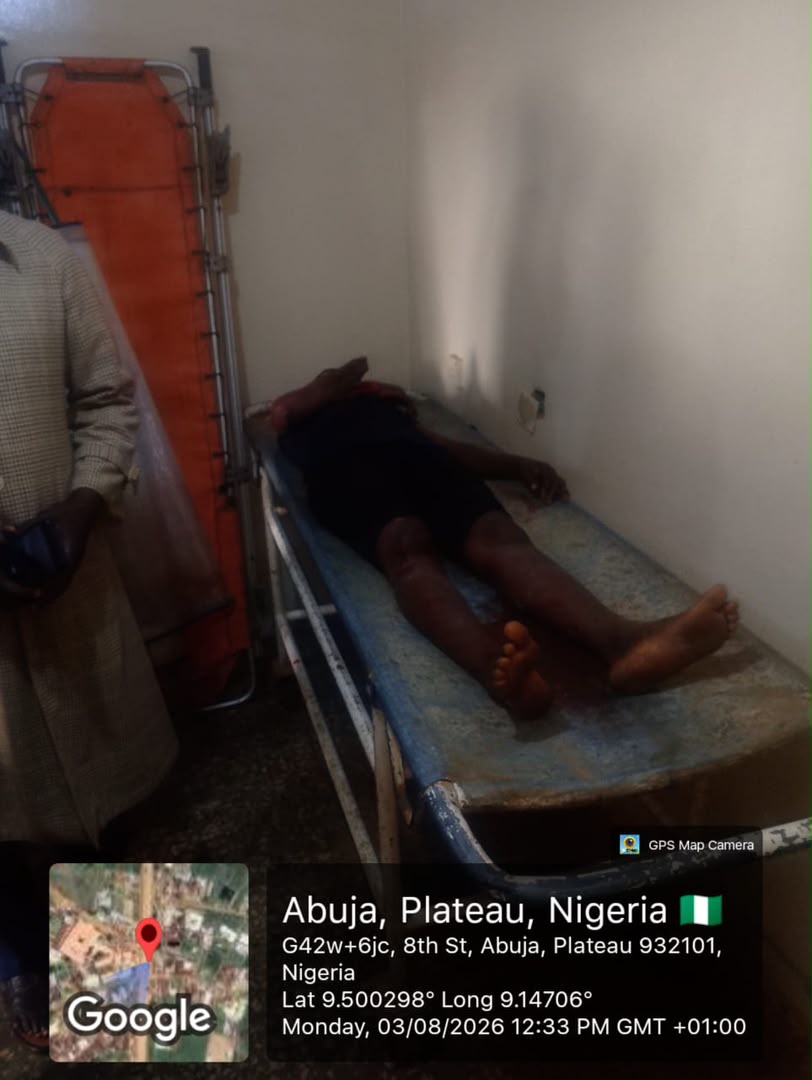
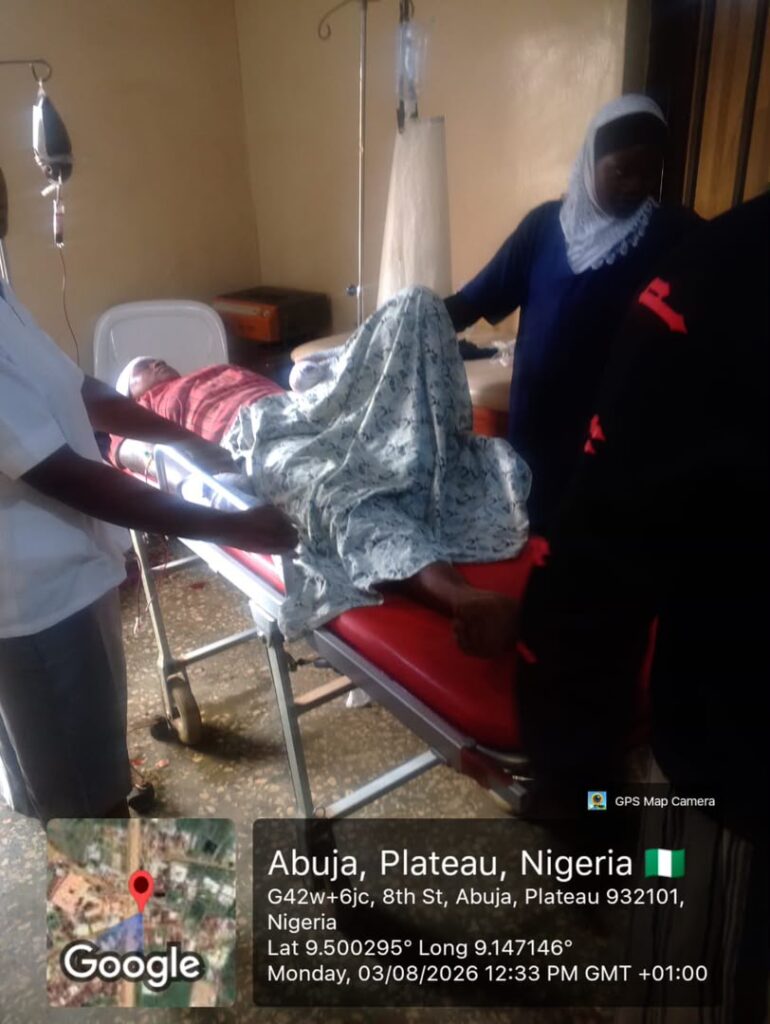
During a search of the area, the troops found the two victims, identified as Mrs. Priscilia Friday and Anna Obed Joseph, both with varying degrees of injuries.
The victims were immediately evacuated to Allah Nakowa Hospital for emergency treatment. However, medical personnel later confirmed Mrs. Priscilia Friday dead, while Anna Obed Joseph is receiving treatment.
Security sources said troops have intensified efforts to track down and apprehend the fleeing suspects, while patrols have been reinforced around the affected community to prevent further attacks.
The latest incident adds to the growing wave of violence in parts of Mangu Local Government Area, where security forces have continued to respond to attacks on civilians, livestock and farmlands amid ongoing efforts to prevent further escalation of the crisis.
Woman Killed, Another Injured in Attack While Fetching Firewood in Plateau’s Mangu
Governance Failures Fuel Northern Nigeria’s Child Malnutrition Crisis, Athena Centre Warns
By: Michael Mike
The Athena Centre for Policy and Leadership has blamed weak governance, poor financing and lack of institutional accountability for the persistent child malnutrition crisis in Northern Nigeria, warning that millions of children remain trapped in a cycle of hunger despite years of government nutrition policies and interventions.
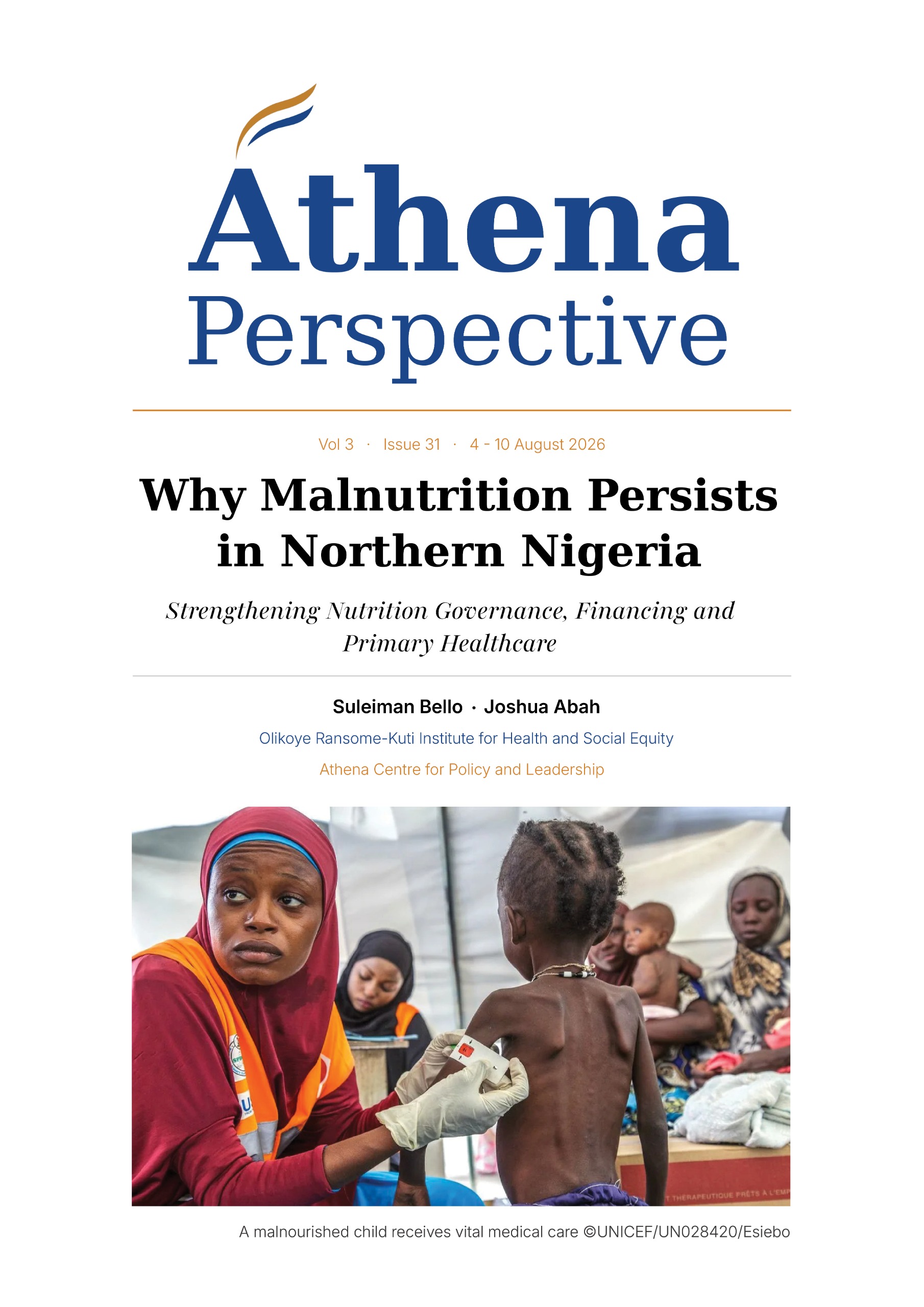
In a new policy report released on Wednesday in Abuja, titled Why Malnutrition Persists in Northern Nigeria: Strengthening Nutrition Governance, Financing and Primary Healthcare, the Centre argued that Nigeria’s nutrition challenge is no longer primarily a policy problem but a governance failure that continues to undermine efforts to improve child health.
The report painted a grim picture of the country’s nutrition indicators, revealing that 40 per cent of Nigerian children under the age of five are stunted, eight per cent are wasted, while 27 per cent are underweight, with the situation considerably worse across the northern region.
According to the report, stunting affects 46.3 per cent of children in Katsina, 43.8 per cent in Sokoto and 42.6 per cent in Zamfara in the North-West. In the North-East, child food poverty affects 67 per cent of children in Borno, 66 per cent in Yobe and 60 per cent in Adamawa, underscoring the severity of the crisis.
The report also cited data from the World Food Programme showing that over 17 million people across nine conflict-affected northern states are currently experiencing crisis, emergency or catastrophic levels of hunger.
Authored by Dr. Suleiman Bello and Joshua Abah, the report acknowledged that Nigeria has developed several nutrition policies and identified proven interventions over the years, but noted that public institutions have consistently failed to translate those commitments into effective service delivery at community, ward, health facility and state levels.
It identified the absence of clear institutional leadership and accountability mechanisms linking nutrition financing, primary healthcare, agriculture, social protection and local implementation structures as major obstacles to reducing child malnutrition.
The report further criticised what it described as a reactive approach to nutrition management, arguing that government interventions are often activated only after children become severely malnourished rather than focusing on preventive measures during pregnancy and the crucial first 1,000 days of a child’s life.
To reverse the trend, the Athena Centre proposed four major reforms aimed at strengthening governance and accountability.
It recommended making verified nutrition preparedness a condition for accessing performance financing under the Basic Health Care Provision Fund in high-burden areas.
The Centre also called for the publication of a quarterly nutrition compliance ledger detailing budget releases, procurement of nutrition commodities, health facilities supplied, wards covered and outstanding government obligations.
In addition, it urged northern states to establish a lead nutrition accountability institution with authority to coordinate activities across the health, agriculture, water and sanitation, social protection, finance and humanitarian sectors.
The report also advocated strengthening Ward Development Committees to serve as frontline structures for identifying vulnerable mothers and children before malnutrition becomes life-threatening.
According to the report, nutrition must be treated as a measurable government responsibility rather than a humanitarian intervention triggered only after crises become visible.
It concluded with a stark warning: “A child should not have to become visibly wasted before the state becomes visible.”
Northern Nigeria has for years recorded some of the highest rates of child malnutrition in Africa, driven by a combination of armed conflict, displacement, widespread poverty, climate shocks, food insecurity and weak healthcare systems.
Despite successive national nutrition strategies and increased support from development partners, implementation gaps, inadequate funding, poor coordination among government institutions and weak monitoring systems have continued to limit progress, leaving millions of children vulnerable to preventable illness, impaired cognitive development and premature death.
The Athena Centre’s report adds to growing calls for governments at all levels to prioritise nutrition governance, improve accountability for public spending and strengthen primary healthcare as Nigeria works towards achieving the Sustainable Development Goals on hunger, health and child survival.
Governance Failures Fuel Northern Nigeria’s Child Malnutrition Crisis, Athena Centre Warns
NSCDC Dismisses Officers, Sanctions 79 Personnel, Busts Illegal Arms Ring
By: Michael Mike
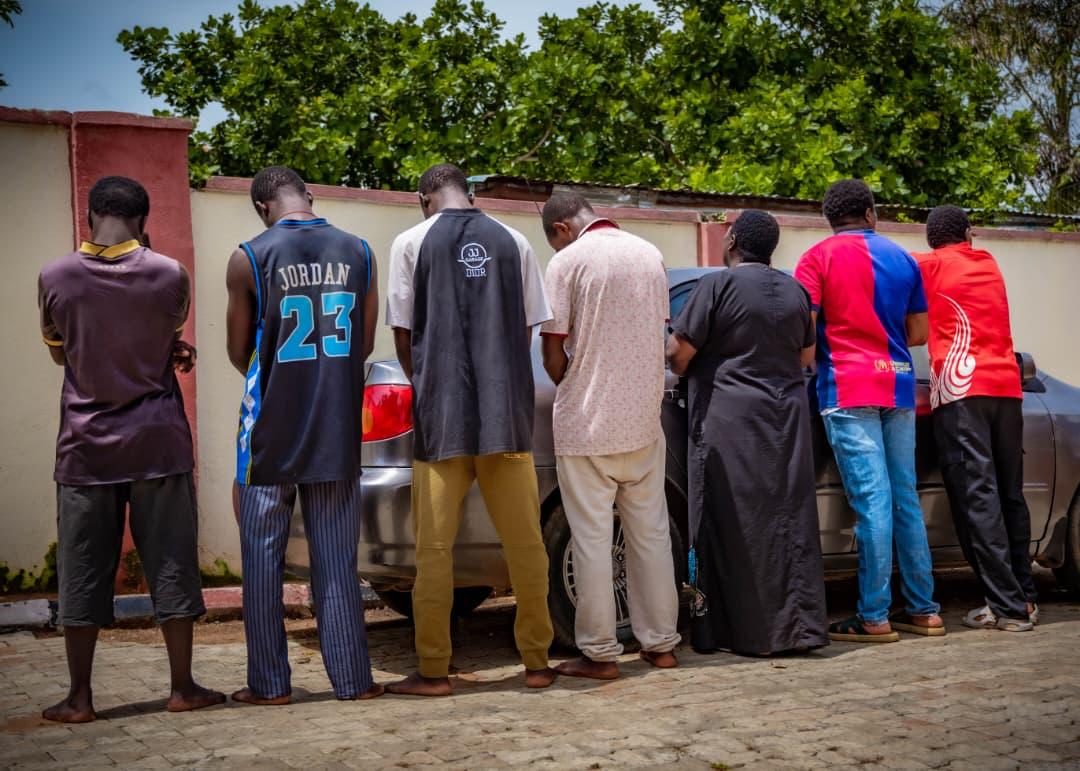
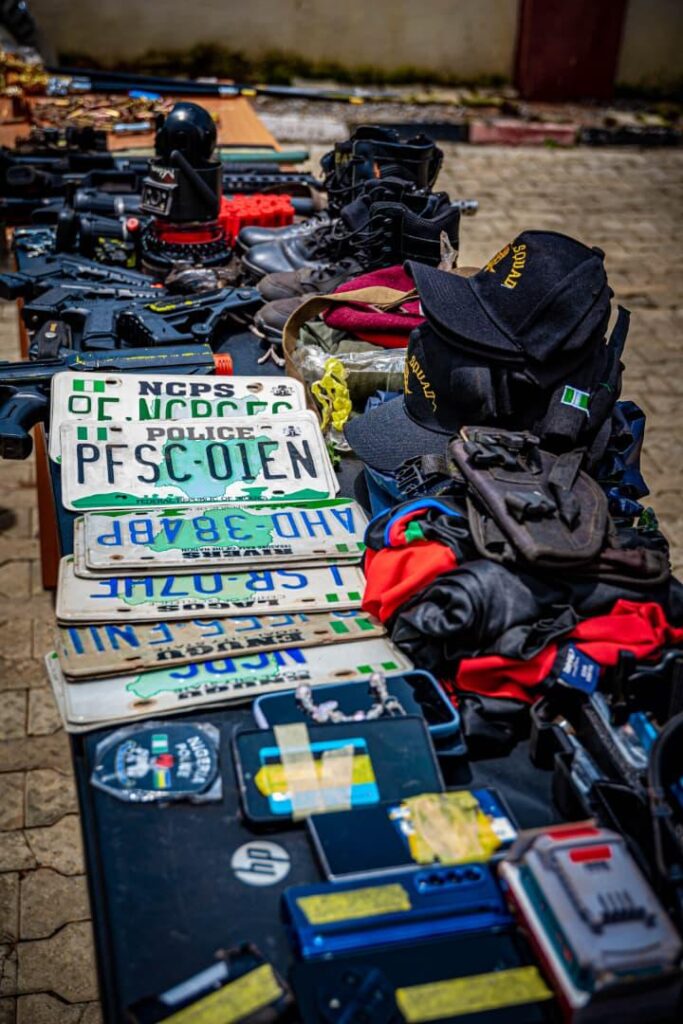
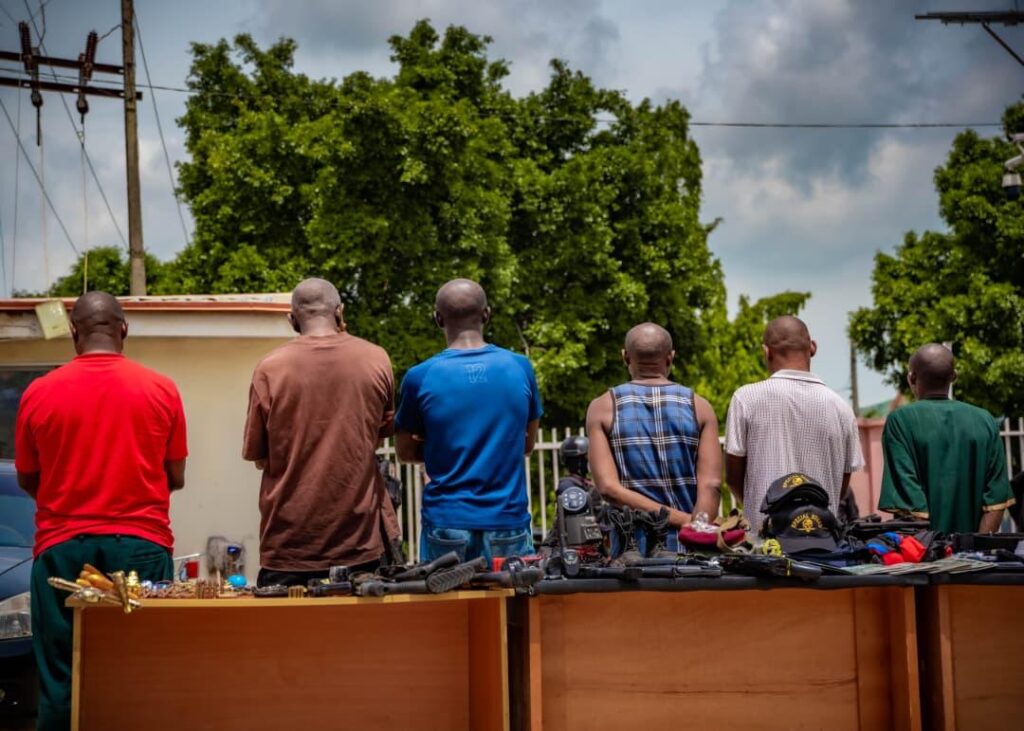
The Nigeria Security and Civil Defence Corps (NSCDC) has announced one of its most sweeping internal disciplinary actions in recent years, sanctioning 79 personnel for various acts of professional misconduct while simultaneously arresting 12 suspects over alleged illegal arms dealing and vandalism of critical national infrastructure.
The measures, announced on Wednesday by the Commandant General of the Corps, Professor Ahmed Audi, underscore what the NSCDC described as a renewed commitment to institutional accountability, discipline and the protection of national assets amid rising security challenges.
According to the Corps, disciplinary proceedings concluded under the Public Service Rules and the NSCDC Conditions of Service affected 75 personnel, comprising one Assistant Commandant General (ACG), two Deputy Commandants (DCs), 35 other senior officers and 37 junior officers.
The offences ranged from job racketeering, financial misconduct and theft to absenteeism without leave and acts considered prejudicial to national security.
The Corps said sanctions imposed include dismissal from service, compulsory retirement and recommendations for criminal prosecution where criminal liability was established.
Among the most serious cases was the February 18, 2026 operational incident at Rafin Gabas in Kokona Local Government Area of Nasarawa State, during which the Commander of the NSCDC Mining Marshals in the area, Levi Agada, was killed.
Investigations, according to the Corps, found that two officers—Hosea Habila and Jibrin Labaran—engaged suspected illegal miners with firearms without authorisation during the operation. Both officers have been dismissed from service and recommended for criminal prosecution.
The NSCDC also disclosed that four officers are currently facing separate disciplinary proceedings over alleged involvement in illegal arms dealing.
The officers are Superintendent Tesie Victor Nnamdi of the Enugu State Command, Assistant Superintendent II Okwuruinya Uchenna and Assistant Superintendent II Obaji Sampson, both of the Ebonyi State Command, while Superintendent Achor Favour of the Nasarawa State Command is undergoing administrative disciplinary proceedings over allegations relating to the mistreatment and negligence of a teenage domestic worker, Mercy Hajara Muhammad.
In a related operation, the Commandant General’s Special Intelligence Squad (CG’S SIS) arrested nine suspects across Ebonyi, Enugu, Kogi, Niger states and the Federal Capital Territory for alleged involvement in illegal firearms and ammunition trafficking.
Those arrested include Friday Nnanna Ujor, Chika Sampson Nwozaku, Nnanna Ujor Chinasa, Nnanna Fountain, Nnanna Abundant Ifechukwu, as well as three serving NSCDC officers identified as Tesie Victor Nnamdi, Okwuruinya Uchenna and Obaji Sampson.
The Corps also reported breakthroughs in its campaign against the vandalism of critical national assets and infrastructure.
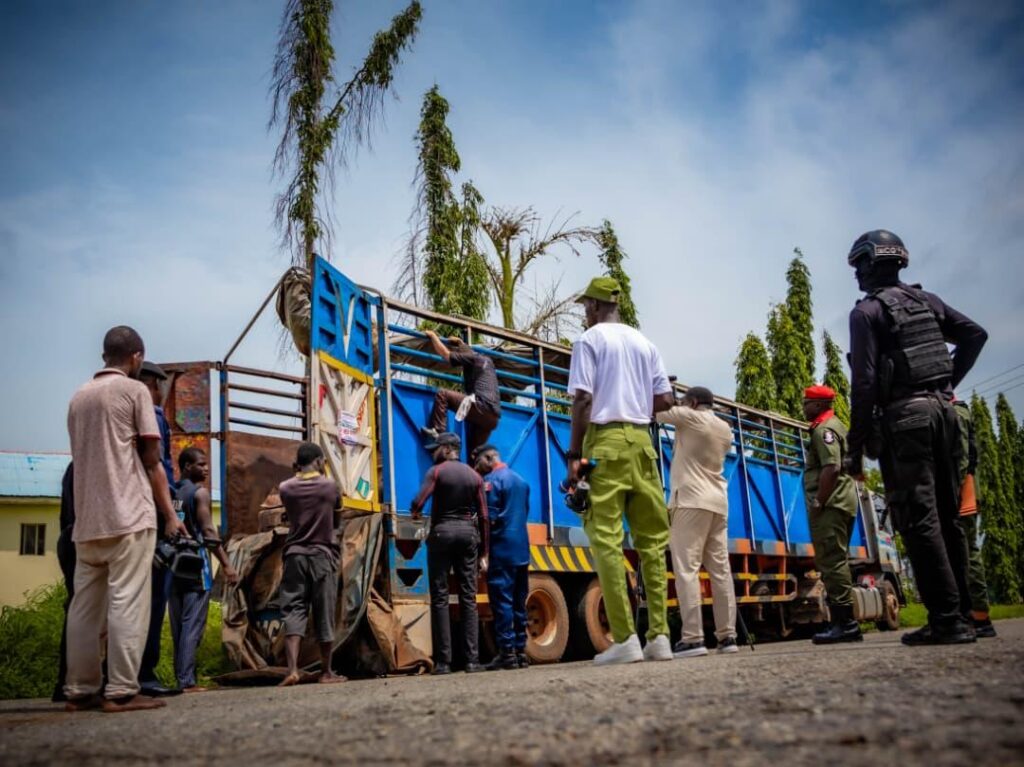
It said operatives intercepted six suspects allegedly transporting a trailer-load of vandalised railway sleepers at Sabon Wuse on July 25, 2026.
The stolen railway materials were concealed inside a blue DAF trailer bearing registration number ZAR 618 XT.
In another operation, two suspected members of a vandalism syndicate, Raphael Danjuma and Isaac Zegbe, were arrested over the alleged destruction and theft of electrical cables in Gwagwalada Area Council of the Federal Capital Territory.
Speaking on the development, Audi said the disciplinary actions demonstrate the Corps’ resolve to maintain professionalism and ensure that officers who undermine public confidence are held accountable.
He stressed that the misconduct of a few personnel should not overshadow the dedication and integrity of the overwhelming majority of NSCDC officers serving across the country.
The Corps further noted that all affected personnel and suspects remain entitled to due process as administrative and criminal proceedings continue.
The latest crackdown comes as security agencies intensify efforts to combat illegal mining, arms trafficking and the vandalism of critical infrastructure, crimes that have increasingly threatened Nigeria’s economic assets, public utilities and national security.
The NSCDC urged Nigerians to remain vigilant and continue providing credible intelligence to security agencies to help safeguard critical national infrastructure and strengthen internal security.
NSCDC Dismisses Officers, Sanctions 79 Personnel, Busts Illegal Arms Ring

Troops Impound 28 Livestock Over Illegal Grazing, Farm Destruction in Plateau’s Mangu

Woman Killed, Another Injured in Attack While Fetching Firewood in Plateau’s Mangu

Governance Failures Fuel Northern Nigeria’s Child Malnutrition Crisis, Athena Centre Warns

Roger Federer’s Shock as DNA Results Reveal Myla and Charlene Are Not His Biological Children

THE PLIGHT OF FARIDA

FAILED COUP IN BURKINA FASO: HOW TRAORÉ NARROWLY ESCAPED ASSASSINATION PLOT AMID FOREIGN INTERFERENCE CLAIMS
-
 News2 years ago
Roger Federer’s Shock as DNA Results Reveal Myla and Charlene Are Not His Biological Children
-
Opinions4 years ago
THE PLIGHT OF FARIDA
-
 News1 year ago
FAILED COUP IN BURKINA FASO: HOW TRAORÉ NARROWLY ESCAPED ASSASSINATION PLOT AMID FOREIGN INTERFERENCE CLAIMS
-

 News2 years ago
EYN: Rev. Billi, Distortion of History, and The Living Tamarind Tree
-
 Opinions5 years ago
POLICE CHARGE ROOMS, A MINTING PRESS
-

 ACADEMICS2 years ago
A History of Biu” (2015) and The Lingering Bura-Pabir Question (1)
-

 Columns2 years ago
Army University Biu: There is certain interest, but certainly not from Borno.
-

 Politics1 year ago
2027: Why Hon. Midala Balami Must Go, as Youths in Hawul and Asikira/Uba Federal Constituency Reject ₦500,000 as Sallah Gift
