
News
NDLEA, Military to Strengthen Synergy on Drug War

NDLEA, Military to Strengthen Synergy on Drug War
By: Michael Mike
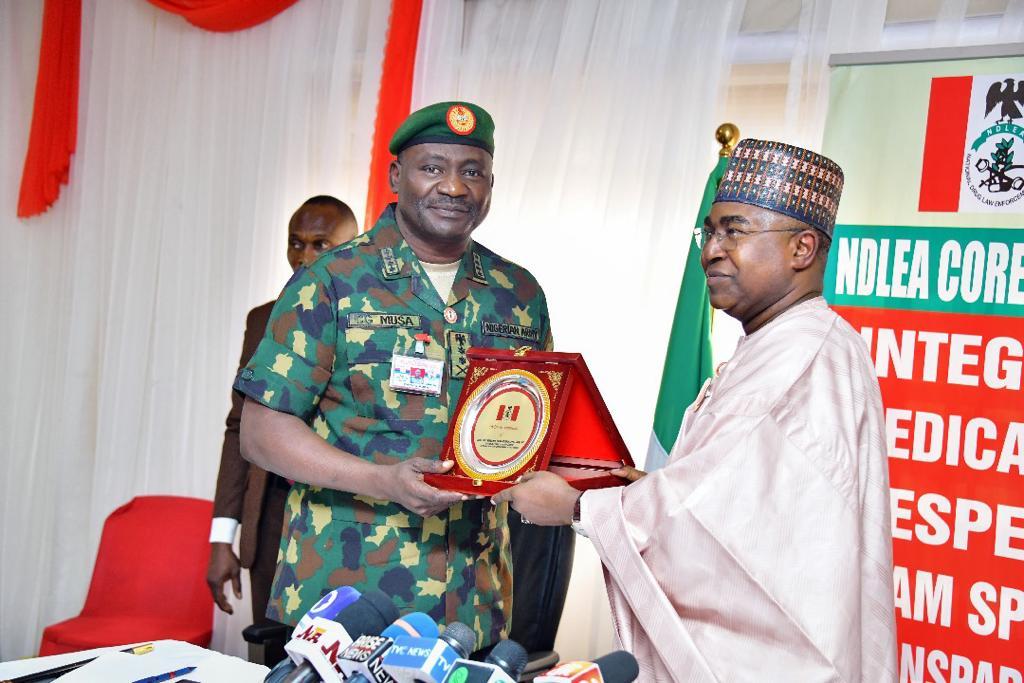
The Nigerian military has promised to strengthen its synergy with the National Drug Law Enforcement Agency, NDLEA, to curtail the menace of substance abuse and illicit drug trafficking in the country.
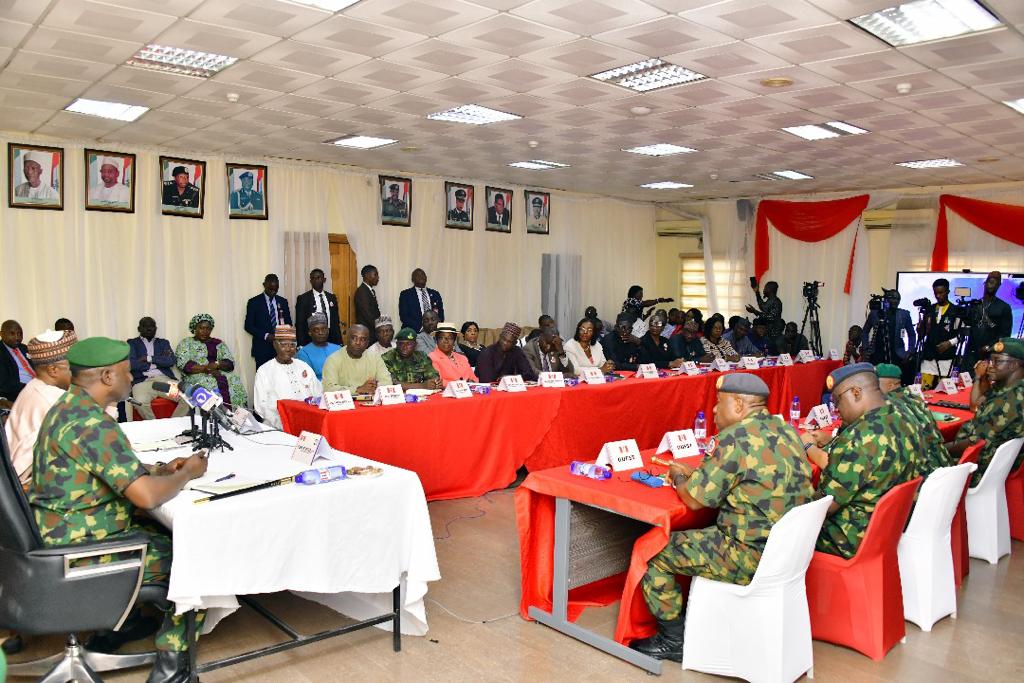
The assurance was given on Monday by the Chief of Defence Staff, Gen. Christopher Gusau when he paid a courtesy visit to the Chairman/Chief Executive Officer of NDLEA, Brig. Gen. Buba Marwa (Retd) at the agency’s National Headquarters in Abuja.
Marwa, in his remarks, commended the Nigerian Armed Forces under the leadership of the CDS for their loyalty, sacrifices and hard work to keep the country safe. He also thanked the military for supporting the agency in terms of logistics and training.
The anti-narcotics czar while emphasizing the significance of the partnership between the military and the NDLEA, said substance abuse is at the root of crimes and criminalities across the country.
He said: “The criminal elements rely on drugs to carry out their criminalities and that is why we have been very ferocious in our offensive action against them to cut access and availability of these illicit drugs.
“As a result, in about three years we have arrested 42,105 drug offenders, including 46 barons; seized 7,500 tons of drugs; 1,057 hectares of cannabis farms destroyed and 8, 350 offenders convicted while 29,400 drug users have been counselled and rehabilitated within the same period.”
He therefore urged the armed forces to consider constructing central rehabilitation centre and creating rehab facilities in existing military hospitals to attend to the treatment of their personnel that may have issues of substance abuse.
Speaking earlier, the CDS commended Marwa and his management team for the great turn around on the drug war, which has positively changed the negative perception about Nigeria in the international community.
He assured of the continued support of the armed forces to NDLEA in its renewed fight against substance abuse and illicit drug trafficking. He said the Agency’s efforts have motivated the military to introduce drug test as a requirement for training and promotion in the armed forces.
He said the nexus between drug abuse and insecurity cannot be over-emphasized, adding that if the nation is able to curb the scourge of substance abuse, the current security challenges would have been drastically reduced. He also said the menace must be tackled holistically while promising to consider the suggestion by the NDLEA boss for the military to have its own central rehabilitation centre.
The CDS said: “We know the challenges of drugs and how the use of illicit drugs has affected Nigeria’s name. And when Nigeria is mentioned abroad, everybody thinks about drugs, but you and your team have turned that around, at least now, people have seen that sense of sincerity in addressing the drug issue in Nigeria. We know it is not easy, because a lot of people have benefited so much from it and they will do anything to sustain their illicit businesses.
“I want to assure you that the members of Nigerian Armed Forces are fully behind you. We are proud of you and what you have been achieving and we will continue to support you until the menace of drugs is totally eliminated in the country. We know the influence of drug use and what it has done to us, creating a lot of issues all over the country, which is very alarming.
“Drug use has slipped into so many places, and for members of the Armed Forces; we’re not excluded. Now we have introduced as part of our recruitment processes and for our people to go for courses, they must take drug test, because this will ensure that personnel of the Armed Forces are doing the right thing and are in the right frame of mind. So, we’ll continue to do that and continue to intensify our efforts.
“”We have seen the number of arrests being made and how the world over now has seen that Nigeria is taking positive measures to address this drug issue, this I think is highly commendable. Theatre Commanders in the North East have seen the effect of drugs. Ideally, some people that will not even be able to carry a knife, when they take drugs, they carry a GPMG. So, this tells you what drugs do, it gives you a lot of fake confidence and with usage over time they become addicted and when they become addicted it becomes dangerous to them and they become a danger to everyone close to them.”
NDLEA, Military to Strengthen Synergy on Drug War


NHRC Flags Implementation Gaps, Moves to Reset Human Rights Strategy
By: Michael Olugbode
The National Human Rights Commission (NHRC) on Friday launched a comprehensive review of its 2024–2027 Strategic Plan, admitting that while significant progress has been made in expanding human rights protection across Nigeria, implementation gaps, weak monitoring systems and limited institutional capacity continue to hinder the full realization of its mandate.
The Commission said the mid-term assessment marks a decisive effort to recalibrate its strategy midway into the four-year plan, with a renewed focus on improving access to justice, strengthening accountability and enhancing protection for vulnerable and marginalized groups.
Opening a consultative stakeholders’ meeting on the presentation of the Mid-Term Review of the Strategic Plan in Abuja, the Executive Secretary of the Commission, Tony Ojukwu (SAN), described the exercise as a critical turning point in determining whether the Commission is delivering on its promises to Nigerians.
He said the review was not intended as a routine appraisal but as an opportunity to honestly assess achievements, confront implementation challenges and adopt practical measures that would strengthen the Commission’s performance over the remaining period of the strategic plan.
“The consultation offers an opportunity for constructive dialogue. Your contributions and recommendations will enrich the review findings and guide implementation during the remainder of the Strategic Plan,” Ojukwu told participants drawn from government institutions, development partners, civil society organisations, the diplomatic community and the media.
He explained that the NHRC Strategic Plan, which runs from 2024 to 2027, was designed as the Commission’s roadmap for building a stronger institution capable of delivering better services, expanding access to justice and protecting the rights of all Nigerians, especially those most vulnerable to abuse and discrimination.
According to him, the mid-term review showed encouraging institutional commitment, with all departments and units at the Commission’s headquarters as well as its offices in the 36 states actively participating in implementing the plan.
However, he acknowledged that the assessment also exposed areas requiring urgent attention.
Among the key concerns identified are the need to strengthen implementation mechanisms, improve monitoring and reporting systems, build institutional capacity and ensure more efficient use of limited resources.
Ojukwu said addressing these shortcomings would be critical to improving the Commission’s effectiveness and ensuring that its interventions produce measurable results for citizens.
He noted that the findings of the review provide a strong foundation for repositioning the Commission to respond more effectively to Nigeria’s evolving human rights challenges.
The Executive Secretary also praised the commitment of staff, state coordinators and partners whose contributions made the review possible, urging stakeholders to use the consultation to provide frank recommendations that would shape the next phase of implementation.
The review comes at a time when concerns over human rights, access to justice and the protection of vulnerable populations remain central to national discourse, with increasing calls for stronger institutions capable of responding to emerging challenges.
The review, which assessed implementation from January 2024 to December 2025, found that all 36 state offices and 20 headquarters departments and units participated in the exercise, collectively recording 90,627 implementation outputs against 160 validated performance indicators. State offices accounted for 48,980 outputs, representing 54 per cent of the total, while headquarters contributed 41,647 outputs, or 46 per cent, underscoring broad institutional participation in implementing the Commission’s strategic agenda.
According to the report, the Commission recorded its strongest performance in the areas of protecting vulnerable populations and promoting human rights education and awareness. These two strategic priorities alone accounted for nearly three-quarters of all implementation outputs, reflecting the Commission’s sustained focus on safeguarding vulnerable groups, expanding public awareness of human rights and improving access to justice across the country. Other areas, including economic, social and cultural rights, access to justice and treaty reporting, posted moderate achievements, while specialized areas such as research, resource mobilisation and knowledge management were identified as requiring greater attention during the remaining implementation period.
The evaluation also highlighted disparities in implementation across state offices and headquarters departments, attributing the variations largely to differences in operational mandates, programme portfolios and institutional capacity rather than organisational effectiveness. It recommended targeted resource allocation to lower-performing strategic priorities, stronger monitoring and evaluation systems, improved data quality assurance, continuous capacity building for state offices and the institutionalisation of periodic management dashboards to support evidence-based decision-making.
The consultative meeting is expected to validate the review findings and produce recommendations that will guide the Commission’s work through the final phase of its 2024–2027 Strategic Plan, as it seeks to deepen public confidence and strengthen the protection of human rights across the country.
NHRC Flags Implementation Gaps, Moves to Reset Human Rights Strategy
Resetting Power Sector: FG Rules Out Tariff Hike, Targets Stronger Grid and Universal Metering
By: Michael Mike
The Federal Government on Friday unveiled a comprehensive roadmap to overhaul Nigeria’s electricity sector, assuring Nigerians that there is no immediate plan to increase electricity tariffs while promising improved power supply, universal metering, a more reliable national grid and a financially sustainable electricity market.
Speaking at the National Media Roundtable on the theme, “Resetting the Sector,” in Abuja, the Minister of Power, Joseph Tegbe, said the administration of President Bola Ahmed Tinubu was embarking on a new phase of reforms aimed at addressing decades-long structural challenges that have hindered the country’s electricity industry.
Tegbe said the objective of the reforms was to make electricity more available and reliable, strengthen the financial viability of the market, restore investor confidence and position electricity as a driver of industrialisation and economic growth.
“The Nigerian people deserve to know where their power sector is headed, why certain decisions are being taken, and how those decisions will ultimately translate into better electricity supply for homes, businesses and industries,” he said.
He described the initiative as the beginning of a new era of openness, accountability and collaboration, stressing that “resetting the sector” was not an admission of past failures but an effort to build on the reforms already initiated under the Tinubu administration while tackling longstanding bottlenecks.
The minister credited President Tinubu with providing what he described as the strongest political commitment to electricity sector reforms since the liberalisation of the industry, noting that the implementation of the Electricity Act had created a new regulatory framework allowing states to develop electricity markets tailored to their economic realities.
According to him, the Federal Government has embraced decentralisation as an opportunity to stimulate innovation, competition and private investment across the federation.
Tegbe also disclosed that the government was advancing a Power Sector Bond Initiative to settle longstanding debts owed to electricity generation companies, gas suppliers and other market participants, describing the intervention as crucial to resolving the sector’s liquidity crisis and restoring commercial confidence.
He said universal metering remained one of the administration’s highest priorities, noting that the Presidential Metering Initiative (PMI) was designed to eliminate estimated billing and ensure consumers pay only for electricity actually consumed.
For decades, he said, estimated billing had eroded public trust between electricity providers and consumers.
The minister announced that the Ministry had already launched the Power Force, an initiative expected to engage 5,000 Nigerian youths in nationwide meter installation while simultaneously building technical manpower for the electricity industry through the National Power Training Institute of Nigeria (NAPTIN).
He also revealed that significant progress had been made in resolving long-standing challenges surrounding meter procurement.
On electricity generation, Tegbe said operational improvements were already yielding results, disclosing that Nigeria had consistently generated about 5,000 megawatts over the previous two weeks.
Although he acknowledged that generation alone would not solve the country’s electricity challenges, he said improved coordination among generation, transmission and distribution operators was beginning to produce measurable gains.
“Electricity must be generated, transmitted, distributed and paid for. All these components must function simultaneously,” he said.
To address systemic weaknesses, the minister unveiled a broad transformation agenda beginning with a comprehensive technical audit of Nigeria’s transmission infrastructure.
According to him, the audit will identify ageing facilities, overloaded substations, weak transmission corridors and operational vulnerabilities to guide future investments and reduce system failures.
The government also plans to harmonise electricity regulation between the Federal Government and state regulatory commissions following the implementation of the Electricity Act, in order to eliminate jurisdictional conflicts and provide regulatory certainty for investors.
As part of efforts to stabilise the national grid, Tegbe announced planned investments in three major transmission corridors covering Lagos, Enugu-Port Harcourt, and Abuja-Kaduna-Kano.
He added that government would also pursue strategic asset optimisation by linking underutilised electricity infrastructure to industrial clusters and manufacturing hubs while implementing a long-term Super Grid Programme to strengthen Nigeria’s transmission backbone and support future industrial expansion.
Within the next two to three years, he said Nigerians should begin to experience a stronger grid, reduced technical losses, improved market discipline, expanded electricity access and greater operational capacity across the sector.
Addressing widespread concerns over electricity pricing, Tegbe firmly dismissed speculation about an imminent tariff increase.
“There is no policy by this administration to increase electricity tariffs beyond its current level. Our priority is not tariff increase in the immediate term. Our priority is service improvement, universal metering and ensuring Nigerians pay only for the electricity they actually consume,” he declared.
He added that the government would continue to explore measures to protect vulnerable consumers while strengthening the financial sustainability of the electricity market.
Calling on investors, electricity operators, development partners, labour unions, consumer groups, state governments and the media to support the reform agenda, Tegbe stressed that success would ultimately be measured not by policy pronouncements but by improvements in the daily lives of Nigerians.
“Our ambition is clear: reliable electricity that powers our homes, competitive electricity that powers our industries, sustainable electricity that attracts investment, and inclusive electricity that reaches every Nigerian,” he said.
Resetting Power Sector: FG Rules Out Tariff Hike, Targets Stronger Grid and Universal Metering
NUJ Honour Validates Security-Media Partnership, Says DSS DG
By: Michael Mike
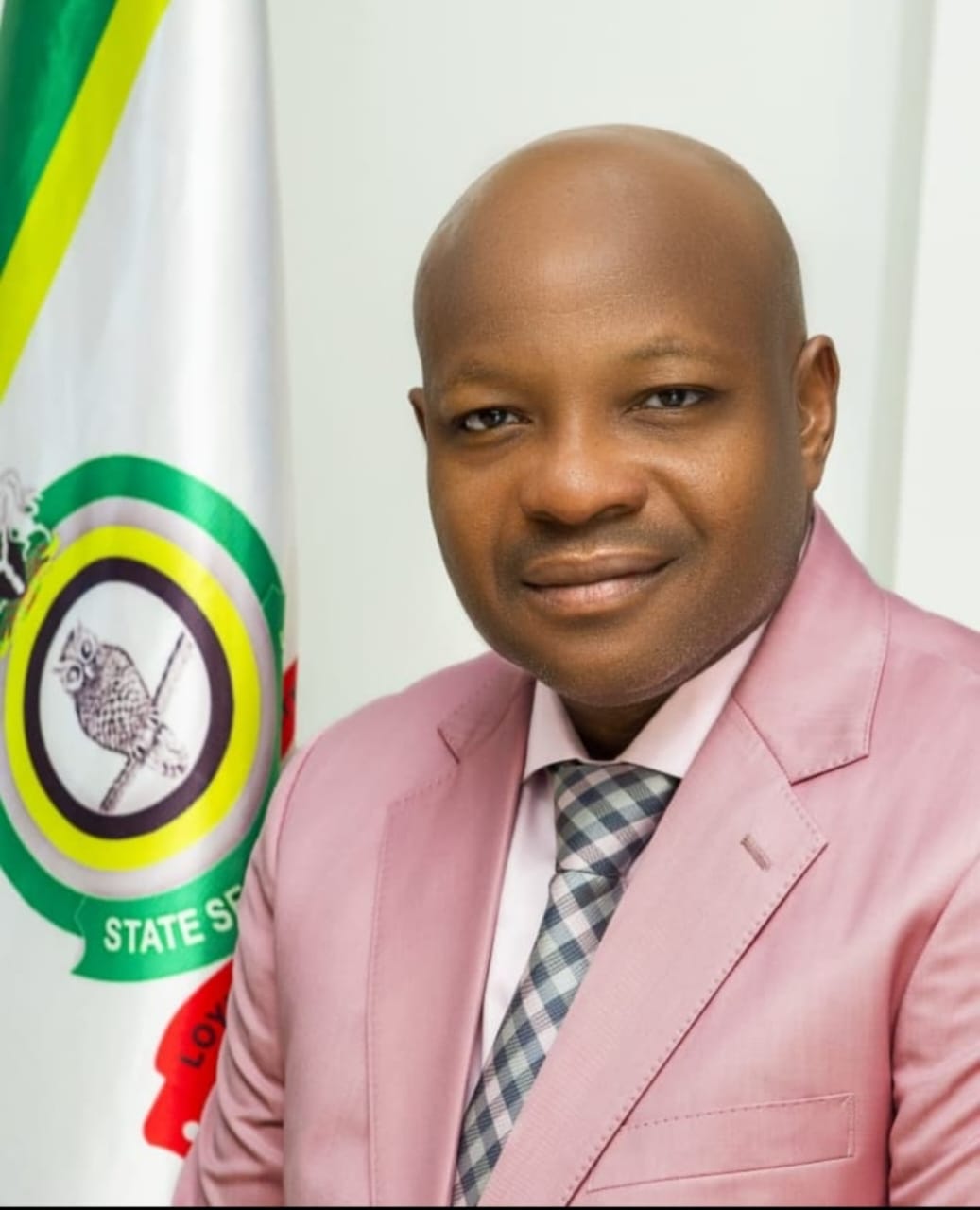
Director-General of the Department of State Services (DSS), Mr. Oluwatosin Ajayi, has described his emergence as the Nigeria Union of Journalists (NUJ) Man of the Year 2026 as a validation of the growing partnership between the nation’s security agencies and the media.
Ajayi said the honour reflected the progress made in fostering mutual trust and collaboration between the DSS and journalists in promoting national security and democratic governance.
Speaking after receiving the award on Monday, the DSS boss expressed gratitude to the NUJ, noting that the recognition was particularly significant because it came from media professionals.
“I so much value this award coming from the Nigeria Union of Journalists; hence the reason I chose to receive it personally,” Ajayi said.
He recalled that since assuming office, the media had maintained a cordial relationship with the Service, pledging that the partnership would continue in the interest of national development.
“Since assuming office, the media has been a friend of the Service, and we will continue to partner in areas we can for the development of the country,” he added.
The DSS Director-General also reaffirmed the agency’s commitment to press freedom, recalling his earlier pledge that there would be “no arrest of journalists.”
According to him, the Service has remained faithful to that commitment, adding that the recognition would further motivate the DSS to intensify efforts towards improving national security while supporting initiatives that strengthen journalists’ professional capacity.
“This award is a push for us to do more in promoting security in our country,” he said.
Earlier, NUJ National President, Comrade Alhassan Yahya Abdullahi, disclosed that the union’s National Executive Council unanimously selected Ajayi for the prestigious award.
He attributed the decision to the DSS chief’s leadership in promoting constructive engagement with the media and the Service’s support for the NUJ National Security Summit held in Abuja in June.
Abdullahi said the award recognises Ajayi’s professionalism, commitment to public service and efforts at strengthening understanding, responsible communication and institutional cooperation between security agencies and the media.
He stressed that closer collaboration between the media and security institutions remains essential for safeguarding democracy, promoting accountability and enhancing national stability.
The ceremony ended with both the NUJ and the DSS reaffirming their commitment to deepening institutional partnerships aimed at promoting a secure, democratic and prosperous Nigeria through mutual respect, openness and sustained dialogue.
The event was attended by senior management officials of the Department of State Services and top executives of the Nigeria Union of Journalists, including the National Secretary, Comrade Achike Chude, and the Chairman of the NUJ FCT Council, Comrade Grace Ike.
NUJ Honour Validates Security-Media Partnership, Says DSS DG

NHRC Flags Implementation Gaps, Moves to Reset Human Rights Strategy

Resetting Power Sector: FG Rules Out Tariff Hike, Targets Stronger Grid and Universal Metering

NUJ Honour Validates Security-Media Partnership, Says DSS DG

Roger Federer’s Shock as DNA Results Reveal Myla and Charlene Are Not His Biological Children

THE PLIGHT OF FARIDA

FAILED COUP IN BURKINA FASO: HOW TRAORÉ NARROWLY ESCAPED ASSASSINATION PLOT AMID FOREIGN INTERFERENCE CLAIMS
-
 News2 years ago
Roger Federer’s Shock as DNA Results Reveal Myla and Charlene Are Not His Biological Children
-
Opinions4 years ago
THE PLIGHT OF FARIDA
-
 News1 year ago
FAILED COUP IN BURKINA FASO: HOW TRAORÉ NARROWLY ESCAPED ASSASSINATION PLOT AMID FOREIGN INTERFERENCE CLAIMS
-

 News2 years ago
EYN: Rev. Billi, Distortion of History, and The Living Tamarind Tree
-
 Opinions5 years ago
POLICE CHARGE ROOMS, A MINTING PRESS
-

 ACADEMICS2 years ago
A History of Biu” (2015) and The Lingering Bura-Pabir Question (1)
-

 Columns2 years ago
Army University Biu: There is certain interest, but certainly not from Borno.
-

 Politics1 year ago
2027: Why Hon. Midala Balami Must Go, as Youths in Hawul and Asikira/Uba Federal Constituency Reject ₦500,000 as Sallah Gift
