
News
NES president advocates light rail systems across Nigeria

NES president advocates light rail systems across Nigeria
By: Michael Mike
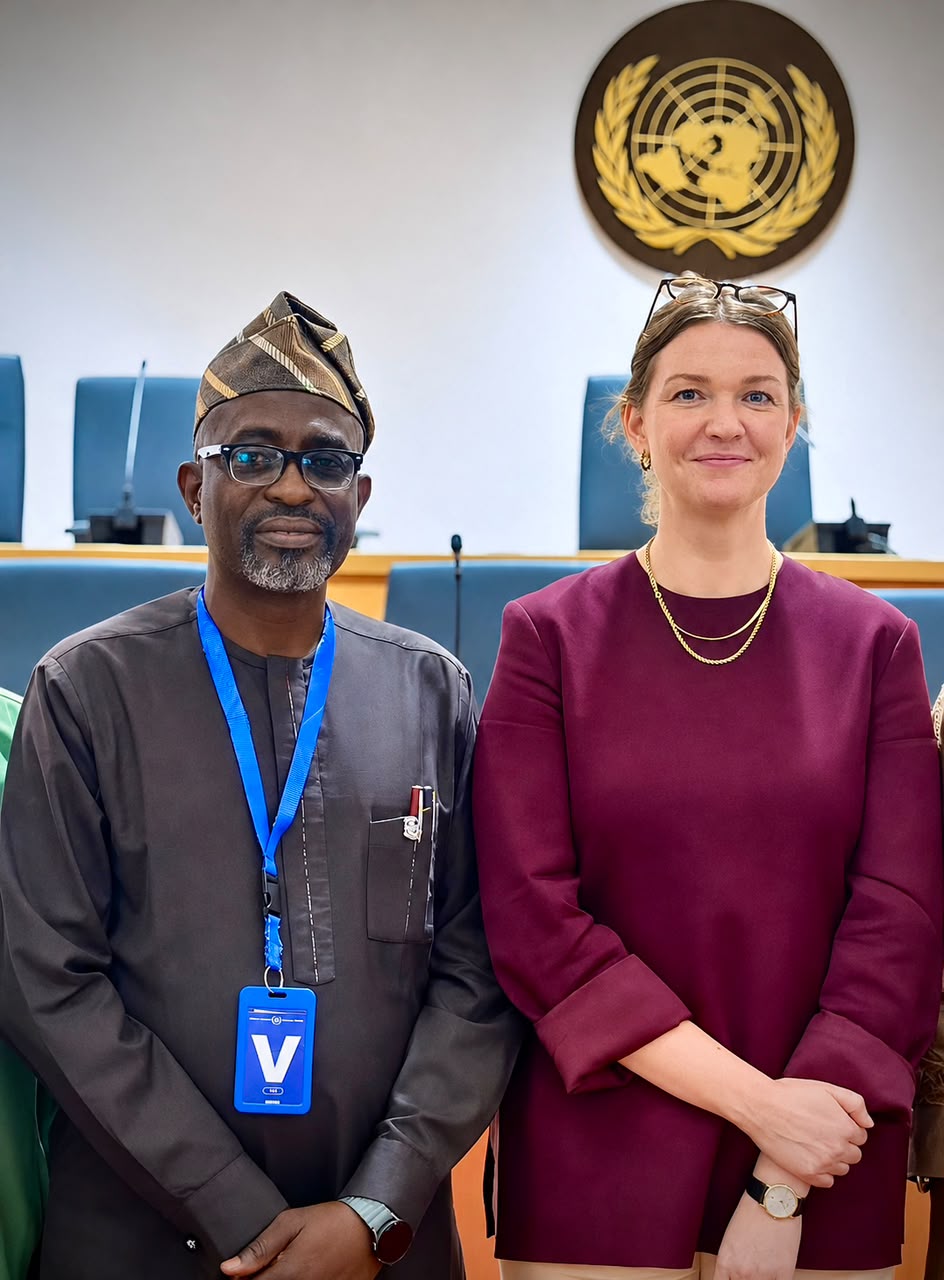
The President of the Nigerian Environmental Society (NES), Prof. Muhammad Bashar Nuhu, has called for the establishment of light rail systems across Nigeria’s regions to improve accessibility, ease transportation and promote sustainable urban development.
Nuhu made the call at the Nigeria Urban Dialogue, organised by UN-Habitat in collaboration with Hipcity Innovation Centre as part of activities marking Urban October 2026.
Speaking during a panel session themed, “Does the City Around Our Homes Work for Us?”, the NES president stressed the importance of investing in efficient public transportation systems and other critical infrastructure to improve citizens’ quality of life and living standards.
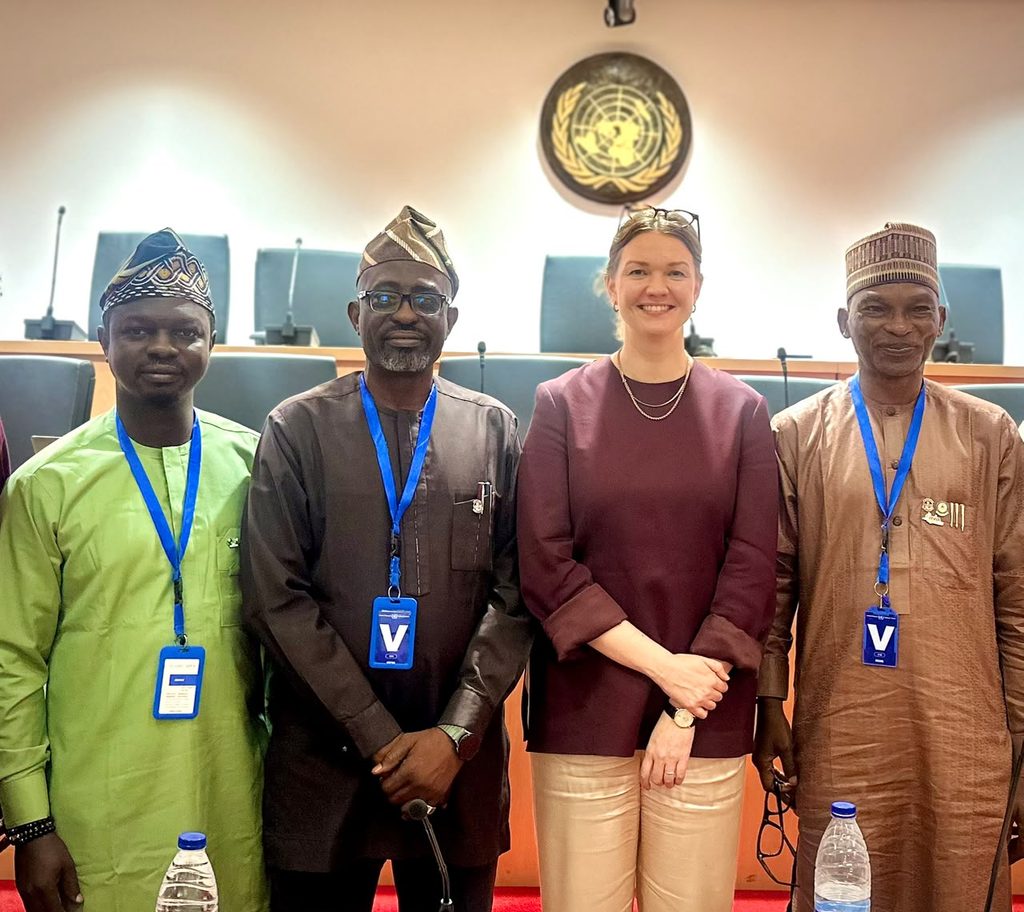
He noted that sustainable urban development requires more than the provision of residential buildings, emphasising that adequate housing must be complemented by reliable transportation networks and supporting infrastructure.
According to him, effective transportation systems are essential for connecting residential communities to workplaces, essential services, economic opportunities and other parts of urban centres.
His contribution highlighted the need for increased investment in public transportation, particularly light rail networks, as well as improved connectivity and accessibility across Nigeria’s cities and regions.
The discussions also underscored the importance of integrated urban planning that considers housing, transportation and essential infrastructure as interconnected components of sustainable city development.
Nuhu’s position reinforced the need for a holistic approach to urban development capable of creating inclusive, accessible, functional and liveable cities.
The NES president’s advocacy aligns with the broader objective of promoting sustainable urban environments where efficient mobility, adequate housing and access to essential services contribute to improved living conditions and the overall well-being of citizens.
NES president advocates light rail systems across Nigeria


Nigeria Secures Key Commonwealth Role as Bianca Emerges CMAG Vice-Chair
…Appointment places Foreign Affairs Minister in strategic body monitoring democracy, human rights and rule of law across 56-member Commonwealth
By: Michael Mike
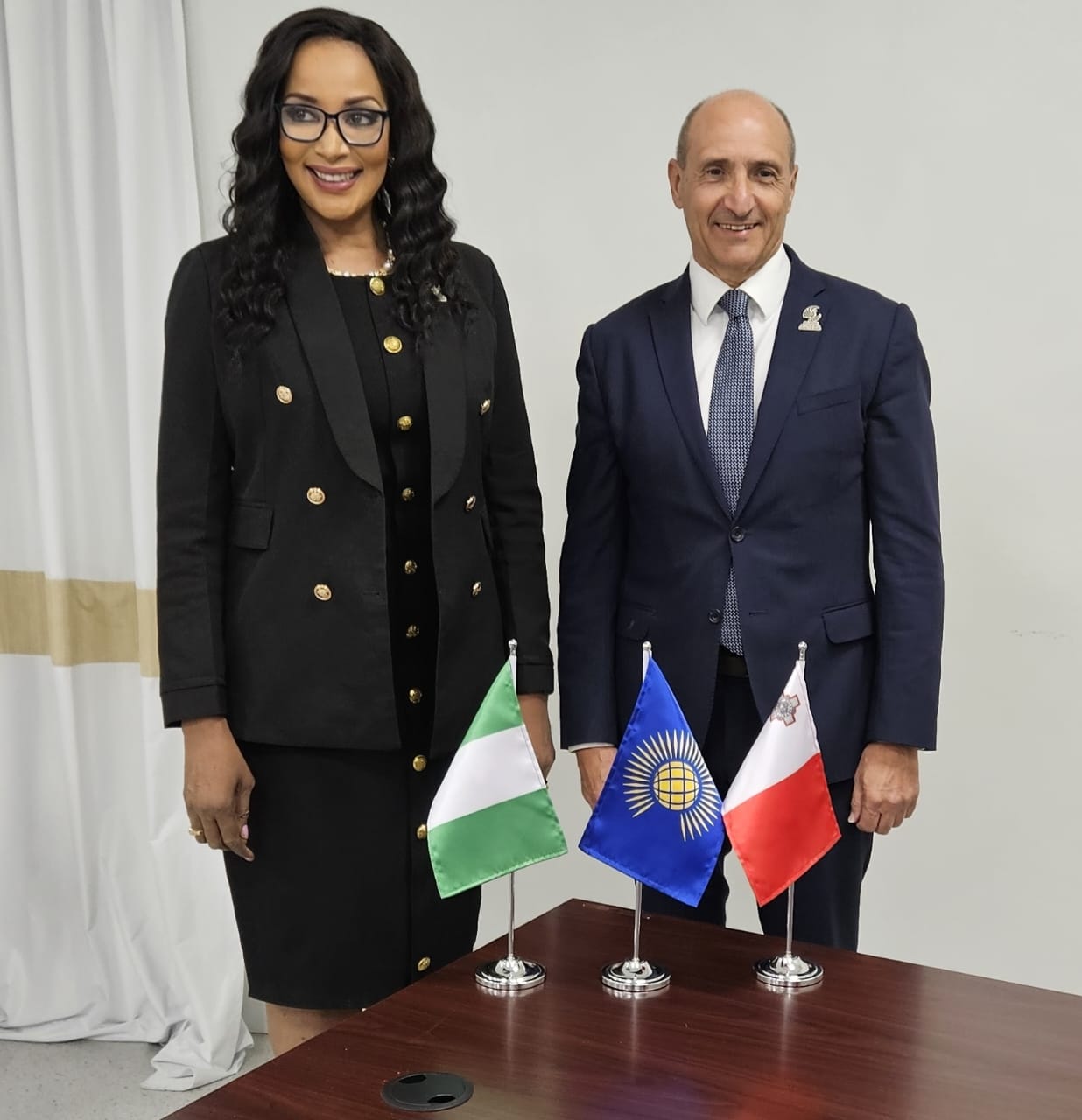
Nigeria has secured a strategic leadership position in the Commonwealth’s democratic governance framework, with Minister of Foreign Affairs, Ambassador Bianca Odumegwu-Ojukwu, appointed Vice-Chair of the Commonwealth Ministerial Action Group (CMAG).
The appointment, announced on Wednesday on the sidelines of the 28th Commonwealth Heads of Government Meeting (CHOGM 2026) in St. John’s, Antigua and Barbuda, places Nigeria in the leadership of a ministerial body responsible for responding to threats to democracy, human rights and the rule of law across the 56-member organisation.
Odumegwu-Ojukwu’s emergence comes as the Commonwealth intensifies efforts to strengthen democratic institutions, promote accountable governance and address political developments capable of undermining its fundamental values.
The group is chaired by Malta’s Minister, Chris Fearne, and comprises foreign ministers serving on a rotating basis to safeguard the political principles underpinning the Commonwealth.
Established in 1995 under the Millbrook Commonwealth Action Plan, CMAG is mandated to assess serious or persistent violations of Commonwealth political values and recommend appropriate collective responses.
Its responsibilities extend beyond responding to military coups and unconstitutional changes of government to include electoral irregularities, restrictions on political participation, suspension of parliaments, interference with judicial independence, human rights abuses and restrictions on the media and civil society.
The group’s mandate was broadened in 2011 to allow more proactive and constructive engagement with member states facing threats to democratic governance, rather than focusing primarily on unconstitutional changes of government.
Odumegwu-Ojukwu’s appointment is expected to give Nigeria a greater platform in Commonwealth deliberations on democratic governance, institutional accountability and the protection of fundamental freedoms.
It also reinforces the country’s participation in shaping collective diplomatic responses to political and governance challenges among member states.
The 28th CHOGM has brought together leaders and representatives of all 56 Commonwealth countries, with King Charles III, Head of the Commonwealth, also attending the week-long summit.
Nigeria Secures Key Commonwealth Role as Bianca Emerges CMAG Vice-Chair
News
Okpebholo, Oba of Benin Back Marwa’s Drug War, as NDLEA Moves to Replace Cannabis Farming in Edo
Okpebholo, Oba of Benin Back Marwa’s Drug War, as NDLEA Moves to Replace Cannabis Farming in Edo
Governor pledges support for agency; monarch seeks stronger collaboration as Marwa mobilises transport unions, religious leaders against substance abuse
By: Michael Mike
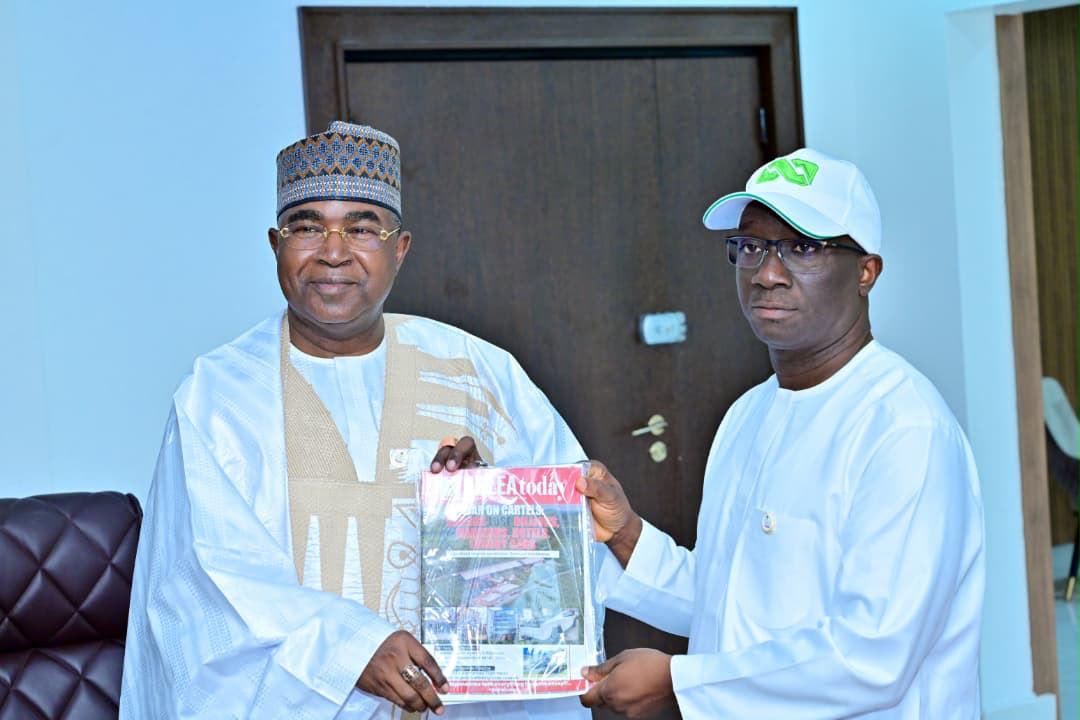
The Governor of Edo State, Monday Okpebholo, and the Oba of Benin, Oba Ewuare II, have pledged their support for the National Drug Law Enforcement Agency (NDLEA)’s campaign against substance abuse and illicit drug trafficking, as the agency moves to replace cannabis cultivation with alternative livelihoods in the state.
The two leaders gave the assurances on Wednesday in Benin City when the Chairman and Chief Executive of NDLEA, Brig. Gen. Buba Marwa (rtd), led the agency’s War Against Drug Abuse (WADA) advocacy campaign to Edo State.
At separate meetings with the governor and the traditional ruler, Marwa called for stronger involvement of political, traditional and religious institutions in tackling drug abuse, warning that the scale of the problem required a coordinated, whole-of-society response.
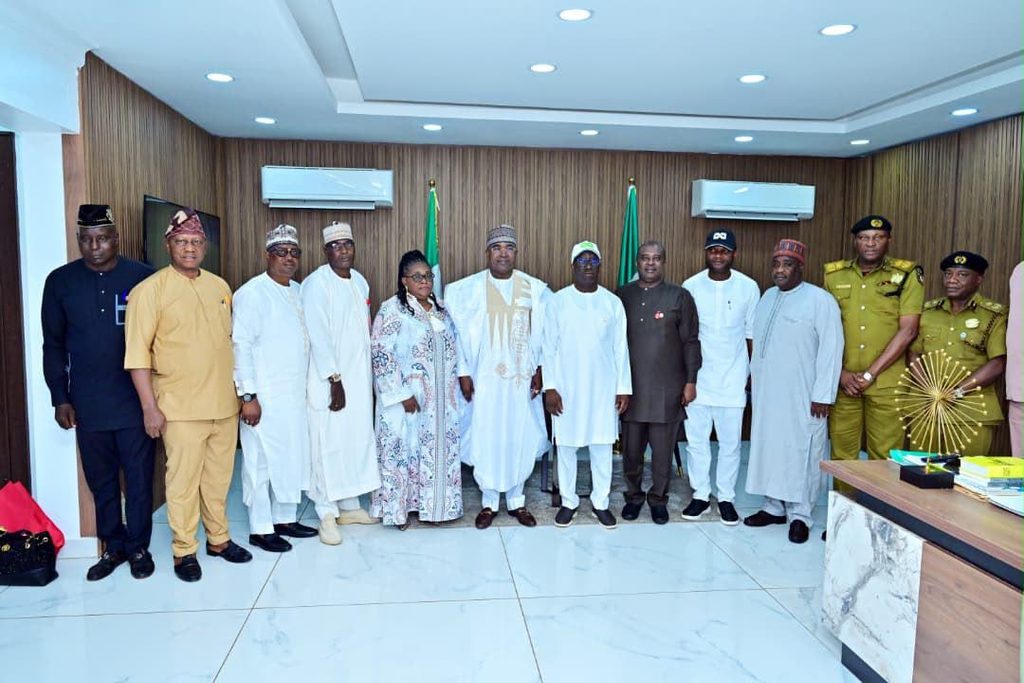
Receiving the NDLEA delegation at Government House, Okpebholo described illicit drugs as a major driver of criminality and urged Nigerians to take collective responsibility for tackling the menace.
“At the root of virtually every crime is the issue of drugs. From our experience, even kidnappers first ask their victims for drugs before demanding ransom. That shows that illicit drug is our enemy,” the governor said.
He commended the NDLEA command in Edo for its operations and pledged his administration’s support for the agency.
“Your officers and men in Edo are doing excellent work. We are ready to work with you, we are ready to partner with you, and we are ready to support you with any request you bring before us,” he said.
The governor was subsequently decorated as a WADA Grand Ambassador in recognition of his commitment to the campaign against drug abuse and trafficking.
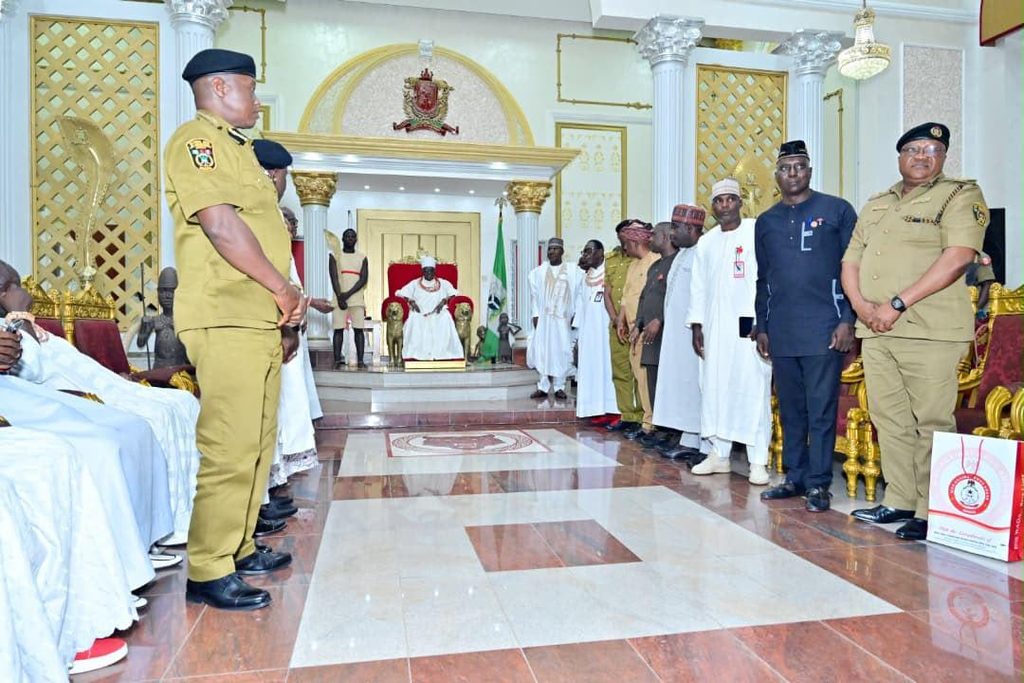
Marwa, who commended Okpebholo’s administration for its developmental efforts and position on drug control, said the visit was also aimed at securing the state’s support for the NDLEA’s Alternative Development Programme.
The initiative, introduced last year, seeks to persuade cannabis farmers to abandon illicit cultivation for legitimate agricultural activities capable of providing sustainable livelihoods.
Marwa said the programme’s pilot phase, launched in Ondo State in January, had recorded encouraging results, prompting plans to extend it to Edo, one of the states associated with cannabis cultivation.
He sought the governor’s support for the initiative, alongside additional logistics to strengthen the agency’s operations in Edo.
At the palace of the Oba of Benin, Marwa described drug abuse as one of the three leading challenges confronting Nigeria, disclosing that more than 15 million Nigerians were involved in drug abuse, a prevalence rate he said was about three times the global average.
He warned that substance abuse had spread into schools and communities, including the Benin Kingdom, making the involvement of traditional institutions critical to reversing the trend.
Marwa disclosed that the NDLEA arrested more than 1,200 suspected drug traffickers and seized over 30 tonnes of illicit substances in Edo State last year.
He added that cannabis accounted for 75 per cent of the 16 million kilogrammes of assorted illicit substances seized nationwide by the agency in the last five years, noting that the plant was cultivated locally, with Edo among the producing states.
“It is the job of the NDLEA to enforce the law against drug trafficking, and as well help those who are addicted to drugs with counselling, treatment and rehabilitation. But this is an assignment that we cannot do alone. It is a whole-of-society approach,” he said.
He identified traditional institutions, religious organisations, civil society groups, governments and the media as essential partners, stressing that traditional rulers were particularly influential because of the respect they commanded in their communities.
The NDLEA chairman also acknowledged the Oba’s interventions against social problems, including kidnapping and human trafficking, saying the monarch’s efforts had helped reduce human trafficking in the kingdom.
He appealed to the monarch to encourage communities under his domain to abandon cannabis cultivation and trading and embrace the Alternative Development Programme.
Explaining the initiative, Marwa said Nigeria was the first country in Africa to adopt alternative development as a strategic pillar of drug control, an approach he said had received the endorsement of the United Nations Office on Drugs and Crime (UNODC) and the Federal Government under the Renewed Hope Agenda.
Under the programme, cannabis farmers are encouraged to cultivate legitimate crops such as cassava, yam and maize, with support from the federal and state governments and the NDLEA through farm inputs and community infrastructure, including roads, schools, clinics and water facilities.
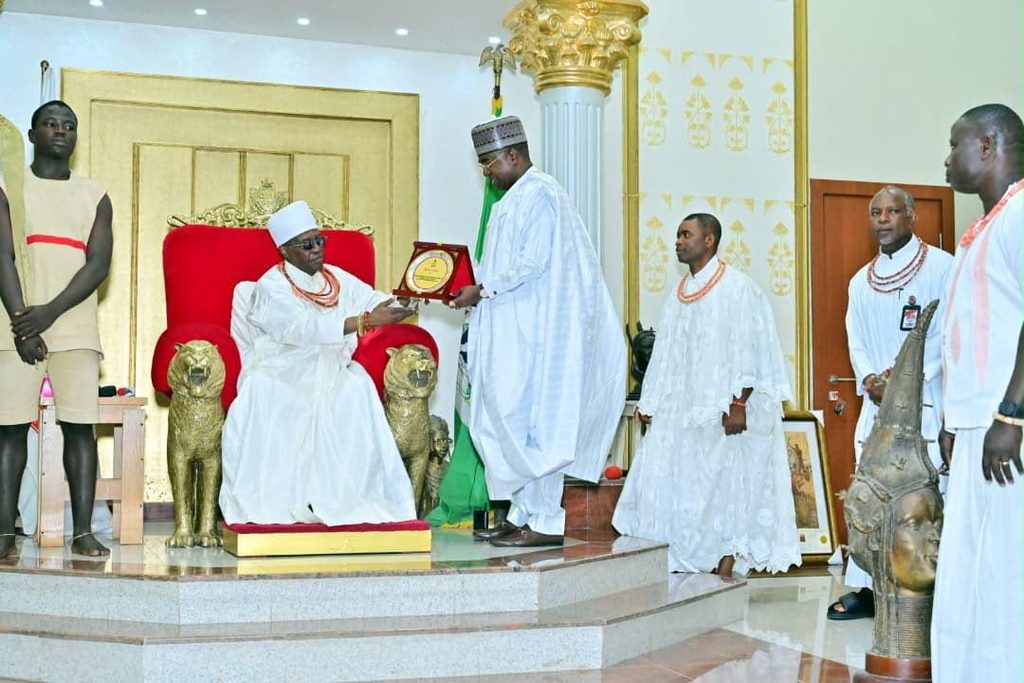
He said the initiative was designed to address the economic realities that sustained illicit cultivation by offering farmers viable alternatives.
“The growers themselves have confided in us that they are grateful for this initiative. Even though there is more money in cannabis, they will at least have peace of mind when they cultivate licit crops. With cannabis, they are perpetually ill at ease in their homes with their families for fear of NDLEA,” he said.
Responding, the Oba thanked the NDLEA chairman for recognising the contributions of the Benin Kingdom and its efforts against drug abuse.
He also disclosed plans to forward a written proposal to the agency on ways to improve its operations.
“I have a suggestion that I will make in writing to NDLEA. I would not want to state it here in public. I want to put it quietly as my own thinking on how to improve the work of NDLEA,” the monarch said.
As part of the advocacy campaign, Marwa also met with leaders of the National Union of Road Transport Workers (NURTW) in Edo State, led by Comrade Saturday Oamen, urging them to mobilise their members against substance abuse and drug trafficking.
He called on transport operators to use their networks and influence to sensitise drivers and other members, particularly within motor parks, and collaborate with the agency to keep roads and communities free of illicit drugs.
Marwa was also scheduled to engage religious and civil society leaders as the advocacy campaign continues in the state.
Okpebholo, Oba of Benin Back Marwa’s Drug War, as NDLEA Moves to Replace Cannabis Farming in Edo
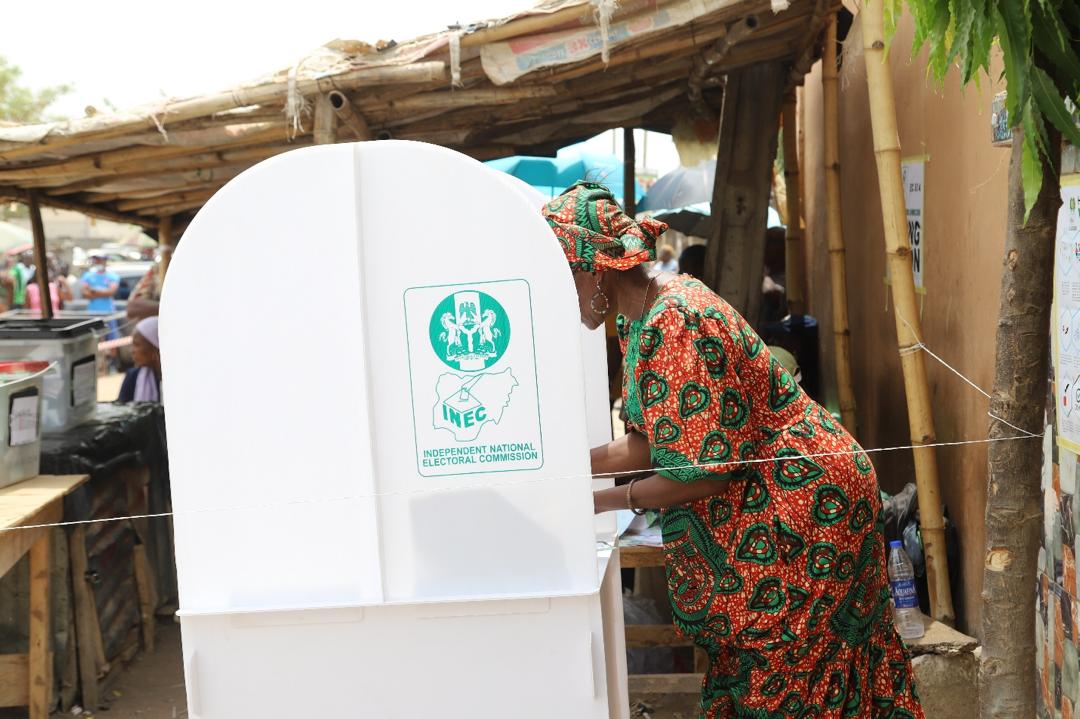
Women Make Up Just 9.7% of 2027 Election Candidates, UN Women Raises Alarm
…Launches #VoteHer2027 campaign, urges Nigerians to reject gender bias at polls, assess candidates on competence, integrity
By: Michael Mike
The United Nations Entity for Gender Equality and the Empowerment of Women (UN Women) has raised concerns over the low representation of women in Nigeria’s 2027 general elections, revealing that female candidates account for only 9.7 per cent of the total candidates.
The organisation warned that Nigeria risked deepening its gender imbalance in governance if voters allowed prejudice against women to influence their choices at the polls.
It consequently launched the #VoteHer2027 campaign, urging Nigerians to judge candidates in the forthcoming elections by their competence, integrity, experience and policy proposals rather than their gender.
UN Women said the 9.7 per cent representation of women among candidates underscored the scale of women’s exclusion from the country’s political process, despite accounting for nearly half of Nigeria’s population.
It noted that even if every female candidate emerged victorious in the elections, women’s representation would still remain significantly below equal participation in elected offices.
The organisation, in a statement issued in Abuja on Wednesday, said women should neither be elected merely because they were women nor denied electoral support because of their gender.
It maintained that women’s participation in governance was fundamentally an issue of fairness, equal rights and social justice, stressing that decisions taken by elected representatives affected both men and women.
“Women must have a fair chance to help shape the laws, policies and priorities that govern their lives and communities,” it said.
The organisation argued that allowing gender stereotypes to determine electoral choices would undermine democratic representation and weaken the country’s commitment to equality.
It also recalled that Nigeria had made several international and national commitments to promoting women’s participation in political leadership, including the Convention on the Elimination of All Forms of Discrimination Against Women (CEDAW), the Maputo Protocol and the Beijing Platform for Action.
It said Nigeria’s National Gender Policy also provided for affirmative action, with representation targets ranging from 30 to 50 per cent.
However, the persistent gap between these commitments and women’s actual participation in elective positions remained a major concern.
As part of efforts to change public attitudes ahead of the elections, UN Women said the #VoteHer2027 campaign would deploy radio, social media and partnerships with media organisations to challenge discriminatory narratives and promote issue-based electoral choices.
A major component of the initiative is NO BE BY GENDER, an issue-based radio drama and expert call-in programme to be broadcast on Radio Nigeria Network.
The programme is designed to use relatable stories and discussions with experts and gender advocates to expose the stereotypes, myths and socio-cultural barriers that discourage Nigerians from supporting women seeking elective positions.
Listeners will also be encouraged to interrogate their assumptions about women in leadership and assess candidates based on their ideas, track records and capacity to deliver.
The organisation said it would further engage media partners to bring gender advocates and other experts into public discussions on women’s political participation, while encouraging fair and balanced coverage of female candidates.
It urged journalists to avoid narratives that reinforce gender stereotypes and instead give women candidates the same level of scrutiny and visibility afforded their male counterparts.
UN Women also called on political and traditional leaders, civil society organisations, influencers and community stakeholders to intensify advocacy against gender discrimination in the electoral process.
It warned that failure to address the barriers confronting women in politics would further widen the gender gap in governance and undermine the principle of inclusive democratic representation.
With women accounting for only 9.7 per cent of candidates, the organisation said Nigeria could not afford to compound their existing political marginalisation with prejudice at the ballot box.
It therefore urged voters to look beyond gender and make electoral decisions based on the quality of candidates, their integrity, experience and capacity to address the country’s challenges.
The campaign comes amid renewed attention to women’s political representation ahead of the 2027 elections, with the debate increasingly focusing on how Nigeria can translate its constitutional and international commitments to gender equality into meaningful participation in political decision-making.
Women Make Up Just 9.7% of 2027 Election Candidates, UN Women Raises Alarm

WAHO Pledges Support for Nigeria’s Ebola Response, Donates 20,000 Thermometers

Nigeria Secures Key Commonwealth Role as Bianca Emerges CMAG Vice-Chair

Okpebholo, Oba of Benin Back Marwa’s Drug War, as NDLEA Moves to Replace Cannabis Farming in Edo

Roger Federer’s Shock as DNA Results Reveal Myla and Charlene Are Not His Biological Children

THE PLIGHT OF FARIDA

FAILED COUP IN BURKINA FASO: HOW TRAORÉ NARROWLY ESCAPED ASSASSINATION PLOT AMID FOREIGN INTERFERENCE CLAIMS
-
 News3 years ago
Roger Federer’s Shock as DNA Results Reveal Myla and Charlene Are Not His Biological Children
-
Opinions5 years ago
THE PLIGHT OF FARIDA
-
 News2 years ago
FAILED COUP IN BURKINA FASO: HOW TRAORÉ NARROWLY ESCAPED ASSASSINATION PLOT AMID FOREIGN INTERFERENCE CLAIMS
-
 Opinions5 years ago
POLICE CHARGE ROOMS, A MINTING PRESS
-

 News3 years ago
EYN: Rev. Billi, Distortion of History, and The Living Tamarind Tree
-

 ACADEMICS3 years ago
A History of Biu” (2015) and The Lingering Bura-Pabir Question (1)
-

 Columns3 years ago
Army University Biu: There is certain interest, but certainly not from Borno.
-

 Politics1 year ago
2027: Why Hon. Midala Balami Must Go, as Youths in Hawul and Asikira/Uba Federal Constituency Reject ₦500,000 as Sallah Gift
