
Uncategorized
Niger incidents underline rising Sahel spillover threat to Nigeria’s security

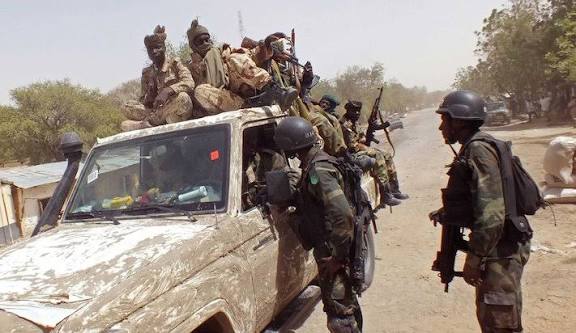
Niger incidents underline rising Sahel spillover threat to Nigeria’s security
By: Zagazola Makama
A series of deadly incidents in neighbouring Niger between Feb. 6 and Feb. 10 has again exposed the fragility of security across the central Sahel and the growing risk of spillover into Nigeria.
Zagazola report from the period show a grim pattern: an air raid that killed mostly civilians in Tillaberi Region; a mass abduction in Diffa Region near Nigeria’s border; and a roadside bomb attack that claimed at least 11 lives.
On Feb. 6, coordinated drone strikes hit a crowded market in Kokoloko, about 120 kilometres from Niamey. While the strikes were said to be aimed at terrorist elements, the outcome was devastating for civilians.
At least 17 civilians, including three minors, were killed, with only three terrorists reportedly neutralised. Several properties were destroyed in the fires that followed.
Two days later, suspected ISWAP elements invaded Gagamari Village in the Chettimari Commune of Diffa Region, just six kilometres from Gargada and close to Nigeria’s border. The attackers reportedly focused on youths, abducting about 28 males. On Feb. 9, the group released the youngest of the victims with a warning to authorities that they would return for more youths.
On Feb. 10, tragedy struck again when a commuter vehicle drove into a remotely emplaced improvised explosive device (RSBIED) lane at Baroua in Diffa. The blast killed a National Guard soldier on leave and 10 other passengers, destroying the vehicle.
These incidents reflect a broader and worrying trend: the steady southward creep of jihadist violence from the Sahel into West Africa’s coastal and near-coastal states. Niger’s security crisis is increasingly intertwined with developments in Mali and Burkina Faso under the Alliance of Sahel States (AES), whose withdrawal from ECOWAS and pivot to Russian Wagner mercenaries have reshaped regional security dynamics.
The resulting vacuum has been exploited by jihadist groups such as ISWAP and ISIS-linked elements, which are now linking operations across north-central Niger, Nigeria’s North-East and North-West, and through intermediaries in the Sahel.
The convergence is evident in recent atrocities, including the February 2026 massacre in Kwara State where JAS-linked extremists reportedly killed nearly 200 civilians, a signal that the threat is edging closer to Nigeria’s economic heartlands.
For Nigeria, reactive containment is no longer sufficient. A proactive, multi-layered strategy is required, one that combines hardened borders, pragmatic diplomacy and internal resilience.
Nigeria must accelerate border fortification with advanced surveillance, drone patrols and rapid-response units in high-risk corridors such as the Lake Chad Basin axis and the Sokoto–Kebbi route. Porous borders remain the main arteries for the flow of arms, fighters and logistics.
Abuja needs a recalibrated diplomatic posture. Bilateral intelligence-sharing pacts with AES regimes, even outside ECOWAS frameworks are essential to disrupt cross-border networks. Ongoing talks with the United States on drone logistics could provide technological leverage, but Nigeria must assert autonomy to avoid perceptions of external puppetry that fuel anti-Nigerian rhetoric in Sahelian propaganda.
Third, internal resilience is non-negotiable. Poverty, youth unemployment and governance deficits in border communities continue to feed recruitment and the spread of ransom camps from Borno to Kwara. Without visible improvements in livelihoods and local administration, security gains will remain fragile.
The Sahel now accounts for more than half of global terrorism deaths. If Nigeria does not move decisively on sealed borders, pragmatic diplomacy and socioeconomic fortification, it risks turning its northern frontiers into a permanent jihadist conduit.
The Niger incidents are not isolated tragedies. They are warnings. The window for preventive action is narrowing, and the price of delay will be paid in lives, stability and the future of regional integration in West Africa.
Zagazola Makama is a Counter Insurgency Expert and Security Analyst in the Lake Chad Region
Niger incidents underline rising Sahel spillover threat to Nigeria’s security


Uncategorized
ECOWAS, Energy China Explore Partnership to Strengthen West Africa’s Power Infrastructure
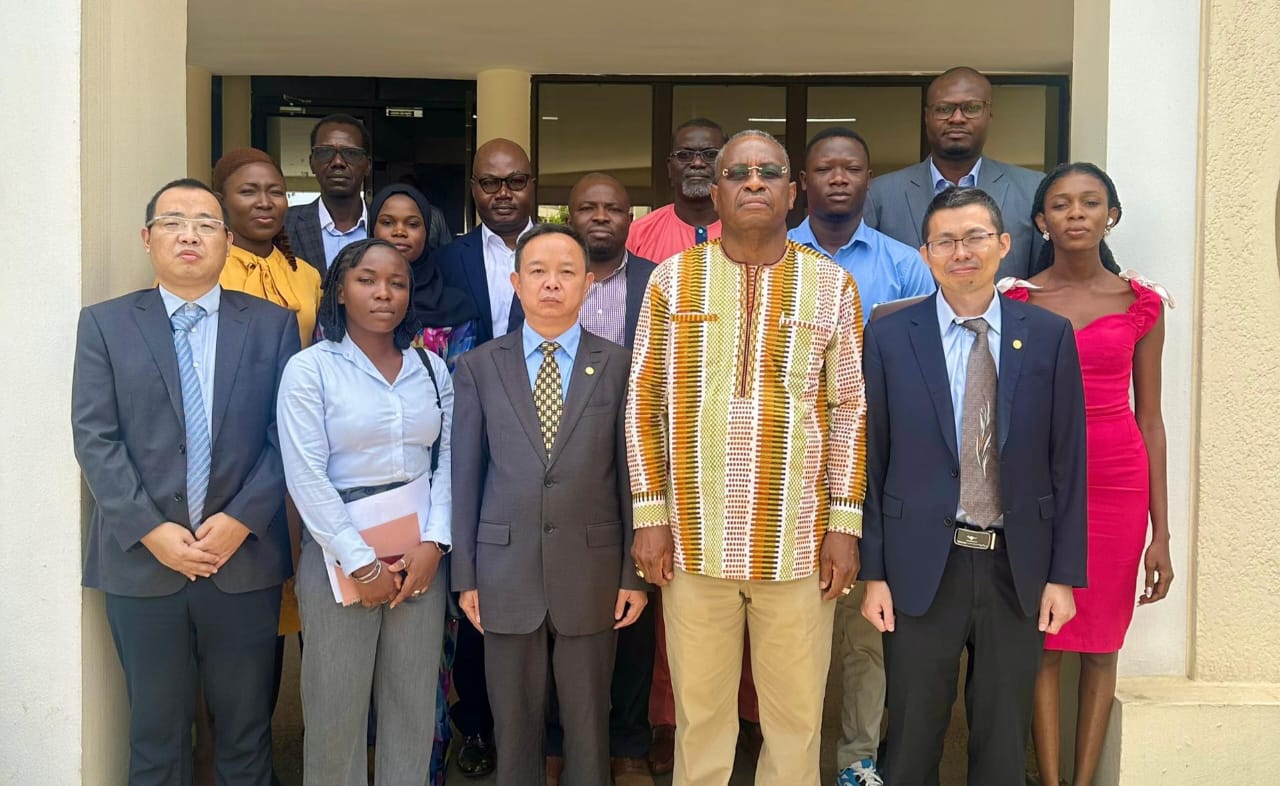
ECOWAS, Energy China Explore Partnership to Strengthen West Africa’s Power Infrastructure
By: Michael Mike
The Economic Community of West African States (ECOWAS) has begun discussions with Energy China International (CEEC) to deepen cooperation on the development of regional energy infrastructure aimed at expanding electricity access and strengthening power systems across West Africa.
The engagement took place during a meeting in Abuja, Nigeria, where officials from the ECOWAS Energy and Mines Directorate met with CEEC representatives to advance dialogue on priority regional energy projects.
The session also included participants from the West African Power Pool (WAPP), the regional body responsible for coordinating electricity generation and transmission among West African countries.
During the meeting, participants reviewed project portfolios, technical capabilities and potential financing channels designed to accelerate growth in the region’s power sector and support broader infrastructure development.
Discussions focused on exploring partnership opportunities and funding options for ECOWAS priority initiatives covering power generation, electricity transmission and distribution infrastructure.
Acting Director of Energy and Mines at ECOWAS, William Baidoe, provided an overview of the Directorate’s mandate and ongoing programmes aimed at improving energy access across the region. These include projects to expand electricity distribution networks as well as initiatives to develop energy storage systems that can enhance the stability and reliability of power supply.
Also speaking at the meeting, Director of Planning, Investment Programming and Environmental Safeguards at WAPP, Kodjo Afidegnon, outlined the status of several priority projects under the ECOWAS Master Plan for the Development of Power Generation and Transmission Infrastructure (2019–2033).
Among the flagship initiatives highlighted were the CLSG interconnection project linking Côte d’Ivoire, Liberia, Sierra Leone and Guinea; the North Core project connecting Nigeria, Niger, Burkina Faso and Benin; the OMVG interconnection linking Senegal, The Gambia and Guinea-Bissau; and the Medium Backbone project connecting Nigeria, Benin, Togo, Ghana and Côte d’Ivoire.
Afidegnon noted that the projects present significant financing and investment opportunities for development partners and international energy companies.
On behalf of CEEC, General Manager Huang Aijun highlighted the company’s expertise in conventional and renewable energy, grid expansion, power planning and electricity transmission infrastructure. He reaffirmed the company’s interest in supporting ECOWAS priority projects through technical support and access to diverse funding sources.
Both parties agreed to maintain close engagement on the identified projects in order to assess their development status and explore concrete areas of collaboration.
ECOWAS said the discussions reflect its continued efforts to build strategic partnerships and mobilise investments to improve electricity access, strengthen grid reliability and promote sustainable infrastructure development across West Africa.
ECOWAS, Energy China Explore Partnership to Strengthen West Africa’s Power Infrastructure
Sallah: FRSC deploys 620 personnel in Gombe
The Federal Road Safety Corps, Gombe Sector Command, has deployed no fewer than 620 personnel and operational logistics for the 2026 Eid-el-Fitri Special Patrol Operations.
Mr Samson Kaura, the Sector Commander of FRSC in the state disclosed this in Gombe while speaking in an interview with journalists.
Kaura said that the operation had commenced on Tuesday to end on March 22.
“The Federal Road Safety Corps, Gombe Command has deployed 620 personnel comprising regular and special marshals and operational logistics for the 2026 Eid-el-Fitr Special Patrol Operations.
“This is being done bearing in mind the kind of heavy traffic that comes with such festive period, so we are acting promptly to ensure safe and smooth travels during the Sallah celebrations,” he said.
In addition, he said 10 patrol vehicles, four ambulances and a tow truck were also deployed to serve the motoring public.
“We will enforce adherence to traffic regulations towards ensuring safety during the Sallah celebration.
“We advise drivers against engaging in dangerous driving, over speeding, route violations, overloading, use of phones while driving.
“We urge everyone to observe all traffic rules and regulations towards ensuring easy flow of traffic as personnel would be stationed on major routes.
“We must be mindful of the fact that it is only the living that can celebrate, so let’s drive safety and prioritise safety over speed or profits.
“Underage driving will not be permitted and use of drugs while driving too; we have commenced special patrol for enforcement and control of traffic,” he said.
Kaura further reiterated the command’s warnings against underage driving, particularly during the Sallah celebration in the state.
He said the call was imperative as child driving remained one of the causes of crash, alongside over speeding, overloading, dangerous driving and use of drugs and phone while driving.
He said that it had been observed that persons below 18 years drive cars, motorcycles and tricycles which he said was not permitted, stating that the FRSC would enforce compliance in that regard.
The sector commander assured the motoring populace of the command’s commitment to ensure safety while seeking their cooperation.
“I wish the Muslim faithful Happy celebration while assuring them of our readiness to serve them professionally,” he said.
Sallah: FRSC deploys 620 personnel in Gombe
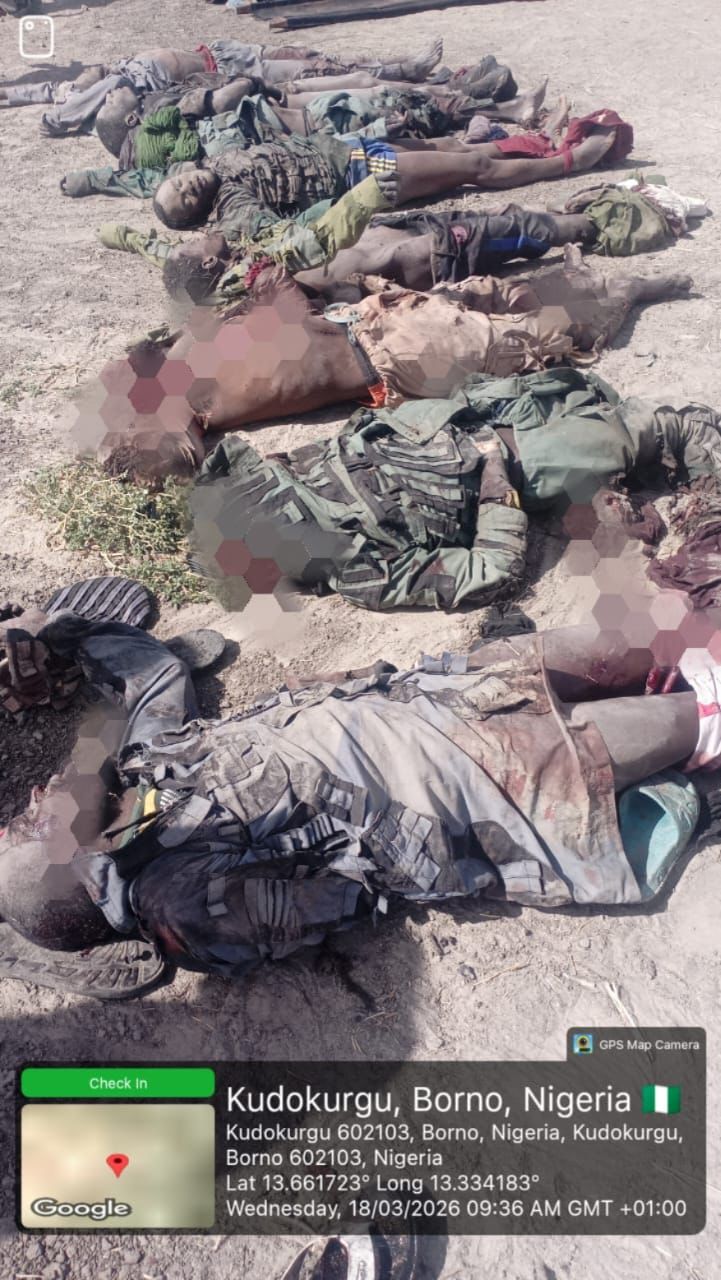
63 terrorists’ bodies recovered after failed attack on Malam Fatori
By: Zagazola Makama
Troops of Sector 3 Operation Hadin Kai (OPHK), supported by the Nigerian Air Force (NAF), have recovered no fewer than 63 bodies of Boko Haram/ISWAP terrorists following a failed infiltration attack on Malam Fatori in Abadam Local Government Area of Borno.
Military sources said the insurgents launched the attack in the early hours of Wednesday, advancing on foot and deploying armed drones in an attempt to overrun the 68 Battalion position.
The sources disclosed that the attack, which originated from the Duguri axis through the frontage of Bravo Company, was met with overwhelming resistance from troops, backed by precision air strikes.
According to the sources, the coordinated response led to a decisive defeat of the terrorists, who suffered heavy casualties during the engagement.
“Following the engagement and subsequent clearance operations, a total of 63 terrorist bodies were recovered within and around the general area of Malam Fatori, indicating the scale of losses inflicted on the insurgents,” a military source said.
He added that the Air Component conducted multiple interdiction missions, delivering accurate strikes on identified enemy concentrations, which significantly degraded their fighting capability.
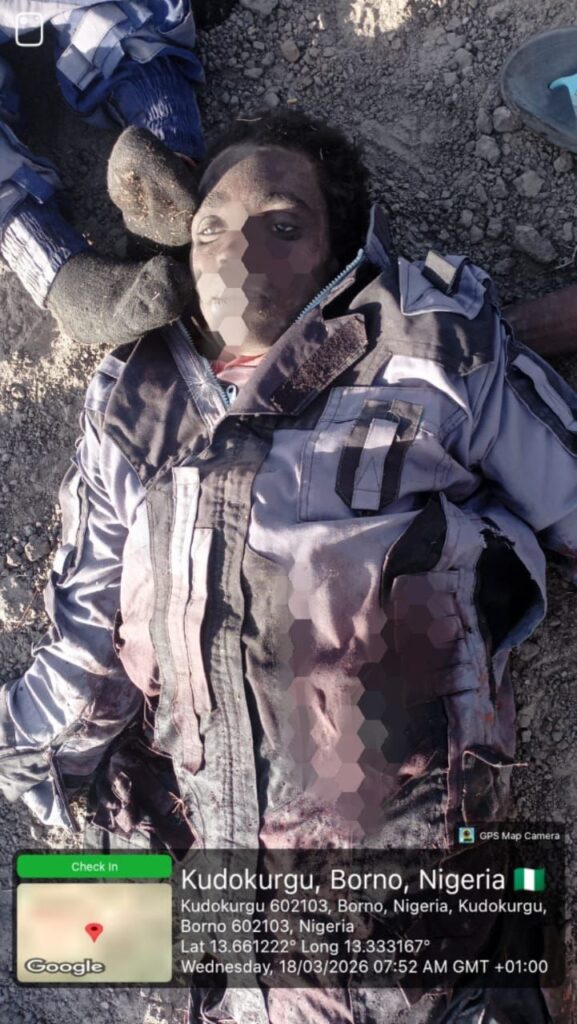
“The synergy between air and ground forces ensured that the terrorists were fixed and neutralised in large numbers, forcing the remnants to withdraw in disarray towards the Arege axis,” he said.
The sources further revealed that allied Nigerien forces also carried out supportive strike missions, increasing pressure on the fleeing insurgents, although full battle damage assessment from those operations was still ongoing.
On own casualties, the sources confirmed that four soldiers sustained minor injuries during the encounter and have since been treated and stabilised.
They noted that the general security situation in the area remained calm but unpredictable, with troops maintaining high alert and dominance of the general area to forestall further attacks.
63 terrorists’ bodies recovered after failed attack on Malam Fatori

That Phantom Rift Between VP Shettima And Gov. Zulum

Troops arrest suspected ISWAP informant in Gombi, Adamawa

Over 930, 000 persons benefit from ACReSAL Projects in Gombe

Roger Federer’s Shock as DNA Results Reveal Myla and Charlene Are Not His Biological Children

THE PLIGHT OF FARIDA

FAILED COUP IN BURKINA FASO: HOW TRAORÉ NARROWLY ESCAPED ASSASSINATION PLOT AMID FOREIGN INTERFERENCE CLAIMS
-
 News2 years ago
Roger Federer’s Shock as DNA Results Reveal Myla and Charlene Are Not His Biological Children
-
Opinions4 years ago
THE PLIGHT OF FARIDA
-
 News11 months ago
FAILED COUP IN BURKINA FASO: HOW TRAORÉ NARROWLY ESCAPED ASSASSINATION PLOT AMID FOREIGN INTERFERENCE CLAIMS
-

 News2 years ago
EYN: Rev. Billi, Distortion of History, and The Living Tamarind Tree
-
 Opinions4 years ago
POLICE CHARGE ROOMS, A MINTING PRESS
-

 ACADEMICS2 years ago
A History of Biu” (2015) and The Lingering Bura-Pabir Question (1)
-

 Columns2 years ago
Army University Biu: There is certain interest, but certainly not from Borno.
-

 Opinions2 years ago
Tinubu,Shettima: The epidemic of economic, insecurity in Nigeria
