
News
Nigeria Reaffirms Commitment to Global Anti-Drug War as NDLEA Officers Graduate from U.S. DEA Academy

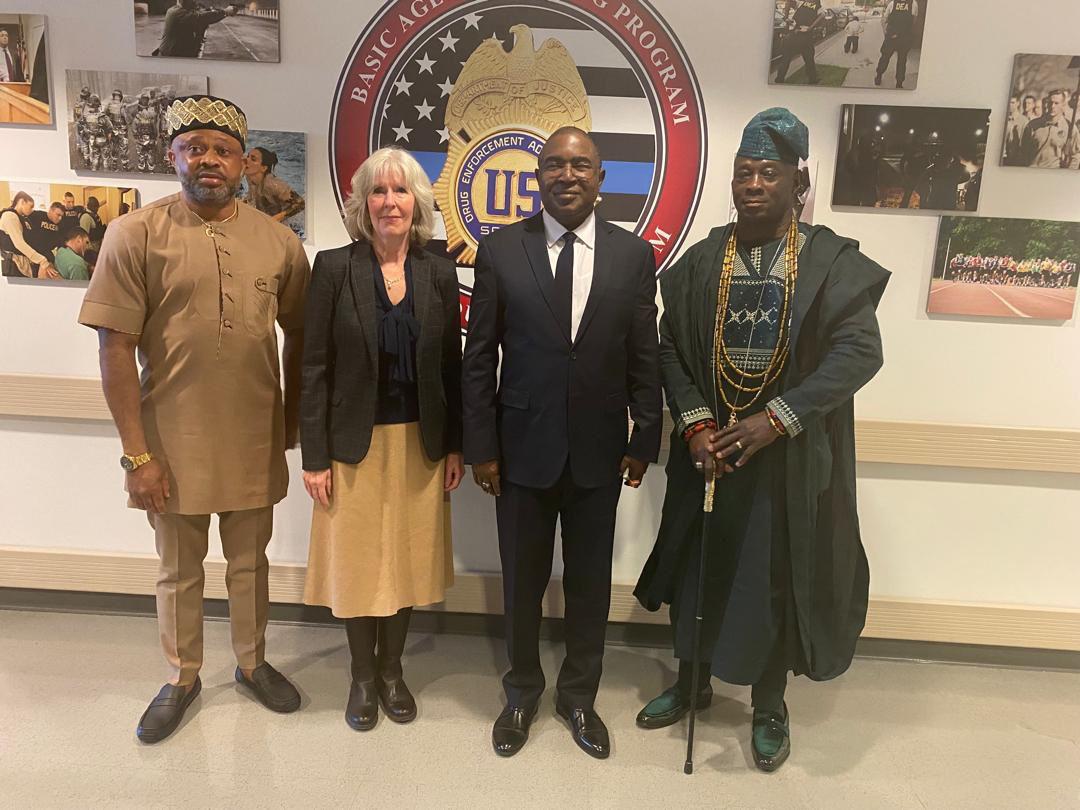
Nigeria Reaffirms Commitment to Global Anti-Drug War as NDLEA Officers Graduate from U.S. DEA Academy
By: Michael Mike
Nigeria has reaffirmed its commitment to strengthening global collaboration in the fight against illicit drug trafficking and transnational organised crime as officers of the National Drug Law Enforcement Agency (NDLEA) completed advanced training at the United States Drug Enforcement Administration (DEA) Training Academy in Quantico, Virginia.
Speaking at the graduation ceremony on Friday, NDLEA Chairman and Chief Executive Officer, Brig. Gen. Buba Marwa (Rtd), said the increasing sophistication of criminal networks across borders requires deeper international cooperation and a coordinated global offensive.
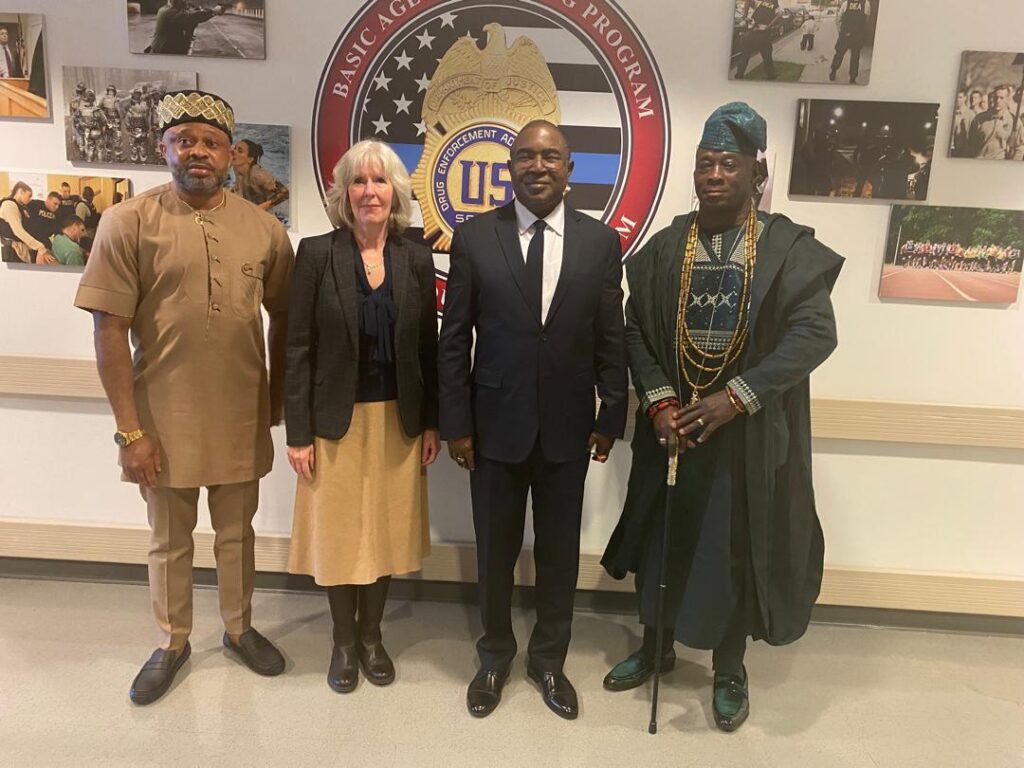
Marwa stressed that criminal syndicates no longer operate within isolated territories, making intelligence sharing, joint operations and capacity building among nations indispensable in dismantling drug cartels and organised crime groups.
The ceremony, held at the elite DEA Training Academy, brought together officers from Nigeria, Ghana and Kenya for an intensive programme designed to sharpen investigative, operational and strategic enforcement capabilities. Participants were equipped with advanced skills to combat complex drug trafficking networks and related transnational crimes.
Describing the event as deeply significant, Marwa noted that the course was dedicated to members of the Special Investigative Unit (SIU) who paid the ultimate price in the line of duty. He paid tribute to the fallen officers, describing them as heroes whose courage and sacrifice continue to inspire law enforcement agencies worldwide.
Referencing the course motto, “Different nations, shared duty, one fight,” Marwa said it captured the collective resolve of partner countries against the global drug menace. He emphasised that only a unified, intelligence-driven response can effectively confront criminal enterprises that thrive on cross-border operations.
The NDLEA boss expressed confidence that the knowledge and competencies acquired by the graduating officers would significantly enhance the operational effectiveness of their respective agencies. He charged them to apply the training with integrity, professionalism and courage upon returning home, while upholding the highest standards of service.
Marwa also conveyed Nigeria’s appreciation to the United States Department of Justice, the DEA leadership and instructors for their continued mentorship and investment in capacity development.
He said the graduation marked not the end of training but the beginning of renewed responsibility, urging the officers to protect vulnerable communities and confront criminality wherever it threatens societal stability.
Marwa expressed optimism that the partnership between the NDLEA and the DEA would continue to deepen, yielding sustained success in the shared fight against illicit drugs and organised crime.
Nigeria Reaffirms Commitment to Global Anti-Drug War as NDLEA Officers Graduate from U.S. DEA Academy


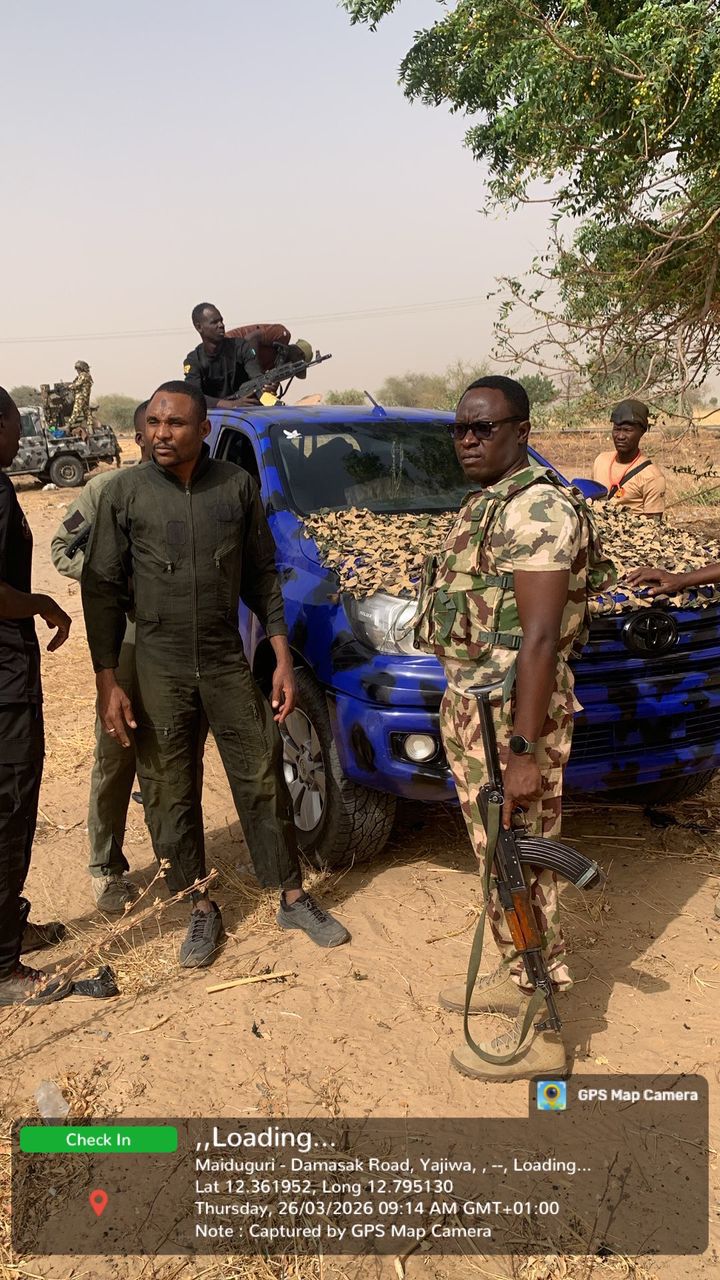
Troops recover ak-47 rifle, intensify manhunt for ISWAP logistics suspect in Borno
By: Zagazola Makama
Troops of Operation Hadin Kai have recovered an AK-47 rifle and intensified a manhunt for a suspected ISWAP logistics supplier in Magumeri Local Government Area of Borno State.
Security sources said the operation followed credible intelligence on the movement of a wanted suspect identified as Mallam Malti, believed to be involved in supplying arms and ammunition to ISWAP elements.
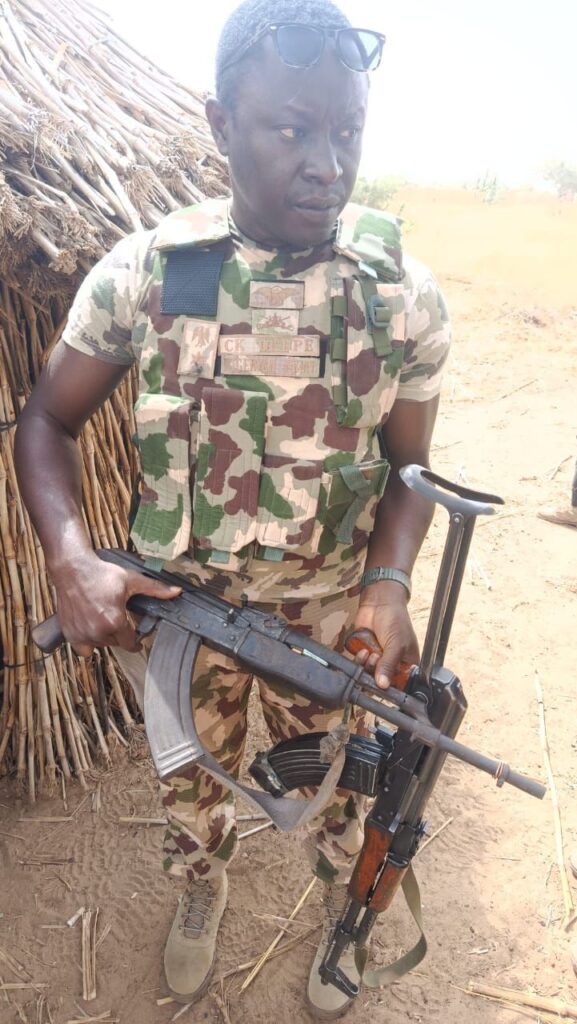
According to the sources, the suspect was last sighted at Golaram area, near Gubio axis, carrying a bag suspected to contain weapons intended for delivery to terrorists.
Troops of 212 Battalion, supported by members of the Civilian Joint Task Force (CJTF), swiftly mobilised to the area and conducted a thorough search along the suspected route.
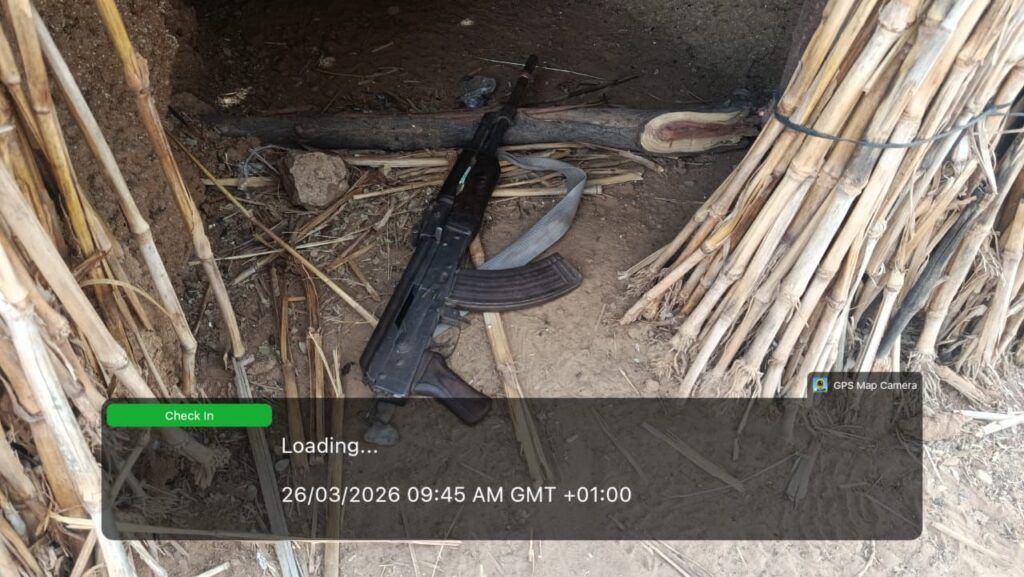
“Although the suspect evaded arrest, troops recovered one AK-47 rifle and an empty magazine concealed in a shelter during the operation,” the source said.
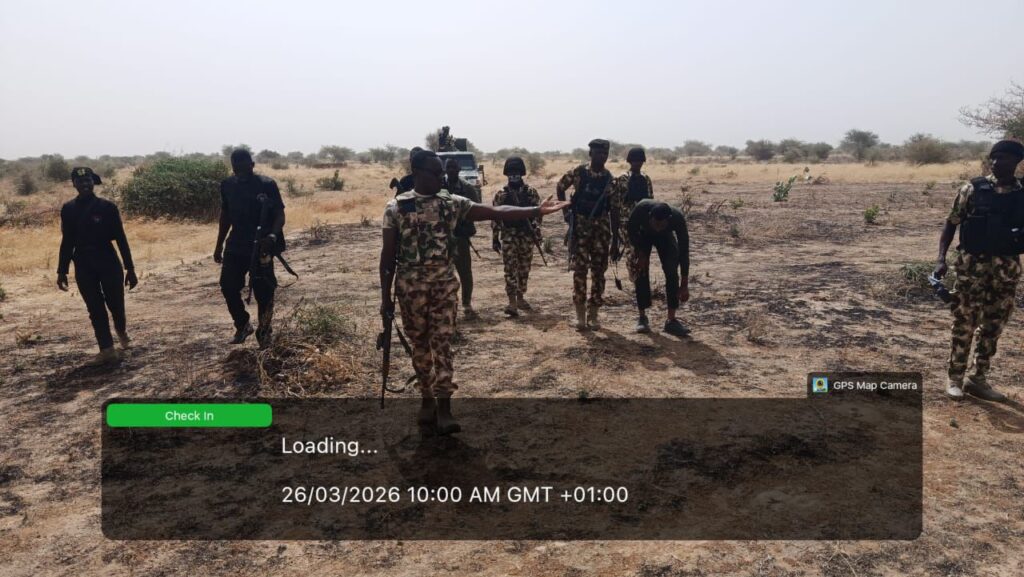
The sources added that efforts to apprehend the suspect are ongoing, with security operatives maintaining close monitoring of his known associates and networks.
Troops recover ak-47 rifle, intensify manhunt for ISWAP logistics suspect in Borno
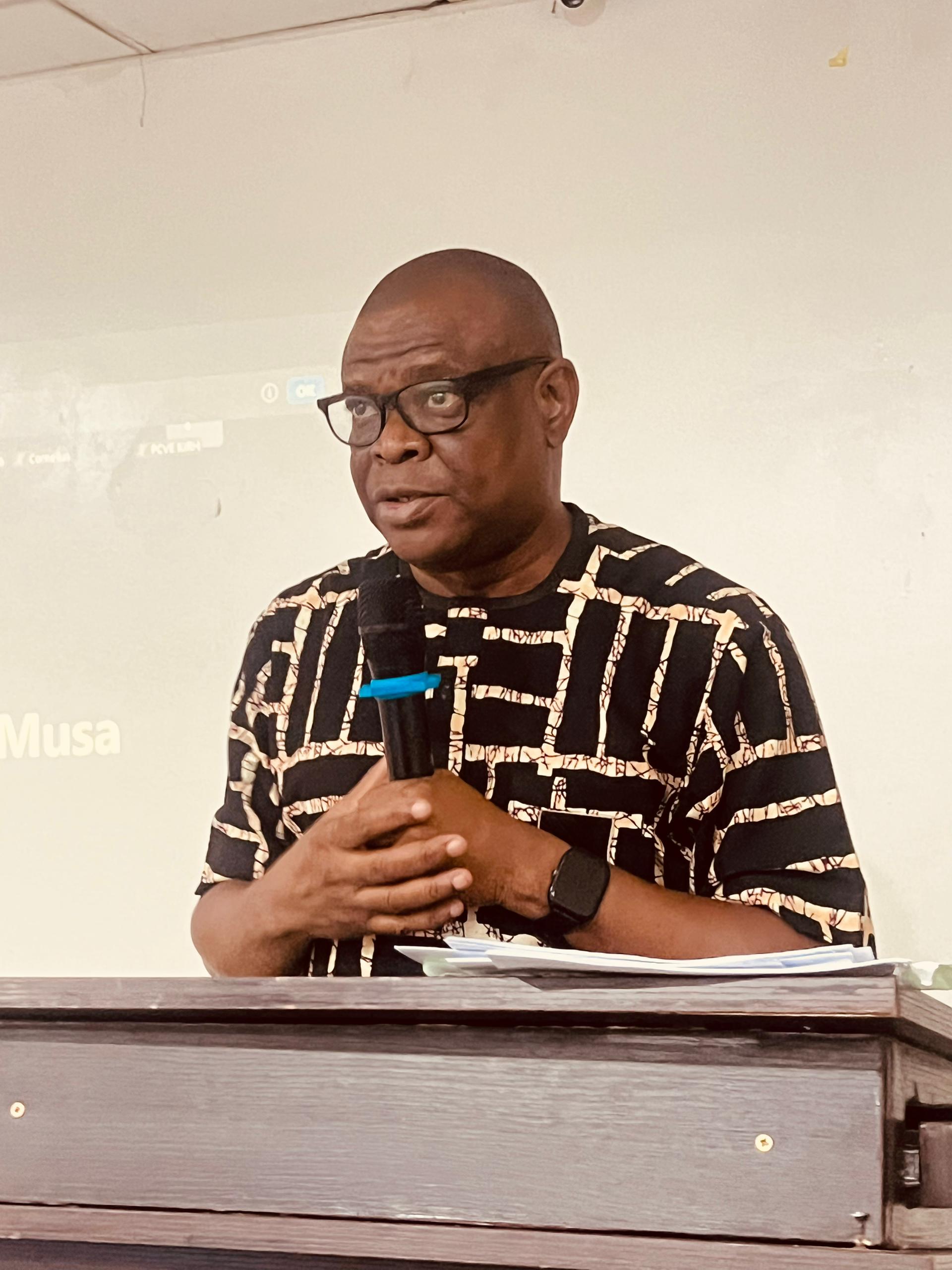
NCTC-ONSA, Partners Intensify Push to Localise PCVE Strategy
By: Michael Mike
Efforts to deepen Nigeria’s response to violent extremism have gained renewed momentum as state governments, civil society actors, and development partners intensify efforts to localise the country’s Policy Framework and National Action Plan on Preventing and Countering Violent Extremism (PF-NAP).
The push, driven by the Preventing and Countering Violent Extremism Knowledge, Innovation and Resource Hub (PCVE-KIRH) of PAVE Network and National Counter-Terrorism Centre of the Office of National Security Adviser (NCTC-ONSA) in collaboration with partners including Nextier, SPRING Programme, FCDO, Global Community Engagement and Resilience Fund (GCER), aims to translate national policy into practical, state-level action.

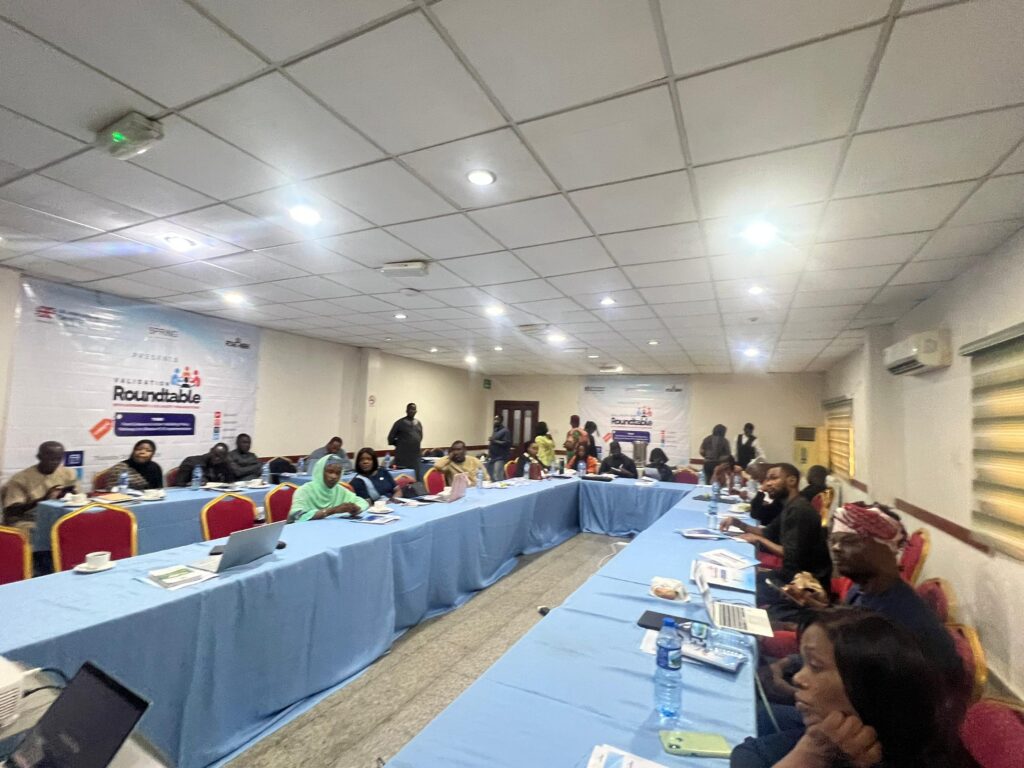
At a high-level virtual consultative forum held on Wednesday, over 60 participants drawn from federal and state institutions, civil society organisations, and technical working groups across the country deliberated on pathways to strengthen implementation.
Chair of the PAVE Network, Jaye Gaskia, said the meeting builds on over a year of pilot interventions focused on bridging the gap between national frameworks and subnational realities.
According to him, the emphasis is shifting from “domestication” to localisation, allowing states to adapt national policies to their peculiar security and socio-political contexts.
“We are deliberately focusing on localisation because this is a national policy that must be adapted to local realities. States must identify their priorities, develop their own action plans, and establish coordination mechanisms that work for them,” he said.
He noted that Technical Working Groups established in several states, particularly in the North-west, have emerged as critical vehicles for implementation, bringing together government actors, civil society, and community stakeholders.
Speaking, the Principal Staff Officer (PSO) of the PCVE Directorate at the NCTC-ONSA, Ms Iye Mangset, commended the expanding collaboration among stakeholders. Mangset recalled that the PF-NAP, first developed in 2017 and recently revised in 2025, has been strengthened to reflect emerging realities.
She said that the updated framework now includes six core pillars: institutionalisation and mainstreaming of PCVE; access to justice; capacity building for individuals and communities; strategic communication; research, documentation and learning; and gender mainstreaming.
Mangset emphasised that the priority now is effective implementation at the state level, urging stakeholders to sustain the momentum. “We desire to see all partners, especially those from the states, continue to support and sustain this effort so that the framework delivers real impact,” she said.
Also speaking, the National Coordinator of GCERF Nigeria, Ms Yetunde Adegoke, underscored the importance of continuity. She noted that progress made over the past year must be consolidated through sustained engagement and forward-looking strategies.
Similarly, a Partner at Nextier, Dr Ndubisi Nwokolo, stressed that tackling violent extremism requires a shift from reactive, force-based responses to proactive, non-coercive approaches.
“For this to succeed, we must address the root causes of radicalisation. Violent extremism is not just a security issue, it is deeply tied to governance, inequality and social exclusion,” he said.
Nwokolo added that changing realities in Nigeria demand a rethink of long-held assumptions about extremism, noting that the phenomenon is no longer distant but increasingly localised.
Discussions at the forum revealed that while progress has been recorded in developing state-level PCVE structures and action plans, significant gaps remain.
Participants cited some of the challenges as including: weak coordination across agencies, bureaucratic delays in implementation, limited funding and overreliance on donor support, and inconsistent political commitment.
Similarly, the state actors shared experiences of ongoing efforts, including stakeholder engagement, early warning systems, and community-based interventions, but stressed that these initiatives often operate in silos. “There is growing awareness, but implementation is still uneven. What is needed now is alignment and sustained political will,” one participant noted.
The key highlight of the forum was the recognition that fragmented responses have enabled extremist groups to exploit regional gaps. Participants stressed that without a coordinated national and subnational strategy, gains recorded in one area could easily be reversed as groups relocate.
To address this, stakeholders called for stronger alignment between federal and state efforts, the institutionalisation of Technical Working Groups as State Coordination Committees, the integration of PCVE into broader state security and development plans, and dedicated budgetary allocations by state governments.
The forum also underscored the critical role of strategic communication in countering extremist narratives and building public trust. A national strategic communication plan developed under the framework is expected to be launched alongside the revised PF-NAP.
Participants emphasised that community engagement, youth inclusion, and early warning mechanisms must be central to implementation efforts.
With increased state participation and stronger partner collaboration, stakeholders expressed optimism that localisation of the PF-NAP could significantly enhance Nigeria’s capacity to prevent and counter violent extremism. However, they cautioned that success will depend largely on political will, sustainable funding, and coordinated action across all levels of government.
The forum ended with participants renewing their commitment to deepen collaboration and move from policy frameworks to measurable impact at the community level.
NCTC-ONSA, Partners Intensify Push to Localise PCVE Strategy

Doma United secure NPFL promotion with win over Mighty Jets
Doma United Football Club of Gombe State have secured promotion to the Nigeria Premier Football League (NPFL) following a 2-0 victory over Mighty Jets of Jos at the Pantami Stadium on Wednesday.
The News Agency of Nigeria (NAN) reports that Doma United, who top Conference C of the Nigeria National League (NNL) with 26 points from 13 matches, are the first team to seal promotion to the NPFL.
The club, relegated from the NPFL in the 2023/2024 season, are five points clear of second-placed FC Basira in Conference C, with one match remaining.
NAN reports that the 2025/2026 NNL season is organised into four conferences (A, B, C and D), with the top team in each conference earning automatic promotion to the NPFL, replacing the previous Super 8 play-off format.
Confirming the development, Doma United Technical Adviser, Najib Mabu, told NAN in Gombe on Thursday that the team had secured promotion with a game in hand.
Mabu described the journey as smooth but challenging, noting that the return to the top flight means a lot to the club and sports stakeholders in the state.
“This is huge and we are very happy that we are back.
“We will start welcoming top clubs to Gombe State again.
“I want to commend the Chief Executive Officer of Doma United, Alhaji Suleiman Umar, for his consistent support and commitment to the club.
“I also thank our players and fans for their resilience and dedication, which have paid off,” he said.
Mabu added that the club’s ambition in the NPFL goes beyond participation, expressing confidence in competing for honours and securing a continental ticket.
“We are not just going to participate in the NPFL; we will compete for every available title.
“I am confident we can secure a continental ticket,” he said.
NAN reports that Doma United will be making their second appearance in the NPFL, after recording eight wins, two draws and three losses in the current NNL campaign.
Doma United secure NPFL promotion with win over Mighty Jets

IBUAM: 5 Years Comprehensive Academic and Practical Training For Borno Indigenes Courtesy of Babagana Zulum’s Administration

Troops neutralise terrorist, recover arms in ambush near Nigeria–Cameroon border

Troops arrest suspected Boko Haram logistics supplier in Borno

Roger Federer’s Shock as DNA Results Reveal Myla and Charlene Are Not His Biological Children

THE PLIGHT OF FARIDA

FAILED COUP IN BURKINA FASO: HOW TRAORÉ NARROWLY ESCAPED ASSASSINATION PLOT AMID FOREIGN INTERFERENCE CLAIMS
-
 News2 years ago
Roger Federer’s Shock as DNA Results Reveal Myla and Charlene Are Not His Biological Children
-
Opinions4 years ago
THE PLIGHT OF FARIDA
-
 News11 months ago
FAILED COUP IN BURKINA FASO: HOW TRAORÉ NARROWLY ESCAPED ASSASSINATION PLOT AMID FOREIGN INTERFERENCE CLAIMS
-

 News2 years ago
EYN: Rev. Billi, Distortion of History, and The Living Tamarind Tree
-
 Opinions4 years ago
POLICE CHARGE ROOMS, A MINTING PRESS
-

 ACADEMICS2 years ago
A History of Biu” (2015) and The Lingering Bura-Pabir Question (1)
-

 Columns2 years ago
Army University Biu: There is certain interest, but certainly not from Borno.
-

 Opinions2 years ago
Tinubu,Shettima: The epidemic of economic, insecurity in Nigeria
