
News
Nigeria, Seven Other Countries Get $1.96 million from ECOWAS to Tackle VVF


Nigeria, Seven Other Countries Get $1.96 million from ECOWAS to Tackle VVF
By: Michael Mike
Nigeria and seven other member countries of Economic Community of West African States (ECOWAS) have received $1.96 million from the ECOWAS Gender Development Centre to tackle cases of fistula disorder (Vesicovaginal fistula).
All the eight countries got $245,000 each. The other countries are Togo, Benin, Guinea Bissau, Ghana, Cote D’Ivoire, Gambia, and Liberia.
The presentation of cheques to the beneficiaries were one of the highlights at the 91st Ordinary Session of the ECOWAS Council of Ministers held in Abuja.
Speaking at the event, the Minister of Foreign Affairs, and Chairman ECOWAS Council of Ministers, Amb. Yusuf Tuggar revealed that the Council would deliberate on the Community budget for the 2024 fiscal year while lamenting the current economic challenges affecting the region’s Gross Domestic Product and revenue generation.
The Nigeria’s Minister of Foreign Affairs noted that: “We must be mindful of the prevailing economic and financial challenges confronting our sub-region, such as inflation, high food prices, and currency devaluation, which have adversely affected our economies.”
He lamented that: “These challenges have impacted on our gross domestic product, revenue generation, and in particular our mobilization of the Community Levy, due to devaluation of some of our major currencies, particularly Cedi and Naira
against the US Dollar.”
Tuggar urged Council Ministers to support the recommendations of the Administration and Finance Committee on enhancing prudence, as well as the efforts of the President of the Commission and other Heads of the Institutions on blocking leakages to ensure judicious use of the meagre resources.
Also, the President of the ECOWAS Commission, Omar Touray, decried that member states under sanctions have stopped remitting levies, adding that ECOWAS need enough financial resources to tackle the challenges bedeviling the region.
Touray said: “For some time now, the levy collection has been a challenge. The amount of 0.5% ECOWAS levy on imports from outside the Community has been collected by member states on behalf of ECOWAS.
“However, the deposit of these funds into the ECOWAS bank accounts at the country level and access to the funds have been a challenge. This has led to low resource mobilization.
“The situation is more critical now that our member states under sanctions have stopped remitting the levy. As the financial situation gets more difficult, the tasks for ECOWAS are growing.”
He however urged the Council of Ministers to “mobilise the levy fully to be able to implement our community work programme and keep up with the successes of ECOWAS.”
Nigeria, Seven Other Countries Get $1.96 million from ECOWAS to Tackle VVF


Political Failure Fuels Global Environmental Crime, EIA Warns
By: Michael Mike
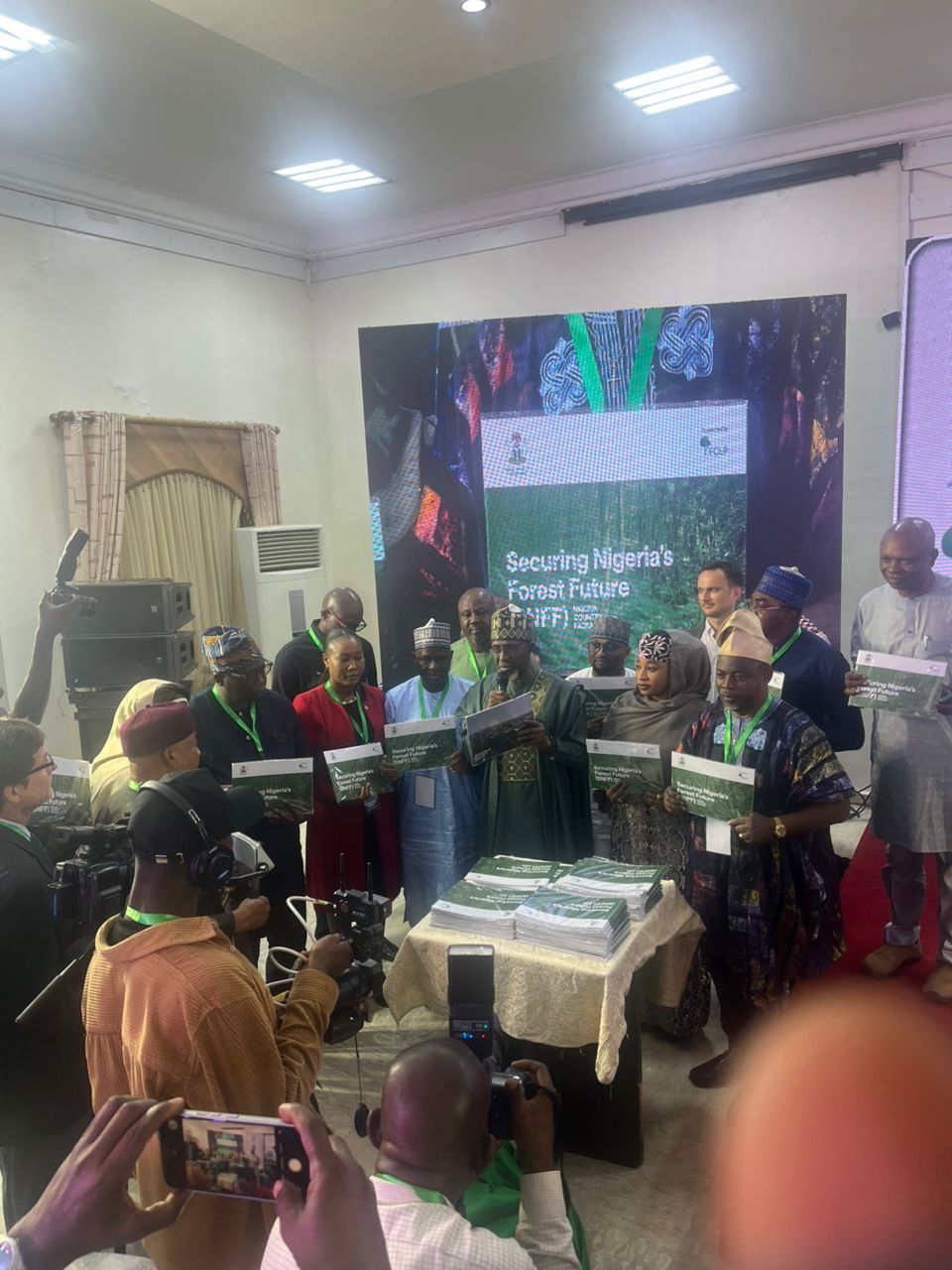
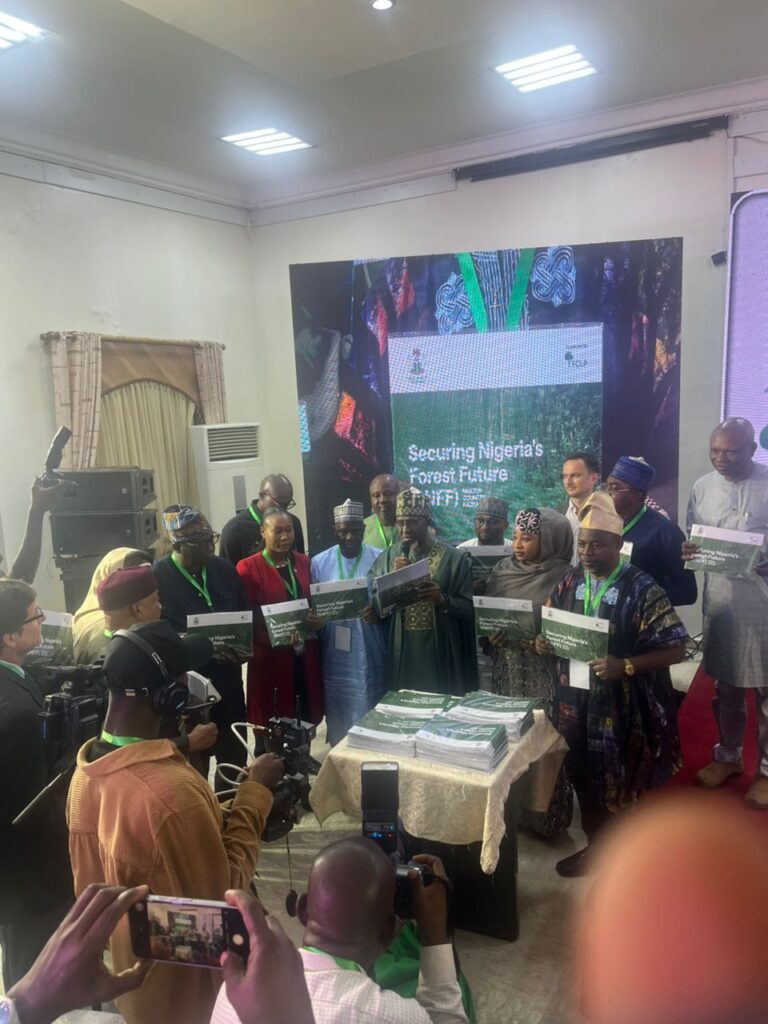
Environmental crimes have become more sophisticated, profitable and destructive over the past 18 years because governments have failed to muster the political will, resources and coordination needed to tackle them, the Environmental Investigation Agency (EIA) has warned.
In a new report, Crimes that Affect the Environment – Still a Critical Threat to Our Future, released on Tuesday, the London-based organisation said environmental crime should no longer be treated as a collection of isolated regulatory violations but as a major form of transnational organised crime driving climate change, pollution and biodiversity loss.
The warning comes 18 years after EIA’s landmark 2008 report, Environmental Crime – A Threat to Our Future, which called for a coordinated international response to the growing threat.
According to the agency, many of the weaknesses identified in 2008 — including fragmented laws, weak deterrence, inadequate cross-border cooperation and insufficient political commitment — remain largely unresolved.
EIA Securing Criminal Justice Programme Lead, Justin Gosling, said the situation had become more serious because criminals had continued to innovate while enforcement systems remained inadequate.
“Many of the structural weaknesses identified in 2008 — fragmented legislation, weak deterrence, limited cross-border cooperation and insufficient political will — persist today,” Gosling said.
He warned that the consequences of continued inaction were becoming increasingly difficult, and in some cases impossible, to reverse.
The report identifies climate, pollution, waste, forest, fisheries and wildlife crimes as interconnected activities increasingly driven by organised criminal networks.
It said illegal trade in hydrofluorocarbon refrigerant gases alone costs European governments an estimated €77 million annually in lost VAT, while legitimate industry suffered more than €400 million in losses in 2020.
Waste crime, described as one of the fastest-growing forms of environmental crime, includes fraudulent recycling operations and the illegal shipment of plastic waste to countries where it is falsely declared recyclable before being processed in unlicensed facilities.
The agency also highlighted illegal logging, forest conversion and illicit mining as major drivers of deforestation and environmental destruction, warning that criminal mining operations are increasingly associated with mercury contamination, corruption and violence against forest-dependent communities.
Illegal fishing was similarly identified as a multibillion-dollar criminal enterprise, accounting for an estimated 15 to 30 per cent of global annual catches and generating up to $23.5 billion annually.
Beyond depriving coastal countries of revenue, EIA said illegal fishing fuels other crimes, including labour exploitation and human trafficking, while destructive bycatch threatens already endangered marine species.
Wildlife trafficking also remains a highly profitable enterprise. The report said trafficking data recorded approximately 4,000 species between 2015 and 2021, while more than 70 per cent of emerging zoonotic diseases are linked to wildlife.
EIA said corruption, weak prosecution of senior criminal actors and the ability to move illicit commodities through legitimate supply chains had helped make environmental crime a “high-reward, low-risk” business.
Gosling said the international community already possessed many of the legal instruments required to respond, including the United Nations Convention against Transnational Organised Crime (UNTOC).
“This is not a failure of available tools — the legal frameworks and cooperation mechanisms needed to act already exist,” he said.
“The failure has been one of political will, resourcing and coordination.”
EIA is therefore calling for the more effective use of UNTOC against environmental crime, stronger cross-border enforcement and renewed political commitment to treating environmental crime as a global security threat.
The agency said failure to act would allow criminal networks to continue exploiting environmental resources while transferring the economic, social and ecological costs to governments, communities and future generations.
Political Failure Fuels Global Environmental Crime, EIA Warns
NHRC strengthens partnership with Gombe Govt on human rights protection
By Elizabeth Ogunjobi
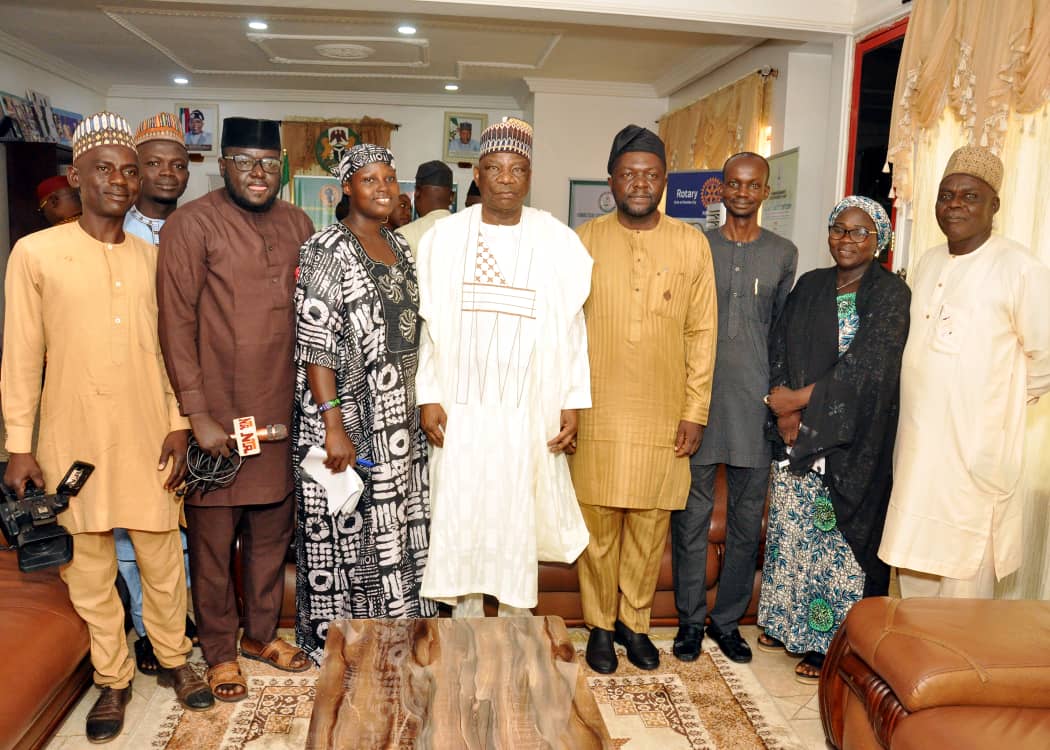
The National Human Rights Commission (NHRC), Gombe State Office has called for stronger collaboration with the government to tackle human rights violations in the state.
The State Coordinator of NHRC, Dr Joseph Wanshe, made the call on Tuesday, during a courtesy visit to the Deputy Gov. Manassah Jatau.
Wanshe said that such collaboration had become imperative to ensure effective promotion and protection of human rights in the state, stating that rights protection could not succeed in isolation.
He said that while the commission carried out its day-to-day activities as an independent institution, its operations touched directly on the lives, security, and socio-economic wellbeing of the people.
The coordinator said that security and human rights were two sides of the same coin as sustainable peace could not exist without justice, just as human rights could not flourish without security.
He said that recognising the vital link, the commission respectfully sought to deepen its strategic collaboration with the state government.
“We humbly request that NHRC be granted observer or advisory inclusion in State Security Council meetings.
“This will allow us to share field-level human rights monitoring data, provide early warning insights, and support peacebuilding strategies that strengthen public trust between citizens and law enforcement.
“Also, as electoral cycles unfold, we look forward to working closely with the state government and relevant community stakeholders to support a peaceful, inclusive, and rights-respecting environment,” Wanshe said.
The coordinator commended the state government’s efforts at advancing the wellbeing of the people through investments in infrastructure, road network, public facilities and urban renewal.
Responding, Jatau described NHRC as a noble and humanistic organisation whose activities should be highlighted and recognised.
He pledged government’s support at strengthening the protection of citizens’ rights in the state.
According to him, with the increasing cases of human rights violation especially against children and women, it has become necessary to support any efforts at tackling such issues.
“The inhumane nature of people is what we are seeing today whereby children are maltreated, women are victimised and so many other prevalent ills.
“Everyone must help the commission to protect human rights and ensure better welfare for our people,” he said.
The deputy governor called on the media and other stakeholders to support the fight against human rights violations, stressing that the protection of citizens’ rights was everyone’s responsibility.
NHRC strengthens partnership with Gombe Govt on human rights protection
Zulum builds, hands over a 42-room patients’ apartment to UMTH
By: Our Reporter
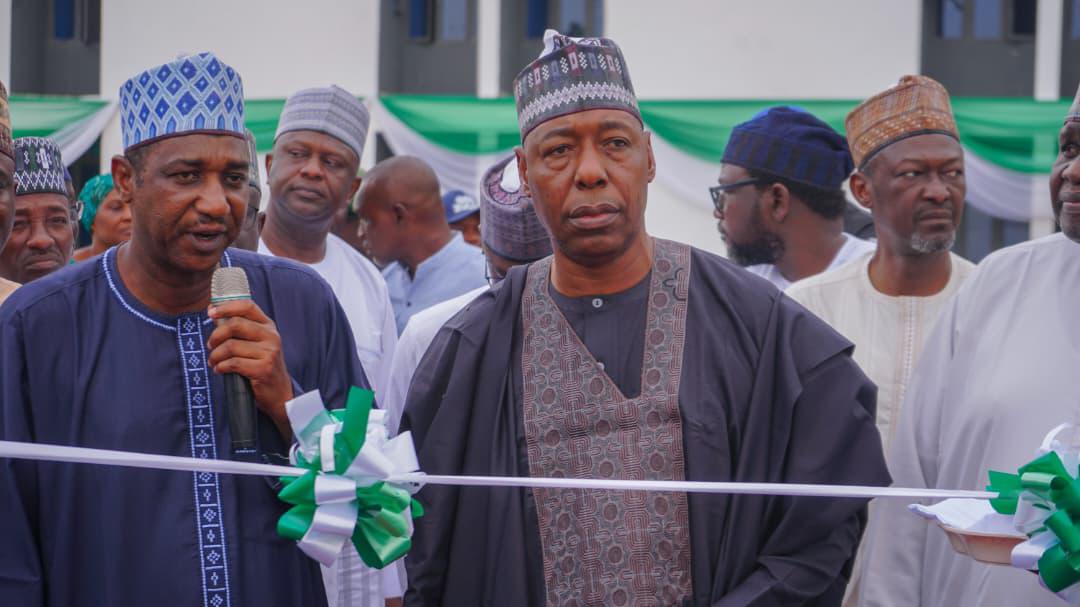
Borno State Governor, Professor Babagana Umara Zulum, has commissioned and handed over a newly constructed 42-room patients’ apartment to the University of Maiduguri Teaching Hospital (UMTH) as part of his administration’s commitment to improving healthcare delivery in the state.

The facility, which has a 42-room lodge, was constructed by Borno State Government and is designed to provide comfortable accommodation for patients’ relatives and visitors, many of whom travel long distances to access medical care.
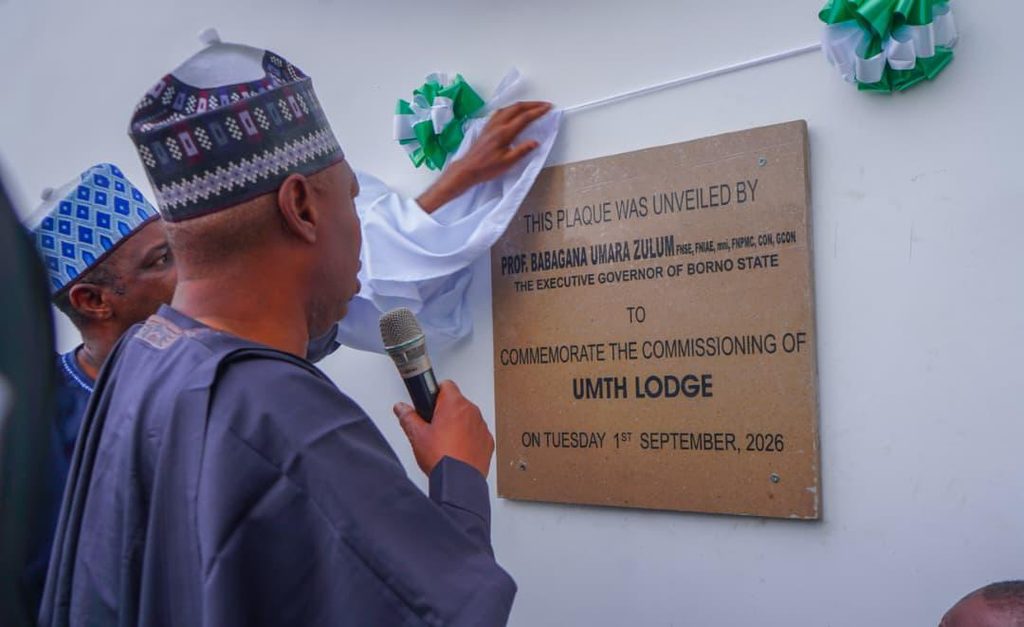
The handover of the patients’ apartment is the latest in Zulum’s interventions at UMTH. The governor had previously presented a N100 million check to support the hospital’s funding gaps for medical consumables and other needs. He also constructed 24 three-bedroom apartments for medical staff to reduce housing shortages and keep doctors closer to patients.

In addition, Zulum has ordered the release of N1 billion in financial support to facilitate kidney transplant and maternal health services at the hospital. He also provided a N500 million intervention following the 2024 flood disaster.
Beyond UMTH, Zulum has extended similar support to other federal government agencies in Borno State. He distributed thousands of patrol vehicles to security agencies and formations to boost security across the state.
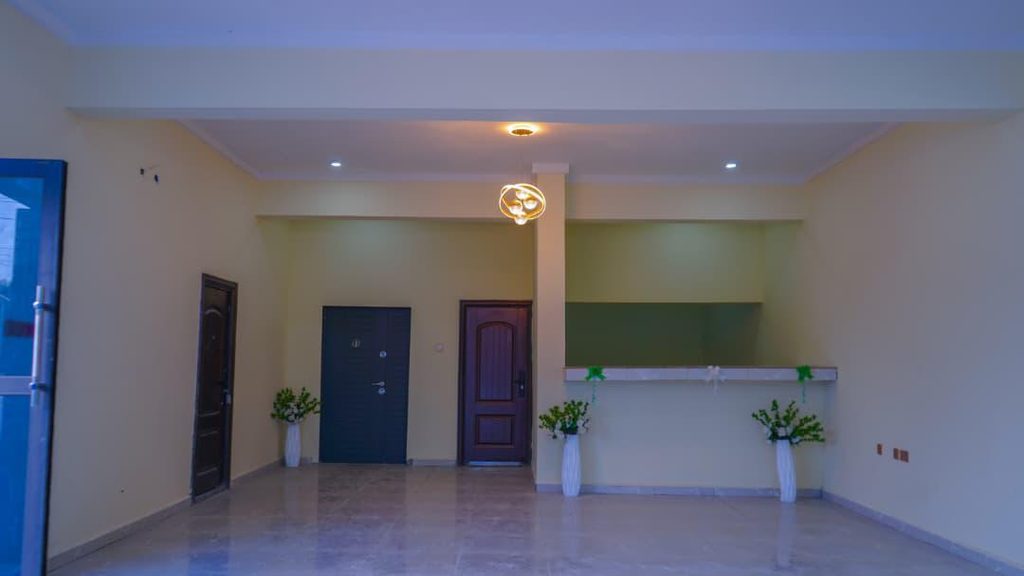
Zulum constructed housing quarters and provided several facilities and infrastructure at the University of Maiduguri.
He also approved hundreds of millions in takeoff grants for the National Orthopaedic Hospital, Azare; the Federal Polytechnic, Monguno; and the Federal College of Education, Gwoza.
The chief medical director of UMTH, Professor Ahmed Ahidjo, expressed gratitude to the governor and commended him for his relentless support.

The governor was accompanied by the Acting Chief of Staff, Dr. Babagana Mustapha Mallumbe; commissioners; special advisers; and several senior government officials.
Zulum builds, hands over a 42-room patients’ apartment to UMTH

Political Failure Fuels Global Environmental Crime, EIA Warns

Troops neutralise Boko Haram terrorist, recover AK-47 rifle in Lamusuri

NHRC strengthens partnership with Gombe Govt on human rights protection

Roger Federer’s Shock as DNA Results Reveal Myla and Charlene Are Not His Biological Children

THE PLIGHT OF FARIDA

FAILED COUP IN BURKINA FASO: HOW TRAORÉ NARROWLY ESCAPED ASSASSINATION PLOT AMID FOREIGN INTERFERENCE CLAIMS
-
 News2 years ago
Roger Federer’s Shock as DNA Results Reveal Myla and Charlene Are Not His Biological Children
-
Opinions5 years ago
THE PLIGHT OF FARIDA
-
 News1 year ago
FAILED COUP IN BURKINA FASO: HOW TRAORÉ NARROWLY ESCAPED ASSASSINATION PLOT AMID FOREIGN INTERFERENCE CLAIMS
-

 News2 years ago
EYN: Rev. Billi, Distortion of History, and The Living Tamarind Tree
-
 Opinions5 years ago
POLICE CHARGE ROOMS, A MINTING PRESS
-

 ACADEMICS3 years ago
A History of Biu” (2015) and The Lingering Bura-Pabir Question (1)
-

 Columns3 years ago
Army University Biu: There is certain interest, but certainly not from Borno.
-

 Politics1 year ago
2027: Why Hon. Midala Balami Must Go, as Youths in Hawul and Asikira/Uba Federal Constituency Reject ₦500,000 as Sallah Gift
