
News
Nigeria: Spike in food prices sees an increased level of malnutrition in the conflict-affected northeast

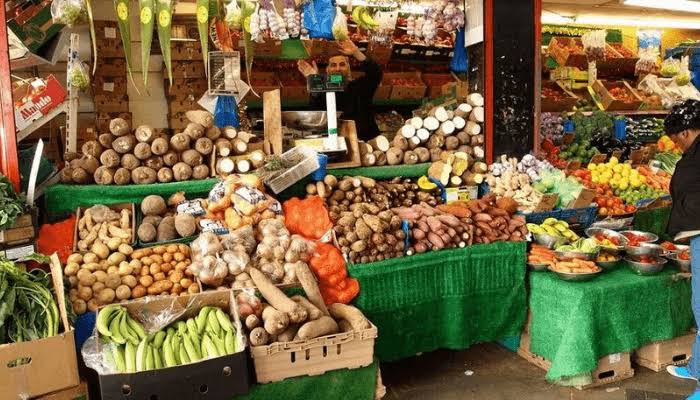
Nigeria: Spike in food prices sees an increased level of malnutrition in the conflict-affected northeast
By: Our Reporter
The acute food insecurity and malnutrition situation in Nigeria is deteriorating as the economic crisis continues to deprive millions of people affected by the protracted conflict in the northeast of accessing food.
Consecutive shocks to the economy, including a 300 percent increase in fuel prices due to the removal of the petrol subsidy and the devaluation of the Nigerian Naira by more than 75%, have caused sudden and sustained spikes in the cost of transportation, staple food prices, agricultural production, and basic services, while the inflation rate reached an 18-year high of 26.72% percent in September.
“Before now, a bag of maize sold for N40,000, but now it sells for N70,000. We were selling one measure between N400 and N500, but now it sells between N1,000 and N1,200,” says Abubakar Isa, a trader in Gwoza town, Borno State. “This is due to the high cost of fuel, and if we complain to the drivers, they say prices of fuel as well as motor spare parts are now high.”
With the lifting of fuel subsidies, the average cost of food items in Borno State increased by 36% and transportation fares by 78%. As a result, thousands of families, especially the internally displaced, can no longer afford to buy the same quality and quantity of food as before, contributing to a poor diet and insufficient nutritious food intake. Income levels and labor opportunities have either reduced or remained the same in Borno State since the fuel subsidy removal.
Over a decade of conflict in the northeast continues to disrupt livelihood and market activities, as well as driving new displacement and preventing access to food production, health services, water, and sanitation facilities. 2.2 million people continue to be displaced across the northeast, while 4.3 million are still in need of food assistance. As of August 2023, 1.53 million children under 5 were acutely malnourished [1] in Borno, Yobe, and Adamawa states.
As the economic crisis rages, more families are coping through erosion of their livelihoods (such as the sale of productive assets) and the adoption of crisis strategies (mainly a high reliance on aid). Furthermore, families are increasingly experiencing a vicious debt cycle. They are taking on higher debt levels every month and maxing out their credit levels to cover basic needs. With such levels of negative coping strategies, many families are precariously exposed, and any sudden shocks at unprecedented levels would further worsen food insecurity and lead to acute malnutrition at extreme levels.
“We were eating 2-3 times daily, but now we have difficulties having breakfast. Not to talk of water for drinking” says Abubakar, “Our children have been sent back from school because we could not pay for their books.”
In addition, smallholding farmers struggled with higher costs of seed, fertilizer, and other farm inputs. As a coping strategy, some farmers reduced the amount of land they cultivated during the growing season.
The International Committee of the Red Cross (ICRC) has been recording a steady increase in the number of admissions of children under the age of five suffering from severe acute malnutrition (SAM) in its supported health facilities in the northeast. Between 2020 and 2023, the number of new admissions more than doubled. This annual trend, correlated with the increase in the prevalence of malnutrition, food insecurity, and the number of cases of childhood illnesses, could indicate a gradual deterioration in the nutritional situation in the areas of intervention in these health structures, despite the efforts made to improve access to integrated care. From January to September 2023, more than 6,000 severely malnourished under-5 children and over 10,000 malnourished pregnant and lactating women have received nutrition treatment at ICRC-supported health facilities in the northeast.
“Day to day, the rate of malnutrition is increasing as people no longer have access to diversified and nutritious food,” says Ghulam Muhaiuddin Sayad, Deputy Coordinator of the ICRC`s economic security program in Nigeria. “Many people, especially children, are experiencing malnutrition-related illnesses.”
According to the Integrated Food Security Classification in August 2023, acute malnutrition is particularly prevalent among people newly arriving from inaccessible areas in the northeast, with overall global acute malnutrition (GAM) rates of 19.3 percent. The high levels of acute malnutrition indicate an extremely stressed population in relation to food insecurity, poor water and sanitation access, and poor health conditions, which have led to a high disease burden.
The ICRC, along with its partner, the Nigerian Red Cross Society (NRCS), has been supporting the most vulnerable, particularly in the northeast, with cash to purchase food or to commence small-scale businesses. This year, more than 13,187 families benefited from the ICRC`s cash assistance until September 2023. In addition, 41,000 farming families received staple and cash crop seeds to improve food production during the rainy season, while 57,000 people, including pregnant and lactating women and children under five, received food rations and supplementary feeding to prevent malnutrition. Another sustainable support was provided to 300 farmers in Plateau State through the donation of 138 pumps to improve irrigation during the dry season.
Nigeria: Spike in food prices sees an increased level of malnutrition in the conflict-affected northeast


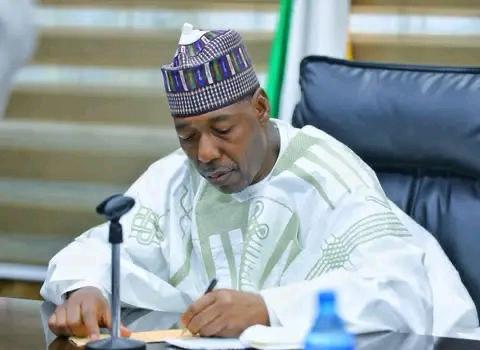
Zulum Appoints Engr Peter Samuel as General Manager BOSAMA
By: Our Reporter
Borno State Governor, Professor Babagana Umara Zulum, has approved the appointment of Engr Peter Samuel, MNSE, MNIAE, as the General Manager of Borno State Agricultural Mechanization Authority (BOSAMA).
In a statement by the Special Adviser to the Governor on Media, Dauda Iliya, the appointment was based on Engr Samuel’s outstanding professional competence, proven track record, and experience in agricultural engineering and mechanization.
The statement noted that Engr Samuel possesses the requisite qualifications, technical expertise and leadership capacity required to reposition BOSAMA in line with Governor Zulum’s agricultural transformation agenda.
The newly appointed General Manager is an Agricultural Engineer with academic, professional, administrative, and practical experience in agricultural mechanization, farm power and machinery, irrigation engineering, and agricultural infrastructure development.
He holds a Master of Engineering (M.Eng.) in Farm Power and Machinery from Joseph Sarwuan Tarka University, Makurdi (formerly the Federal University of Agriculture, Makurdi), a Postgraduate Diploma in Farm Management and Production Economics from Nasarawa State University, and a Bachelor of Engineering (B.Eng.) in Agricultural and Environmental Resources Engineering from the University of Maiduguri.
Engr Samuel has distinguished himself through years of meritorious service in teaching, research, agricultural engineering practice, and project implementation. He currently serves as a Lecturer in Farm Power and Machinery at Ramat Polytechnic, Maiduguri.
Over the years, he has held several strategic leadership positions, including General Manager of a commercial agricultural enterprise, Project Coordinator, Programme Coordinator, and Consultant on numerous agricultural development interventions implemented by reputable national and international organisations.
He is a member of the Nigerian Society of Engineers (NSE) and the Nigerian Institution of Agricultural Engineers (NIAE).
Governor Babagana Zulum congratulated the new General Manager on his appointment and urged him to deploy his wealth of knowledge, technical expertise, and experience in agricultural mechanization to strengthen the operations of BOSAMA
Zulum Appoints Engr Peter Samuel as General Manager BOSAMA
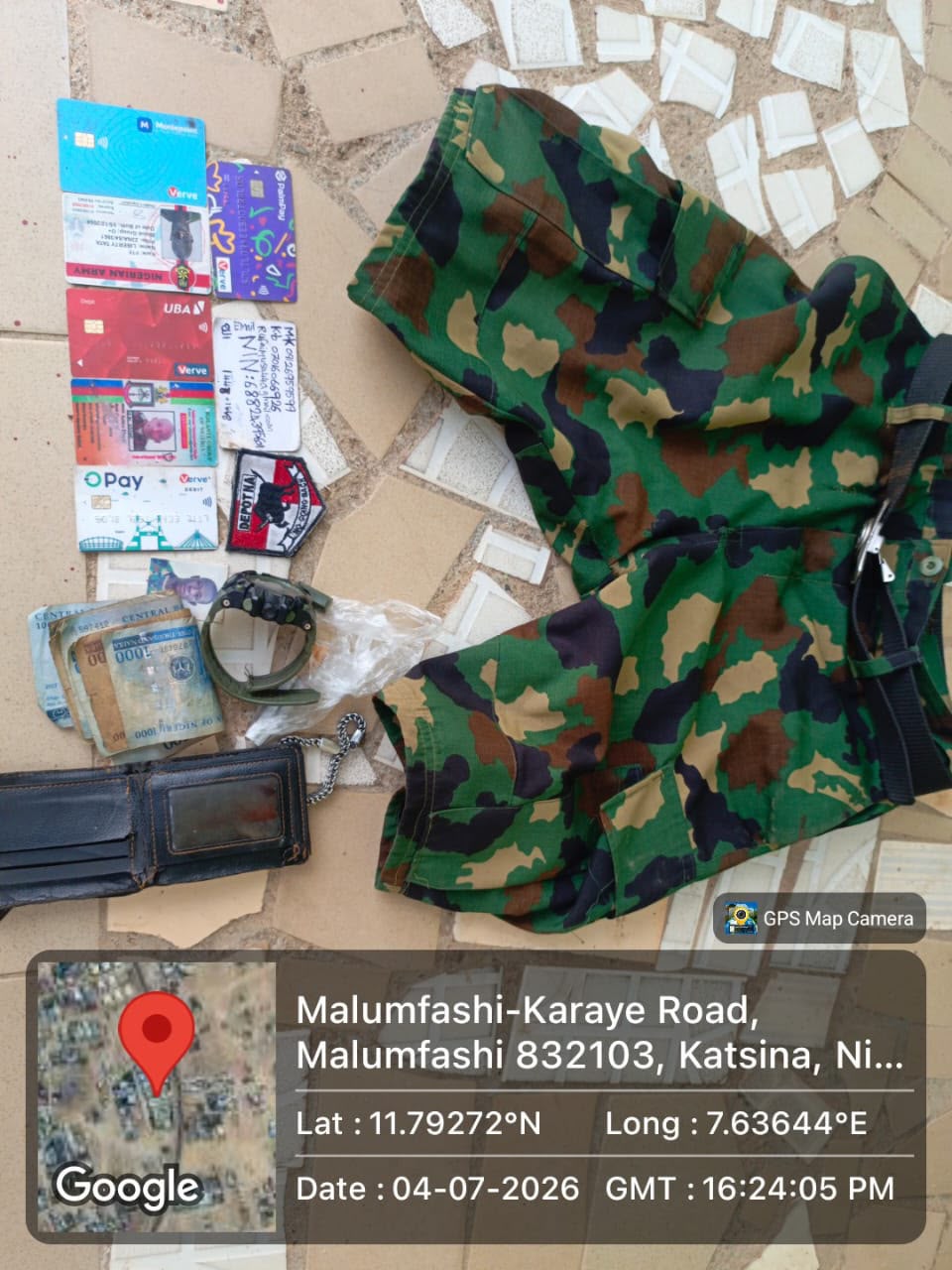
Troops Arrest Suspected Military Impostor in Katsina
By Zagazola Makama
Troops of 17 Brigade have arrested a suspected military impostor during a fighting patrol in Malumfashi Local Government Area.
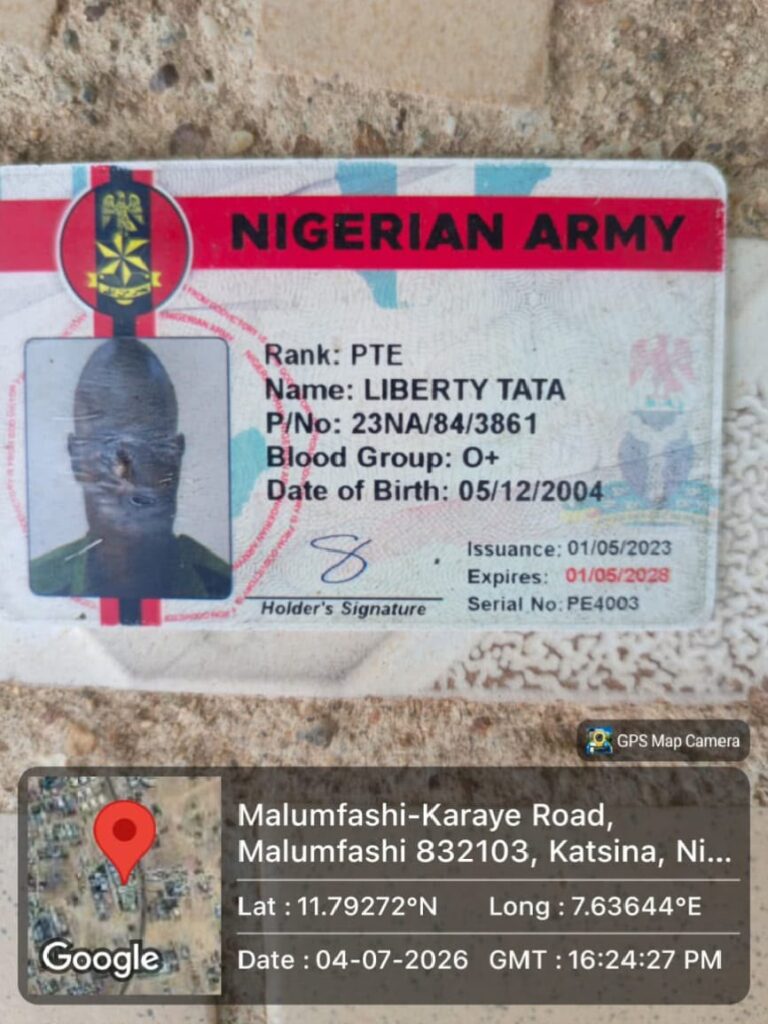
Security sources told Zagazola Makama that the suspect was apprehended at about 1:30 p.m. on July 4 by troops deployed at the Forward Operating Base (FOB) Malumfashi while conducting routine patrols within Malumfashi town.

According to the sources, the suspect was intercepted while wearing a woodland camouflage three-quarter short, raising suspicion among the troops.
A search conducted on the suspect led to the recovery of a fake Nigerian Army identity card, four Automated Teller Machine (ATM) cards, one woodland camouflage three-quarter short, a wristwatch and the sum of ₦17,000.
The suspect and the recovered exhibits are currently in military custody pending further investigation.
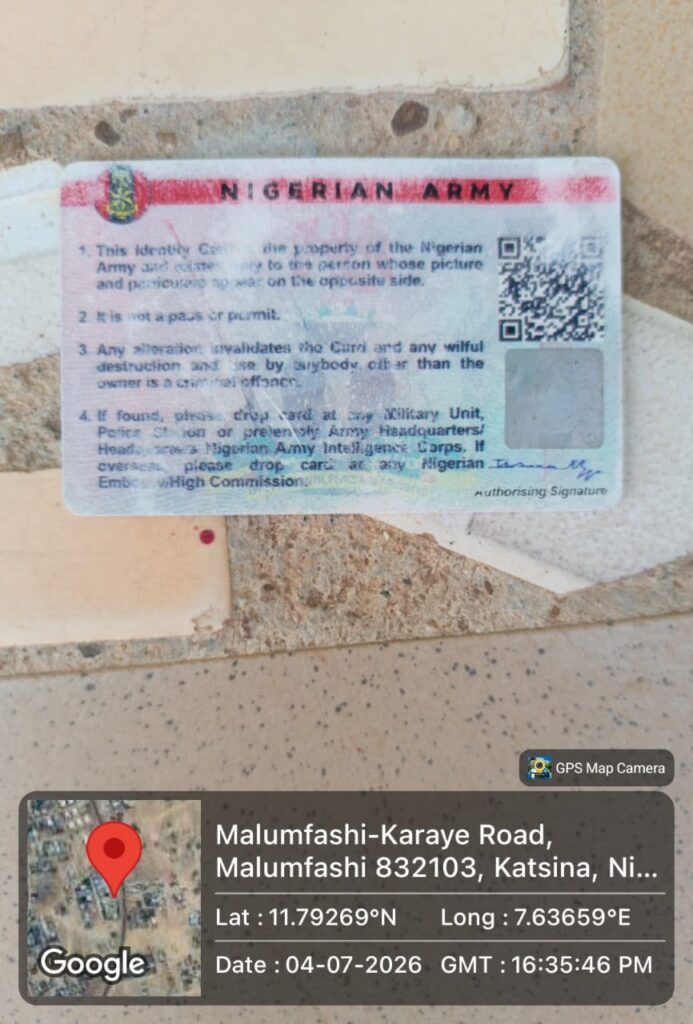
Military sources said the arrest forms part of ongoing efforts to curb impersonation of security personnel and other criminal activities within the area.
Troops Arrest Suspected Military Impostor in Katsina
Troops Recover 50 Rustled Cattle, Repel Suspected Rustlers in Kaduna
By Zagazola Makama
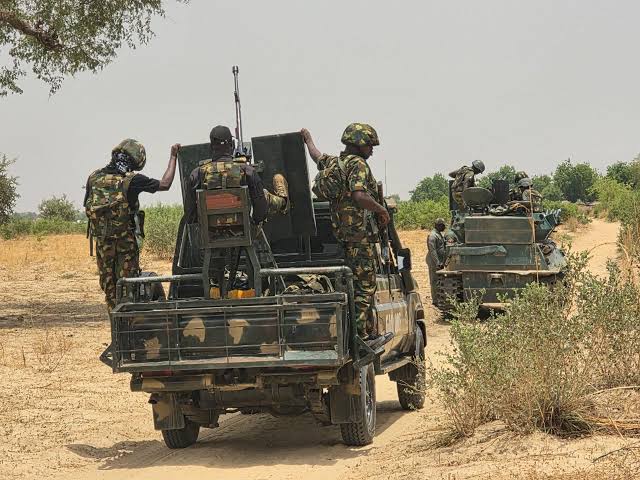
Troops deployed at the Forward Operating Base (FOB) Kankomi have recovered 50 rustled cattle after repelling suspected cattle rustlers during an ambush operation in Chikun Local Government Area.
Security sources told Zagazola Makama that the troops responded to a distress call at about 9:55 a.m. on July 4 over the activities of suspected rustlers at Ungwan Gontu community.
According to the sources, the troops swiftly laid an ambush and made contact with the fleeing suspects, forcing them to abandon the stolen livestock and escape into the surrounding area.
During the operation, the troops recovered 50 rustled cattle, which were subsequently identified and handed over to their rightful owner.
Military sources said efforts are ongoing to track down the fleeing suspects as security operations continue to combat cattle rustling and other criminal activities across Kaduna State.
Troops Recover 50 Rustled Cattle, Repel Suspected Rustlers in Kaduna

Zulum Appoints Engr Peter Samuel as General Manager BOSAMA

DSS Frees Cardiac Surgeon Martin Aghaji on Bail Over Alleged Economic Crime

Troops Arrest Suspected Military Impostor in Katsina

Roger Federer’s Shock as DNA Results Reveal Myla and Charlene Are Not His Biological Children

THE PLIGHT OF FARIDA

FAILED COUP IN BURKINA FASO: HOW TRAORÉ NARROWLY ESCAPED ASSASSINATION PLOT AMID FOREIGN INTERFERENCE CLAIMS
-
 News2 years ago
Roger Federer’s Shock as DNA Results Reveal Myla and Charlene Are Not His Biological Children
-
Opinions4 years ago
THE PLIGHT OF FARIDA
-
 News1 year ago
FAILED COUP IN BURKINA FASO: HOW TRAORÉ NARROWLY ESCAPED ASSASSINATION PLOT AMID FOREIGN INTERFERENCE CLAIMS
-

 News2 years ago
EYN: Rev. Billi, Distortion of History, and The Living Tamarind Tree
-
 Opinions5 years ago
POLICE CHARGE ROOMS, A MINTING PRESS
-

 ACADEMICS2 years ago
A History of Biu” (2015) and The Lingering Bura-Pabir Question (1)
-

 Columns2 years ago
Army University Biu: There is certain interest, but certainly not from Borno.
-

 Politics1 year ago
2027: Why Hon. Midala Balami Must Go, as Youths in Hawul and Asikira/Uba Federal Constituency Reject ₦500,000 as Sallah Gift
