
News
Environmental Vanguards Demand Rights of Nature to be given just as Human Rights

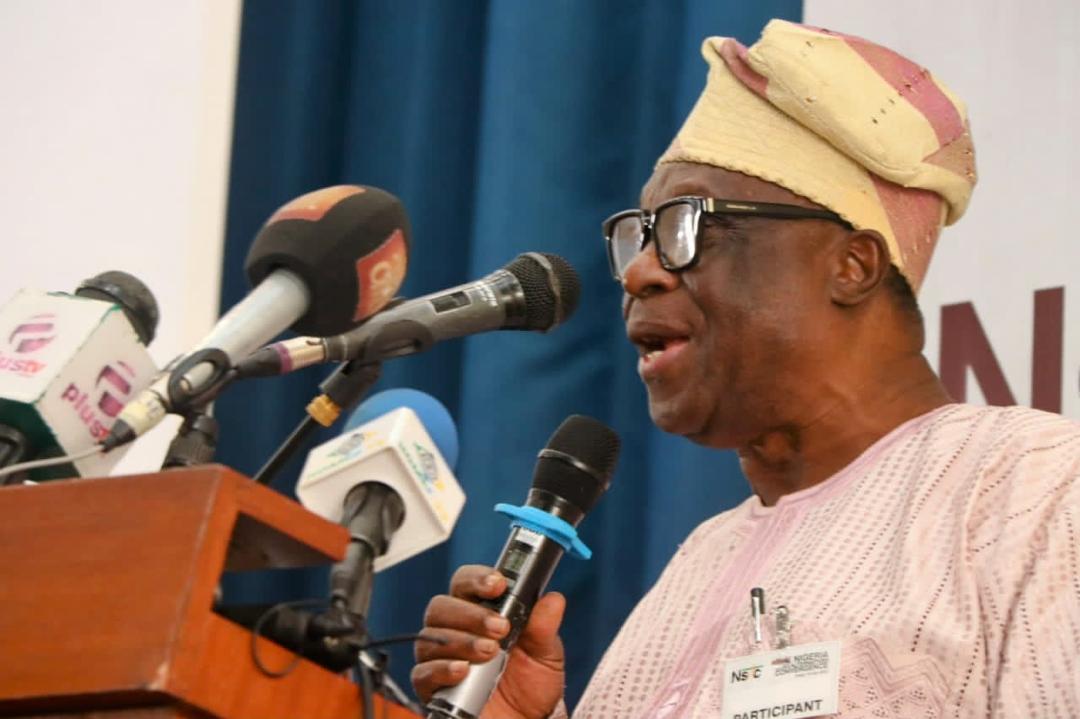
Environmental Vanguards Demand Rights of Nature to be given just as Human Rights
By: Michael Mike
A group of environmental vanguards have demanded rights of nature to be inalienable given just as human rights are not allowed to be violated and protected by no other than United Nations and its several agencies.
Presenting their position in Abuja on Monday at the Nigeria Socioecological Alternatives Convergence (NSAC), the environmental vanguards riled out several demands in what they described as NSAC Charter which include: Access to water as a human right; Recognise the Rights of Nature; Inclusive policy development; Just energy transition from a polluting and epileptic dirty energy model to renewable energy; Job transitioning; Transition to agroecology; Ensure biosafety and biosecurity, ban genetically modified organisms.
Other demands are: Halt deforestation, promote reforestation; Protect our wetlands and halt indiscriminate land reclamation; Invest in flood control infrastructure; Enforcement of mining regulations; Decommissioning of mines and oil wells at end of life; Compensations for job losses and reparations for ecological damage to affected communities; Ecological audit — State of the Nigerian environment.
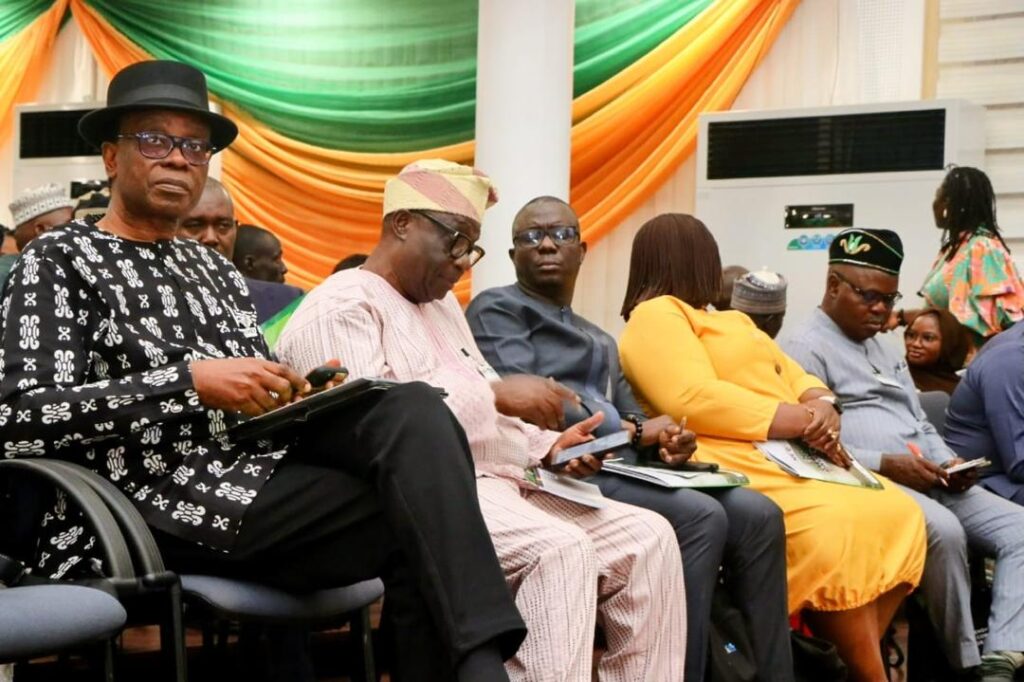
Also demanded are: Environmental remediation; Accessible and affordable clean energy. Energy democracy; Revamped emergency response mechanisms; Reject false solutions to climate change, including carbon offsets, geoengineering, etc; Halt gas flaring; Halt and reversal of divestments by IOCs and Declare no mining zones.
The Director of Health of Mother Earth Foundation (HOMEF), Nnimmo Bassey who presented their demands at the 2nd Nigeria Socioecological Alternatives Convergence held at Shehu Musa Yar’Adua Centre, Abuja, on Monday noted that the fabric of the social and environmental conditions of Nigeria are literally stretched to the limit.
He stated that: “The threats emanate from local and global strands of the polycrisis wracking the globe. Exploitation, displacements, conflicts, climate chaos, socioeconomic inequities combine to threaten the tenuous fabrics holding our nation and peoples together.”
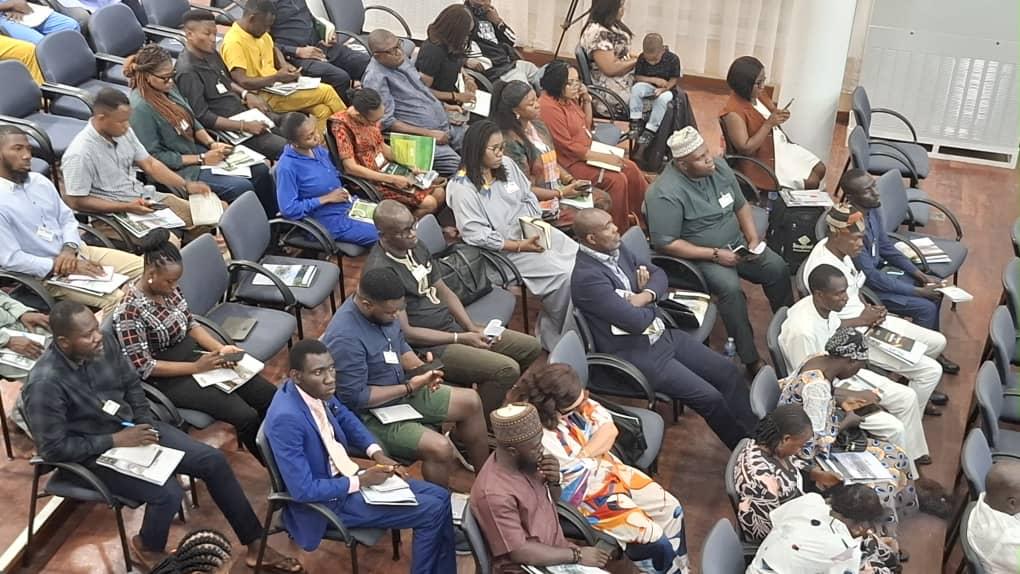
He stated that: “Desertification, deforestation, extreme water and air pollution, deadly floods, coastal and gully erosion, insecure farms and diverse ecological devastations all merit a declaration of national environmental security state of emergency? The widespread environmental challenges also provide clear platforms for collective work to salvage the situation in ways that political coalitions may not.”
He declared that: “Waiting before acting is a luxury the people cannot afford. The clarion call for action is urgent and critically existential. This reality inspired the Nigeria Socioecological Alternatives Convergence (NSAC). Regrettably at this second outing the conditions remain dire. We remain undaunted because we understand that the struggle for the change we need cannot be a sprint because it has to be a comprehensive overhaul of a system entrenched by indifference and lack of accountability. The socioecological alternatives we propagate must overturn the current predatory system of destructive extraction and shredded ecological safety nets. Our charter has to construct a Nigeria that is decolonial and post extractivist.”
Bassey said that: “In the maiden national convergence, we collectively agreed to a national charter for socioecological justice. Even as we achieved that major milestone we had hopes that at a future date, we would have participants from other African countries. That future has come faster than we expected. At this convergence we have participants from Burkina Faso, Cameroon, Ghana, Mali, Mozambique, Senegal, Sierra Leone and Togo. We also have other international partners. The reality of having an African Socioecological Alternatives Convergence (ASAC) is drawing near.”
He noted that there are sources to learn from in efforts to overhaul environmental governance in Nigeria, stressing that in Africa, Kenya and South Africa have constitutional provisions for environmental rights that we can learn from, the South American countries of Ecuador, Bolivia and Venezuela have constitutional provisions for the rights of Nature.
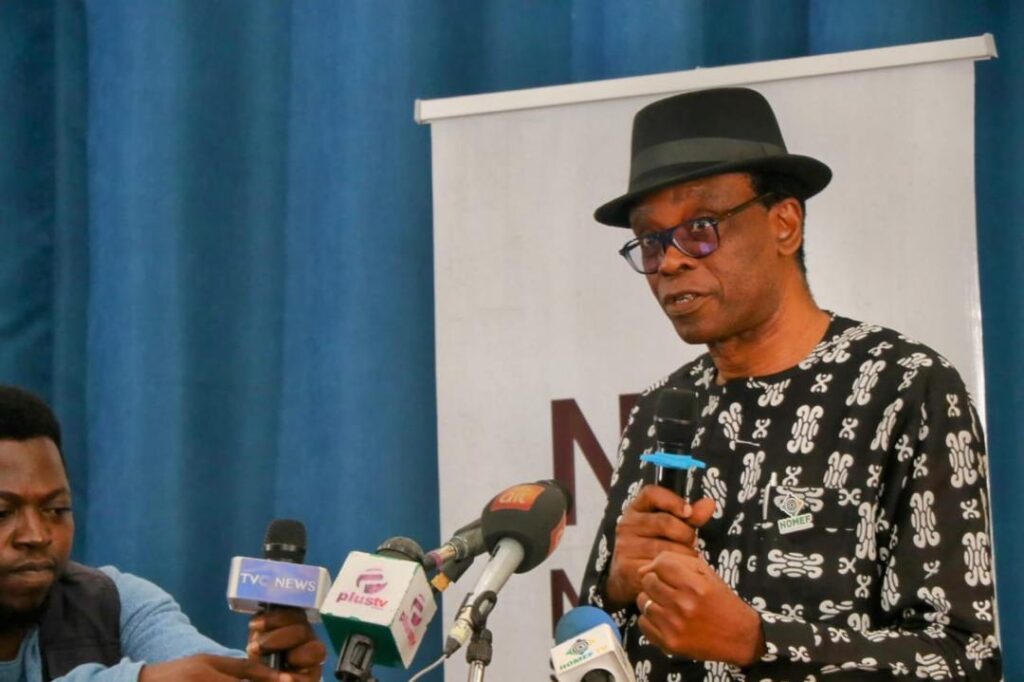
He explained that: “The Rights of Nature includes the right for Nature to be free from pollution. It also places obligations on human at a number of levels. The Declaration on the Rights of Mother Earth is yet to be universally adopted.
“There is a strong campaign for the recognition of ecocide as a crime in the Rome Statute in line with genocide, war crimes, crimes against humanity, etc.
“We already have outcomes of litigations as well as reports that show evidence of ecocide in Nigeria and these could back up the urgency of the crisis,” explaining that: “Two of such reports are the UNEP Report ( Environmental Assessment of Ogoni environment, 2011) and the Bayelsa State Oil and Environment Commission Report (Environmental Genocide, 2023).”
Bassey noted that: “Delta State House of Assembly is working on a bill to recognize the personhood of River Ethiope. The 2014 National Confab had recommendations for justiciability of human and environmental rights.”
He stated that according to the NSAC Charter, ‘Our vision is of a Nigeria where ecological integrity, social justice, and economic wellbeing coexist. We must birth a Nigeria where the rights of nature are respected, where communities have control over their resources and enjoy resource democracy, and where everyone has access to clean air, water, and a healthy environment.”
He argued that: “The environment supports our life and exploitation of nature’s gifts must be conducted in manners that do not disrupt or breach the cycles of nature. As part of nature, humans have responsibilities and obligations regarding how we interact with our environment and other beings we share the planet with. Human activities contribute to the squeezing we are experiencing from desertification in northern Nigeria and the erosion washing away our communities on the coastline. Sixty-eight (68) years of extraction of fossil fuels has rendered the Niger Delta a disaster zone. Climate impacts and environmental genocide leave festering sores on the territory. Uncontrolled solid mineral extraction is poking holes across the land, and these combined with long abandoned but non-decommissioned mines are scars that we cannot ignore.”
He said: “Let us together ‘Yasunize’ and ‘Ogonize’ by demanding the protection of communities and territories with natural or cultural diversity against activities that cause serious environmental impacts, such as from oil and gas extraction, open cast mining, and other mega-projects. We must wake up and demand a change of mentality.
“Our leaders must Arise and be true compatriots, not lords or emperors, even if that anthem has been placed on the shelf. Oil for development has placed Nigeria on a treadmill surrounded by voracious and insatiable forces of exploitation, expropriation and extermination.”
He revealed that: “The major focus of this Convergence is Examining Relevant National Policies and Frameworks for Addressing Environmental, Climate Change and Socio-ecological Challenges.”
On his part, a Climate Change Specialist. Prof. Emmanuel Oladipo, in his key note address noted that the world is confronted with a number of development challenges – record unemployment, unsustainable fiscal deficits, low growth, among others.
He said. “All this in a context where environmental and climate concerns are becoming an increasingly important component of economic policy.”
Environmental Vanguards Demand Rights of Nature to be given just as Human Rights


Troops Foil ISWAP/JAS Attack on Military Position in Borno, Recover UXOs
By: Zagazola Makama
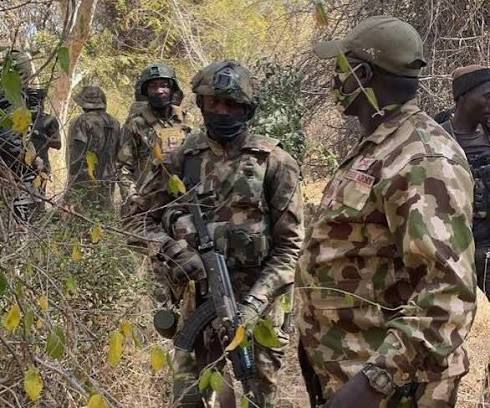
Troops of 3 Battalion (Mechanised)/24 Task Force Brigade have successfully repelled an attack by suspected Islamic State West Africa Province (ISWAP) terrorists in Ngala Local Government Area of Borno State.
Security sources said the attack occurred at about 2:44 a.m. on June 12 when terrorists launched coordinated assaults on the troops’ location from Wurge, Manawaji and Kinuba.
According to the sources, the troops engaged the attackers with superior firepower, supported by reinforcements from battalion headquarters, as well as mortar and artillery fire support, forcing the insurgents to withdraw.
Following the encounter, the fleeing terrorists retreating and scampered into the bushes.
At about 5:45 a.m., troops and auxiliary forces conducted a follow-up exploitation along the withdrawal route towards Wurge, during which three RPG-7 high-explosive unexploded ordnances (UXOs) and two torchlights were recovered.
The sources further disclosed that a main battle tank developed technical faults during the aftermath of the engagement, while one soldier sustained injuries from fragments of an RPG blast.
The wounded personnel was evacuated to the 3 Battalion Regimental Aid Post (RAP) for medical treatment.
Military authorities said clearance and follow-up operations were ongoing in the area to consolidate gains and prevent further terrorist regrouping.
They reaffirmed commitment to sustaining aggressive counter-terrorism operations across the North-East theatre.
Troops Foil ISWAP/JAS Attack on Military Position in Borno, Recover UXOs
Katsina Govt Confirms Death of Retired Major General Rabe in Bandits’ Captivity
By: Zagazola Makama
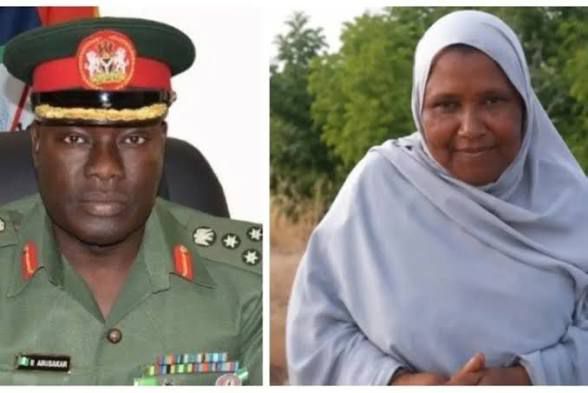
The Katsina State Government has announced the death of retired Major General Rabe Abubakar while in the captivity of bandits.
The government, in a statement issued on Friday by the Commissioner for Internal Security and Home Affairs, Dr Nasiru Mu’azu, described the development as tragic and a major loss to the state and the nation.
According to the statement, the retired senior military officer died from complications arising from diabetes and hypertension while in captivity.
The government said that despite sustained efforts by the state government and security agencies to secure his release, the situation ended in tragedy.
“The deceased retired general died a natural death from complications of diabetes and hypertension,” the statement said.
It noted that the late officer’s abduction and subsequent death represented not only a loss to his immediate family and Katsina State but also a monumental loss to the country.
Governor Dikko Umaru Radda expressed deep condolences to the family of the deceased, describing the incident as a dark moment and a reminder of the need for intensified efforts against criminal elements threatening peace and security.
The governor reaffirmed the state government’s commitment to working closely with the Federal Government and security agencies to ensure that those responsible for the abduction are brought to justice.
He also assured residents that the government remained resolute in its determination to eliminate banditry and safeguard lives and property across the state.
The government prayed for the repose of the soul of the late retired Major General and urged citizens to continue supporting security agencies in the fight against insecurity.
Katsina Govt Confirms Death of Retired Major General Rabe in Bandits’ Captivity
Zulum Delivers Relief, Cash Support to 434 Ngoshe Residents Rescued from Boko Haram
By: Our Reporter
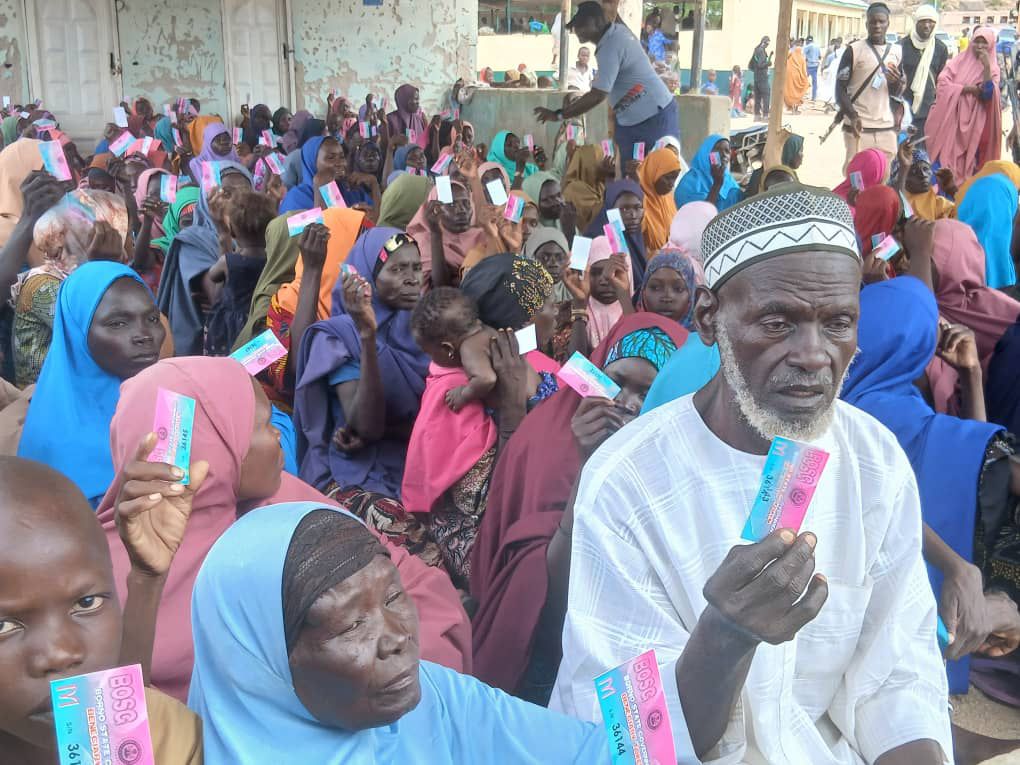
Borno State Government has distributed relief materials to 434 indigenes of Ngoshe community in Gwoza Local Government Area who were recently rescued by security agencies after spending three months in Boko Haram captivity.
Governor Babagana Umara Zulum visited the victims in Pulka on Monday and directed the immediate distribution of food and non-food items to support their recovery and reintegration.
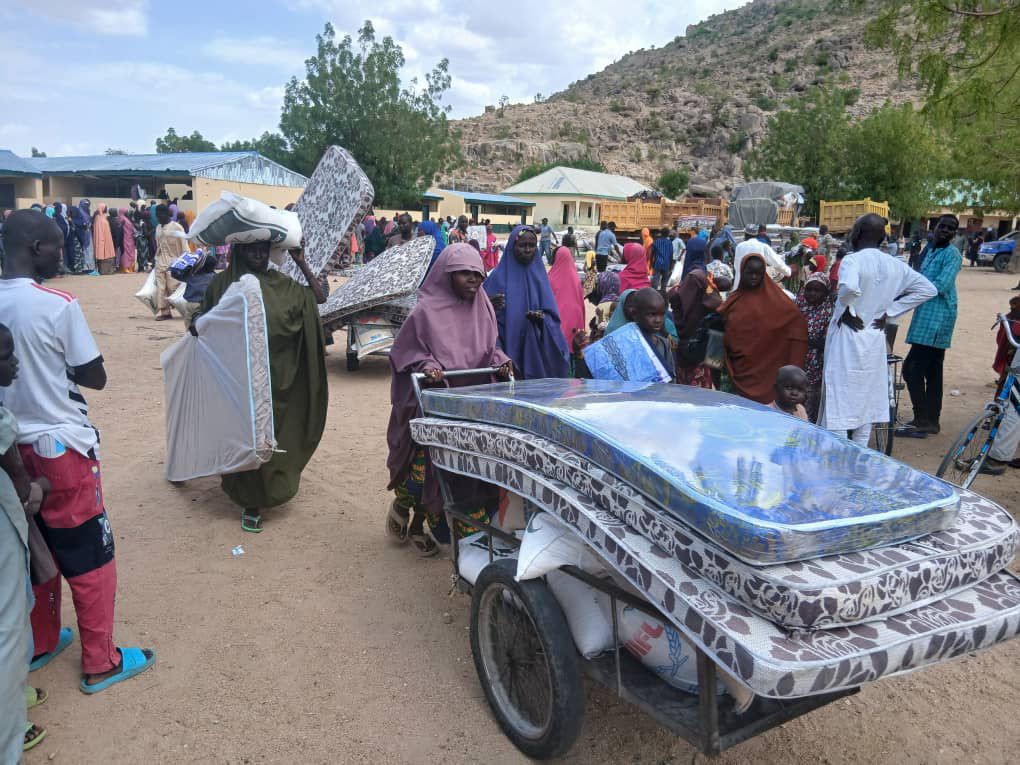
In compliance with the Governor’s directive, the Director General of the Borno State Emergency Management Agency (SEMA), Alhaji Ali Abdullahi Isa, promptly supervised the distribution exercise.
Each rescued person received a bag of rice, a bag of maize grits, a mattress, a wrapper, and a shadda, while children received two pairs of clothing.
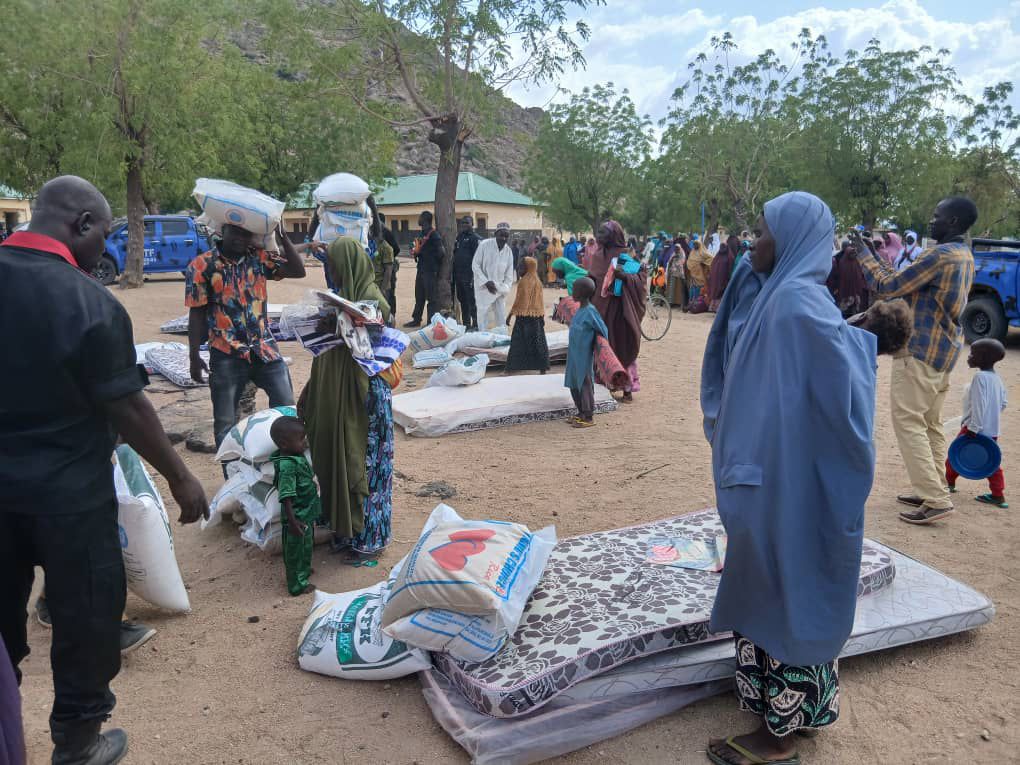
In addition, 208 heads of households received N50,000 each, fulfilling Governor Zulum’s earlier pledge of financial assistance.
Speaking during the distribution, the SEMA Director General said the intervention was part of the government’s immediate response to ease the hardship faced by the rescued victims.
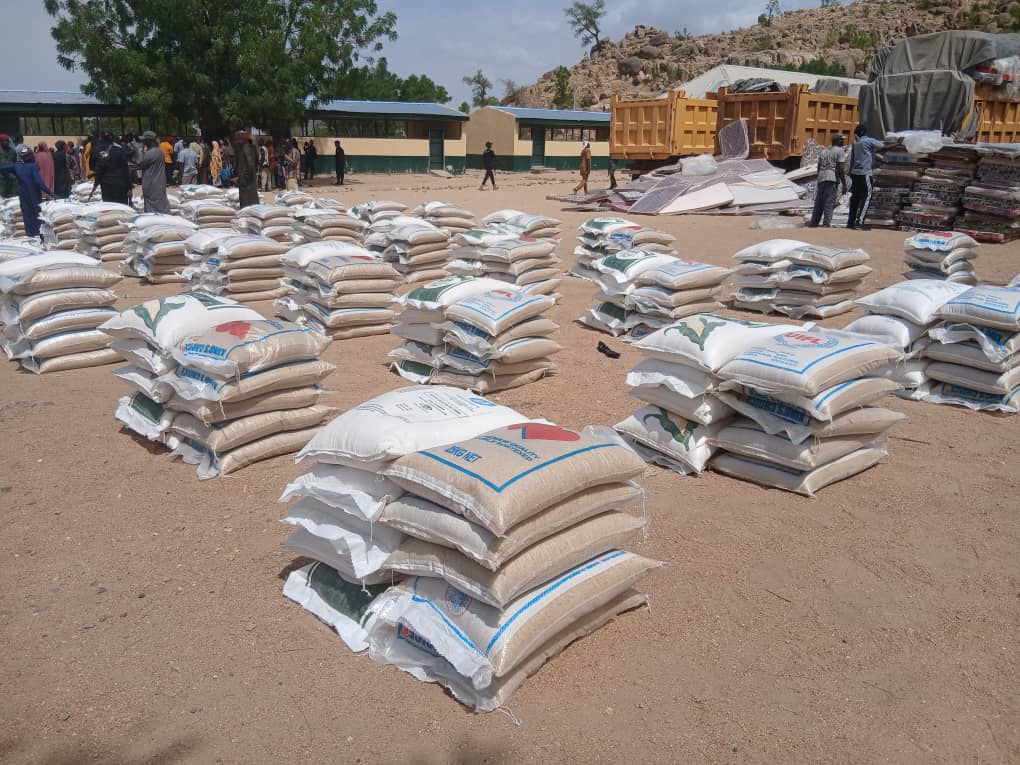
“I am here at the instance of His Excellency, Governor Babagana Umara Zulum, who was here some few days ago, and to deliver the items he directed that it should be given to you as emergency relief,” Ali stated.
The rescued individuals are currently receiving medical care and psychosocial support at a government facility. Upon completion of the rehabilitation process, they will be reintegrated into their respective communities.
The exercise was carried out alongside the Chairman of Gwoza local government, representatives of the Ngoshe community, and other officials.
Zulum Delivers Relief, Cash Support to 434 Ngoshe Residents Rescued from Boko Haram

Troops Recover AK-47 Rifle, Ammunition in Failed ISWAP Reconnaissance Operation in Borno

Troops Foil ISWAP/JAS Attack on Military Position in Borno, Recover UXOs

Katsina Govt Confirms Death of Retired Major General Rabe in Bandits’ Captivity

Roger Federer’s Shock as DNA Results Reveal Myla and Charlene Are Not His Biological Children

THE PLIGHT OF FARIDA

FAILED COUP IN BURKINA FASO: HOW TRAORÉ NARROWLY ESCAPED ASSASSINATION PLOT AMID FOREIGN INTERFERENCE CLAIMS
-
 News2 years ago
Roger Federer’s Shock as DNA Results Reveal Myla and Charlene Are Not His Biological Children
-
Opinions4 years ago
THE PLIGHT OF FARIDA
-
 News1 year ago
FAILED COUP IN BURKINA FASO: HOW TRAORÉ NARROWLY ESCAPED ASSASSINATION PLOT AMID FOREIGN INTERFERENCE CLAIMS
-

 News2 years ago
EYN: Rev. Billi, Distortion of History, and The Living Tamarind Tree
-
 Opinions4 years ago
POLICE CHARGE ROOMS, A MINTING PRESS
-

 ACADEMICS2 years ago
A History of Biu” (2015) and The Lingering Bura-Pabir Question (1)
-

 Columns2 years ago
Army University Biu: There is certain interest, but certainly not from Borno.
-

 Politics1 year ago
2027: Why Hon. Midala Balami Must Go, as Youths in Hawul and Asikira/Uba Federal Constituency Reject ₦500,000 as Sallah Gift
