
Uncategorized
Nigeria Unveils $1bn Forest Rescue Plan to Combat Climate Crisis, Halt Rapid Deforestation

Nigeria Unveils $1bn Forest Rescue Plan to Combat Climate Crisis, Halt Rapid Deforestation
By: Michael Mike
Nigeria has launched an ambitious $1 billion forest recovery initiative, signaling one of its most decisive moves yet to confront deforestation, climate change, and the growing threat to livelihoods tied to its shrinking natural resources.
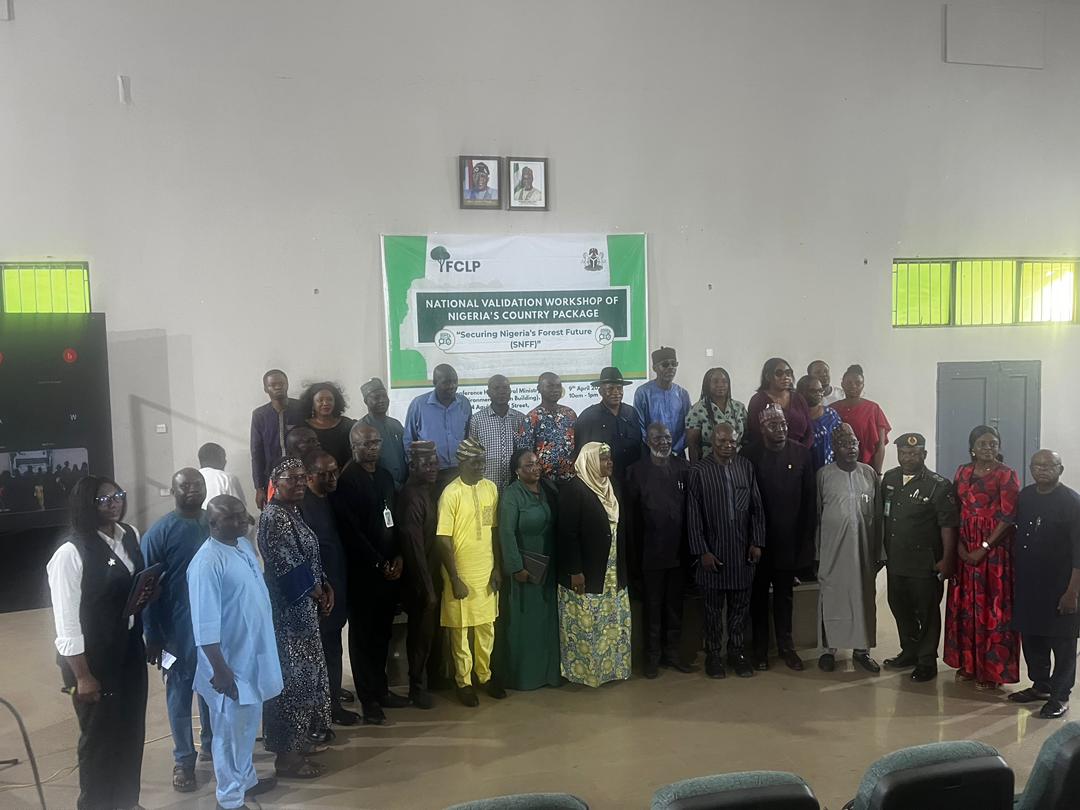
The plan, unveiled in Abuja at the National Validation Workshop of Nigeria’s Country Package titled “Securing Nigeria’s Forest Future (SNFF),” outlines a sweeping 10-year strategy (2026–2036) aimed at restoring degraded forest landscapes, strengthening governance, and unlocking sustainable financing for the sector.
Speaking at the event, the Minister of Environment, Malam Balarabe Abbas Lawal, warned that Nigeria’s forests—long regarded as critical national assets—are under severe and escalating pressure.
He noted that deforestation, unsustainable resource extraction, land-use changes, and climate variability are rapidly eroding forest ecosystems that millions of Nigerians depend on for survival.
“Forests are central to our environmental stability, economic resilience, and the livelihoods of our people, but the pressures they face today demand urgent and coordinated national action,” the minister said.
The SNFF initiative, developed under the global Forest and Climate Leaders Partnership (FCLP), is designed to translate Nigeria’s climate commitments into measurable outcomes by integrating forest restoration, climate resilience, green job creation, and innovative financing into a unified national framework.
At the core of the plan is a target to mobilize approximately $1 billion in blended finance, combining public funding, international climate support, private investment, and carbon market mechanisms.
Also speaking, the Director of Forestry in the Ministry of Environment, Halima Bawa-Bwari, described the initiative as a critical turning point in Nigeria’s environmental governance, emphasizing the urgent need for long-term, coordinated action.
She highlighted that Nigeria’s forests play a vital role in biodiversity conservation, climate regulation, and national economic development, but are increasingly threatened by rising energy demand, agricultural expansion, and environmental degradation.
“Our forest landscapes are under immense strain. Addressing these challenges requires a comprehensive approach that brings together government, private sector actors, development partners, and local communities,” she said.
Bawa-Bwari explained that the SNFF framework provides a detailed roadmap for systemic reform, including restoring degraded lands, strengthening institutional coordination, expanding green livelihood opportunities, and improving transparency and monitoring systems.
Beyond financing and policy, both officials stressed that the success of the initiative will depend heavily on inclusive participation, particularly from forest-dependent communities, civil society groups, and state governments.
The validation workshop, they noted, is a crucial stage in refining the framework to ensure it reflects broad national ownership and delivers tangible results.
“This process is about building a collective vision that ensures real impact for both our forests and our people,” Bawa-Bwari added.
Lawal also reaffirmed that the initiative aligns with Nigeria’s broader environmental commitments, including the National Forest Policy, the National REDD+ Strategy, obligations under the Paris Agreement, and the Climate Change Act of 2021.
He expressed confidence that the outcome of the workshop would position Nigeria to scale up forest conservation efforts in a more coordinated and impactful manner.
“With this initiative, Nigeria is taking a bold step toward securing its forest resources for future generations while contributing meaningfully to global climate and biodiversity goals,” the minister said as he formally declared the workshop open.
Stakeholders at the event—including representatives from federal and state governments, development partners, civil society, and the private sector—are expected to finalize a framework that could redefine Nigeria’s forest management strategy over the next decade.
If successfully implemented, the SNFF initiative could mark a turning point in Nigeria’s fight against environmental degradation, while opening new pathways for green investment, climate resilience, and sustainable economic growth.
Nigeria Unveils $1bn Forest Rescue Plan to Combat Climate Crisis, Halt Rapid Deforestation


Uncategorized
Army Distributes Fertiliser to Farmers in Jigawa Under Civil-Military Cooperation Programme
Army Distributes Fertiliser to Farmers in Jigawa Under Civil-Military Cooperation Programme
By: Zagazola Makama
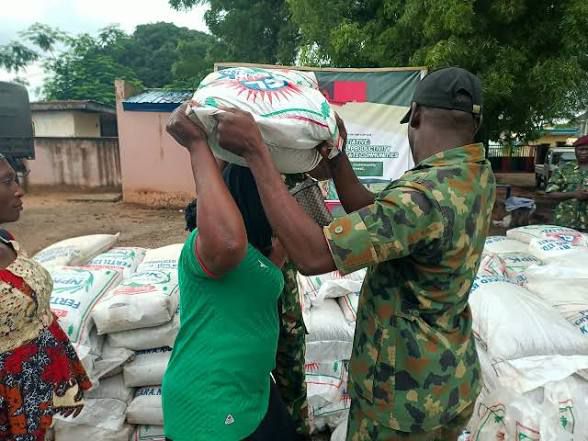
The Nigerian Army has distributed 40 bags of fertiliser to selected farmers in Jigawa State as part of its Civil-Military Cooperation (CIMIC) activities aimed at supporting local communities and enhancing agricultural productivity.
Security sources reliably informed that the distribution exercise was carried out on Thursday at Dahuwa Primary School in Chamo District of Dutse Local Government Area.
According to the sources, the Commander of the 26 Armoured Brigade, Brig.-Gen. O.I. Odigie, represented the Chief of Army Staff (COAS) during the event.
The fertiliser was distributed to selected farmers drawn from communities within the brigade’s area of responsibility as part of efforts to strengthen relations between the military and host communities while supporting food production.
The sources said the initiative forms part of the Nigerian Army’s broader commitment to community development and socio-economic support programmes across the country.
The event was conducted peacefully and without any security incident.
Army Distributes Fertiliser to Farmers in Jigawa Under Civil-Military Cooperation Programme
Uncategorized
Fertiliser Supply Stabilised as FG Strengthens Centralised Procurement System Ahead of 2026 Farming Season
Fertiliser Supply Stabilised as FG Strengthens Centralised Procurement System Ahead of 2026 Farming Season
By: Michael Mike
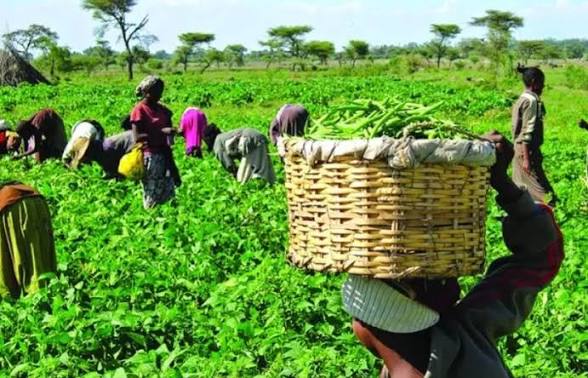
Nigeria has said it has significantly strengthened fertiliser availability and price stability ahead of the 2026 wet season through a tightened central procurement and distribution framework under the Presidential Fertiliser Initiative (PFI NPK), designed to shield farmers from global supply shocks and domestic market volatility.
Under the arrangement, PFI NPK Limited—operating under the Ministry of Finance Incorporated—coordinates bulk purchase of fertiliser raw materials, while distribution and blending activities are executed through a regulated national network of plants and warehouses. The system is structured to ensure that inputs remain under central control until verified sales are completed and financial settlements are concluded.
To reinforce transparency and accountability across the supply chain, independent Collateral Management Agents have been deployed to oversee storage facilities nationwide. Their role includes verifying stock levels, monitoring movements, and ensuring that fertiliser inputs are properly secured throughout the distribution process.
The operational framework is guided by standard procedures developed in collaboration with the Fertiliser Producers and Suppliers Association of Nigeria (FEPSAN), while quality assurance and regulatory enforcement remain under the supervision of the National Agency for Food and Drug Administration and Control (NAFDAC) and the Standards Organisation of Nigeria (SON).
Security and operational clearance from the Office of the National Security Adviser (ONSA) continues to serve as a critical requirement for nationwide logistics coordination and scaling of operations.
Officials said the system has already begun delivering results, with fertiliser raw materials either arriving in-country or currently in transit, while blending plants across the country continue to receive steady supply inputs ahead of peak farming demand.
The government argued that the intervention has reduced exposure to sudden international price spikes and supply chain disruptions that previously affected farmers during critical planting periods.
Dr. Takang, Managing Director of PFI NPK Limited, said the priority is ensuring that farmers are not only able to access fertiliser on time but also at stable and affordable prices that support production rather than undermine it.
“What matters is that the farmer can access fertiliser when needed and at a price that does not undermine production. By stabilising supply and managing cost exposure at the procurement stage, we are supporting that outcome at scale,” he said.
Looking forward, PFI NPK said it is expanding government-to-government sourcing arrangements with international partners to further secure raw material supply lines. It is also developing a digital monitoring platform that will provide real-time tracking of procurement, inventory levels, and nationwide distribution flows.
As the 2026 farming season approaches, authorities said the system is expected to play a key role in improving agricultural productivity by ensuring predictable fertiliser availability, reducing market uncertainty, and strengthening food production capacity across the country.
Fertiliser Supply Stabilised as FG Strengthens Centralised Procurement System Ahead of 2026 Farming Season
Uncategorized
UN Women, TY Danjuma Foundation Boost Rural Women’s Livelihoods with Agro-Processing Centre in Abuja Community
UN Women, TY Danjuma Foundation Boost Rural Women’s Livelihoods with Agro-Processing Centre in Abuja Community
By: Michael Mike
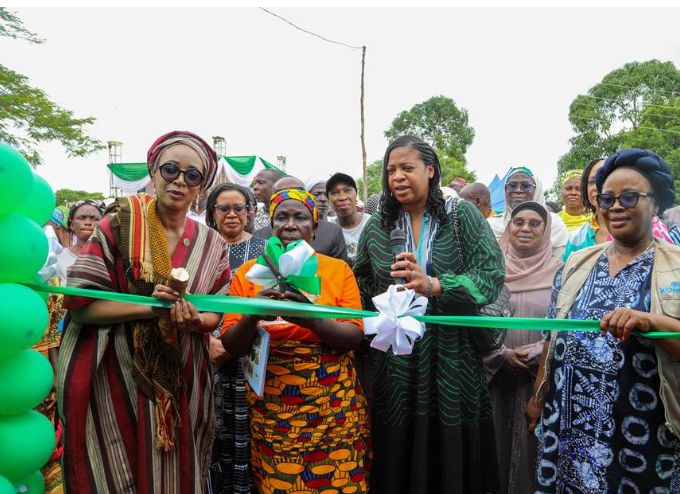
Rural women in Great Sheda Community of Kwali Area Council, Abuja, have received a major economic boost following the inauguration of a modern agro-processing centre designed to ease cassava processing and expand income-generating opportunities for women farmers and processors.
The facility, established through a partnership between UN Women and the TY Danjuma Foundation, was officially launched on Monday in the community, with stakeholders describing the intervention as a significant step toward strengthening women’s economic empowerment and rural development.
At the heart of the project is a cassava peeling and grinding machine that is expected to transform the production of Akpu, a staple food that serves as a major source of livelihood for many women in the area. For years, local processors relied largely on manual methods that demanded long hours of labour and limited production capacity. The new facility is expected to reduce processing time, improve efficiency and enable women to devote more time to other productive ventures.
Speaking during the inauguration, the UN Women Representative to Nigeria and ECOWAS, Beatrice Eyong said the initiative goes beyond providing equipment, stressing that it represents an investment in the productivity and economic future of rural women.
According to her, reducing the burden associated with manual cassava processing would help women increase their earnings, pursue additional economic activities and contribute more effectively to the development of their families and communities.
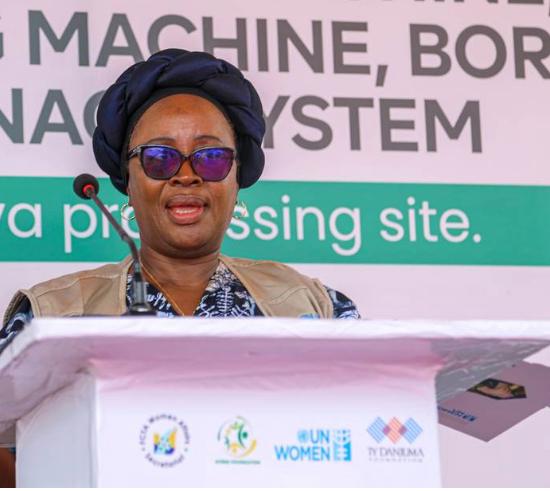
Chairman of the Board of Trustees of the TY Danjuma Foundation, Hannatu Gentles, reaffirmed the foundation’s commitment to supporting underserved communities through strategic interventions in health, education and economic empowerment.
She described women as the backbone of the rural economy and expressed confidence that members of the Akpu Women Association would utilise the facility to expand their businesses and improve the welfare of their households.
Also speaking at the event, former FCT Mandate Secretary and Director-General of the Mariam Babangida Centre, Adedayo Benjamins-Laniyi, noted that access to modern processing tools would not only improve cassava production but also strengthen food security, stimulate economic growth and enhance community resilience.
Residents of Great Sheda welcomed the intervention, describing it as a transformative project capable of increasing productivity, raising household incomes and stimulating economic activities across the community and neighbouring settlements.
The agro-processing centre is expected to serve women processors within Great Sheda and surrounding communities, creating opportunities for improved food processing practices, higher earnings and stronger local economic growth.
The project underscores growing efforts by development partners and philanthropic organisations to support women as key drivers of economic development, food security and sustainable community growth in rural Nigeria.
UN Women, TY Danjuma Foundation Boost Rural Women’s Livelihoods with Agro-Processing Centre in Abuja Community

Zulum Delivers Relief, Cash Support to 434 Ngoshe Residents Rescued from Boko Haram

DEMOCRACY AND THE COURAGE TO BELIEVE

Army Distributes Fertiliser to Farmers in Jigawa Under Civil-Military Cooperation Programme

Roger Federer’s Shock as DNA Results Reveal Myla and Charlene Are Not His Biological Children

THE PLIGHT OF FARIDA

FAILED COUP IN BURKINA FASO: HOW TRAORÉ NARROWLY ESCAPED ASSASSINATION PLOT AMID FOREIGN INTERFERENCE CLAIMS
-
 News2 years ago
Roger Federer’s Shock as DNA Results Reveal Myla and Charlene Are Not His Biological Children
-
Opinions4 years ago
THE PLIGHT OF FARIDA
-
 News1 year ago
FAILED COUP IN BURKINA FASO: HOW TRAORÉ NARROWLY ESCAPED ASSASSINATION PLOT AMID FOREIGN INTERFERENCE CLAIMS
-

 News2 years ago
EYN: Rev. Billi, Distortion of History, and The Living Tamarind Tree
-
 Opinions4 years ago
POLICE CHARGE ROOMS, A MINTING PRESS
-

 ACADEMICS2 years ago
A History of Biu” (2015) and The Lingering Bura-Pabir Question (1)
-

 Columns2 years ago
Army University Biu: There is certain interest, but certainly not from Borno.
-

 Politics1 year ago
2027: Why Hon. Midala Balami Must Go, as Youths in Hawul and Asikira/Uba Federal Constituency Reject ₦500,000 as Sallah Gift
