
News
NSCDC, Search for Common Ground Organise Capacity Building for Civil Defence Officers

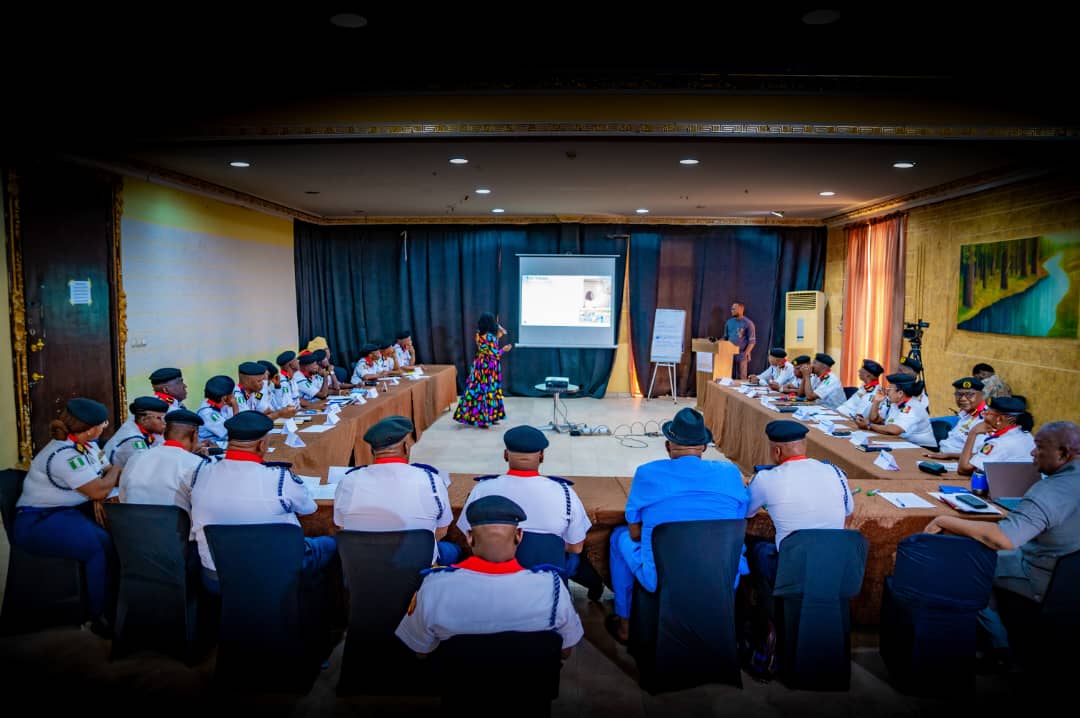
NSCDC, Search for Common Ground Organise Capacity Building for Civil Defence Officers
By: Michael Mike
Nigeria Security and Civil Defence Corps (NSCDC) in conjunction with Search for Common Ground; a Nigerian International Non Governmental Organisation has organised a 5-Day Capacity Building Training on “Common Ground Approach and Early Warning and Early Response To Conflict” for officers of the NSCDC.
The training witnessed participants who are top management staff officers of the NSCDC at Sandralia Hotel in Abuja.
The training programme was organised to provide the participants and others with the tools, insights, and strategies necessary to navigate the pressing security challenges facing the country .
While declaring the conference open, the NSCDC Commandant General, Dr Ahmed Audi said the training is to enhance development and result -oriented outcome .
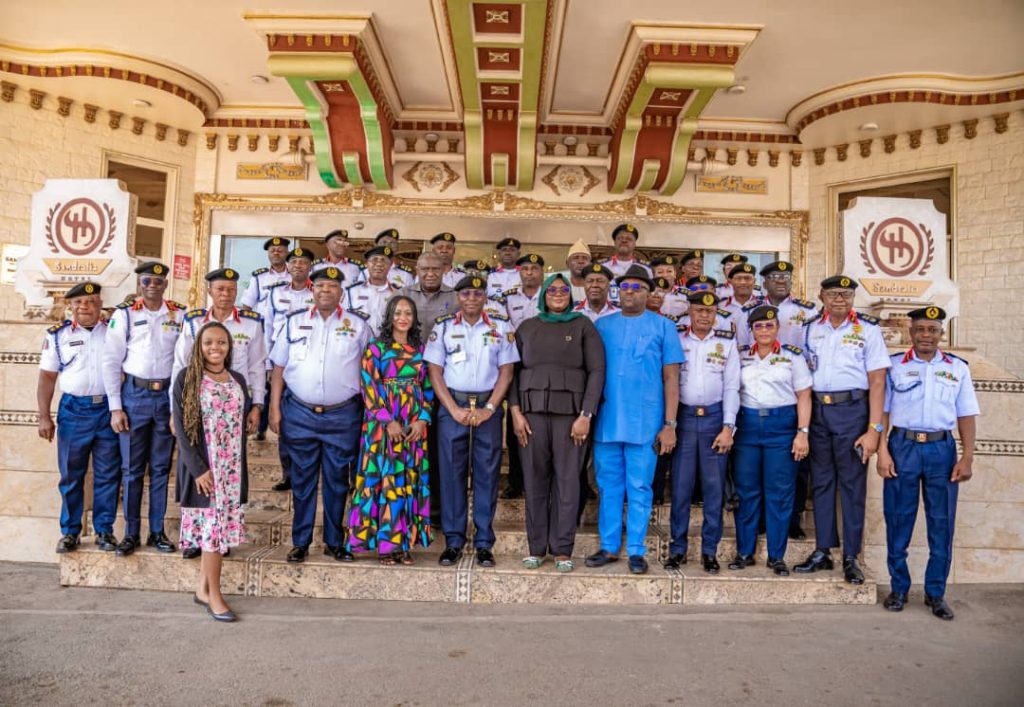
The NSCDC Boss said: “Discipline starts from training and retraining, we will continue to leverage on the regular training programs because we are also product of regular training programs which has helped us to evolve professionally and gives us much required impetus to always live up to expectation.”
Audi, in his address, traced the beginning of the present day insurgency years back and lamented that what started like a child’s play has now developed to full scale monsters such as kidnapping, banditry in the North and militancy in the South South.
He postulated that to strengthen the nation’s Security architecture there is need for improvement in the area of synergy among the security agencies, adding that the present collaboration has started to yield more positive results.
He said: “We can trace the genesis of the present day insurgency to sometime in 2007. When stated somewhere in a particular state has now spread to every corner of the country with various names as banditry and kidnapping in the North East, North West and North Central to Militancy and agitators in the South South and South East.
“One thing that is constant with the present reality is that no particular security agency can lay claim to holistic strategy on how to combat this insurgency.
This is time to improve on synergy among the security agencies in the country.
“Interestingly, the synergy among the security agencies are improving in recent time with the exhibition of 3 Cs; Collaboration, Coordination and Cooperation
The good working relationship is now conspicuous and we look forward to more favourable working relationship. “
In her welcome address the Country’ Director of Search for Common Ground, Fatimah Abubakar, who was represented by Director of Programme, Miss Gift Owonipa, lauded efforts and sacrifice of the NSCDC and other security agencies in the country adding that the workshop is being organized to strengthen operational responses to emerging contemporary security threats.
She said: “We will like to recognize the immense sacrifice that NSCDC makes on daily basis together with other security agencies in safeguarding the lives and property of Nigerians especially the country’s infrastructure and salute your courage in the face of adversity.
“We have come to realize that the country has continue to grapple with myriad of conflict such as inter communal clashes , insurgency, banditry, militancy , cultism and other form of violence and conflict.
This training represents a significant step towards empowering the participants to imbibe an early warning early response system and is expected to foster a safer, more stable and peaceful Nigeria. ” She disclosed.
NSCDC, Search for Common Ground Organise Capacity Building for Civil Defence Officers


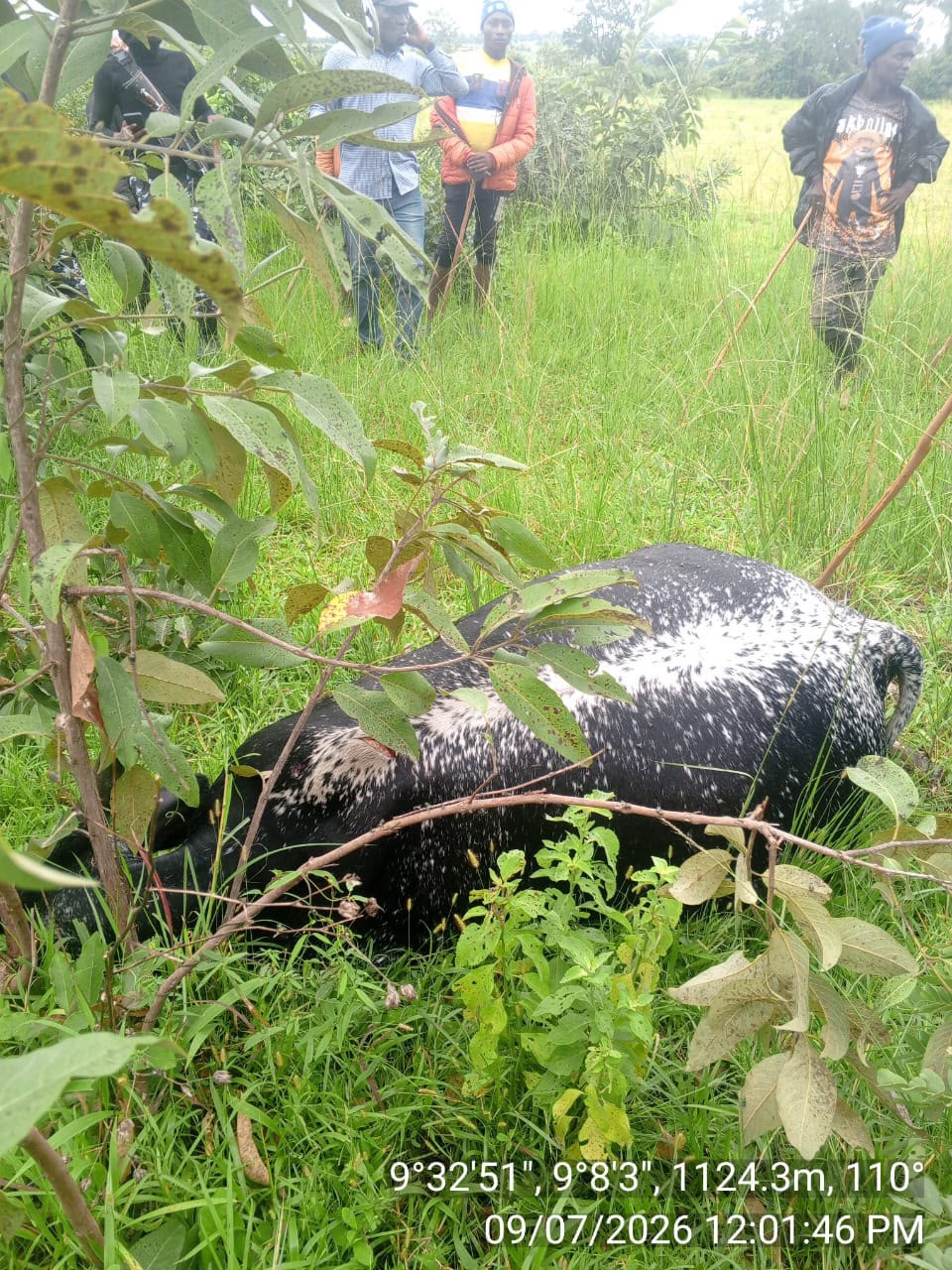
Missing herder, four livestock killed by suspected militia elements in Mangu, Plateau
By: Zagazola Makama
Troops of Operation Enduring Peace have recovered the body of a 13-year-old herder who was declared missing after he went out to graze cattle in Mangu Local Government Area of Plateau State, with four livestock also found dead in what military authorities suspect was an attack by armed militia.
Sources said the victim, identified as Mustapha Abdul Kadir, left home on July 8 to graze cattle around the bushes near Gauge Village but failed to return, prompting concern among family members and the community.

According to the sources, troops of Sector 8, Sub-Sector 81, in conjunction with local security personnel and community members, launched a search-and-rescue operation in the area.
The operation led to the discovery of the teenager’s body on Thursday in a shallow well, alongside four dead cattle believed to have been killed during the attack.
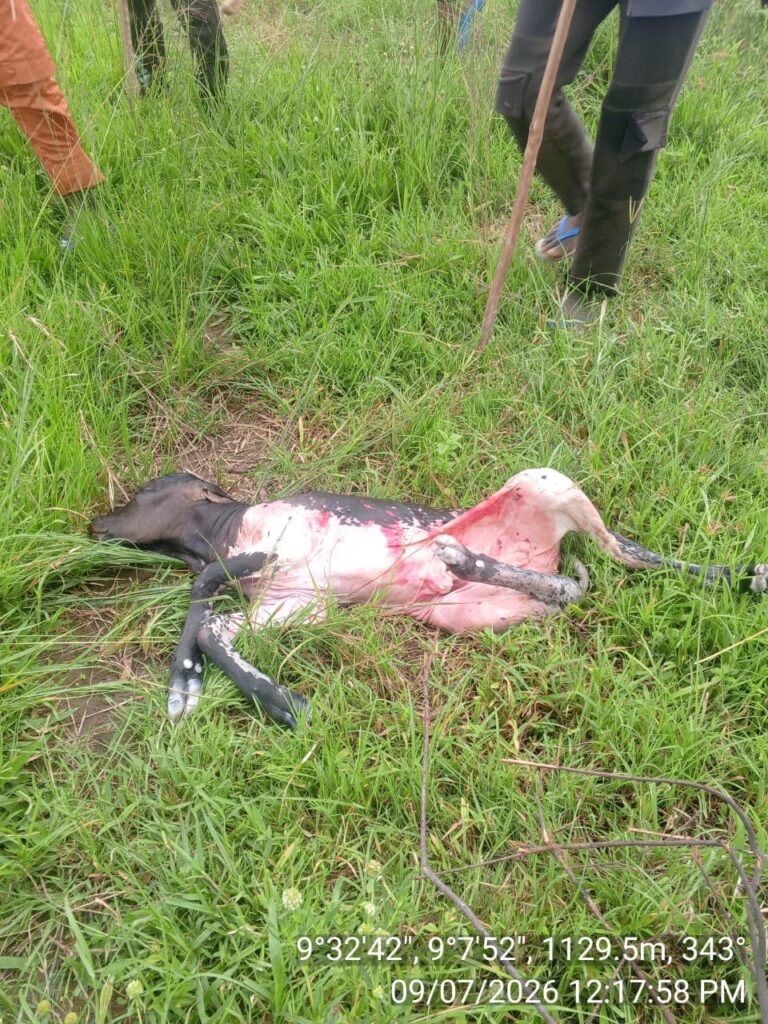
The military said preliminary findings indicated that the victim was attacked by suspected militia while grazing the livestock before his body was dumped in the well.
The remains of the deceased were handed over to his family for burial in accordance with local customs.
The military said stakeholders in the community had been engaged to prevent any breakdown of law and order and to avert possible reprisal attacks.
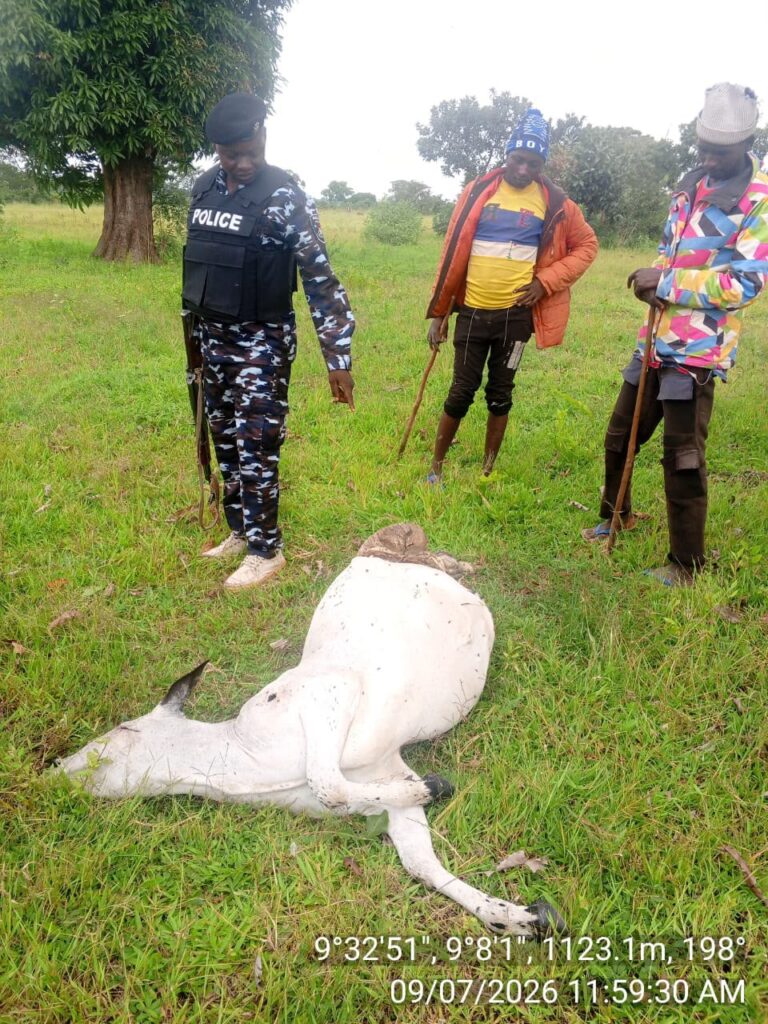
It added that efforts were ongoing to track down and arrest the perpetrators, while troops had intensified patrols across the Operation Enduring Peace Joint Operations Area to protect communities, schools and other critical national infrastructure.
The incident is the latest in a series of security challenges affecting parts of Mangu LGA, where attacks linked to armed groups have continued to threaten lives and livelihoods.
Security sources said community leaders and other stakeholders had been engaged to calm tensions and prevent reprisals, while efforts were underway to identify and arrest those responsible for the attack.
The killing comes amid persistent violence in parts of Plateau State, where recurring clashes involving farming and herding communities have claimed scores of lives and destroyed property over the years.
Attacks targeting either farmers or herders often trigger immediate retaliatory violence, reinforcing a cycle of reprisals that has remained one of the major drivers of insecurity in the state.
Missing herder, four livestock killed by suspected militia elements in Mangu, Plateau
News
Police, Troops Rescue Kidnapped INEC Staff, Repel Bandits, Recover Hundreds of Rustled Cattle in Zamfara
Police, Troops Rescue Kidnapped INEC Staff, Repel Bandits, Recover Hundreds of Rustled Cattle in Zamfara
By Zagazola Makama
A joint security operation involving the Zamfara State Police Command and military personnel has rescued a kidnapped staff member of the Independent National Electoral Commission (INEC), thwarted coordinated bandit attacks, and recovered hundreds of rustled cattle following separate operations in Gummi, Talata Mafara and Gusau Local Government Areas of Zamfara State.
Intelligence sources told Zagazola Makama that the operations followed a series of coordinated attacks launched by heavily armed bandits across the affected communities.
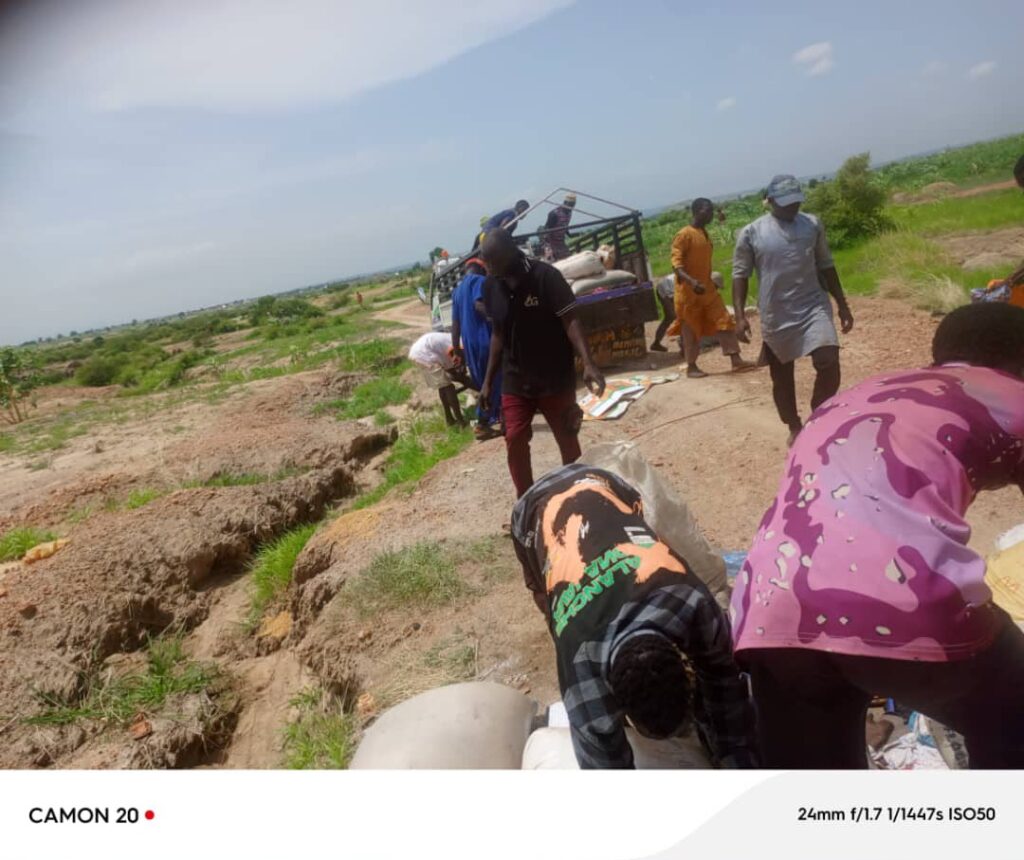
The sources said that at about 3:30 p.m. on July 7, a large group of armed bandits riding on about 50 motorcycles stormed villages in the Ruwan Bore District of Talata Mafara Local Government Area, rustling hundreds of cattle during the attack.
A woman sustained a gunshot injury from a stray bullet and was evacuated to the General Hospital in Talata Mafara, where she is receiving treatment.
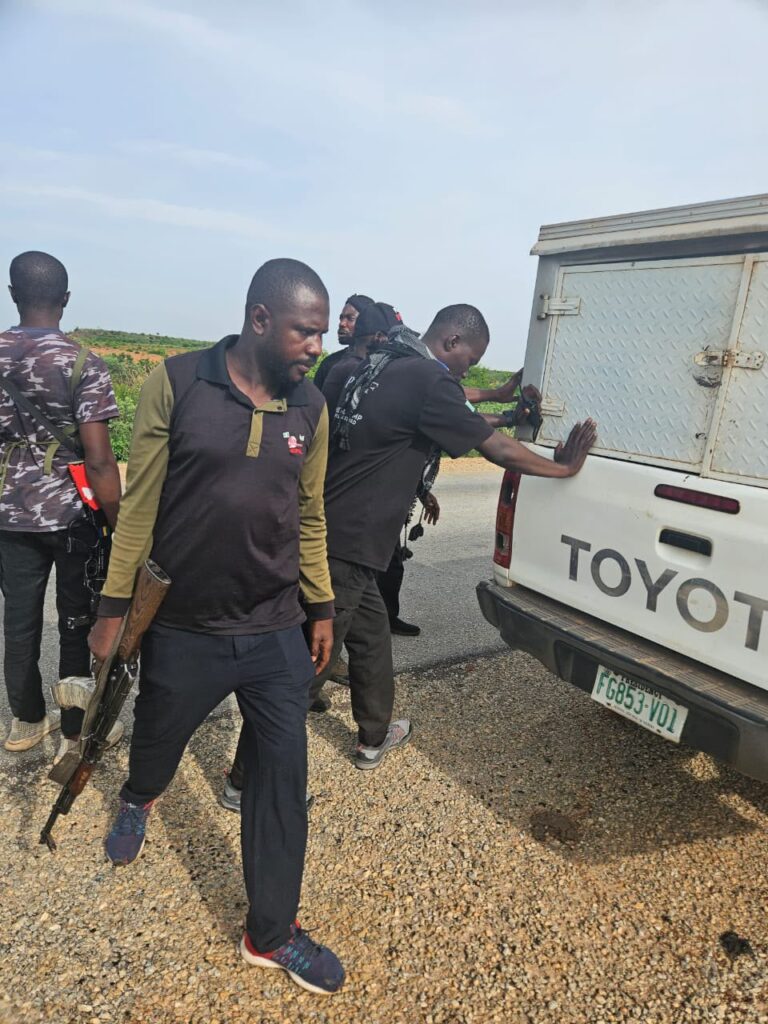
The attackers subsequently advanced toward Gummi Local Government Area, where they abducted Mr. Aliyu Mohammed, an INEC staff member who was on official assignment with the National Examinations Council (NECO). The official had transported examination scripts collected from secondary schools in Gummi to Sokoto before he was intercepted and kidnapped along the Gummi–Sokoto Road.
Security sources said the victim’s official white Toyota Hilux vehicle with registration number FG 853-V01 was later found abandoned at Tafkin Area.
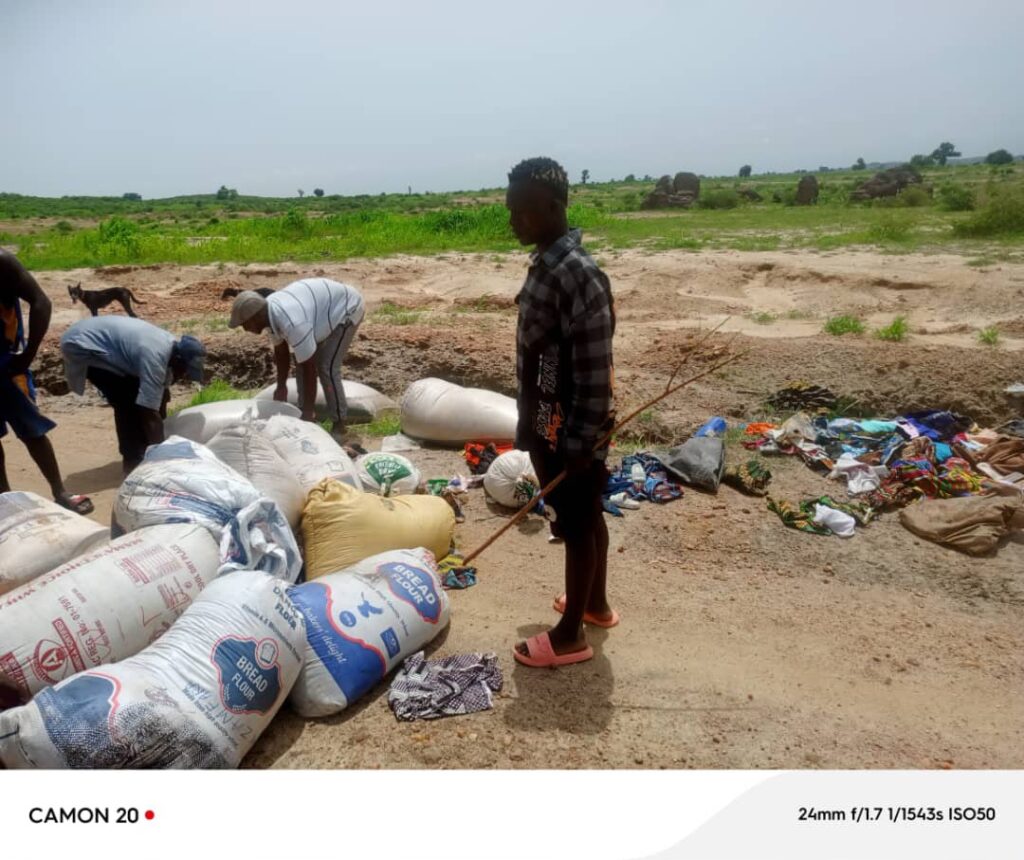
Police operatives from Gummi Division responded promptly, recovered the abandoned vehicle and secured the examination scripts, which were subsequently handed over to the Principal of Government Unity Secondary School, Gummi, Mr. Ashiru Umar, for onward transmission to the appropriate NECO office in Sokoto.
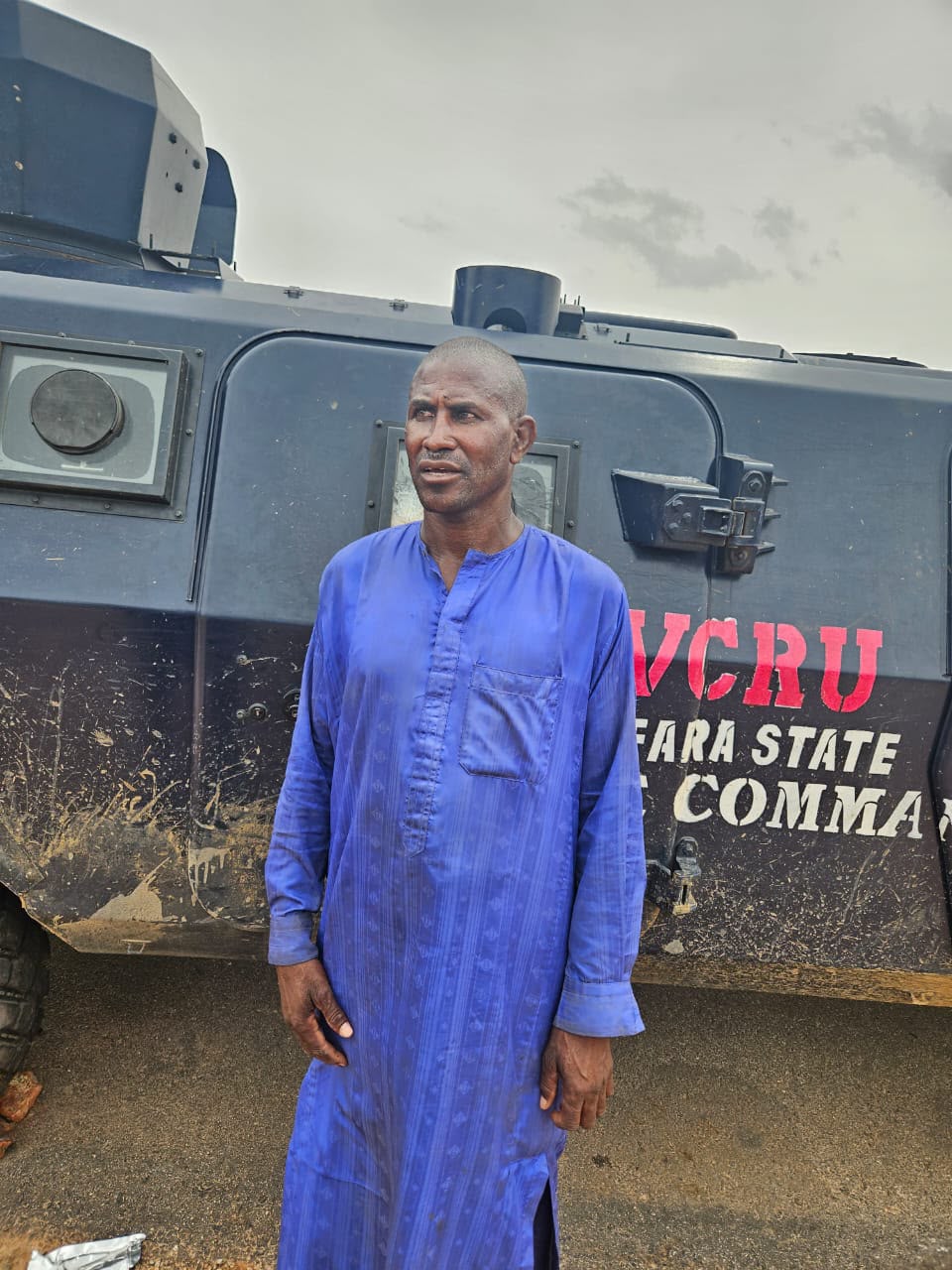
Following intelligence that a large concentration of armed bandits had regrouped inside Gando Forest after inviting reinforcements from neighbouring Sokoto and Kebbi States to retaliate against recent security operations, the Zamfara State Police Command deployed its Violent Crime Response Unit (VCRU) to reinforce military troops already conducting operations in the area.
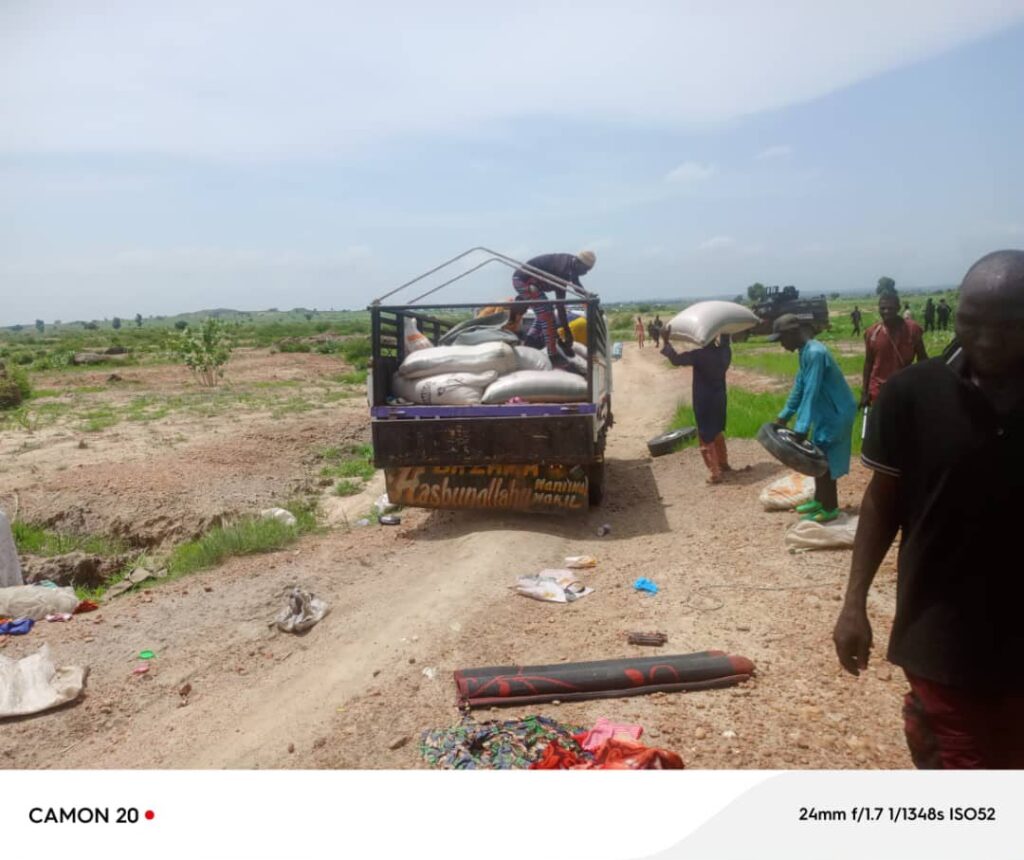
The combined security team engaged the bandits in a fierce gun battle that began at about 2:45 a.m. on July 8.
According to the sources, the superior firepower of the joint force overwhelmed the bandits, forcing them to flee into the forest with significant casualties, while several escaped with gunshot wounds.
During the operation, the kidnapped INEC official and another abducted victim were rescued unhurt. Security operatives also recovered hundreds of rustled cattle, which were subsequently returned to their rightful owners.
In a related operation on July 8 at about 9:55 a.m., security operatives responded to a distress call reporting the abduction of several motorists and farmers at Kwanar Ganuwa in Gusau Local Government Area.
Personnel of the VCRU, supported by the Police Mobile Force (PMF), engaged the bandits in a gun battle, compelling them to abandon their captives and flee into the surrounding forest.
All the victims were rescued unharmed and evacuated to safety.
The Commissioner of Police in Zamfara State, CP A.M. Bello, reaffirmed the Command’s commitment to sustaining offensive operations against banditry and other violent crimes across the state. He also urged residents to continue supporting security agencies with timely and credible information to enhance ongoing efforts to restore peace and security.
Police, Troops Rescue Kidnapped INEC Staff, Repel Bandits, Recover Hundreds of Rustled Cattle in Zamfara
South African Security Forces Arrest 137 in Major Illegal Mining Crackdown in Gauteng
By Zagazola Makama
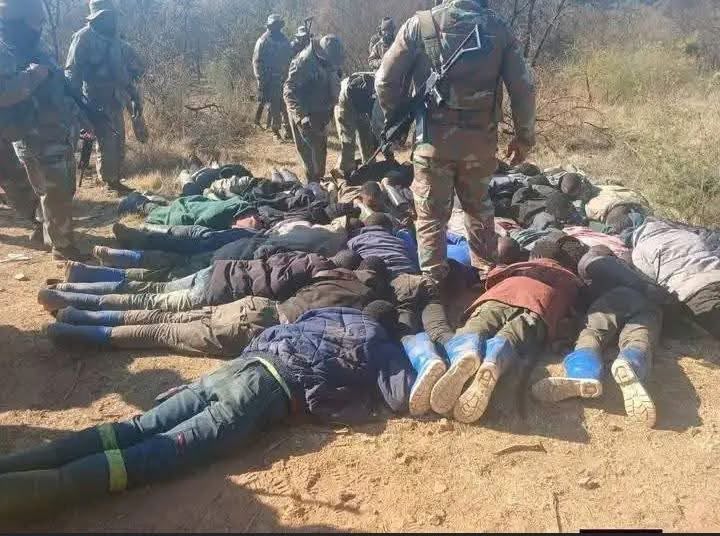
South African security agencies have arrested 137 suspects during a coordinated operation targeting illegal mining activities in Gauteng Province, authorities said.
The operation was carried out by the South African Police Service (SAPS) in conjunction with the South African National Defence Force (SANDF), Sibanye Protection Services, and Fidelity Specialised Services as part of ongoing efforts to dismantle illegal mining syndicates operating across the province.
According to security officials, the suspects include undocumented foreign nationals from Nigeria, Mozambique, Zimbabwe, and Lesotho who were allegedly engaged in unlawful mining activiti.p
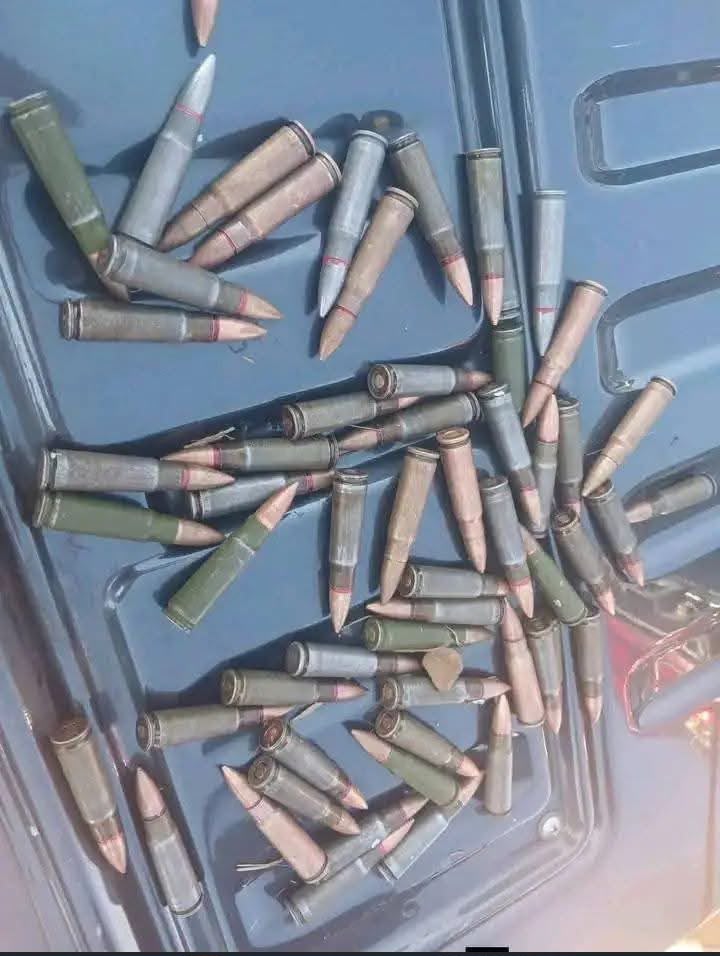
Two additional suspects were also arrested for unlawful possession of ammunition and for allegedly aiding and abetting illegal immigrants.
During the operation, security personnel recovered a cache of items believed to have been used in the illegal mining operations, including mining tools, food supplies, and alcoholic beverages.
Authorities also seized a 9mm pistol, two magazines, and 118 rounds of AK-47 ammunition.
The operation forms part of sustained security measures by South African law enforcement agencies to curb illegal mining, which has increasingly been linked to organised criminal networks, illegal firearms, immigration offences, and violent crimes in parts of Gauteng.
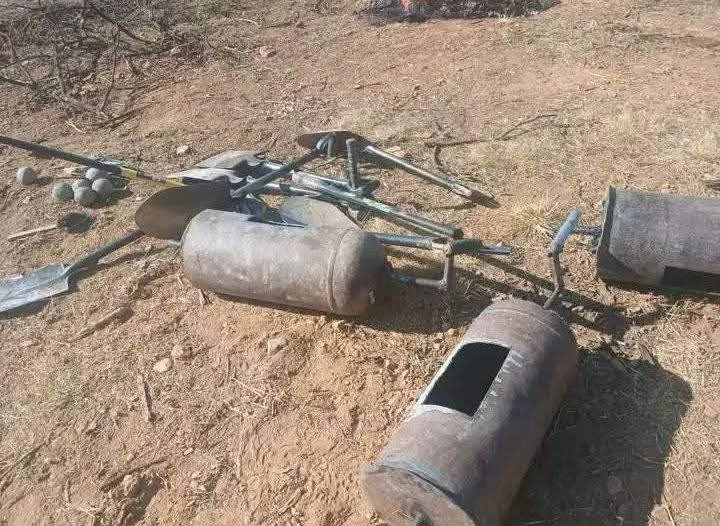
The arrested suspects are expected to face prosecution after the conclusion of investigations, while security agencies said efforts to dismantle illegal mining syndicates across the province would continue.
South African Security Forces Arrest 137 in Major Illegal Mining Crackdown in Gauteng

Missing herder, four livestock killed by suspected militia elements in Mangu, Plateau

Police, Troops Rescue Kidnapped INEC Staff, Repel Bandits, Recover Hundreds of Rustled Cattle in Zamfara

South African Security Forces Arrest 137 in Major Illegal Mining Crackdown in Gauteng

Roger Federer’s Shock as DNA Results Reveal Myla and Charlene Are Not His Biological Children

THE PLIGHT OF FARIDA

FAILED COUP IN BURKINA FASO: HOW TRAORÉ NARROWLY ESCAPED ASSASSINATION PLOT AMID FOREIGN INTERFERENCE CLAIMS
-
 News2 years ago
Roger Federer’s Shock as DNA Results Reveal Myla and Charlene Are Not His Biological Children
-
Opinions4 years ago
THE PLIGHT OF FARIDA
-
 News1 year ago
FAILED COUP IN BURKINA FASO: HOW TRAORÉ NARROWLY ESCAPED ASSASSINATION PLOT AMID FOREIGN INTERFERENCE CLAIMS
-

 News2 years ago
EYN: Rev. Billi, Distortion of History, and The Living Tamarind Tree
-
 Opinions5 years ago
POLICE CHARGE ROOMS, A MINTING PRESS
-

 ACADEMICS2 years ago
A History of Biu” (2015) and The Lingering Bura-Pabir Question (1)
-

 Columns2 years ago
Army University Biu: There is certain interest, but certainly not from Borno.
-

 Politics1 year ago
2027: Why Hon. Midala Balami Must Go, as Youths in Hawul and Asikira/Uba Federal Constituency Reject ₦500,000 as Sallah Gift
