
Northeast
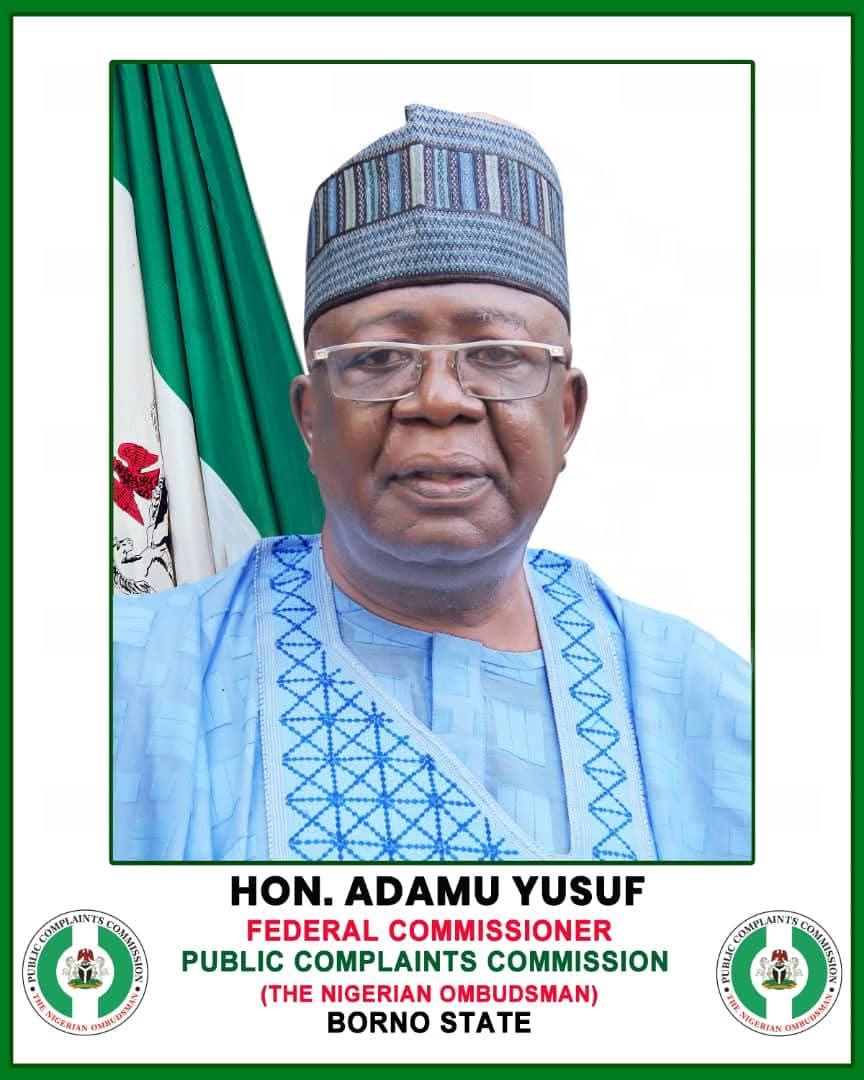
PCC at 50: A Golden Celebration for the Ombudsman, Hon. Yusuf Adamu

PCC at 50: A Golden Celebration for the Ombudsman, Hon. Yusuf Adamu
By: Dr. James Bwala
As we commemorate the fiftieth anniversary of the Public Complaints Commission (PCC), it is imperative to reflect on the invaluable contributions of its leadership, most notably that of Hon. Yusuf Adamu, the current Ombudsman in Borno state. This milestone not only marks a significant achievement for the PCC but also serves as an opportunity to highlight the vital role Hon. Adamu has played in enhancing the dignity and efficacy of the office. As we celebrate this golden jubilee, it becomes essential to affirm our collective commitment to supporting the evolution and effectiveness of the PCC under his stewardship, imploring stakeholders to recognize and invest in the progressive future of this institution.
The PCC was established with the noble goal of addressing grievances against public agencies, fostering accountability, and promoting good governance. Over the years, it has become a pivotal institution in Nigeria’s democratic framework. The role of an ombudsman, especially in a nation grappling with issues of transparency and integrity, cannot be overemphasized. In the context of Borno State, Hon. Yusuf Adamu has emerged as a beacon of hope, earning respect for his diligent approach to resolving public complaints and advocating for citizens’ rights. His leadership embodies the principles of access, fairness, and justice—the very cornerstones upon which the PCC stands.
Hon. Adamu’s tenure has been characterized by a remarkable transformation within the PCC. During a time when public trust in governmental institutions has waned, he has spearheaded various initiatives aimed at restoring faith among citizens. Through innovative outreach programs and partnerships with civil society organizations, the PCC has not merely functioned as a reactive body but has proactively engaged with the populace, educating them about their rights and the channels available for redress. Such efforts have demystified the processes of the commission and encouraged more citizens to seek justice for grievances formerly left unaddressed.
The Ombudsman’s commitment to transparency and accountability has enhanced the PCC’s operational procedures in the state. He introduced robust measures to track complaints and ensure timely resolutions, fostering a spirit of responsiveness that was previously lacking. This proactive approach has resulted in a notable increase in the number of cases resolved satisfactorily, reinforcing the PCC’s position as a reliable avenue for citizens seeking justice. By prioritizing customer service and implementing feedback mechanisms, Hon. Adamu has transformed the PCC into an institution that not only listens but also acts on the concerns of the Nigerian people.
One of the significant achievements under Hon. Adamu’s leadership has been the successful integration of technology in the complaint resolution process. Embracing digital tools has allowed the PCC to streamline workflows, facilitate access to services, and minimize bureaucratic obstacles that often deter citizens from lodging complaints. For instance, the introduction of an online complaint submission system has vastly improved accessibility, enabling individuals to report issues conveniently, regardless of their location. This strategic move not only broadens the scope of citizen engagement but also saves both time and resources, illustrating the modernity of the PCC under Hon. Adamu’s guidance.
Nevertheless, as we reflect on these accomplishments, it is crucial to acknowledge the challenges that still loom ahead. The journey toward a fully functional and respected Ombudsman institution is fraught with hurdles such as insufficient funding, political interference, and a lack of awareness among citizens regarding their rights and the capabilities of the PCC. It is this acknowledgment that solidifies the argument for continued investment in the PCC and for maintaining the resolve to confront these challenges head-on.
It is also vital to emphasize that Hon. Adamu’s vision extends beyond the mere resolution of complaints. He has passionately advocated for systemic reforms that would address the root causes of grievances within public institutions. By engaging with government officials and policymakers, he has pushed for laws and regulations that promote transparency and accountability within public service. This holistic approach is essential; without addressing the underlying issues, the PCC may risk becoming a band-aid solution rather than a catalyst for meaningful change.
READ ALSO:https://newsng.ng/troops-eliminate-boko-haram-repel-terrorists-ambush-along-bama-konduga-road-in-borno/
In light of the changing dynamics of governance and the increasing expectations of citizens, a strong PCC is imperative. The Ombudsman has increasingly recognized the necessity of adapting to new trends in governance, including embracing participatory mechanisms that engage citizens in decision-making processes. This participatory approach not only empowers individuals but also fosters a sense of ownership over public institutions, thereby enhancing overall accountability.
As we celebrate 50 years of the PCC and Hon. Yusuf Adamu’s contributions, we must also harness this momentum to advocate for a future where continuous improvement becomes synonymous with the PCC’s identity. Our call to action lies in ensuring that all stakeholders—including government, civil society, and citizens—recognize their roles in supporting the Ombudsman’s agenda. To effectively advocate for the rights of citizens and maintain the integrity of public institutions, we must unite our voices and resources.
Investing in training and capacity-building initiatives for the PCC staff will enhance the commission’s operational effectiveness. Furthermore, public awareness campaigns aimed at informing citizens about their rights and responsibilities can bolster civic engagement and ensure a productive relationship between the PCC and the communities it serves.
It is therefore vital for the government to allocate adequate funding to the PCC. Insufficient resources limit the commission’s ability to operate effectively and diminish its capacity to realize its mission fully. By prioritizing financial support and recognizing the PCC’s importance in facilitating good governance, the government can ensure that the Ombudsman remains an effective advocate for the public.
The 50th anniversary of the Public Complaints Commission is not merely a celebration of its history but an opportunity to reaffirm its commitment to justice, accountability, and good governance. Under the exemplary leadership of Hon. Yusuf Adamu, the PCC in Borno state has made tremendous strides in transforming public perception and operational efficacy. However, this celebration also serves as a clarion call to acknowledge the challenges that lie ahead and collectively work towards strengthening this vital institution.
As we honor the past, let us also pave the way for a more transparent and accountable future—one that upholds the rights of every citizen and reinforces their trust in public institutions. Let us continue to support the PCC and its mission, ensuring that the next 50 years mark an era of unparalleled progress and integrity in public service.
* James Bwala, PhD, writes from Abuja.
PCC at 50: A Golden Celebration for the Ombudsman, Hon. Yusuf Adamu




NHRC builds capacity of Gombe MDAs on human rights protection
By Elizabeth Ogunjobi
The National Human Rights Commission (NHRC), in collaboration with Viva Atlantic Limited, has organised a two-day workshop for Ministries, Departments and Agencies (MDAs) in Gombe State to strengthen human rights protection.
Dr Tony Ojukwu, Executive Secretary of NHRC, said at the event in Gombe on Thursday that the training aimed to enlighten MDA officials on their roles in promoting human rights effectively.
The theme of the training was: “Implementation of the National Action Plan (NAP) for the Promotion and Protection of Human Rights in Nigeria 2024-2028,” focusing on institutional responsibility across government agencies.
Ojukwu, represented by Dr Joseph Wanshe, the Gombe State coordinator, said participation by MDAs remained key to the successful implementation of the NAP and promotion of human rights across government.
He described the NAP as a national framework whose implementation should not be reserved for NHRC, but should be a collective responsibility involving all relevant stakeholders across government and society.
He said the training was also designed to ensure that a human rights-based approach became part of government planning, policy formulation, budgeting, regulation, programme implementation, service delivery, monitoring and evaluation processes.
“The 2024-2028 NAP provides us with the opportunity to move from commitment to implementation, from policies to measurable results, from the institutional responsibility to institutional accountability.
“Your participation is significant because the successful implementation of this NAP depends to a very large extent on the ownership and commitment of MDAs in government.
“The question before us is no longer simply whether we support human rights. The question is what each MDA is doing to advance and protect human rights within its mandate.
“The success of the NAP must be measured by the difference that Nigerians experience in their everyday lives.
“Behind every policy, behind every person, behind every government programme is a citizen whose rights may be affected by the decision that we make.
“Our collective responsibility, therefore, is to ensure that Nigerians within our jurisdiction as MDAs can enjoy their rights without discrimination and with effective access to justice and remedies,” he said.
Ojukwu urged participants to remain committed to NAP implementation, so that “we can transform the NAP from a policy document into a living instrument of governance for the promotion and protection of human rights in Nigeria.”
Some participants who spoke to newsmen pledged commitment to mainstreaming human rights into their institutional processes and working with the commission to entrench a culture of human rights in the state.
Mrs Rebecca Bature, Manager, News, Nigerian Television Authority (NTA), Gombe, and Mr Daniel Salihu, Assistant Director and Head of Civic Values and Democracy Education, National Orientation Agency, commended NHRC for training.
The News Agency of Nigeria (NAN) reports that 35 officials drawn from different MDAs in Gombe State participated in the two-day training on human rights and NAP implementation.
NHRC builds capacity of Gombe MDAs on human rights protection

Zamfara Peace Gains Face Fresh Threat as IOM Programme Ends
…EU unveils €25m wider Northwest security intervention, urges states to take ownership
By: Michael Olugbode
The fragile peace returning to parts of Zamfara State could be jeopardised by a premature withdrawal of development support, stakeholders warned on Tuesday as the International Organisation for Migration (IOM) reviewed the gains of its conflict-prevention programme in the state and the wider Northwest.
The warning came against the backdrop of continuing armed banditry, kidnapping, farmer-herder conflicts, displacement, poverty and climate-related pressures that have left communities across the region vulnerable to renewed violence.
At the Project Steering Committee meeting of the Conflict Prevention, Crisis Response and Resilience (CPCRR) Programme in Abuja, Zamfara State Government appealed for sustained international support beyond the programme’s current phase, saying communities that had begun rebuilding their lives still faced significant challenges.
Representing Governor Dauda Lawal, Commissioner for Budget and Planning, Yahya Zakari, said the interventions had helped communities affected by insecurity rebuild livelihoods, strengthen local peace structures and develop mechanisms for preventing conflicts before they escalate.
Zakari, who chairs the CPCRR Project Steering Committee, said restoring peace, securing lives and rebuilding the resilience of residents remained central to the administration’s agenda.
“We made firm commitment under our rescue agenda to restore peace, secure lives, and build the resilience of our people,” he said.
But he warned that the progress achieved could not be taken for granted, urging development partners to maintain their engagement rather than allow the programme to end without a mechanism for consolidating its achievements.
“I wish to make a passionate appeal for sustained engagement, consolidation of the gains, and consideration for additional funding and a follow-on program,” Zakari said.
The appeal reflects the difficult task facing Zamfara and other Northwest states, where military and law-enforcement operations have been accompanied by efforts to address the economic and social conditions that allow violent groups to exploit vulnerable communities.
IOM Acting Deputy Chief of Mission, Taha Amr, said the CPCRR programme had reached almost 70,000 beneficiaries, with interventions spanning peacebuilding, livelihood recovery, climate resilience, protection, mental health and access to essential services.
He said the Northwest continued to experience the combined effects of armed banditry, kidnapping, farmer-herder conflicts and climate shocks, with the resulting displacement and economic vulnerability placing additional pressure on communities and public services.
“To date, we are proud to share that IOM has reached almost 70,000 beneficiaries, strengthening local-led peacebuilding architecture,” Taha said.
According to him, areas covered by the programme had recorded fewer reports of community tensions, conflicts and kidnappings, suggesting that locally driven prevention mechanisms could play an important role alongside conventional security responses.
The European Union Ambassador to Nigeria and ECOWAS, Gautier Mignot, disclosed at the meeting that the EU had invested more than €5 million in the CPCRR project because of the scale of conflict and displacement confronting the Northwest.
The project, he said, was designed around conflict prevention, early warning, dialogue, mediation and resilience-building through existing community and government institutions.
“The project reflects the EU’s conviction that effective conflict prevention must be locally anchored,” Mignot said.
However, he challenged the Zamfara Government and other state authorities to ensure that structures strengthened through international assistance did not collapse once external funding ended.
“I would like very much to also encourage the state government, all of you, to take over, to take full responsibility to build on what has been reinforced by this project,” he said.
Mignot also announced that the EU was working on a broader €25 million programme targeting insecurity in Northwest Nigeria, including Zamfara, which is expected to be adopted by the end of 2026.
The proposed intervention offers a fresh opportunity for the region, but stakeholders at the meeting stressed that sustainable peace would ultimately depend on domestic ownership rather than indefinite dependence on development partners.
The Katsina experience presented at the meeting illustrated what such ownership could mean in practice.
Executive Secretary of the Katsina State Development Management Board, Mustapha Shehu, said the state had trained about 1,700 community members and stakeholders to identify emerging tensions and communicate early warning signals to the appropriate authorities.
“Now they know when to report, who to report… The earlier we know this, the earlier we can act. So, very important that early warning, early signs, then early actions,” he said.
Shehu said Katsina had also mapped 109 transhumance corridors containing water points, livestock markets, grazing areas, veterinary facilities and rest areas, identifying them as potential flashpoints requiring early intervention.
“These are not just corridors. They are flash areas where action must be taken,” he said.
The state has also expanded the use of Alternative Dispute Resolution through a mediation centre established by the High Court and Ministry of Justice, providing communities with a mechanism for resolving disputes before they develop into wider conflicts.
Shehu said such interventions were important because peacebuilding was not simply about ending immediate violence but also rebuilding relationships between communities.
“Peace process can restore confidence, trust and relationship,” he said.
Katsina has equally assumed greater responsibility for its nutrition response, with about 132 state-managed outpatient therapeutic programme centres established, supported by development partners.
The developments point to an emerging shift in the Northwest’s peacebuilding strategy—from responding to violence after it occurs to identifying grievances and flashpoints early, strengthening community institutions and giving vulnerable populations economic alternatives.
For Zamfara, however, the central test will be whether the state can preserve those gains as the current CPCRR funding cycle winds down.
After years of insecurity that have disrupted farming, displaced families, weakened local economies and strained public services, stakeholders say a return to violence would erase not only the security gains but also the investments made in rebuilding communities.
The message from the Abuja meeting was therefore unequivocal: peace in Zamfara cannot be treated as a project with an expiry date.
Zamfara Peace Gains Face Fresh Threat as IOM Programme Ends
Zulum Pledges Support for Tax Ombuds’ Regional Headquarters in Maiduguri
By: Our Reporter
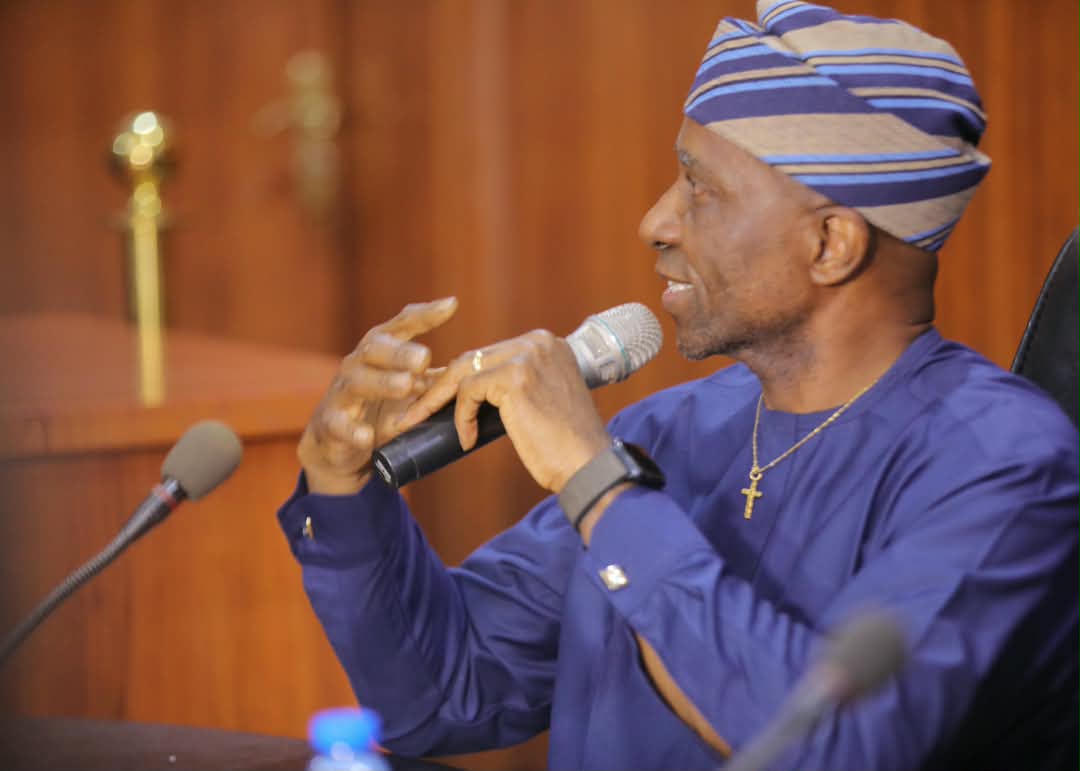
Borno State Governor, Professor Babagana Umara Zulum, has assured the Tax Ombuds of Nigeria of the state government’s support to establish a regional office in Maiduguri, positioning the state as the administrative hub of the Northeast.
The governor gave the assurance when he received the pioneer Chief Executive Officer of the Tax Ombuds of Nigeria, Dr John Nwabueze, who led his management team on a courtesy visit to the Government House in Maiduguri.
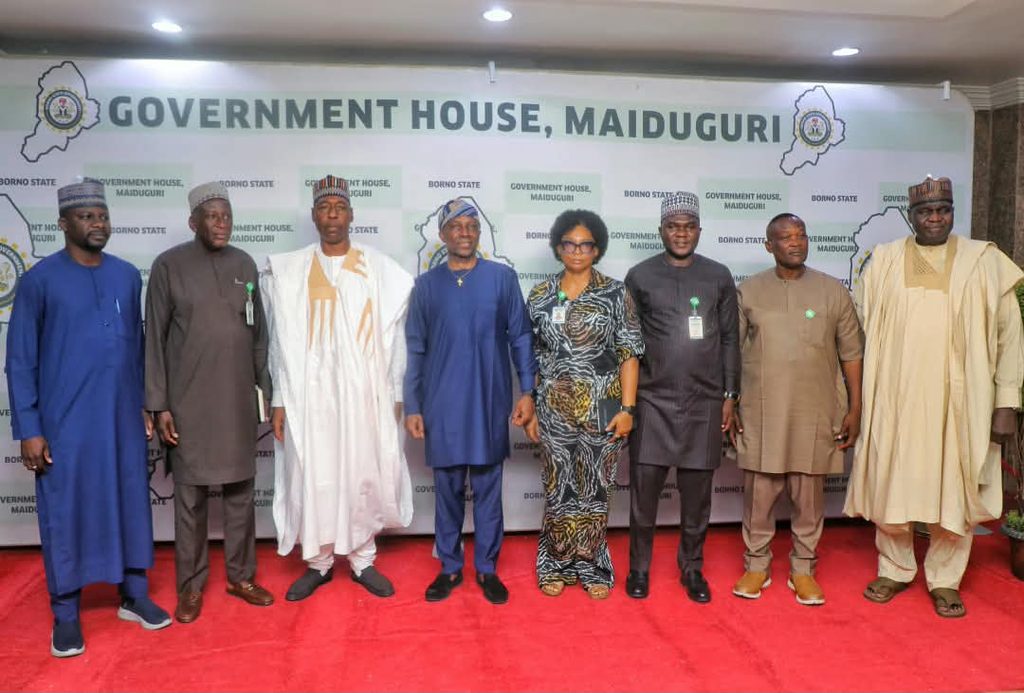
“I am pleased to welcome you to Maiduguri, and I want to assure you that the government of Borno State, under my leadership, will provide the needed political will and commitment to supporting your office, with a view to establishing the regional office in Maiduguri,” Zulum said.
To fast-track the process, the governor directed the Tax Ombuds team to link with the Office of the Secretary to the State Government, the Commissioner for Finance, and the State Revenue Service Board to work out modalities for the office’s requirements.
“We shall identify what will cater for your immediate needs, while also looking into sustainable, durable solutions for the medium and long term. In the meantime, we will provide office space to you, inshallah, within the shortest possible time,” he said.
The governor congratulated Dr Nwabueze as the pioneer Chief Executive Officer of the Tax Ombuds of Nigeria, reiterating his willingness to work with the agency.
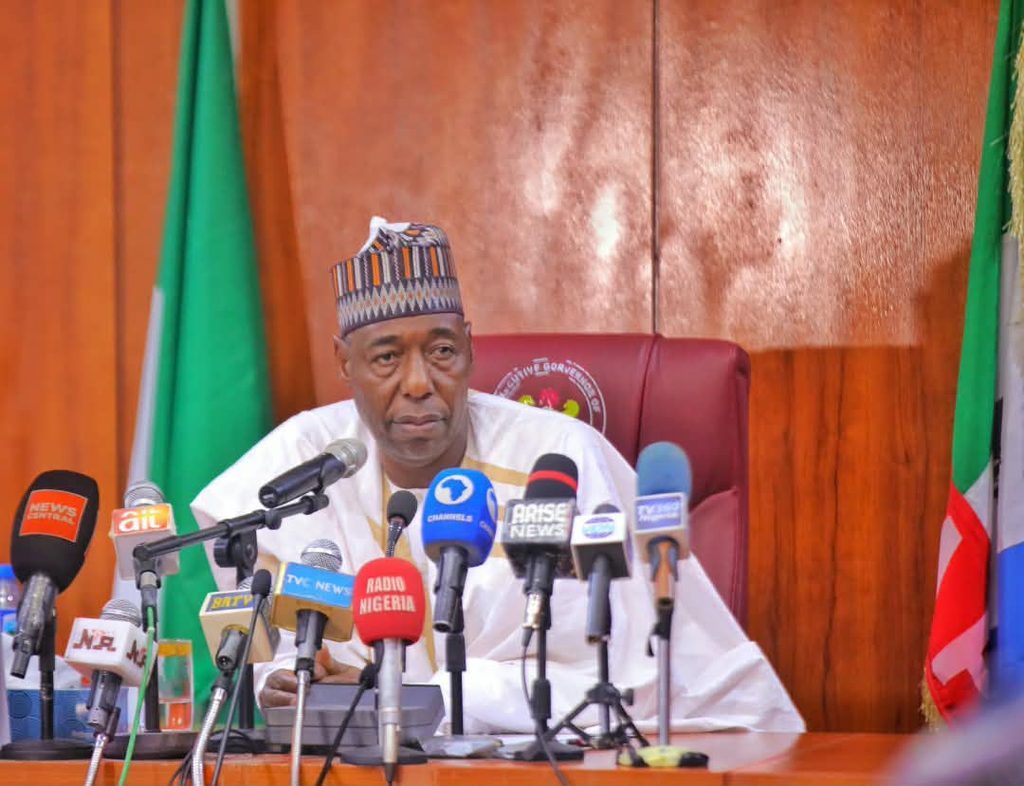
Speaking on the mandate of the Tax Ombuds of Nigeria, Zulum said the organisation serves as an arbiter between taxpayers and tax authorities, filling a longstanding gap in the country’s tax administration framework.
“We have listened to the mandate of your organisation, as you have briefly mentioned — that you sit between taxpayers and the responsibility for tax collection. You are an arbiter. And I believe such an organisation did not exist in the country before. Even where similar efforts existed, they lacked the full legal backing to undertake this mandate,” the governor said.
The CEO of Tax Ombuds, Dr. John Nwabueze said his visit was to formally introduce himself and his office to the governor following his appointment by the President in June last year.
He described the creation of the office as a pragmatic step by the President to provide relief to Nigerian taxpayers facing disputes and complaints arising from tax and revenue-related issues.
“Our responsibility is to strengthen trust in the tax system by protecting taxpayers’ rights, promoting fairness and transparency, and providing an independent avenue for resolving tax-related complaints. The role I have to play is to be an impartial and fair arbiter in cases involving citizens that have business with the tax and revenue authorities,” Nwabueze said.
Dr Nwabueze commended Governor Zulum for his efforts to restore peace, rebuild communities, and improve education and economic opportunities in the state.
Zulum Pledges Support for Tax Ombuds’ Regional Headquarters in Maiduguri

Troops recovered Four cows rustled by berom militia along Shen Road in Jos South

South Africa Reaffirms Nigeria Ties, Says ‘We Choose Ubuntu’

Tinubu: Economic outlook has improved, reforms have laid foundation for prosperity

Roger Federer’s Shock as DNA Results Reveal Myla and Charlene Are Not His Biological Children

THE PLIGHT OF FARIDA

FAILED COUP IN BURKINA FASO: HOW TRAORÉ NARROWLY ESCAPED ASSASSINATION PLOT AMID FOREIGN INTERFERENCE CLAIMS
-
 News3 years ago
Roger Federer’s Shock as DNA Results Reveal Myla and Charlene Are Not His Biological Children
-
Opinions5 years ago
THE PLIGHT OF FARIDA
-
 News1 year ago
FAILED COUP IN BURKINA FASO: HOW TRAORÉ NARROWLY ESCAPED ASSASSINATION PLOT AMID FOREIGN INTERFERENCE CLAIMS
-

 News3 years ago
EYN: Rev. Billi, Distortion of History, and The Living Tamarind Tree
-
 Opinions5 years ago
POLICE CHARGE ROOMS, A MINTING PRESS
-

 ACADEMICS3 years ago
A History of Biu” (2015) and The Lingering Bura-Pabir Question (1)
-

 Columns3 years ago
Army University Biu: There is certain interest, but certainly not from Borno.
-

 Politics1 year ago
2027: Why Hon. Midala Balami Must Go, as Youths in Hawul and Asikira/Uba Federal Constituency Reject ₦500,000 as Sallah Gift
