
News
Physically Challenged Man Arrested Selling Drug on Wheelchair


Physically Challenged Man Arrested Selling Drug on Wheelchair
By: Michael Mike
Operatives of the National Drug Law Enforcement Agency (NDLEA) have arrested an alleged notorious drug dealer, 45-year-old Godwin Emuneyin, who is physically challenged and accused of using his wheelchair as cover to deal in illicit substances such as methamphetamine and cannabis in Afuze, headquarters of Owan East local government area of Edo state.
The spokesman of the anti-narcotics agency, Femi Babafemi, in a statement on Sunday said the suspect was arrested last Tuesday at his base in Afuze following credible intelligence. He said as at the time of his arrest, a wooden box used to conceal illicit substances including 18 pinches of methamphetamine, one block and 71 wraps of cannabis, were recovered from him.
Babafemi said in other interdiction operations in Edo state, NDLEA operatives last Monday recovered 42 bags of cannabis weighing 480 kilogrammes from a camp in Aviosi forest in Owan West local government area while the Utese forest in Ovia North East local government area was also raided same day with 231.5 kilogrammes of the substance recovered and a cannabis farm measuring 0.778960 hectare destroyed.
In Adamawa state, operatives on patrol along Ngurore-Yola road last Thursday
intercepted a Toyota Corolla car marked TZG 97 KY loaded with 30,899 tramadol 225mg and 100mg pills concealed inside the body compartments of the car. The driver found in possession of the drug exhibits, Sani Samaila (a.k.a Isa Male),25, said he was bringing the consignment from Jalingo, Taraba State to deliver in Yola, Adamawa State.
He noted that the previous day, a suspect, Abdullahi Sani (a.k.a Danfulani) was arrested at Ngurore town in possession of some quantity of dried weeds suspected to be cannabis sativa in a white nylon. He thereafter led operatives on a follow up operation to the home of a drug lord, Alhaji Bubakari (a.k.a Dan Mamuda), an ex-convict, where 19 blocks of compressed cannabis that weighed 13 kilogrammes were recovered.
In Ogun state, not less than 18.875 tons of cannabis sativa on 7.55 hectares farmland were destroyed and another 100 jumbo bags weighing 1,100 kilograms of the psychoactive substance recovered at James town, Ogunmakin area of Obafemi Owode local government area last Monday, by a combined team of NDLEA operatives with officers and men of the Nigerian Army, Nigeria Police Force, Federal Road Safety Corps, Defence Intelligence Agency and the State Security Network, Amotekun. He said Okpor Chukwuma and six other male suspects found on the farmland were arrested.
He said a commercial bus driver, Olayinka Sowo, 25, was arrested last Friday along Ibadan – Akure expressway over alleged conspiracy to transport 45.15 kilogrammes cannabis from Lagos to Osun state, adding that NDLEA officers in Abuja on same day intercepted 7, 980 pills of diazepam and 567 bottles of codeine syrup in a commercial bus along Abaji-Abuja highway after which a follow up operation at Zuba motor park led to the arrest of the owner of the consignment, Ugwu Ikenna, 30.
In Delta state, NDLEA operatives backed by men of the Nigerian Army stormed a remote forest in Umuchime community, Ndokwa West local government area where they destroyed 12.5 tons of cannabis on five hectares of farmland, and recovered 53.22 kilogrammes processed weeds and seeds of the substance. A suspect, Christopher Anim (alias Ogidi) was also arrested in the course of the operation. Two suspects: Amarachukwu Eugene, 32, and Abdulaziz Auwal, 25, were arrested in another operation by operatives in Kano with 202 blocks of cannabis weighing 113.1 kilogrammes last Tuesday.
In continuation of awareness on dangers of illicit drugs, NDLEA Commands across the country intensified their War Against Drug Abuse, WADA, advocacy lectures. These include: Sensitisation lecture for students of Government Commercial Secondary School, Wudil, Kano state; WADA advocacy visit to Zamfara state governor, Dr. Dauda Lawal in Gusau; WADA sensitisation lecture for students of George Burton Memorial School, Ilesa, Osun state and similar lecture delivered at Kenneth Dike Secondary School, Awka, Anambra state, among others.
Meanwhile, while commending the officers and men of the Edo, Ogun, Osun, Adamawa, Delta, and FCT Commands of the agency for their balanced efforts in the past week, Chairman/Chief Executive Officer of NDLEA, Brig. Gen. Buba Marwa (Retd) equally applauded their counterparts across the country for intensifying their WADA advocacy lectures thus creating parity between their drug supply reduction and drug demand reduction activities.
End


News
Nigeria Mourns 140 Migrants Killed in Djibouti Boat Tragedy, Calls for Action Against Irregular Migration
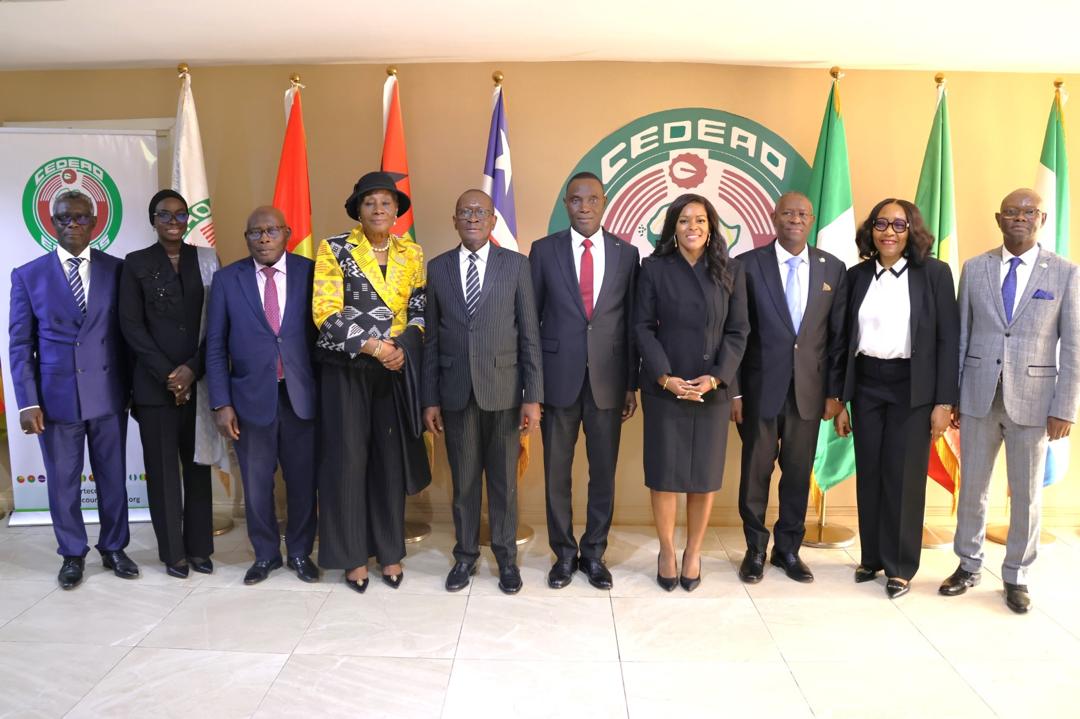
Nigeria Mourns 140 Migrants Killed in Djibouti Boat Tragedy, Calls for Action Against Irregular Migration
By: Michael Mike
The Federal Government has expressed condolences to Djibouti following the death of nearly 140 migrants, including 15 children, in a boat disaster off the country’s coast, calling for urgent collective action to address the root causes of irregular migration.
Nigeria, in a statement issued by the Ministry of Foreign Affairs in Abuja, said the boat capsized between October 8 and 9, 2026, leaving scores of people missing, according to the International Organisation for Migration (IOM).

The government expressed sympathy to the bereaved families and solidarity with the government and people of Djibouti over the tragedy, describing the incident as a grim reminder of the dangers confronting migrants who undertake perilous journeys in search of economic opportunities.
The statement, signed by the ministry’s spokesperson, Oluwafemi Adeniyi, said the disaster underscored the urgent need to tackle the underlying factors driving irregular migration, strengthen the fight against migrant smuggling and human trafficking, and promote safe, orderly and regular migration.

It stressed that efforts to prevent such tragedies must align with relevant African Union frameworks and applicable international instruments.
Nigeria further emphasised that protecting migrants, particularly children and other vulnerable persons, was a shared responsibility requiring sustained cooperation among countries of origin, transit and destination, as well as regional and international organisations.
According to the government, stronger collaboration is essential to prevent further loss of life, protect migrants’ fundamental rights and dignity, and ensure that migration is managed safely and humanely.
The Federal Government reaffirmed its commitment to working with the United Nations, the African Union and other relevant stakeholders to strengthen migration management, raise awareness about the dangers of irregular migration and develop practical measures to address its root causes.

It also called for renewed international cooperation to safeguard human life along migration routes across Africa and beyond.
The tragedy adds to concerns over the risks faced by migrants travelling along dangerous routes in pursuit of better economic prospects, reinforcing calls for stronger action against criminal networks that facilitate irregular journeys and for more sustainable solutions to the factors compelling people to leave their homes.
Nigeria reiterated its deepest sympathies to all those affected by the disaster and urged collective efforts to prevent similar tragedies.
Nigeria Mourns 140 Migrants Killed in Djibouti Boat Tragedy, Calls for Action Against Irregular Migration
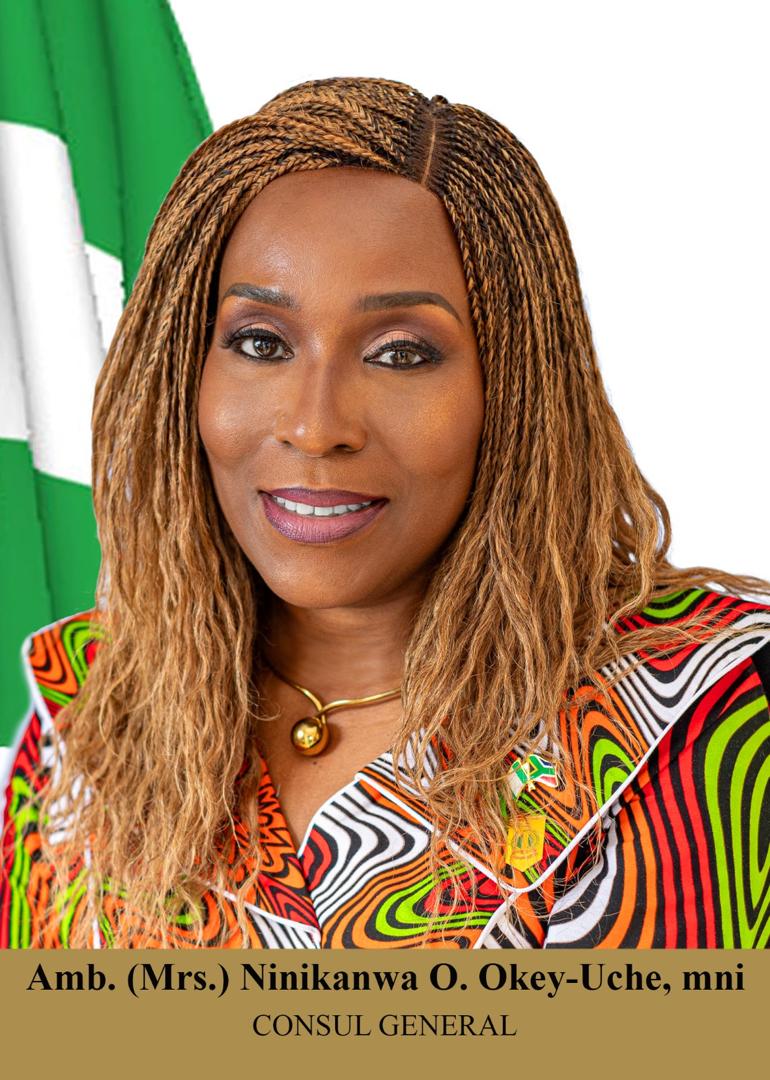
Nigeria Demands Justice over Nigerian’s Death in South African Police Custody
By: Michael Mike
The Nigerian Consulate General in Johannesburg has demanded a thorough investigation into the death of another Nigerian national, Odueze Chimezie Odueze, who allegedly died following torture by South African police officers in Cape Town.
The consulate, in a press statement dated October 13, 2026, said Odueze died on October 9 in the Parklands area of Cape Town, describing the incident as a source of shock and distress to his family and the Nigerian community in South Africa.
According to the statement issued by the Consul General, Ninikanwa Okey-Uche, the deceased was reportedly arrested at a shopping centre on suspicion of drug possession and subsequently taken to his residence for a search.
The consulate said no drugs were found during the search but alleged that Odueze was nevertheless subjected to torture.
The mission expressed grave concern over what it described as a recurring pattern of alleged extrajudicial killings involving Nigerians in South Africa, warning that the incidents raised serious questions about the safety and protection of Nigerian citizens and other foreign nationals in the country.
It also linked its concerns to reports of xenophobic and Afrophobic attacks and threats against foreign nationals, urging the South African authorities to ensure that allegations of abuse by law enforcement officers were investigated impartially and transparently.
“No matter what the allegations may be, there are processes and steps to justice,” the consulate said, stressing that criminal allegations should be addressed through established legal procedures and that suspects were entitled to a fair hearing before a court of law.
The mission called on the relevant South African authorities to conduct a comprehensive investigation into Odueze’s death and ensure that anyone found culpable was prosecuted in accordance with the law.
It further appealed to Nigerians living in South Africa to remain calm, law-abiding and security-conscious amid reported attacks and threats against foreign nationals.
The consulate extended its condolences to Odueze’s family and assured Nigerians that it would continue to pursue the protection, welfare and fair treatment of Nigerian citizens in South Africa.
Reaffirming its commitment to seeking justice for the deceased, the mission declared that it would not relent in insisting that “Nigerian and all lives matter.”
Nigeria Demands Justice over Nigerian’s Death in South African Police Custody
2027: NHRC tasks political stakeholders on respect for human rights
The National Human Rights Commission(NHRC) on Monday urged political parties and their candidates to respect human rights during the campaign as well as the 2027 general elections.
Dr Joseph Wanshe, the Gombe State Coordinator, NHRC made this call in an interview with the News Agency of Nigeria (NAN) in Gombe.
Wanshe said the call was imperative to tackle the violation of human rights which is prevalent during campaigns and elections season.
According to Wanshe, “everyone has the right to vote and be voted for in a peaceful election which is a fundamental human rights that should not be trampled upon”.
The state coordinator said political stakeholders needed to understand that rights were mutual and should be respected as human rights remained a critical part of the democratic advancement of any nation.
He said the commission has been organising training sessions, outreaches, sensitisation on the need to ensure human rights protection during the campaigns and elections.
He said this was to ensure that the voting populace, political stakeholders and contestants were aware of their rights and limits.
Wanshe warned against any attempts at forcing residents to vote against their wish as a way of influencing votes for a particular candidate.
He described the act as unlawful and a restriction on peaceful political activities, calling on politicians and political parties to desist from such violation of human rights.
“No one should vote in fear or be compelled to vote for a particular candidate. No one should vote under duress.
“Respect people’s right on their choice of leaders instead of advertising a candidate to them at the polls by force” he said.
Wanshe said such menace should be eradicated because it “does not defend the good of the people.”
He said that as a commission, campaigns and elections would be strictly monitored in collaboration with relevant security agencies to ensure that no resident’s right was violated.
“If anyone is caught violating people’s right to vote by inducement or whatever means, such will be apprehended and handed over to relevant authorities for the law to take its cause”.
2027: NHRC tasks political stakeholders on respect for human rights

Borno Politics: Power, Continuity, and the Fight for Democratic Space Ahead of 2027 Elections

Tinubu’s 2027 Gamble: Why Shettima Remains His Running Mate

NDC North Central Women Leader Dumps Party for APC, Declares Support for Asiwaju

Roger Federer’s Shock as DNA Results Reveal Myla and Charlene Are Not His Biological Children

THE PLIGHT OF FARIDA

FAILED COUP IN BURKINA FASO: HOW TRAORÉ NARROWLY ESCAPED ASSASSINATION PLOT AMID FOREIGN INTERFERENCE CLAIMS
-
 News3 years ago
Roger Federer’s Shock as DNA Results Reveal Myla and Charlene Are Not His Biological Children
-
Opinions5 years ago
THE PLIGHT OF FARIDA
-
 News1 year ago
FAILED COUP IN BURKINA FASO: HOW TRAORÉ NARROWLY ESCAPED ASSASSINATION PLOT AMID FOREIGN INTERFERENCE CLAIMS
-

 News3 years ago
EYN: Rev. Billi, Distortion of History, and The Living Tamarind Tree
-
 Opinions5 years ago
POLICE CHARGE ROOMS, A MINTING PRESS
-

 ACADEMICS3 years ago
A History of Biu” (2015) and The Lingering Bura-Pabir Question (1)
-

 Columns3 years ago
Army University Biu: There is certain interest, but certainly not from Borno.
-

 Politics1 year ago
2027: Why Hon. Midala Balami Must Go, as Youths in Hawul and Asikira/Uba Federal Constituency Reject ₦500,000 as Sallah Gift
