
News
Plateau survivors recounts lynching as reprisals as reprisals fuel fresh killings

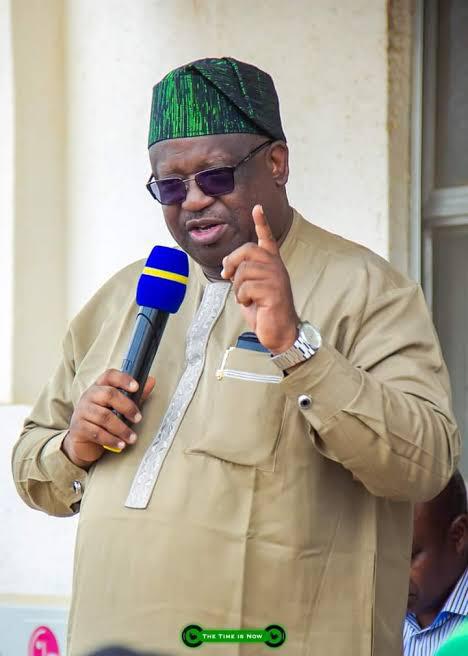
Plateau survivors recounts lynching as reprisals as reprisals fuel fresh killings
By: Zagazola Makama
A survivor of the recent roadside killings in Barkin Ladi Local Government Area of Plateau has narrated how five commuters from Jos North were killed after their vehicle was intercepted by suspected youths along the Nding axis.
The incident occurred hours after seven persons were reportedly killed in Ratatis community, Dorowa Babuje, by suspected armed Fulani bandits.
Sources confirmed that a passenger Opel Vectra conveying civilians was stopped at a road blockade mounted by suspected Berom youths. Four passengers were reportedly killed on the spot, while a fifth later died from injuries.
All the victims were identified as Hausa residents of Gangare in Jos North. They were said to be traders travelling to Pankshin for their businesses.
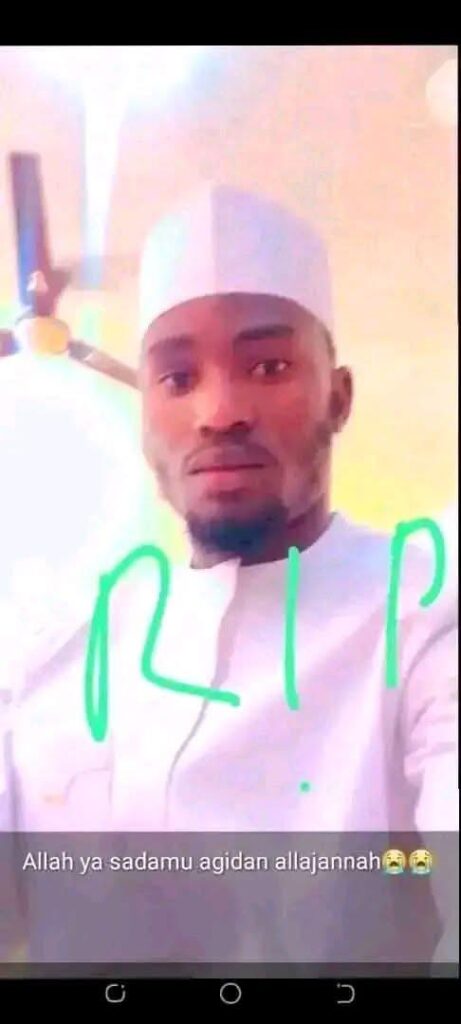
Abdulalim Ibrahim, one of the survivors, said the attackers demanded to know their identities before opening fire.
“We were heading to the market in Pankshin when we were stopped by the protesters and asked who we were. The driver tried to calm them and told them we were all one. But the protesters rejected. Suddenly, there was gunfire. One person sitting at the back seat was shot inside the car while four others were dragged out by the youths,” he said.
They dragged others out of the vehicle and began shooting at them. I immediately told the driver to drive off with speed and leave the scene. When we arrived in Mangu, we contacted our parents and family friends. We were advised to go to the nearest security outfit, where soldiers were attached to provide security for us.

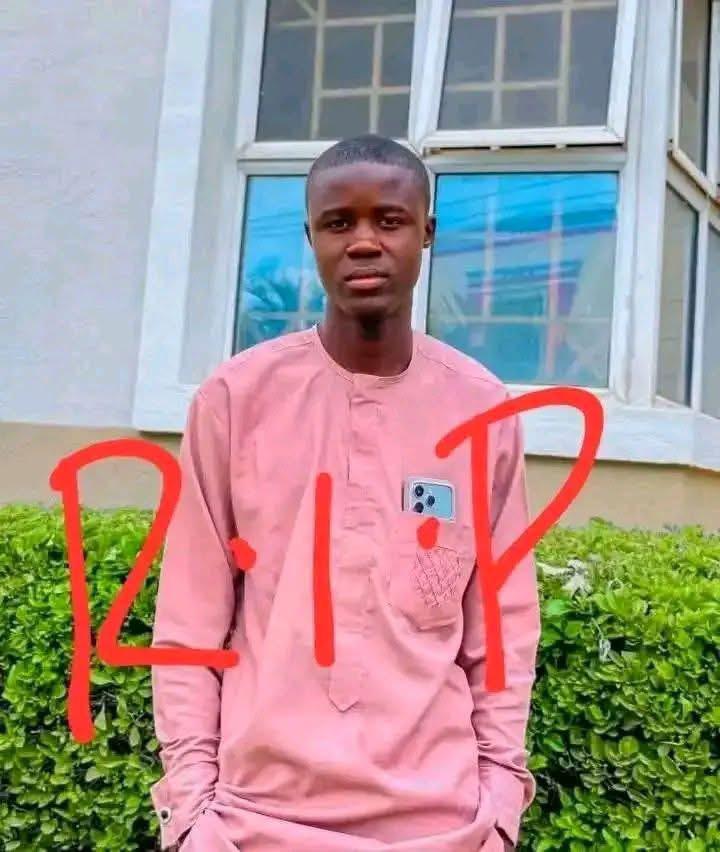
When we later saw the victims, they had been brutally killed. Some were burnt, while others were mutilated. They were later evacuated to Barkin Ladi, where prayers were offered for them.
Muazu Saidu, Co-survivor, said Everything he said is true. We were all in that vehicle. The victims were innocent businessmen. One of them, Baba Karami Zakari, had just welcomed a newborn child. All of them have families.”
He stated that the victims included Uwaisu, Jubril, Zakari, Shamsu and Zubairu. They were businessmen. One of them, Baba Karami Zakari, just had a newborn child. They all had families,” he said.
Religious leaders have also appealed for calm. The Regional Chairman of the Church of Christ in Nations (COCIN) in Barkin Ladi, Rev. Ezekiel Dachomo, called on youths and community members to exercise restraint and avoid escalating tensions. Rev Dachomo also avoid speaking about the killing of the five traders whose only crimes was being caught in retaliatory or identity-driven violence.
The Commissioner of Police (COMPOL), Plateau State Police Command, visited key black spots across Jos North and held consultations with stakeholders, including the palace of Ujah Anaguta, Chairman of the Jos North Traditional Rulers Council. The police assured the royal father of their commitment to maintaining law and order and urged him to ensure stability within his domain. The COMPOL also engaged leadership of the Jos Central Mosque, the Executive Chairman of Jos North LGA, and other community leaders to prevent any breakdown of law and order.
Gov. Caleb Mutfwang strongly condemned the Dorowa Babuje killings, through the Commissioner for Information, Mrs Joyce Ramnap, describing them as “barbaric and senseless,” and directed security agencies to intensify operations to crack down on attackers.
However, his official statement did not specifically acknowledge the five commuters killed in the reprisal. Both incidents involved civilians. Both involved families. Yet public response has not appeared equally forceful.
When governments appear to condemn one set of killings more loudly than another, it reinforces the narrative that some lives matter more than others. In a state already fractured along ethnic and land-based fault lines, perception quickly becomes fuel. In Plateau, violence no longer erupts in isolation. It unfolds in patterns, attack, retaliation, silence, and then another burial.
Plateau’s crisis is no longer a simple farmer-herder conflict. It has mutated into two parallel but interconnected threats: Armed Fulani bandits who raid rural communities, burn homes and kill farmers to Local Militia-style who attack civilians based on identity and carry out targeted killing under the guise of community protection. Both are unlawful. Both are criminal. Both are banditry and both thrive in the absence of swift and visible justice.
The latest killings mirror previous incidents in Plateau where civilians were attacked following broader communal violence. Yet years of the same pattern of recurring violence, from Rukuba Road in 2021 to Mangu in 2025 and now Barkin Ladi in 2026, have produced more funerals than convictions. Victims and families continue to ask a simple question: who has been punished?
On Plateau roads, language, name, or perceived ethnic affiliation can determine survival. Innocent traders travelling to markets, students heading to weddings, worshippers returning from religious events, all become symbolic targets in a war they did not start.
When perpetrators are not publicly prosecuted, deterrence collapses. When local militia continue to carry out targeted killings without consequence, impunity becomes normalised. When reprisals are not unequivocally condemned, they are quietly rationalised. This is how identity becomes a death sentence.
Government inaction or even the perception of partiality does not calm such a situation. It complicates it. It hardens narratives. It emboldens extremists on all sides. Peace cannot be selective. Justice cannot be ethnic. Condemnation cannot be conditional.
If Plateau is to escape this recurring nightmare, the state must confront both armed bandits in the forests and militia from within its communities with equal firmness. Anything less will only deepen the crisis.
Plateau survivors recounts lynching as reprisals as reprisals fuel fresh killings


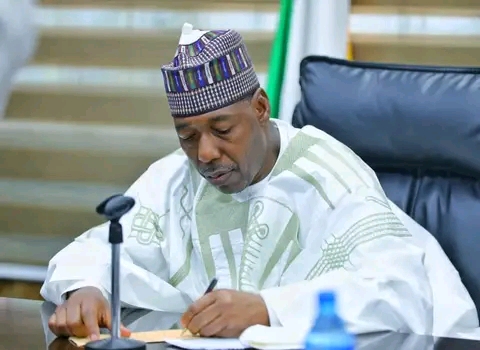
Farmers laud Borno security measures against clashes
By Peter Uwumarogie
Farmers in Kwaya Kusar Local Government Area of Borno have commended the state government’s security initiatives aimed at tackling farmer-herder clashes in the area.
Alhaji Hassan Musa, Chairman, All Farmers Association of Nigeria (AFAN), Kwaya Kusar chapter, gave the commendation in an interview with the News Agency of Nigeria (NAN) in Kwaya Kusar town on Thursday.
Musa said measures adopted by the state government, including the establishment of Agro-Rangers and other security initiatives, had helped reduce farmer-herder clashes in the area.
He said since the state government, in collaboration with the local government, implemented the initiative, farmers had enjoyed safe access to their farmlands.
According to him, the council chairman, Mr Dahiru Hamma, and the Biu Emirate Council had also strengthened dialogue and community engagement to promote peaceful coexistence between farmers and herders.
“Farmers and herders are now carrying out their activities without any rancor because of the measures put in place and these have helped farmers boost productivity.
“No more destruction on our farmlands which often cause huge losses for farmers and reduce their incomes.
“We now have hunters guarding our farmlands and coordinating activities around our farmlands to ensure no encroachment until we harvest our produce.
“We thank Gov. Babagana Zulum, Mr Hamma and the Biu Emirate Council for being proactive,” he said.
Musa also commended Zulum for subsidising fertilisers for farmers in the area, providing input support for dry-season farming and distributing 500 bicycles to farmers.
He said the bicycles, which had been distributed to farmers, had ensured easier access to farmlands while reducing transportation costs.
Farmers laud Borno security measures against clashes
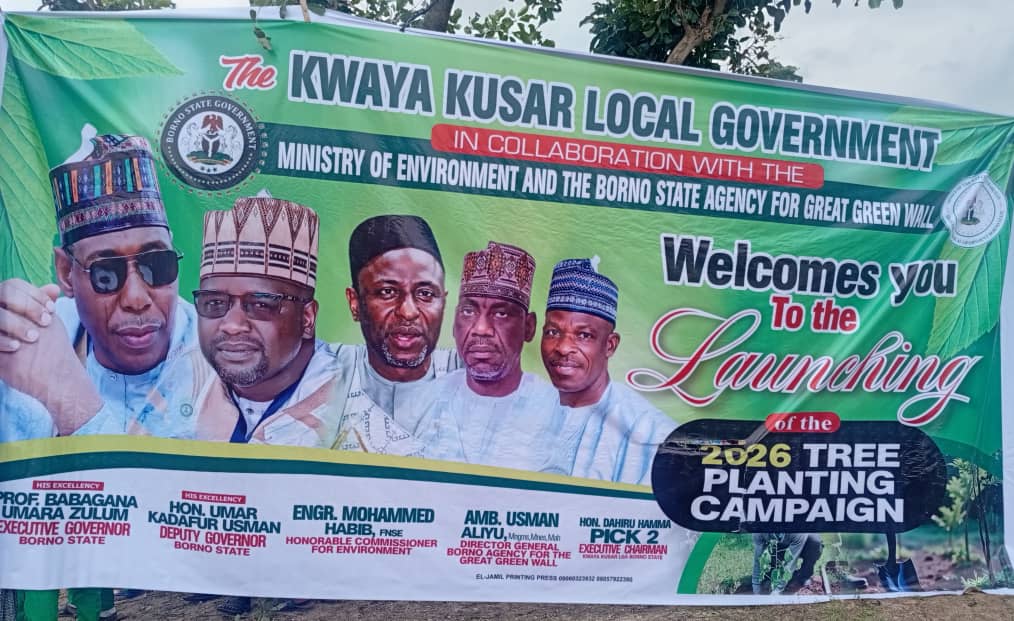
Borno LG boss warns residents against illegal tree felling
By Peter Uwumarogie
Kwaya Kusar Local Government Area of Borno State, on Thursday launched its tree planting campaign, while distributing 150, 000 tree seedlings to residents.
The campaign is in collaboration with the State’s Ministry of Environment and the state’s Agency for the Great Green Wall.
Launching the campaign in Bila Kutiki community in Kwaya Kusar LGA, Engr Mohammed Habib, Borno Commissioner for Environment commended the council for the initiative which he said aligned with Gov. Babagana Zulum’s environment agenda.
Habib, represented by Mr Aliyu Yusuf, the Director of Forestry and Wildlife Services at the Ministry stated that Borno State faced serious environmental challenges such as desertification, deforestation, soil erosion, and the impact of climate change.
He said that it was in that regard that his ministry would continue to provide support and embrace partnership to ensure the success of the afforestation initiative of the state.
He urged the Kwaya Kusar community to maintain the trees, stressing that “planting is easy, but nurturing to maturity is what will give us the real impact.”
Hon. Dahiru Hamma, the chairman of Kwaya Kusar LGA said that the move to distribute the seedlings was a response to the activities of illegal tree felling and its impact on communities in the council.
Hamma said that the gesture would complement the state government’s efforts at combating climate change and protecting the environment for the future generations to inherit a greener and healthy environment.
“We are today launching and releasing 150,000 seedlings which comprises Casia plant, black current, Mahogany, Eucalyptus, Tamarine, Cashew, malena, mango, zaytoun, Bamboo tree, neem plant, amongst others,” he said.
The chairman appealed to residents to ensure adequate protection and sustainability of the trees, while warning against illegal tree felling in the council.
According to him, anyone caught engaging in illegal tree felling will be prosecuted in accordance with the laws of the state.
He commended Zulum and the Emir of Biu, Alhaji Mustapha Umar-Mustapha II for their support and commitment to environmental restoration.
Alhaji Mohammed Abubakar, the secretary of Biu Emirate Council who represented the emir, urged residents to ensure sustainability of the trees, stating that trees among others help serve as wind breakers to protect houses.
Borno LG boss warns residents against illegal tree felling
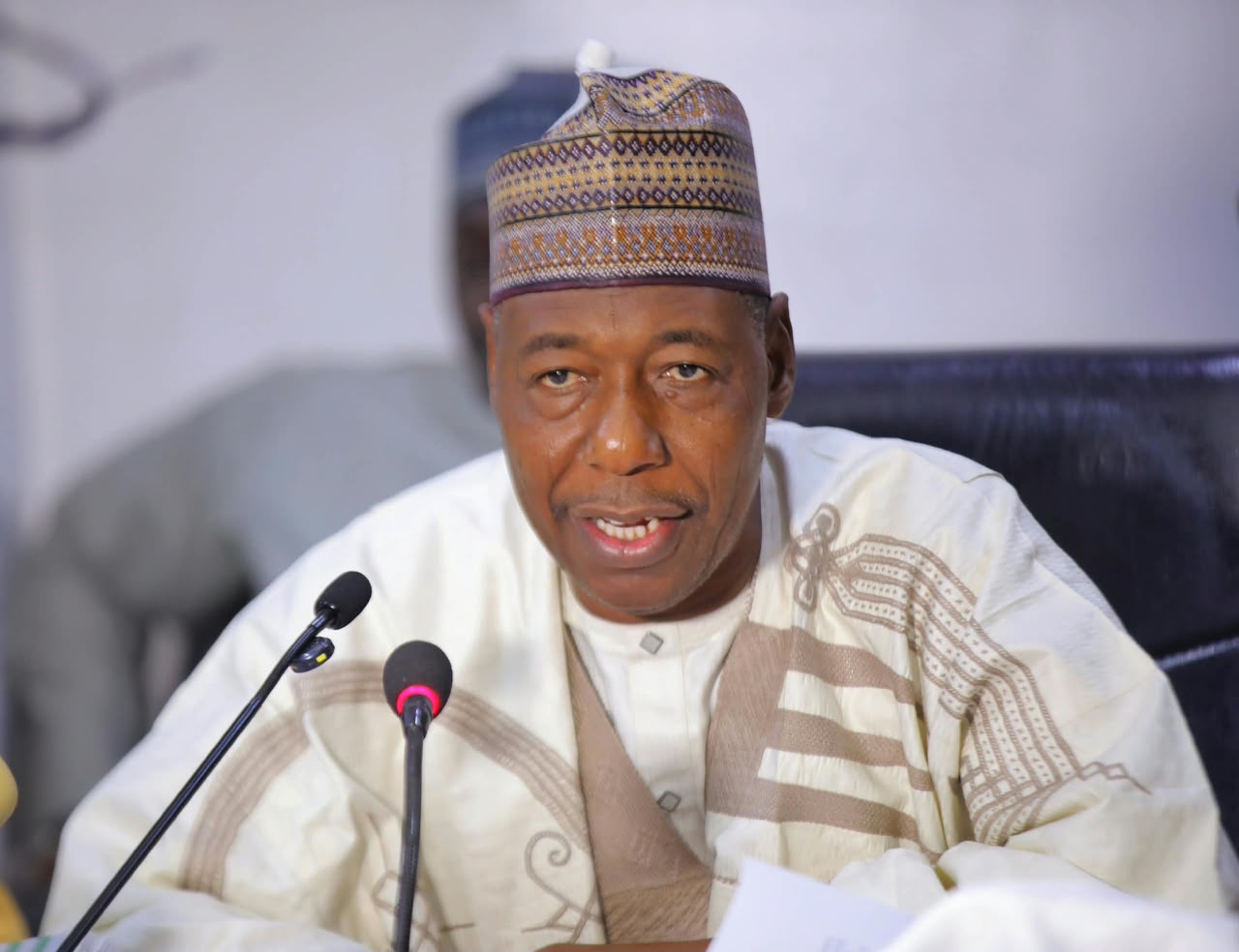
Zulum Hosts 4th UN Offer Meeting, Seeks Stronger UN, Donor Investment for Borno’s Recovery
By: Our Reporter
Borno State Governor, Professor Babagana Umara Zulum, has called for stronger collaboration and co-investment between the state government, the Federal Government, the United Nations, development partners, international financial institutions, and the private sector to accelerate recovery and sustainable development in the state.
Zulum made the call on Thursday at the Council Chambers of the Government House, Maiduguri, at the fourth Project Board Meeting of the United Nations Offer to Support the Borno Model and the Steering Committee Meeting of the Peacebuilding Fund.
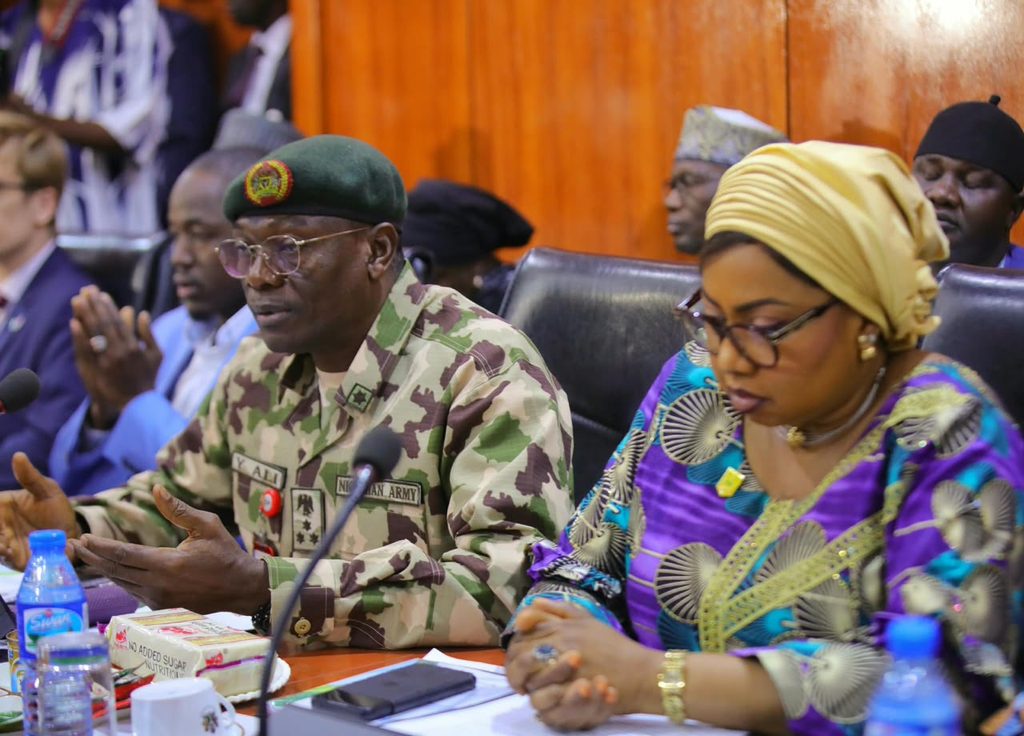
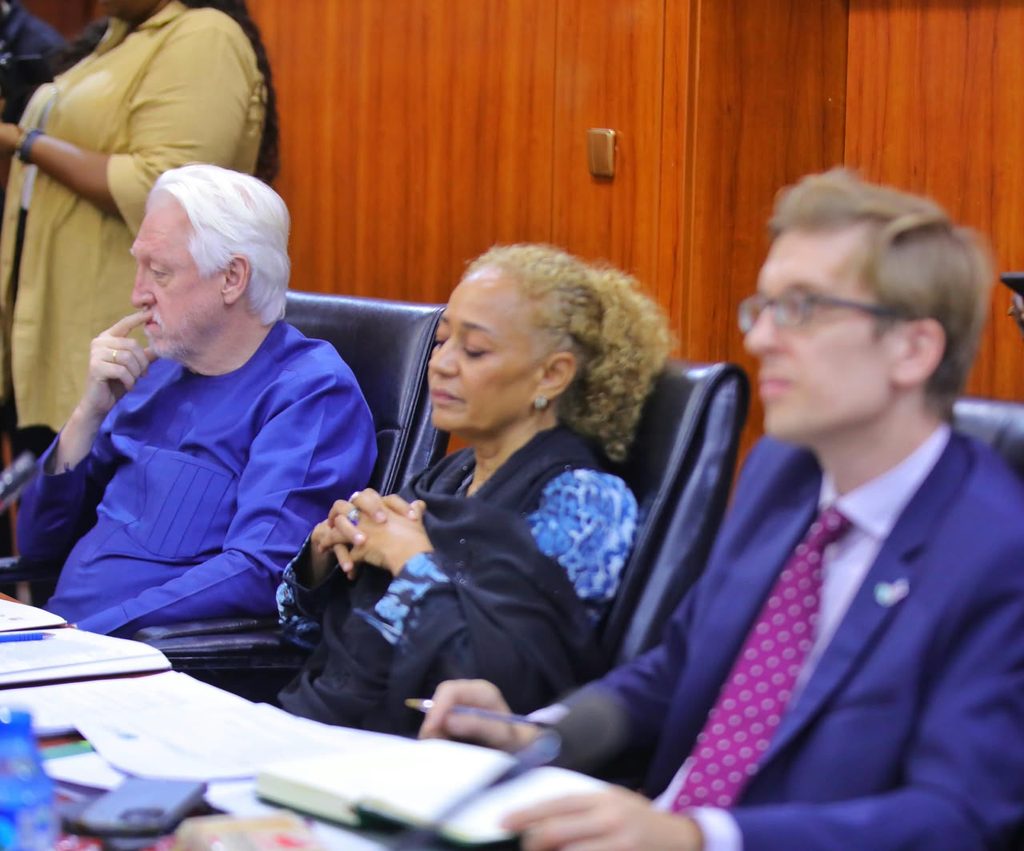
A Federal Government delegation, the United Nations, Development Partners, and Donor agencies attended the meeting.
The governor said the decision to hold the high-level meeting in Maiduguri reflected Borno’s strategic importance in national and international efforts towards peacebuilding, stabilization, recovery and sustainable development in Nigeria’s North-East.
He commended the United Nations, donor countries and development partners for their financial and technical support, noting that their interventions had improved the lives of vulnerable people and communities affected by more than a decade of insurgency.
According to Zulum, the Peacebuilding Fund and the UN Offer have helped to move support beyond immediate humanitarian relief to critical areas such as reconciliation, reintegration, livelihood support, social cohesion and institutional strengthening.
“We recognize that progress in Borno is a product of strong partnerships among the state government, the United Nations, development partners, communities, the Federal Government and other stakeholders,” Zulum stated.
He described the development of the Borno Model legal framework as a major product of the partnership between the state government and the United Nations, saying it would provide a stronger institutional foundation for peace, recovery, social cohesion and development.
Zulum said Borno was at a critical transition point, moving from humanitarian response to recovery, reconstruction, resilience and long-term development.
He identified the state’s priority areas to include rebuilding conflict-affected communities, restoring basic services, expanding education and skills development, creating jobs, supporting women and young people, strengthening local institutions, and enabling displaced and returning residents to rebuild their lives in dignity.
The governor also advocated increased investment in agriculture, small and medium-scale enterprises, vocational training, digital opportunities and value-chain development.
“With the right investment in infrastructure, skills and enterprise development, Borno can move from being viewed primarily through the lens of crisis to being recognized as a center of economic opportunity in the North-East,” he added.
The governor said the Borno State Government has committed more than 70% of its budget over the last seven years to security, support for internally displaced persons and refugees, reconstruction of schools, houses, health facilities and markets, and livelihood opportunities for people affected by the insurgency.
He said the investments aimed to restore dignity, build resilience, and sustain peace across the state.
“Our collective objective must now be to build on what has been achieved, scale up what works, and ensure that the people of Borno fully benefit from the transition from humanitarian assistance to medium- and longer-term sustainable and durable solutions,” he said.
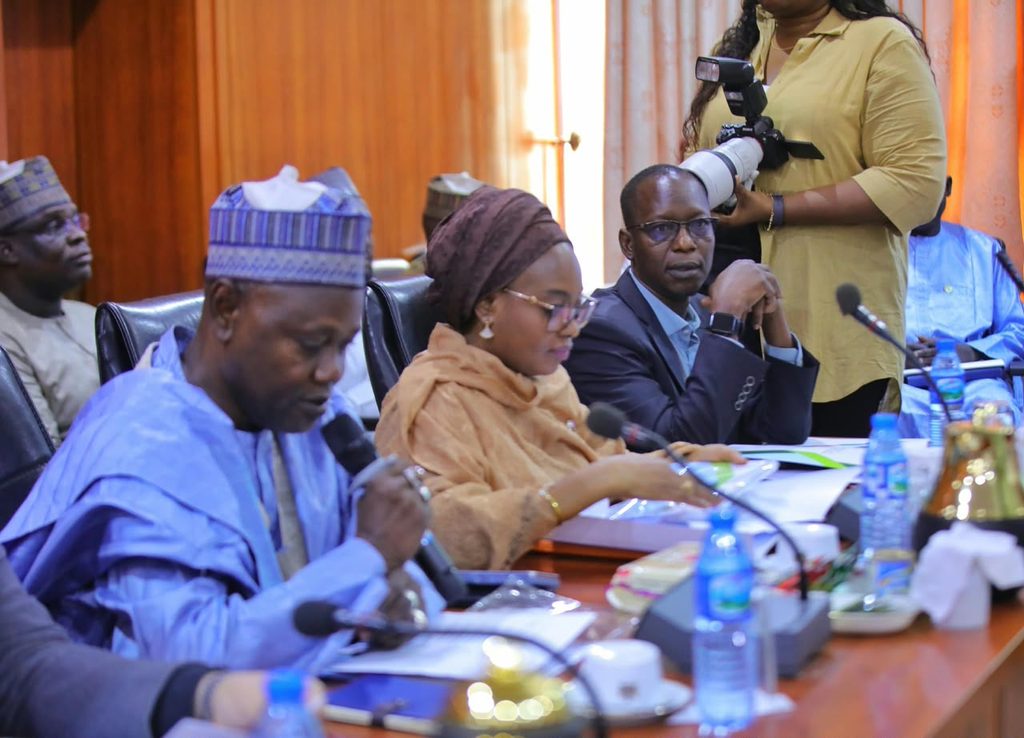
The governor commended the Minister of Budget and Economic Planning, Senator Abubakar Atiku Bagudu; the United Nations Resident and Humanitarian Coordinator, Mr Mohammed Fall; and the UNDP Resident Representative, Ms Elsie Attafuah, for their support and commitment to Borno’s recovery.
He also acknowledged contributions by Germany, the United Kingdom, Switzerland, the Office of the National Security Adviser, the Armed Forces, the Nigeria Police Force, the Federal Ministry of Justice and other stakeholders.
Zulum reaffirmed his administration’s commitment to provide the leadership, institutional support, and coordination needed to sustain partner-supported programs beyond their project lifespan.
Minister of Budget and Economic Planning, Senator Abubakar Atiku Bagudu, noted that the challenges confronting the Northeast should not be viewed solely as humanitarian crises, but also as opportunities for long-term investment and sustainable development.
He stressed the need for coordinated financing and closer collaboration among the federal and state governments, the United Nations, and development partners to achieve the desired outcome.
The Minister particularly commended Borno State Governor, Professor Babagana Umara Zulum, for providing trusted leadership and coordinating the state’s response to the complex challenges confronting its people.
He also lauded the United Nations, development and donor partners for the continuous support to the victims of the Boko Haram conflict.
United Nations Resident and Humanitarian Coordinator,
Mr. Mohammed Malick Fall and UNDP Resident Representative, Ms. Elsie Attafuah, expressed their commitment to continue supporting the project and commended the leadership of Governor Babagana Zulum.
Zulum Hosts 4th UN Offer Meeting, Seeks Stronger UN, Donor Investment for Borno’s Recovery

Farmers laud Borno security measures against clashes

Borno LG boss warns residents against illegal tree felling

Zulum Hosts 4th UN Offer Meeting, Seeks Stronger UN, Donor Investment for Borno’s Recovery

Roger Federer’s Shock as DNA Results Reveal Myla and Charlene Are Not His Biological Children

THE PLIGHT OF FARIDA

FAILED COUP IN BURKINA FASO: HOW TRAORÉ NARROWLY ESCAPED ASSASSINATION PLOT AMID FOREIGN INTERFERENCE CLAIMS
-
 News2 years ago
Roger Federer’s Shock as DNA Results Reveal Myla and Charlene Are Not His Biological Children
-
Opinions5 years ago
THE PLIGHT OF FARIDA
-
 News1 year ago
FAILED COUP IN BURKINA FASO: HOW TRAORÉ NARROWLY ESCAPED ASSASSINATION PLOT AMID FOREIGN INTERFERENCE CLAIMS
-

 News2 years ago
EYN: Rev. Billi, Distortion of History, and The Living Tamarind Tree
-
 Opinions5 years ago
POLICE CHARGE ROOMS, A MINTING PRESS
-

 ACADEMICS2 years ago
A History of Biu” (2015) and The Lingering Bura-Pabir Question (1)
-

 Columns2 years ago
Army University Biu: There is certain interest, but certainly not from Borno.
-

 Politics1 year ago
2027: Why Hon. Midala Balami Must Go, as Youths in Hawul and Asikira/Uba Federal Constituency Reject ₦500,000 as Sallah Gift
