
National News
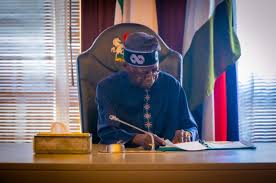
President Tinubu flags off inaugural airlift of 2024 Hajj in Kebbi

President Tinubu flags off inaugural airlift of 2024 Hajj in Kebbi
By: Our Reporter
President Bola Ahmed Tinubu (CFR) has flagged-off the inaugural airlift of 2024 Hajji exercise from Nigeria to the Kingdom of Saudi Arabia.
The grand ceremony took place at Sir Ahmadu Bello International Airport Birnin Kebbi on Wednesday with distinguished personalities in attendance.
The President, who was represented by the Vice President, Sen. Kashim Shettima, urged the intending pilgrims to pray for peace, unity and progress of the country.
He charged the intending pilgrims to abide by all rules and regulations of the Kingdom of Saudi Arabia and urged them to avoid any illicit act capable of affecting the integrity of their Hajj.
“Mr president has been committed to this year’s Hajji due to the economic situation, he has also contributed the sum of N90 billion Naira to subsidise this year’s Hajj exercise in order to have a smooth and successful exercise.
”You may recall that this year, we had a major challenge in announcing the final hajj fare for the 2024 Muslim pilgrimage due to fluctuation in foreign exchange rates.
”President Bola Tinubu also work round the clock to control the downwards spiral of our local currency to bring relief to our pilgrims and other Nigerians.
”A moved that eventually succeeded in lowering the fare. The President approved the released of N90 billion to subsidized the cost of pilgrimage for this year’s hajj.”
He said that the government of Renewed Hope led by Tinubu attaches immense importance to religious pilgrimage due to the role its plays in transforming behavioral and social vices of the believers beyond performing the pilgrimage.
Delivering his speech, the Kebbi State Governor, Comrade Dr Nasir Idris said this year’s Hajji signifies a sacred journey for thousands of devoted pilgrims who embarked on a spiritual voyage to the Holy land.
He explained further that Hajj is a time to honoured tradition that holds great significance for Muslims around the world.
“It is a journey of faith, devotion and unity where believers come together to fufill one of the five pillars of Islam, the pilgrimage to Mecca is a profound experience that fosters a sense of community, humility and spiritual renewal,” he said
The Governor urged the people that they should remember the significance of this sacred ritual, adding that Hajji remained a testament to the unity of Muslim Ummah, transcending geographical boundaries and cultural differences.
“It is a time for reflection, prayer and seeking forgiveness, as well as an opportunity for personal growth and self discovery,” he added.
He commended the Federal Government, National Hajji Commission and those that were involved for there commitments toward the successful exercise.
Gov. Idris noted with satisfaction that Kebbi was the first state to remit 2024 Hajj fare in Nigeria, adding the intending pilgrims from Kebbi were given special treatment by the present administration to confort them toward a successful Hajj exercise.
The governor said his administration had spent N900 for infrastrutural development of the Hajj Camp in Birnin Kebbi to make it more conducive for the intending pilgrims
In his remarks, the National Chairman, National Hajji Commission of Nigeria (NAHCON), Alhaji Jalai Ahmad Arabi thanked the President and Kebbi State Governor for their support and cooperation towards the success of this year’s Hajji exercise.
He described this year’s Hajji as the most innovative and special one, saying, “honestly, I am well over warm the way and manner the Kebbi State Goqqvernor committed all the resources for them to achieve.
President Tinubu flags off inaugural airlift of 2024 Hajj in Kebbi


EU Launches ₦152.9m Fund to Protect Women from Electoral Violence Ahead of 2027 Polls
…Warns against intimidation, political exclusion, says support not for campaign financing
By: Michael Mike
Team Europe has launched a €100,000 (about ₦152.9 million) Rapid Response Fund to provide emergency protection, medical, legal and psychosocial assistance to women threatened by political and election-related gender-based violence ahead of Nigeria’s 2027 general elections.
The initiative, unveiled Tuesday in Abuja, is expected to run from November 2026 to March 2027 under the European Union Support to Democratic Governance in Nigeria programme (EU-SDGN), through experienced implementing partners and qualified service providers.
The fund, launched on the eve of the 16 Days of Activism against Gender-Based Violence, is targeted at women whose participation in the electoral process is threatened, including candidates, voters, election observers, journalists and other electoral actors facing intimidation, violence or credible threats.
The intervention, according to Team Europe, comprising the European Union and its member-state missions in Nigeria, draws on lessons from the 2023 general elections and earlier electoral cycles, which exposed the vulnerability of women to politically motivated violence and intimidation.
Speaking at the launch, the Ambassador of Ireland to Nigeria, Lesley Ní Bhriain, said the effectiveness of efforts to combat violence against women would be measured by the ability of survivors to report incidents safely, access protection and care, and pursue justice without fear.
“Violence used to silence women is a means of exclusion. It has no place in democratic life,” she said.
Ní Bhriain said the initiative was designed to bridge the gap between advocacy against gender-based violence and the practical assistance required by women confronted with threats and attacks during the electoral process.
Depending on assessed needs and approved criteria, beneficiaries may receive emergency medical care, legal advice and representation, psychosocial support, temporary safe accommodation, emergency transportation and urgent digital safety assistance.
The fund may also be deployed to address credible and imminent threats before further harm occurs, officials said.
The Irish ambassador stressed that the intervention was strictly a protection and assistance mechanism, not campaign financing or support for political parties or candidates.
Requests, she said, would be evaluated based on eligibility, urgency and assessed needs, irrespective of party affiliation, political connections or public profile, while survivors would not be compelled to recount their experiences publicly, grant interviews or appear in photographs as a condition for receiving assistance.
In a joint statement, Team Europe Heads of Mission said the intervention was intended to ensure that women facing violence could access timely support without compromising their dignity or privacy.
The Chief Executive Officer of the Nigerian Women Trust Fund (NWTF), Brenda Anugwom, described the initiative as a significant shift from advocacy and documentation to providing practical, timely assistance to women confronting political violence and abuse.
She said women must not only be allowed to enter political spaces but also be able to remain, compete, lead and exercise power without fear.
“Women must not only have the right to enter political spaces, they must have the right to remain, to compete, to lead, to exercise power without fear. This is the democracy that we all yearn for,” Anugwom said.
The Head of the EU Delegation to Nigeria and ECOWAS, Gautier Mignot, said the fund was established in response to concerns raised by civil society partners and evidence of gender-based attacks against women in various electoral roles during the 2019 and 2023 elections.
Mignot said the intervention, valued at approximately €100,000, was created under the EU-funded Support to Democratic Governance in Nigeria programme to offer rapid assistance to women facing threats during the electoral period, particularly as the country approaches the 2027 polls.
He said the initiative would help women access urgent relief through established service providers and existing expertise, while ensuring that assistance was delivered under clear safeguards and accountability procedures.
The fund’s organisers said requests would be screened and referred for assessment by a dedicated review committee in line with approved eligibility procedures and available resources.
Women seeking assistance have been directed to use designated HerStoryOurStory channels through 0806 429 2526 or herstoryourstoryng@gmail.com, rather than contacting the EU Delegation or European member-state missions directly.
Team Europe also called on political parties and leaders to reject and prevent gender-based violence, while urging relevant authorities to protect those at risk, investigate reported offences and ensure access to justice.
The media was equally urged to report responsibly, respect survivors’ privacy and provide accurate information about available support.
The Heads of Mission said the fund complemented, but did not replace, the responsibility of public institutions or the need for sustained efforts to strengthen laws, protection services and accountability.
“The test is not only what we say during these 16 days, but whether women can access support when they need it,” the Heads of Mission said.
“That is our commitment as Team Europe in Nigeria: solidarity translated into practical assistance, respect for women’s choices and accountability for what we deliver.”
Also endorsing the initiative, the Executive Director of the Ene Obi Centre for Development, Ene Obi, described women participating in Nigeria’s electoral process as an “endangered species”, warning that the prevailing political atmosphere could fuel further intimidation and gender-based violence ahead of the 2027 elections.
Obi, a former Country Director of ActionAid Nigeria, expressed concern over what she described as the prevailing “body language” of the electoral environment, saying the signals suggested that violence against female voters, candidates, journalists and election workers could escalate without urgent intervention.
Recalling the experiences of women during previous general elections, she cited the killing of Salome Abuh, a Peoples Democratic Party women leader in Kogi State, who was burnt alive in her home in 2019, as well as the killing of another woman, identified as Victoria, during the 2023 election period in front of her husband and children.
“From our history, the history of general elections, you know what women have been through. The language, the body language of the election, what we are seeing, is that violence will increase,” Obi said.
She also decried structural barriers to women’s political participation, including godfatherism, the monetisation of politics and party practices that undermine female representation.
According to her, women who secure party tickets are sometimes pressured to relinquish their candidacies, further weakening their chances of representation in elected offices.
“They are an endangered species. Most of the women that have even gotten the tickets, they’ve asked them to step down. So where are we getting the representation? Because of the power of money, because of godfatherism, and because the parties are the ones that are dictating what is going on,” she said.
Obi welcomed the introduction of dedicated protection funds, saying they could strengthen the capacity of women’s rights organisations to respond to threats against women across the electoral spectrum, including voters, election personnel and female journalists.
While acknowledging the difficulty of establishing precise figures on casualties and incidents of intimidation, she said civil society groups were monitoring developments and would continue to support women facing threats.
She warned perpetrators against targeting women during the electoral process.
“There is a lot of intimidation in this election, as you may know. And so we are keeping our eyes open and we hope to support,” she said, adding, “If you touch one woman, we will come after you.”
EU Launches ₦152.9m Fund to Protect Women from Electoral Violence Ahead of 2027 Polls
National News
ECOWAS, World Bank Intensify Drive to Bridge West Africa’s Electricity Gap, Target 1,800 Communities
ECOWAS, World Bank Intensify Drive to Bridge West Africa’s Electricity Gap, Target 1,800 Communities
By: Michael Mike
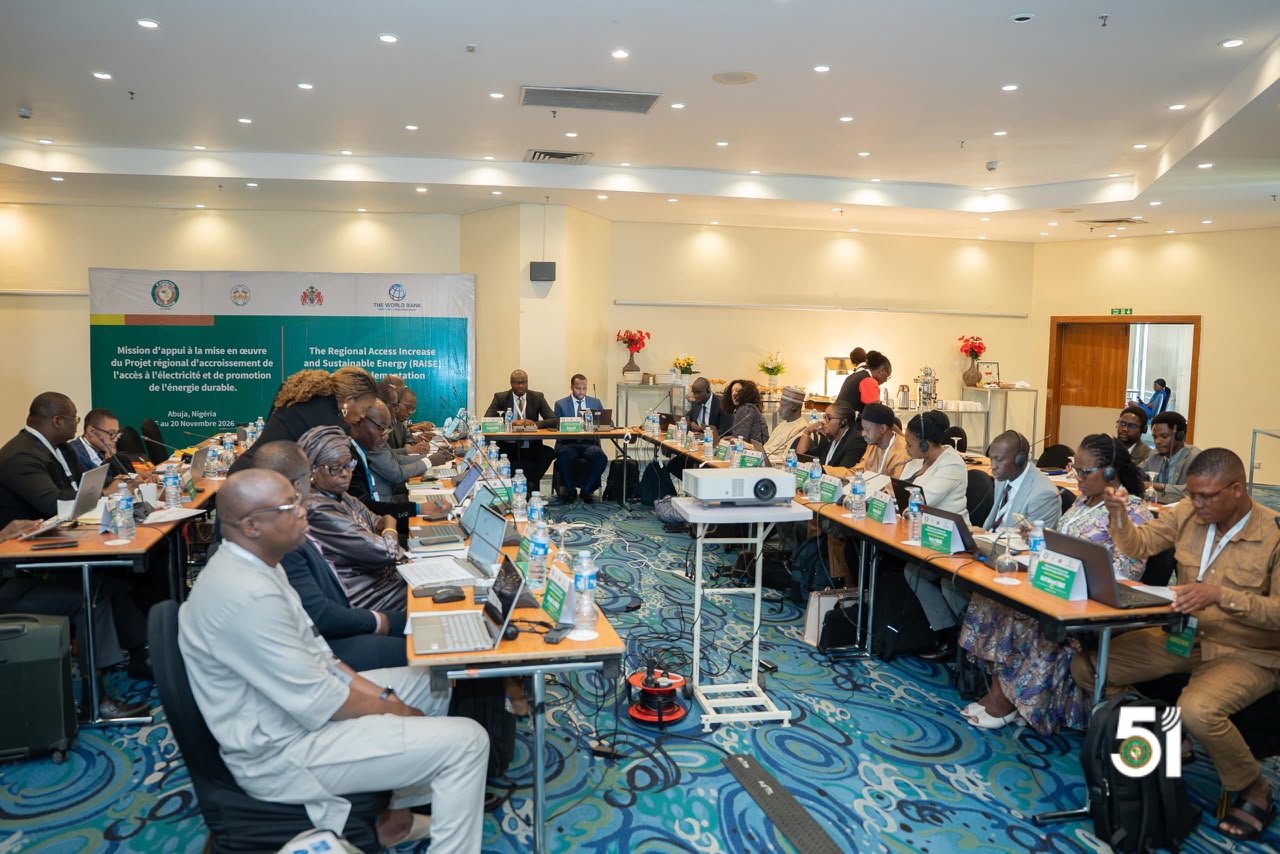
The Economic Community of West African States (ECOWAS) Commission and the World Bank have intensified efforts to address persistent electricity access deficits in West Africa, launching a five-day implementation support mission for a US$160 million regional energy project targeting underserved communities in Togo and The Gambia.
The mission, which commenced on 16 November and will run until 20 November 2026 in Abuja, Nigeria, is designed to assess implementation progress, address operational challenges and strengthen coordination among institutions responsible for delivering the Regional Access Increase and Sustainable Energy (RAISE) Project.
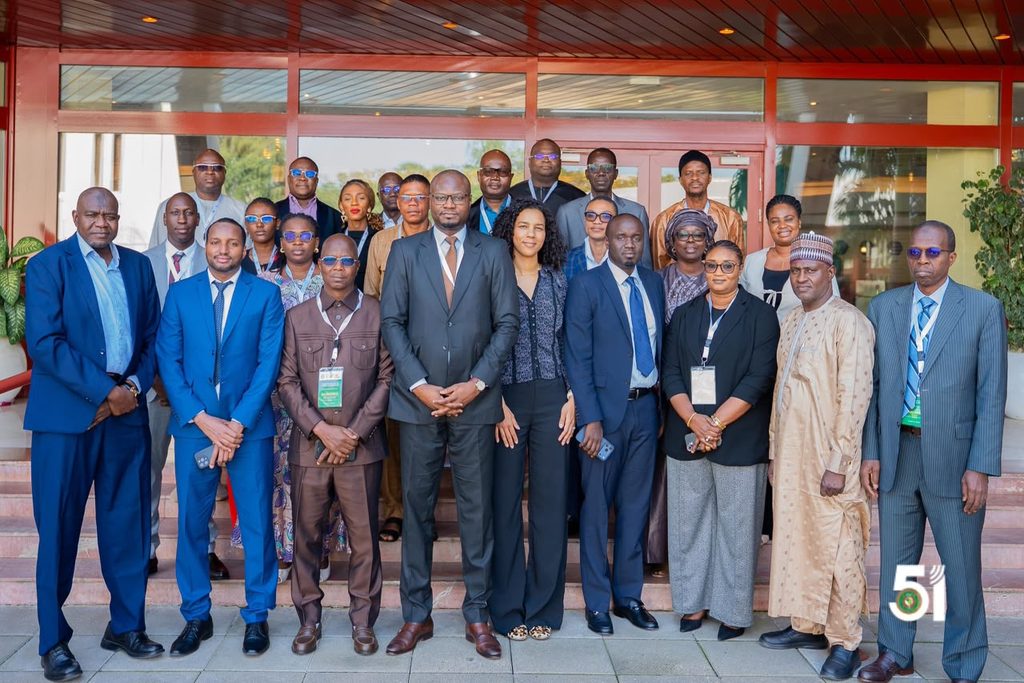
The initiative targets the electrification of 1,800 localities, the provision of 202,000 household electricity connections and the facilitation of 242 megawatts (MW) of renewable energy generation capacity.
The project is expected to expand access to reliable and sustainable electricity, particularly in rural and underserved communities where inadequate power infrastructure continues to constrain economic activities, education, healthcare delivery and other essential services.
During the five-day engagement, the ECOWAS Commission and World Bank teams will review implementation arrangements, examine progress against project objectives, identify operational bottlenecks and agree on measures to accelerate delivery.
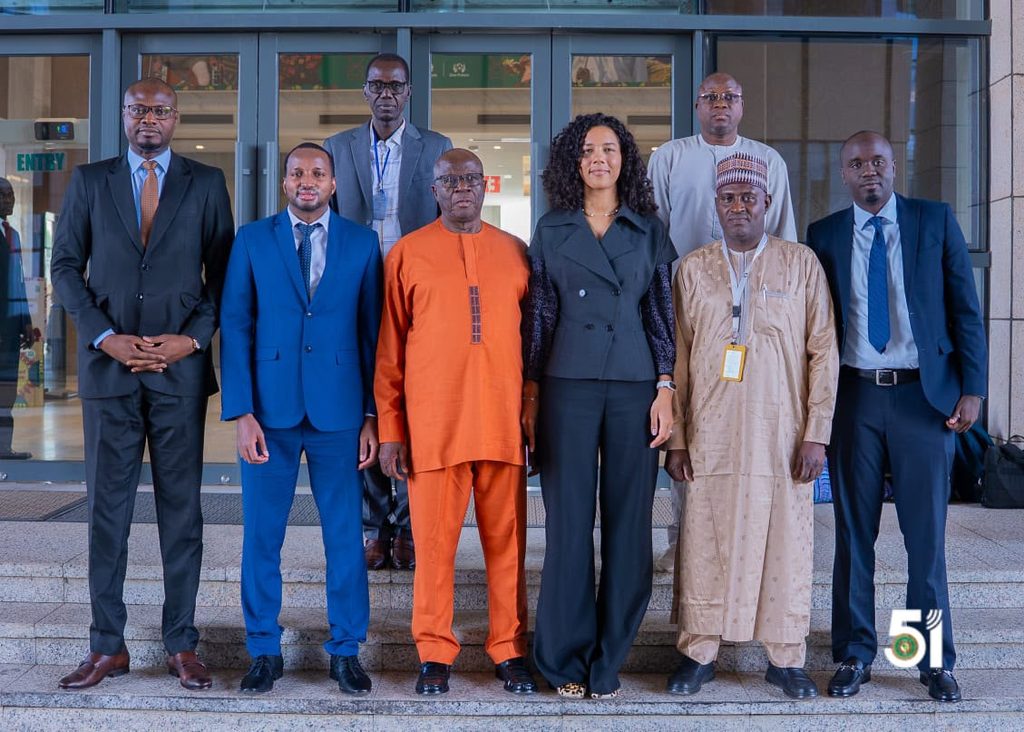
The mission commenced with a meeting between the World Bank delegation and the ECOWAS Commissioner for Infrastructure, Energy and Digitalisation, Amin Amidu, during which the Directorate of Energy and Mines briefed the Commissioner on the project’s objectives, implementation arrangements and ongoing collaboration with the World Bank.
Amidu, who assumed office on 1 September 2026, reaffirmed his commitment to monitoring the Directorate’s activities, acknowledging that inadequate electricity access remains one of the major development challenges confronting West Africa.
He noted that limited financial resources continue to constrain efforts to close the regional electricity gap, stressing the importance of sustained partnerships and strategic investments in the energy sector.
The Director of the ECOWAS Directorate of Energy and Mines, Arkadius Koumoin, underscored the importance of electricity as a fundamental driver of socioeconomic development.
He observed that the continued absence of electricity in many rural communities across West Africa remains a significant obstacle to improved livelihoods, economic opportunities and inclusive growth.
Koumoin reaffirmed ECOWAS’s commitment to coordinated regional interventions, noting that access to reliable and sustainable energy remains central to the organisation’s Vision 2050 aspiration of building a more integrated, prosperous and people-centred West Africa.
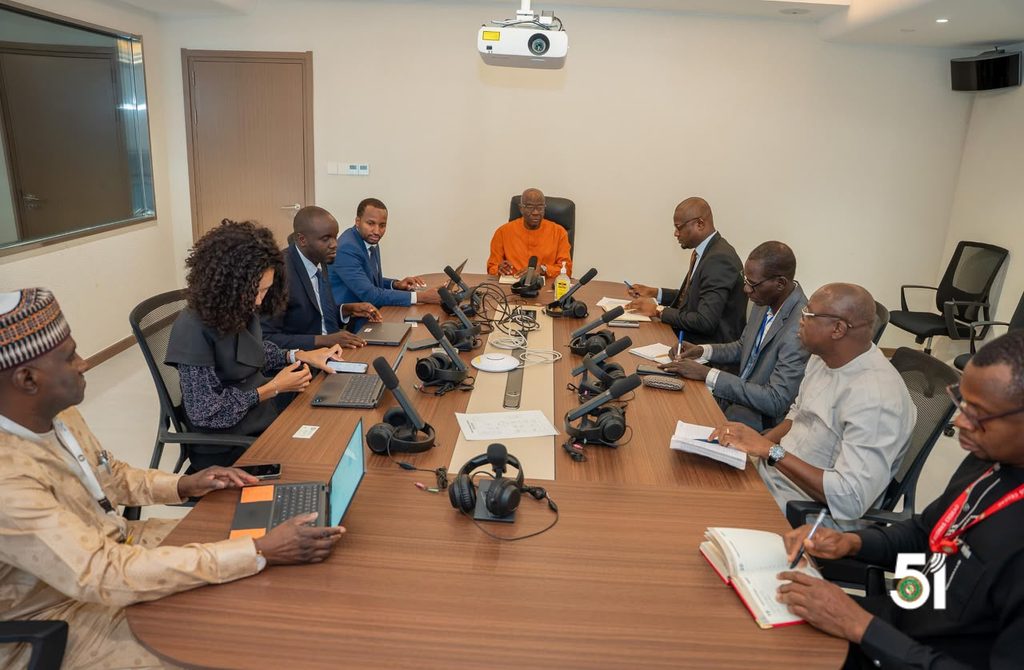
The World Bank’s Task Team Leader for the RAISE Project, Ebrima Bah, described the initiative as an important regional development intervention and commended the progress recorded so far.
He noted that the project had benefited from lessons and experiences gained from previous initiatives, providing a favourable foundation for implementation. He expressed optimism that the project could be completed within three to four years.
The mission will also examine critical implementation components, including the preparation of the 2027 Annual Work Plan and Budget, environmental and social safeguards, regional procurement activities, financial management arrangements and national procurement processes in Togo and The Gambia.
The RAISE Project became effective on 29 October 2026, following a US$10 million grant agreement signed between ECOWAS and the World Bank in July 2026 to facilitate regional coordination and implementation.
The RAISE Project comes against the backdrop of persistent electricity access challenges across West Africa, where inadequate infrastructure, high generation costs, unreliable supply and affordability constraints continue to undermine economic development.
Despite progress in expanding electricity infrastructure, significant disparities remain between urban and rural communities, with many households and businesses still lacking access to reliable power.
The electricity deficit has particularly affected rural economies, limiting opportunities for small businesses, agricultural processing, digital services and other productive activities that depend on dependable electricity.
The World Bank has identified infrastructure constraints, high electricity generation costs, affordability challenges and weaknesses in power sector institutions as major obstacles to expanding electricity access across the region.
In Togo and The Gambia, the RAISE Project is designed to address these challenges through expanded electricity distribution networks, household connections and renewable energy development.
The World Bank estimates that the initiative could generate labour income gains equivalent to approximately 11,700 jobs annually through direct and indirect economic effects, including about 9,200 in Togo and 2,500 in The Gambia.
Beyond its immediate targets in Togo and The Gambia, RAISE forms part of broader efforts to strengthen regional electricity infrastructure, improve cross-border power trade and accelerate access to affordable and sustainable energy across West Africa.
The initiative complements the West Africa Regional Electricity Market Programme (WA-REMP), a regional framework supported by the World Bank to strengthen electricity trade, improve energy security and expand access to power across the sub-region.
The programme, approved by the World Bank in January 2025 with an initial financing framework of US$1.6 billion, builds on the work of the West African Power Pool (WAPP), which is developing an interconnected electricity market to enable countries to exchange power and make more efficient use of available generation resources.
The regional integration programme builds on more than 4,000 kilometres of high-voltage transmission lines constructed to connect electricity networks across 15 West African countries, facilitating cross-border electricity trade.
The wider regional electricity agenda has also contributed to improved electricity services for more than three million people across six West African countries between 2019 and 2025.
RAISE complements these interventions by focusing on the last-mile challenge of connecting underserved communities and households to electricity while encouraging renewable energy development.
The project also aligns with the World Bank’s Mission 300 ambition to provide electricity access to 300 million people across sub-Saharan Africa by 2030.
Through these complementary initiatives, ECOWAS and the World Bank are pursuing a coordinated approach that combines regional electricity integration with investments in local distribution networks, renewable energy and household connections.
The successful implementation of RAISE is therefore expected to contribute not only to improved electricity access in Togo and The Gambia but also to ECOWAS’s broader objectives of regional integration, economic transformation and sustainable development.
ECOWAS, World Bank Intensify Drive to Bridge West Africa’s Electricity Gap, Target 1,800 Communities
ECOWAS deploys observers across nine islands for Cabo Verde presidential election
…Says no major threat to peaceful polls as UN, AU, other international missions coordinate monitoring
By: Michael Mike
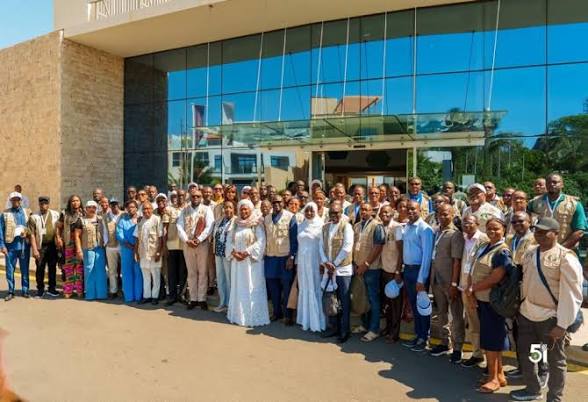
The Economic Community of West African States (ECOWAS) has deployed election observers across all nine inhabited islands of Cabo Verde to monitor the country’s presidential election held on Saturday, expressing confidence in the peaceful conduct of the electoral process.
The regional bloc said its pre-election assessment had identified no significant threat to the peaceful conduct of the poll, describing the island nation as a strong democratic example in a West African region grappling with political instability and unconstitutional changes of government.
The ECOWAS Election Observation Mission, led by former Gambian Vice-President, H.E. Fatoumatta Jallow-Tambajang, completed its pre-election engagements in Praia, the country’s capital, with activities including the deployment of observers, consultations with international partners and meetings with presidential candidates.
The deployment on November 13 was accompanied by an engagement with the United Nations Special Representative for West Africa and the Sahel, Leonardo Santos Simão, who underscored ECOWAS’s leadership in addressing political and security challenges in the region.
“No one is more important than ECOWAS in this region,” Simão said, reaffirming the importance of regional cooperation in safeguarding democratic processes and political stability.
On November 14, Jallow-Tambajang met with presidential candidate José Maria Neves and convened a meeting of heads of international election observation missions at the ECOWAS Situation Room in Praia.
The meeting brought together representatives of the African Union (AU), the Community of Portuguese Language Countries (CPLP), the ECOWAS Network of Electoral Commissions (ECONEC), the Network of Jurisdictional and Electoral Administration Bodies of the CPLP (ROJAE-CPLP) and the International Organisation of La Francophonie (OIF).
The ECOWAS Head of Mission was supported by the Commissioner for Political Affairs, Peace and Security, Francess Piagie Alghali, who is leading the technical team of the observation mission.
Presenting the mission’s pre-election assessment, Alghali said the organisation had not identified any major security concern that could undermine the peaceful conduct of the election.
“At this stage, ECOWAS sees no significant threat to the peaceful conduct of the presidential election. Cabo Verde remains a strong democratic example within the West African region,” she said.
The coordinated engagement among the international observation missions was aimed at strengthening cooperation, information-sharing and a common understanding of developments surrounding the electoral process.
During Saturday’s election, Jallow-Tambajang was scheduled to observe the opening of polls in Palmarejo, Praia, visit polling stations in Tira Chapéu, Várzea and Achadinha, and return to Palmarejo to observe the closing and counting of votes, while other ECOWAS observers monitored proceedings across the country’s nine inhabited islands.
The mission is expected to issue its preliminary statement on the electoral process on November 17.
The election is significant against the background of Cabo Verde’s reputation for political stability and peaceful democratic transitions in a region that has experienced military coups, political instability and contested transfers of power.
Cabo Verde transitioned from a one-party system to multiparty democracy in 1991, when the opposition Movement for Democracy (MpD) defeated the long-ruling African Party for the Independence of Cabo Verde (PAICV) in the country’s first multiparty elections. Since then, the two major political parties have alternated in power through elections.
The November 15 presidential election is the country’s sixth presidential contest since the introduction of multiparty democracy and features six candidates, including incumbent Neves, who is seeking a second five-year term, and former Justice Minister Joana Rosa, the country’s first female presidential candidate.
Neves won the October 2021 presidential election with approximately 51.7 per cent of the votes, defeating his main challenger, Carlos Veiga, who secured about 42.4 per cent.
Under Cabo Verde’s semi-presidential system, the president is directly elected and exercises constitutional responsibilities that include signing or vetoing legislation, while the prime minister exercises most executive powers. The presidential contest therefore also has implications for the country’s institutional balance and political relations between the presidency and government.
The ECOWAS deployment forms part of the organisation’s broader mandate to promote democratic governance, credible elections and political stability among its member states.
Through its nationwide observation, engagement with political stakeholders and coordination with other international missions, ECOWAS is supporting efforts to ensure a transparent and peaceful electoral process, with its preliminary assessment expected to provide further insights into the conduct of the vote.
ECOWAS deploys observers across nine islands for Cabo Verde presidential election

Bura Day on the Plateau: When Cultural Heritage Draws the Line
Shosa: 2026 Reunion, Achievements, Challenges, and the Way Forward

DSS Foils Kidnap Attempt in Lafia, Arrests Three Suspects

Roger Federer’s Shock as DNA Results Reveal Myla and Charlene Are Not His Biological Children

THE PLIGHT OF FARIDA

FAILED COUP IN BURKINA FASO: HOW TRAORÉ NARROWLY ESCAPED ASSASSINATION PLOT AMID FOREIGN INTERFERENCE CLAIMS
-
 News3 years ago
Roger Federer’s Shock as DNA Results Reveal Myla and Charlene Are Not His Biological Children
-
Opinions5 years ago
THE PLIGHT OF FARIDA
-
 News2 years ago
FAILED COUP IN BURKINA FASO: HOW TRAORÉ NARROWLY ESCAPED ASSASSINATION PLOT AMID FOREIGN INTERFERENCE CLAIMS
-
 Opinions5 years ago
POLICE CHARGE ROOMS, A MINTING PRESS
-

 News3 years ago
EYN: Rev. Billi, Distortion of History, and The Living Tamarind Tree
-

 ACADEMICS3 years ago
A History of Biu” (2015) and The Lingering Bura-Pabir Question (1)
-

 Columns3 years ago
Army University Biu: There is certain interest, but certainly not from Borno.
-

 Politics1 year ago
2027: Why Hon. Midala Balami Must Go, as Youths in Hawul and Asikira/Uba Federal Constituency Reject ₦500,000 as Sallah Gift
