
Features/Analysis
Press centre and the year 2023 in review: OF NUJ, PROFESSIONAL LAPSES AND THE HELPLESSNESS OF THE ZONAL OFFICES

Press centre and the year 2023 in review: OF NUJ, PROFESSIONAL LAPSES AND THE HELPLESSNESS OF THE ZONAL OFFICES
By: Bodunrin Kayode
One of the greatest weaknesses of any State council of the Nigerian Union of journalists NUJ and it’s inability to unionize effectively is communication. This is also the reason why some state councils struggle to call for congresses where they are made to account for their stewardship. Sadly, a lot of our colleagues who are elected as leaders sometimes fail to realize that the greatest weapon anyone of us comrades can use to quench strife is the engagement of the entire congress in effective communication of the truth. The mere fact that we call ourselves comrades from the days of Baba Jolaosho, to Sani Zoro up till today means that we are still under pressure to give ourselves good governance. Some of us are yet to understand that we are an elite group of professionals who should have some level of entitlement in our press centre like the lawyers have in their Bar centre. Not the present situation in which real members cannot “breath” while non members evade the centre as if they are stake holders in the place. They crowd themselves in our reception room in the name of watching football and sometimes make life difficult for members who want to concentrate and breath properly even during news conferences and seminars. They perpetuate all these wrongs in our professional space because the press centre committee has not been able to stamp its foot down and bring proper solution to the myriads of problems in the place. How many passerbys can be able to evade the maiduguri Bar Centre in the name of watching European football the way these ones are doing to us? What is wrong in creating a viewing centre for them even for free in the front arena which is public space where they belong if we so love them? When will the press centre committee wake up to its responsibilities and stop this evasion of even our recently furnished hall all in the name of charging of phones by these band wagon of entitlement monsters? What do they have in common with journalists that they want to become members of the NUJ through the backdoor without registration? And why is the centre committee leaving all its responsibilities to the executive to carry out? Is this a signal that they are so inept that congress should begin to think of taking action against them? So many questions have come up with this madness that needs answers.
To an ordinary member of the NUJ, good governance means maximization of the phenomenon of welfarism that will take us to the next level of this present economy which has been badly affected by the withdrawal of petroleum subsidy. Not the present choke up mentality being experienced in the centre in which non members are impeding us from breathing. You cannot discuss matters affecting our union freely without non members picking it up for the front shop gossip mill which flourishes there. But I don’t blame them 100 percent. These were seeds sowed long ago which the present exco led by chairman Dauda Ilya are trying to up root. And uproot we shall, even with the help of our Zonal bosses.
When a particular breed of Comrades of the NUJ decide within themselves that it’s not important to call for congresses to intimate its members about what is pending and what has been done, it’s for their own good. And when a particular executive decides to forgo the very act especially when it concerns the selling of part of the commonwealth of the comrades for a paltry N14 million going by not to recent exchange rate without permission of congress, we all saw what happened to them. However, we have equally seen what the regular exercise of congress by the current council has done to correct that kind of heinous crime which has virtually destroyed the credibility and comradeship any one of them can offer even if the entire land was recovered. The truth is that gone are the days when comrades stayed away from congress or the press centre because of insurgency. We now have a new era in which a lot is done in a transparent manner and when colleagues fail to attend they know what the present resolution on that is now and why they will be shooting themselves on the foot by abstaining from congress. From what the chair of the NUJ Comrade Dauda Ilya revealed in the last congress, the last has not yet been heard about that land even though a large chunk is said to have been recovered from the erring fellows concerned. But for the pressure of the election into the nawoj Presidency which was a cause to be fulfilled, the last congress for the year should have been held to spill the outcome of such challenges on ground. Thank God our our own Comrade Aisha Ibrahim brought the trophy home.
Review of activities of the NUJ Borno Council within 2023
2023 review cannot be concluded without the mention of a recent round table organized by the NUJ to refresh members on the myriad of expectations of members during their practice as professionals. The forum held at Dijuma hotel in Maiduguri attracted a lot of speakers including Professor Danjuma Gambo who went into the nitty gritty of how to walk, talk and every other thing concerning practice of the profession which young people are supposed to know. He spoke on virtually every thing under the sun even our press centre which has been taken over by hoodlums in the name of helping us do what our meagre checkoff dues cannot do over the years. To the meticulous Professor, congress is a strict expectation for the practice for you, if you answer the name of a journalist in this country. You should be able to discipline yourself or be disciplined to fall in line with the Constitution.
The scholar believed that in Borno, practitioners have tested indiscipline a lot and that is why NUJ in Borno State has not been able to mobilize its members in certain areas before now. To him, the advent of the new leadership should change all that if we support the new chairman Comrade Dauda Ilya. And journalists should face the job squarely and stop being afraid of death because signing for the job alone means signing to pay the ultimate sacrifice like soldiers.
Hear his strong remarks : “Most of the reporters here are not doing a thorough job. They will follow the Governor and when there is one delegation from the UN they will follow with all the security at least for protection. But they don’t want to die, and I repeat, they don’t want to leave Maiduguri on their own to go and do investigative reports for fear of death. They are violating the word travel because of the risks involved.
” The real thing to do is to make arrangements with the military, go and cover events on your own and come back. But they will not do it. They have become city people and that is not the kind of culture that we should be promoting in the industry.
” NUJ is not made up of lazy people. In fundamentals of journalism, we teach students and all of you who were in our department in particular in the mass communication programs we teach our students in journalism, to say things as they see it. Journalism has being a very risky profession. It is very risky in the war theatre. We have never put them in the line. Look in our own analog days we were told that journalism is not for the lilly livered humans. So why are you not doing this, because you say “ba insurance”, no life insurance. Let the Union achieve that insurance. That is a union matter “
Helpless, irrelevant and motherless nature of Zonal offices.
While stretching his tentacles into the workings of the Zonal offices, the Prof went on: ” Finally I want to look at the connection between the national, the local branches of the NUJ. I mean, the National, the zonal and then the state chapter and the government. That is where you have the weakest link, each of them looks motherless……general laughter……
“The National secretariat is just hanging up there. It is the state of the union we are talking about. Because nobody challenges them. Iziguzo and Shaibu Liman are my friends. Shaibu Liman is a very senior journalist, I don’t know if he has retired now. A very senior journalist by any standard, very intelligent, extremely intelligent. If you sit with him, you will know that he is intelligent. But the National Secretariat is just standing alone in Abuja.
” They don’t care about result. The constitution made provision for zonal and state structures and chapels. Just as the national does not care about the zone. In fact the zone is so irrelevant, there is nothing happening around them. And so is the relationship between the zone and the State government. Why is the zonal chairman of NUJ not in in this history being made? This is a very big event equivalent to the national delegates congress that should be attended by the zonal chairman. But because they don’t care, they actually do not care, that is it. People want to be elected but they don’t want to work for it.
“Then when it comes to ceremony they wear their vest then come and say “ Na zo nan” where?… Laughter…. . When it comes to sharing formula you see zonal, you see national, you see state, you see chapel. Its a shame. And they are hailing them, if there is no need for zonal arrangements in the constitution, go and amend it. Go to the delegates congress and remove the something. Because it is not relevant.
We expect greater corporation from the correspondents…. GAMBO
“Now for the state and the chapels, from what we have seen from Dauda Ilya and his team, at least during the campaign, they went round the chapels and then after the election they went back again and thanked the chapels. What we should understand is that, from the state up to the National, in political terms, chapels are the original indigenes of NUJ. You don’t understand, maybe you don’t know the powers, the most powerful chapel is the correspondents as it where. And the chapel is like the board level of our under party. That is how the chapel is. But what we have is the other way round, the state will look down upon this chapels. If the chapels wants to conspire against the state chairman, they can even remove him from office, but that is not my worry. My worry is the relationship between the state council and the chapels. It is a thorny issue in all the states of the federation, where the correspondents chapel in particular has assumed supremacy, because they think that they are the intellectual, they are the most senior journalists. I am speaking from experience, I was also a sports correspondent before. Chairman here, now a teacher was also a correspondent. So, I am speaking with authority, I am not saying what I don’t know and by age and experience I am senior to many of you people, so I am qualifed to speak. That relationship still exists. Because you see what has happened is that it is a correspondent that has become a chairman of the NUJ. What we expect is greater cooperation, particularly from correspondents.
” You cannot afford to abandon the ship. But most importantly you must acquire respect, no matter how you feel about yourself. You are only an individual representing one of your relation. You cannot rise above the state council. Constitutionally the state council is the authority and should be respected. I am not saying this for theoretical purposes. No!! That is not what I am saying, practically you must be seen to respect the state council. Whether the political or the professional council, because we have seen historically what has happened here in Borno, we can see in Yobe, in Adamawa and in other places. It is not reference that is in Borno you have dispute between the correspondents chapel and the state council. Its a rare example . And I don’t know what it will take to change it, because it has become almost impossible. Why, because the state government regards the correspondent chapel as about the only chapel. As about the only body to relate to. So, if correspondents are reporting the state very well and positively, the state government will not bother about particularly state media personnel. Because they can always direct them to do as they wish. But times have changed.
“Now you have more private outfits doing broadcasting in particular. And in fact, now that we have a chairman from the correspondents chapel, the politics must change, you see how is it. Initially they were from this side and the others are on the other side. But now, it’s one of their own that is chapel chair and even the vice chairman… General laughter……. “Alhamdullillahi”.
“I want to appeal for the sake of God, this is the last word I want to recommend. I want to appeal, for the sake of journalism. In the name of God, please correspondents should try to make significant contributions. You can use your influence, there is no problem. But when it comes to professional matters please give space to the constitution and the council is the highest level we operate. And whoever is the chairman of the council should be respected. And it should follow the other way round that those of you who are in the state media, please and please cooperate with this excos which is headed by the correspondents.
” Because, journalism, unionism is a two way street. As you are going other people are coming and you need to improve. Anything short of that will always spell disaster with NUJ, I wish you well. I look forward to more productive engagement with the union and I assure you that any time you have any issue that is not beyond human comprehension, we will provide the answer. And I will be there, I will not fear, I will talk, I will act but at least let us not talk and drop the talk now here, no, lets act. Thank you.
NUJ to sponsor the training of at least 30 journalists by the end of 2026
Responding in a vote of thanks, chairman of the NUJ Comrade Dauda Ilya was full of praises for his teachers that lined up to support him and the entire council in the two days program. His words: “I think I must be up standing, because of the caliber of people on the high table. They were all my teachers, they are my mentors, my seniors. Part of the take aways, I had was the statement made, that NUJ needs radical and surgical operations to make progress to the next level. Indeed, the NUJ knows that, and we also know that the task ahead of us is huge.
“For you to gather journalists, about 70 to 80 of them in one location for 2 days, is not an easy task. We all have our engagements yet we are here. But because of the commitment we had, we all listened and refreshed from our scholars.
” Prof sir, you’ve challenged us and we’ve taken the challenge head on. The issue of Investigative publications, by the grace of God, we will see how we can start gathering the informations that you said. By the grace of God before the end of my administration in the next 2 years Insha Allah, we would have documented the history of journalistic experience from members of NUJ in the war theatre.
One of those things that bothered me when I was campaigning and even when I was not campaigning was the issue of professionalism that you mentioned. Imagine a chapel in which for 3 years they were running on care taker management. And what was the challenge? They don’t have enough qualified members. We heard that, yes there were officials or members that do not have the requisite qualification to practice or even represent members in the position there. Yes, we had some elders or senior colleagues that had previous prerequisite qualifications to practice, but they were not interested in coming up to contest. So, those of them who were interested don’t have the requisite qualification to practice. These are problems we met on ground.
Education endowment for members
“And we fail to know the way to come out during time we needed to change it. And that is why, we said we now have an endowment. Education endowment where we train our members, not only training per say but to have a requisite qualification practice. And we said at least every year we have resolved to see that we secure admission for our members free of charge. Buy forms for them free of charge and for you to secure the admission for University we will register you for the first year and then we see your commitment and you are able to perform then we pay, or give you some percentage at least at the diploma level for you to have the basic qualification for practice. We are targeting to train at least 10 journalists from across the chapel for the next 3 years. So, we are targeting 30 journalists by the end of 2026. So that’s why I am also putting the chapel leadership into it so that all of us have a list of your members that are lacking this basic qualification practice. So, that we see how we start this, because the Universities are now back, so they will start recruitment or admission very soon.
” Even before becoming the chairman of NUJ, one of the advices he gave me was training meal assessment. Yes, we know we are not involved in some chapel by sampling members that are very vital intellectually and to also have those that are less. We have come out with the template and we gave to the chapel leader, to do needs training assessment where our members are lacking Where do we need training, well which areas. At the end of it our trainers will train based on priorities of our members and this will be one of the takeaways of our colleagues.
“Let me use this opportunity to thank profoundly Prof Danjuma Gambo for his commitment to NUJ. The discussion started on phone Prof, we have this program, and he said I will come and participate, despite the fact that he was bereaved he lost his sister. But he came back, to see that the prog did not end without his participation. Thank you very much prof for coming and we really appreciate. Likewise, my lecturers here, my second supervisor, we are grateful. I think if we are discussing with our members or we are trying to see that we correct some of the anomalies it would not seem as if we don’t want or we don’t like new faces. This is how the chapel needs to take their actions by trying to stamp discipline among our members and the leadership also.
So Prof. Sharafa, thank you very much for coming, lastly to our senior colleague Dr. Ahmed Ditto also a committed member of NUJ, thank you very much sir for coming. And for our senior sister, Comrade Aisha Ibrahim, our leader in this problem, she will work with us. We know how committed she has been for the progress of the union. And whatever you need as support we are here for you and we will make sure that we support you. So, thank you very much for coming. Our senior colleague Patrick Mark thanks for participating. Since yesterday he has been seated and up to this moment he is still here. We really appreciate you sir. For the local, organizing committee chaired by the vice chairman Abdulsalam, secretary Chiroma Ibrahim Ali, Chairperson nawoj, and many others, thank you very much for the job done. And this shows that any committee that we are prosecuting should take a lead from what, the local organizing committee has done. Because they have done marvelously well in organizing this 2 day training. To our members, thank you very much for coming.
As for our new, colleagues also, who came all the way from Kano, Abuja, Mustapha Mohammed, thank you very much for coming and by the Grace of God we will soon invite you to come and participate in some of our activities. So, thank you very much for coming dear colleagues and I will miss your deliberations because formality came from you like prof said, “ what do you expect from this leadership.”
The year was quite eventful as so many friends of ours stopped over in the centre. One particular one I cannot forget in a hurry is the former CP Abdu Umar now AIG.
I wish to use this opportunity to congratulate the brand new Nawoj National Chairperson Comrade Aisha Ibrahim. I also want to believe that a proper reorganization of the association will take place during her reign with a lot of reach out programs associated with their very existence. Congratulations as we welcome 2024.
Press centre and the year 2023 in review: OF NUJ, PROFESSIONAL LAPSES AND THE HELPLESSNESS OF THE ZONAL OFFICES


Features/Analysis
Kashim Shettima: The Imperative of Agricultural Revitalization and the Case for the Niger Delta’s Agrarian Future

Kashim Shettima: The Imperative of Agricultural Revitalization and the Case for the Niger Delta’s Agrarian Future
By: Dr. James Bwala
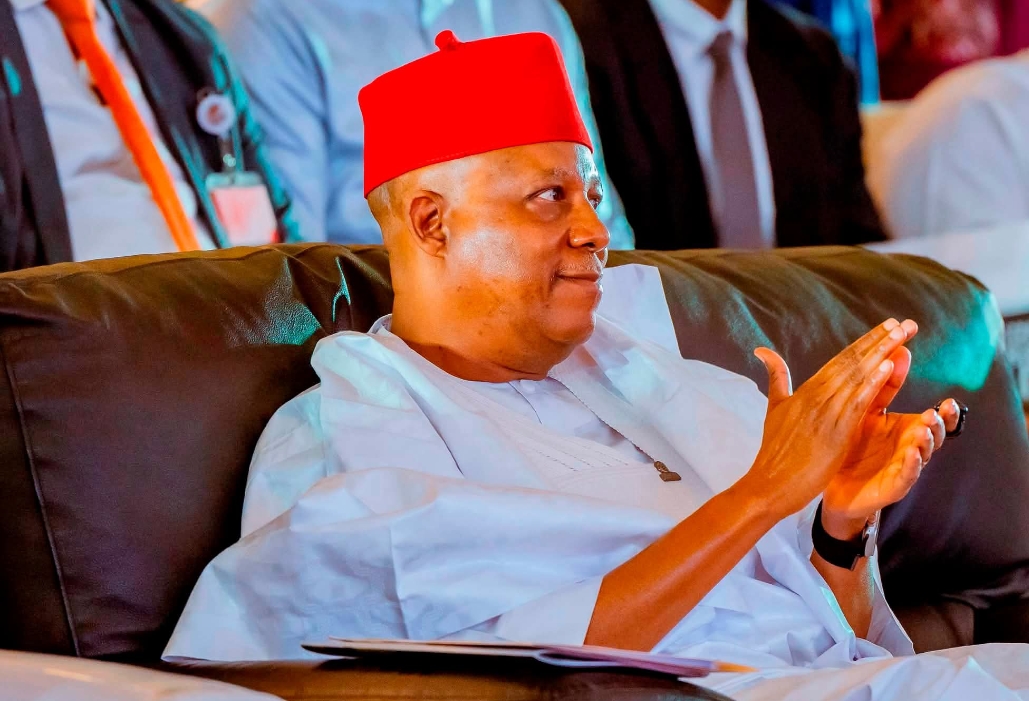
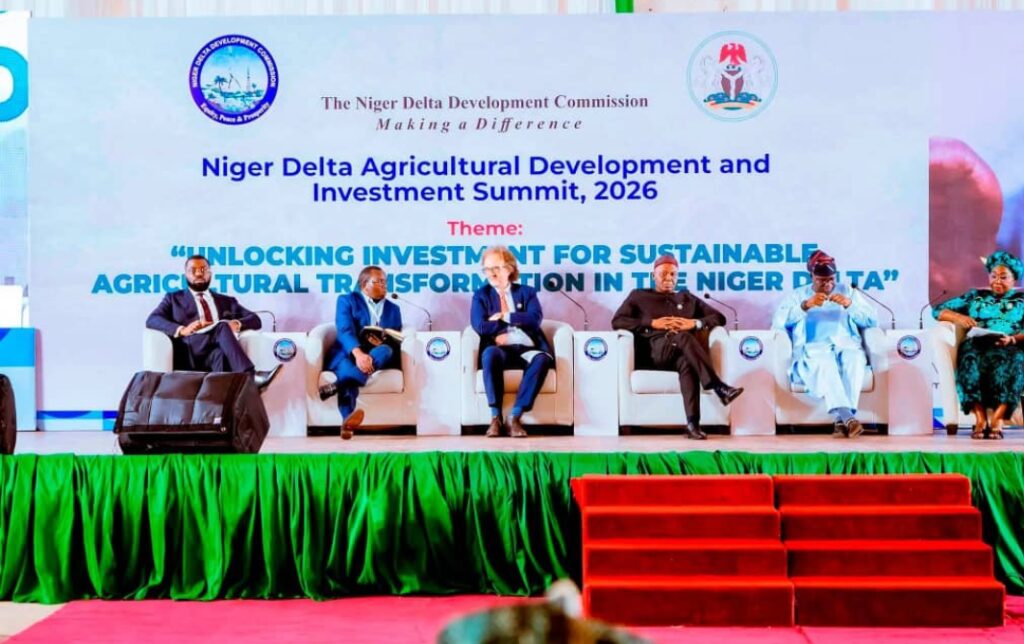
The Vice President of Nigeria, Kashim Shettima, has declared open the Niger Delta Agricultural Development and Investment Summit, co-convened by his office and the Niger Delta Development Commission (NDDC). This event marks a decisive step toward rekindling the agricultural heritage of the Niger Delta, anchored by the launch of the $500 million Niger Delta Agricultural Investment Fund.
Kashim Shettima’s eloquent remarks as they reverberated through the crowd pointed out that while nations rely on a variety of resources, their endurance hinges on their capacity to feed themselves. His assertion that agriculture serves as both the foundation of civilization and the foremost guarantor of political stability forms a compelling argument for an urgent and strategic investment in this sector.
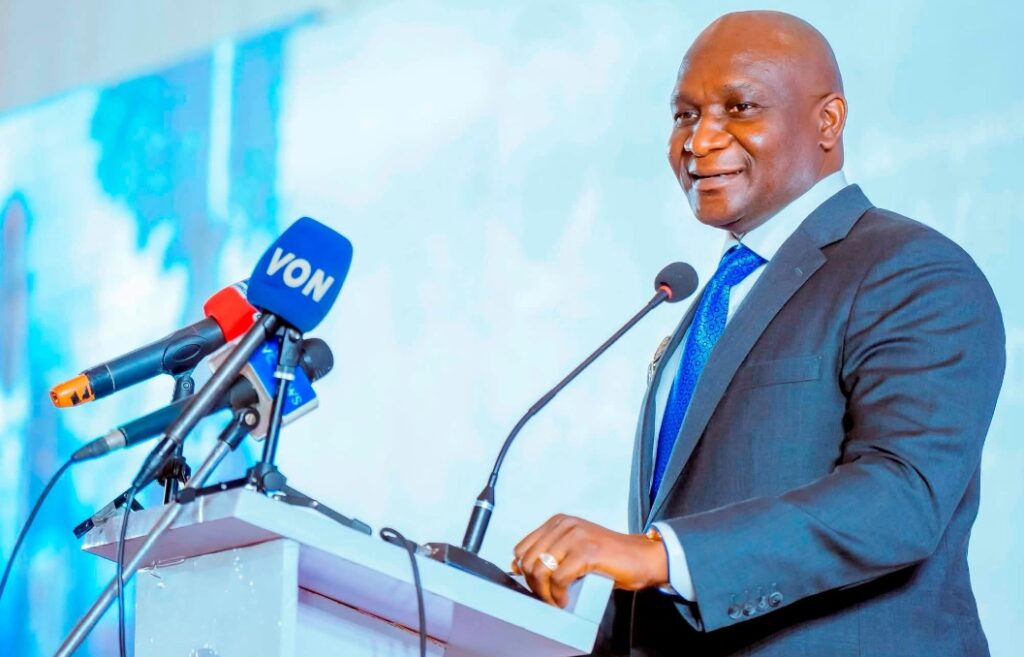
The call for agricultural revitalization in the Niger Delta, emphasizing its critical role in national stability, economic diversification, and sustainable development, speaks volumes of the impact of the Tinubu and Kashim Shettima administrations in this sector. The VP’s message can better be appreciated through the lens of history and economic identity. Prior to the discovery of oil, Nigeria’s economy was fundamentally agrarian. The fertile soils of regions like the Niger Delta were the backbone of local livelihoods and a vital source of revenue. Agriculture provided employment for the majority and supplied food both for domestic consumption and export. Yet, decades of oil dominance have shifted national focus and investment away from agriculture to the detriment of the sector and overall economic resilience.
This shift has had profound consequences. Dependency on oil exports has rendered Nigeria vulnerable to volatile global oil prices and external shocks, leading to economic instability. Adding to this is the neglect of agriculture. This has exacerbated rural poverty, especially in the Niger Delta regions, where environmental degradation and limited economic diversification have compounded socio-economic challenges. The vice president’s emphasis on reinvigorating agriculture is therefore not only a nod to history but also an urgent strategy to reclaim sustainability and inclusive prosperity.
One of the most persuasive points made by Vice President Shettima is the intrinsic link between agriculture and political stability. Agriculture provides food security, which is foundational to societal peace. When a nation struggles to feed its population, social unrest, economic disparity, and political volatility often follow. In contrast, countries that maintain a robust agricultural base tend to enjoy greater internal peace and cohesion because their citizens’ basic needs Countries with a strong agricultural base tend to experience greater internal peace and cohesion, as they meet their citizens’ basic needs..
In the context of the Niger Delta, a region that has experienced significant unrest and militancy largely due to economic marginalization and environmental degradation, leveraging agriculture can act as a transformative stabilizing force. By creating jobs, improving incomes, and enhancing food self-sufficiency, agricultural development can reduce desperation and conflict drivers. It offers a tangible pathway for empowerment and reconciliation, fostering a positive cycle of peace and progress.
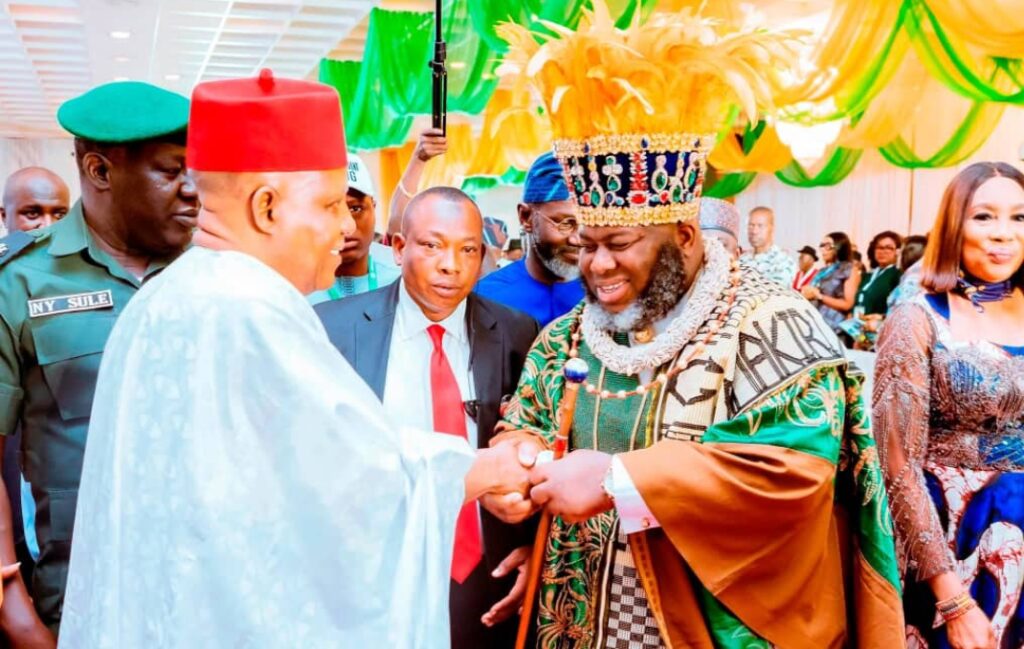
Shettima pointed out that Nigeria’s over-reliance on oil is widely recognized as a central challenge to long-term economic sustainability. The global energy transition and fluctuating oil markets make diversification imperative. Agriculture, with its extensive value chains spanning production, processing, marketing, and export, presents a promising avenue for economic diversification.
The $500 million Niger Delta Agricultural Investment Fund represents a bold commitment to capitalize on the region’s natural endowments. Strategic investment in modern farming techniques, infrastructure, agribusiness, and market access will unlock vast opportunities. It will stimulate rural economies, expand the industrial base, and create resilience against external shocks. Moreover, integrating agriculture with technology and innovation can position Nigeria as a competitive player in global agricultural markets.
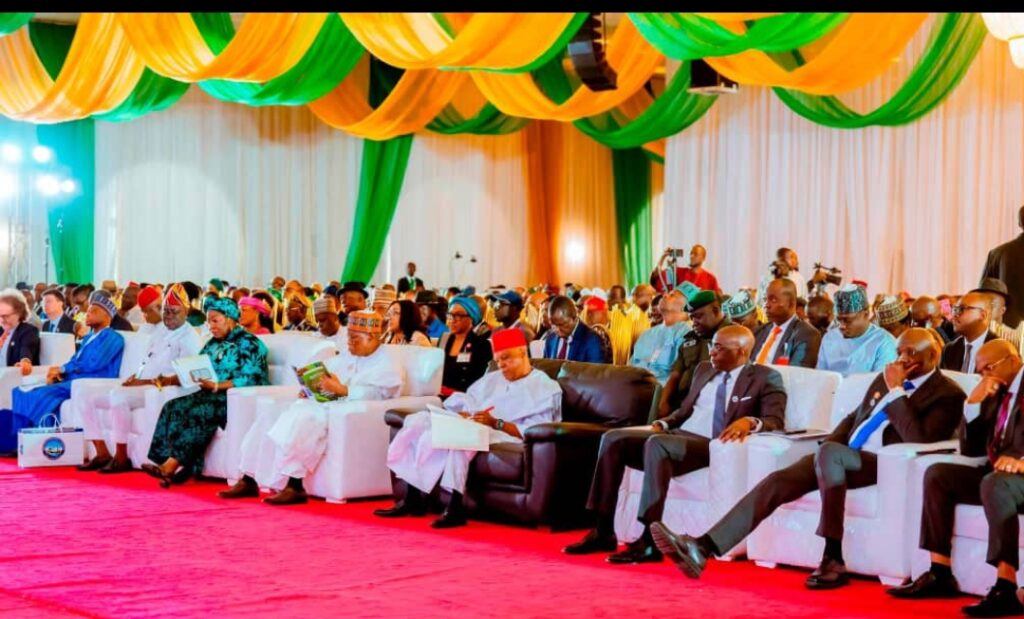
The Niger Delta has suffered ecological harm from decades of oil exploration, including pollution and land degradation. These environmental issues have compromised agricultural productivity and public health. Consequently, a renewed agricultural focus must also embrace environmental restoration and climate adaptation strategies.
Investing in sustainable farming methods, soil rehabilitation, and water management will restore the land’s fertility and mitigate adverse environmental impacts. Furthermore, agriculture can play a vital role in climate change mitigation through carbon sequestration and biodiversity conservation. Thus, the agricultural revitalization agenda aligns with Nigeria’s broader commitments to environmental stewardship and sustainable development goals.
For the vision articulated by Vice President Shettima to materialize, coordinated action and steadfast commitment from all stakeholders are indispensable. The government must provide enabling policies, facilitate access to finance, improve rural infrastructure, and support farmer education and research. Equally, private sector participation and community engagement will be critical in ensuring the fund translates into meaningful ground-level outcomes.
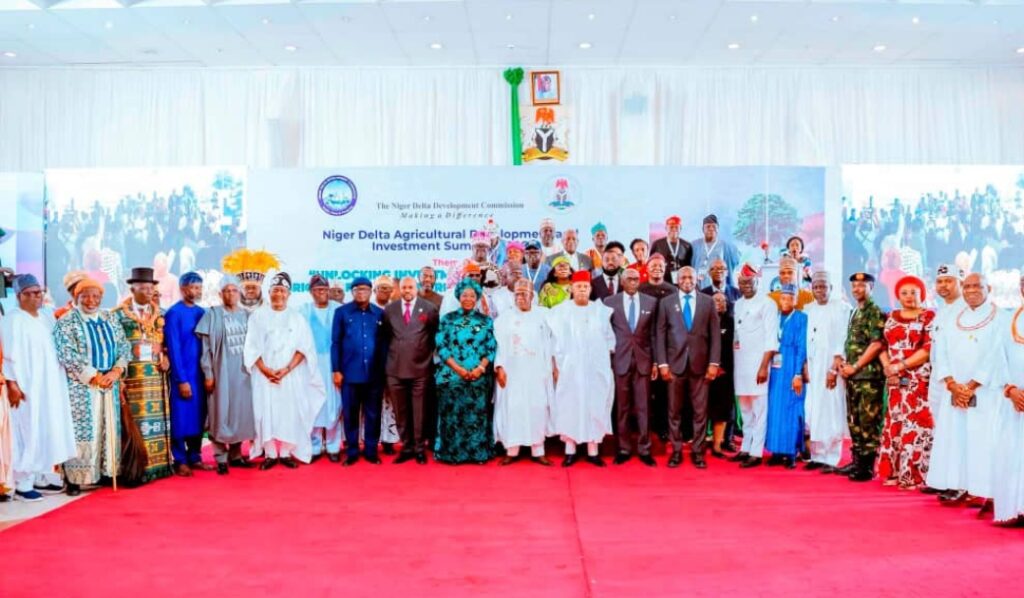
Public-private partnerships can accelerate technology transfer and market integration, while local communities’ involvement ensures culturally sensitive and inclusive development practices. Transparency and accountability in fund management will safeguard the initiative’s efficacy and public trust.
The Niger Delta Agricultural Development and Investment Summit, and the historic launch of the $500 million Agricultural Investment Fund, represent a moment in Nigeria’s quest for sustainable development. Vice President Kashim Shettima’s insightful declaration highlights the unassailable importance of agriculture as the bedrock of civilization, political stability, and economic resilience. For a nation whose foundations were rooted in agrarian prosperity before oil, the time to rekindle that legacy is now.
The Niger Delta, endowed with rich soils and a hardworking populace, can lead Nigeria’s agricultural renaissance. Through deliberate investment, environmental restoration, and strategic partnerships, the region can emerge stronger, more stable, and more prosperous. Embracing agriculture not as a fallback but as a frontline driver of national progress is not merely an option—it is an imperative for the enduring well-being of Nigeria and its people. The Niger Delta Agricultural Development and Investment Summit symbolizes hope and determination, signaling that Nigeria will no longer take its agricultural promise for granted but will harness it fully to feed its future.
James Bwala, PhD, writes from Abuja.
Kashim Shettima: The Imperative of Agricultural Revitalization and the Case for the Niger Delta’s Agrarian Future
Features/Analysis
IFAD: When Kyari speaks of President Tinubu’s continued support for agriculture and food security in Nigeria
IFAD: When Kyari speaks of President Tinubu’s continued support for agriculture and food security in Nigeria
By: Dr. James Bwala
At the 49th session of the International Fund for Agricultural Development (IFAD), Nigeria’s Honorable Minister of Agriculture and Food Security, Senator Abubakar Kyari, delivered a powerful closing statement that underscored the crucial role of agriculture in Nigeria’s socioeconomic landscape. His remarks not only highlighted the ongoing support from President Bola Ahmed Tinubu but also made a persuasive case for the importance of an unwavering commitment to food security and agricultural transformation. Indeed, Kyari’s endorsement of President Tinubu’s agricultural policies reflects a broader vision for Nigeria’s development and why such support is vital for both national prosperity and global food security.
Senator Kyari opened his statement with a note of gratitude for being elected as the chairperson of IFAD, an organization that plays a pivotal role in enhancing food security and agricultural development across the globe. This acknowledgment was not just a formality—it set the tone for what would follow. While expressing appreciation for President Tinubu’s steadfast dedication to agriculture, Kyari positioned the Nigerian leadership as progressive and forward-thinking in a time when the world grapples with pressing issues of food scarcity, climate change, and economic instability.
READ ALSO: https://newsng.ng/confidence-hope-for-nigerias-agriculture-president-tinubus-message-to-sen-kyari/
Sen. Kyari said the importance of food security cannot be overstated. Noting that it is the bedrock of societal stability and economic growth. Indeed, in Nigeria, a country that relies heavily on agriculture, it is imperative that government leaders prioritize initiatives that bolster food production and ensure that every citizen has access to nutritious food. Senator Kyari emphasized that President Tinubu’s policies are oriented towards achieving this goal, which speaks volumes about the administration’s commitment to addressing the needs of the population. When leaders demonstrate a resolute focus on agricultural reforms, they ignite hope and inspire confidence among the citizens, particularly in rural areas where livelihoods largely depend on farming.
Sen. Kyari articulated a vision for agricultural transformation that extends beyond mere rhetoric; it encompasses actionable frameworks and policies aimed at improving productivity, supporting farmers, and building sustainable supply chains. The senator’s acknowledgment of rural communities—specifically mentioning both women and men—reflects an understanding of the integral role that gender equity plays in agricultural development. While he includes both demographics in his remarks, Kyari reinforces the notion that empowering women farmers and entrepreneurs is essential for achieving comprehensive food security. Indeed, studies consistently show that when women have equal access to resources, education, and decision-making processes in agriculture, communities thrive.
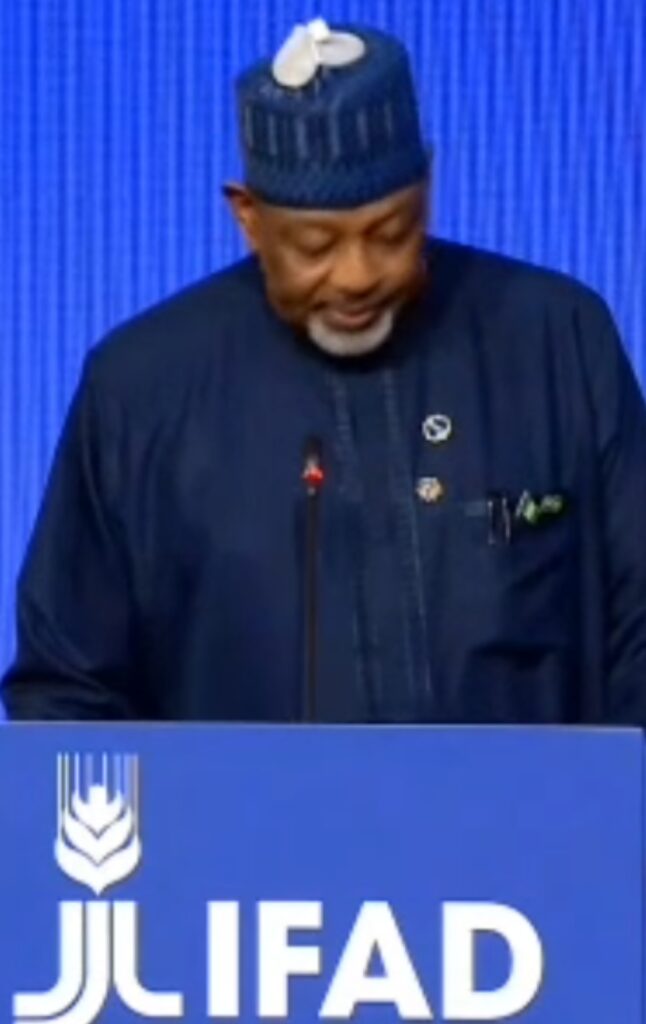
It is worth noting that the transformative efforts in agriculture are not solely a domestic issue but resonate on a global scale. As nations confront interconnected challenges like food insecurity, climate change, and geopolitical tensions, cooperative engagement becomes paramount. Senator Kyari’s emphasis on Nigeria’s constructive participation in global food security governance illustrates the need for countries to collaborate and share best practices to create resilient agricultural systems. Kyari noted that in a world where food supplies can be disrupted by unpredictable climate patterns and trade conflicts, having strong national policies in place can support international stability.
He states that President Tinubu’s administration is entering a phase marked by increased investment in agricultural infrastructure, research and development, and farmer support programs. His statement serves to reinforce this narrative and catalyze further discussions around resource allocation for agriculture. For instance, improving irrigation systems, providing better access to credit, and enhancing extension services are critical steps that can transform the sector. These initiatives not only secure food sources but also stimulate economic growth through job creation and increased agricultural exports.
READ ALSO: https://newsng.ng/confidence-hope-for-nigerias-agriculture-president-tinubus-message-to-sen-kyari/
Sen. Kyari’s leadership at the IFAD sends a message of Nigeria’s readiness to collaborate with other countries in tackling shared challenges. As global food demands rise, the ability to contribute to and shape international dialogues on agriculture becomes vital. Nigeria stands at a crucial intersection, where its actions can influence broader trends in agricultural policy and food security efforts worldwide. The senator’s humility, expressed in acknowledging his responsibilities toward rural communities, hints at a collaborative spirit that prioritizes dialogue and partnership over isolationism.
In discussing the support from President Tinubu, Kyari highlighted that such endorsement is not just symbolic; it translates into real changes on the ground. The current administration recognizes that modernizing agriculture requires holistic approaches that integrate technology, sustainability, and community engagement. This includes investing in agricultural research institutions, promoting innovative farming techniques, and harnessing technology to enhance yield and efficiency.
READ ALSO: https://newsng.ng/confidence-hope-for-nigerias-agriculture-president-tinubus-message-to-sen-kyari/
As the global community looks toward sustainable development goals, Nigeria’s agricultural agenda must align with these aspirations. The zero hunger goal, for example, emphasizes that food should be available, accessible, and nutritious for all individuals. Kyari’s reiteration of President Tinubu’s support for agriculture thus positions Nigeria as a proactive partner in the global mission to eradicate hunger. This vision must be backed by strategic planning and effective implementation to ensure that the promises made resonate in the lives of Nigerians, especially those in the most vulnerable communities.
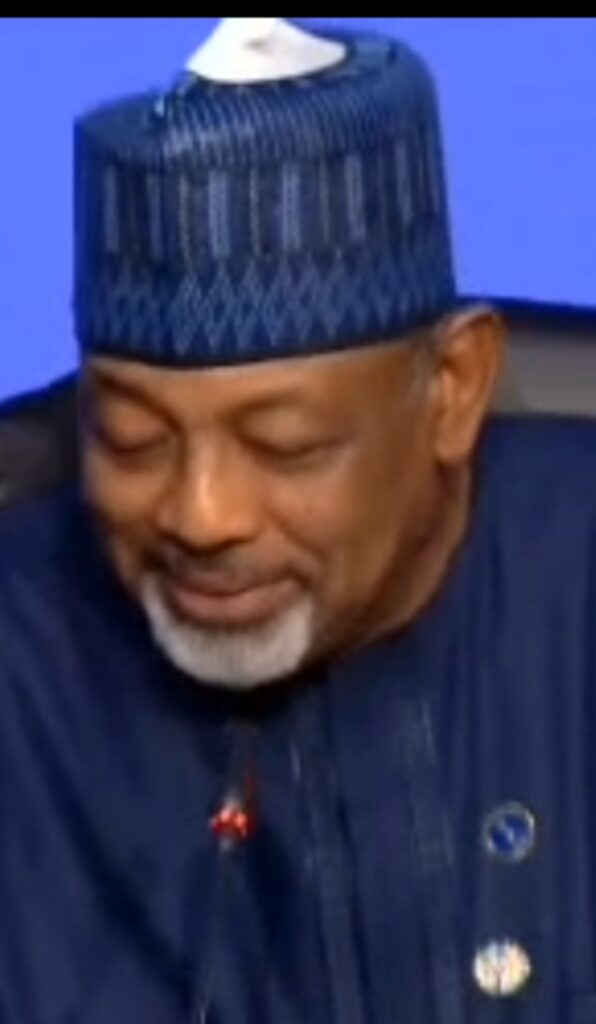
The minister’s remarks signify an essential reorientation towards climate-smart agriculture. As the effects of climate change become increasingly evident, traditional farming practices may no longer suffice. Therefore, adopting strategies that promote resilience—such as diversifying crops, utilizing drought-resistant seeds, and implementing sustainable land management practices—is crucial. Sen. Kyari’s acceptance of the chairmanship at IFAD reflects an understanding of these complexities, establishing a platform where Nigeria can advocate for adaptive measures suited to its unique environment.
Indeed, Senator Abubakar Kyari’s address at the 49th session of IFAD effectively conveyed the significance of President Bola Ahmed Tinubu’s support for agricultural initiatives in Nigeria. This backing is not merely political; it represents a strategic thrust towards addressing food security, supporting rural livelihoods, and participating actively in global conversations about agriculture.
READ ALSO: https://newsng.ng/confidence-hope-for-nigerias-agriculture-president-tinubus-message-to-sen-kyari/
As Nigeria navigates its path toward agricultural transformation, the leadership’s commitment paves the way for sustainable development that uplifts communities, empowers individuals, and ultimately contributes to a more secure and stable global food system. With collaborative efforts at the national and international levels, Nigeria has the potential to emerge as a key player in shaping the future of agriculture and food security, fostering a safer and more equitable world for all.
* James Bwala, PhD, writes from Abuja.
IFAD: When Kyari speaks of President Tinubu’s continued support for agriculture and food security in Nigeria
Features/Analysis
Nigeria’s Minister of Agriculture and Food Security, Sen. Abubakar Kyari: A Strategic Leadership for Global Agricultural Governance
Nigeria’s Minister of Agriculture and Food Security, Sen. Abubakar Kyari: A Strategic Leadership for Global Agricultural Governance
By: Dr. James Bwala
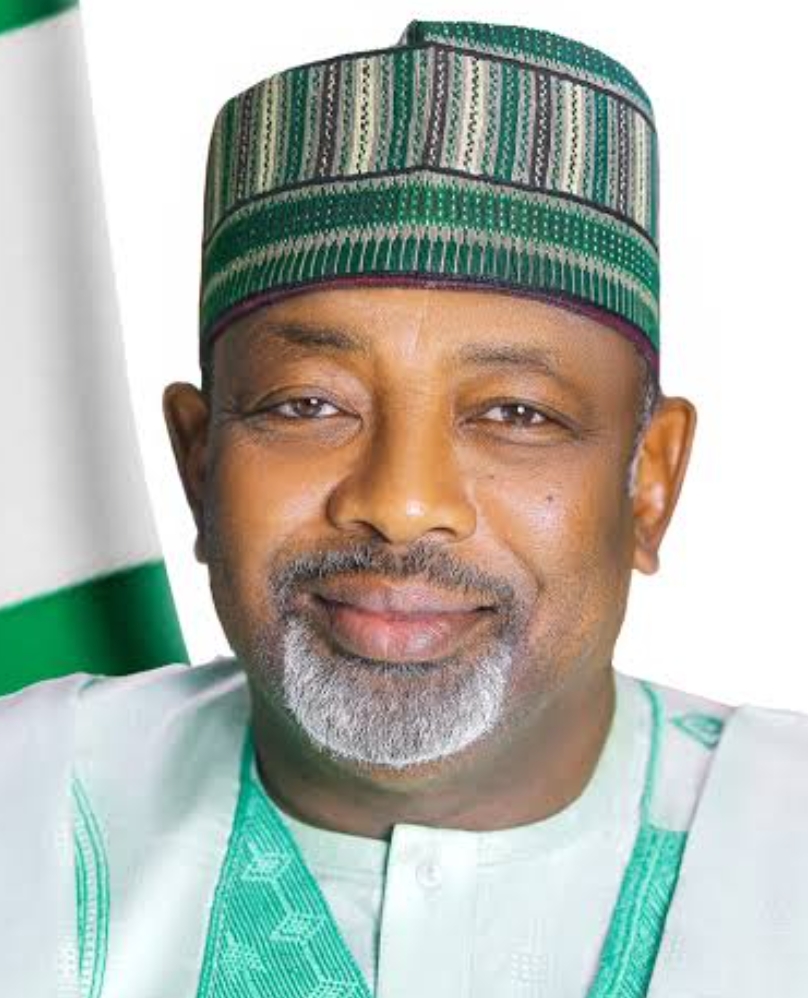
On February 10, 2026, during the 49th Session of the International Fund for Agricultural Development (IFAD) Governing Council Meeting in Rome, Italy, Nigeria’s Minister of Agriculture and Food Security, Sen. Abubakar Kyari, CON, ascended to the prestigious role of Chairperson of the Governing Council of IFAD. This appointment marks a significant moment not only in Sen. Kyari’s career but also symbolically represents Nigeria’s emerging prominence on the global agricultural stage. His election can be interpreted as a reflection of both personal merit and broader geopolitical shifts within agricultural governance, particularly concerning food security and rural poverty alleviation.
The International Fund for Agricultural Development, a specialized agency of the United Nations, is dedicated to eradicating rural poverty and strengthening food systems worldwide through targeted investments and partnerships. With the world grappling with unprecedented challenges such as climate change, economic instability, conflict, and demographic shifts, the need for effective leadership in agricultural governance has never been more urgent. Sen. Kyari’s previous experience as vice chair of the governing council positions him uniquely to leverage his understanding of IFAD’s operational framework to foster innovative solutions that address these pressing issues.
READ ALSO: https://newsng.ng/distinguished-senator-abubakar-kyari-a-leader-in-his-season/
Sen. Kyari, upon accepting his new responsibility, expressed a commitment to lead with humility, fairness, inclusiveness, and strategic foresight. He emphasized the importance of consensus-building and maintaining the integrity of IFAD. This foundational philosophy is pivotal, especially in a time when global agricultural policies are often polarized and contentious. His approach underscores that effective leadership must prioritize collaboration over division, which is essential for developing comprehensive strategies tailored to tackle the multifaceted challenges facing the agricultural sector today.
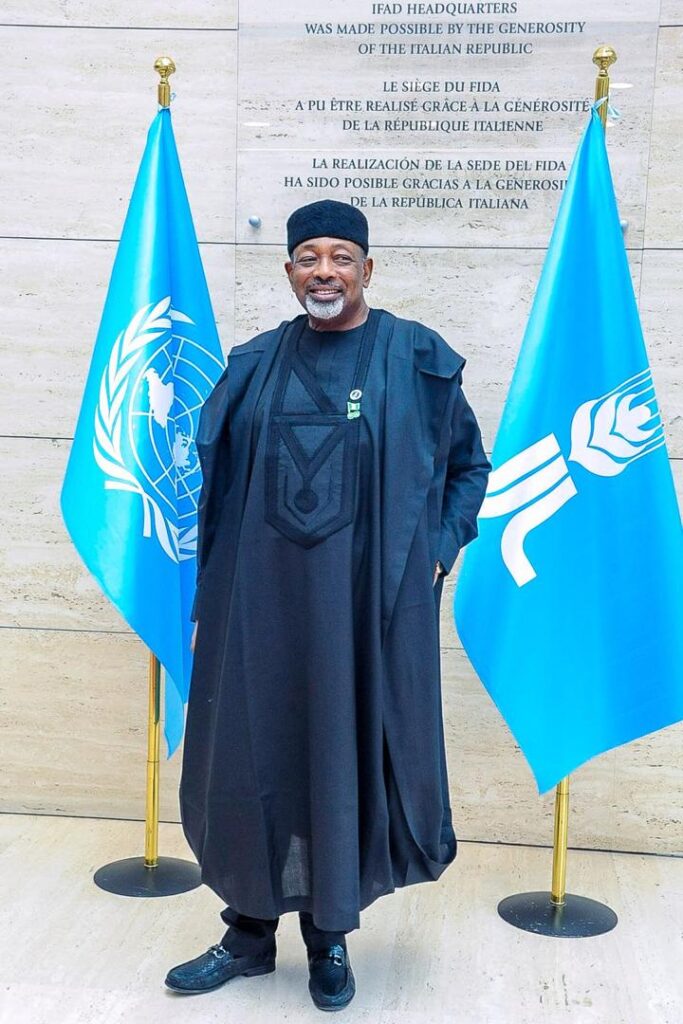
The minister acknowledged the backing of key figures within Nigeria’s agricultural hierarchy, including the Minister of State for Agriculture and Food Security, Sen. Dr. Aliyu Sabi Abdullahi, CON, and the Permanent Secretary, Engr. Dr. Marcus Olaniyi Ogunbiyi, FNSE. Such collaborative leadership is vital for advancing Nigeria’s agenda on food security, aligning with President Bola Ahmed Tinubu’s Renewed Hope Agenda. This agenda not only emphasizes agricultural transformation but also seeks to strengthen domestic reforms that enhance Nigeria’s position in global food security governance. Consequently, Sen. Kyari’s election as chairperson is an endorsement of Nigeria’s ongoing efforts to elevate its voice in critical international dialogues about food systems and sustainability.
In the current climate of adversity—characterized by climate variability, fluctuating market prices, and geopolitical tensions—the appointment of an African leader to such a significant role at IFAD is both timely and necessary. Sen. Kyari’s election reflects a growing recognition of Africa’s capacity to lead conversations on agricultural governance, especially given the continent’s unique challenges and opportunities. His leadership could pave the way for innovative, region-specific solutions that prioritize resilience and inclusivity, addressing not just food security but also the economic empowerment of rural communities.
READ ALSO: https://newsng.ng/distinguished-senator-abubakar-kyari-a-leader-in-his-season/
As Senator Abubakar Kyari begins his tenure, he faces the dual challenge and opportunity of steering the IFAD towards policies that are both policy-driven and impact-focused. The imperative for responsive agricultural policies has never been more pronounced, particularly in light of the COVID-19 pandemic, which unmasked vulnerabilities in food systems worldwide. Approaches that champion inclusive growth opportunities for marginalized populations can work harmoniously with sustainable development goals, creating a blueprint for a robust agricultural future.
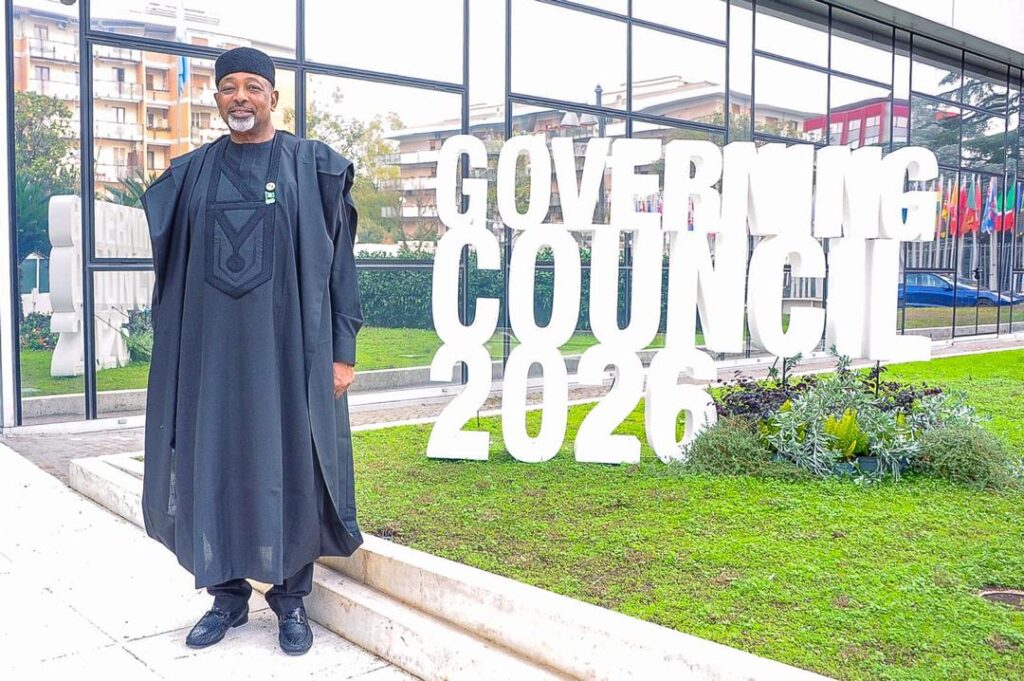
The newly elected Chairperson has asserted his intention to work diligently with Member States to advance rural transformation and global food security. This vision aligns impeccably with the creation of resilient agricultural systems capable of withstanding shocks, ensuring continuity in food supply chains, and safeguarding against the adverse effects of changing climatic conditions. His commitment to fostering forward-thinking policies, underpinned by research and innovation, will undoubtedly inspire stakeholders to collaborate in developing initiatives that bolster agricultural productivity, empower farmers, and ultimately contribute to poverty reduction.
Additionally, it is essential to focus on the long-term implications of Sen. Kyari’s role at IFAD on Nigeria and the broader African continent. His election could catalyze increased investment and attention towards African agricultural practices, empowering local farmers and enhancing agricultural research and development. By championing initiatives that embrace technology and innovation, such as smart agriculture and sustainable practices, this leadership can usher in a new era for African agriculture—one that is resilient, competitive, and recognized on the global stage.
The integration of environmentally sustainable practices into agricultural initiatives will be another crucial area of focus for Senator Abubakar Kyari. Climate change presents a formidable challenge to food security, and agricultural policies must evolve to mitigate these risks. The introduction of agro-ecological practices, investment in renewable energies within the agricultural sector, and promoting biodiversity could become central tenets of his strategy. By prioritizing sustainability, Senator Kyari can lead IFAD into a future where agricultural productivity does not compromise the health of ecosystems or the livelihoods of future generations.
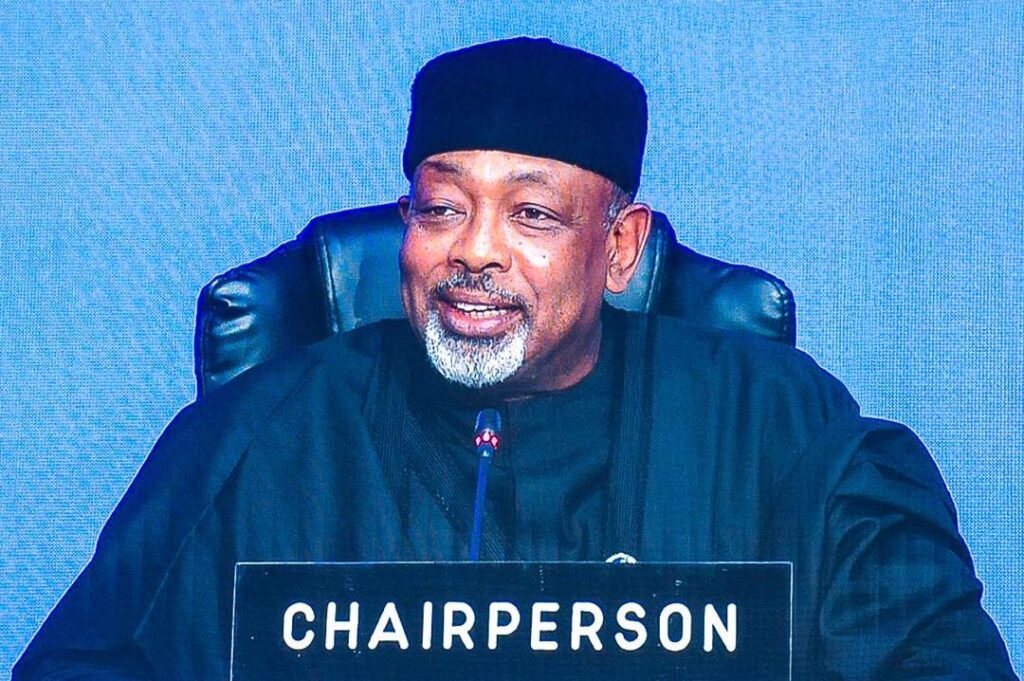
Furthermore, the current global economic climate, marked by unpredictability, necessitates a profound reevaluation of traditional agricultural practices. The volatility caused by internal conflicts, trade disputes, and supply chain disruptions demands agile and adaptive strategies. Under Senator Abubakar Kyari’s guidance, IFAD can pivot towards building frameworks that enhance food sovereignty, engage local communities in decision-making processes, and promote regional cooperation among member states. Such efforts are critical in developing agricultural sectors that are self-sufficient and resilient to external shocks.
Senator Abubakar Kyari’s presence at the helm of IFAD serves as a beacon of hope for millions affected by rural poverty. His leadership promises to amplify the voices of those often overlooked in agricultural discussions—smallholder farmers, women, and youth—ensuring their needs and aspirations are prioritized in policy frameworks. Inclusion is not just a moral imperative; it is fundamental to crafting policies that yield tangible results and foster sustainable development.
READ ALSO: https://newsng.ng/distinguished-senator-abubakar-kyari-a-leader-in-his-season/
Indeed, Senator Abubakar Kyari’s election as Chairperson of the Governing Council of IFAD presents a watershed moment for Nigeria and Africa at large. His leadership embodies a strategic shift towards inclusive and sustainable agricultural governance amidst evolving global challenges. With a commitment to fairness, consensus-building, and visionary policy-making, Senator Kyari stands poised to steer IFAD toward impactful initiatives that address the pressing realities of food security and rural transformation. As Nigeria continues to assert itself on the global stage, Kyari’s tenure represents an opportunity not only for national progress but also for redefining agricultural pathways across the African continent and beyond.
* James Bwala, PhD, writes from Abuja.
Nigeria’s Minister of Agriculture and Food Security, Sen. Abubakar Kyari: A Strategic Leadership for Global Agricultural Governance

Borno: Zulum Deepens UMTH Partnership, Targets Medical Equipment for 20 Borno Hospitals

Gombe govt, UNICEF launch project to tackle malnutrition

Ex-CDS Petinrin Lauds DSS On Oriire Rescue

Roger Federer’s Shock as DNA Results Reveal Myla and Charlene Are Not His Biological Children

THE PLIGHT OF FARIDA

FAILED COUP IN BURKINA FASO: HOW TRAORÉ NARROWLY ESCAPED ASSASSINATION PLOT AMID FOREIGN INTERFERENCE CLAIMS
-
 News2 years ago
Roger Federer’s Shock as DNA Results Reveal Myla and Charlene Are Not His Biological Children
-
Opinions4 years ago
THE PLIGHT OF FARIDA
-
 News1 year ago
FAILED COUP IN BURKINA FASO: HOW TRAORÉ NARROWLY ESCAPED ASSASSINATION PLOT AMID FOREIGN INTERFERENCE CLAIMS
-

 News2 years ago
EYN: Rev. Billi, Distortion of History, and The Living Tamarind Tree
-
 Opinions5 years ago
POLICE CHARGE ROOMS, A MINTING PRESS
-

 ACADEMICS2 years ago
A History of Biu” (2015) and The Lingering Bura-Pabir Question (1)
-

 Columns2 years ago
Army University Biu: There is certain interest, but certainly not from Borno.
-

 Politics1 year ago
2027: Why Hon. Midala Balami Must Go, as Youths in Hawul and Asikira/Uba Federal Constituency Reject ₦500,000 as Sallah Gift
