
News
Residents Repel Bandit Attack in Sokoto, Neutralise One Assailant


Residents Repel Bandit Attack in Sokoto, Neutralise One Assailant
By: Zagazola Makama
Residents of Achida community in Wurno Local Government Area of Sokoto State have successfully repelled a bandit attack, in what has been described as a rare display of coordinated community self-defence.
Security and local sources said the incident occurred when armed bandits stormed the community, but were met with stiff resistance from residents and local vigilante groups who mobilised quickly to confront the attackers.
The villagers reportedly engaged the assailants directly, forcing them to retreat after a brief confrontation.
During the encounter, one of the suspected bandits was neutralised by the community defence group, while others fled with possible injuries.
The sources commended the courage and unity of the residents, particularly the vigilante members, for their swift response in defending their community against the attack.
Security authorities are expected to continue patrols and follow-up operations in the area to prevent further incidents and track fleeing suspects.
Residents Repel Bandit Attack in Sokoto, Neutralise One Assailant


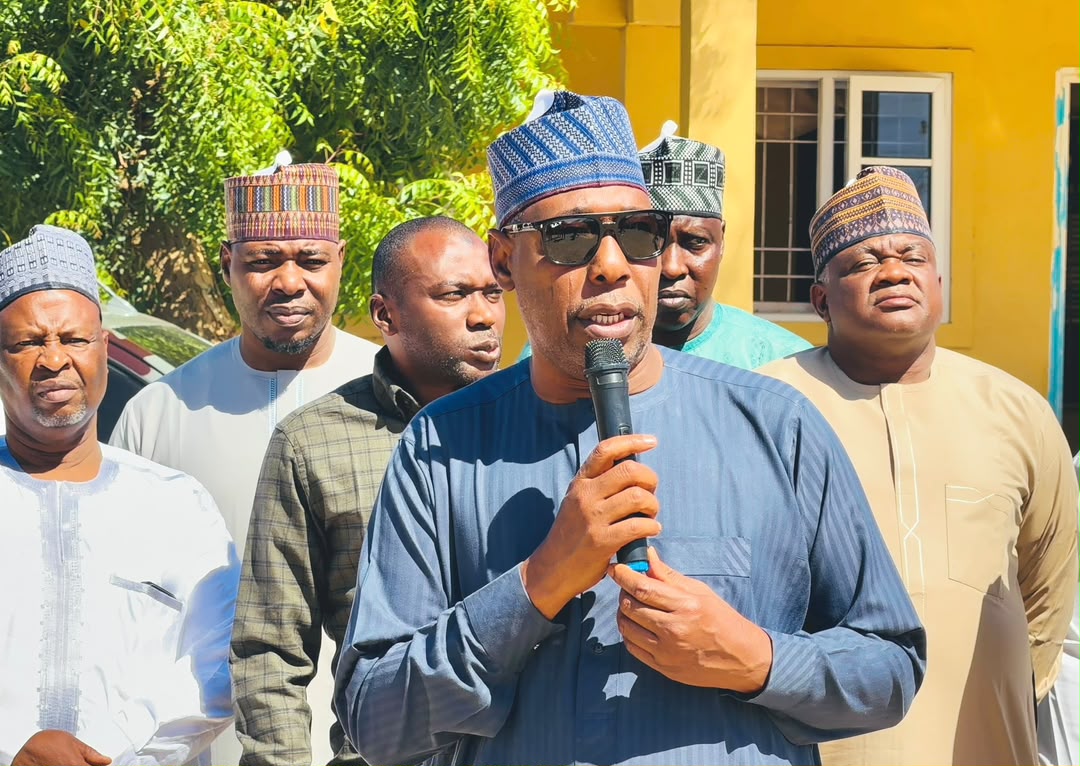
Zulum Orders Suspension of Dikwa Council Secretary, Directors Found Absent on Duty
…Halts Work on Nurses’ Quarters
By: Our Reporter
Borno State Governor, Professor Babagana Umara Zulum, has directed the immediate suspension of the secretary and some directors of Dikwa Local Government Council over alleged neglect of duty.
The Governor issued the directives on Friday during a working visit to Dikwa, where he found several senior council officials absent from their duty posts.
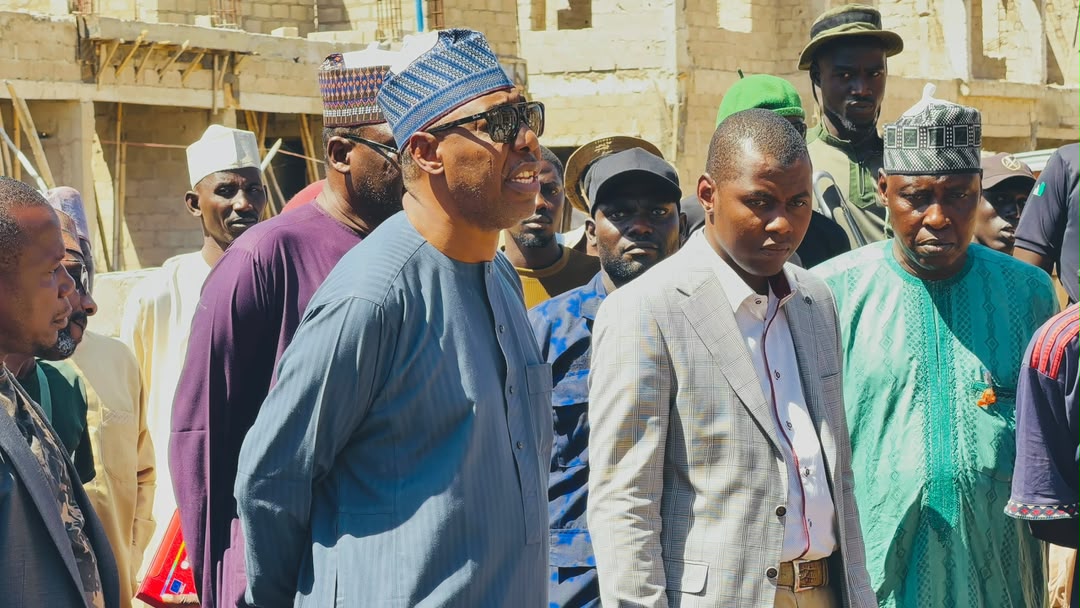
He directed the affected officials to hand over to their respective assistants immediately.
However, the Director of Primary Healthcare and the Education Secretary were exempted from suspension because both were on duty at the time of the visit.
“Residents depend on the local government for essential services. Senior officials must report for duty and carry out their responsibilities.
Those who neglect their duties will face disciplinary action,” Zulum said.
The governor directed the Borno State Local Government Service Commission to compile a list of the affected officials and begin the administrative process of filling the posts to ensure that council services continue.
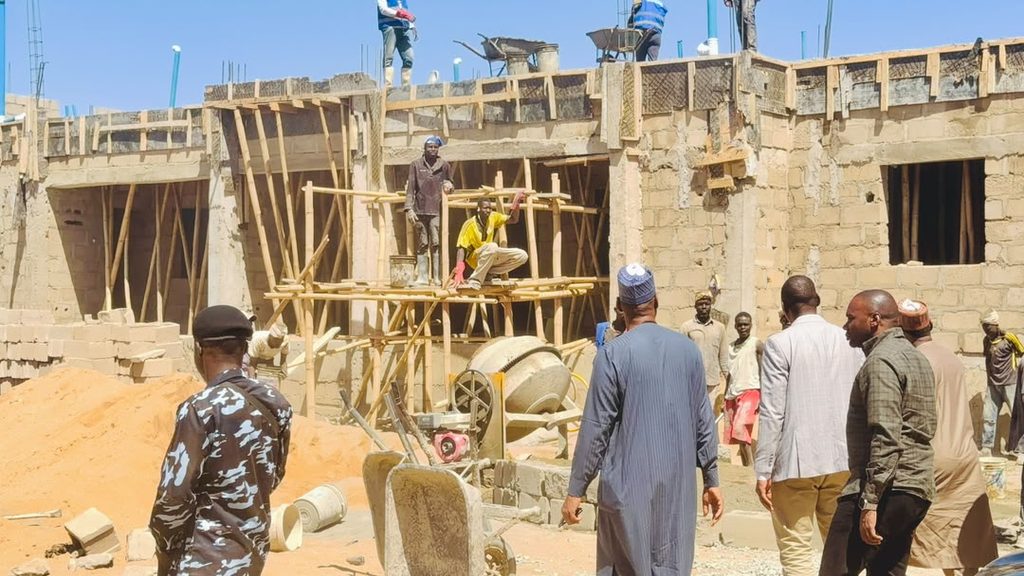
…Zulum halts work on nurses’ quarters
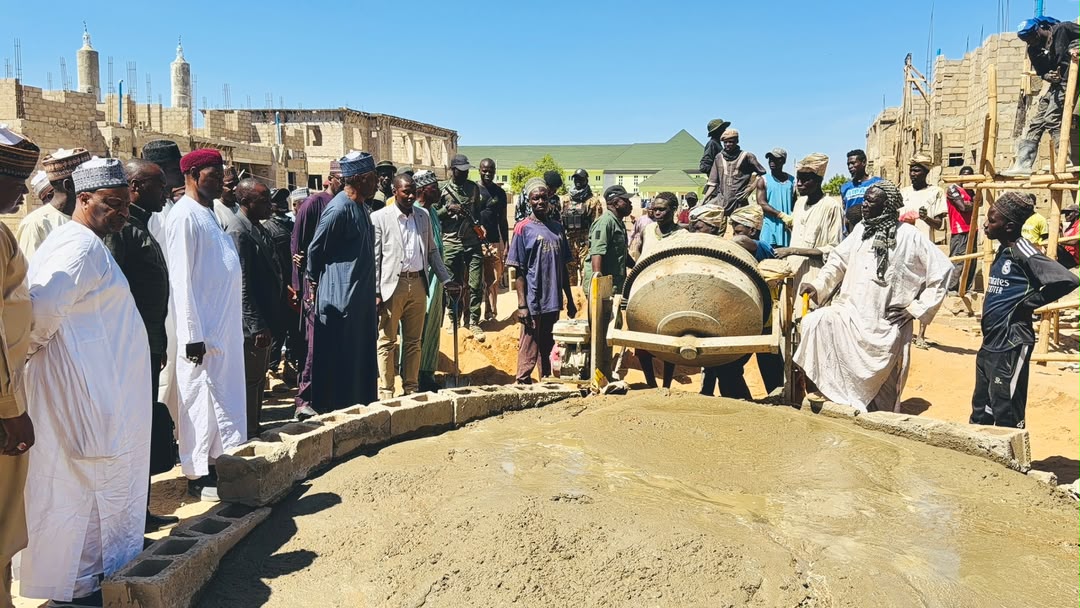
Governor Babagana Zulum also ordered the halting of construction at the nurses’ quarters after raising concerns about the quality of work.
During the visit, Zulum inspected ongoing projects at Dikwa General Hospital, the nurses’ quarters and a mega primary school.
Visibly dissatisfied with the standard of construction at the nurses’ quarters, he ordered work to stop immediately pending the engagement of another contractor.
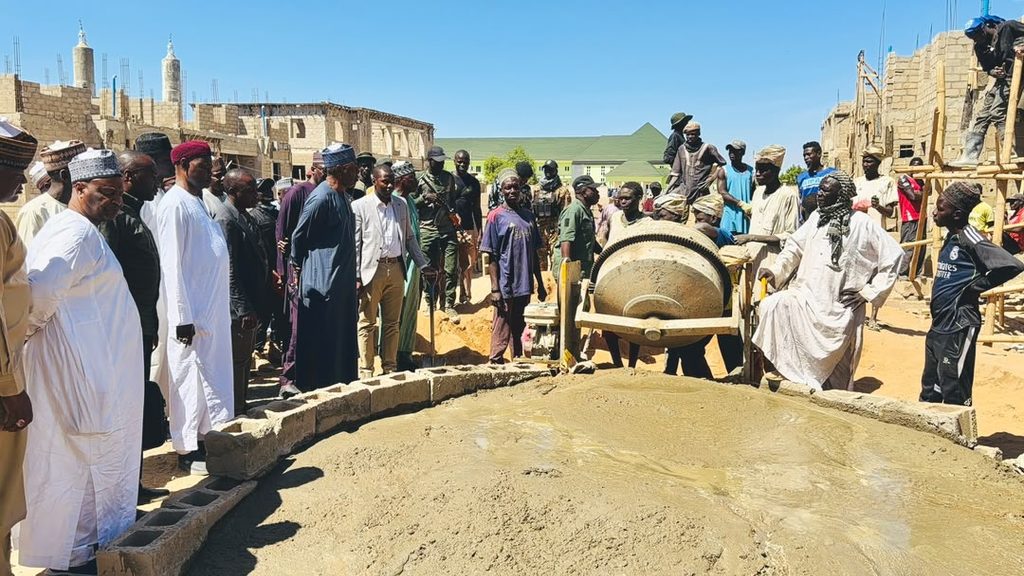
“Public funds must deliver buildings that are safe, durable and fit for use. Every contractor must meet the approved specifications. Those who fail to do so will be held accountable in accordance with the law,” Zulum stated.
Governor Zulum warned that contractors who fail to meet contractual specifications and approved standards would face immediate sanctions.
Zulum Orders Suspension of Dikwa Council Secretary, Directors Found Absent on Duty
Obaze Raises Alarm over Declining Foreign Service Standards, Calls for Diplomatic Reforms
By: Michael Mike
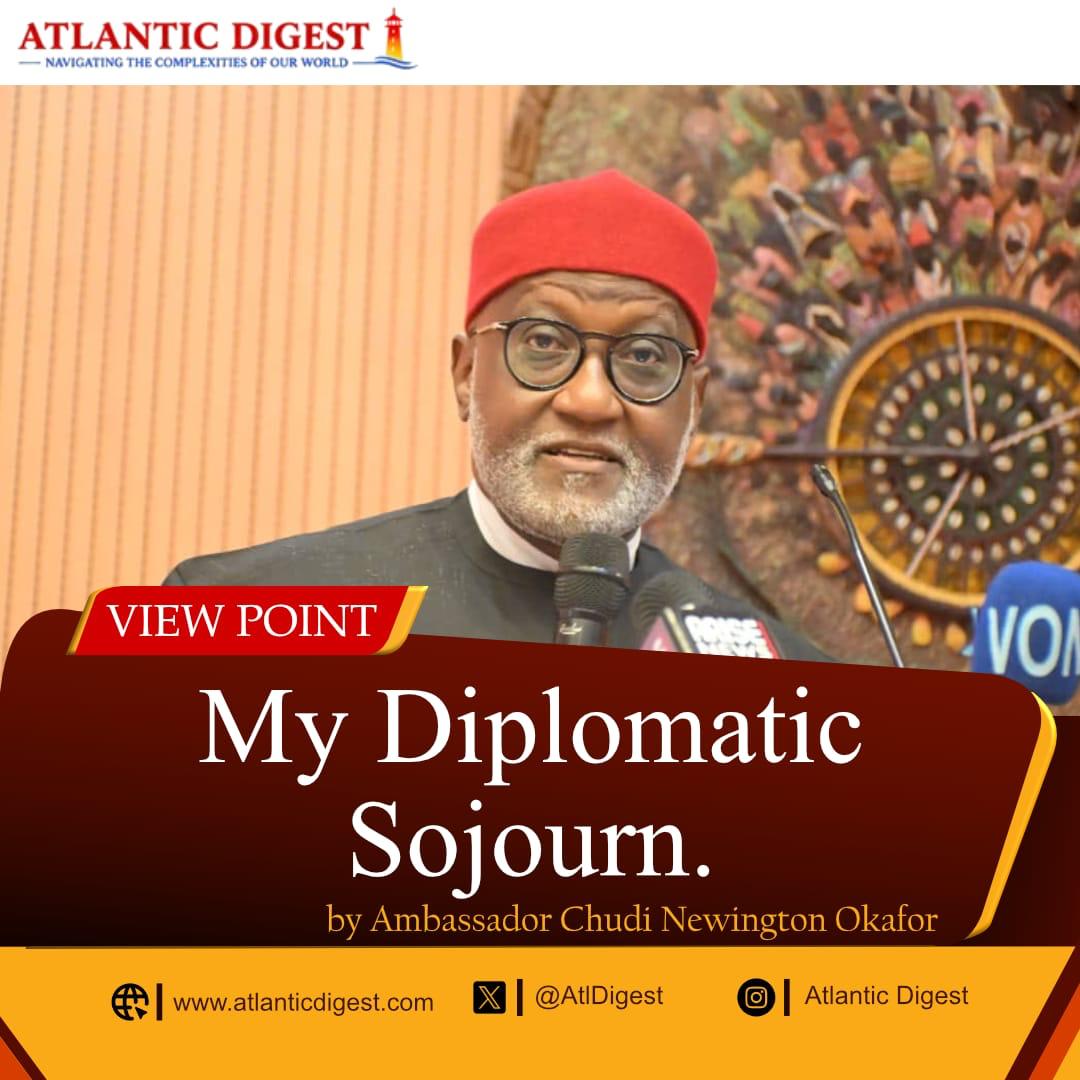
Former Nigerian diplomat and public policy expert, Mr Oseloka Obaze, has expressed concern over the declining professional standards in Nigeria’s Foreign Service, calling for institutional reforms to strengthen the country’s diplomatic capacity, preserve institutional memory and restore professionalism in the conduct of foreign relations.
Obaze also urged retired ambassadors and career diplomats to document their experiences, warning that Nigeria risks losing valuable historical records, institutional knowledge and lessons from decades of diplomatic engagements if such accounts are not preserved for future generations.
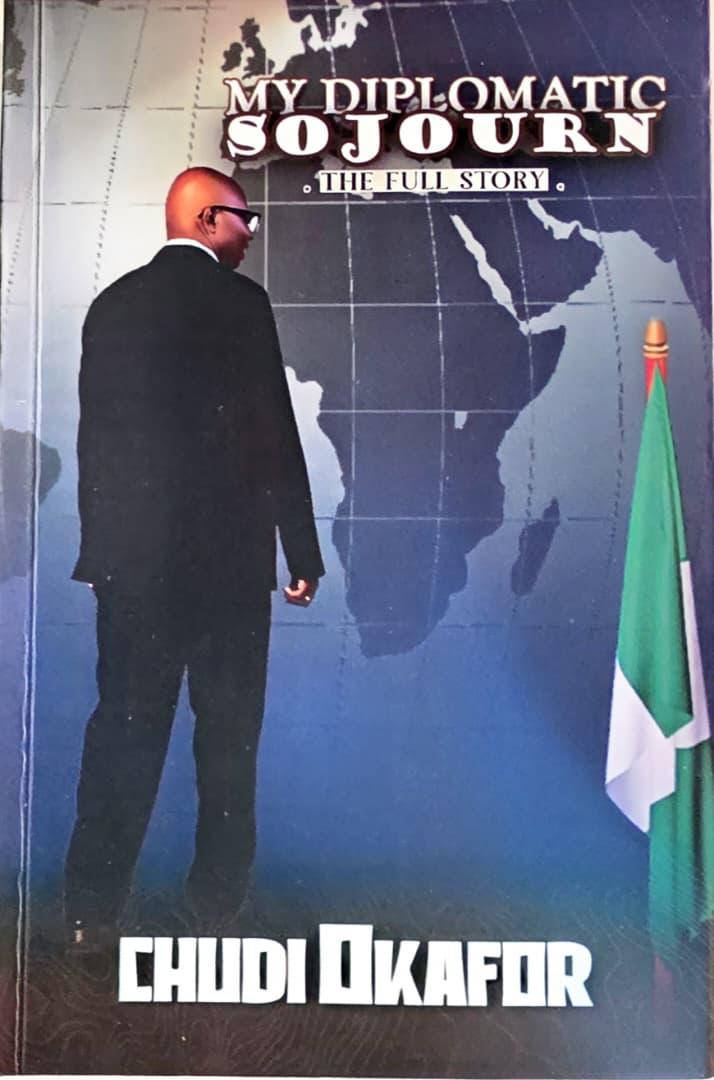
He made the call while reviewing a 377-page memoir, My Diplomatic Sojourn – The Full Story, written by Ambassador Chudi Okafor, a retired career diplomat who served Nigeria for 35 years.
The book review, held at the Ministry of Foreign Affairs in Abuja, provided an opportunity to examine Nigeria’s diplomatic history, the challenges confronting its Foreign Service and the importance of institutional continuity in advancing national interests.
Obaze, a former Secretary to the Anambra State Government under Peter Obi and Willie Obiano, identified administrative bottlenecks and institutional weaknesses as factors undermining the effectiveness of Nigeria’s diplomatic establishment, warning that they had contributed to what he described as a “dilution of foreign service standards.”
He noted that Okafor’s memoir offered valuable insights into the internal workings of Nigeria’s diplomatic service, highlighting the professional demands, administrative challenges and policy considerations that shaped the country’s foreign relations over several decades.
The former diplomat also raised concerns about diplomatic reciprocity in Nigeria’s bilateral relations, citing the country’s engagements with Russia as an example of the need for greater balance and mutual recognition in international partnerships.
He recalled that former President Olusegun Obasanjo undertook an official visit to Russia in March 2001, noting that Russian President Vladimir Putin had yet to make a reciprocal visit to Nigeria as of November 2026.
According to him, Putin’s visits to other African countries, including Egypt, South Africa, Algeria and Libya, raised questions about the level of reciprocal engagement between Nigeria and Russia, despite Nigeria’s strategic importance on the continent.
Obaze’s observations highlighted the need for Nigeria to continually evaluate its diplomatic relationships, strengthen its negotiating position and ensure that bilateral engagements deliver tangible benefits in line with the country’s national interests.
Reviewing the memoir, Obaze commended Okafor for documenting his diplomatic experiences while maintaining the discretion expected of a former public official entrusted with sensitive state information.
He described diplomatic memoirs as important historical resources that provide firsthand accounts of policy formulation, negotiations, international engagements and the institutional circumstances surrounding major foreign policy decisions.
Drawing on the words of English novelist George Meredith, Obaze described memoirs as “the back stairs of history”, noting their importance in revealing experiences and decisions often absent from official records.
He situated Okafor’s publication within Nigeria’s tradition of diplomatic memoir-writing, referencing accounts by distinguished diplomats and public officials, including Simon Adebo, Joe Garba, Olujimi Jolaoso, Olufemi George, Lawrence Agubuzu and Ade Adefuye.
He encouraged other retired diplomats and former foreign ministers to document their experiences, stressing that such publications would contribute to scholarship, diplomatic training, policy development and a better understanding of Nigeria’s place in international affairs.
The 13-chapter memoir chronicles Okafor’s early life, National Youth Service Corps experience and progression through Nigeria’s diplomatic establishment.
It also documents his foreign postings to Trinidad and Tobago, Malaysia, Russia, the United States, Thailand and Myanmar, reflecting the diversity of Nigeria’s bilateral engagements across different regions and political environments.
The book further examines his assignments at the Ministry of Foreign Affairs in Lagos and Abuja, as well as his service at the Office of the Secretary to the Government of the Federation.
With a career spanning 35 years, Okafor’s experiences provide insights into the evolution of Nigeria’s diplomatic institutions, the demands of representing the country abroad and the relationship between domestic administrative structures and foreign policy implementation.
Obaze recommended the memoir to diplomats, policymakers, researchers, students of international relations and members of the public interested in Nigeria’s diplomatic history.
He maintained that preserving the experiences of former diplomats would enrich the country’s historical records and enable successive generations of Foreign Service officers to learn from past achievements, challenges and missed opportunities.
Obaze Raises Alarm over Declining Foreign Service Standards, Calls for Diplomatic Reforms
News
2027 Elections: Immigration Service, DSS Move to Block Foreign Interference, Irregular Migration
2027 Elections: Immigration Service, DSS Move to Block Foreign Interference, Irregular Migration
By: Michael Mike
The Nigeria Immigration Service (NIS) and the Department of State Services (DSS) have vowed to strengthen border security and tighten migration controls to prevent foreigners and irregular migrants from interfering in Nigeria’s 2027 general elections.
The two security agencies said they would intensify intelligence sharing, joint surveillance and coordinated security operations to prevent foreign elements from exploiting the country’s borders to infiltrate Nigeria and undermine the electoral process.
The commitment was made on Friday at the headquarters of the Nigeria Immigration Service in Abuja during the formal flag-off of the 2027 General Elections Sensitisation Programme.
The event was attended by the Comptroller-General of Immigration, Kemi Nandap; Director-General of the DSS, Oluwatosin Ajayi; and representatives of the Commandant-General of the Nigeria Security and Civil Defence Corps (NSCDC), Ahmed Abubakar Audi, and the Controller-General of the Nigerian Correctional Service, Sylvester Nwakuche.
Speaking at the event, Nandap, who was represented by the Deputy Comptroller-General in charge of Visa and Residency, Franca Usiwoma Nwanneka, charged immigration personnel to remain vigilant and ensure effective coordination of their operations before, during and after the elections.
She described the 2027 general elections as a critical period requiring collective vigilance and the commitment of all institutions responsible for protecting the country’s security and democratic processes.
According to her, the Immigration Service occupies a strategic position in Nigeria’s security architecture because of its responsibility for border security and migration management.
She warned that irregular migration, human trafficking, migrant smuggling and other transnational criminal activities could pose significant threats to national security if not adequately addressed.
“Today’s workshop is particularly significant as Nigeria prepares for the 2027 general elections. Beyond the responsibility of conducting credible elections, there is the equally important task of providing a peaceful and secure environment in which the democratic processes can thrive.
“Achieving this requires collective vigilance, effective coordination and the commitment of all institutions entrusted with safeguarding our nation,” she said.
Nandap stressed that no single security agency could independently address the complex security challenges confronting the country, noting that effective intelligence sharing and sustained inter-agency collaboration were essential to preventing security breaches.
She also cautioned immigration officers against taking sides with political parties or individuals participating in the elections, insisting that personnel must maintain strict political neutrality and professionalism.
“Our officers must demonstrate the highest standards of political neutrality, discipline and respect for the rule of law. Under no circumstance should our personnel use official resources to promote partisan interests. Our loyalty must remain firmly in the Constitution of the Federal Republic of Nigeria,” she said.
The Comptroller-General further directed zonal coordinators, controllers and heads of formations to strengthen surveillance, intelligence gathering and operational deployment while ensuring close coordination with other security agencies.
She also called for proactive participation in the Inter-Agency Consultative Committee on Election Security (ICCES), stressing that collaboration must produce measurable results.
“Our participation in ICCES must be proactive, purposeful and result-oriented,” she added.
In his remarks, the DSS Director-General, Ajayi, represented by the Deputy Director-General in charge of Operations and Intelligence, Patrick Ikenweiwe, reaffirmed the agency’s commitment to strengthening collaboration with the Immigration Service to safeguard Nigeria’s borders throughout the electoral period.
He said the security of the country’s borders and the integrity of its migration control system would be critical to protecting the 2027 electoral process against external threats.
According to him, electoral activities could attract individuals seeking to exploit weaknesses in border controls for the movement of mercenaries, political operatives and other persons intent on undermining democratic processes.
Ajayi described the Immigration Service as the first line of national defence against irregular migration and other cross-border security threats, noting that its effectiveness would be crucial to maintaining a peaceful electoral environment.
“The Department of State Services remains committed to deepening collaboration with the Nigerian Immigration Service through timely intelligence sharing, joint threat assessments and coordinated operations, particularly along our land borders and at entry points.
“No single agency can secure the electoral space alone. Our strength lies in absolute synergy,” he said.
The DSS chief also emphasised the importance of effective supervision, accountability and measurable performance in achieving institutional security objectives.
He urged supervisors to lead by example and ensure that personnel remained professional, accountable and politically neutral throughout the electoral cycle.
The renewed security commitment comes as preparations for the 2027 general elections gather momentum, with security agencies expected to play critical roles in protecting the electoral environment, preventing cross-border threats and ensuring that eligible Nigerians can exercise their democratic rights peacefully.
2027 Elections: Immigration Service, DSS Move to Block Foreign Interference, Irregular Migration

Prof. Faruk Buba is currently leading the affairs at UMTH

2027 Elections: How Betara is Redefining Political Solidarity in Borno and Beyond

Zulum Orders Suspension of Dikwa Council Secretary, Directors Found Absent on Duty

Roger Federer’s Shock as DNA Results Reveal Myla and Charlene Are Not His Biological Children

THE PLIGHT OF FARIDA

FAILED COUP IN BURKINA FASO: HOW TRAORÉ NARROWLY ESCAPED ASSASSINATION PLOT AMID FOREIGN INTERFERENCE CLAIMS
-
 News3 years ago
Roger Federer’s Shock as DNA Results Reveal Myla and Charlene Are Not His Biological Children
-
Opinions5 years ago
THE PLIGHT OF FARIDA
-
 News2 years ago
FAILED COUP IN BURKINA FASO: HOW TRAORÉ NARROWLY ESCAPED ASSASSINATION PLOT AMID FOREIGN INTERFERENCE CLAIMS
-
 Opinions5 years ago
POLICE CHARGE ROOMS, A MINTING PRESS
-

 News3 years ago
EYN: Rev. Billi, Distortion of History, and The Living Tamarind Tree
-

 ACADEMICS3 years ago
A History of Biu” (2015) and The Lingering Bura-Pabir Question (1)
-

 Columns3 years ago
Army University Biu: There is certain interest, but certainly not from Borno.
-

 Politics1 year ago
2027: Why Hon. Midala Balami Must Go, as Youths in Hawul and Asikira/Uba Federal Constituency Reject ₦500,000 as Sallah Gift
