
News
Ribadu and the fall of Ansaru

Ribadu and the fall of Ansaru
By Senator Iroegbu
Nigeria’s security landscape has begun to shift. Terrorists are surrendering, warlords are falling, oil production is recovering, and communities once silenced by fear are slowly reclaiming public space. The latest and perhaps most consequential breakthrough is the capture of two of the most notorious terrorist kingpins in northern Nigeria. The resilience and determination of the Nigerian people in the face of such challenges are genuinely inspiring.
After months of painstaking intelligence work, Nigerian security forces apprehended Mahmud Muhammad Usman, the self-styled “Emir of Ansaru,” and his deputy Mahmud al-Nigeri (Malam Mahmuda)—the mastermind of the Mahmuda terrorist group that had long tormented Borgu, a geo-cultural region stretching across Niger, Kebbi, northern Kwara, and spilling into the Benin Republic. Their arrest has effectively dismantled the command structure of the al-Qaeda-linked Ansaru group, notorious for kidnappings, assassinations, and extremist propaganda. For years, Ansaru posed a unique threat—blending local grievances with global jihadist networks, staging ambushes on highways, and attacking security convoys with deadly precision.
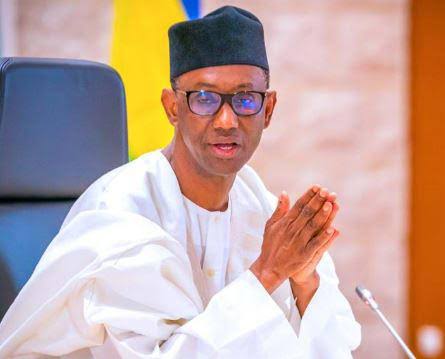
National Security Adviser Nuhu Ribadu deserves enormous credit for steering this operation with quiet resolve. Working in concert with the armed forces and intelligence agencies, Ribadu helped deliver what is already being described as one of Nigeria’s most consequential counter-terrorism successes. In a climate where victories against terror too often feel fleeting, the neutralisation of Ansaru’s leadership stands as a rare and decisive breakthrough. Public affairs analyst Farooq Kperogi aptly described it as “a visible, heartening crack in the wall of impunity that these blood-sucking monsters of depravity had built for themselves.”
Of course, terror will not vanish overnight. Ansaru’s lieutenants remain scattered, and other criminal syndicates continue to plague highways, villages, and farmlands. But the symbolism of this victory is profound: Nigeria has shown that with patience, intelligence, and coordination, even the most entrenched terror networks can be cut down.
This progress builds on broader gains since mid-2023. According to official data, between May 2023 and early 2025, security forces neutralised more than 13,500 terrorists and armed criminals, while over 124,000 insurgents and their families surrendered. More than 11,000 hostages were freed and 3,843 illegal refineries dismantled, choking off vital lifelines of both terror and economic sabotage.
In the North West, the phenomenon of mass abductions has declined sharply, aided by the elimination of notorious bandit warlords like Ali Kachalla, Halilu Sububu, and Boderi. The North East theatre, once dominated by Boko Haram and ISWAP, has seen insurgent capacity steadily degrade, with fighters surrendering in their thousands—a scenario unimaginable just a few years ago.
In the Niger Delta, oil production has rebounded to 1.8 million barrels per day, the highest in years, after a concerted clampdown on oil theft and pipeline vandalism. Meanwhile, in the South East, the once-feared “sit-at-home” orders imposed by armed separatists are losing their grip, with commercial and social life gradually returning.
Nigeria has also moved to secure its virtual borders. Cybercrime crackdowns and the rollout of the Critical National Information Infrastructure Protection Plan reflect a recognition that the wars of today are waged as much in cyberspace as in forests and villages.
And yet, challenges remain. Kidnappings, though reduced in some areas, still plague highways. Displaced farmers remain reluctant to return to their fields, worsening food insecurity. Cross-border arms trafficking, climate change pressures, and adaptive criminal networks all complicate the security equation. The capture of Ansaru’s kingpins is a breakthrough—but unless sustained, it risks becoming another high point in a cycle of boom and relapse.
The road ahead requires more than battlefield victories. Nigeria needs a whole-of-society strategy that pairs military gains with governance reforms, political dialogue, and economic inclusion. Intelligence-driven policing, regional cooperation to secure porous borders, and genuine community engagement are essential. Equally important is building public trust through transparency, accountability, and consistent leadership—without which victories risk evaporating into disillusionment. The need for these sustained, holistic strategies is urgent and cannot be overstated.
The dismantling of Ansaru’s leadership shows what is possible when political will aligns with operational discipline. It is a moment worth celebrating, not because the war is over, but because it proves progress is achievable. Nigeria has long been accustomed to headlines dominated by violence and loss; this capture offers a different kind of story—a reminder that the tide, however slowly, can turn.
The actual test is whether this victory will be treated as an isolated success or as a launchpad for more profound, systemic change. If Nigeria sustains this momentum—combining security with justice, economic opportunity, and social cohesion—the shadow of insecurity need not define the nation’s future. The potential for more profound, systemic change is within reach, offering a glimmer of hope in an otherwise challenging situation.
For now, the fall of Ansaru’s terror lords is a decisive crack in the edifice of impunity. It must not be the last.
Again, it is worth noting that the federal government has revitalised programmes such as the National Park Service’s Forest Guard initiative, to reclaim forests used as criminal hideouts, which is promising. However, these measures will yield little if they are not anchored in transparency, consistency, and shared responsibility across federal, state, and local levels. Security, as the old saying goes, is everybody’s business. Communities must actively participate in their protection, and civic leaders must work to bridge the gap between citizens and the security apparatus.
Nigeria’s security journey is far from over, and the path is still treacherous. Yet the evidence of the past eighteen months suggests that progress is possible when political will, strategic clarity, and operational discipline align. For a country long accustomed to headlines dominated by pervasive insecurity, these gains, however fragile, are a reminder that the tide can be turned. But it will require vigilance to guard against complacency, foresight to address root causes, and courage to confront those who profit from instability. Only then can Nigeria hope, not just to contain insecurity, but to end the cycle and build the foundation for lasting peace.
Iroegbu, a journalist and security and public affairs analyst, writes from Abuja.
Ribadu and the fall of Ansaru


News
After Owo, Katsina Death Sentences, Kogi Court Imposes Maximum Penalty On Man Arrested By DSS For Kidnapping, Murdering Neighbour
After Owo, Katsina Death Sentences, Kogi Court Imposes Maximum Penalty On Man Arrested By DSS For Kidnapping, Murdering Neighbour
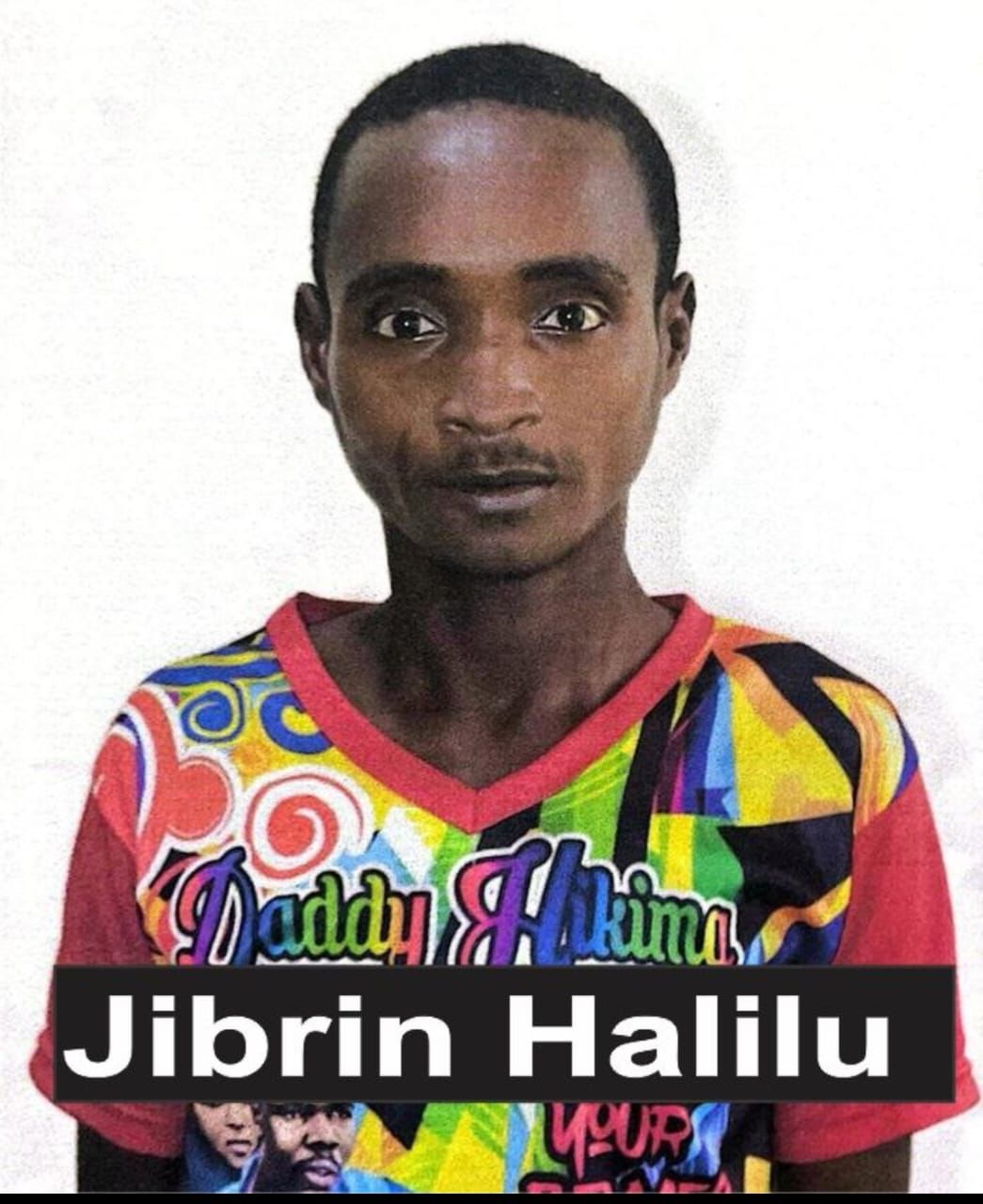
Barely 24 hours after a Katsina State High Court sentenced to death a female arms courier arrested by the Department of State Services (DSS), a High Court of Kogi State has also imposed the death penalty on a man the DSS successfully prosecuted for kidnapping and murdering his neighbour, who ran a hotel in Obajana.
The Katsina and Kogi sentences came less than two weeks after a Federal High Court sitting in Abuja, imposed the death penalty on four men arrested by the DSS for carrying out the June 5, 2022 terrorist attack on St. Francis Catholic Church in Owo, Ondo State.
The Kogi court, presided over by Justice Abdul Nicodemus Awulu, on Tuesday, found Jibrin Halilu guilty on the charges of conspiracy and kidnapping, in contravention of Sections 12, 6 (1), and 4 (3)(a) of the Kogi State Kidnapping and Other Related Offences Prohibition Law, 2023. The court subsequently sentenced Halilu to death.
According to the prosecution, on March 23, 2023, Halilu and other members of his armed gang stormed Ever Ready hotel, Angwa-Tiv, in Obajana town,
abducting the proprietor, Uche Andrew Offo. Even though Offo’s family handed his abductors the N2.5 million ransom they demanded, they, nonetheless, killed him.
The DSS prosecutor told the court that operatives of the Service arrested Halilu on December 4, 2025.
“DSS investigations revealed that, while with his abductors, Offo was able to identify Halilu, who happened to be his neighbour, as being part of those who kidnapped him. That was when Halilu, despite the N2.5 million ransom he collected from Offo’s family, still killed him.
“Further investigations by the DSS also linked Halilu and his gang to the April 2, 2023 kidnapping of one Ibrahim Abdullahi, a resident of Oshokoshoko Community in Lokoja, from whom the gang collected a N5 million ransom,” a source also revealed.
The Kogi and Katsina convictions and sentencings come on the heels of a June 3, 2026, landmark verdict by a Federal High Court in Abuja sentencing four men to death for their roles in the June 5, 2022 terrorist attack on St. Francis Catholic Church in Owo, Ondo State.
The court sentenced the quartet of Idris Abdulmalik Omeiza, Al Qasim Idris, Jamiu Abdulmalik, and Abdulhaleem Idris to death by hanging for the attack which resulted in the death of over 40 worshippers and left over 100 persons injured.
“These convictions mark a significant run of courtroom victories for the DSS, reinforcing the message that those who engage in terrorism, kidnapping, and armed violence will not only be caught, but will be prosecuted and made to face the full consequences of their actions,” the source declared.
After Owo, Katsina Death Sentences, Kogi Court Imposes Maximum Penalty On Man Arrested By DSS For Kidnapping, Murdering Neighbour
Troops Rescue Four Kidnap Victims in Katsina, Intensify Hunt for Bandit Kingpin
By: Zagazola Makama
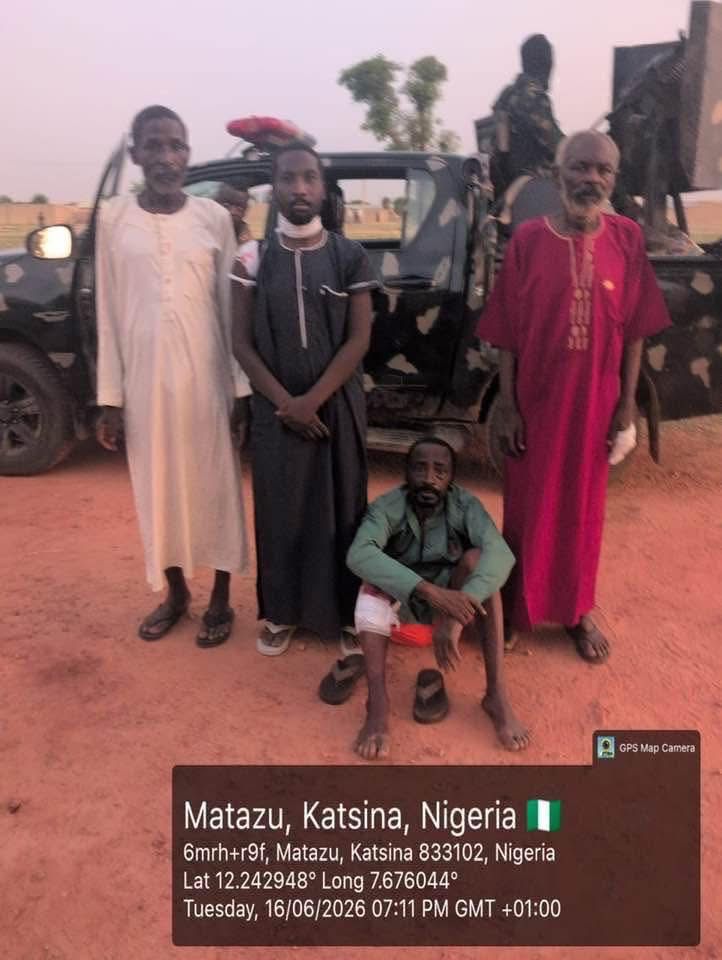
Troops of the Nigerian Army have rescued four kidnap victims during ongoing operations targeting a notorious bandit leader, Kachalla Muhammadu Fulani, and members of his criminal gang in Katsina State.
The Katsina State Government disclosed this in a statement issued on Wednesday by the Commissioner for Internal Security and Home Affairs, Dr. Nasir Mu’azu.
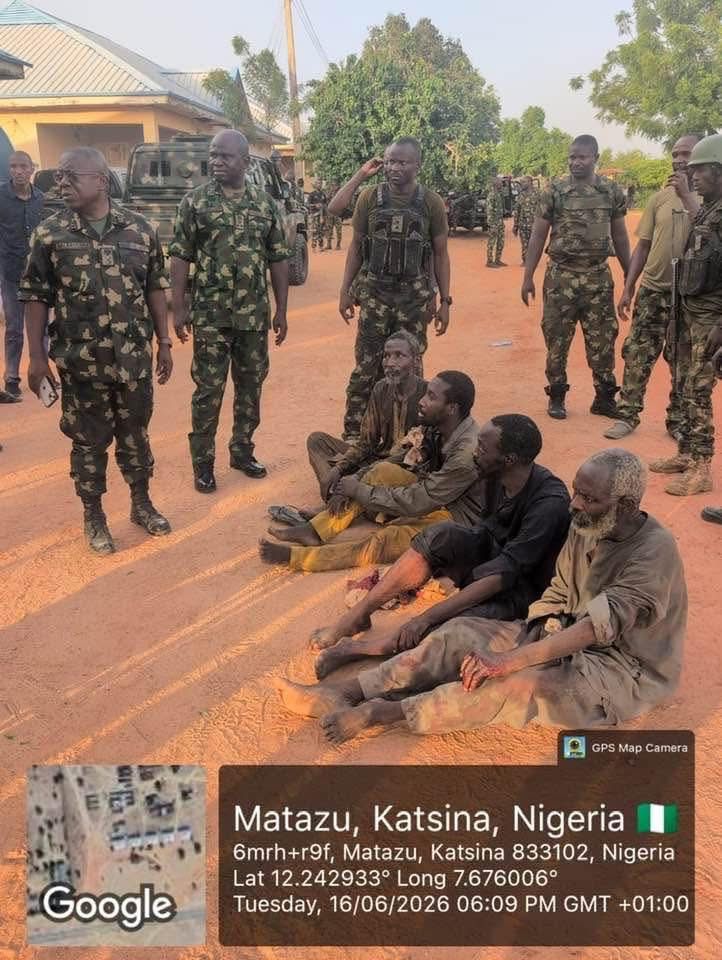
The rescued victims were identified as Musa Yakuba, 62; Alhaji Sa’adu Dayi, 68; Mukhtar Danja, 36; and Salisu Danja, 50.
According to the statement, the victims were rescued during sustained military operations in areas where the bandits were believed to be operating.
It added that medical personnel immediately attended to the victims following their rescue, as they had sustained gunshot wounds during their captivity.
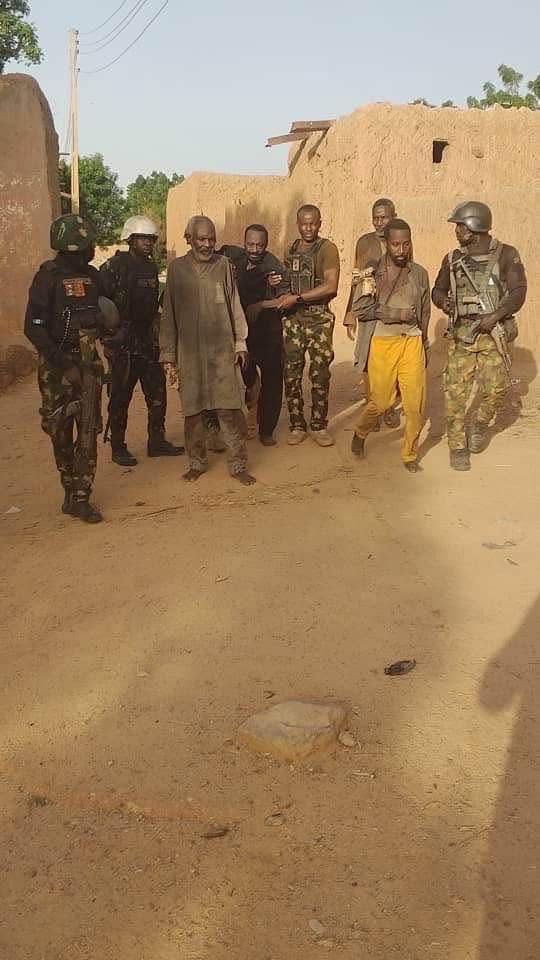
The government recalled that the wife of the late Major General Rabe Abubakar (rtd) had earlier been rescued in a related operation.
It noted that the four victims were among those previously seen in a photograph alongside the late senior military officer while in captivity.
The state government commended the bravery, professionalism and commitment of the Nigerian Army and other security agencies involved in the operation.
It stated that the security forces’ relentless efforts continued to yield positive results in the fight against banditry and kidnapping across the state.
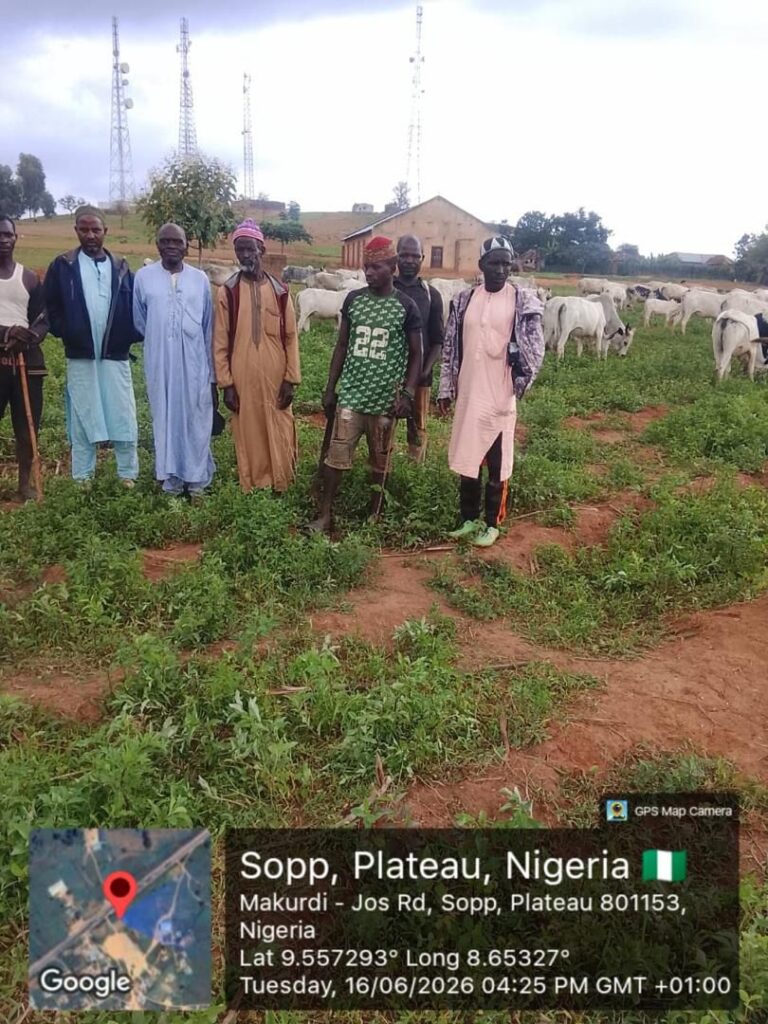
The government further assured residents that security operatives remained on the trail of Kachalla Muhammadu Fulani and other criminal elements responsible for terrorising communities.
It emphasised that ongoing operations would continue until all those responsible for acts of terror against innocent citizens were apprehended and brought to justice.
The government reaffirmed its commitment to protecting lives and property and pledged continued collaboration with security agencies to ensure that criminal elements have no safe haven anywhere in the state.
Troops Rescue Four Kidnap Victims in Katsina, Intensify Hunt for Bandit Kingpin
News
Nigeria, Saudi Arabia Deepen Humanitarian Alliance as NEMA, KSrelief Roll Out Food Aid to Five States
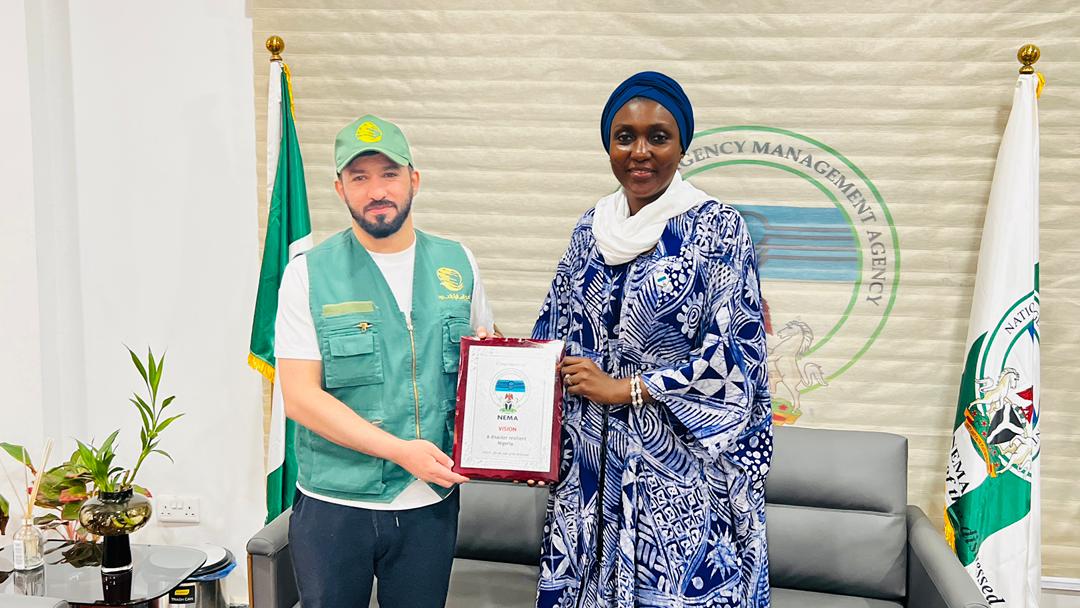
Nigeria, Saudi Arabia Deepen Humanitarian Alliance as NEMA, KSrelief Roll Out Food Aid to Five States
By: Michael Mike
The National Emergency Management Agency (NEMA) has reaffirmed its commitment to strengthening humanitarian cooperation with the King Salman Humanitarian Aid and Relief Centre (KSrelief), as both partners move to scale up emergency food assistance for vulnerable communities across Nigeria.
This was disclosed in Abuja when the Director-General of NEMA, Mrs. Zubaida Umar, received a delegation from KSrelief at the agency’s headquarters, where both sides reviewed ongoing collaboration and planned the next phase of direct humanitarian interventions.
Mrs. Umar commended KSrelief for its sustained support to disaster-affected and vulnerable populations in Nigeria, noting that the partnership has continued to reinforce federal humanitarian response efforts, particularly in reaching communities impacted by disasters, food insecurity, and other vulnerabilities.
KSrelief’s representative, Mr. Majeed Alanazi, said the visit was aimed at strengthening coordination with NEMA ahead of the rollout of direct food basket distribution to selected households in targeted states. He emphasized the organisation’s continued commitment to supporting vulnerable populations and improving welfare outcomes in affected communities.
According to the plan, the food assistance programme will be implemented across Yobe, Benue, Kebbi, Taraba, and Anambra States—covering both conflict-affected and food-insecure populations.
Both organisations described the initiative as part of a broader effort to deepen humanitarian reach and ensure more efficient delivery of aid to households most in need across Nigeria.
Nigeria, Saudi Arabia Deepen Humanitarian Alliance as NEMA, KSrelief Roll Out Food Aid to Five States

Unite North: VP Shettima’s Call for Peace and Unity Among Northern Communities

After Owo, Katsina Death Sentences, Kogi Court Imposes Maximum Penalty On Man Arrested By DSS For Kidnapping, Murdering Neighbour

Troops Rescue Four Kidnap Victims in Katsina, Intensify Hunt for Bandit Kingpin

Roger Federer’s Shock as DNA Results Reveal Myla and Charlene Are Not His Biological Children

THE PLIGHT OF FARIDA

FAILED COUP IN BURKINA FASO: HOW TRAORÉ NARROWLY ESCAPED ASSASSINATION PLOT AMID FOREIGN INTERFERENCE CLAIMS
-
 News2 years ago
Roger Federer’s Shock as DNA Results Reveal Myla and Charlene Are Not His Biological Children
-
Opinions4 years ago
THE PLIGHT OF FARIDA
-
 News1 year ago
FAILED COUP IN BURKINA FASO: HOW TRAORÉ NARROWLY ESCAPED ASSASSINATION PLOT AMID FOREIGN INTERFERENCE CLAIMS
-

 News2 years ago
EYN: Rev. Billi, Distortion of History, and The Living Tamarind Tree
-
 Opinions5 years ago
POLICE CHARGE ROOMS, A MINTING PRESS
-

 ACADEMICS2 years ago
A History of Biu” (2015) and The Lingering Bura-Pabir Question (1)
-

 Columns2 years ago
Army University Biu: There is certain interest, but certainly not from Borno.
-

 Politics1 year ago
2027: Why Hon. Midala Balami Must Go, as Youths in Hawul and Asikira/Uba Federal Constituency Reject ₦500,000 as Sallah Gift
