
News
Security Forces Close in on Notorious Bandit Kachalla Dan Mai Kinni as Key Aide is Captured


Security Forces Close in on Notorious Bandit Kachalla Dan Mai Kinni as Key Aide is Captured
By: Zagazola Makama
Security forces have intensified efforts to track down notorious bandit leader, Kachalla Dan Mai Kinni, following the arrest of his close associate, Lawali Malangaro, in Tsibiri, Zamfara State.
Intelligence sources told Zagazola Makama that Malangaro, a native of Tsibiri, was apprehended by vigilante groups in Galadi.
He is believed to be a key figure in Mai Kinni’s network, managing stolen cattle and funds linked to bandit activities in the Kaura Namoda, Shinkafi, and Zurmi axis, extending to eastern Sokoto.
Kachalla Dan Mai Kinni commands a heavily armed gang and has been terrorizing communities in Galadi, Tsibiri, and Tubali. His group is accused of orchestrating violent attacks in the region.
Security Forces Close in on Notorious Bandit Kachalla Dan Mai Kinni as Key Aide is Captured


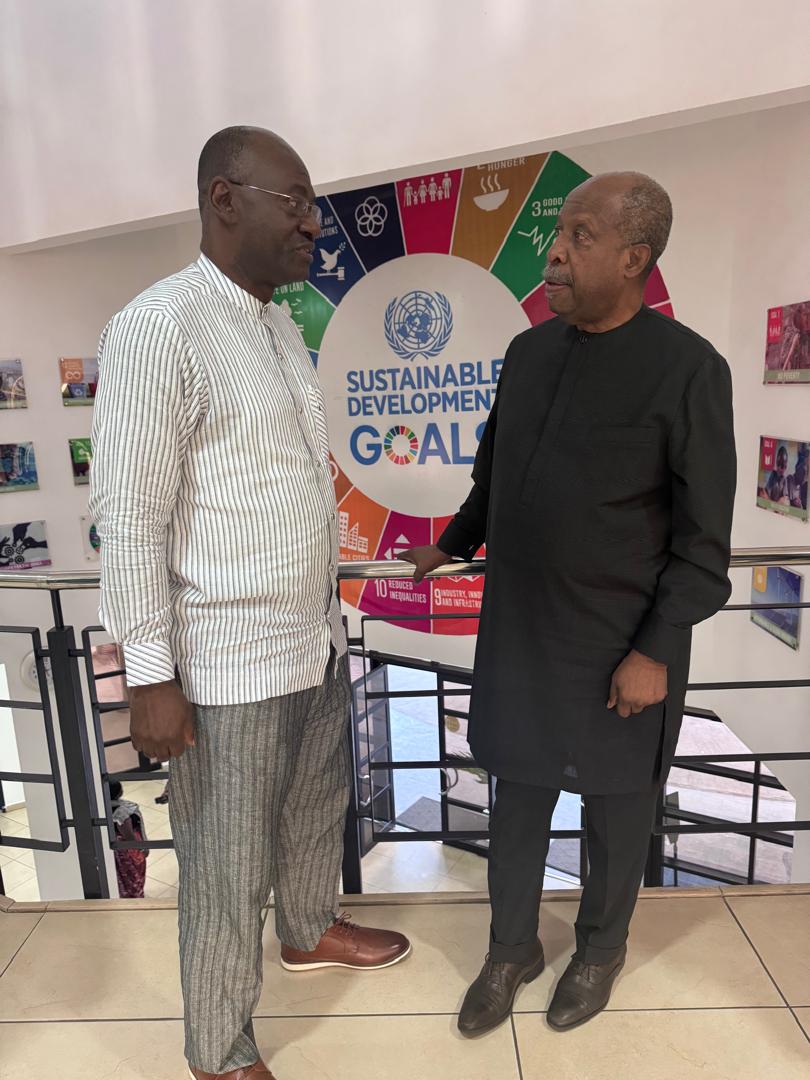
UN Envoy, IPCR DG Warn Against Weaponising Hunger, Misinformation Ahead of 2027 Elections
By: Michael Mike
A United Nations envoy and the Director-General of the Institute for Peace and Conflict Resolution (IPCR), Dr Joseph Ochogwu, have called for stronger measures to prevent electoral violence in Nigeria, warning against the exploitation of economic hardship, misinformation and disinformation to destabilise the 2027 general elections.
The call was made during a meeting between the UN Special Representative of the Secretary-General, Leonardo Santos Simão, and Ochogwu in Abuja, where they discussed Nigeria’s preparedness for the forthcoming elections and strategies for ensuring peaceful political participation before, during and after the polls.
Simão, who is in Nigeria on a working visit as part of a pre-election assessment, engaged critical stakeholders on emerging threats to electoral stability and the need to strengthen early warning, prevention and response mechanisms.
The discussions focused on political violence, election-related tensions, misinformation, disinformation and the growing influence of technology in shaping political narratives.
Ochogwu expressed confidence in Nigeria’s institutional capacity to prevent and manage election-related violence, noting that the country’s law enforcement agencies, military and intelligence services had the capacity to contain threats and prevent isolated incidents from escalating into widespread violence.
He, however, stressed the need to strengthen existing preventive mechanisms rather than allow political tensions to degenerate into violence.
A major concern raised by the IPCR boss was what he described as the need for the “de-weaponisation of hunger”, warning against attempts by political actors to exploit the economic difficulties confronting Nigerians for partisan mobilisation.
He noted that opposition parties could exploit inflation and the rising cost of living to mobilise public anger against the government, while urging the government to acknowledge the hardship faced by citizens and sustain interventions to cushion its effects.
According to him, the politicisation of economic hardship could deepen social tensions and transform legitimate public grievances into instruments of political conflict.
Ochogwu also warned against the growing use of misinformation, disinformation and malinformation in the electoral process, particularly through social media and emerging technologies.
He said technological advancement had created new opportunities for manipulating public opinion through false information, misleading narratives and potentially foreign-influenced content capable of heightening political tensions.
He therefore called for greater vigilance among political parties, security agencies, civil society organisations and technology platforms to prevent digital spaces from becoming instruments of electoral destabilisation.
The IPCR director-general further highlighted tensions between established authority, traditional political structures and democratic values, cautioning that political actors could exploit such divisions to undermine public confidence in democratic institutions.
He urged political parties to embrace conciliatory politics, restraint and greater accommodation of competing interests, warning against rhetoric that portrays political competition as a zero-sum contest in which opponents must be destroyed.
Ochogwu said both the ruling and opposition parties had responsibilities to maintain a peaceful political environment and ensure that their supporters refrained from inflammatory statements and violence.
He emphasised that the responsibility for sustaining democratic stability extended beyond election day, noting that political competition should give way to governance, reconciliation and national development after the polls.
The engagement forms part of broader consultations by the UN representative with Nigerian stakeholders to assess the country’s preparedness for the 2027 general elections and identify measures to strengthen peaceful political participation.
The discussions underscored the importance of early intervention, responsible political communication and collaboration among government institutions, political parties, security agencies, civil society and international partners in safeguarding Nigeria’s democratic process.
UN Envoy, IPCR DG Warn Against Weaponising Hunger, Misinformation Ahead of 2027 Elections
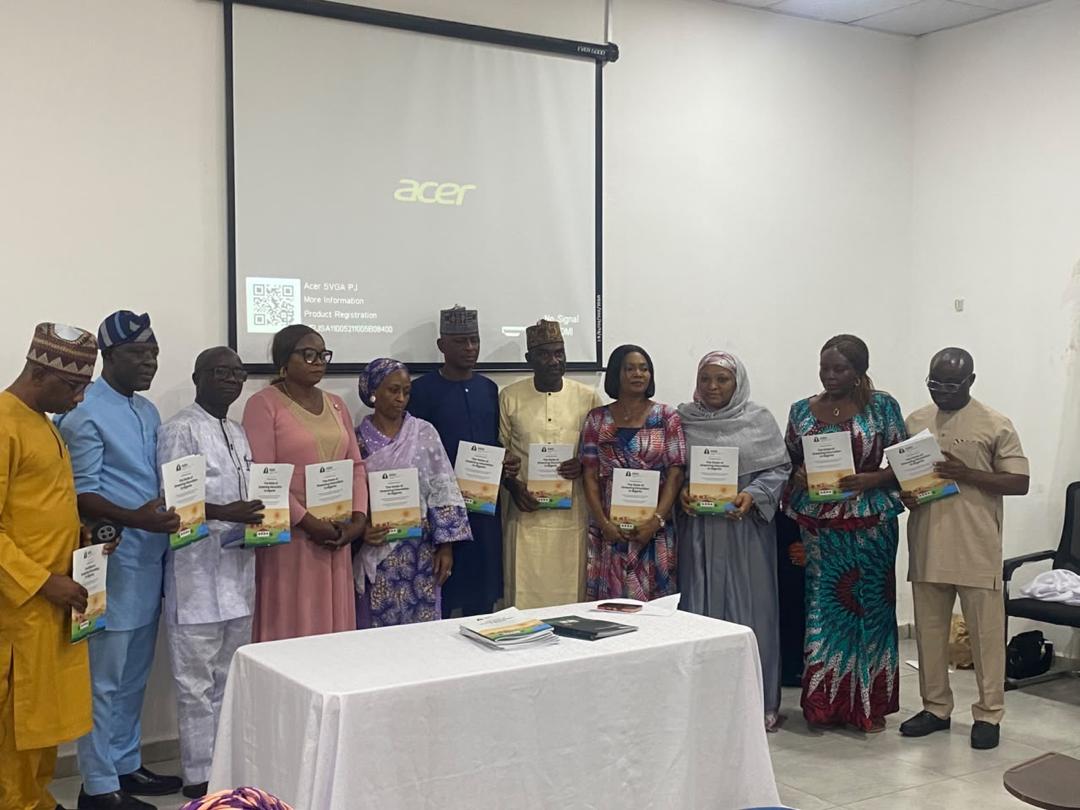
UBEC, IGEN Seek Integration of Climate Education, Green Skills in Nigerian Schools
By: Michael Mike
The Universal Basic Education Commission (UBEC) and the Institute for Greening Education in Nigeria (IGEN) have called for urgent integration of climate change education, environmental sustainability and green skills development into Nigeria’s education system, warning that schools must be repositioned to prepare young people for the growing challenges of climate change.
The institutions made the call on Thursday in Abuja at the Technical Working Group Meeting on the Greening Schools and Climate Change Education Intervention (GSCCEI), which also featured the launch of the State of Greening Education in Nigeria Report and Policy Brief.
They stressed that Nigeria’s response to climate change and environmental degradation must go beyond government policies and environmental campaigns to embed sustainability in school curricula, infrastructure, teacher training and practical skills development.
Speaking at the event, Deputy Director, Academic Services, UBEC, Dr Lydia Gbagi, who represented the Director of the Department, Mrs. Blessing Obinatu, said the commission was committed to transforming Nigerian schools into environmentally responsible, climate-resilient and sustainable learning environments.
She said the GSCCEI was designed to equip learners not only with academic knowledge but also with the values, competencies and practical skills needed to respond effectively to environmental challenges.
Providing an update on the programme, Gbagi disclosed that 33 states, including the Federal Capital Territory (FCT), had benefited from capacity development and step-down training through their State Universal Basic Education Boards (SUBEBs).
She said the training covered climate change education, integration of environmental sustainability into teaching and learning, establishment of Climate Change and Green Champions Clubs, practical greening activities, as well as improved monitoring and reporting mechanisms.
According to her, the intervention has also facilitated the development of state-level master trainers who would extend the training to local government areas and schools to ensure wider implementation.
Gbagi said UBEC had developed implementation guidelines and training materials to institutionalise the programme across the states.
The materials include the GSCCEI Implementation Guidelines, Handbook for Climate Change and Green Champions Clubs, and guidelines for Green School and Climate Change Interventions.
She further disclosed that the National Greening Schools Programme (NGSP) had been developed as a broader framework for advancing greening education in Nigeria, with seven strategic pillars guiding its implementation.
She said the initiative aligned with the Federal Government’s education reform agenda, the Nigeria Education Sector Renewal Initiative, Climate Change Act 2021, Nigeria’s Nationally Determined Contributions and UNESCO’s Greening Education Partnership.
On the newly launched report and policy brief, Gbagi said the publications would help assess the state of greening education in Nigeria, identify implementation gaps and provide evidence-based recommendations for strengthening climate change education.
She described the policy brief as particularly important in translating research findings into practical recommendations for policy formulation, institutional coordination, resource mobilisation and programme implementation.
In her remarks, Deputy Director, Academic Services, UBEC, Dr Lydia Gbagi, described the publications as an important milestone in efforts to make education a strategic instrument for tackling climate change, protecting the environment and building a sustainable future.
She warned that climate change, environmental degradation, biodiversity loss and unsustainable consumption were increasingly affecting communities, livelihoods and education systems, requiring coordinated and sustained responses.
On his part, Robinson said educational institutions, including primary and secondary schools, universities and technical and vocational institutions, must become centres of environmental responsibility, climate awareness, innovation and sustainable development.
He stressed that greening education should not be limited to teaching learners about climate change but must involve integrating sustainability into education policies, curricula, school infrastructure, institutional management, teacher development and practical skills acquisition.
According to him, IGEN was established to promote the integration of environmental sustainability, climate change education and green skills across Nigeria’s education system.
He said the report provided a foundation for advancing that mission by documenting existing progress, identifying challenges and proposing measures to strengthen policy, institutional coordination, implementation and accountability.
However, Robinson warned that the impact of the publications would depend on the willingness of governments and other stakeholders to translate their recommendations into concrete action.
“The real value of this report lies not merely in its publication, but in the actions that follow,” he said, urging stakeholders to prioritise interventions that would directly benefit schools, teachers, learners and communities.
He called for sustained collaboration among federal and state governments, education agencies, development partners, civil society organisations and the private sector to advance the initiative.
The IGEN executive secretary also advocated increased investment in teacher development and the capacity of education administrators, alongside the promotion of climate-smart schools and green skills acquisition among young Nigerians.
He said equipping learners with relevant green skills would prepare them for emerging employment and enterprise opportunities in the green economy while enabling them to contribute to national environmental sustainability efforts.
Robinson urged stakeholders to adopt the report as a shared national resource and practical guide for strengthening greening education.
He commended the African Centre for Environment, Agriculture and Rural Development, the Green Schools International Foundation, researchers and other partners for their contributions to the publications, while acknowledging the support of IGEN’s Governing Council.
The report and policy brief are expected to provide a reference point for strengthening environmental sustainability in Nigeria’s education sector through improved policies, institutional collaboration, teacher capacity development and practical climate action in schools.
Both institutions maintained that integrating sustainability and green skills into education would be critical to preparing Nigerian children and young people for the demands of a changing environment and emerging opportunities in a greener economy.
UBEC, IGEN Seek Integration of Climate Education, Green Skills in Nigerian Schools
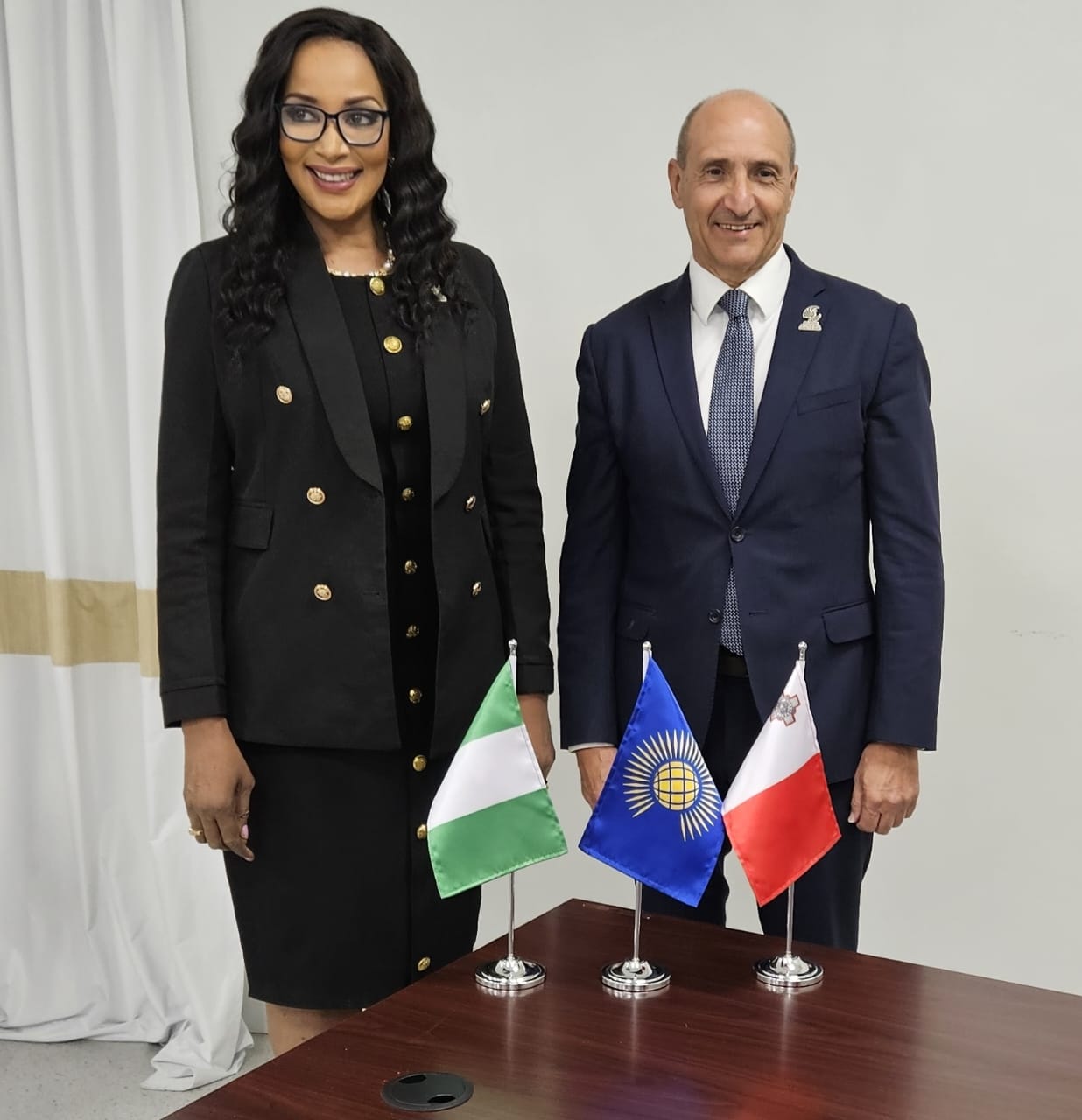
Nigeria Secures Key Commonwealth Role as Bianca Emerges CMAG Vice-Chair
…Appointment places Foreign Affairs Minister in strategic body monitoring democracy, human rights and rule of law across 56-member Commonwealth
By: Michael Mike
Nigeria has secured a strategic leadership position in the Commonwealth’s democratic governance framework, with Minister of Foreign Affairs, Ambassador Bianca Odumegwu-Ojukwu, appointed Vice-Chair of the Commonwealth Ministerial Action Group (CMAG).
The appointment, announced on Wednesday on the sidelines of the 28th Commonwealth Heads of Government Meeting (CHOGM 2026) in St. John’s, Antigua and Barbuda, places Nigeria in the leadership of a ministerial body responsible for responding to threats to democracy, human rights and the rule of law across the 56-member organisation.
Odumegwu-Ojukwu’s emergence comes as the Commonwealth intensifies efforts to strengthen democratic institutions, promote accountable governance and address political developments capable of undermining its fundamental values.
The group is chaired by Malta’s Minister, Chris Fearne, and comprises foreign ministers serving on a rotating basis to safeguard the political principles underpinning the Commonwealth.
Established in 1995 under the Millbrook Commonwealth Action Plan, CMAG is mandated to assess serious or persistent violations of Commonwealth political values and recommend appropriate collective responses.
Its responsibilities extend beyond responding to military coups and unconstitutional changes of government to include electoral irregularities, restrictions on political participation, suspension of parliaments, interference with judicial independence, human rights abuses and restrictions on the media and civil society.
The group’s mandate was broadened in 2011 to allow more proactive and constructive engagement with member states facing threats to democratic governance, rather than focusing primarily on unconstitutional changes of government.
Odumegwu-Ojukwu’s appointment is expected to give Nigeria a greater platform in Commonwealth deliberations on democratic governance, institutional accountability and the protection of fundamental freedoms.
It also reinforces the country’s participation in shaping collective diplomatic responses to political and governance challenges among member states.
The 28th CHOGM has brought together leaders and representatives of all 56 Commonwealth countries, with King Charles III, Head of the Commonwealth, also attending the week-long summit.
Nigeria Secures Key Commonwealth Role as Bianca Emerges CMAG Vice-Chair

UN Envoy, IPCR DG Warn Against Weaponising Hunger, Misinformation Ahead of 2027 Elections

UBEC, IGEN Seek Integration of Climate Education, Green Skills in Nigerian Schools

WAHO Pledges Support for Nigeria’s Ebola Response, Donates 20,000 Thermometers

Roger Federer’s Shock as DNA Results Reveal Myla and Charlene Are Not His Biological Children

THE PLIGHT OF FARIDA

FAILED COUP IN BURKINA FASO: HOW TRAORÉ NARROWLY ESCAPED ASSASSINATION PLOT AMID FOREIGN INTERFERENCE CLAIMS
-
 News3 years ago
Roger Federer’s Shock as DNA Results Reveal Myla and Charlene Are Not His Biological Children
-
Opinions5 years ago
THE PLIGHT OF FARIDA
-
 News2 years ago
FAILED COUP IN BURKINA FASO: HOW TRAORÉ NARROWLY ESCAPED ASSASSINATION PLOT AMID FOREIGN INTERFERENCE CLAIMS
-
 Opinions5 years ago
POLICE CHARGE ROOMS, A MINTING PRESS
-

 News3 years ago
EYN: Rev. Billi, Distortion of History, and The Living Tamarind Tree
-

 ACADEMICS3 years ago
A History of Biu” (2015) and The Lingering Bura-Pabir Question (1)
-

 Columns3 years ago
Army University Biu: There is certain interest, but certainly not from Borno.
-

 Politics1 year ago
2027: Why Hon. Midala Balami Must Go, as Youths in Hawul and Asikira/Uba Federal Constituency Reject ₦500,000 as Sallah Gift
