
News
Soaring Debt Burden: ActionAid Nigeria Calls for Urgent Fiscal Reforms

Soaring Debt Burden: ActionAid Nigeria Calls for Urgent Fiscal Reforms
By: Michael Mike
ActionAid Nigeria has called for urgent fiscal reforms to address the soaring public debt which has risen to N134 trillion and pushed debt burden to N620,000 per citizen.
The organisation in a press statement on Saturday, said it is deeply alarmed by Nigeria’s escalating public debt, which now stands at an unprecedented N134.297 trillion as of June 2024, according to figures from the Debt Management Office (DMO).
It decried that this staggering debt has grown by nearly N13 trillion in just three months—a rate of nearly 11%—placing a burden of approximately N619,501 on each Nigerian citizen, a figure that far exceeds the recently approved minimum wage of N70,000. Without immediate intervention, Nigeria risks falling into a full-blown debt crisis.
It said this debt burden, driven primarily by large-scale borrowing, underscores a critical need to reassess Nigeria’s fiscal policies. While infrastructure development is crucial, the cost of these projects should not come at the expense of Nigerians’ access to basic services. With a population of over 216 million, this unsustainable trajectory has led to widespread concerns about the impact on poverty, healthcare, education, and overall quality of life.
ActionAid said Nigeria’s public debt profile is divided between N63 trillion in external debt and N71.2 trillion in domestic debt. The Federal Government holds the bulk of this debt, accounting for N55.8 trillion externally and N66.9 trillion domestically, while states collectively owe N7.1 trillion in external and N4.2 trillion in domestic debt. Lagos State carries the heaviest domestic debt burden at N885.99 billion, followed by Rivers State at N389.20 billion. These figures reveal a stark fiscal imbalance, indicating that both federal and state governments must re-evaluate their spending priorities and debt management practices.
It noted that “the impact of this debt extends beyond mere statistics; it represents a substantial barrier to essential services for the Nigerian people. Despite high debt levels, millions of Nigerians lack access to adequate healthcare, education, clean water, and poverty relief. Many families struggle to meet their daily needs, and with every citizen effectively saddled with a debt obligation of almost N600,000, urgent fiscal action is required to protect and uplift Nigeria’s most vulnerable populations.
“The removal of the subsidy was intended to free up significant resources, with the promise that these funds redirected to all tiers of government and drastically cutting down the country’s dependence on borrowing. However, as the nation’s public debt continues to soar, the question arises: where is the money from the fuel subsidy savings going?”
It insisted that: “If managed effectively, the funds from the subsidy removal should not only reduce the need for further loans but also enhance fiscal stability by enabling better investment in education, healthcare, and poverty reduction programs.
“These funds must be managed with full accountability and transparency, ensuring they are invested efficiently in ways that directly benefit the most vulnerable citizens. Without strict oversight and clear reporting on the allocation and impact of these funds, there is a risk they could be mismanaged or diverted to wasteful projects, leaving the promise of the subsidy removal unfulfilled and worsening the country’s financial situation.”
The statement signed by Country Director, ActionAid Nigeria Andrew Mamedu, further read that: “Nigeria’s debt-to-GDP ratio has now surpassed 50%. This marks a significant shift in the country’s fiscal landscape, highlighting the growing strain on the economy. While Nigeria has long maintained that its relatively low debt-to-GDP ratio allowed room for increased borrowing, the rapid rise in debt now limits the country’s ability to secure additional funding without exacerbating its fiscal challenges.
“The increasing debt burden, coupled with a high debt service-to-revenue ratio, threatens to undermine the government’s ability to invest in essential services, leaving the nation vulnerable to further economic instability. To prevent a full-blown debt crisis, Nigeria must adopt a more sustainable fiscal approach, curbing excessive borrowing and prioritising efficient allocation of resources to foster long-term economic growth.
“We recommend a reduction in the allowances of high-ranking government officials, including legislators and ministers, as a symbolic and practical step toward more responsible governance. By cutting these expenses, Nigeria can free up critical funds to address pressing social needs in education, healthcare, and poverty reduction.
“Beyond these cuts, ActionAid Nigeria urges a complete overhaul of fiscal policies to prioritise the needs of Nigeria’s poorest and most marginalised populations. Our current fiscal trajectory not only stifles economic growth but also risks worsening inequality and social unrest. With essential public services consistently underfunded, Nigeria’s per capita debt burden has reached a level that is both unsustainable and unacceptable.
“To alleviate the debt crisis, the government must diversify its revenue streams and adopt more progressive taxation measures. We urge the government to reform its taxation system, ensuring that wealthier individuals and corporations contribute their fair share, rather than over-relying on regressive taxes that disproportionately affect lower-income Nigerians. Additionally, the elimination of wasteful expenditures beyond salaries is necessary to build a robust, inclusive economy that works for all.”
It added that: “While the Federal Government carries a substantial portion of the debt, states like Lagos and Rivers are also burdened with high debt levels, highlighting regional fiscal disparities. The Federal Government must acknowledge these disparities and ensure that fiscal policies consider the unique economic realities of each state. A truly inclusive development plan must equitably distribute resources and opportunities across all regions of Nigeria.
“Nigeria’s mounting debt is not merely a result of borrowing; it is symptomatic of systemic governance issues, including inefficiency and mismanagement. ActionAid Nigeria calls for a transparent and accountable approach to borrowing and spending practices, particularly in implementing infrastructure projects. Every naira borrowed must be spent effectively, with a direct positive impact on Nigerians.
“This transparency is crucial for rebuilding public trust and demonstrating a commitment to responsible governance.
Nigeria’s growing debt signals an unsustainable economic path that urgently needs correction. To avert a worsening debt crisis, the Nigerian government must adopt a people-centered approach to development, prioritising human welfare over infrastructure projects that do not directly benefit the nation’s most marginalized citizens.”
It however said it remains committed to advocating for policies that promote the welfare of Nigeria’s most vulnerable and calls on the government to reorient its fiscal strategies to secure a sustainable, inclusive future.
Soaring Debt Burden: ActionAid Nigeria Calls for Urgent Fiscal Reforms


Military
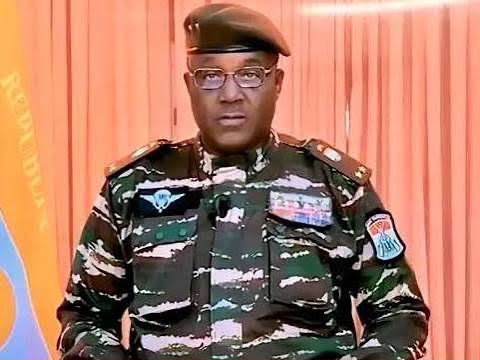
Mutiny: Presidential Guard Tightens Security Around Niger Presidency Amid Reports of Military Protest
Mutiny: Presidential Guard Tightens Security Around Niger Presidency Amid Reports of Military Protest
By Zagazola Makama
Security was significantly reinforced around Niger’s Presidential Palace in Niamey following reports of unrest involving elements of the country’s armed forces, security sources told Zagazola Makama.
According to multiple security sources, the heightened deployment of the Presidential Guard, supported by armoured vehicles around the Presidential Palace on the night of July 3 and into July 4, followed what was described as a limited protest by personnel of an armoured unit within the Niger Armed Forces (FAN).
The sources said some soldiers reportedly declined deployment to frontline positions in northern Tillabéri Region, particularly around Inatès and Chinagodrar, citing inadequate heavy equipment and insufficient operational resources to confront the growing security threats in the area.
The protest was described by one source as a “small mutiny,” although there has been no official confirmation from the Nigerien authorities.
Security sources said the development triggered concern within the country’s leadership, prompting the reinforcement of security around the Presidential Palace and temporary restrictions on movement in the surrounding area as a precautionary measure.
The Tillabéri Region remains one of Niger’s most volatile security zones, with recurrent attacks by armed extremist groups, including factions linked to the so-called Islamic State in the Greater Sahara (ISGS).
As of the time of filing this report, the Nigerien government and military authorities had not issued any official statement regarding the reported protest or the increased security presence around the Presidency.
The situation remains under close observation.
Mutiny: Presidential Guard Tightens Security Around Niger Presidency Amid Reports of Military Protest
Two suspected criminals arrested during patrol in Plateau
By: Zagazola Makama
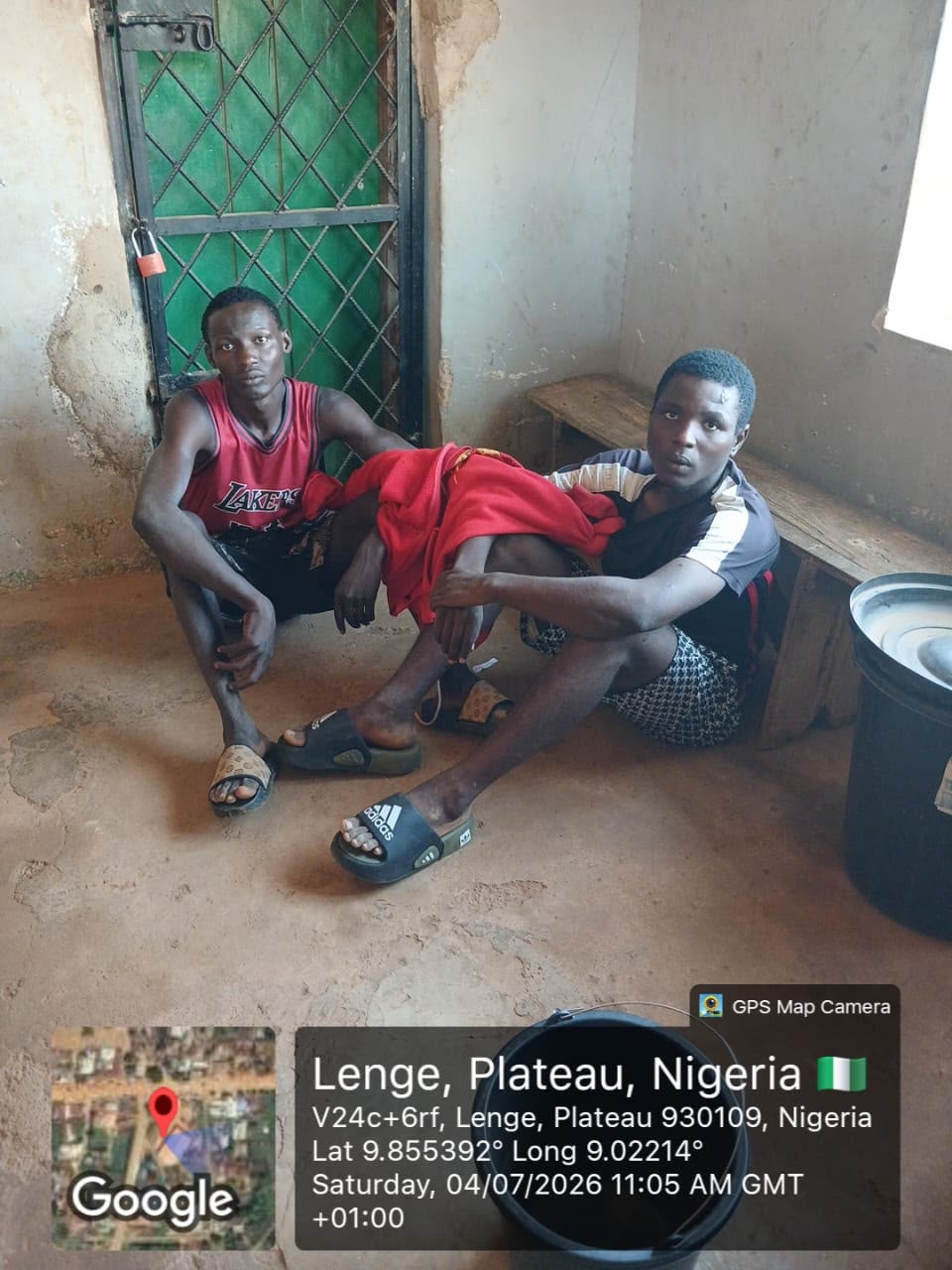
Troops of Sector 1 under Operation Enduring Peace have arrested two suspected criminals during a routine patrol in Jos East Local Government Area of Plateau.
Security sources disclosed that the suspects, identified as Azi Ezekiel, 21, and Ajiji Emmanuel, 19, were apprehended at about 10:30 a.m. on Saturday along the road leading to Forbur Village.
The sources said the suspects were intercepted by troops of Sector 1, Sub-Sector 12, while conducting a routine patrol in the area.
According to the sources, the two suspects have been handed over to the Keystone Police Station in Forbur for further investigation and possible prosecution.
The arrest forms part of ongoing security operations aimed at combating criminal activities and enhancing safety across Plateau State.
Two suspected criminals arrested during patrol in Plateau
Troops arrest suspected kidnapper in Plateau community
By: Zagazola Makama
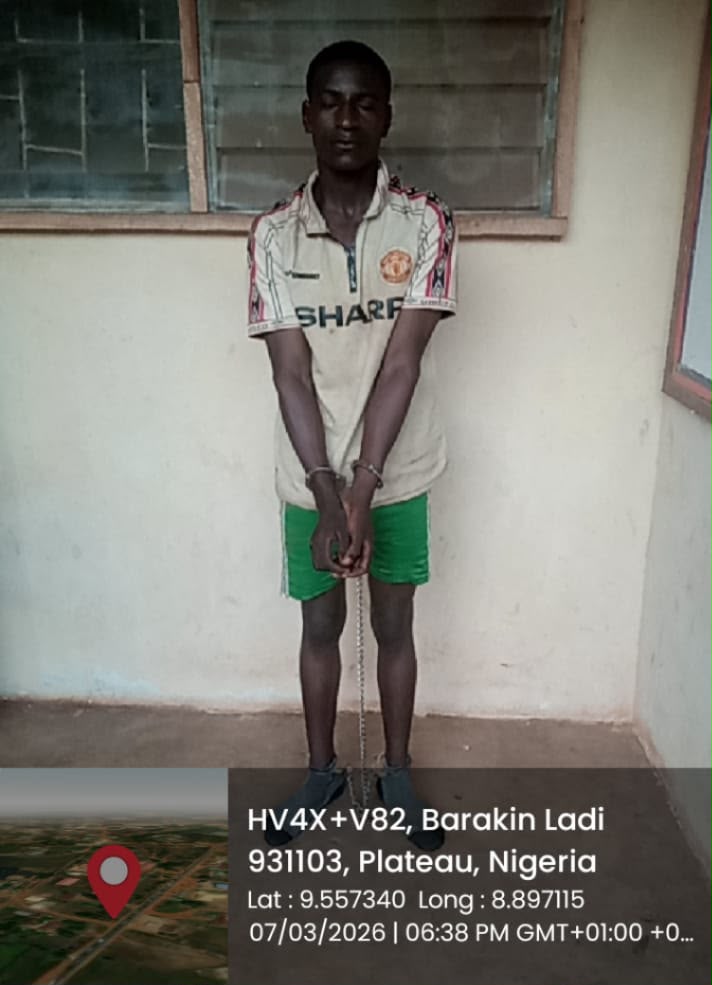
Troops of Sector 4 of Operation Enduring Peace have arrested a suspected kidnapper during a security operation in Barkin Ladi Local Government Area of Plateau.
Security sources said the suspect, identified as Mohamdu Surajo, 29, was arrested at about 6:45 p.m. on Friday at Sabon Layi Village following sustained security operations in the area.
The sources disclosed that the suspect is currently in military custody and is undergoing preliminary interrogation to aid ongoing investigations.
They added that the arrest is part of continued efforts by security forces to dismantle criminal networks and enhance security across Plateau State.
Troops arrest suspected kidnapper in Plateau community

President Tinubu Flags Off the Construction of Dikwa–Gamboru Ngala, Bama–Banki International Road Projects

Mutiny: Presidential Guard Tightens Security Around Niger Presidency Amid Reports of Military Protest

Troops Arrest Two Suspected Berom Militia Linked to NIPSS Attack as Security Sources Say Investigation Supports Earlier Leads

Roger Federer’s Shock as DNA Results Reveal Myla and Charlene Are Not His Biological Children

THE PLIGHT OF FARIDA

FAILED COUP IN BURKINA FASO: HOW TRAORÉ NARROWLY ESCAPED ASSASSINATION PLOT AMID FOREIGN INTERFERENCE CLAIMS
-
 News2 years ago
Roger Federer’s Shock as DNA Results Reveal Myla and Charlene Are Not His Biological Children
-
Opinions4 years ago
THE PLIGHT OF FARIDA
-
 News1 year ago
FAILED COUP IN BURKINA FASO: HOW TRAORÉ NARROWLY ESCAPED ASSASSINATION PLOT AMID FOREIGN INTERFERENCE CLAIMS
-

 News2 years ago
EYN: Rev. Billi, Distortion of History, and The Living Tamarind Tree
-
 Opinions5 years ago
POLICE CHARGE ROOMS, A MINTING PRESS
-

 ACADEMICS2 years ago
A History of Biu” (2015) and The Lingering Bura-Pabir Question (1)
-

 Columns2 years ago
Army University Biu: There is certain interest, but certainly not from Borno.
-

 Politics1 year ago
2027: Why Hon. Midala Balami Must Go, as Youths in Hawul and Asikira/Uba Federal Constituency Reject ₦500,000 as Sallah Gift
