
National News
Special features: Borno Health sector, why Zulum is in a hurry to move it to the next level

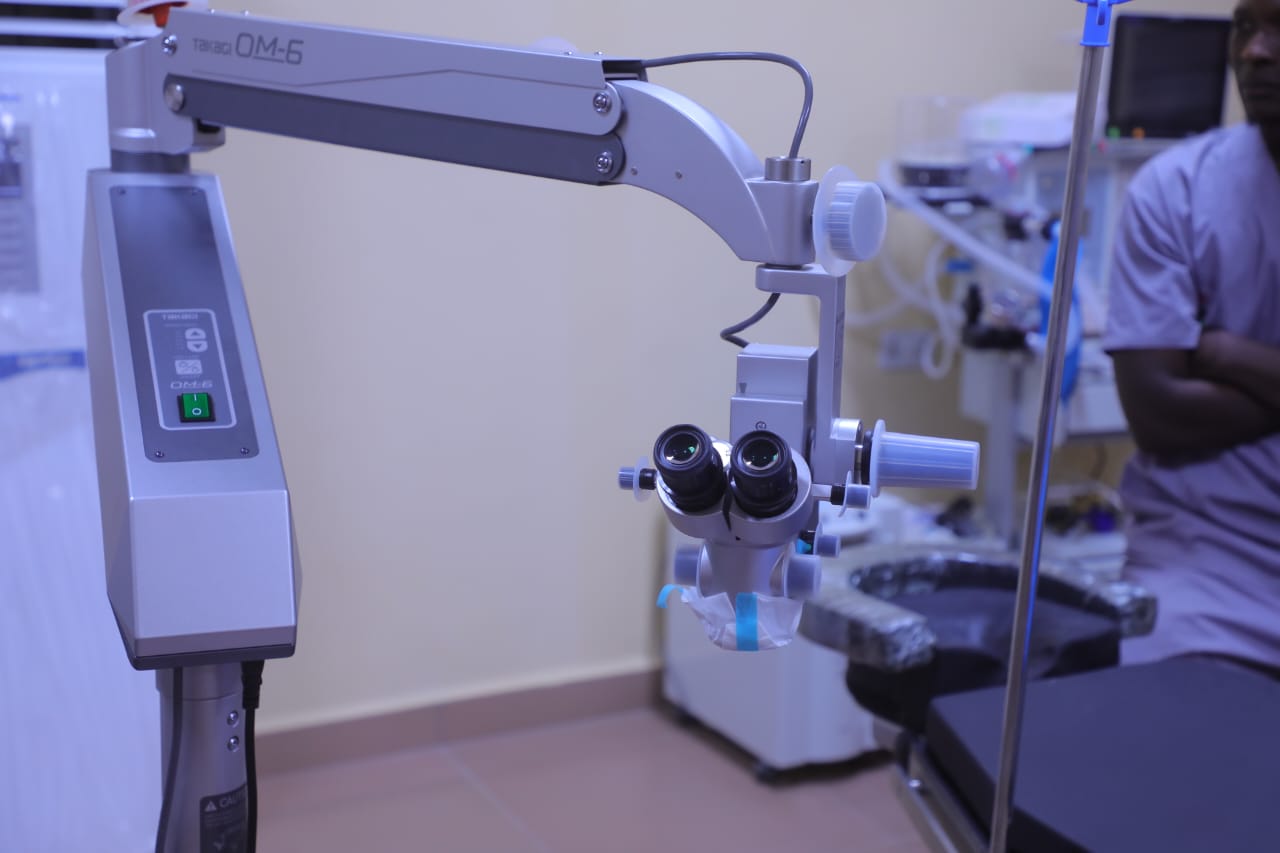
Special features: Borno Health sector, why Zulum is in a hurry to move it to the next level
By: Bodunrin Kayode
Governor Babagana Zulum of Borno state is a man of many parts as he has displayed in his handling of ministries departments and agencies (MDA’s)
of government since inception.
One area he has displayed very empathetic and competent tendencies for his people is the health sector. From the onset this academic turned politician left no one in doubt that he was ready to turn around this critical sector battered by war to a much more service oriented one. He pays specific attention like a father who wants the facilities to be good enough for his immediate family members to receive treatments long after he has left office.
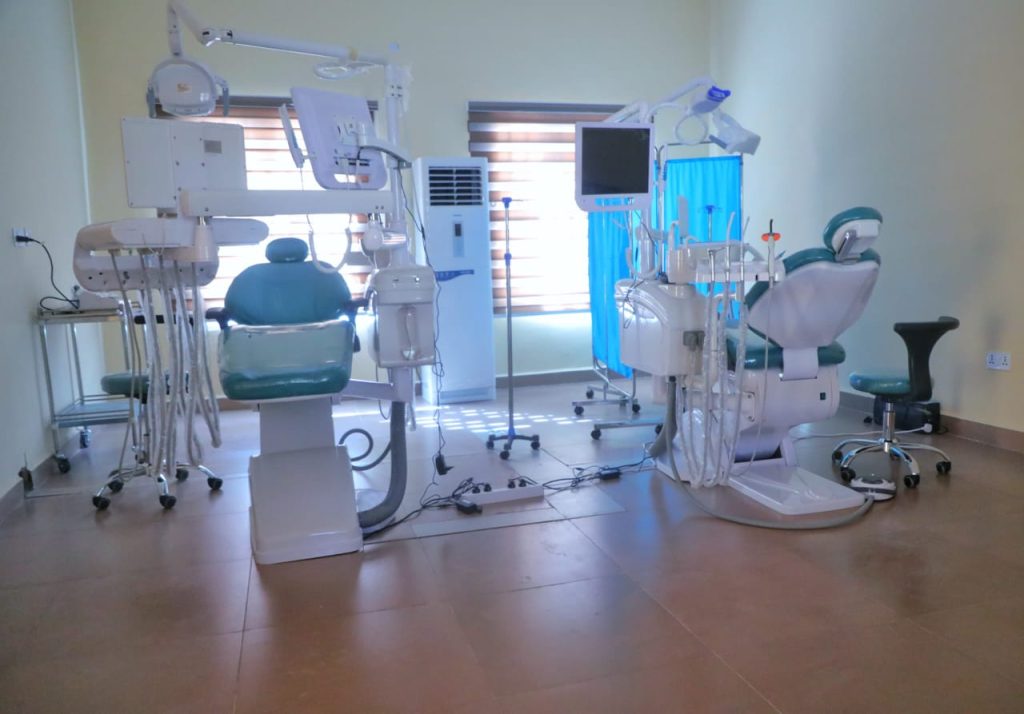
His midnight visits to General hospitals in Borno State to see who is sincerely working for the people or not is an indication that he is not ready to tolerate mediocrity for any reason. Apart from that he had already drafted a ten points agenda of which revamping of the health sector was one of the strong pillars and was going to follow it to the letter. These acts of leadership by example manifested in the very early days of his reign as Governor.
With these leadership actions by visiting hospitals were the most vulnerable receive treatments to get better, he endeared himself to many residents in the state. Some medical workers started wondering if the Professor turned politician slept at night or not. This was because most times he will show up at such wee hours to inspect the register of attendees himself and take special note of their basic challenges. Many of them who never took their call duties important started adjusting because Zulum could appear by 2 am the next morning to check him out. It was obvious a new sheriff was in town and everyone in the medical team must be serious or face the hard music for dereliction of duties.
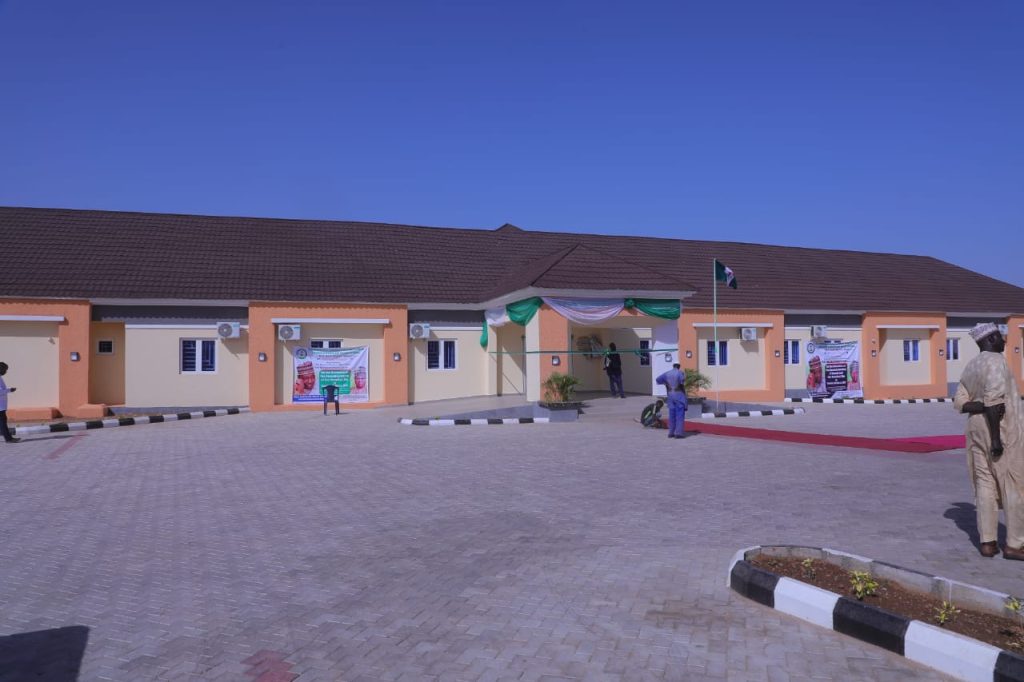
This to many observers is a major achievement in a war torn sub national economy where the health sector was not spared by the aggressors who destroyed the entire infrastructure of at least 22 out of 27 council areas. Both the primary and secondary sub sectors were rendered useless due to lack of basic infrastructure and manpower. It was like starting all over when Zulum took over and his night visits allowed him to see things for himself and correcting same the following day or week. Many of the secondary hospitals which used to survive on touch lights were given instant solar panels and batteries to keep them out of darkness.
Consequently, before the end of his first term, Governor Zulum knew he had to hurry up to fix most of these infrastructure which were brought down so that the people will benefit from them. By the end of his first term, a lot of primary and secondary facilities had been built in areas were they were non existent before now. And within the last two years, he has set the foundation for a state teaching hospital to come on stream at least for the first set of medical students of the Borno State University (BOSU) to acquire practical experience from cadaver to real patients. The maiden board has been created for the State Teaching hospitality and the respected Chief Medical Director (CMD) of the University of Maiduguri Teaching Hospital (UMTH) Professor Ahmed Ahidjo was appointed the chair.
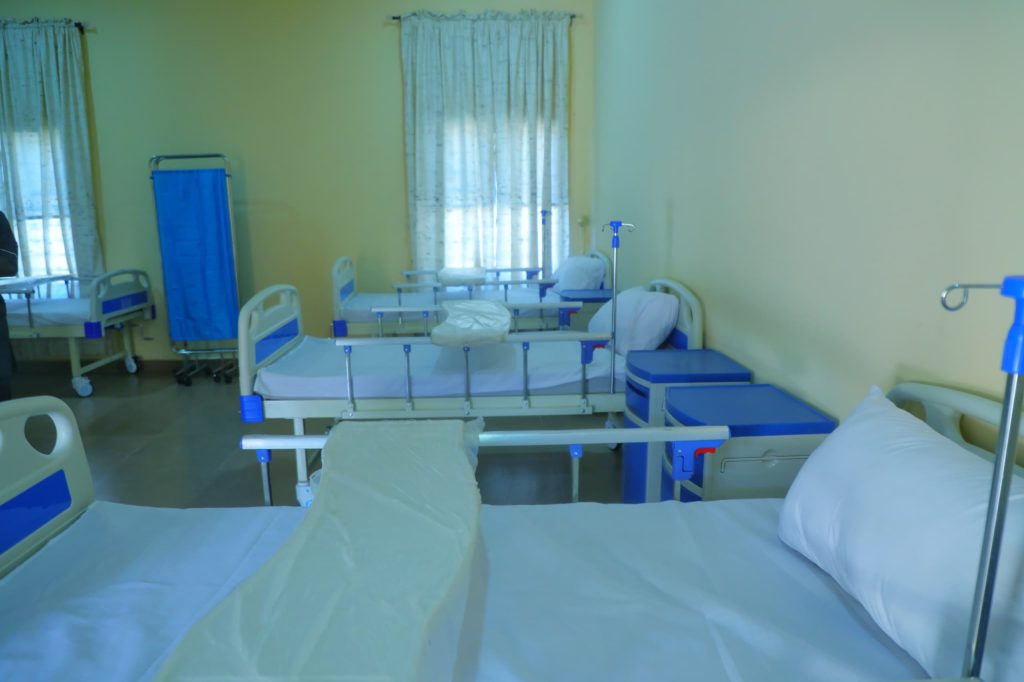
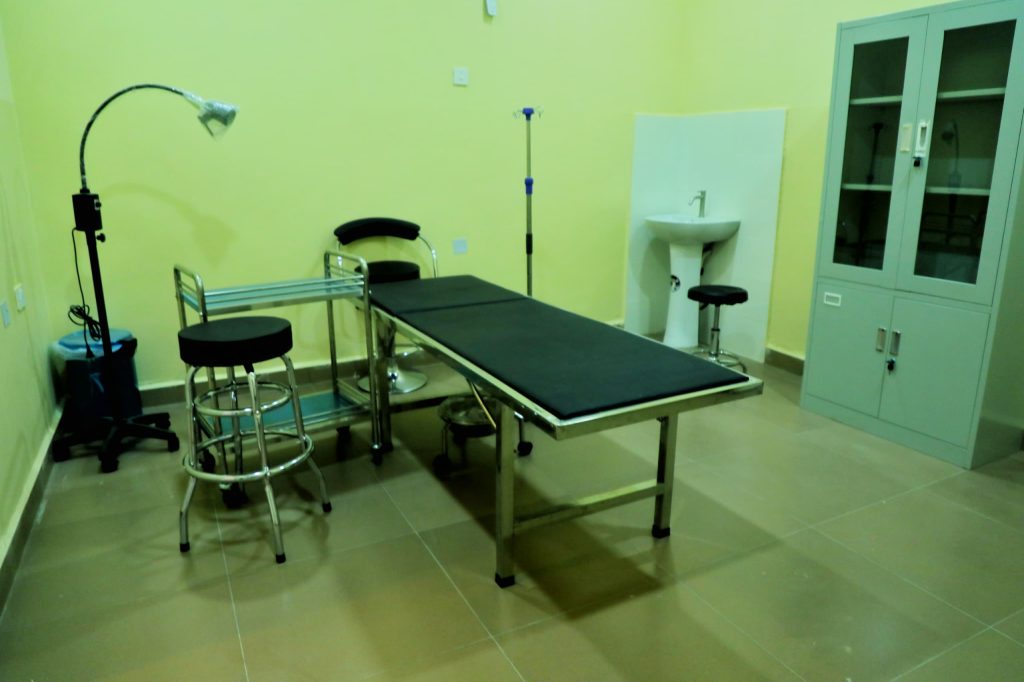
Professor Ibrahim Kida was appointed the maiden chief medical director of the facility located at the jimtilo area of greater Maiduguri. Professor Kida is a Fellow of the West African College of Physicians, Senior Registrar West African College of Physicians, and Registrar West African College of Physicians, specialising in infectious diseases and epidemiology with a special interest in HIV/AIDS management. Alongside Prof Kida, Zulum appointed Professor Usman Tela as Chairman Medical Advisory Committee (CMAC). Similarly, Ali Mohammed was appointed Director of Administration of the Hospital and Secretary to the Management Board. Other members of the management board include a representative of the Ministry of Health; a representative of the Medical College, BOŞU; representative of the Senate, Borno State University; representative of the Nigerian Medical Association (NMA); representative of the Allied Health Professionals in Borno; representative of the UMTH, and a representative of the Vice Chancellor, Borno State University. Others include Abba Marte, Samson Dibal, and Dr Musa Aji, who will represent the public interest from the three senatorial districts of Borno State. A statement then by the spokesman of the Governor Dauda Ilya quoted Zulum as saying, “Our goal is to provide our people with the best possible healthcare while also training the next generation of medical professionals.” Off course, the appointment of Professor Kida as the first CMD is a landmark because this is a man who gave his all during the covid infection years. When many thought that covid was a clear death sentence and should be avoided, Kida gave his life at the UMTH to ensure that residents of the state were well and alive. He was the live wire of the state that period because many people who should have gone to the great beyond are still alive today.
Without mincing words, obviously this is the only way to set the foundation of his own man power base which has eluded the state long before the beginning of insurgency. The appointment of Profs Ahmed Ahidjo and Ibrahim Kida is one of the best decision taken by Prof Babagana Zulum.
Primary Healthcare Sub Sector
Two years into his second term, some residents spoken to by this reporter stated that they were comfortable with the new arrangements in which solar powered primary health centres are now located in their areas. Some of them called on the Governor to bring in foreign doctors to assist at this critical primary level to ease the stress on the secondary sub sector.
They however commended him for the increase in primary health centres at almost every ward of municipal (mmc) and jere council areas of greater Maiduguri. A typical example was the building of an ultramodern primary health centre in Wulari and many other areas within greater Maiduguri which has the highest population because it still houses residents who came to stay with relatives due to the lingering insurgent war and have not gone back.
To further demonstrate his seriousness in taking the primary facilities to every council area in the state, the government has established six new Primary Healthcare Centers ( PHC) at Milda (Kwaya Kusar), Diyar (Kwaya Kusar), Ngwa (Hawul), Danbitam (Bayo), BOSU and MCH Kwaya.
Complete renovation has also taken place in 44 PHC and 3 Maternal Health Centers in 14 LGAs. They include: Mbulatawiwi, Kwajjafa-harang, FSP Askira, Jaradali, Jaragol, Teli, Gumsuri, Gora, Kubo, Lakundum, Dr. Falmata Babagana Umar, Gwoza town, Benesheikh, Mainok, Furram, Hoyo, CBDA, Dalaram, Fori, Ngomari, Gongulong, Jiddari, Maimusari, Mashamari, Dalori, Njimtilo, Jakana, MCH Konduga, Mafa, Ngwom, Mala Kyariri, Abbaganram, Bulabulin, Fatima Ali Sheriff, Gamboru, Herwa Peace, Kaalmari, Mala Kachallah, Gwange I, Gamboru Main, Gwange III, Yerwa MCH, FSP Tandari and Maternal Health Centers at Magumeri, Gubio and Bama.
With these achievements due to the right leadership, simple ailments which some residents used to rush to secondary facilities like Umaru Shehu, General Hospital Biu and the state specialist hospital could now be handled easily at these primary levels.
The second most tormenting challenge the government was facing was recruiting the right human resource to maintain these facilities. Most of the doctors working to save lives were overstretched. Nurses had the non governmental organizations (NGO’s) daily dangling carrots at them to cross over. And hundreds of nurses have indeed crossed over in the last 15 years of lingering insurgency. In spite of that the Governor Professor Babagana Zulum has been encouraging them with mouth watering scholarships to enable them finish their training and start work.
To retain more doctors, special quarters like the Buba Marwa Doctor’s Quarter’s were built for them to stay. Leaving the service meant leaving the quarters. That alone was a major attraction to keep the doctors in the state service. The second attraction activated by Governor Zulum to keep the man power was the implementation of federal pay package for doctors. That was seen as a good move by observers and it has really helped to keep the doctors down in Borno.
Achievements in the secondary health sub sector
A lot has been achieved in this sub sector which needed infrastructure and man power. Some of it includes the establishment of 150 bed capacity General Hospital Damboa, completion of the reconstruction of General Hospitals in Azare (Hawul), Uba, Magumeri, Gubio and Mafa Borgu (Shani).
While waiting for the tertiary sub sector to take off fully, the specialist hospital located at the post office area of the centre of Maiduguri has been chewing a lot more than it can bite because of its strategic roles in the well being of residents of the state Capital and beyond. So as a result of this, tremendous developments has been taking place within the complex even after the flood of September 10th last year.
As part of the achievements of Governor Zulum in this specialist hospital, there is an on going construction of a 3 storey orthopedic ward for patients. Others include the consultant offices, conference room, complete renovation of Obstetrics and Gynaecology (O&G) department (including the Labour ward and Theatre), Anesthetic dept, Pharmacy, Specialist Out Patient Department (including departmental consultants’ offices), surgical wards, Accident and Emergency (A&E) and maintenance units at State Specialist Hospital.
Others include: General renovation of Theaters, 7 Bedroom staff quarters at General hospital Ngala, two theaters, and seven bedroom at General Hospital Damasak, Maternity wing, staff quarters, wards, theaters, Pharmacy and Records office at General Hospital Gwoza and off course staff quarters at General Hospital Benisheikh.
To ensure efficiency in this sub sector the government had to purchase and install power supply facilities in many general hospitals where the lingering war had caused enormous damages to these facilities. Some include the installation of 100 KVA solar power supply to the Magnetic Resonance Imaging (MRI) machine at the specialist hospital, 77.5 KVA generators distributed across departments and units at State Specialist Hospital, 70 KVA generator at Mamman Shuwa Memorial Hospital, 40 KVA generator each at Brigadier Abba Kyari hospital, Maryam Abatcha Women and Children Hospital, Nganzai, Ngala, Mafa, Konduga, Gwoza and
Bama General Hospitals, 75 KVA generator at Damasak and 25 KVA at Rann.
Further procurement and supply of equipment was made in the Hematology, Histopathology, Labour and Theater departments. Supply of dialysis reagents and consumables were also made to the Abdulkadir Aliyu Kidney Center in the State Specialist Hospital where dialysis is still free. During the period under review supply was made of clinical equipment, office furniture at Mamman Shuwa Memorial Hospital and procurement, installation of
manual X-ray machines at Ngala, Gwoza, Mobbar, Biu, Askira, Monguno and Rann General Hospitals.
Again to boast power supply in the absence of supplies from the grid, installation of solar power system was made at Umaru Shehu Ultra-Modern Hospital Maiduguri.
End


National News
President Tinubu, Spreading Opportunities Across Overburdened Communities, Says VP Shettima
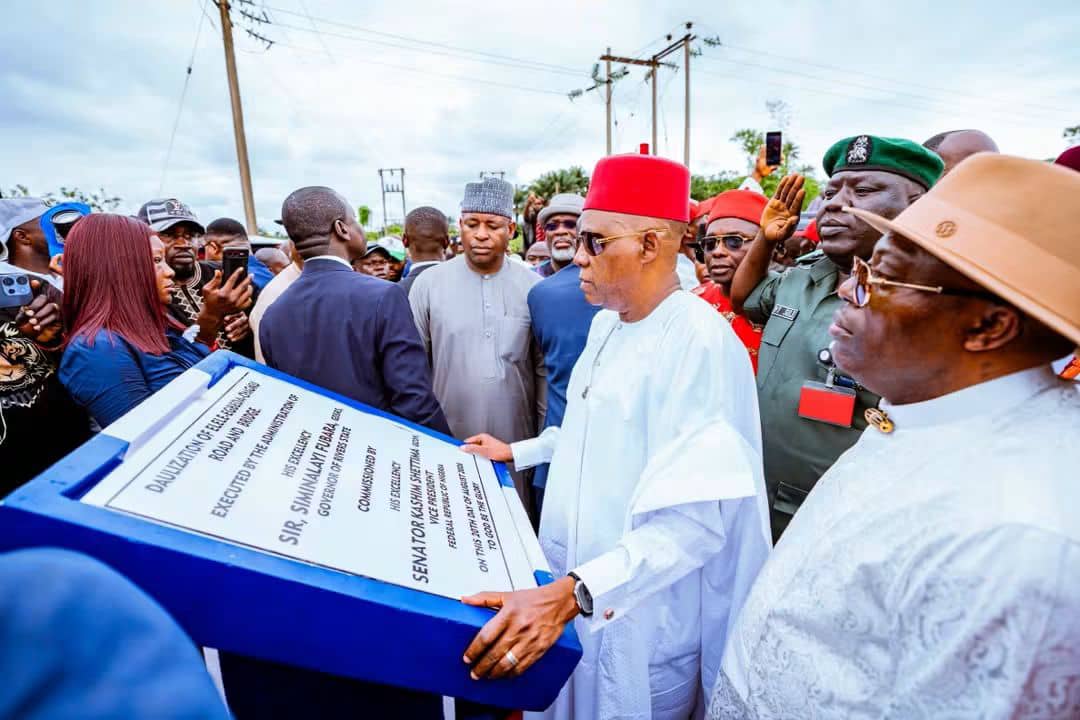
President Tinubu, Spreading Opportunities Across Overburdened Communities, Says VP Shettima
**Inaugurates 33.5km dual carriageway in Rivers, says it’s consistent with president’s Renewed Hope Agenda
By: Our Reporter
The Vice President, Senator Kashim Shettima, has said the administration of President Bola Ahmed Tinubu is deliberately spreading infrastructure and economic opportunities beyond major cities to reduce congestion, expand jobs and promote balanced national development across Nigeria.
This, he noted, is driven by the administration’s conviction that such state-driven projects are consistent with the Renewed Hope Agenda’s push to expand security, welfare and economic opportunity beyond the centre.
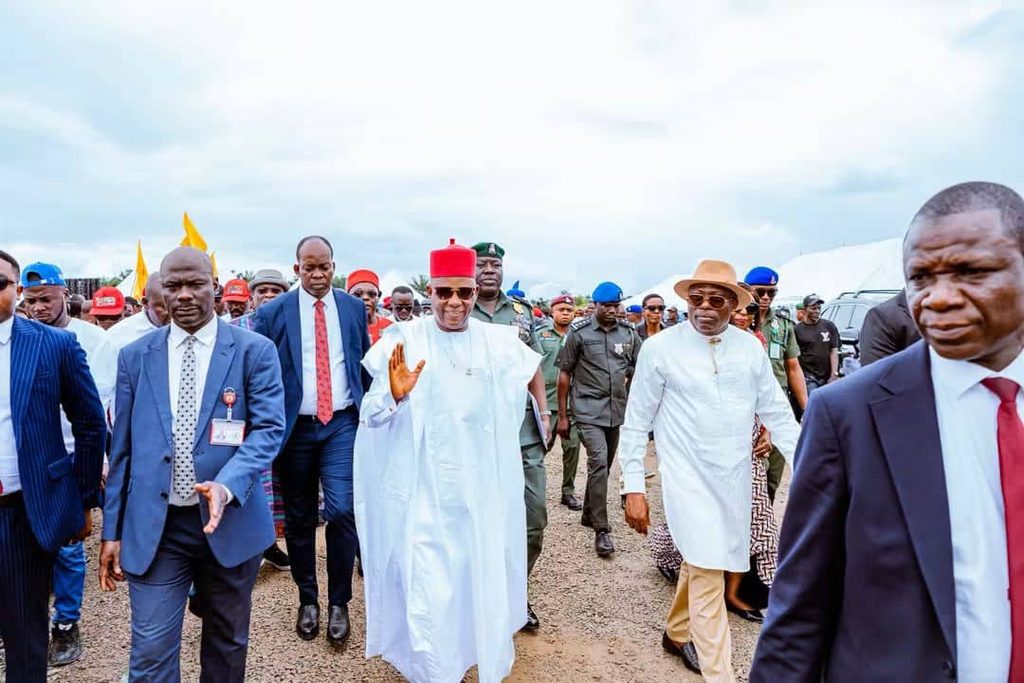
Senator Shettima stated this on Thursday while inaugurating the Elele-Umudioga-Egbeda-Ubimini-Akpabu-Ikiri-Omoku Dual Carriageway in Rivers State on behalf of President Tinubu.
The 33.5-kilometre road runs through Ikwerre, Emohua and Ogba/Egbema/Ndoni local government areas of the state, connects communities along an important agricultural, commercial and oil and gas corridor leading towards Omoku, widely regarded as the state’s “Gas City.”
“A nation becomes congested when opportunity is congested. People move because roads, markets, jobs and services have not moved far enough towards them,” the Vice President stated.
He said roads are among the most democratic instruments of development, noting that they connect farmers to markets, workers to jobs, students to schools and patients to healthcare.
“Roads are among the most democratic instruments of development. They serve the farmer carrying produce to market, the trader seeking customers, the worker travelling to employment, the student going to school and the patient seeking care. When a road works, society moves,” VP Shettima maintained.
According to him, the completed road will help farmers move produce faster, reduce losses, lower logistics costs for businesses and open communities along the corridor to greater economic activity.
“Public infrastructure must be judged by the lives it improves. A road earns its value when a farmer earns more, a child reaches school earlier, and isolation no longer punishes enterprise,” he said.
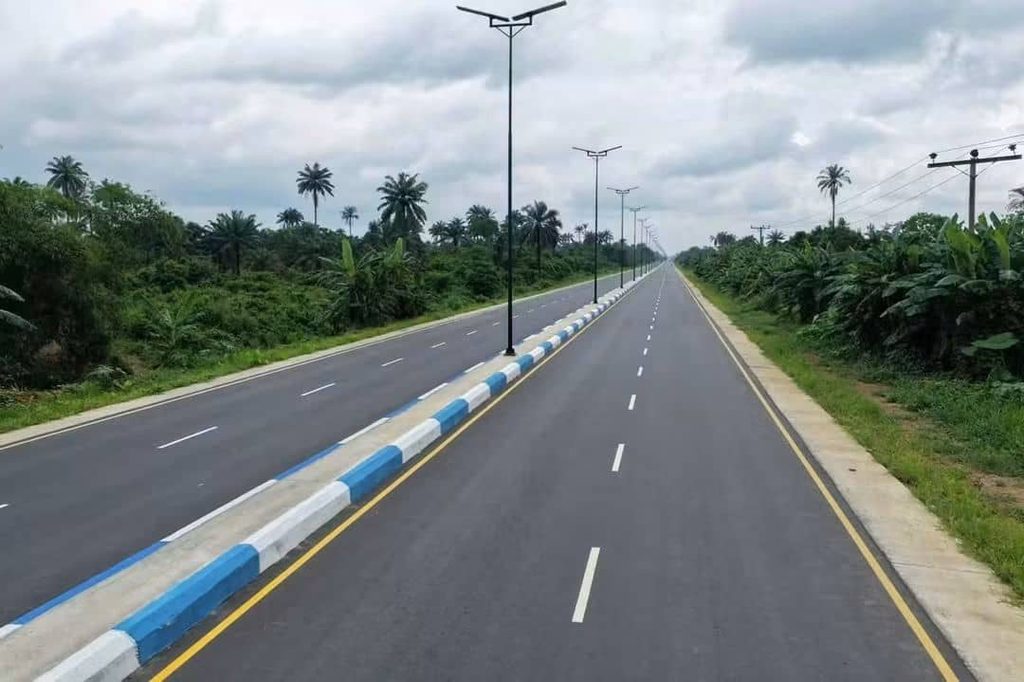
Senator Shettima commended Rivers State Governor Siminalayi Fubara for completing the project, describing it as consistent with President Tinubu’s Renewed Hope Agenda and the Federal Government’s support for state-led investments that improve security, welfare and economic opportunities.
He also stressed the importance of continuity in governance, saying, “One administration lays a foundation, another strengthens it, and the people remain the final beneficiaries.”
The Vice President urged communities along the corridor to protect the infrastructure against vandalism and other activities capable of shortening its lifespan.
“Our next responsibility is to protect this asset from vandalism, reckless use and every practice that shortens the life of public infrastructure,” he said.
Earlier, Governor Siminalayi Fubara of Rivers State said the 33.5-kilometre road, with a river crossing bridge, will improve security and ease the age-long suffering of the people of the three local government areas of Ikwere, Emohua and Ogba/Egbema /Ndoni.
The governor explained that in the past, the road was a corridor for kidnapping, oil bunkering, and other forms of criminality, assuring that with the commissioning of the road, insecurity will be a thing of the past along the road corridor, and that security agencies would increase surveillance in the area.
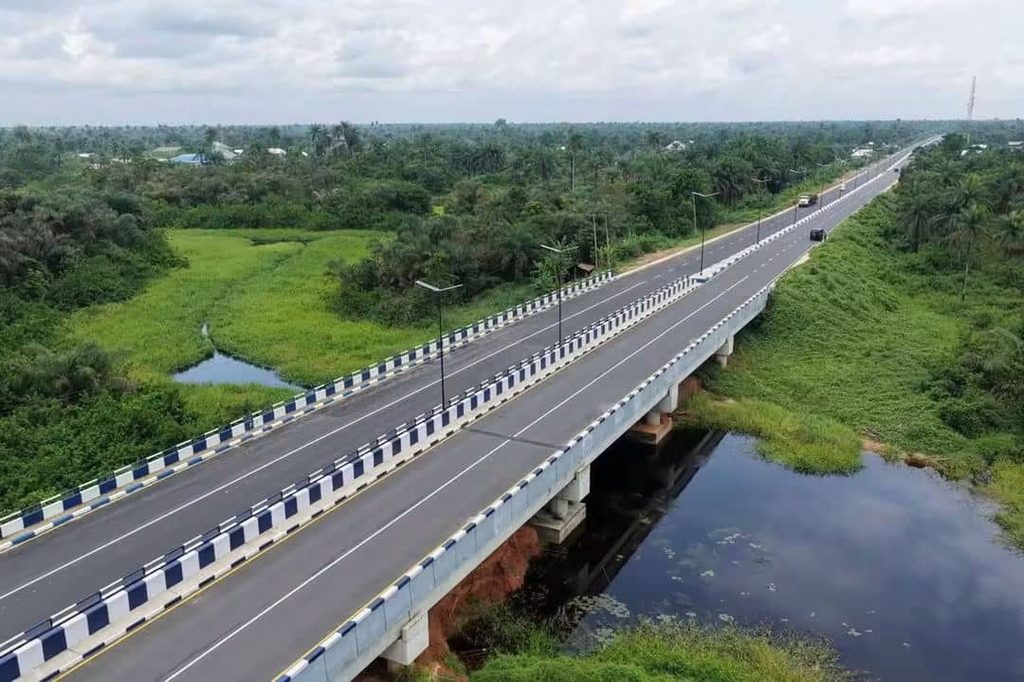
“In this project, we have lights from the beginning to the end. So, even in the night, insecurity is totally eliminated. This won’t have been possible without the support of the Federal Government and the good people of Rivers State.
“I want to thank you for this special support that you have been giving to us for us to come here to say, to the glory of God, that promise made is a promise kept,” the governor said.
He thanked President Tinubu and the Vice President for their unwavering support to the government and people of Rivers State.
“I am a bit emotional today because for a very long time, I felt maybe we were not part of this country, but today I feel very happy that our country is also standing by us, ably represented here by no other person but distinguished Senator Kashim Shettima, Vice President of the Federal Republic of Nigeria. You can see why I feel emotion,” Fubara added..
On his part, the Commissioner for Works, Rivers State, Prof. Temple Nwofor, said the commissioning of the road represents another significant step in the determination of the Rivers State government to provide durable infrastructure that would improve connectivity, enhance mobility and promote economic activities within the benefiting communities.
He noted that the 33.5-kilometre road linking three local government areas in Rivers State will enhance development and open up opportunities that would address societal challenges.
Also, the Chairman of Emohua Local Government Area of the state, Dr Chidi Lloyd, said the project will open communities, ease transportation and boost economic activities in the affected local governments areas.
Lloyd said the project was more than asphalt, adding that it was a road to reconciliation and prosperity that connects people’s hearts.
“This day is significant not because we are commissioning the Elele-Omoku road but because of what it represents. We sincerely appreciate the President of the Federal Republic of Nigeria. We also thank the Minister of the Federal Capital Territory for his fatherly intervention and for standing with Rivers people on this journey.”
President Tinubu, Spreading Opportunities Across Overburdened Communities, Says VP Shettima

AWALCO Nominates NUJ FCT Chair Grace Ike for November Award
By: Michael Mike
The Association of West African Legislative Correspondents (AWALCO) has commended the achievements of the Chairman of the Nigerian Union of Journalists (NUJ), FCT Council, Comrade Grace Ike, and nominated her for an award scheduled for November.
The association announced the nomination when its executives, led by President Innocent Odoh, paid a courtesy visit to the NUJ FCT Council Chairman in Abuja.
Odoh said Ike’s achievements since assuming leadership of the council had been impressive, describing her emergence as the first woman to chair the NUJ FCT Council as a significant milestone.
He said her leadership had demonstrated courage, commitment and the ability to take charge, adding that AWALCO was encouraged by the changes recorded under her leadership.
“We are indeed very impressed and inspired. It takes somebody with this kind of courage and commitment, and someone who will take charge of things, and we are really seeing the change,” Odoh said.
He explained that Ike’s nomination followed discussions within the association on journalists and leaders who had made significant contributions to the profession and public service.
According to him, her achievements, including her previous leadership of the House of Representatives Press Corps, placed her among those shortlisted for recognition.
Odoh disclosed that AWALCO had initially planned the award ceremony last year to coincide with the 25th anniversary of the ECOWAS Parliament, but the event was postponed after the Parliament scheduled its own award ceremony.
He said the proposed award was also part of AWALCO’s broader effort to promote awareness and strengthen collaboration with the NUJ FCT Council.
The association, he said, intends to work with the council to organise seminars, workshops and conferences focused on democracy, good governance, development and legislative accountability.
He described Parliament as the nucleus of a democratic system and said legislative correspondents had an important role to play in interrogating democratic principles and examining how legislation could translate into development for citizens.
With West Africa’s population exceeding 400 million, Odoh said stronger collaboration between AWALCO and the NUJ could help spread important democratic and governance messages across ECOWAS member states.
Responding, Ike welcomed the AWALCO delegation and expressed appreciation for the recognition.
She assured the association that the NUJ FCT Council was ready to partner with AWALCO in areas that would advance journalism, democracy and development.
“I really don’t take this award for granted. I’m honoured,” she said.
Ike urged journalists to uphold the principles of accuracy, fairness, balance and ethical reporting, stressing that the media remained a critical pillar of society.
She encouraged journalists to move beyond their traditional areas of coverage and report issues capable of positively affecting society and the wider West African region.
The NUJ FCT chairman also emphasised the importance of journalists’ welfare, describing it as a key priority of her leadership.
She urged AWALCO members to ensure accountability and transparency in their activities and said the NUJ would provide publicity support for initiatives and statements presented by the association as part of their proposed partnership.
Ike further challenged journalists to use their platforms to interrogate emerging issues affecting democracy in West Africa, including electoral reforms and proposals such as direct primary elections.
She said issues that could strengthen democratic governance should be properly examined and brought to public attention.
The NUJ FCT chairman also urged leaders in the journalism profession to build lasting legacies through diligent and responsible service.
“Leadership is not easy. If you are a leader, you must do everything possible to leave a legacy behind,” she said.
She urged younger journalists to remain committed to changing the narrative about leadership and public service, stressing that journalists should produce stories capable of touching lives and positively influencing society.
Also speaking on the nomination of the FCT NUJ Chairman, the Financial Secretary of AWALCO, Favour Olise, commended Ike’s leadership and urged her to continue supporting younger journalists.
Olise said Ike’s achievements had made her worthy of recognition, particularly her efforts to attract reputable organisations to partner with the NUJ.
“Younger ones not in age, younger ones in the Journalism profession, carry them along as you are already doing and keep doing the good works,” she said.
She described Ike’s efforts as encouraging and said her leadership was contributing positively to the image and development of the journalism profession.
AWALCO said it looked forward to strengthening its partnership with the NUJ FCT Council, particularly in promoting legislative journalism, democratic accountability, good governance and development across Nigeria and the wider West African region.
AWALCO Nominates NUJ FCT Chair Grace Ike for November Award

EU Releases €2.3m to Fight Cholera as Nigeria Gets €1.5m
…61,888 cases, 1,230 deaths recorded across Africa in five months
By: Michael Mike
The European Union has released €2.3 million in emergency humanitarian funding to Nigeria and three other African countries to contain the spread of cholera, as the disease continues to pose a major public health threat across the continent.
Nigeria is to receive the largest share of the intervention, €1.5 million, to strengthen its response to the outbreak, including the deployment of additional intervention teams, provision of cholera kits and intensified water, sanitation and hygiene measures.
The European Commission announced the funding on Monday, saying the money would also support epidemiological surveillance, particularly in hard-to-reach areas, improve case management and strengthen risk communication and community sensitisation.
The intervention comes against the backdrop of a significant cholera burden across Africa. The World Health Organisation reported 61,888 cholera cases and 1,230 deaths across 16 African countries between January 1 and May 31, 2026. Nigeria alone recorded 6,860 cases and 80 deaths during the period covered by the WHO report.
The WHO data showed that Nigeria recorded 5,798 new cases and 54 deaths in May alone, making it one of the countries reporting the highest number of cases in the African Region that month.
The latest EU intervention is therefore expected to provide additional resources for Nigeria’s efforts to prevent further transmission and reduce deaths from the disease, particularly in communities where access to safe water, sanitation and healthcare remains limited.
Under the Nigerian component of the funding, the EU said intervention teams would be increased, while essential cholera supplies would be provided to affected communities.
The funding will also support the treatment of public water points and household water, intensify disease surveillance in inaccessible areas and strengthen measures for detecting and managing cases.
Risk communication and community sensitisation will equally be expanded to help communities understand how cholera is transmitted and the steps required to prevent infection.
Cameroon will receive €100,000 for outbreak containment and case management.
The allocation will support additional humanitarian personnel, essential medicines, additional cholera treatment units and oral rehydration points in some of the country’s worst-affected villages.
The Central African Republic will receive €500,000 to scale up case management and vaccination, alongside water, sanitation and hygiene interventions.
The funds will also strengthen risk communication, community engagement, surveillance and case detection, while supporting dignified and safe burials.
Chad will receive €200,000 to help break the chain of transmission through improved access to water, sanitation and hygiene, as well as community support for surveillance and case management.
The EU Commissioner for Preparedness and Crisis Management, Hadja Lahbib, said the emergency funding was necessary because cholera continues to threaten lives in communities without adequate access to safe water and healthcare.
“Cholera is preventable and treatable. Yet it still threatens lives when people lack something as basic as safe water and healthcare,” Lahbib said.
She added that the intervention was coming at a time when humanitarian needs were increasing while available resources were shrinking.
“Europe is not looking away. This emergency funding will help our partners act quickly, contain the outbreaks and protect the communities most at risk,” she said.
Cholera is an acute diarrhoeal infection caused by the bacterium Vibrio cholerae. It is most commonly transmitted through contaminated food or water and can cause severe dehydration and death within hours in serious cases if treatment is not provided.
The WHO has warned that cholera outbreaks are increasingly difficult to control because of factors including conflict, population displacement, climate-related events, poor infrastructure and limited access to healthcare, particularly in rural and flood-affected communities.
The scale of the 2026 outbreak has also highlighted the continuing vulnerability of African countries to diseases linked to inadequate water and sanitation infrastructure.
WHO data show that the Democratic Republic of Congo recorded the highest number of cases in Africa between January and May, with 28,567 cases and 815 deaths, followed by South Sudan with 7,712 cases and Mozambique with 7,500 cases. Nigeria’s 6,860 cases placed it among the countries with the highest reported burdens during the period.
The WHO has cautioned, however, that reported figures may be affected by under-reporting, reporting delays and differences in surveillance systems and case definitions across countries.
Nigeria has also been receiving broader international support to strengthen its capacity to detect and respond to disease outbreaks. In May, the EU and WHO launched a €4.2 million programme aimed at strengthening selected Nigerian public health institutions, including their ability to detect outbreaks earlier and share information more rapidly.
With the latest €1.5 million cholera allocation, the immediate priority is expected to be containing transmission, expanding access to treatment and ensuring that communities at greatest risk have access to safe water, sanitation and reliable public health information.
The EU said the broader emergency response was intended to help its humanitarian partners move quickly, contain the outbreaks and protect communities most at risk.
EU Releases €2.3m to Fight Cholera as Nigeria Gets €1.5m

After a Decade in Exile, Buni’s Visit Rekindles Hope Among Forgotten Nigerian Refugees in Chad

Farmers laud Borno security measures against clashes

Borno LG boss warns residents against illegal tree felling

Roger Federer’s Shock as DNA Results Reveal Myla and Charlene Are Not His Biological Children

THE PLIGHT OF FARIDA

FAILED COUP IN BURKINA FASO: HOW TRAORÉ NARROWLY ESCAPED ASSASSINATION PLOT AMID FOREIGN INTERFERENCE CLAIMS
-
 News2 years ago
Roger Federer’s Shock as DNA Results Reveal Myla and Charlene Are Not His Biological Children
-
Opinions5 years ago
THE PLIGHT OF FARIDA
-
 News1 year ago
FAILED COUP IN BURKINA FASO: HOW TRAORÉ NARROWLY ESCAPED ASSASSINATION PLOT AMID FOREIGN INTERFERENCE CLAIMS
-

 News2 years ago
EYN: Rev. Billi, Distortion of History, and The Living Tamarind Tree
-
 Opinions5 years ago
POLICE CHARGE ROOMS, A MINTING PRESS
-

 ACADEMICS2 years ago
A History of Biu” (2015) and The Lingering Bura-Pabir Question (1)
-

 Columns2 years ago
Army University Biu: There is certain interest, but certainly not from Borno.
-

 Politics1 year ago
2027: Why Hon. Midala Balami Must Go, as Youths in Hawul and Asikira/Uba Federal Constituency Reject ₦500,000 as Sallah Gift
